
Cardiac Pathology Valvular Heart Disease Cardiomyopathies and Other
- Slides: 36
Cardiac Pathology: Valvular Heart Disease, Cardiomyopathies and Other Stuff
Cardiac Pathology Outline • Blood Vessels • Heart II
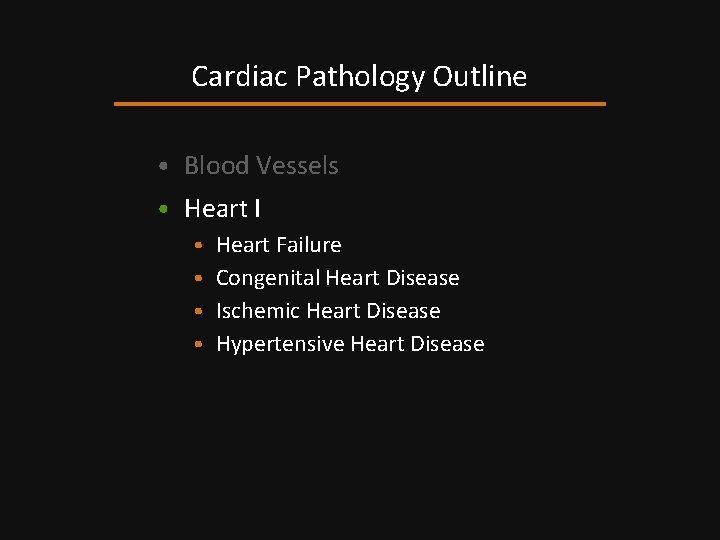
Cardiac Pathology Outline • Blood Vessels • Heart I • • Heart Failure Congenital Heart Disease Ischemic Heart Disease Hypertensive Heart Disease
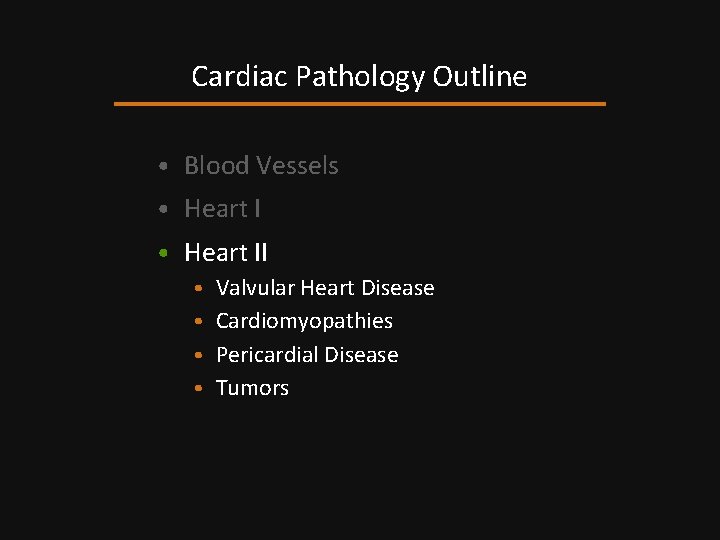
Cardiac Pathology Outline • Blood Vessels • Heart II • • Valvular Heart Disease Cardiomyopathies Pericardial Disease Tumors
Cardiac Pathology Outline • Blood Vessels • Heart II • Valvular Heart Disease
Valvular Heart Disease • Stenosis and/or insufficiency • Stenosis: failure to open • Insufficiency: failure to close • Murmurs: blood ejects rapidly through the stenosis/regurgitation occurs
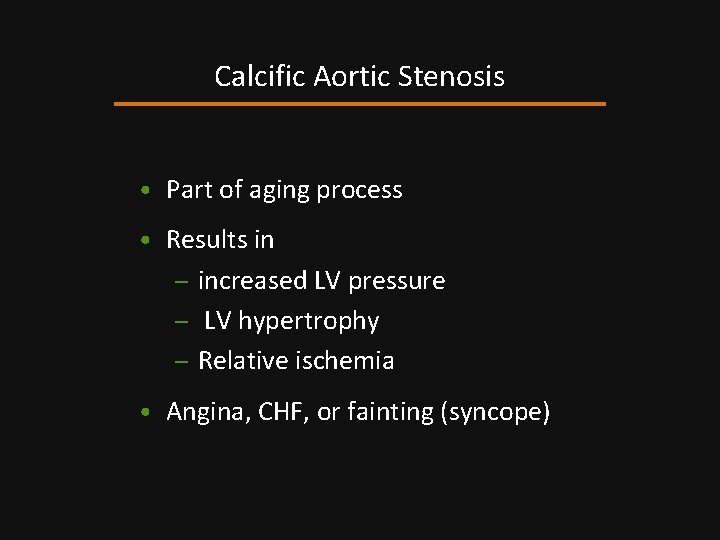
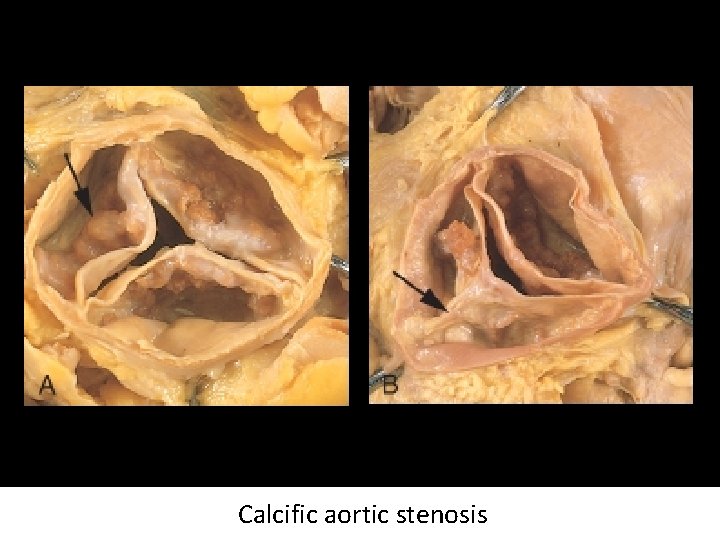
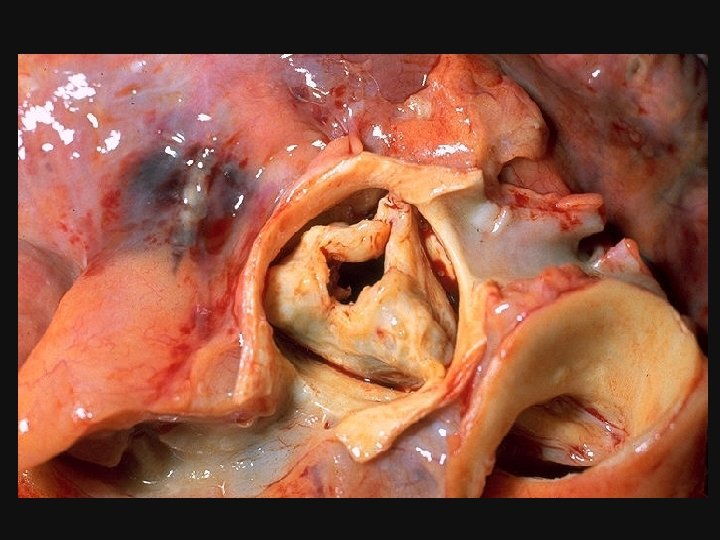
Calcific Aortic Stenosis • Part of aging process • Results in – increased LV pressure – LV hypertrophy – Relative ischemia • Angina, CHF, or fainting (syncope)
Calcific aortic stenosis
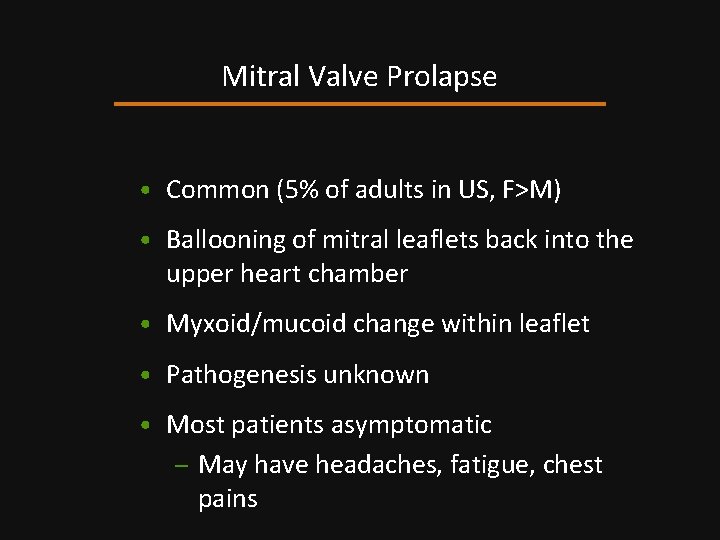
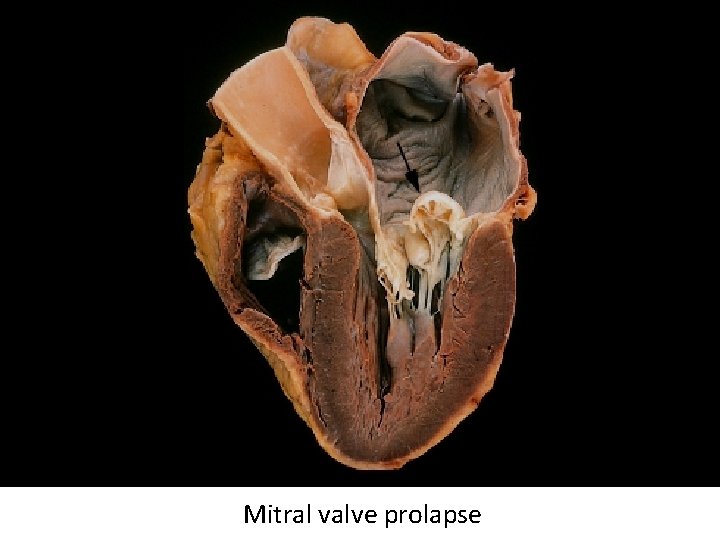
Mitral Valve Prolapse • Common (5% of adults in US, F>M) • Ballooning of mitral leaflets back into the upper heart chamber • Myxoid/mucoid change within leaflet • Pathogenesis unknown • Most patients asymptomatic – May have headaches, fatigue, chest pains
Mitral valve prolapse
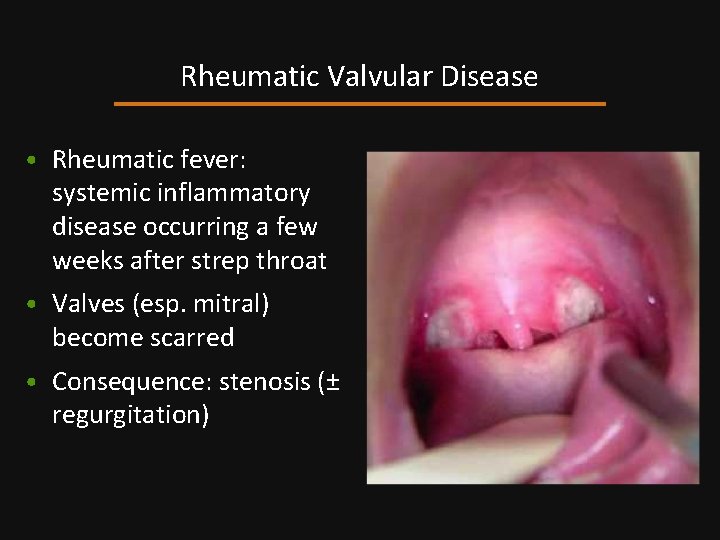
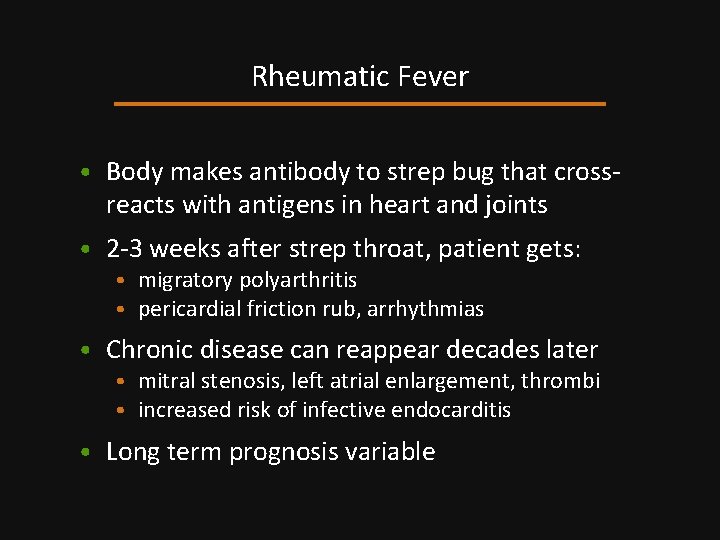
Rheumatic Valvular Disease • Rheumatic fever: systemic inflammatory disease occurring a few weeks after strep throat • Valves (esp. mitral) become scarred • Consequence: stenosis (± regurgitation)
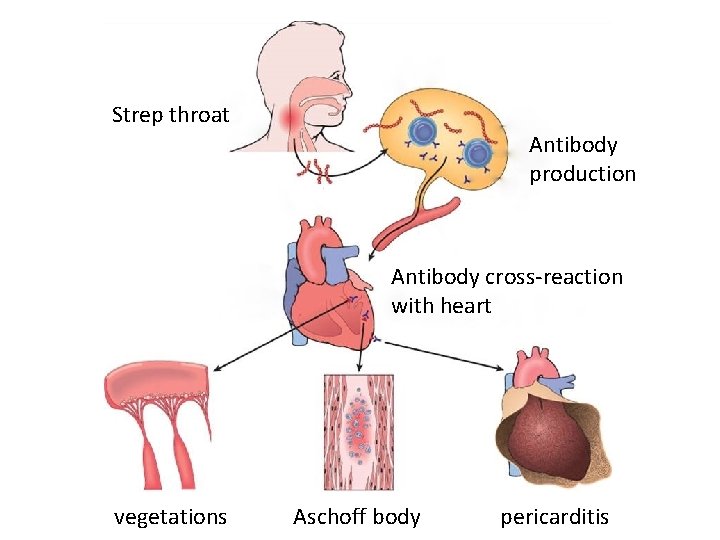
Rheumatic Fever • Body makes antibody to strep bug that cross- reacts with antigens in heart and joints • 2 -3 weeks after strep throat, patient gets: • migratory polyarthritis • pericardial friction rub, arrhythmias • Chronic disease can reappear decades later • mitral stenosis, left atrial enlargement, thrombi • increased risk of infective endocarditis • Long term prognosis variable
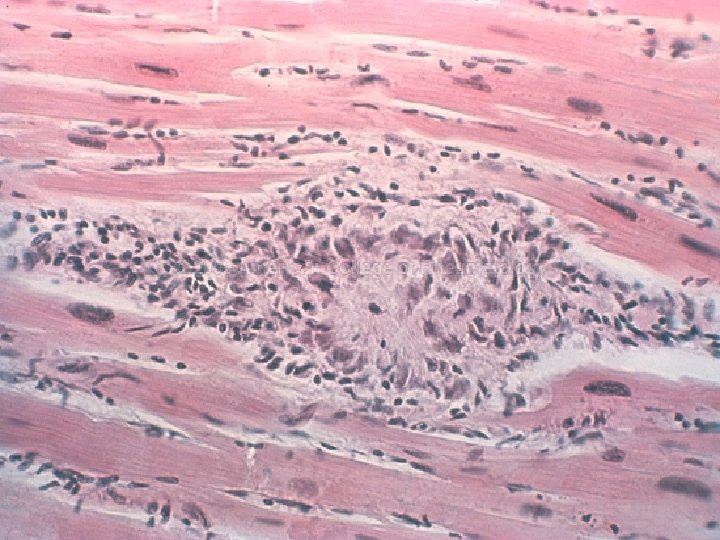
Strep throat Antibody production Antibody cross-reaction with heart vegetations Aschoff body pericarditis
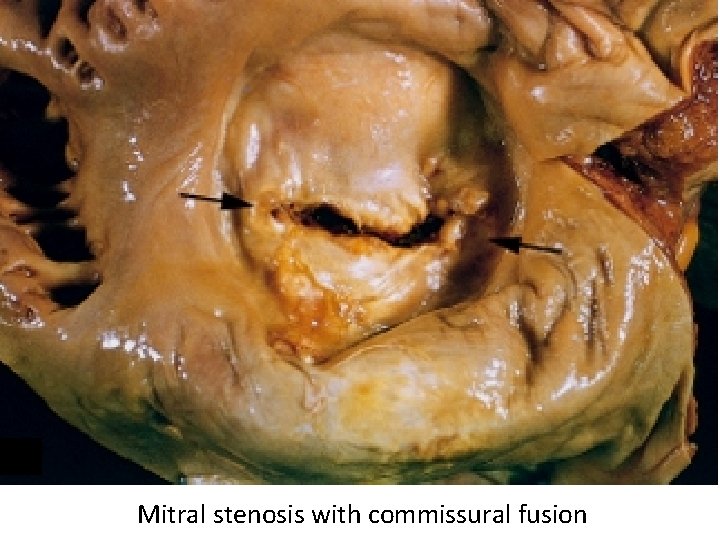
Mitral stenosis with commissural fusion
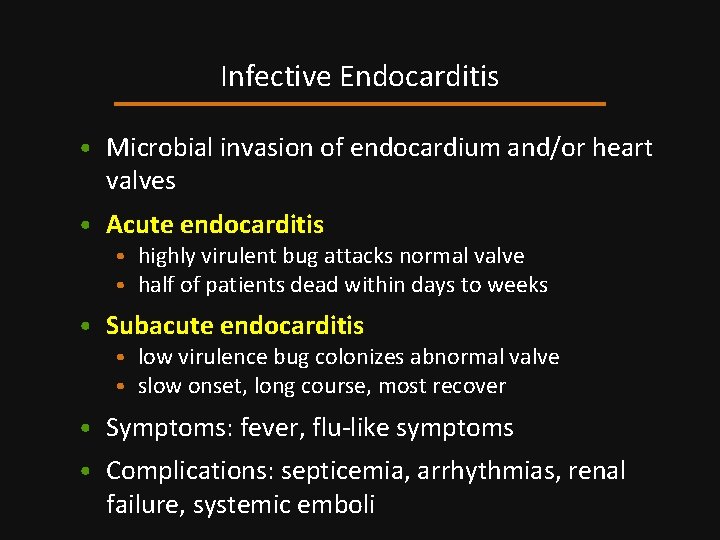
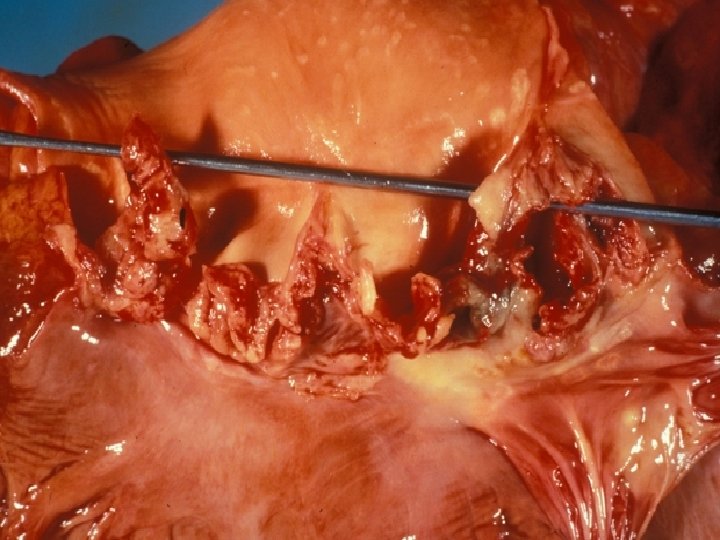
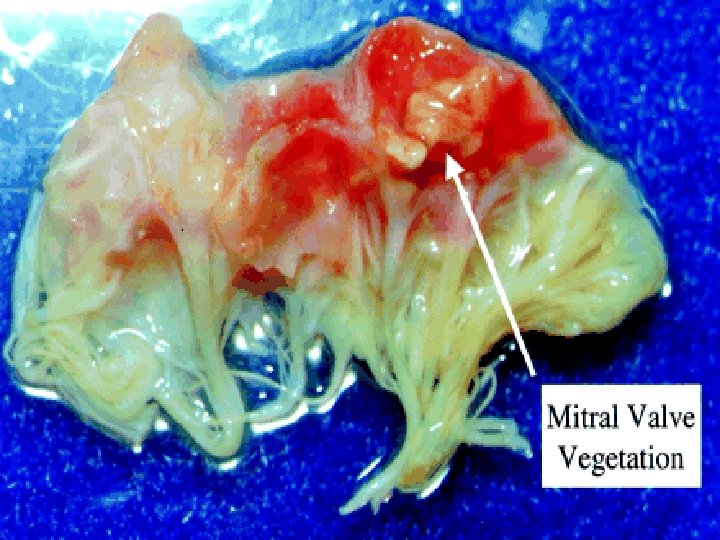
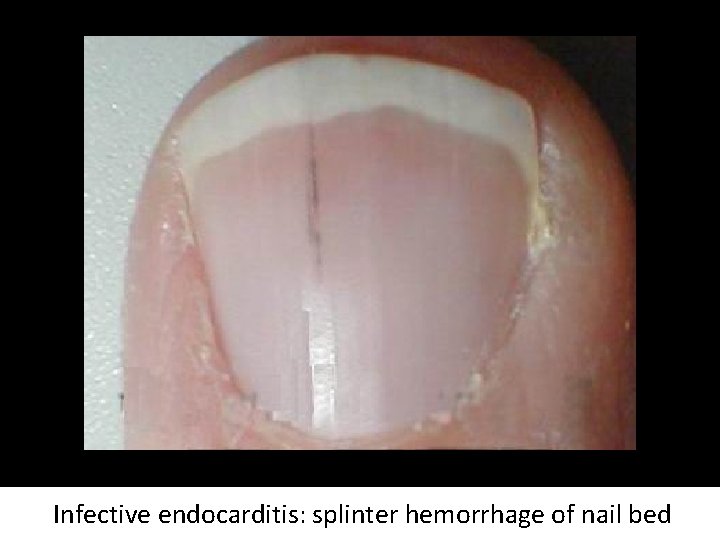
Infective Endocarditis • Microbial invasion of endocardium and/or heart valves • Acute endocarditis • highly virulent bug attacks normal valve • half of patients dead within days to weeks • Subacute endocarditis • low virulence bug colonizes abnormal valve • slow onset, long course, most recover • Symptoms: fever, flu-like symptoms • Complications: septicemia, arrhythmias, renal failure, systemic emboli
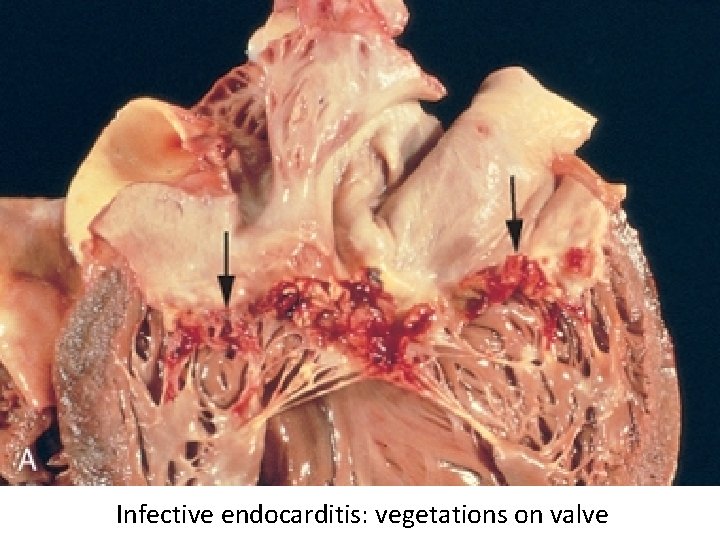
Infective endocarditis: vegetations on valve
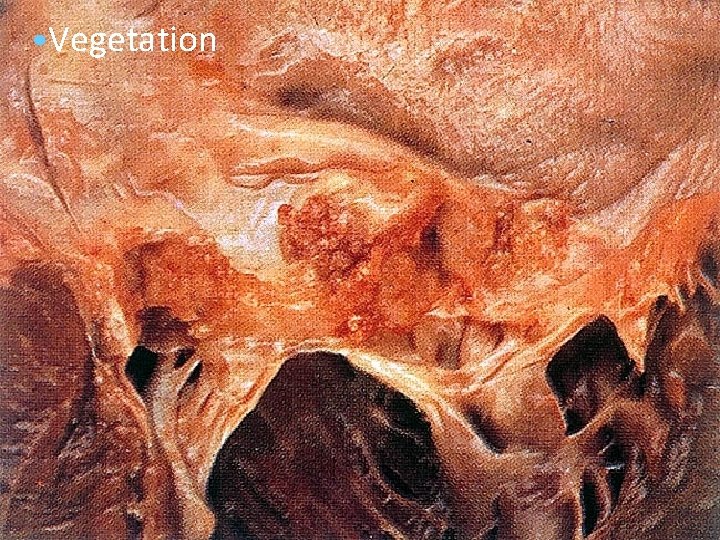
• Vegetation
Infective endocarditis: splinter hemorrhage of nail bed
Cardiac Pathology Outline • Blood Vessels • Heart II • Valvular Heart Disease • Cardiomyopathies
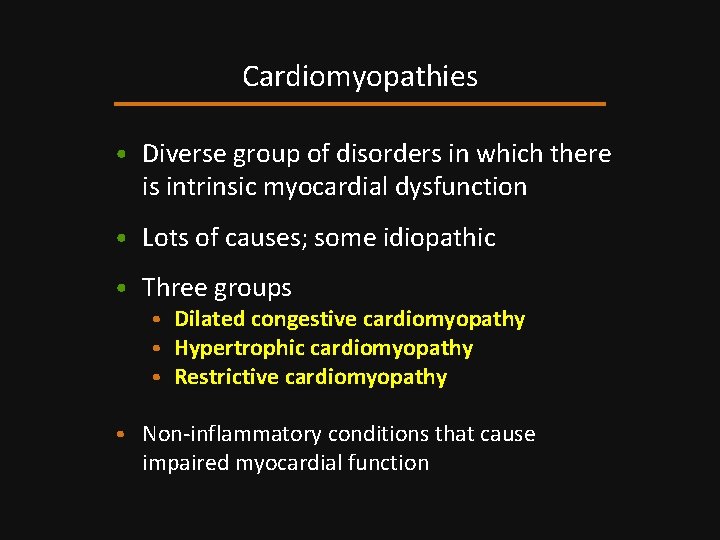
Cardiomyopathies • Diverse group of disorders in which there is intrinsic myocardial dysfunction • Lots of causes; some idiopathic • Three groups • Dilated congestive cardiomyopathy • Hypertrophic cardiomyopathy • Restrictive cardiomyopathy • Non-inflammatory conditions that cause impaired myocardial function
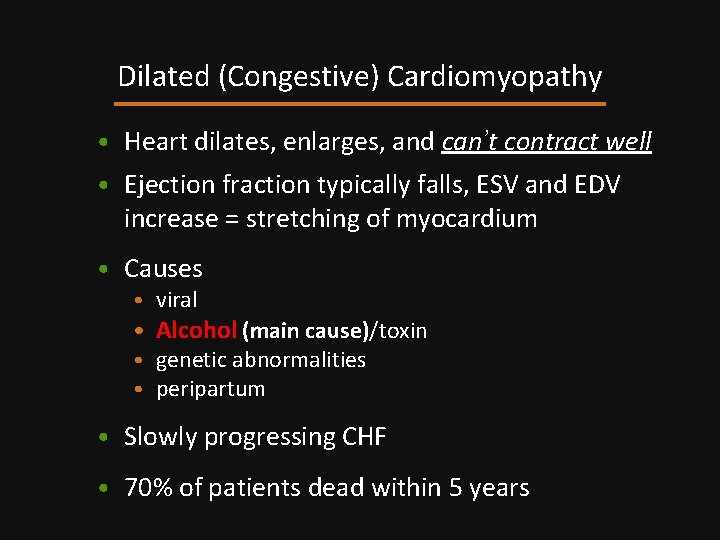
Dilated (Congestive) Cardiomyopathy • Heart dilates, enlarges, and can’t contract well • Ejection fraction typically falls, ESV and EDV increase = stretching of myocardium • Causes • viral • Alcohol (main cause)/toxin • genetic abnormalities • peripartum • Slowly progressing CHF • 70% of patients dead within 5 years
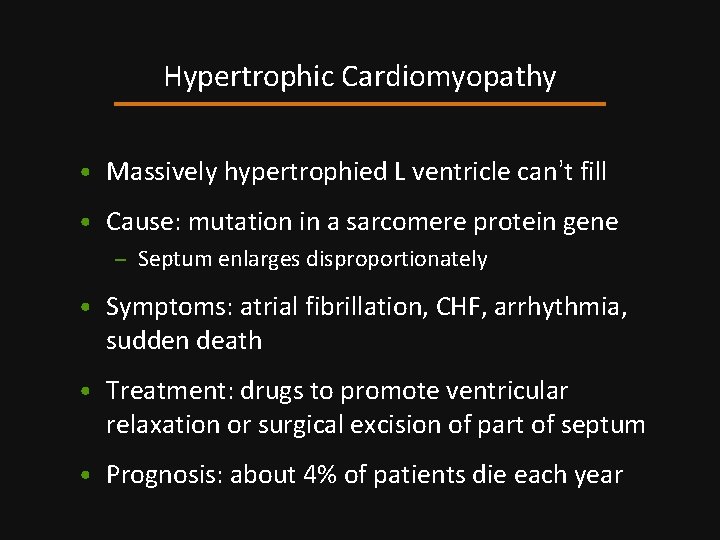
Hypertrophic Cardiomyopathy • Massively hypertrophied L ventricle can’t fill • Cause: mutation in a sarcomere protein gene – Septum enlarges disproportionately • Symptoms: atrial fibrillation, CHF, arrhythmia, sudden death • Treatment: drugs to promote ventricular relaxation or surgical excision of part of septum • Prognosis: about 4% of patients die each year
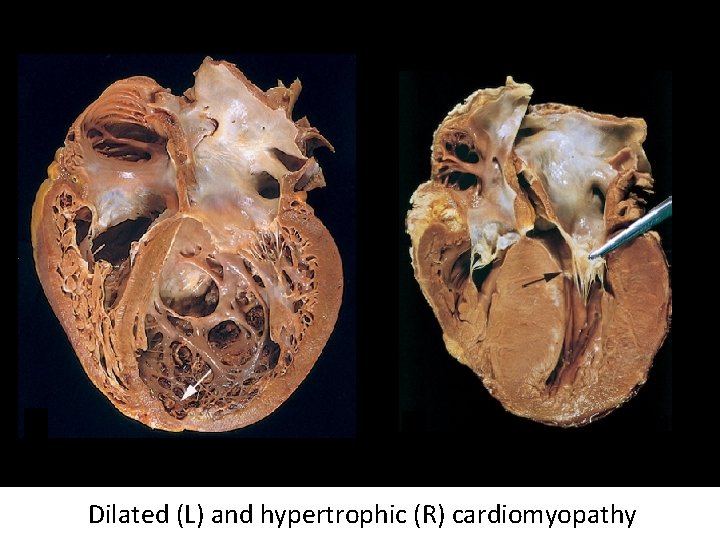
Dilated (L) and hypertrophic (R) cardiomyopathy
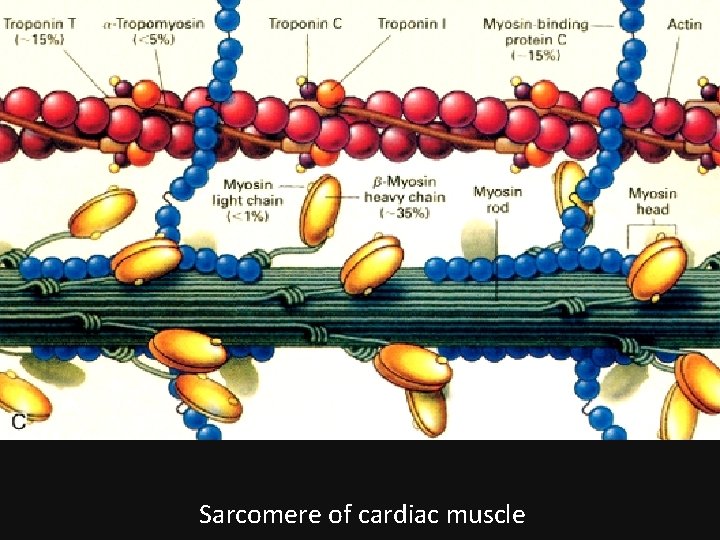
Sarcomere of cardiac muscle
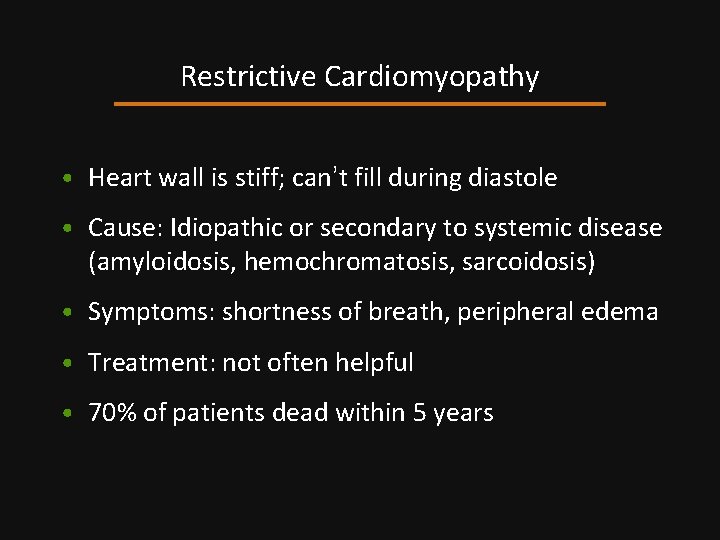
Restrictive Cardiomyopathy • Heart wall is stiff; can’t fill during diastole • Cause: Idiopathic or secondary to systemic disease (amyloidosis, hemochromatosis, sarcoidosis) • Symptoms: shortness of breath, peripheral edema • Treatment: not often helpful • 70% of patients dead within 5 years
Cardiac Pathology Outline • Blood Vessels • Heart II • Valvular Heart Disease • Cardiomyopathies • Pericardial Disease
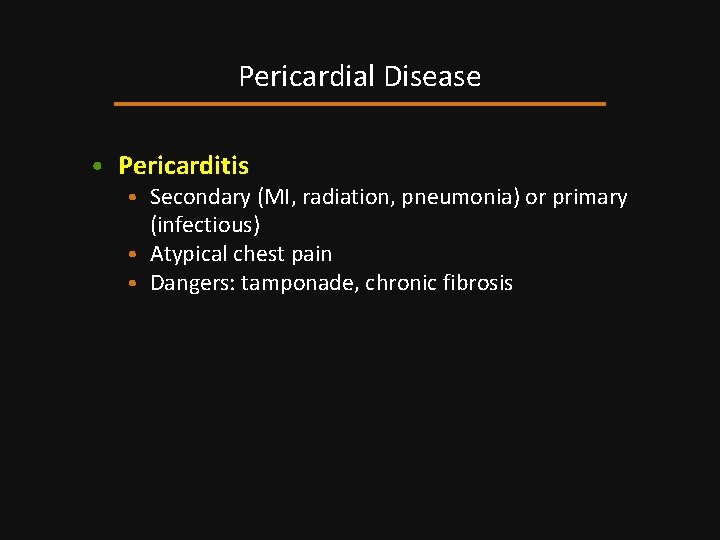
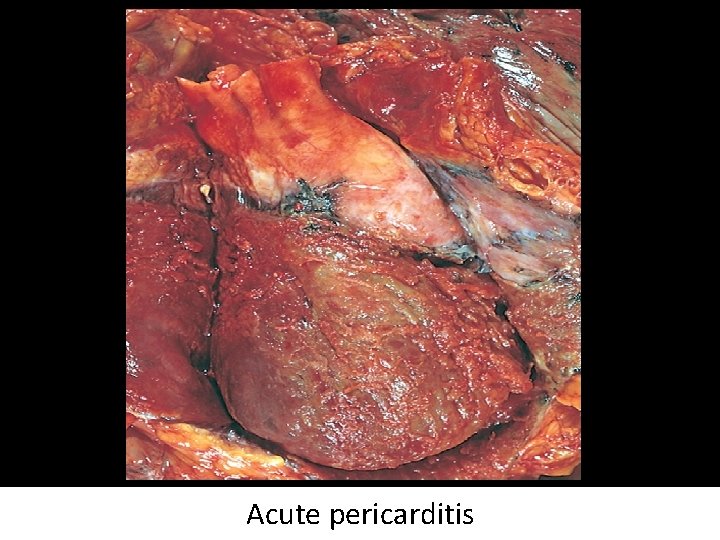
Pericardial Disease • Pericarditis • Secondary (MI, radiation, pneumonia) or primary (infectious) • Atypical chest pain • Dangers: tamponade, chronic fibrosis
Acute pericarditis
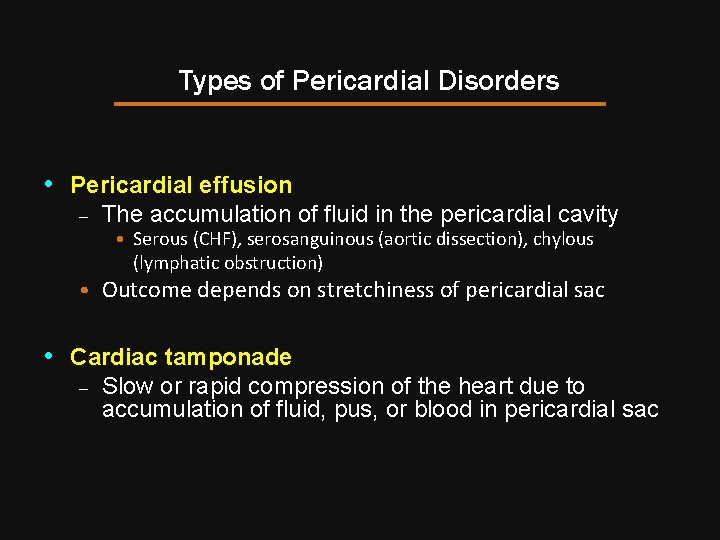
Types of Pericardial Disorders • Pericardial effusion – The accumulation of fluid in the pericardial cavity • Serous (CHF), serosanguinous (aortic dissection), chylous (lymphatic obstruction) • Outcome depends on stretchiness of pericardial sac • Cardiac tamponade – Slow or rapid compression of the heart due to accumulation of fluid, pus, or blood in pericardial sac
Cardiac Pathology Outline • Blood Vessels • Heart II • • Valvular Heart Disease Cardiomyopathies Pericardial Disease Tumors
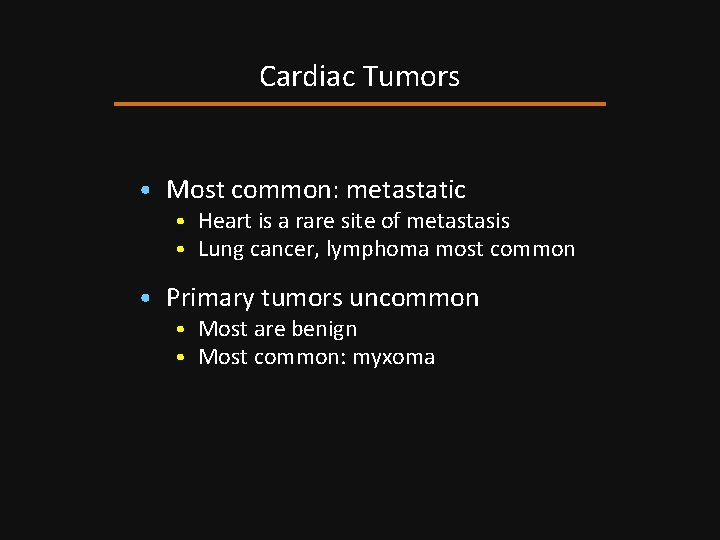
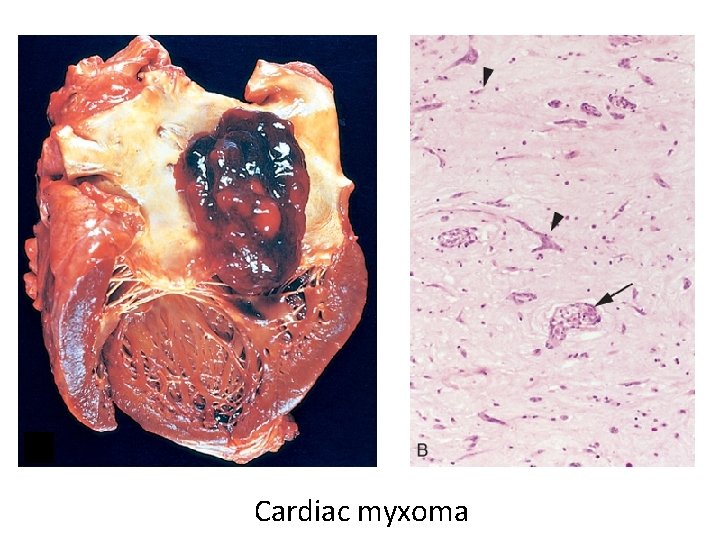
Cardiac Tumors • Most common: metastatic • Heart is a rare site of metastasis • Lung cancer, lymphoma most common • Primary tumors uncommon • Most are benign • Most common: myxoma
Cardiac myxoma