
CarbonNegative Energy Systems Daniel L Sanchez Postdoctoral Research
Carbon-Negative Energy Systems Daniel L. Sanchez Postdoctoral Research Scientist Carnegie Institution for Science Department of Global Ecology Stanford, CA FCEA/CSTMS/ASU Carbon Dioxide Removal Workshop February 8, 2017
BECCS provides important flexibility for stringent climate change mitigation, even with limited biomass resources Increased research, development, and demonstration of BECCS is necessary CCS improves outcomes for bioenergy in lifecycle assessment 2 We can leverage near-term opportunities for BECCS to reach commercial deployment
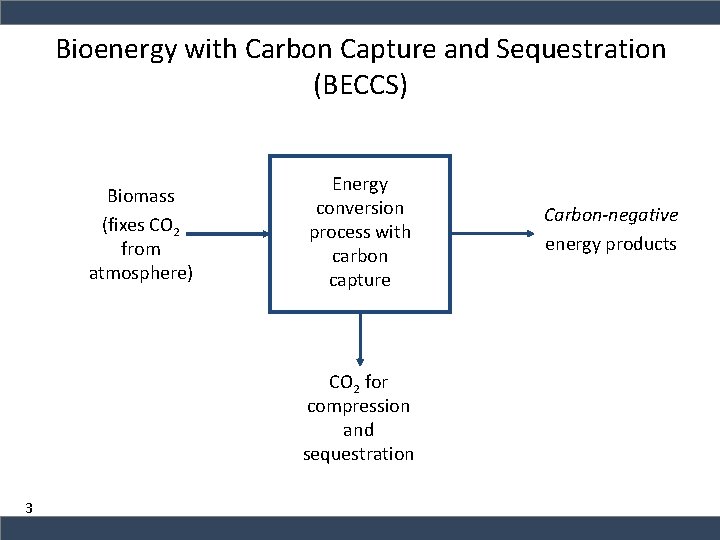
Bioenergy with Carbon Capture and Sequestration (BECCS) Biomass (fixes CO 2 from atmosphere) Energy conversion process with carbon capture CO 2 for compression and sequestration 3 Carbon-negative energy products
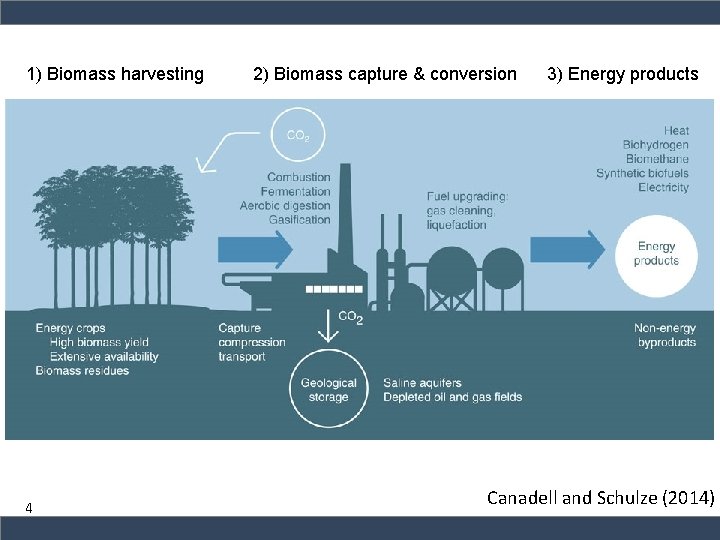
1) Biomass harvesting 4 2) Biomass capture & conversion 3) Energy products Canadell and Schulze (2014)
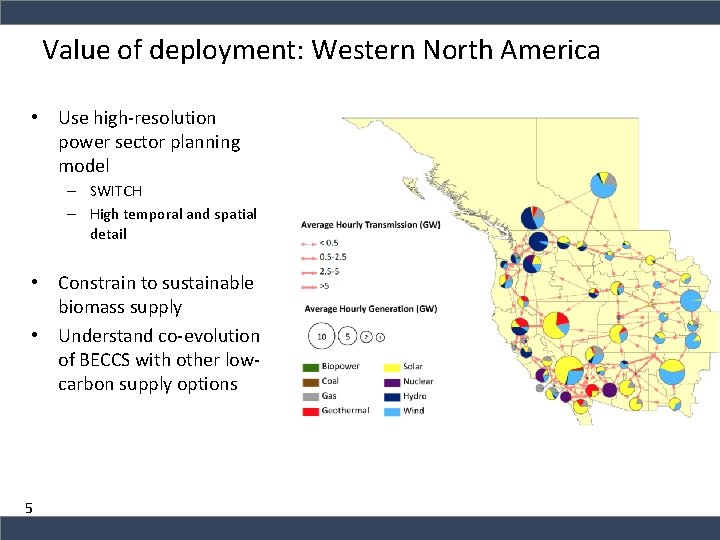
Value of deployment: Western North America • Use high-resolution power sector planning model – SWITCH – High temporal and spatial detail • Constrain to sustainable biomass supply • Understand co-evolution of BECCS with other lowcarbon supply options 5
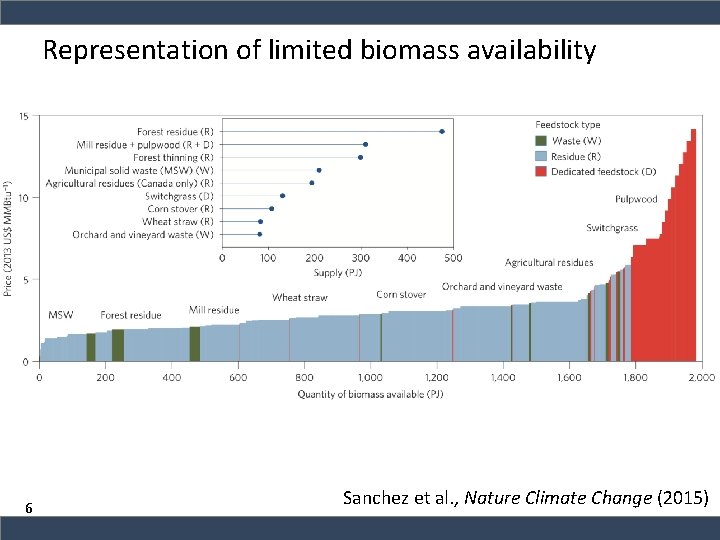
Representation of limited biomass availability 6 Sanchez et al. , Nature Climate Change (2015)
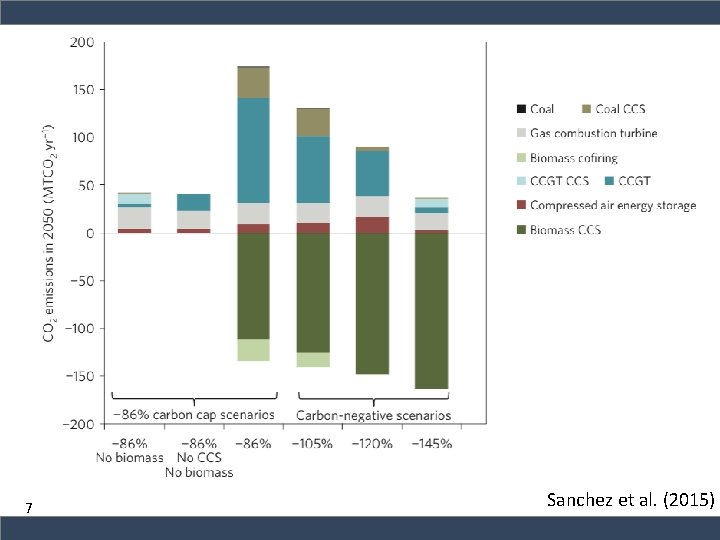
7 Sanchez et al. (2015)
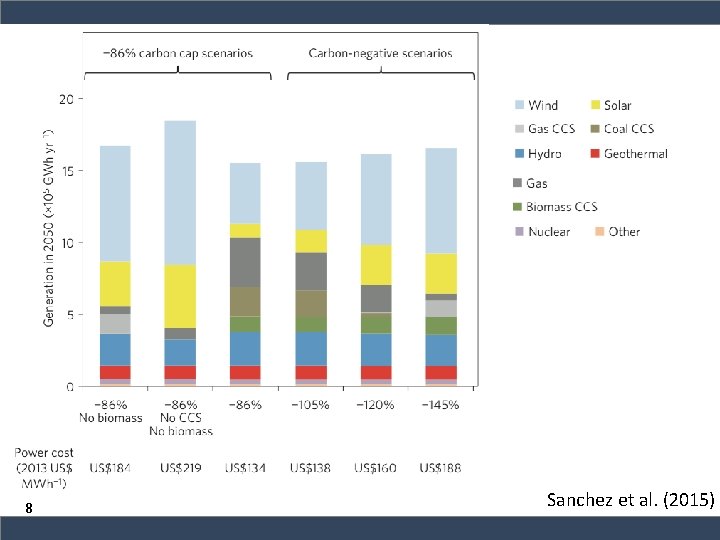
8 Sanchez et al. (2015)
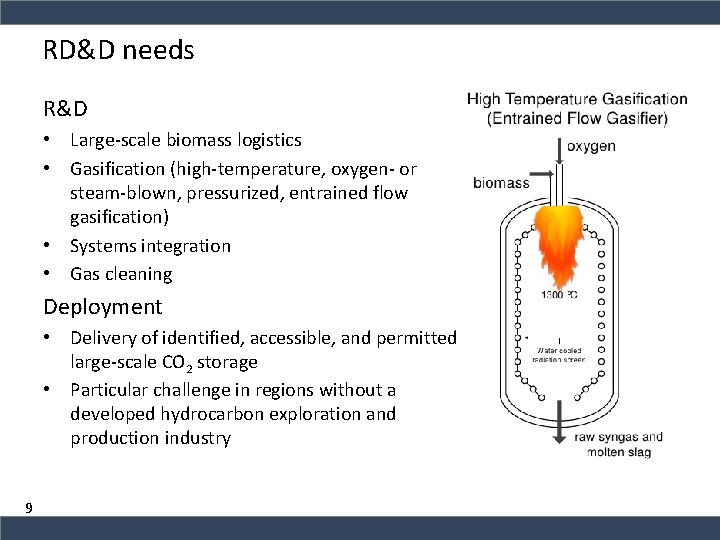
RD&D needs R&D • Large-scale biomass logistics • Gasification (high-temperature, oxygen- or steam-blown, pressurized, entrained flow gasification) • Systems integration • Gas cleaning Deployment • Delivery of identified, accessible, and permitted large-scale CO 2 storage • Particular challenge in regions without a developed hydrocarbon exploration and production industry 9
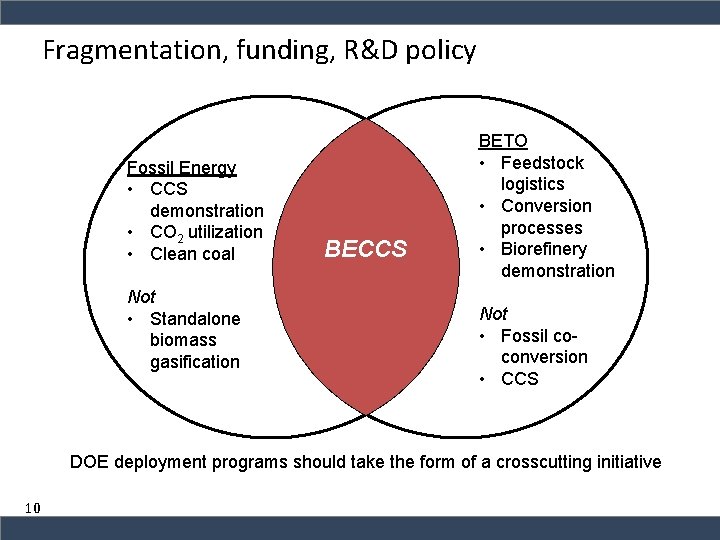
Fragmentation, funding, R&D policy Fossil Energy • CCS demonstration • CO 2 utilization • Clean coal Not • Standalone biomass gasification BECCS BETO • Feedstock logistics • Conversion processes • Biorefinery demonstration Not • Fossil coconversion • CCS DOE deployment programs should take the form of a crosscutting initiative 10
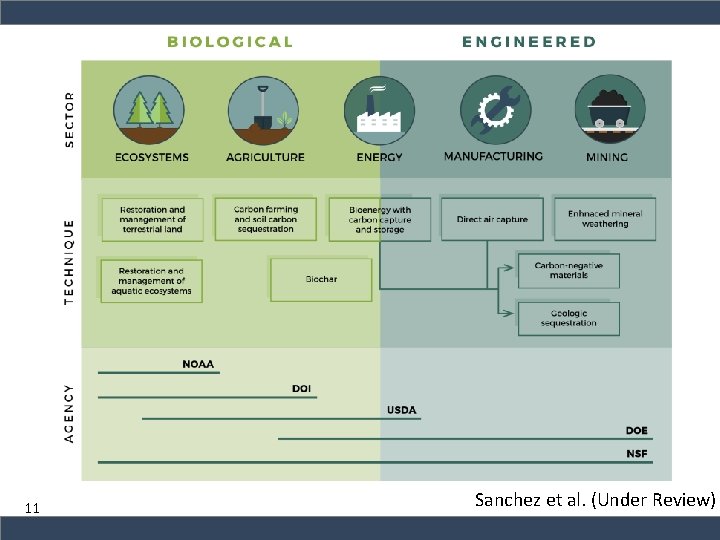
11 Sanchez et al. (Under Review)
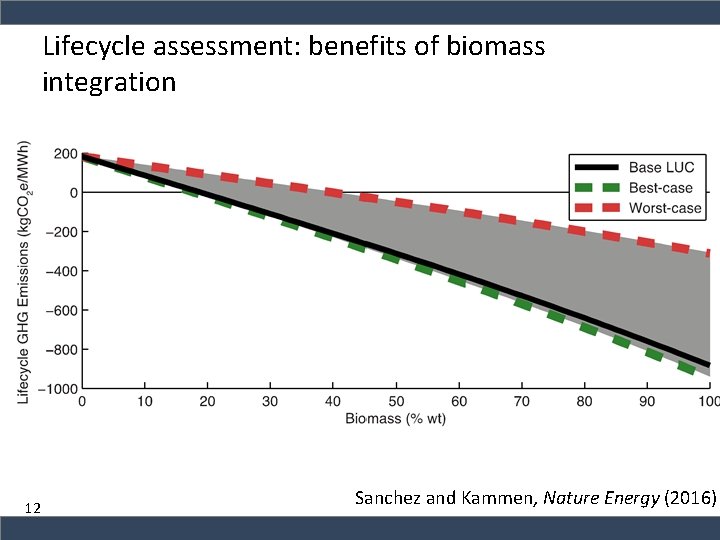
Lifecycle assessment: benefits of biomass integration 12 Sanchez and Kammen, Nature Energy (2016)
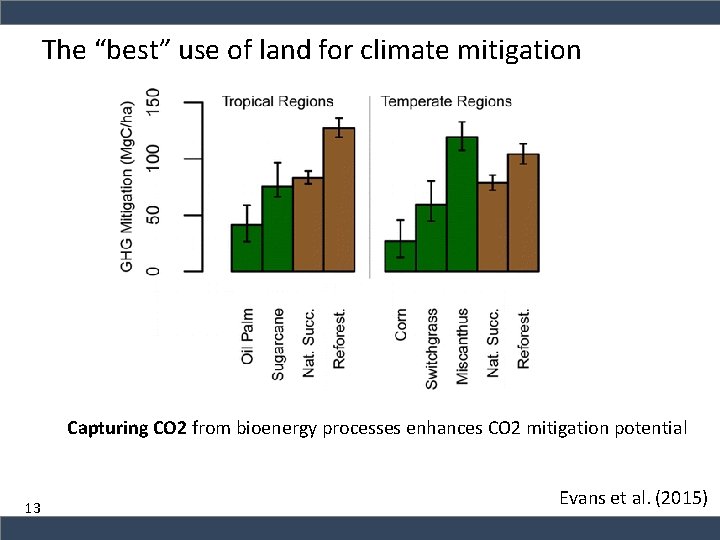
The “best” use of land for climate mitigation Capturing CO 2 from bioenergy processes enhances CO 2 mitigation potential 13 Evans et al. (2015)
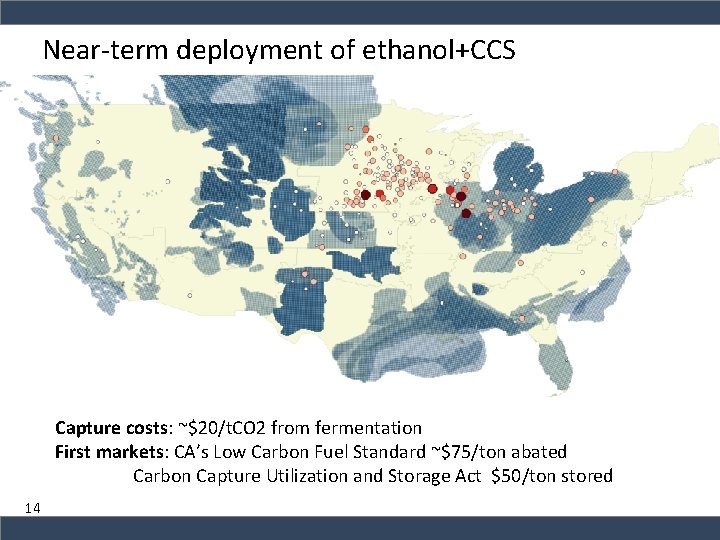
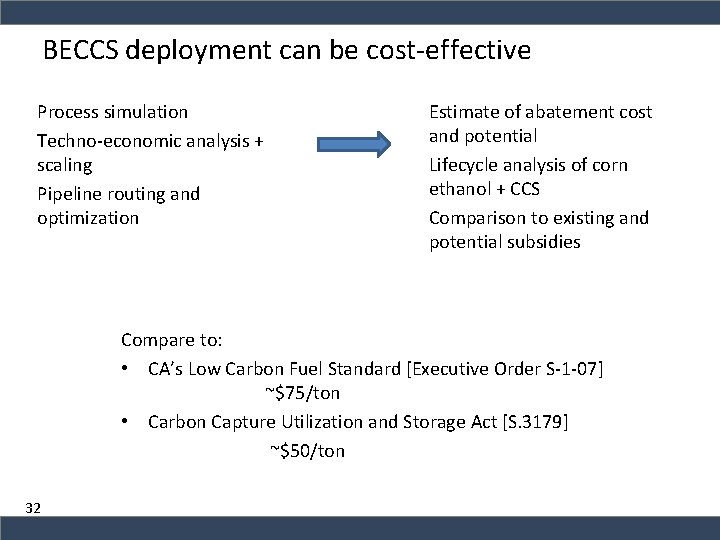
Near-term deployment of ethanol+CCS Capture costs: ~$20/t. CO 2 from fermentation First markets: CA’s Low Carbon Fuel Standard ~$75/ton abated Carbon Capture Utilization and Storage Act $50/ton stored 14
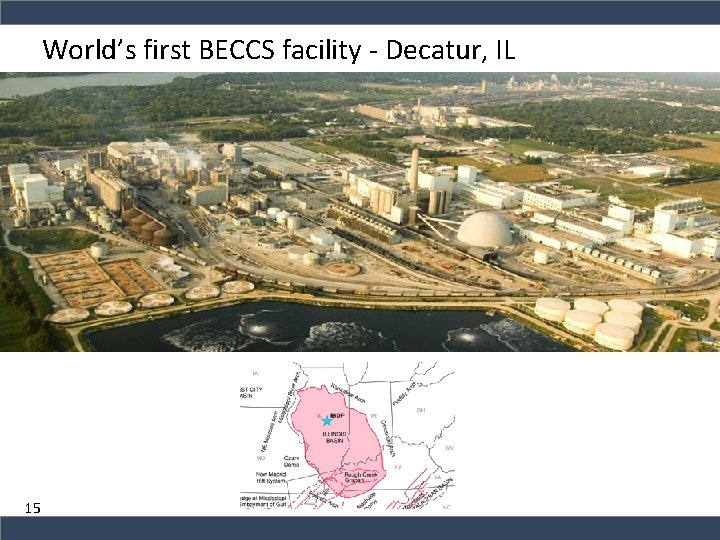
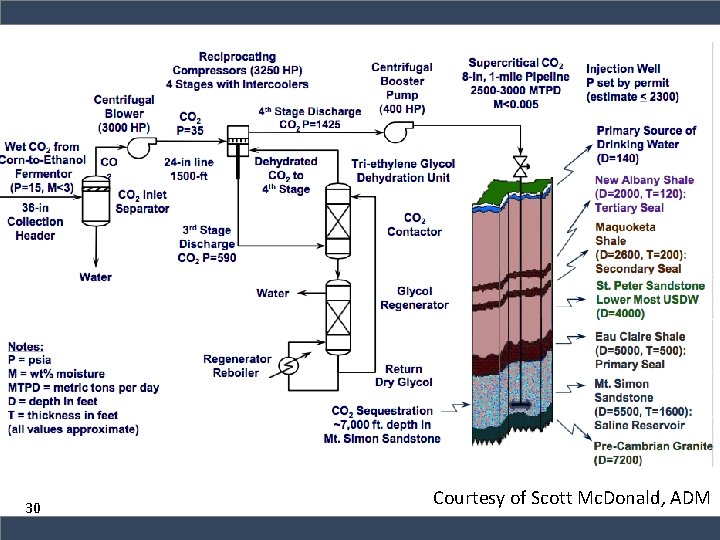
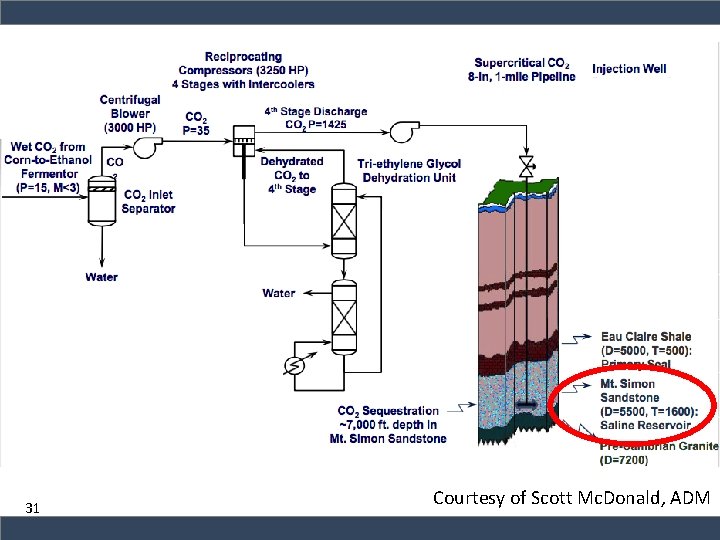
World’s first BECCS facility - Decatur, IL 15
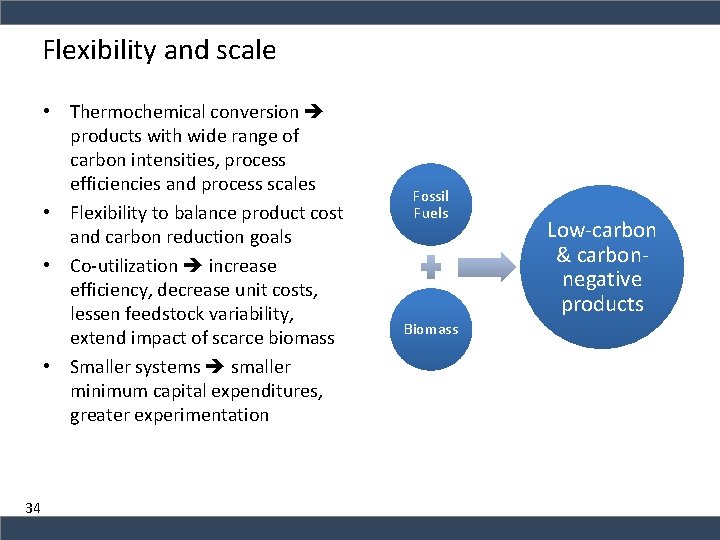
Thermochemical conversion enables products with wide range of carbon intensities, process efficiencies and process scales Flexibility to balance product cost and carbon reduction goals 16 Sanchez and Kammen, Nature Energy (2016)
BECCS provides important flexibility for stringent climate change mitigation, even with limited biomass resources Increased research, development, and demonstration of BECCS is necessary CCS improves outcomes for bioenergy in lifecycle assessment 17 We can leverage near-term opportunities for BECCS to reach commercial deployment
Appendix 18
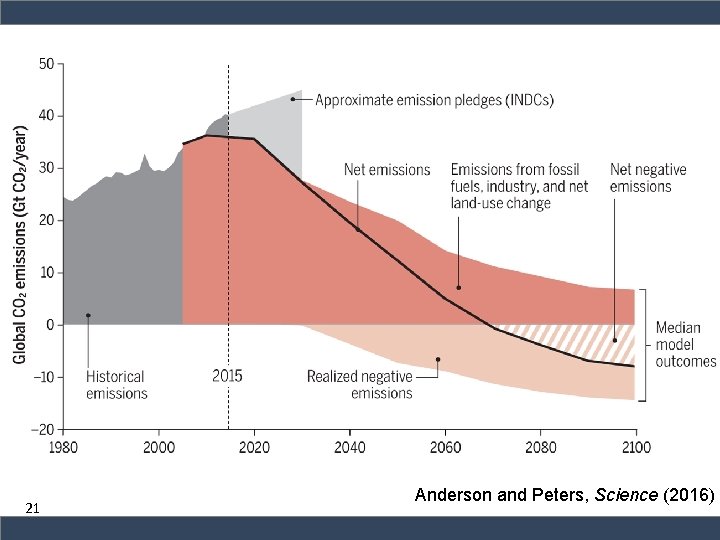
“Negative-emission technologies are not an insurance policy, but rather an unjust and high-stakes gamble. ” -Anderson and Peters (2016) The necessity of negative emissions to meet emissions reductions goals provide strong motivation for increased research, development, and demonstration of these technologies. 19
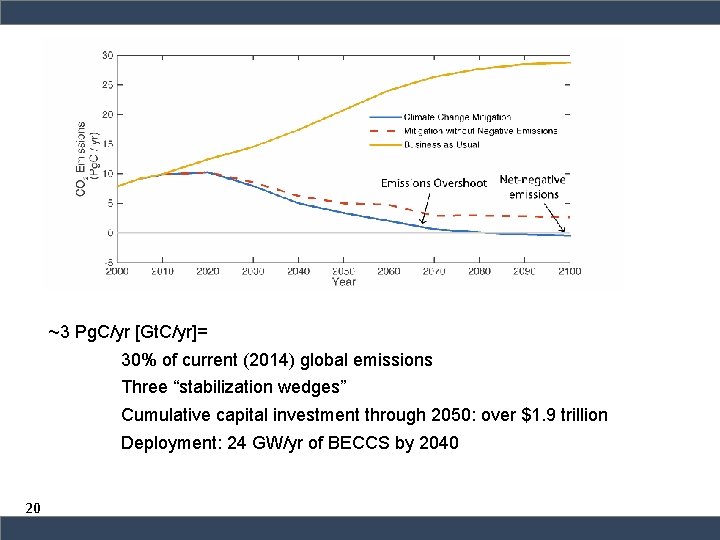
~3 Pg. C/yr [Gt. C/yr]= 30% of current (2014) global emissions Three “stabilization wedges” Cumulative capital investment through 2050: over $1. 9 trillion Deployment: 24 GW/yr of BECCS by 2040 20
21 Anderson and Peters, Science (2016)
D. L. Sanchez, D. S. Callaway. “Optimal Scale of Bioenergy with Carbon Capture and Storage (BECCS) Facilities” Applied Energy, 170, 437 -444 (2016) D. L. Sanchez, et al. “Biomass enables the transition to a carbonnegative power system across western North America. ” Nature Climate Change, 5, 230– 234 (2015) 22 D. L. Sanchez, D. M. Kammen. “A commercialization strategy for carbon-negative energy” Nature Energy, 1, 1 -4 (2016)
Why study deployment? • Existing analyses have relatively simple representation of the energy economy • Goals: – Inform near-term efforts to build facilities – Integrate into existing energy systems – Respect regional considerations – Complement existing energy and climate policy 23
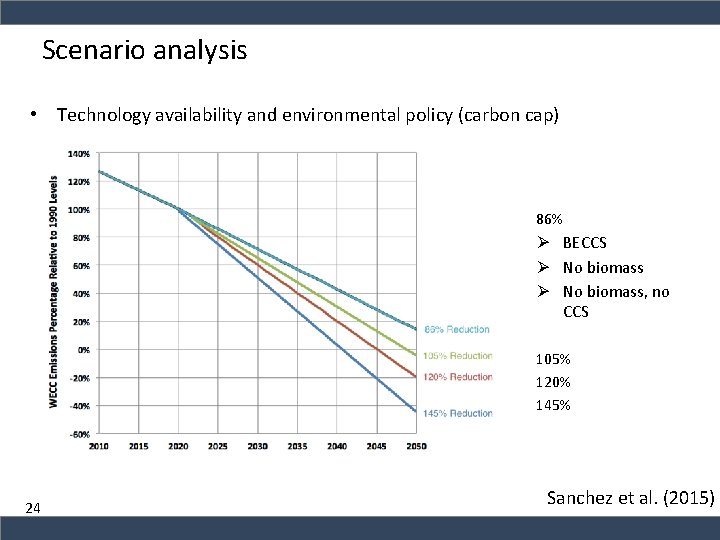
Scenario analysis • Technology availability and environmental policy (carbon cap) 86% Ø BECCS Ø No biomass, no CCS 105% 120% 145% 24 Sanchez et al. (2015)
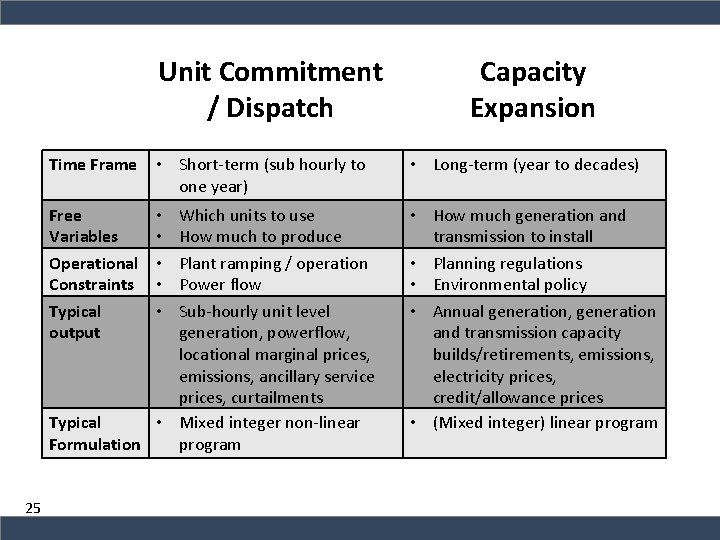
Unit Commitment / Dispatch Time Frame • Short-term (sub hourly to one year) Free Variables Operational Constraints Typical output • • • Which units to use How much to produce Plant ramping / operation Power flow Sub-hourly unit level generation, powerflow, locational marginal prices, emissions, ancillary service prices, curtailments Typical • Mixed integer non-linear Formulation program 25 Capacity Expansion • Long-term (year to decades) • How much generation and transmission to install • Planning regulations • Environmental policy • Annual generation, generation and transmission capacity builds/retirements, emissions, electricity prices, credit/allowance prices • (Mixed integer) linear program
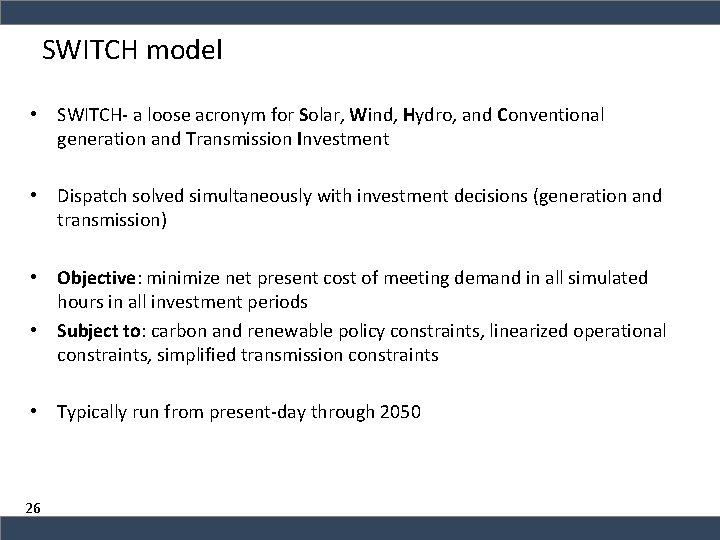
SWITCH model • SWITCH- a loose acronym for Solar, Wind, Hydro, and Conventional generation and Transmission Investment • Dispatch solved simultaneously with investment decisions (generation and transmission) • Objective: minimize net present cost of meeting demand in all simulated hours in all investment periods • Subject to: carbon and renewable policy constraints, linearized operational constraints, simplified transmission constraints • Typically run from present-day through 2050 26
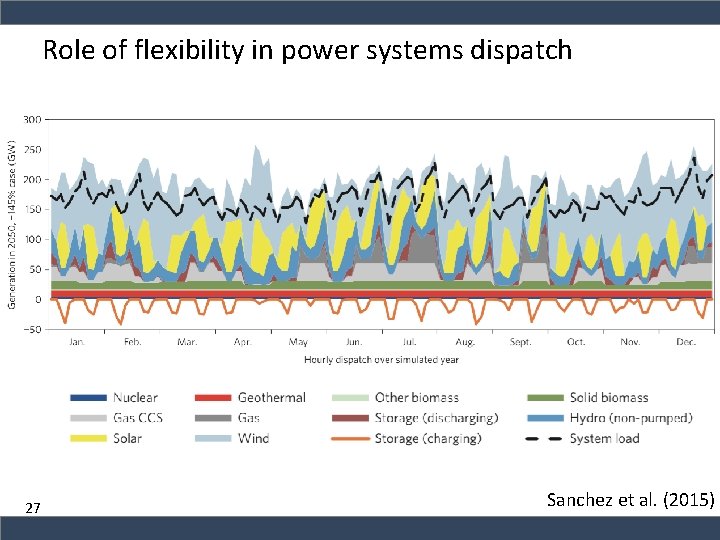
Role of flexibility in power systems dispatch 27 27 Sanchez et al. (2015)
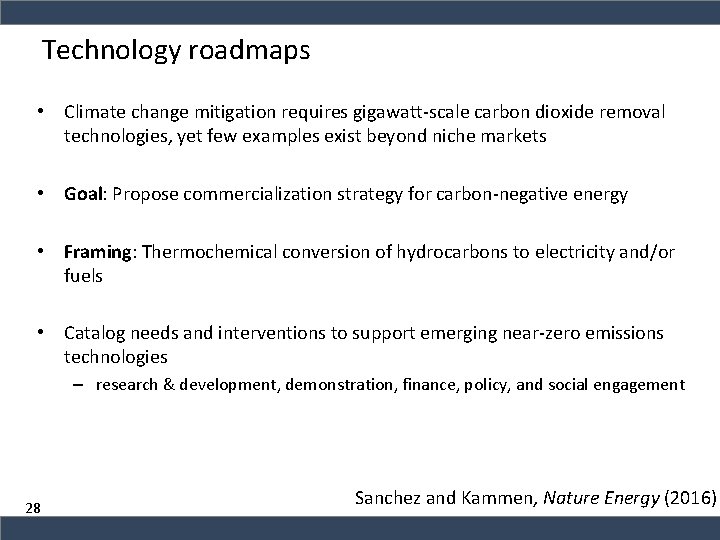
Technology roadmaps • Climate change mitigation requires gigawatt-scale carbon dioxide removal technologies, yet few examples exist beyond niche markets • Goal: Propose commercialization strategy for carbon-negative energy • Framing: Thermochemical conversion of hydrocarbons to electricity and/or fuels • Catalog needs and interventions to support emerging near-zero emissions technologies – research & development, demonstration, finance, policy, and social engagement 28 Sanchez and Kammen, Nature Energy (2016)
Conclusions about deployment • BECCS, combined with aggressive renewable deployment and fossil-fuel emission reductions, can enable a carbon-negative power system in western North America by 2050 with up to 145% emissions reduction from 1990 levels • In most scenarios, the offsets produced by BECCS are found to be more valuable to the power system than the electricity it provides • This suggests a different climate change mitigation pathway than others have proposed 29
30 Courtesy of Scott Mc. Donald, ADM
31 Courtesy of Scott Mc. Donald, ADM
BECCS deployment can be cost-effective Process simulation Techno-economic analysis + scaling Pipeline routing and optimization Estimate of abatement cost and potential Lifecycle analysis of corn ethanol + CCS Comparison to existing and potential subsidies Compare to: • CA’s Low Carbon Fuel Standard [Executive Order S-1 -07] ~$75/ton • Carbon Capture Utilization and Storage Act [S. 3179] ~$50/ton 32
Works cited D. L. Sanchez, D. M. Kammen. “A commercialization strategy for carbon-negative energy” Nature Energy, 1, 1 -4 (2016). D. L. Sanchez, J. H. Nelson, J. Johnston, A. Mileva, D. Kammen. “Biomass enables the transition to a carbon-negative power system across western North America. ” Nature Climate Change, 5, 230– 234 (2015). D. L. Sanchez, D. S. Callaway. “Optimal scale of carbon-negative energy facilities. ” Applied Energy, 170, 437– 444 (2016). D. L. Sanchez, D. M. Kammen. “Removing harmful greenhouse gases from the air using energy from plants. ” Frontiers for Young Minds, 3: 14, doi: 10. 3389/frym. 2015. 00014. D. L. Sanchez, J. H. Nelson, J. Johnston, A. Mileva, D. Kammen. “Emissions accounting for bioenergy with CCS. ” Nature Climate Change, 5, 495– 496 (2015). 33
Flexibility and scale • Thermochemical conversion products with wide range of carbon intensities, process efficiencies and process scales • Flexibility to balance product cost and carbon reduction goals • Co-utilization increase efficiency, decrease unit costs, lessen feedstock variability, extend impact of scarce biomass • Smaller systems smaller minimum capital expenditures, greater experimentation 34 Fossil Fuels Biomass Low-carbon & carbonnegative products
An agenda for transition • Cumulative capital investment through 2050 >$1. 9 trillion (2015$, 4% real) • Deployment of up to 24 GW/yr of BECCS by 2040 • To achieve this within 15 -20 years, governments and firms must commit to RD&D on an unprecedented scale • Likely to work best in developed economies “This strategy holds advantage for existing industries, supply chains, and workforces. Here, firms can embrace a gradual transition pathway to deep decarbonization, limiting economic dislocation and increasing transfer of knowledge between the fossil and renewable sectors. ” 35 Sanchez and Kammen (2016)
- Slides: 35