
Carbon Sequestration Total carbon sequestered Total Carbon Sequestered
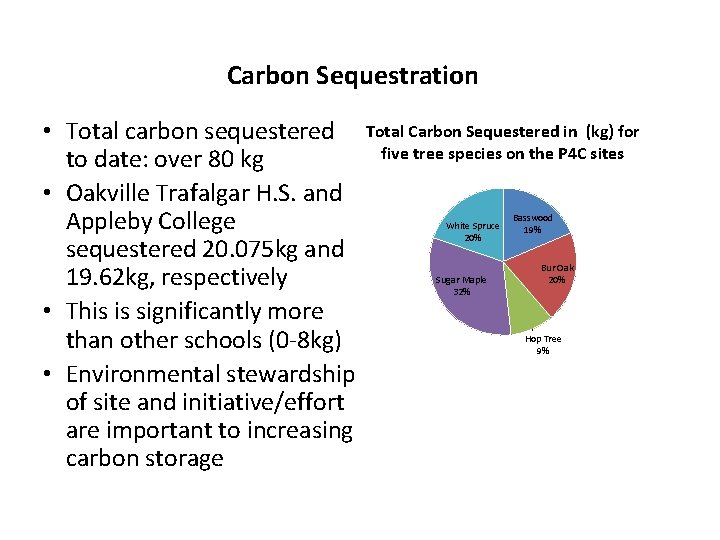
Carbon Sequestration • Total carbon sequestered Total Carbon Sequestered in (kg) for five tree species on the P 4 C sites to date: over 80 kg • Oakville Trafalgar H. S. and Appleby College sequestered 20. 075 kg and 19. 62 kg, respectively • This is significantly more than other schools (0 -8 kg) • Environmental stewardship of site and initiative/effort are important to increasing carbon storage White Spruce 20% Sugar Maple 32% Basswood 19% Bur Oak 20% Hop Tree 9%

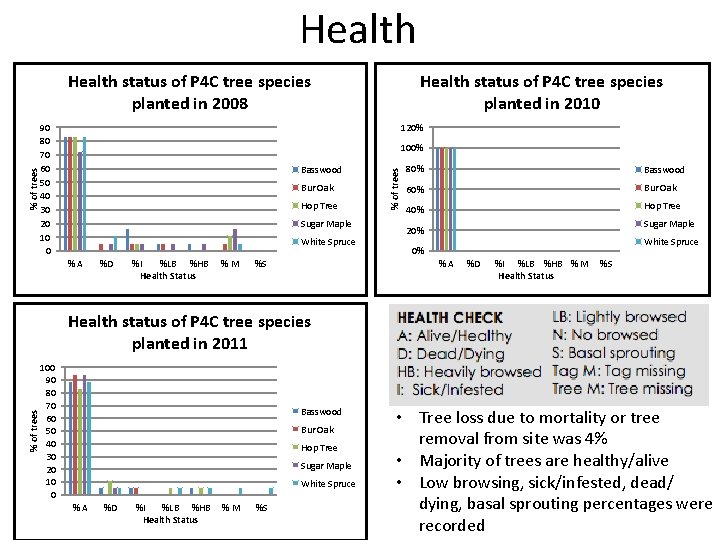
Health 90 80 70 60 50 40 30 20 10 0 Health status of P 4 C tree species planted in 2010 120% 100% Basswood Bur Oak Hop Tree Sugar Maple White Spruce % A %D %I %LB %HB Health Status % M %S % of trees Health status of P 4 C tree species planted in 2008 80% Basswood 60% Bur Oak 40% Hop Tree Sugar Maple 20% White Spruce 0% % A %D %I %LB %HB % M %S Health Status % of trees Health status of P 4 C tree species planted in 2011 100 90 80 70 60 50 40 30 20 10 0 Basswood Bur Oak Hop Tree Sugar Maple White Spruce % A %D %I %LB %HB Health Status % M %S • Tree loss due to mortality or tree removal from site was 4% • Majority of trees are healthy/alive • Low browsing, sick/infested, dead/ dying, basal sprouting percentages were recorded
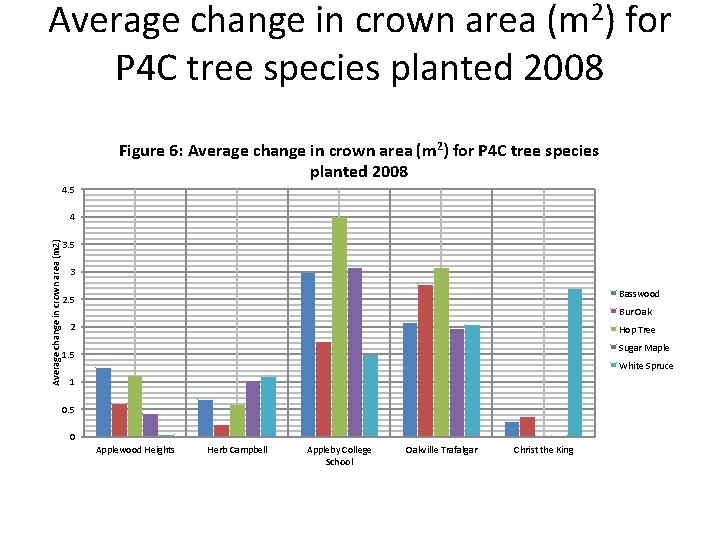
Average change in crown area (m 2) for P 4 C tree species planted 2008 Figure 6: Average change in crown area (m 2) for P 4 C tree species planted 2008 4. 5 Average change in crown area (m 2) 4 3. 5 3 Basswood 2. 5 Bur Oak 2 Hop Tree Sugar Maple 1. 5 White Spruce 1 0. 5 0 Applewood Heights Herb Campbell Appleby College School Oakville Trafalgar Christ the King
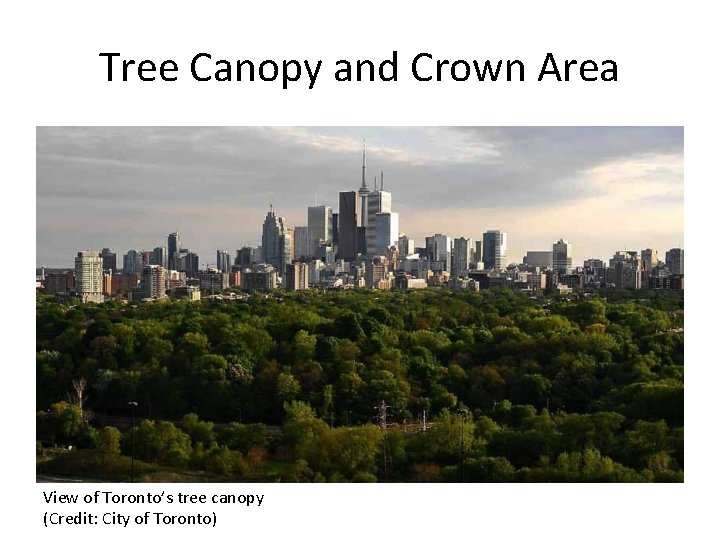
Tree Canopy and Crown Area View of Toronto’s tree canopy (Credit: City of Toronto)
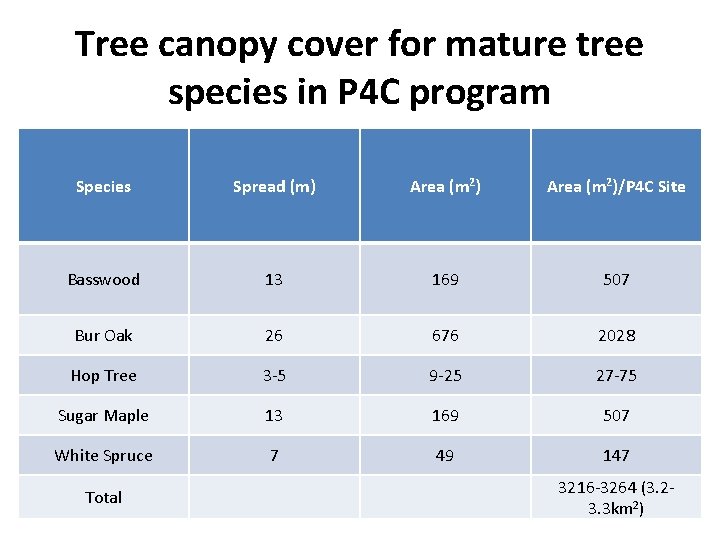
Tree canopy cover for mature tree species in P 4 C program Species Spread (m) Area (m 2)/P 4 C Site Basswood 13 169 507 Bur Oak 26 676 2028 Hop Tree 3 -5 9 -25 27 -75 Sugar Maple 13 169 507 White Spruce 7 49 147 Total 3216 -3264 (3. 23. 3 km 2)
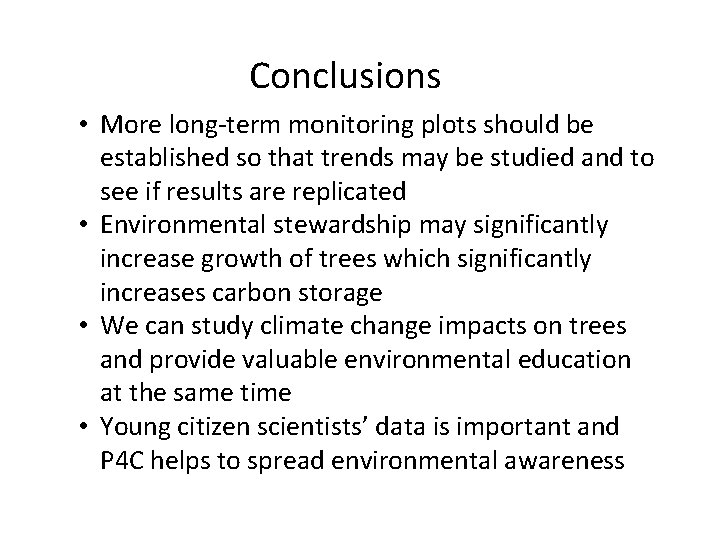
Conclusions • More long-term monitoring plots should be established so that trends may be studied and to see if results are replicated • Environmental stewardship may significantly increase growth of trees which significantly increases carbon storage • We can study climate change impacts on trees and provide valuable environmental education at the same time • Young citizen scientists’ data is important and P 4 C helps to spread environmental awareness
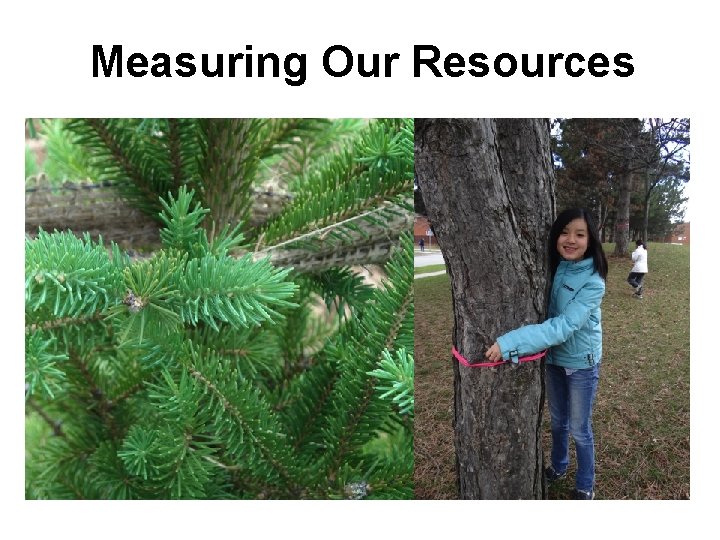
Measuring Our Resources
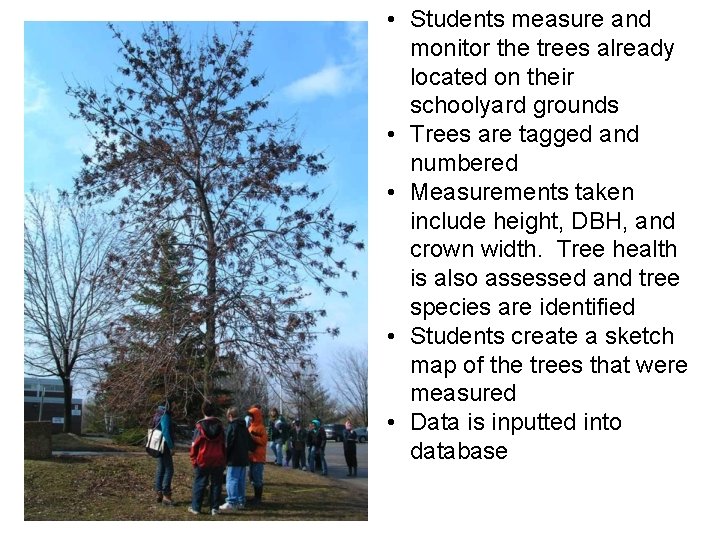
• Students measure and monitor the trees already located on their schoolyard grounds • Trees are tagged and numbered • Measurements taken include height, DBH, and crown width. Tree health is also assessed and tree species are identified • Students create a sketch map of the trees that were measured • Data is inputted into database
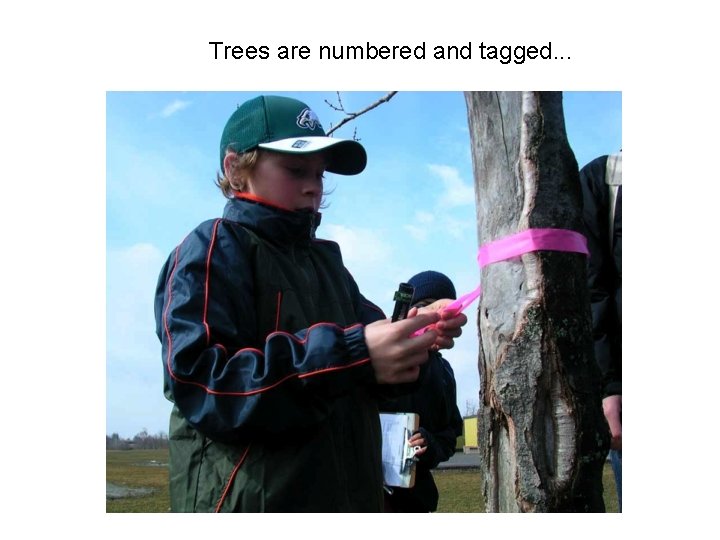
Trees are numbered and tagged. . .
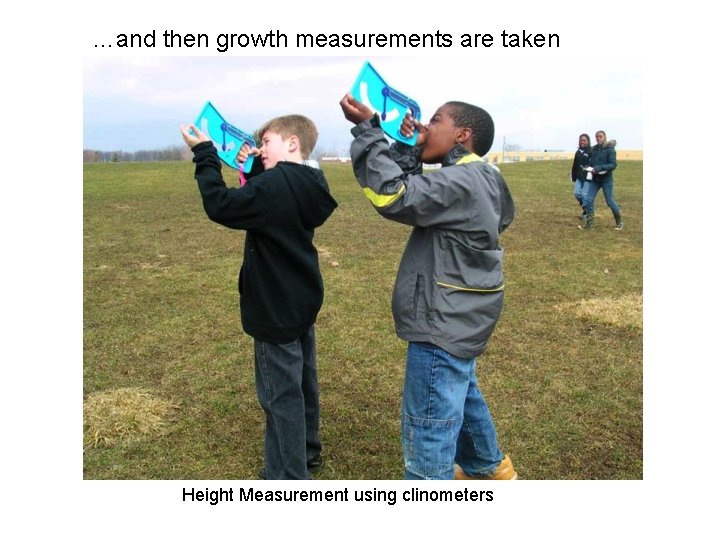
…and then growth measurements are taken Height Measurement using clinometers
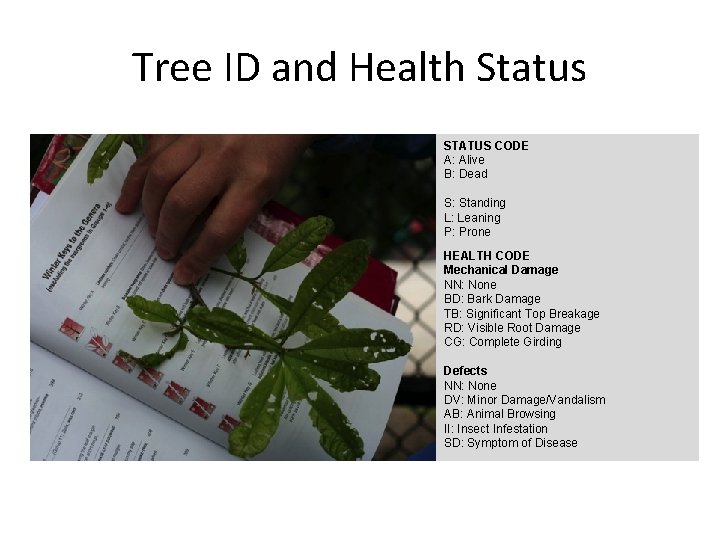
Tree ID and Health Status STATUS CODE A: Alive B: Dead S: Standing L: Leaning P: Prone HEALTH CODE Mechanical Damage NN: None BD: Bark Damage TB: Significant Top Breakage RD: Visible Root Damage CG: Complete Girding Defects NN: None DV: Minor Damage/Vandalism AB: Animal Browsing II: Insect Infestation SD: Symptom of Disease
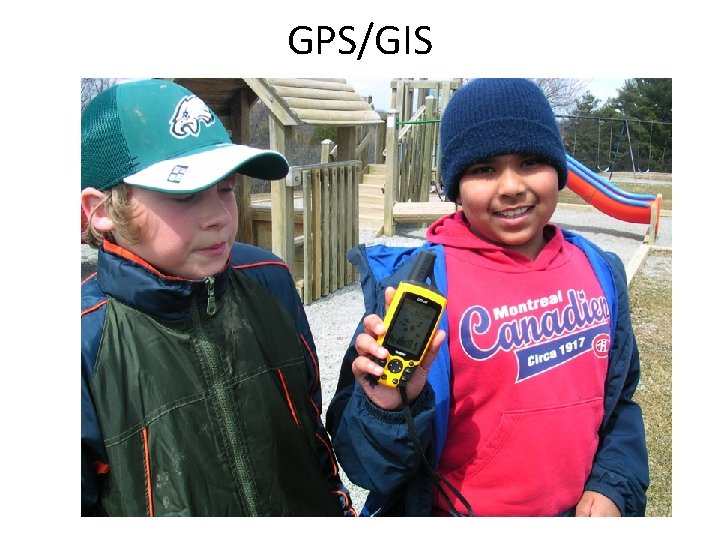
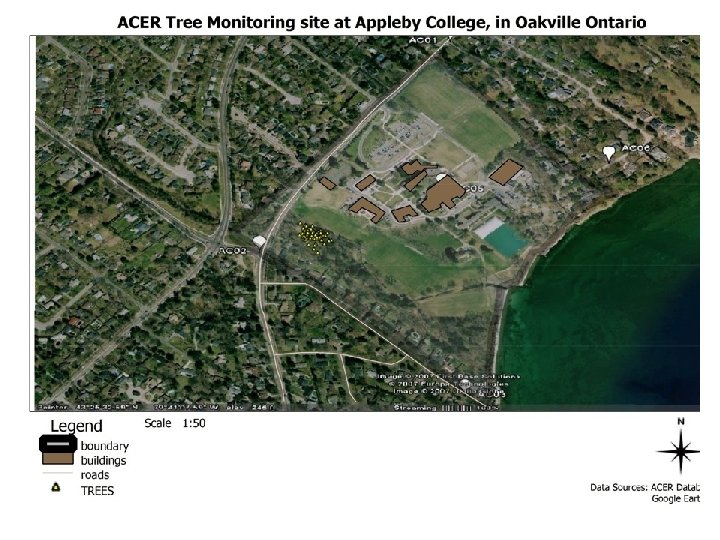
GPS/GIS
Thank you! ACER 905 -891 -6004 Kathryn. chin@acer-acre. ca
- Slides: 15