
Carbohydrates IUG Fall 2018 Dr Tarek Zaida 1
Carbohydrates IUG, Fall 2018 Dr. Tarek Zaida 1
Carbohydrates • Most abundant class of biological molecules on Earth • Originally produced through CO 2 fixation during photosynthesis 2
Roles of Carbohydrates • Energy storage (glycogen, starch) • Structural components (cellulose, chitin) • Cellular recognition • Carbohydrate derivatives include DNA, RNA, co-factors, glycoproteins, glycolipids 3
Carbohydrates • Monosaccharides (simple sugars) cannot be broken down into simpler sugars under mild conditions • Oligosaccharides = "a few" - usually 2 to 10 • Polysaccharides are polymers of the simple sugars 4
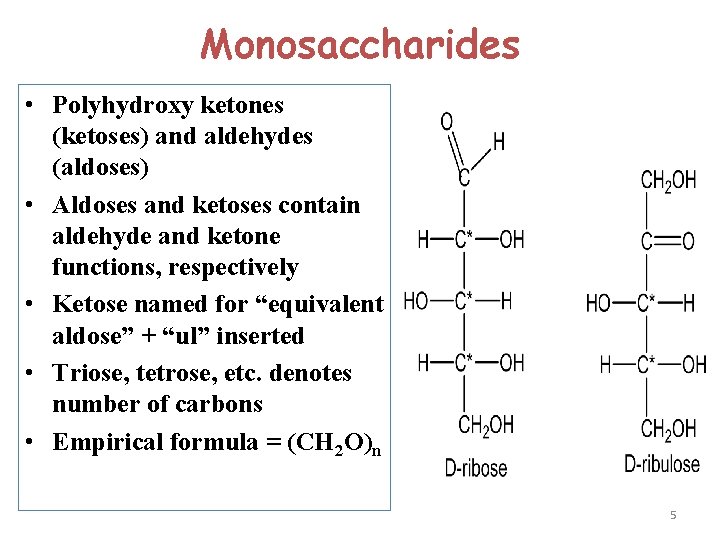
Monosaccharides • Polyhydroxy ketones (ketoses) and aldehydes (aldoses) • Aldoses and ketoses contain aldehyde and ketone functions, respectively • Ketose named for “equivalent aldose” + “ul” inserted • Triose, tetrose, etc. denotes number of carbons • Empirical formula = (CH 2 O)n 5
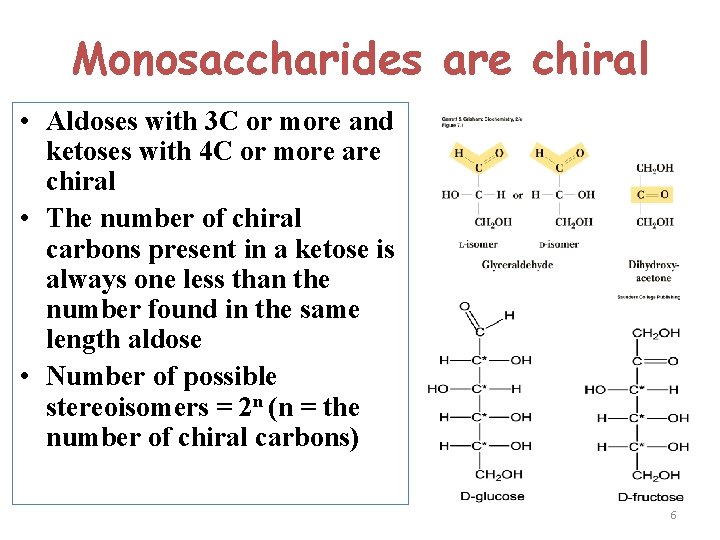
Monosaccharides are chiral • Aldoses with 3 C or more and ketoses with 4 C or more are chiral • The number of chiral carbons present in a ketose is always one less than the number found in the same length aldose • Number of possible stereoisomers = 2 n (n = the number of chiral carbons) 6
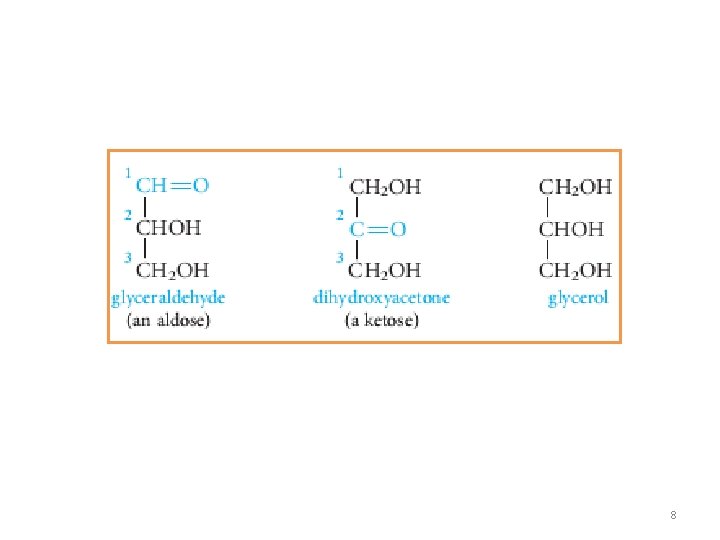
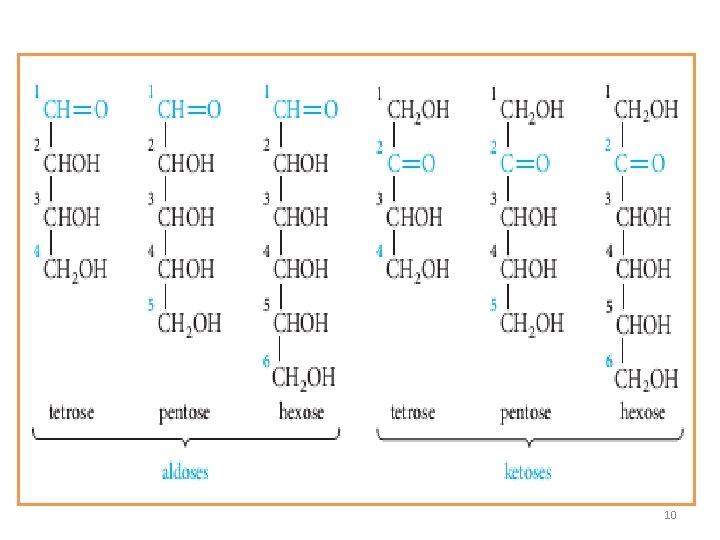
Monosaccharides • Monosaccharides are classified according to the number of carbon atoms present • (triose, triose tetrose, tetrose pentose, pentose hexose, hexose and so on) and according to whether the carbonyl group is present as an aldehyde (aldose) aldose or as a ketone (ketose). ketose • There are only two trioses: 1. Glyceraldehyde and 2. Dihydroxyacetone • Each has two hydroxyl groups, attached to different carbon atoms, and one carbonyl group. 7
8
• Glyceraldehyde is the simplest aldose Dihydroxyacetone is the simplest ketose. • Each is related to glycerol in that each has a carbonyl group in place of one of the hydroxyl groups. • Other aldoses or ketoses can be derived from glyceraldehyde or dihydroxyacetone by adding carbon atoms, each with a hydroxyl group. • In aldoses, the chain is numbered from the aldehyde carbon. In most ketoses, the carbonyl group is located at C-2. 9
10
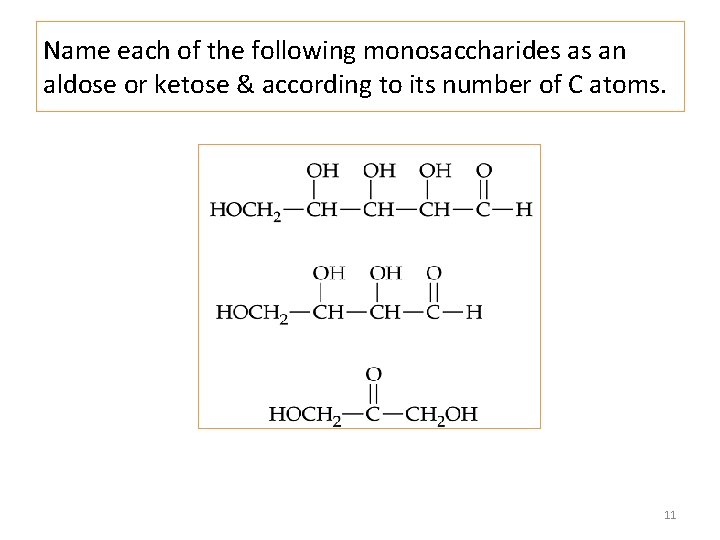
Name each of the following monosaccharides as an aldose or ketose & according to its number of C atoms. 11
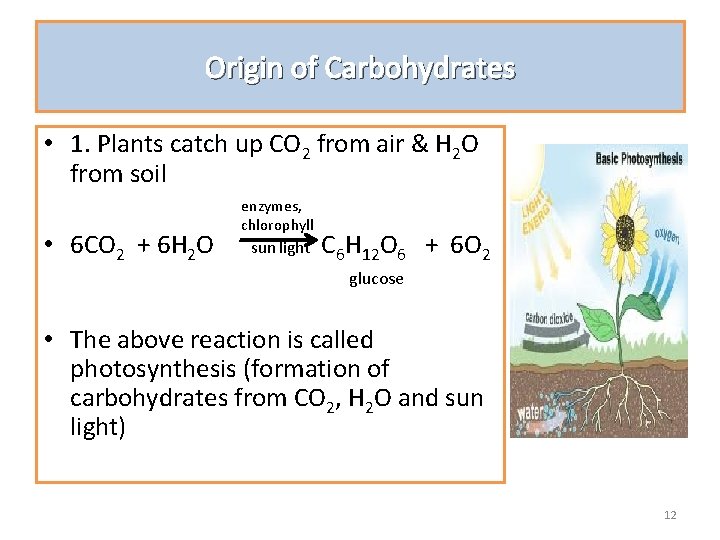
Origin of Carbohydrates • 1. Plants catch up CO 2 from air & H 2 O from soil • 6 CO 2 + 6 H 2 O enzymes, chlorophyll sun light C 6 H 12 O 6 + 6 O 2 glucose • The above reaction is called photosynthesis (formation of carbohydrates from CO 2, H 2 O and sun light) 12
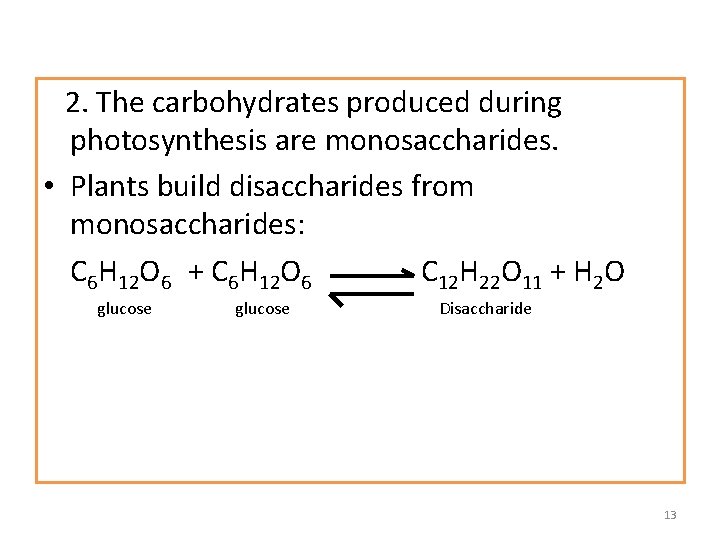
2. The carbohydrates produced during photosynthesis are monosaccharides. • Plants build disaccharides from monosaccharides: C 6 H 12 O 6 + C 6 H 12 O 6 C 12 H 22 O 11 + H 2 O glucose Disaccharide 13
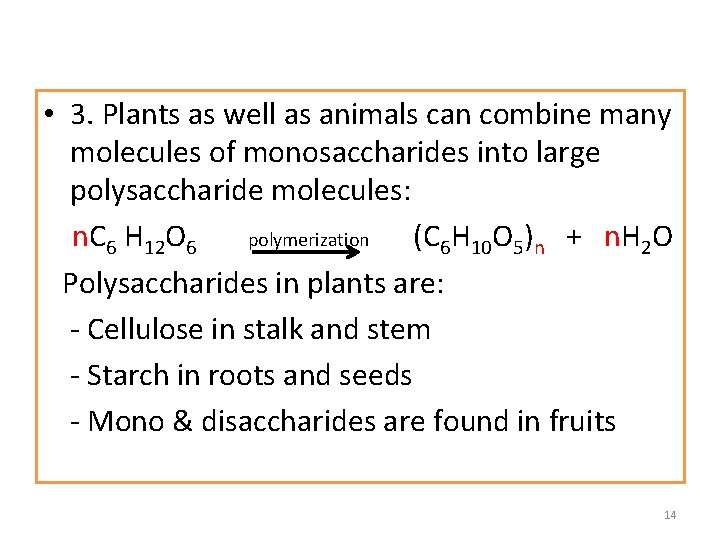
• 3. Plants as well as animals can combine many molecules of monosaccharides into large polysaccharide molecules: n. C 6 H 12 O 6 polymerization (C 6 H 10 O 5)n + n. H 2 O Polysaccharides in plants are: - Cellulose in stalk and stem - Starch in roots and seeds - Mono & disaccharides are found in fruits 14
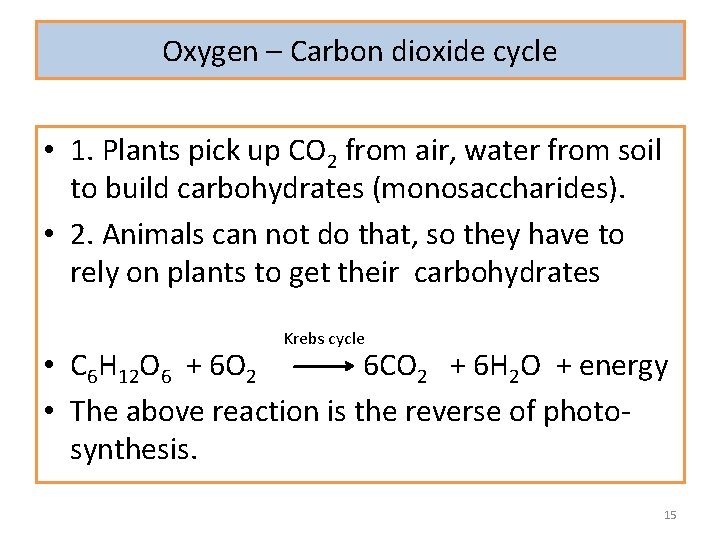
Oxygen – Carbon dioxide cycle • 1. Plants pick up CO 2 from air, water from soil to build carbohydrates (monosaccharides). • 2. Animals can not do that, so they have to rely on plants to get their carbohydrates Krebs cycle • C 6 H 12 O 6 + 6 O 2 6 CO 2 + 6 H 2 O + energy • The above reaction is the reverse of photosynthesis. 15
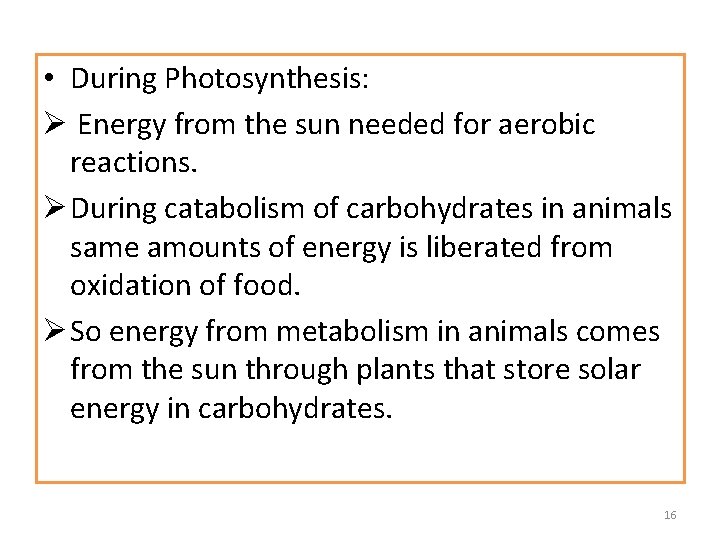
• During Photosynthesis: Ø Energy from the sun needed for aerobic reactions. Ø During catabolism of carbohydrates in animals same amounts of energy is liberated from oxidation of food. Ø So energy from metabolism in animals comes from the sun through plants that store solar energy in carbohydrates. 16
Stereoisomerism Stereoisomers: • Are compounds having the same molecular formula but a different structural formula. • Stereoisomers have structures that are mirror image of one another • If you put your left hand on top of your right hand, you will see that they are not superimposable 17
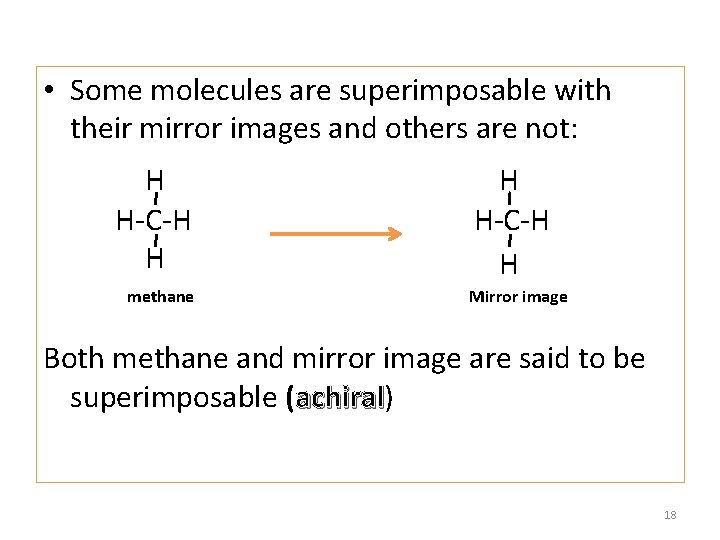
• Some molecules are superimposable with their mirror images and others are not: H H-C-H H methane H H-C-H H Mirror image Both methane and mirror image are said to be superimposable (achiral) achiral 18
• In general any object with a plane of symmetry is achiral • Any object or molecule does not have a plane of symmetry it is chiral • If there are 4 different atoms attached to a central carbon atom, it is said to be chiral 19
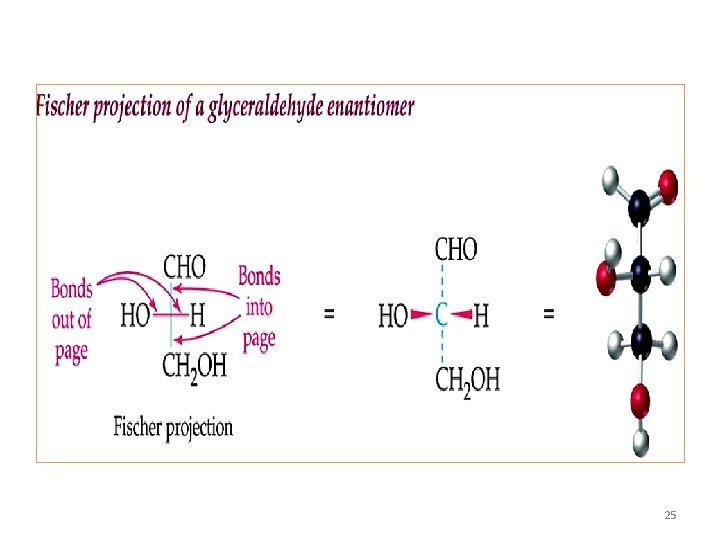
Stereoisomers in Carbohydrates • Carbohydrates are chiral molecules since they have carbon atoms carrying four different groups. • The simplest three carbon sugar is glyceraldehyde. • This sugar exists as a pair of enantiomers. 20
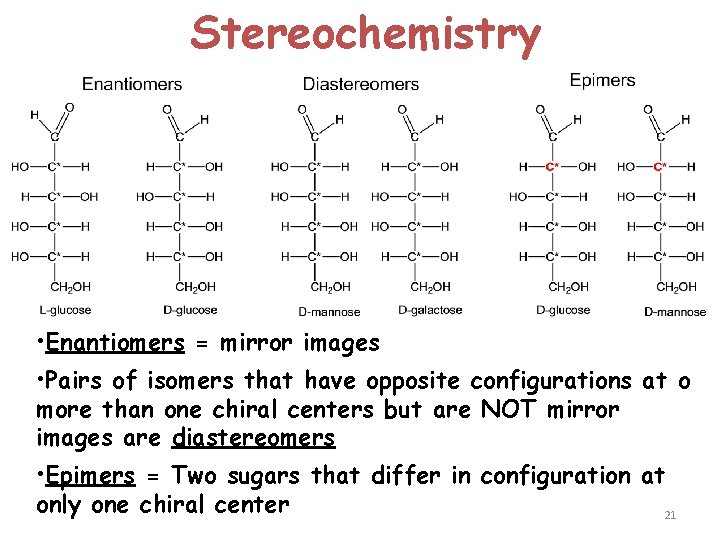
Stereochemistry • Enantiomers = mirror images • Pairs of isomers that have opposite configurations at o more than one chiral centers but are NOT mirror images are diastereomers • Epimers = Two sugars that differ in configuration at only one chiral center 21
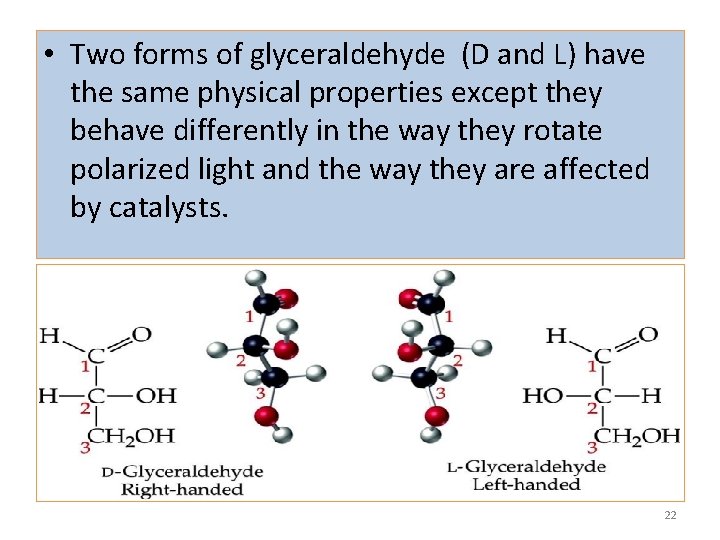
• Two forms of glyceraldehyde (D and L) have the same physical properties except they behave differently in the way they rotate polarized light and the way they are affected by catalysts. 22
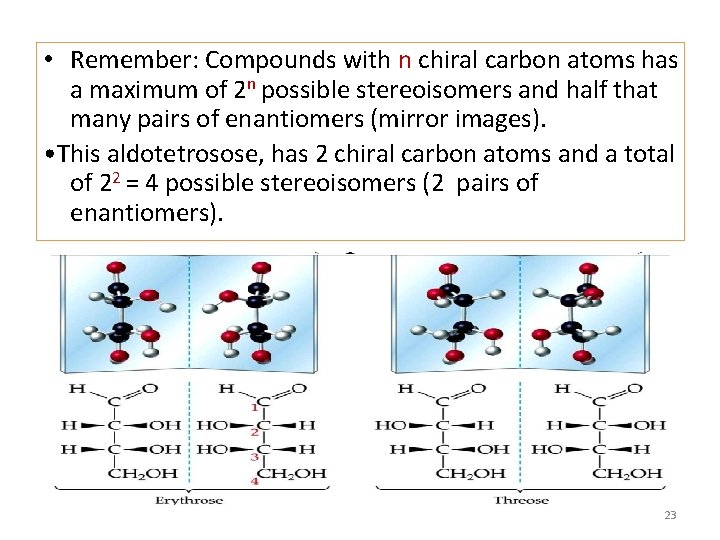
• Remember: Compounds with n chiral carbon atoms has a maximum of 2 n possible stereoisomers and half that many pairs of enantiomers (mirror images). • This aldotetrosose, has 2 chiral carbon atoms and a total of 22 = 4 possible stereoisomers (2 pairs of enantiomers). 23
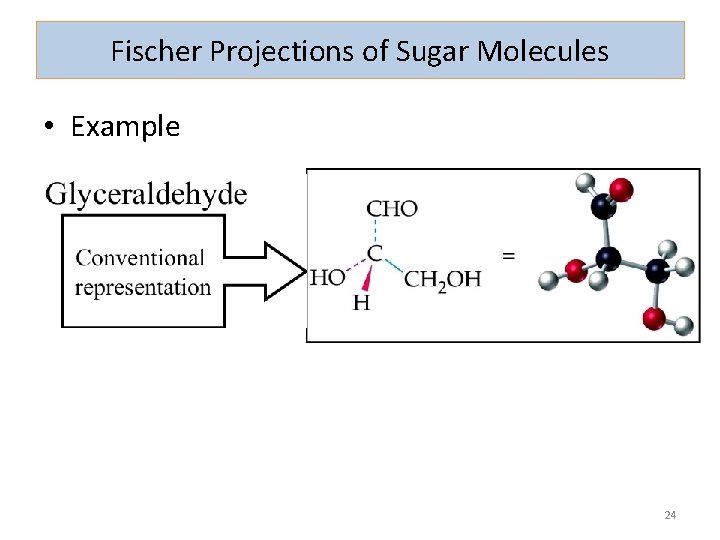
Fischer Projections of Sugar Molecules • Example 24
25
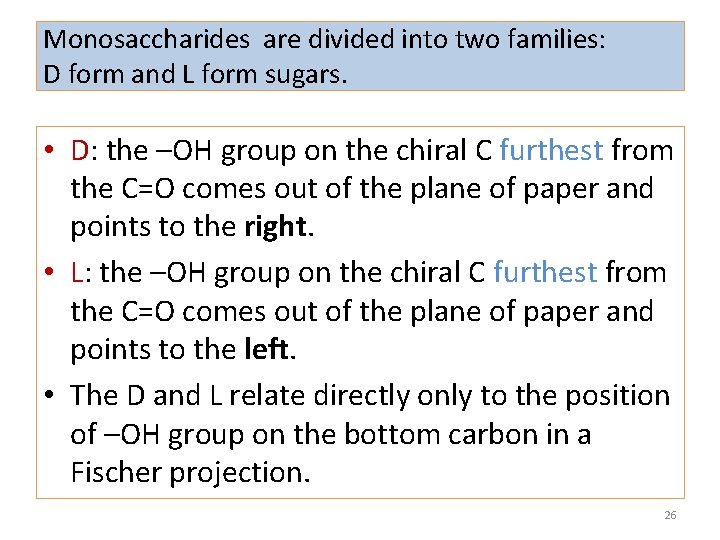
Monosaccharides are divided into two families: D form and L form sugars. • D: the –OH group on the chiral C furthest from the C=O comes out of the plane of paper and points to the right. • L: the –OH group on the chiral C furthest from the C=O comes out of the plane of paper and points to the left. • The D and L relate directly only to the position of –OH group on the bottom carbon in a Fischer projection. 26
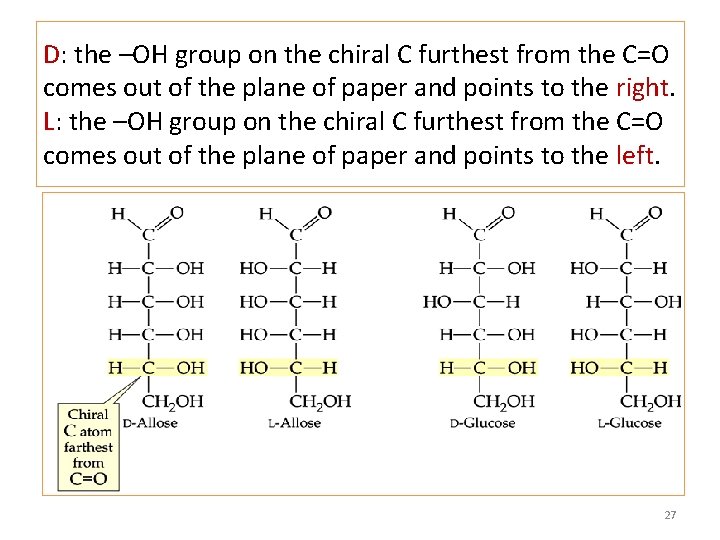
D: the –OH group on the chiral C furthest from the C=O comes out of the plane of paper and points to the right. L: the –OH group on the chiral C furthest from the C=O comes out of the plane of paper and points to the left. 27
Chiral Drugs • Many enzymes will interact with only one particular enantiomer • In human body, enzymes will react with carbohydrates of D- form, but will react with proteins of L-form. • Some drugs are enantiomers: 1. Ibuprofen used in pain relief 2. Indinavir used in Aids 3. Levofloxacin used as antibiotic 28
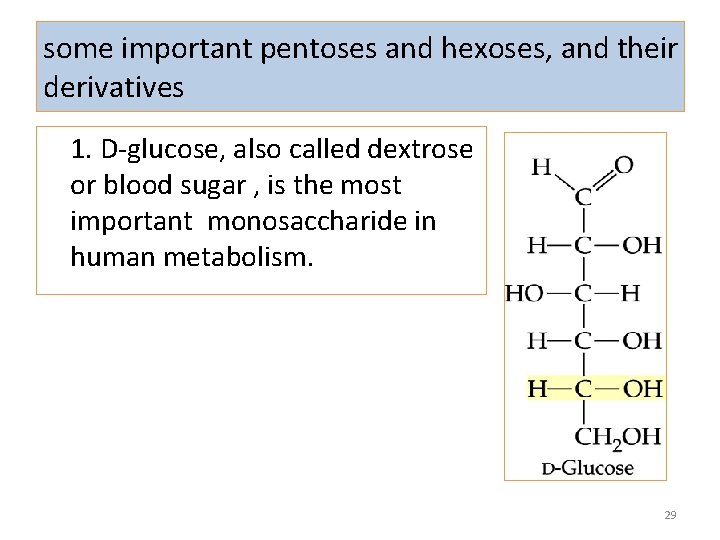
some important pentoses and hexoses, and their derivatives 1. D-glucose, also called dextrose or blood sugar , is the most important monosaccharide in human metabolism. 29
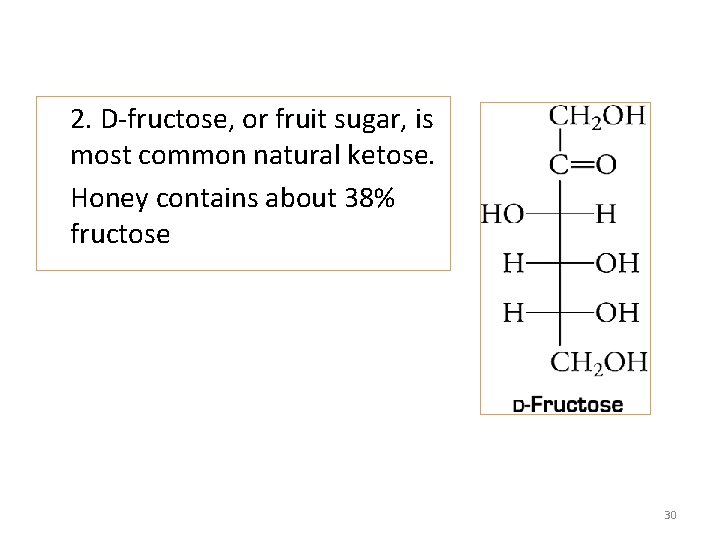
2. D-fructose, or fruit sugar, is most common natural ketose. Honey contains about 38% fructose 30
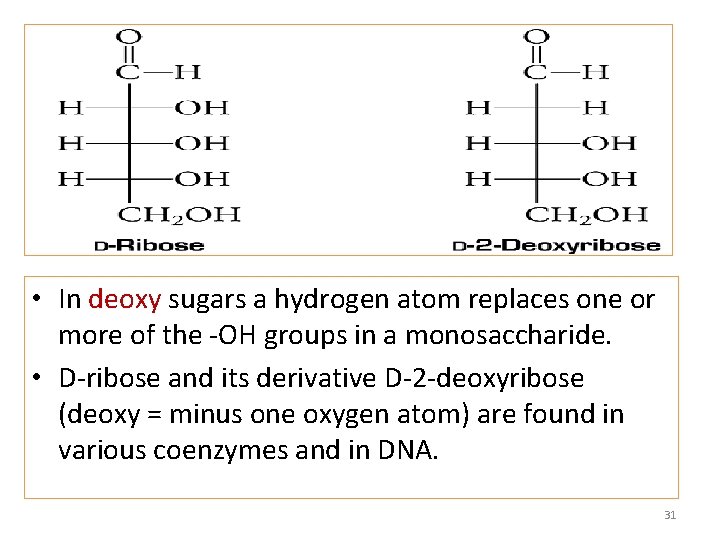
• In deoxy sugars a hydrogen atom replaces one or more of the -OH groups in a monosaccharide. • D-ribose and its derivative D-2 -deoxyribose (deoxy = minus one oxygen atom) are found in various coenzymes and in DNA. 31
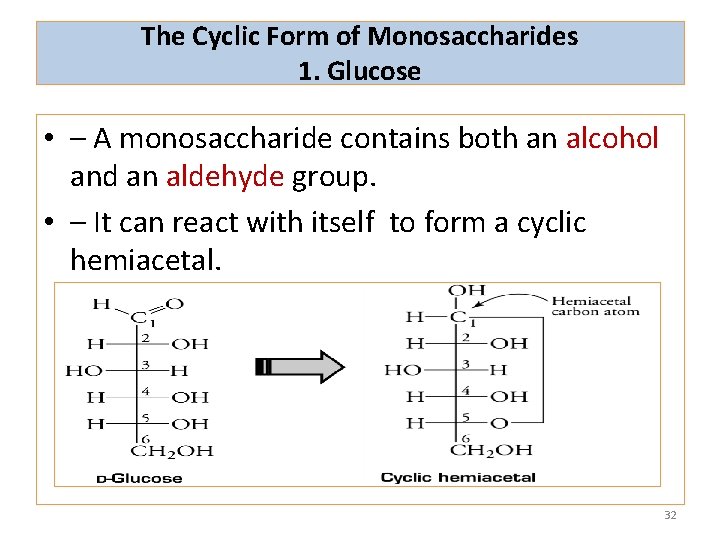
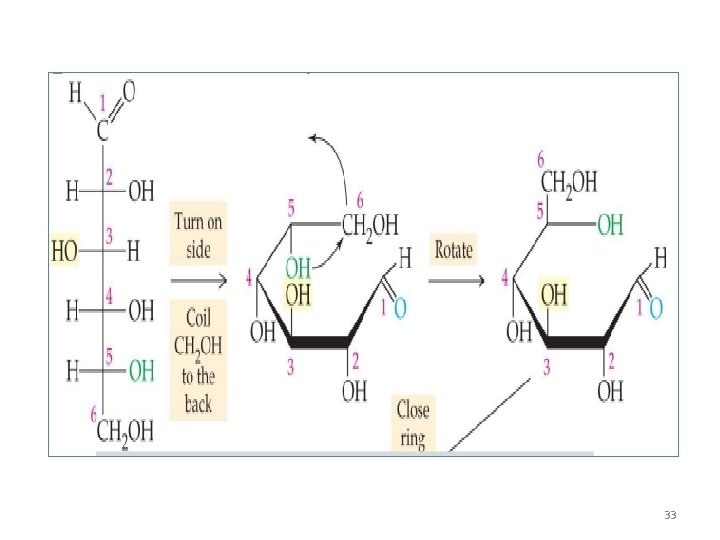
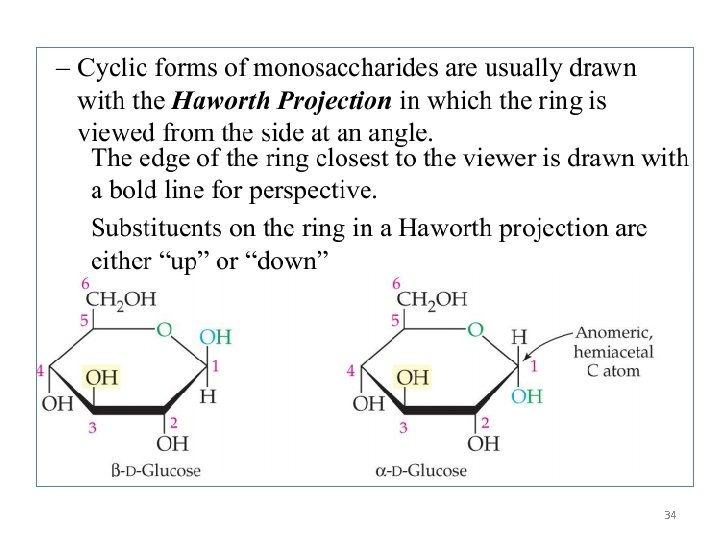
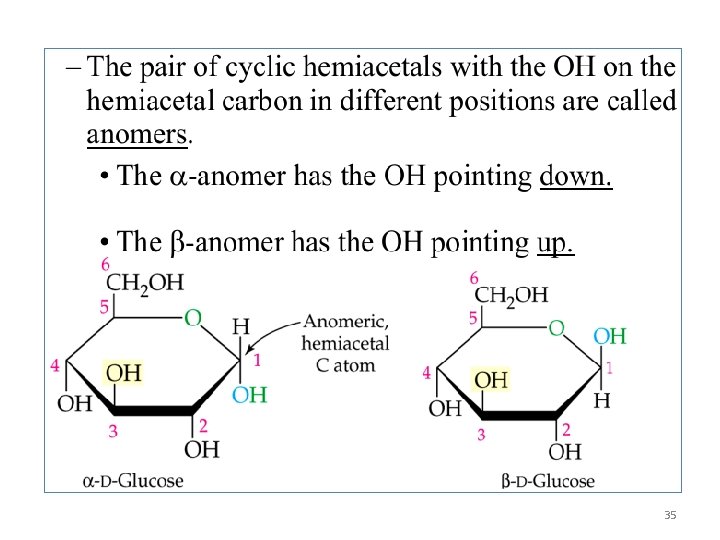
The Cyclic Form of Monosaccharides 1. Glucose • – A monosaccharide contains both an alcohol and an aldehyde group. • – It can react with itself to form a cyclic hemiacetal. 32
33
34
35
- 1. hydrolysis of sucrose 2. hydrolysis of starch Glucose is found in blood stream Found in tissue fluids If found in urine, it is an indicator of diabetes (glucosuria) Glucose may show up in urine during extreme excitement ( ) or after ingestion of a large amount of sugar ( ) 36
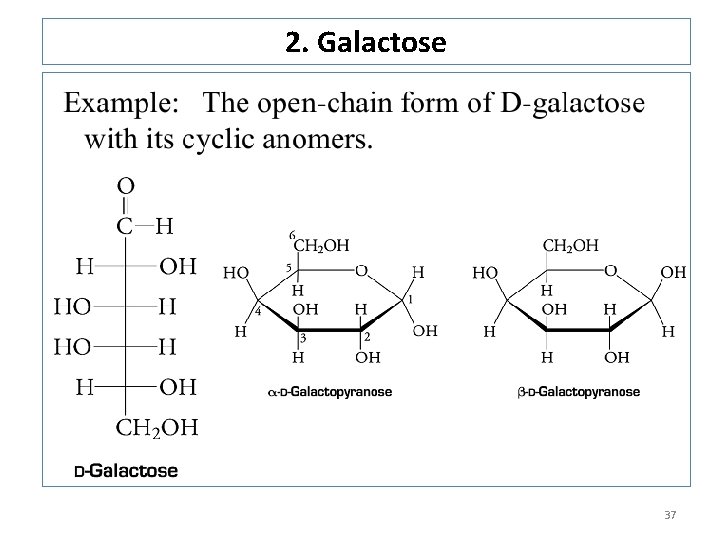
2. Galactose 37
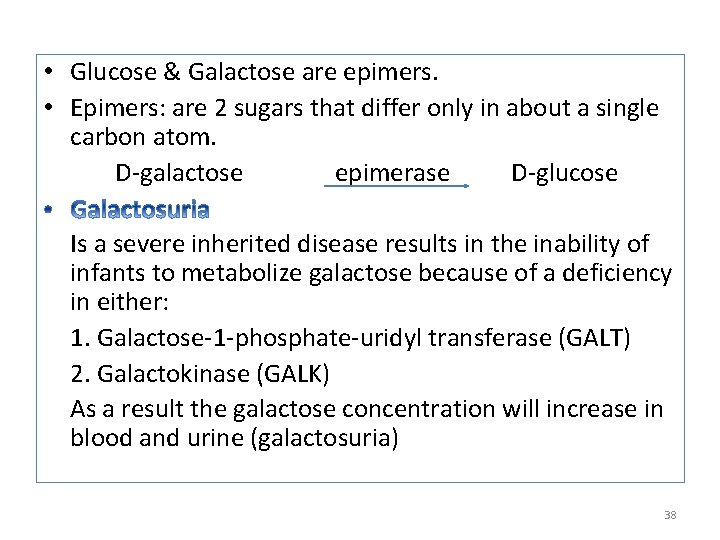
• Glucose & Galactose are epimers. • Epimers: are 2 sugars that differ only in about a single carbon atom. D-galactose epimerase D-glucose Is a severe inherited disease results in the inability of infants to metabolize galactose because of a deficiency in either: 1. Galactose-1 -phosphate-uridyl transferase (GALT) 2. Galactokinase (GALK) As a result the galactose concentration will increase in blood and urine (galactosuria) 38
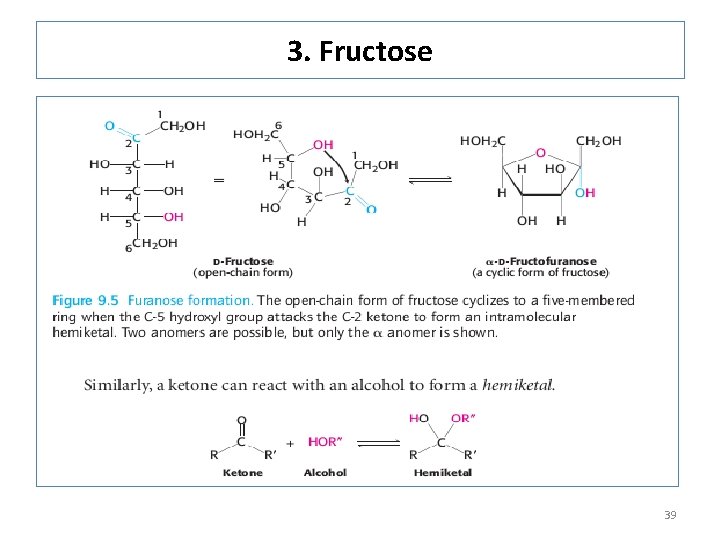
3. Fructose 39
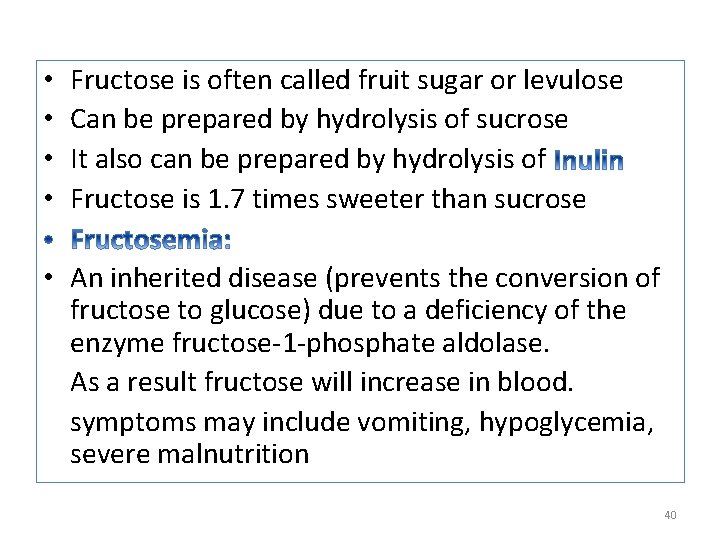
• • Fructose is often called fruit sugar or levulose Can be prepared by hydrolysis of sucrose It also can be prepared by hydrolysis of Fructose is 1. 7 times sweeter than sucrose • An inherited disease (prevents the conversion of fructose to glucose) due to a deficiency of the enzyme fructose-1 -phosphate aldolase. As a result fructose will increase in blood. symptoms may include vomiting, hypoglycemia, severe malnutrition 40
41
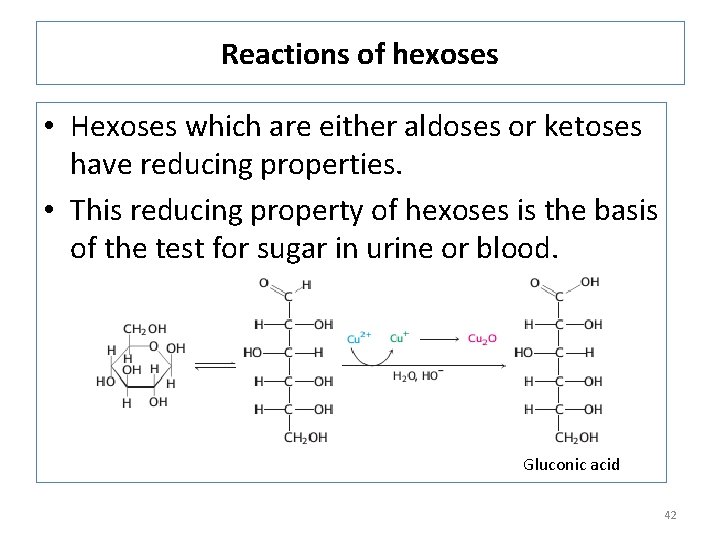
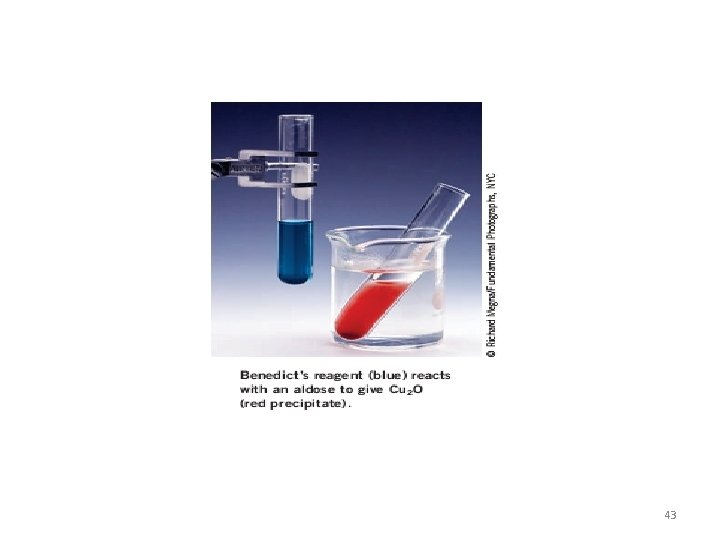
Reactions of hexoses • Hexoses which are either aldoses or ketoses have reducing properties. • This reducing property of hexoses is the basis of the test for sugar in urine or blood. Gluconic acid 42
43
44
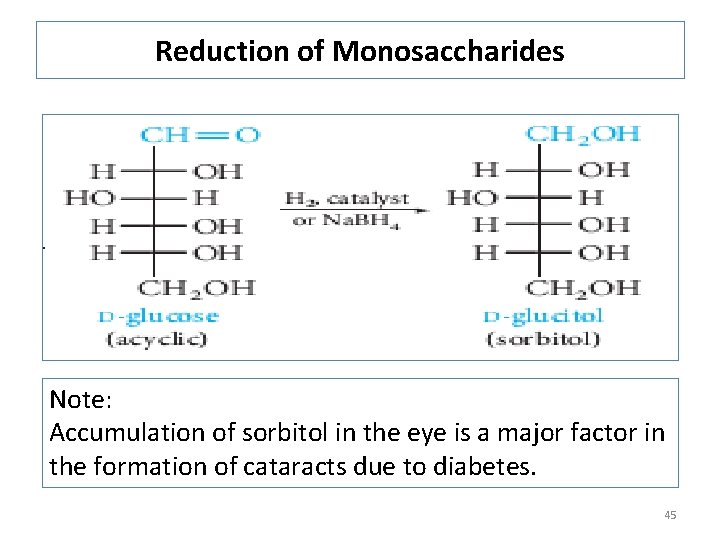
Reduction of Monosaccharides Note: Accumulation of sorbitol in the eye is a major factor in the formation of cataracts due to diabetes. 45
Fermentation • In the presence of yeast (or enzymes of yeast) glucose forms ethanol and carbon dioxide • Fructose can ferment but galactose can not. • Pentoses do not ferment in the presence of yeast. 46
Derivatives of Monosaccharides 47
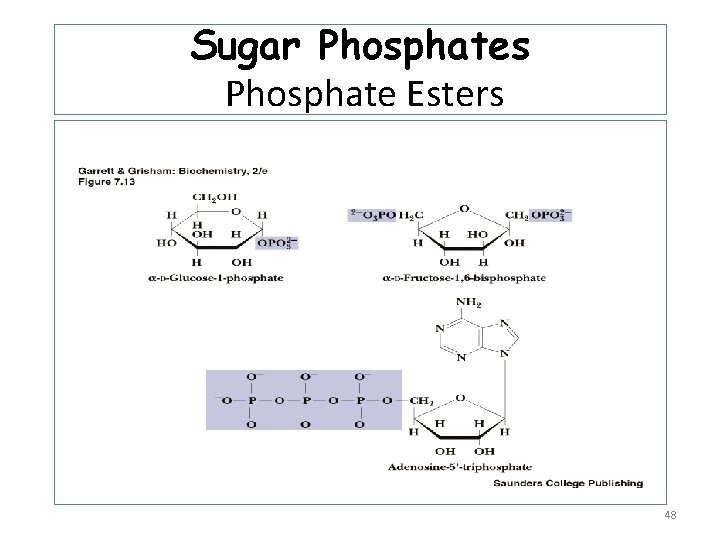
Sugar Phosphates Phosphate Esters 48
Amino Sugars • Amino sugars (hexosamines) contain an amino group on place of an –OH group. • Examples of natural amino sugars: • D- Glucosamine • D-galactosamine • D-mannosamine • Amino sugars are components of some antibiotics such as and 49
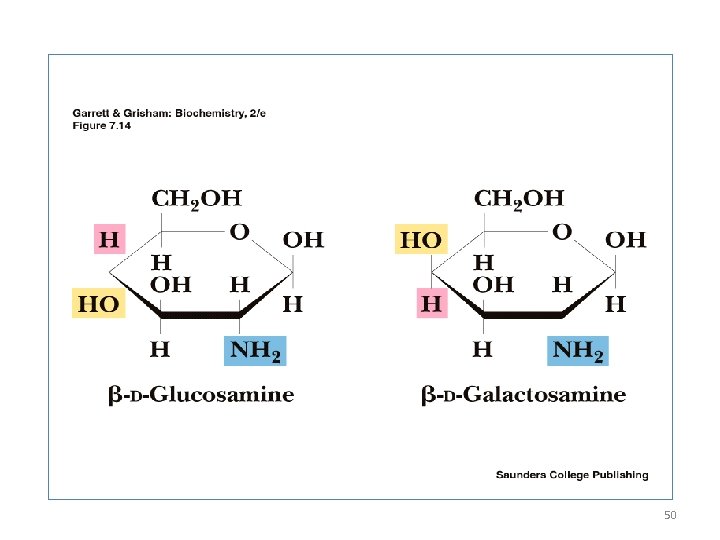
50
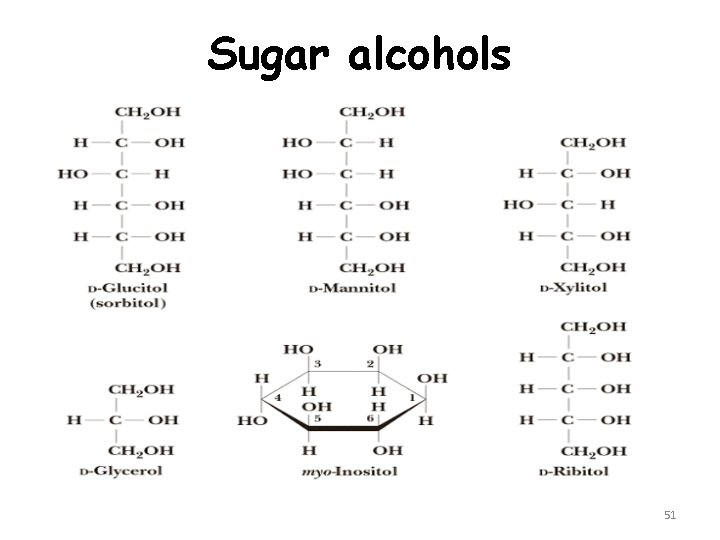
Sugar alcohols 51
Protein-Sugar Interactions • When the glucose level in the blood is elevated over a period of time, normal hemoglobin binds to glucose covalently. • The amount of glucosylated hemoglobin Hb. A 1 c in blood is used as a measure of the effectiveness of blood glucose control in a diabetic patient. 52
• The concentration of Hb. A 1 c directly reflects the elevation of blood glucose over the preceding several days. • In diabetic patient Hb. A 1 c is about 7 – 11% of the total hemoglobin (Hb. A) • In nondiabetic person this value ranges 4 – 6%. 53
Disaccharides 54
A disaccharide consists of two sugars joined by an O-glycosidic bond. The three common Disaccharides are: • Maltose • Lactose • Sucrose 55
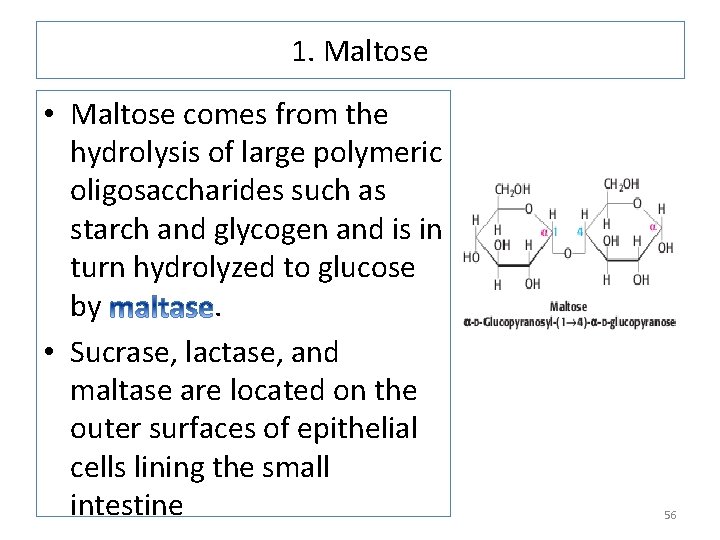
1. Maltose • Maltose comes from the hydrolysis of large polymeric oligosaccharides such as starch and glycogen and is in turn hydrolyzed to glucose by. • Sucrase, lactase, and maltase are located on the outer surfaces of epithelial cells lining the small intestine 56
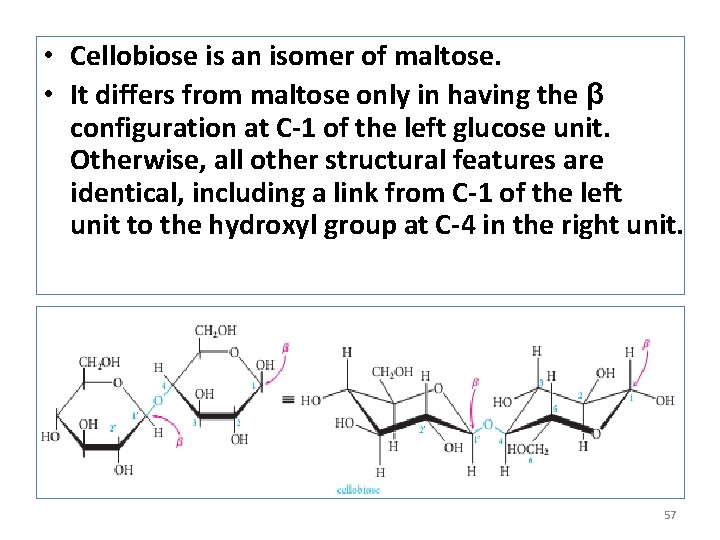
• Cellobiose is an isomer of maltose. • It differs from maltose only in having the β configuration at C-1 of the left glucose unit. Otherwise, all other structural features are identical, including a link from C-1 of the left unit to the hydroxyl group at C-4 in the right unit. 57
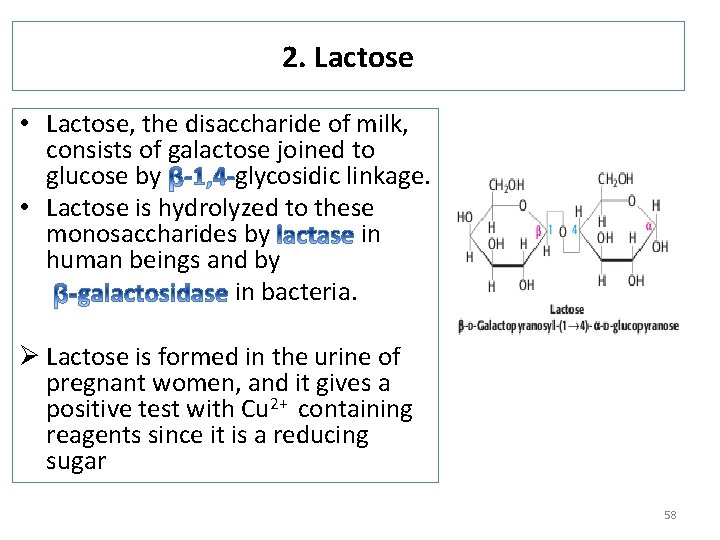
2. Lactose • Lactose, the disaccharide of milk, consists of galactose joined to glucose by glycosidic linkage. • Lactose is hydrolyzed to these monosaccharides by in human beings and by in bacteria. Ø Lactose is formed in the urine of pregnant women, and it gives a positive test with Cu 2+ containing reagents since it is a reducing sugar 58
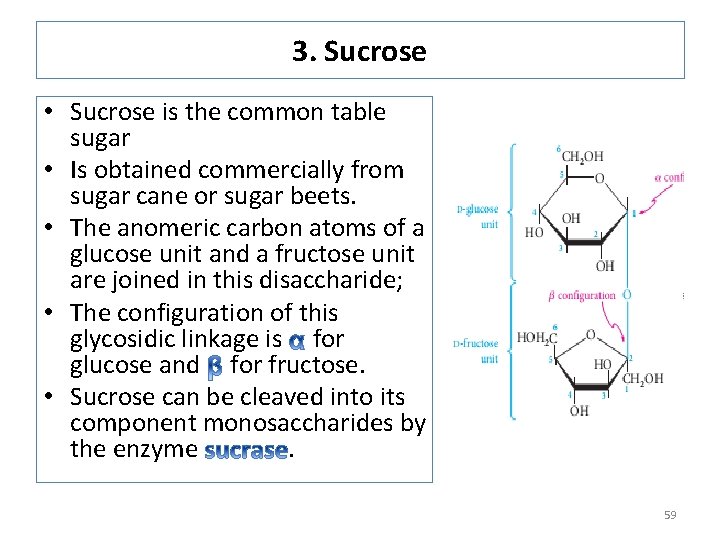
3. Sucrose • Sucrose is the common table sugar • Is obtained commercially from sugar cane or sugar beets. • The anomeric carbon atoms of a glucose unit and a fructose unit are joined in this disaccharide; • The configuration of this glycosidic linkage is for glucose and for fructose. • Sucrose can be cleaved into its component monosaccharides by the enzyme. 59
Reducing Properties of Disaccharides • Disaccharides with 1, 4 linkage are reducing because they have a free aldehyde group in one of the two monosaccharides. • Lactose & maltose are reducing sugars. • Sucrose with 1, 2 linkage, no aldehyde or ketone group is free, therefore sucrose is a nonreducing sugar 60
Fermentation • Sucrose & maltose will ferment in the presence of yeast, because yeast does contain &. • Lacotse on the other hand will not ferment when yeast is added, because it does not contain. 61
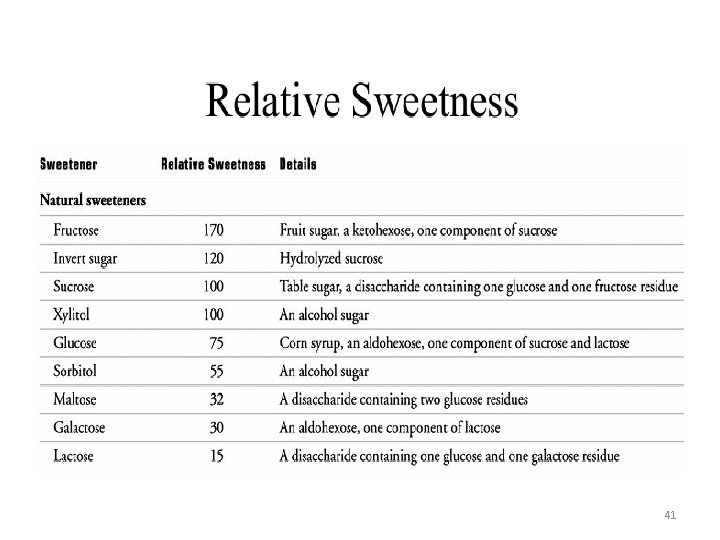
Sweetness and Sweeteners (Sugar Substitutes) • Sweetness is literally a matter of taste. • Although individuals vary greatly in their sensory perceptions, it is possible to make some quantitative comparisons of sweetness. • For example, we can take some standard sugar solution (say 10% sucrose in water) and compare its sweetness with that of solutions containing other sugars or sweetening agents. 62
• If a 1% solution of some compound tastes as sweet as the 10% sucrose solution, we can say that the compound is 10 times sweeter than sucrose. • D-Fructose is the sweetest of the simple sugars—almost twice as sweet as sucrose. • D-Glucose is almost as sweet as sucrose. • On the other hand, sugars like lactose and galactose have less than 1% of the sweetness of sucrose. 63
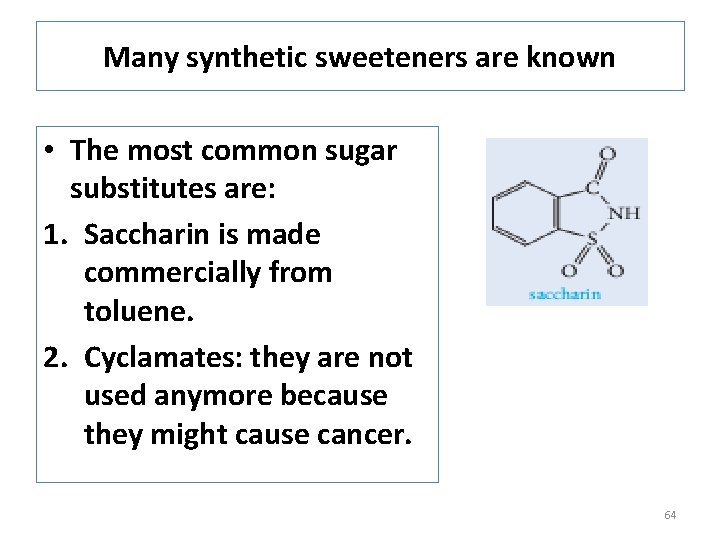
Many synthetic sweeteners are known • The most common sugar substitutes are: 1. Saccharin is made commercially from toluene. 2. Cyclamates: they are not used anymore because they might cause cancer. 64
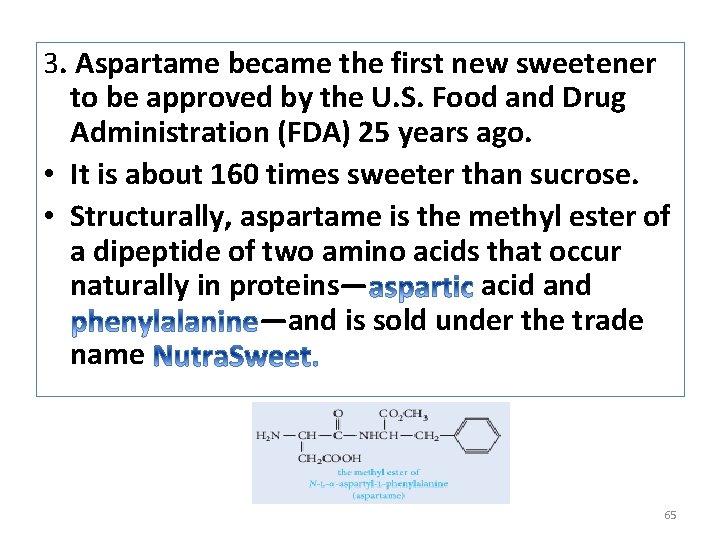
3. Aspartame became the first new sweetener to be approved by the U. S. Food and Drug Administration (FDA) 25 years ago. • It is about 160 times sweeter than sucrose. • Structurally, aspartame is the methyl ester of a dipeptide of two amino acids that occur naturally in proteins— acid and —and is sold under the trade name 65
Polysaccharides 66
Polysaccharides • Contain many linked monosaccharides and vary in chain length and molecular weigh. • Most polysaccharides give a single monosaccharide on complete hydrolysis. • The monosaccharide units may be linked linearly, or the chains may be branched. • Polysaccharides formed from pentoses are called , while the ones made from hexoses are called 67
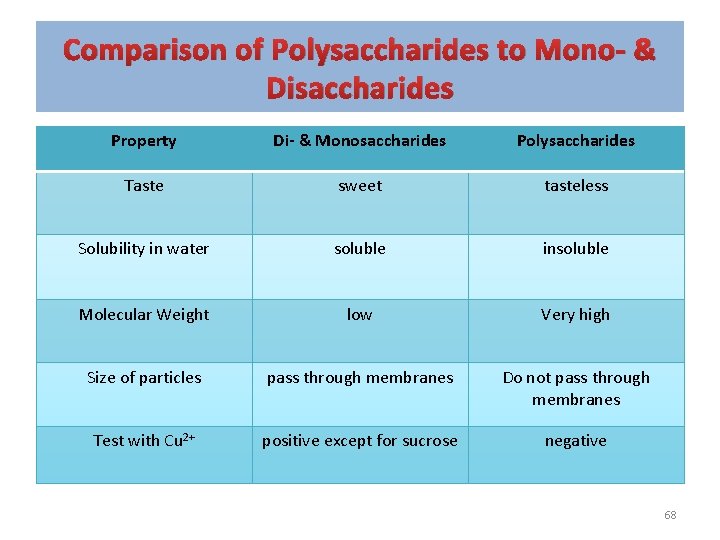
Comparison of Polysaccharides to Mono- & Disaccharides Property Di- & Monosaccharides Polysaccharides Taste sweet tasteless Solubility in water soluble insoluble Molecular Weight low Very high Size of particles pass through membranes Do not pass through membranes Test with Cu 2+ positive except for sucrose negative 68
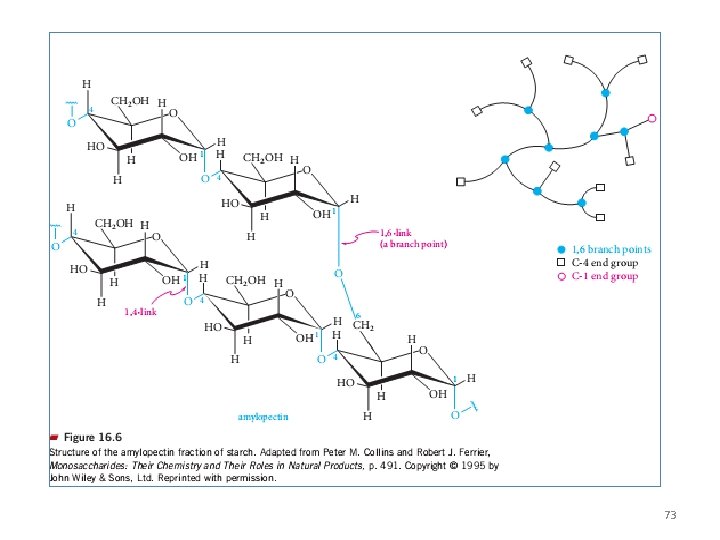
Examples of Polysaccharides 1. Starch • Is the energy-storing carbohydrate of plants. • It is the form in which glucose is stored by plants for later use. • Is made up of glucose units joined mainly by 1, 4 -α-glycosidic bonds, although the chains may have a number of branches attached through 1, 6 - α –glycosidic bonds. • Partial hydrolysis of starch gives maltose, and complete hydrolysis gives only d-glucose. 69
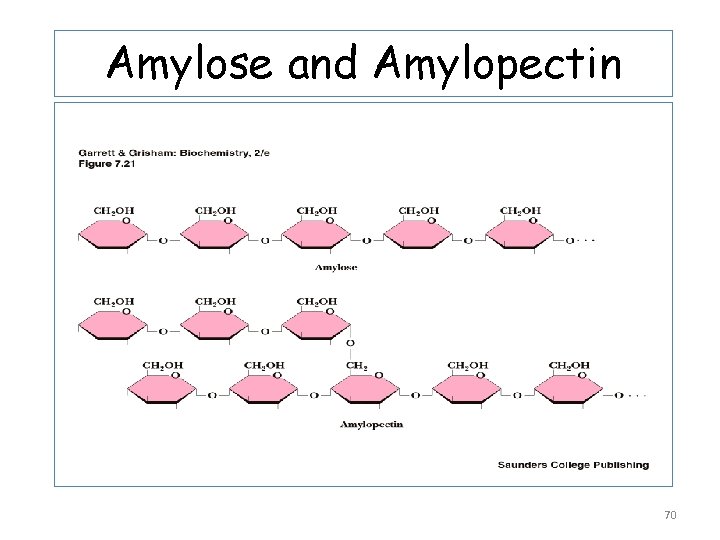
Amylose and Amylopectin 70
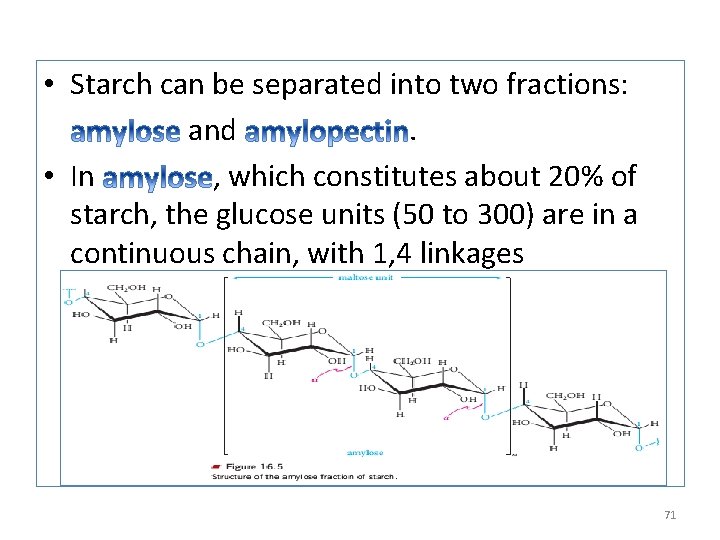
• Starch can be separated into two fractions: and. • In , which constitutes about 20% of starch, the glucose units (50 to 300) are in a continuous chain, with 1, 4 linkages 71
• • is highly branched. May contain 300 to 5000 glucose units, Chains with consecutive 1, 4 links average only 25 to 30 units in length. These chains are connected at branch points by 1, 6 linkages. Because of this highly branched structure, starch granules swell and eventually form colloidal systems in water. 72
73
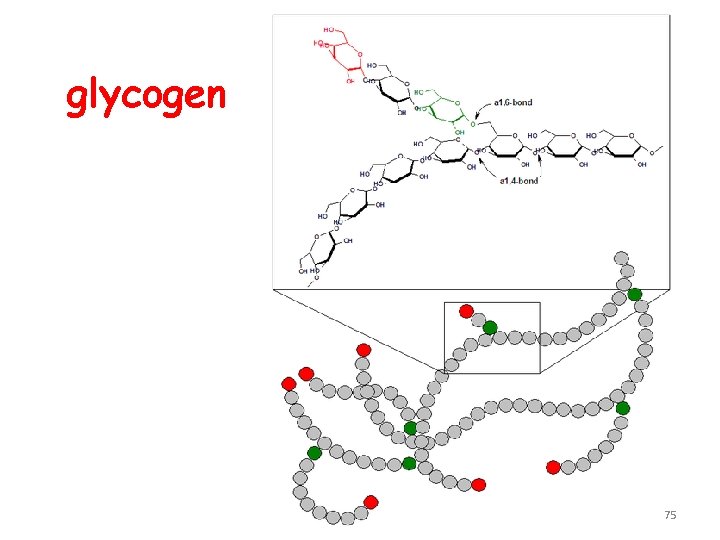
2. Glycogen • Is the energy-storing carbohydrate of animals. • Like starch, it is made of 1, 4 - and 1, 6 -linked glucose units. • Glycogen has a higher molecular weight than starch (perhaps 100, 000 glucose units), and its structure is even more branched than that of amylopectin, with a branch every 8 to 12 glucose units. • Glycogen is produced from glucose, transported to the liver, muscles, where it is stored for later use. • Glycogen helps maintain the glucose balance in the body by removing and storing excess glucose from ingested food and later supplying it to the blood when various cells need it for energy. 74
glycogen 75
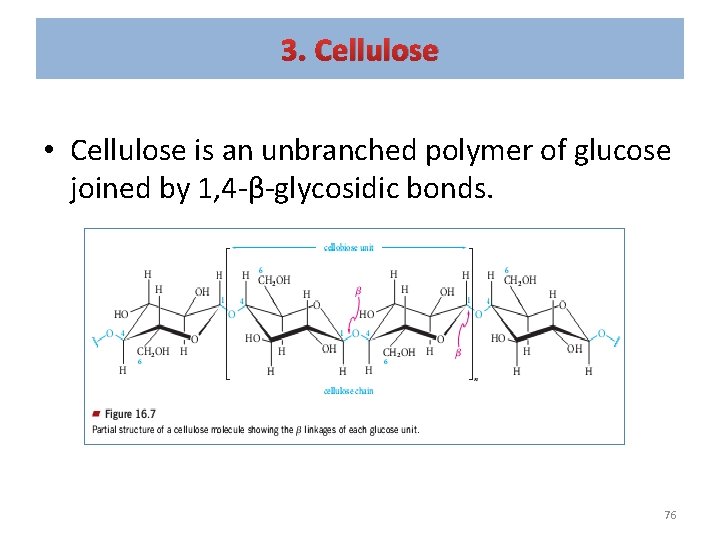
3. Cellulose • Cellulose is an unbranched polymer of glucose joined by 1, 4 -β-glycosidic bonds. 76
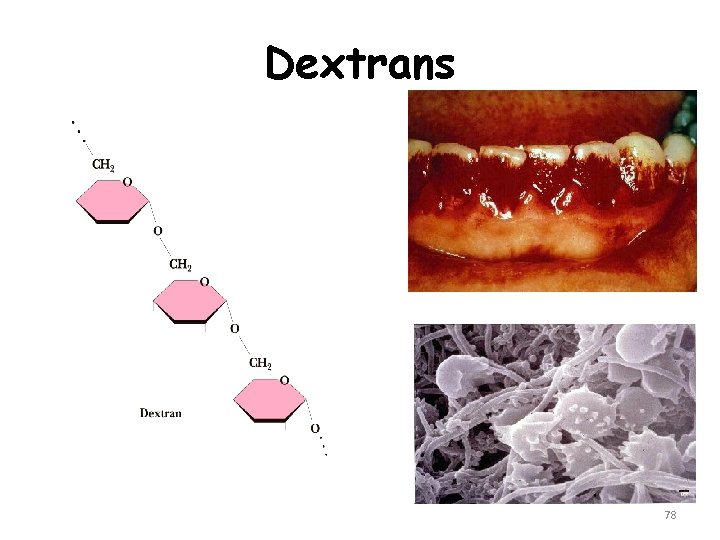
Other Polysacchrides 4. Dextrin: Produced during the hydrolysis of starch. 5. Heparin: Made up of repeated units of glucuronic acid and glucosamine, used as a blood anticoagulant. Is the strongest organic acid in the body. 6. Dextran: produced by bacteria when grow on sucrose. 77
Dextrans 78
7. Pectin: Obtained from fruits and berries, used in making jellies. • They are linear polymers of d-galacturonic acid, linked with 1, 4 -α-glycosidic bonds. 79
- Slides: 79