
CARBOHYDRATES Cambridge Biology A Level 11 th Grade
CARBOHYDRATES Cambridge Biology A Level 11 th Grade 2018/2019
LEARNING OBJECTIVES Define the terms monomer, polymer, macromolecule, monosaccharide, disaccharide and polysaccharide. Describe the molecular structure of polysaccharides including starch (amylose and amylopectin), glycogen and cellulose and relate these structures to their functions in living organisms. Carry out tests for reducing sugars and non-reducing sugars, the iodine in potassium iodide solution test for starch, the emulsion test for lipids and the biuret test for proteins to identify the contents of solutions.
SOURCE Cambridge International AS and A Level Biology Coursebook, 4 th Edition, Mary Jones, et. al. (page 29 -35)
KEYWORDS A macromolecule is a large biological molecule such as a protein, polysaccharide or nucleic acid.
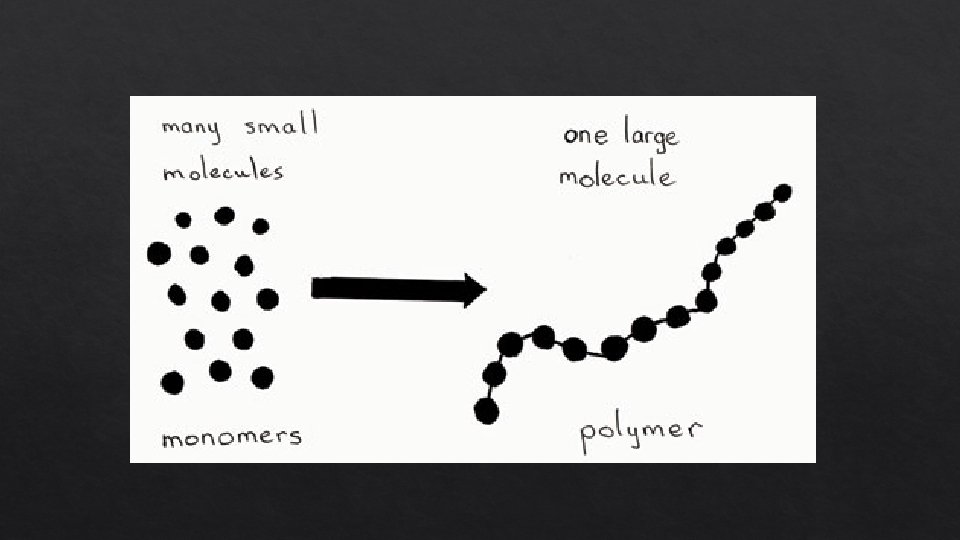
KEYWORDS A monomer is a relatively simple molecule which is used as a basic building block for the synthesis of a polymer many monomers are joined together to make the polymer, usually by condensation reactions common examples of molecules used as monomers are monosaccharides, amino acids and nucleotides.
KEYWORDS A polymer is a giant molecule made from many similar repeating subunits joined together in a chain the subunits are much smaller and simpler molecules known as monomers examples of biological polymers polysaccharides, proteins and nucleic acids. are
CARBOHYDRATES All carbohydrates contain the elements carbon, hydrogen and oxygen. The general formula for a carbohydrate; Cx(H 2 O)y. Carbohydrates are divided into three main groups, namely monosaccharides, disaccharides and polysaccharides.
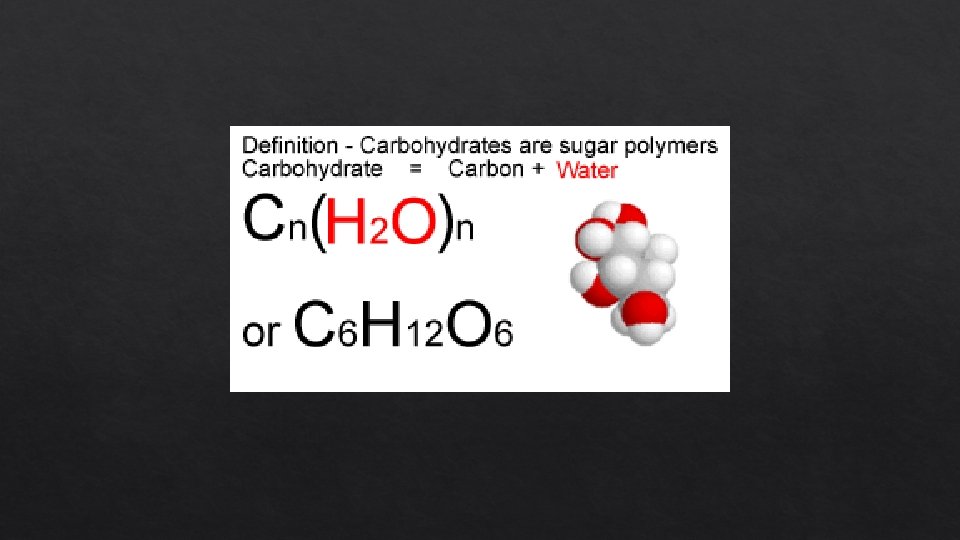


MONOSACCHARIDES Monosaccharides are sugars. A monosaccharide is a molecule consisting of a single sugar unit. Monosaccharides have the general formula (CH 2 O)n and consist of a single sugar molecule.
MONOSACCHARIDES The main types of monosaccharides; trioses (3 Carbons), examples; Dihydroxyacetone, LGlyceraldehyde, and D-Glyceraldehyde pentoses hexoses galactose (5 Carbons), examples; ribose and deoxyribose. (6 Carbons), examples; glucose, fructose and
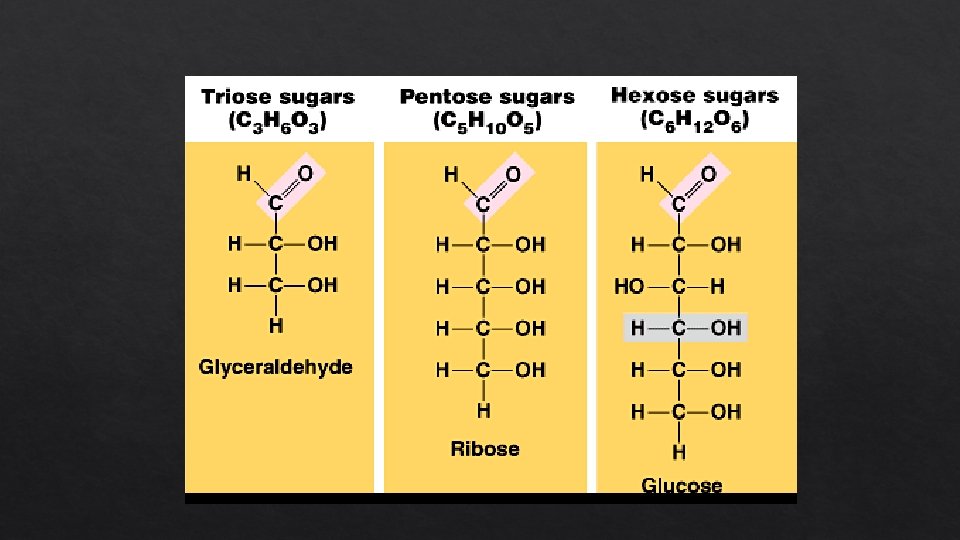

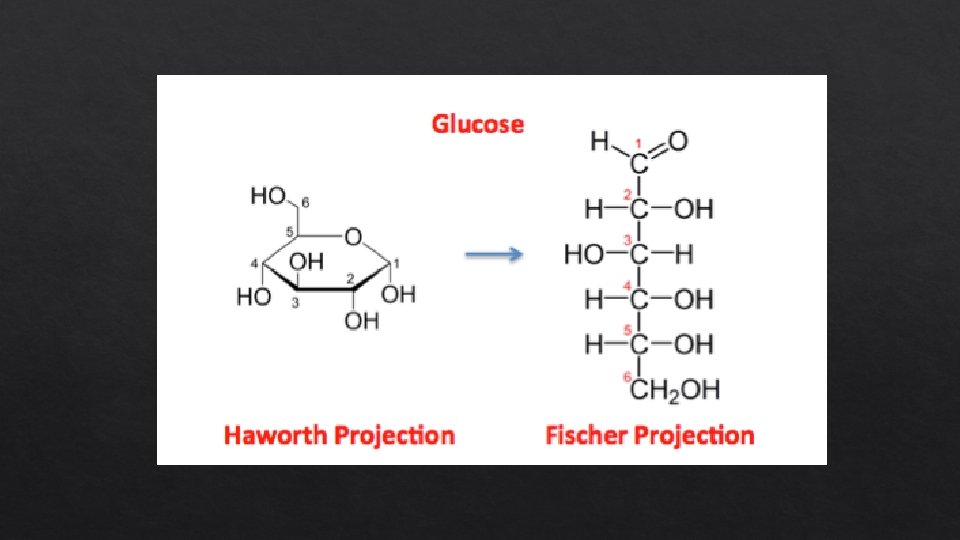
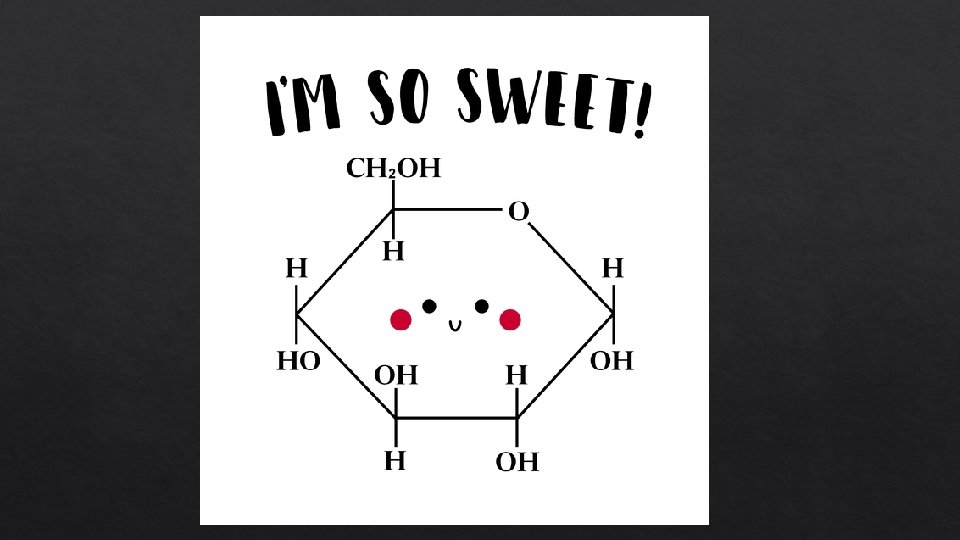
HEXOSES The molecular formula for a hexose can be written as C 6 H 12 O 6. The arrangements of the atoms can be shown by using a diagram known as the structural formula
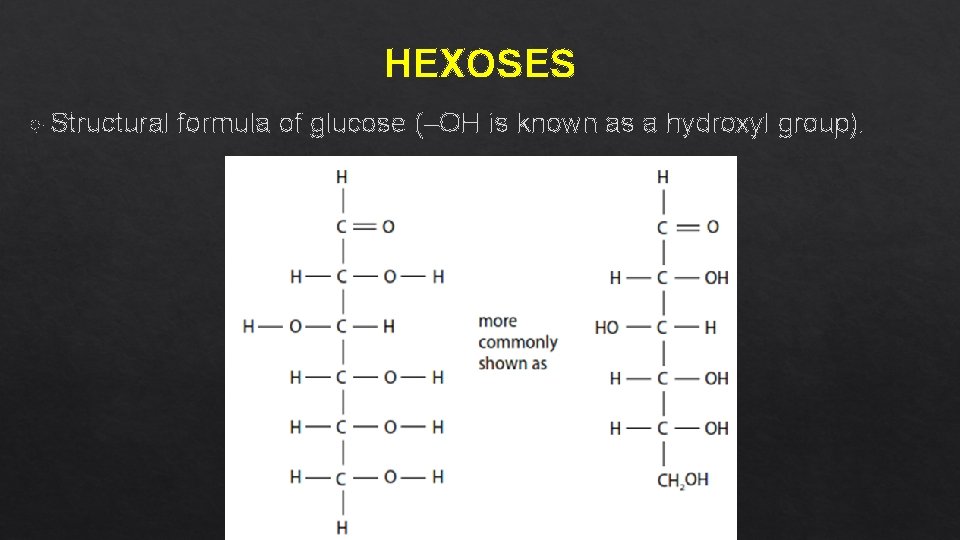
HEXOSES Structural formula of glucose (–OH is known as a hydroxyl group).

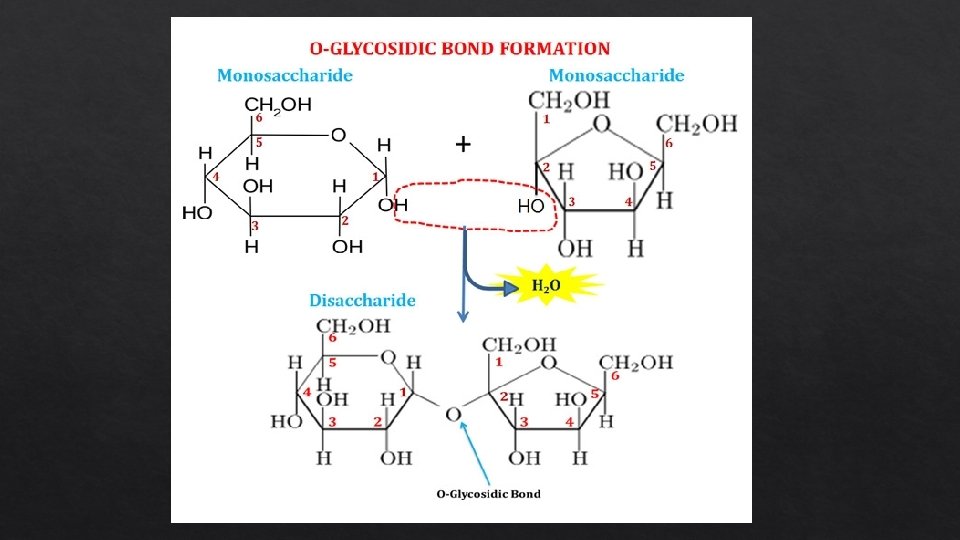
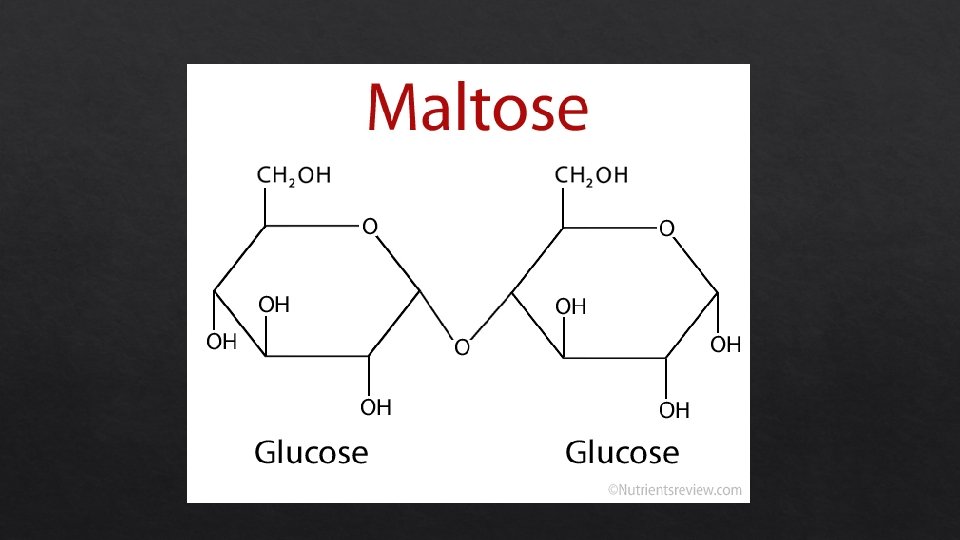
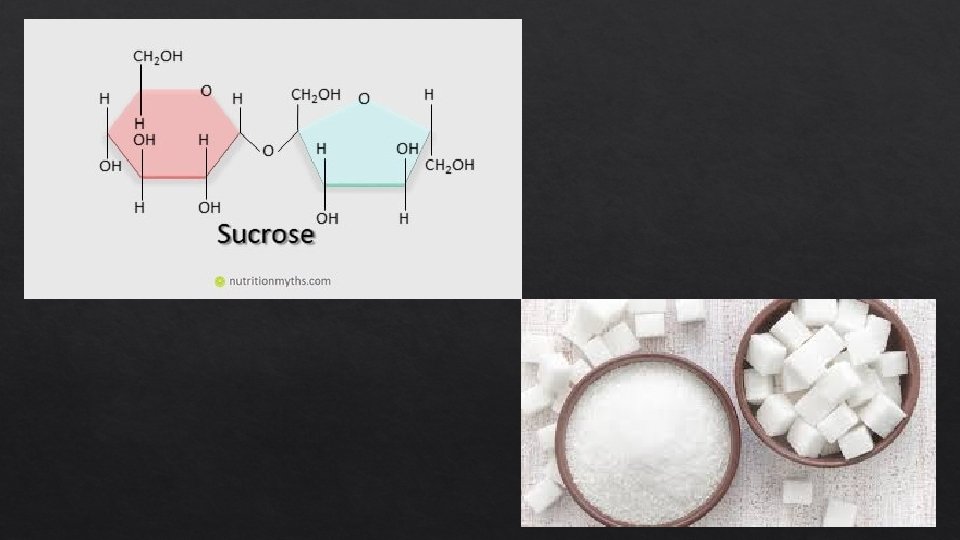
DISACCHARIDES Disaccharides, A like monosaccharides, are sugars disaccharide is a sugar molecule consisting of two monosaccharides joined together by a glycosidic bond.
DISACCHARIDES The three most common disaccharides; Maltose Sucrose Lactose
DISACCHARIDES Maltose glucose + glucose present in cereals e. g. barley
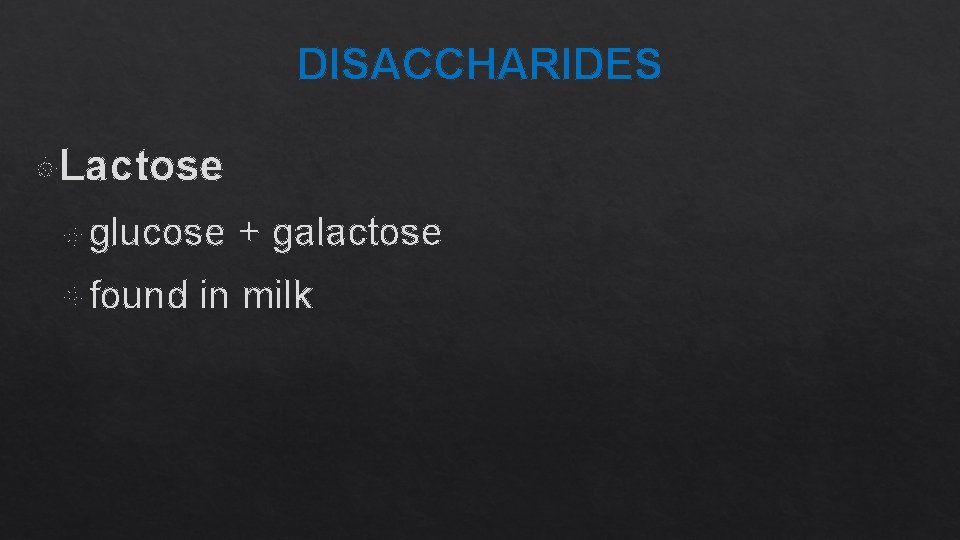
DISACCHARIDES Sucrose glucose the + fructose transport sugar in plants and the sugar commonly bought in shops.
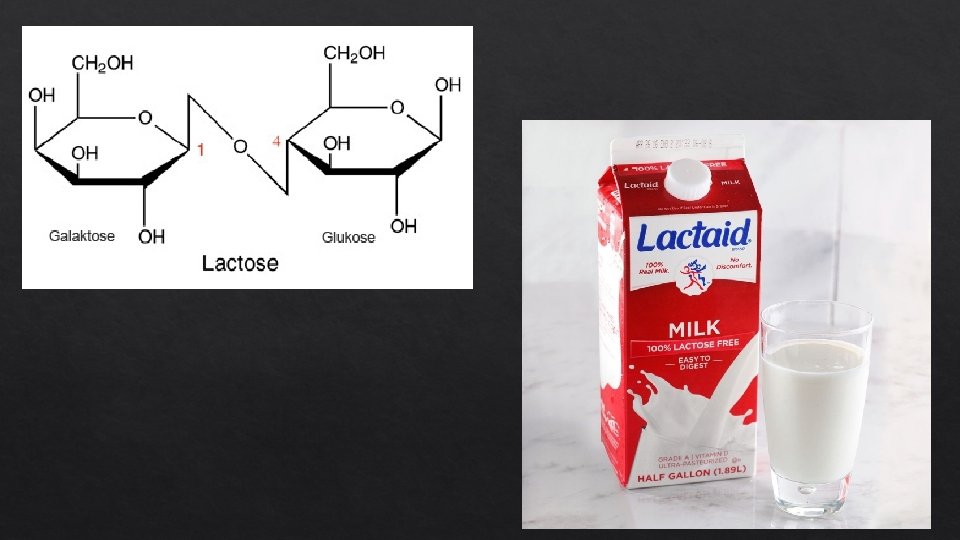
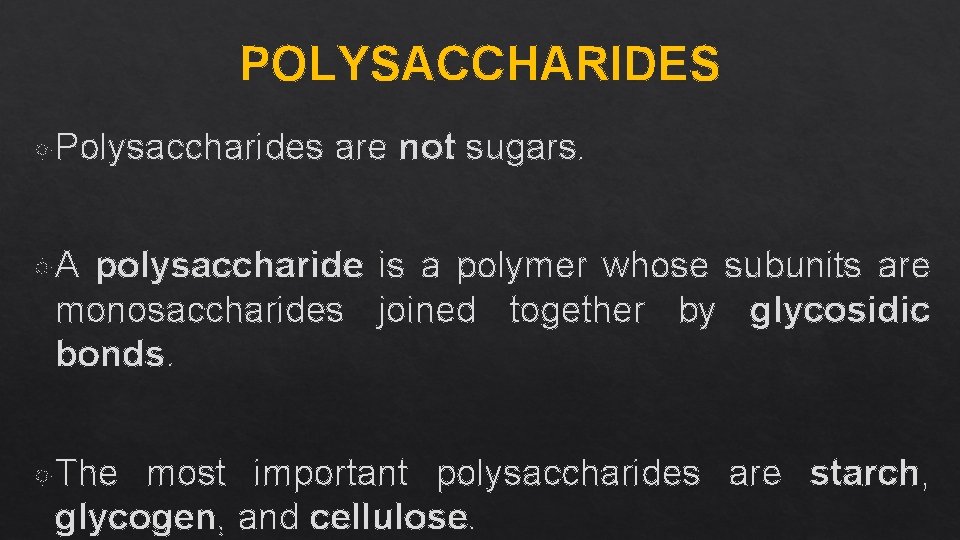
DISACCHARIDES Lactose glucose found + galactose in milk

POLYSACCHARIDES Polysaccharides are not sugars. A polysaccharide is a polymer whose subunits are monosaccharides joined together by glycosidic bonds. The most important polysaccharides are starch, glycogen, and cellulose.
POLYSACCHARIDES Glucose is converted to a storage polysaccharide. The storage polysaccharide is a convenient, compact, unreactive, and insoluble molecule. The storage polysaccharide formed is starch in plants and glycogen in animals.
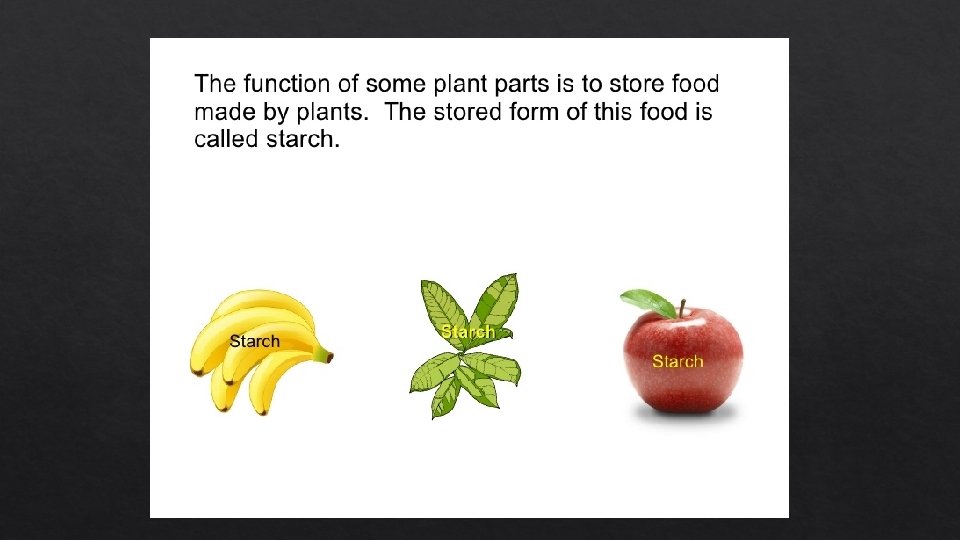
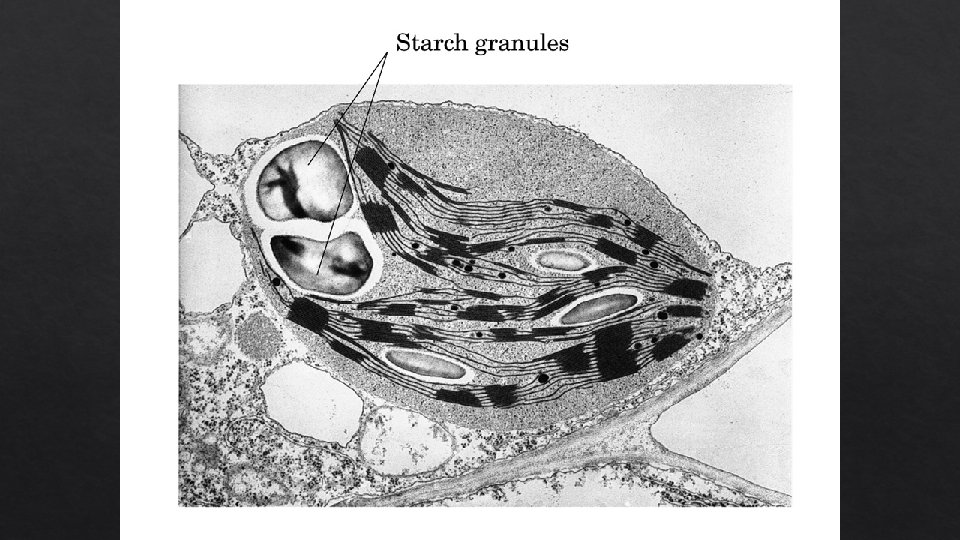
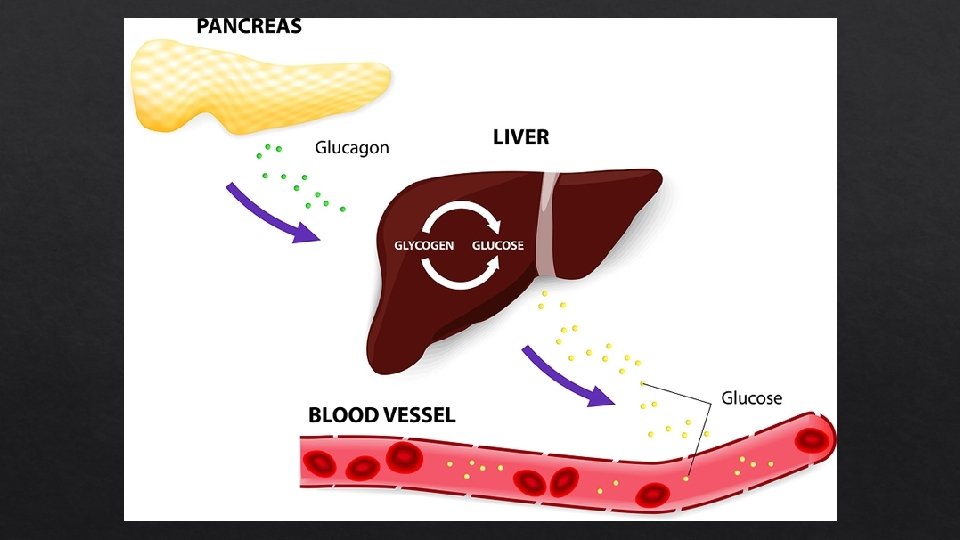
POLYSACCHARIDES Starch is a mixture of two substances (amylose and amylopectin).
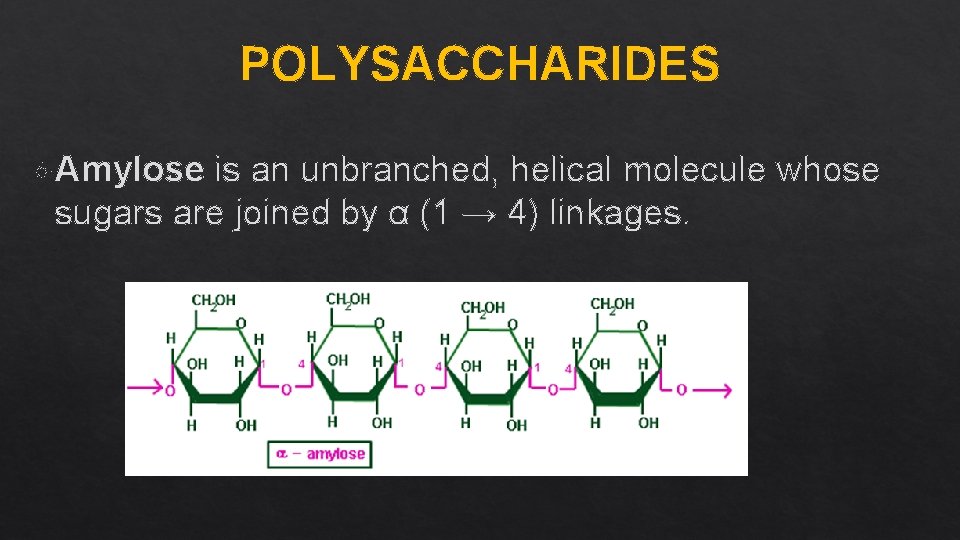
POLYSACCHARIDES Amylose is an unbranched, helical molecule whose sugars are joined by α (1 → 4) linkages.
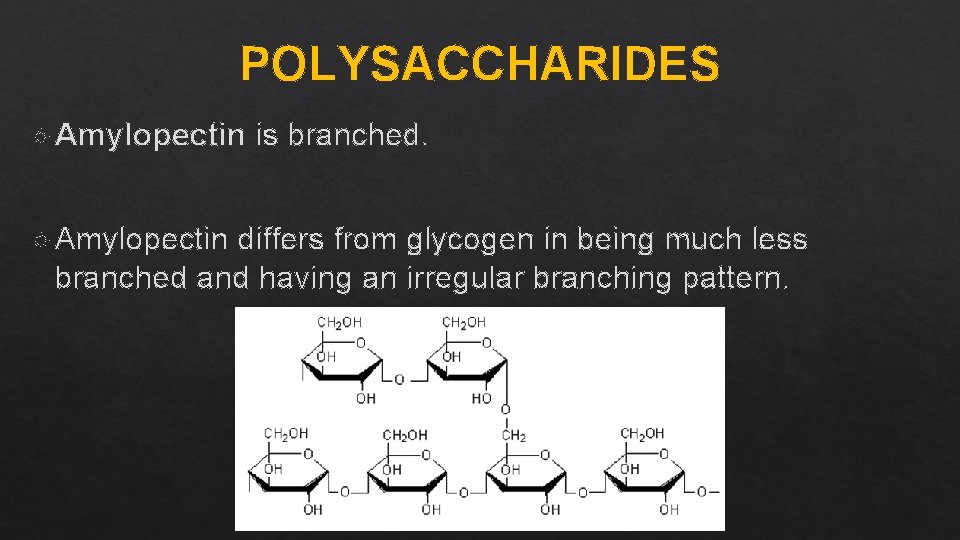
POLYSACCHARIDES Amylopectin is branched. differs from glycogen in being much less branched and having an irregular branching pattern.
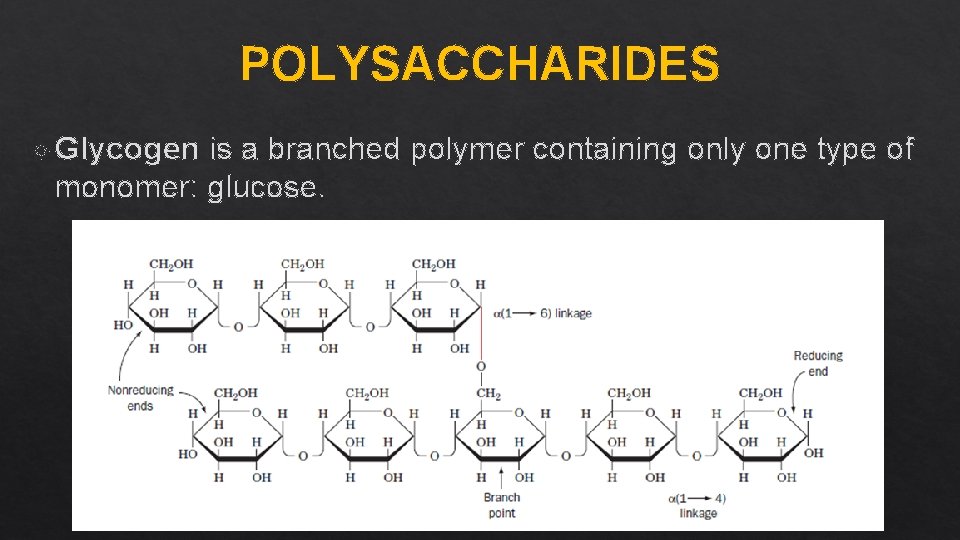
POLYSACCHARIDES Glycogen is a branched polymer containing only one type of monomer: glucose.
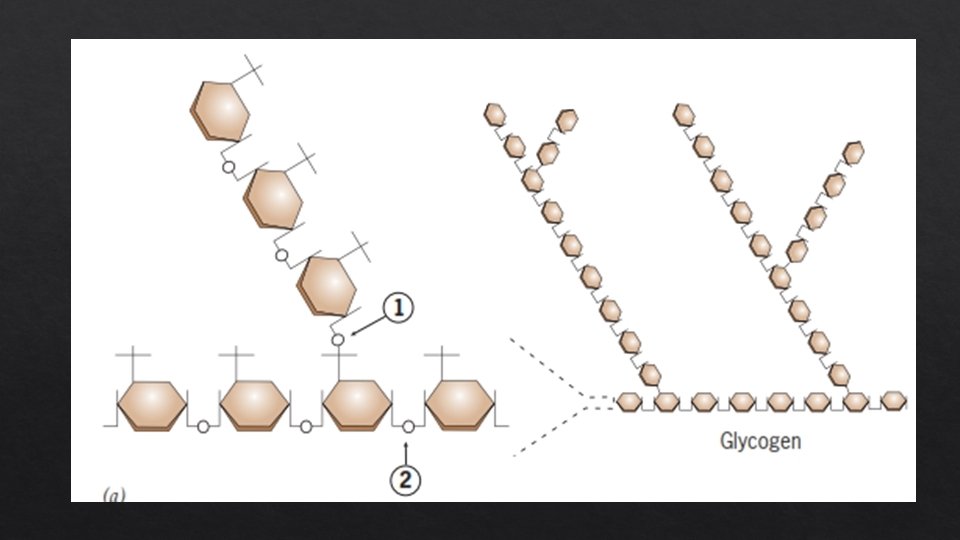
POLYSACCHARIDES Most of the sugar units of a glycogen molecule are joined to one another by α (1 → 4) glycosidic bond. When stored in cells, glycogen is highly concentrated in what appears as dark‐staining, irregular granules in electron micrographs.
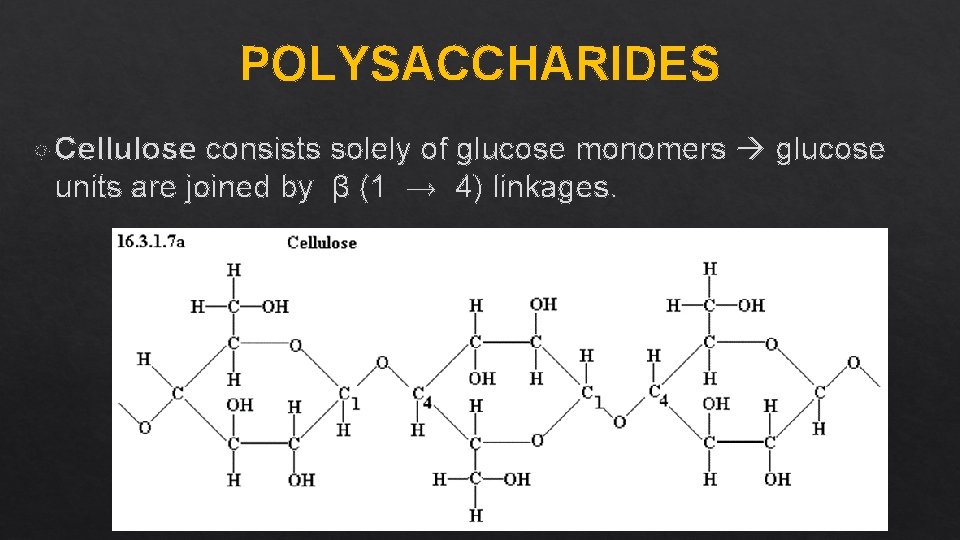
POLYSACCHARIDES Cellulose consists solely of glucose monomers glucose units are joined by β (1 → 4) linkages.
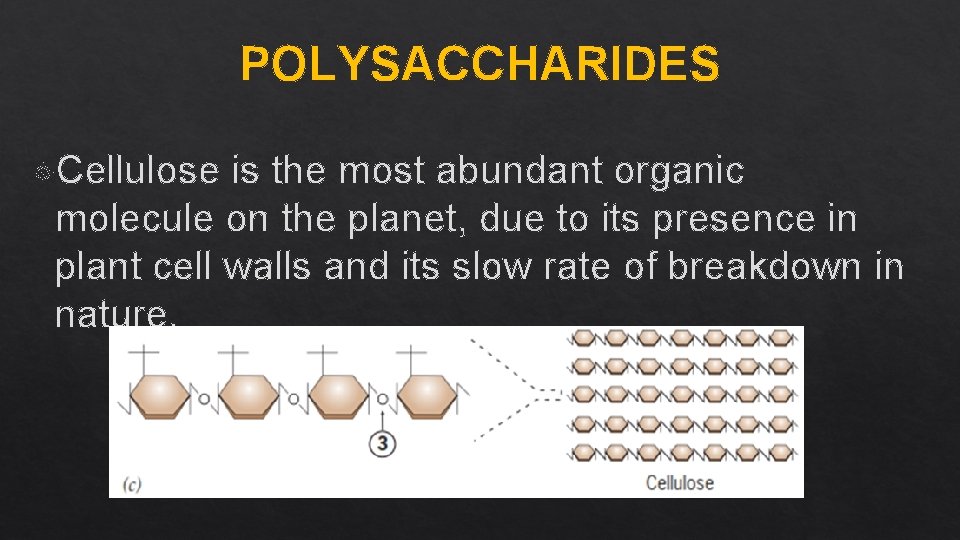
POLYSACCHARIDES Cellulose is the most abundant organic molecule on the planet, due to its presence in plant cell walls and its slow rate of breakdown in nature.

NOTE Please bring your Workbook in the next meeting!
- Slides: 44