
Captive Pricing How and When Fundamental Risk Management
- Slides: 23
Captive Pricing: How and When
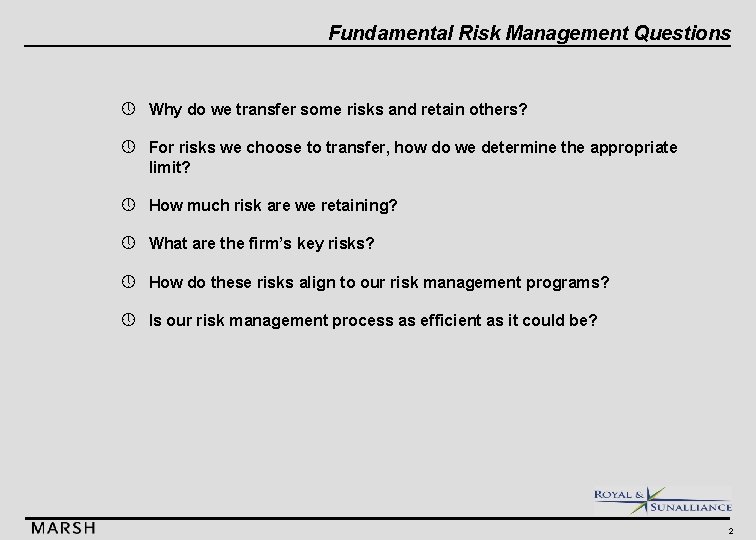
Fundamental Risk Management Questions » Why do we transfer some risks and retain others? » For risks we choose to transfer, how do we determine the appropriate limit? » How much risk are we retaining? » What are the firm’s key risks? » How do these risks align to our risk management programs? » Is our risk management process as efficient as it could be? 2
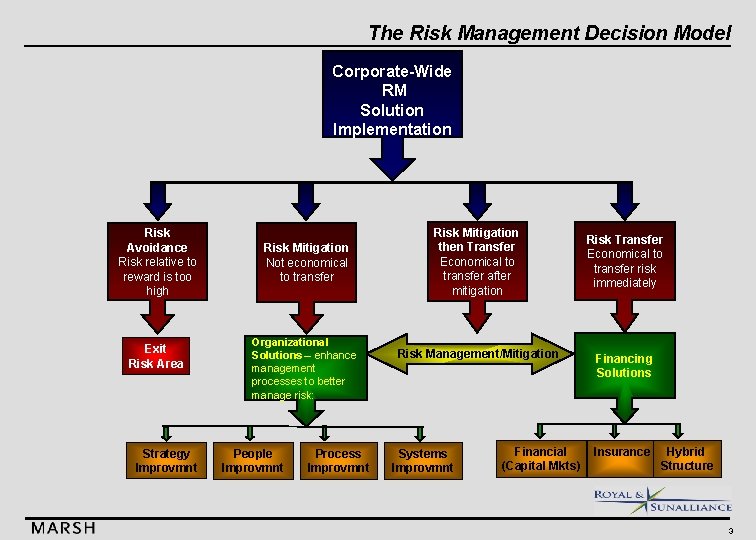
The Risk Management Decision Model Corporate-Wide RM Solution Implementation Risk Avoidance Risk relative to reward is too high Exit Risk Area Strategy Improvmnt Risk Mitigation Not economical to transfer Organizational Solutions – enhance management processes to better manage risk: People Improvmnt Process Improvmnt Risk Mitigation then Transfer Economical to transfer after mitigation Risk Management/Mitigation Systems Improvmnt Financial (Capital Mkts) Risk Transfer Economical to transfer risk immediately Financing Solutions Insurance Hybrid Structure 3
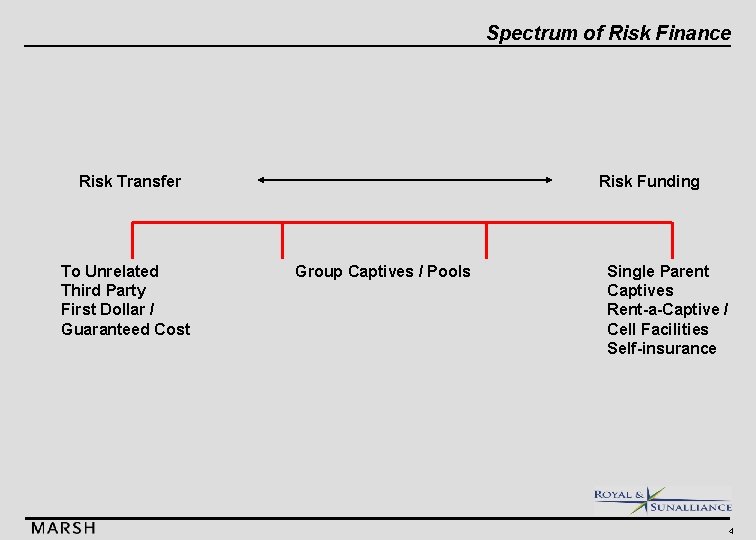
Spectrum of Risk Finance Risk Transfer To Unrelated Third Party First Dollar / Guaranteed Cost Risk Funding Group Captives / Pools Single Parent Captives Rent-a-Captive / Cell Facilities Self-insurance 4
The Captive » A Special Purpose Insurance Company » Typically owned by non-insurance parent(s) » Located in “enabling” domiciles / regulatory jurisdictions » Incorporated (C-Corp) » Capitalized and Operated as an Insurance Company (Commitment) » Managed by Professionals (Turn-key Industry) » Individual Reporting Concern and a Consolidated Entity » Captives may (re)insure third-parties » Risk Retention Levels and Captive Utilization are two different considerations. » The Emphasizes the "Insurance Transaction and Insurance Operations” 5
Where Captives Fit into the Risk Finance Evolution 6
The Reasons » Concerns are still forming captives for all the right reasons [ Program Cost Savings [ Risk Management / Program Facilitation & Allocation [ Business Enhancement 7
The Real Value Proposition » A “seasoned” insurance company / corporate-wide risk management vehicle to allow non-insurance concerns to opportunistically navigate the insurance arena and nurture long-term relationships. » An insurance company for tax planning efficiencies » A Risk Warehouse of containing and comprehensively executing enterprise-wide risk strategies. A manifestation of corporate commitment to new risk management thinking and disciplines. » A profit center for diversifying and / or differentiating its operating affiliates by offer value-added services / insurance products to customers. 8
A Reasonable Approach to Business Case » NPV of Cash Flows [ Accelerated Tax Benefits [ Captive Operating Costs [ Capital Commitment: Opportunity Cost of Capital [ State (& International) Tax Benefits / Arbitrage » Other, Non-quantified Costs Issues » Qualitative 9
Tax Reality » The underlying issues which define whether an insurance transaction has occurred or whether a transaction is self-funding are: [ “Insurance Risk” [ Notions of Risk - Form [ Risk Transfer / Risk Distribution 10
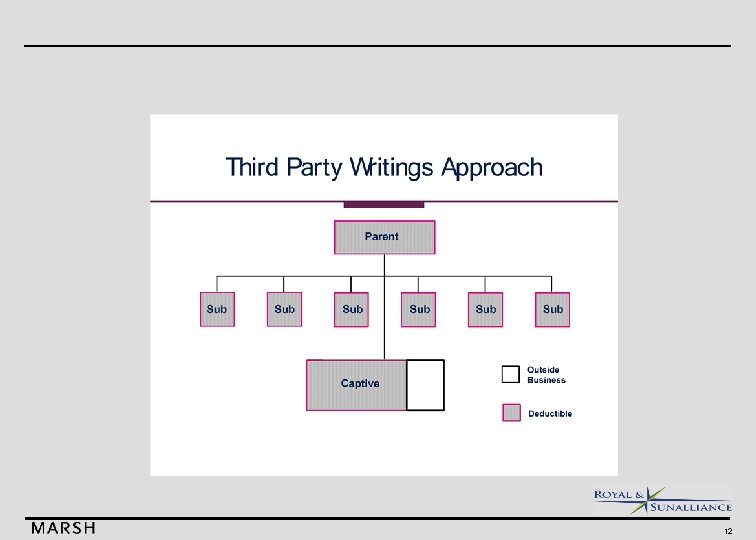
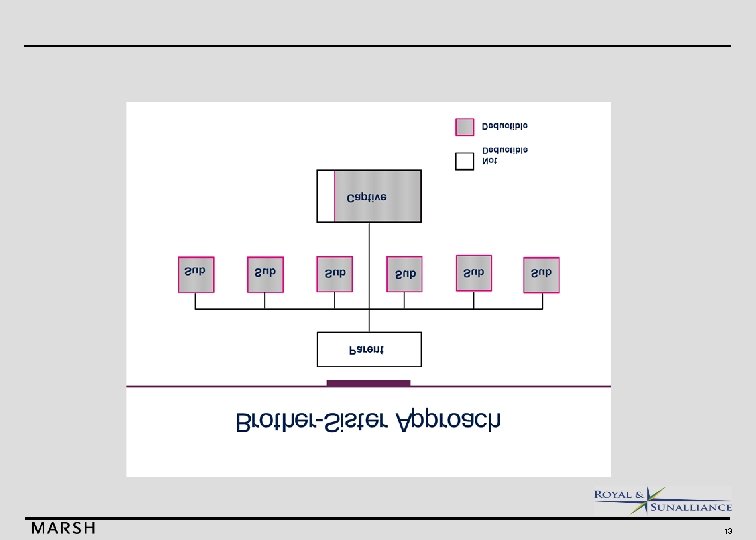
Accelerated Tax Benefits: Premium Deductibility » Taxes represent a concern’s single largest sunk cost. » What's it worth? - Recognition of "self-funded" losses on incurred instead of paid basis. - Accelerated benefit » The captive must be an insurance company for tax purposes (qualified). [ Demonstration of Risk Transfer [ Evidence of Risk Distribution » IRS' "Economic Family" position » Harper Group, AMERCO, Sears, ODECO (Unrelated Risk) » The Humana / Balance Sheet Fact Pattern - HCA, Kidde 11
12
13
Captive Operating Costs » Start-up » Fronting, if applicable. » Management » Measurement: Audit & Actuarial » Legal & Regulatory » (Re)insurance » Pools and Participations » Premium-based Taxes [ Direct / Reinsurance [ Federal Excise Taxes [ Self-procurement / Direct placement » Other - TPA / Risk Control / Minimization. 14
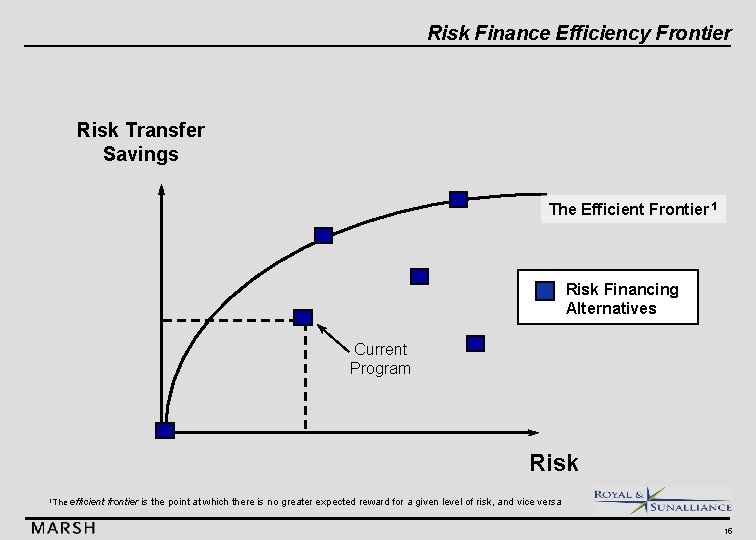
Risk Finance Efficiency Frontier Risk Transfer Savings The Efficient Frontier 1 Risk Financing Alternatives Current Program Risk 1 The efficient frontier is the point at which there is no greater expected reward for a given level of risk, and vice versa 15
Actuarial Issues » Retention Level [ Attachment Point [ Per Occurrence Limit [ Aggregate Limit » Pricing [ Pure Premium [ Expenses [ Profit & Contingency » Dynamic Financial Analysis 16
Factors Influencing Retention Level » Financial Wherewithal of the Insured » Financial Wherewithal of Insurers » Risk Philosophies » Insurance Market Conditions » Cost / Benefit Analysis 17
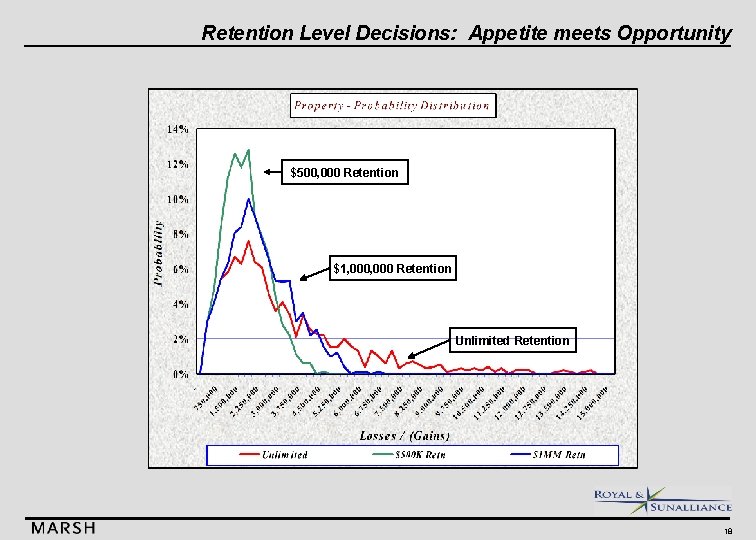
Retention Level Decisions: Appetite meets Opportunity $500, 000 Retention $1, 000 Retention Unlimited Retention 18
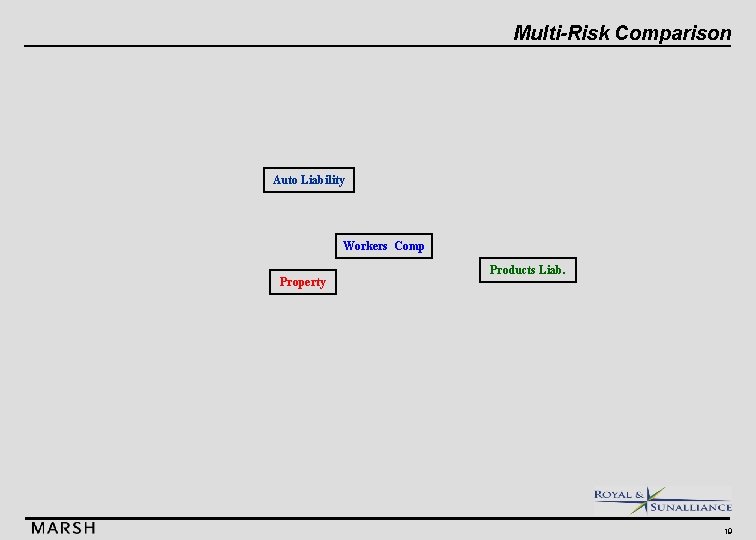
Multi-Risk Comparison Auto Liability Workers Comp Property Products Liab. 19
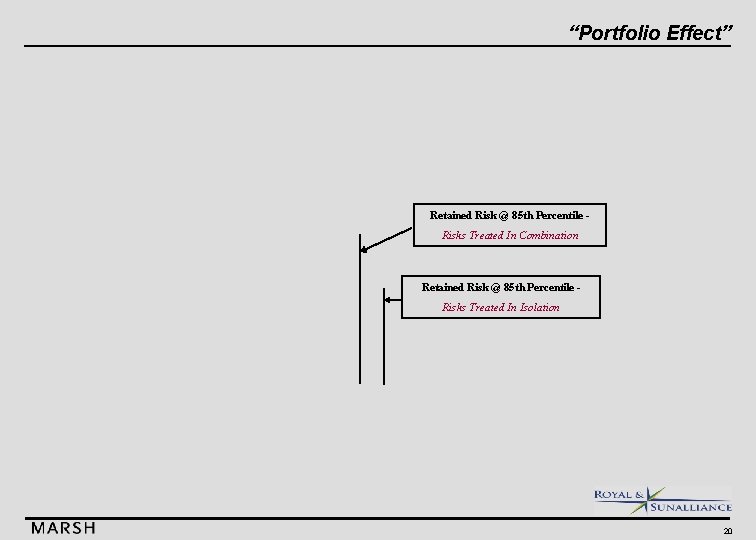
“Portfolio Effect” Retained Risk @ 85 th Percentile Risks Treated In Combination Retained Risk @ 85 th Percentile Risks Treated In Isolation 20
Pricing Issues » Similar to Pricing [ “High Deductible” [ “Excess Reinsurance” » Methodology [ Traditional methods ^ Aggregate ^ Frequency / Severity [ Monte Carlo simulation models 21
Pricing Issues - Cont’d » Data [ Use insured own experience [ Supplement using “industry” data ^ Similar company/industry ^ Bureau » Correlation of Risks » Risk Loads [ Captives, which insure the risks of the parent and affiliates / subsidiaries, is only self-insurance in its most sophisticated form (i. e. , no real risk transfer) 22
Dynamic Financial Analysis » DFA’s goal is to provide management with: [ solid information about the interaction of decisions from all areas of company operations; [ a quantitative look at the risk-and-return trade-offs inherent in emerging strategic opportunities; and [ a structured process for evaluating alternative operating plans. » Captive insurance companies are well-suited for DFA application 23