
Cant Intubate Cant Oxygenate CICO Management of the
Can’t Intubate Can’t Oxygenate (CICO) Management of the Critically Obstructed Airway Session 1: Why is CICO a problem? Sydney Clinical Skills and Simulation Centre
Is CICO rare? § § § Incidence 1: 225, 000 to 1: 56, 000 1: 10 -20, 000 anaesthetics = CICO Cases per year : 1500 20 year career : 20*1500= 30000 cases Maybe. . . 1 case of CICO in a career. . Not including those you are called to help out with YES, but it accounts for 25% of all anaesthesia related deaths
NAP 4 What is NAP 4? Results § Prospective audit of serious airway complications in the UK over one year • death • brain damage • surgical airway • unexpected ICU admission § 2. 9 million anaesthetic procedures § 184 serious airway complications § 133 anaesthesia-related (1: 22 000) • 58 involved surgical airway attempt (1: 50 000) • 25 by the anaesthetist • Only 9 successful!
Why is CICO a problem? It is an infrequently encountered life threatening problem that is sub-optimally managed
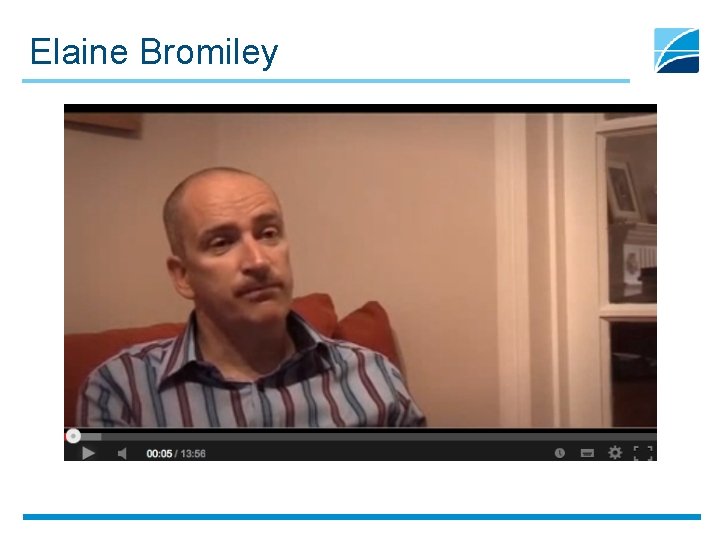
Elaine Bromiley
How is CICO poorly managed? § Not anticipated – 29% occur at end of anaesthesia or during recovery period § Inadequate supraglottic rescue § Unwillingness to stop supraglottic rescue and attempt infraglottic rescue § Disorganisation and lack of a cohesive plan § Lack of access to, or familiarity with equipment § Technical failure ‘Elements of poor planning, poor judgement, deviation from recognised algorithms and failures of technical skills were seen throughout the reports submitted to the project (NAP 4)’
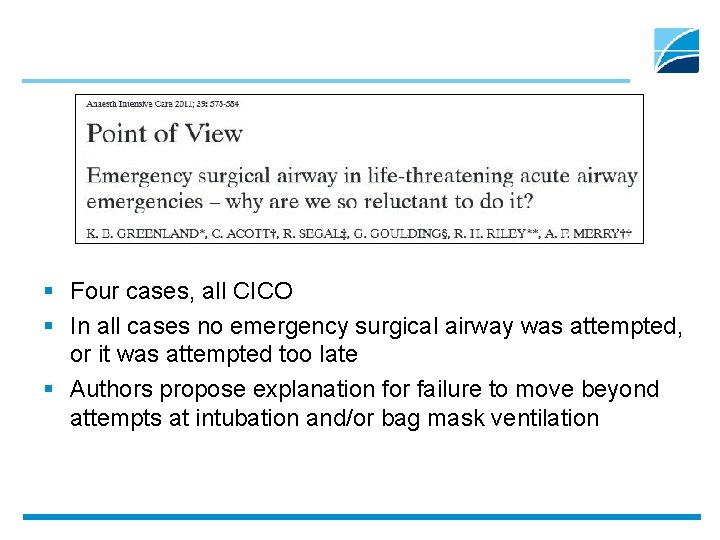
§ Four cases, all CICO § In all cases no emergency surgical airway was attempted, or it was attempted too late § Authors propose explanation for failure to move beyond attempts at intubation and/or bag mask ventilation
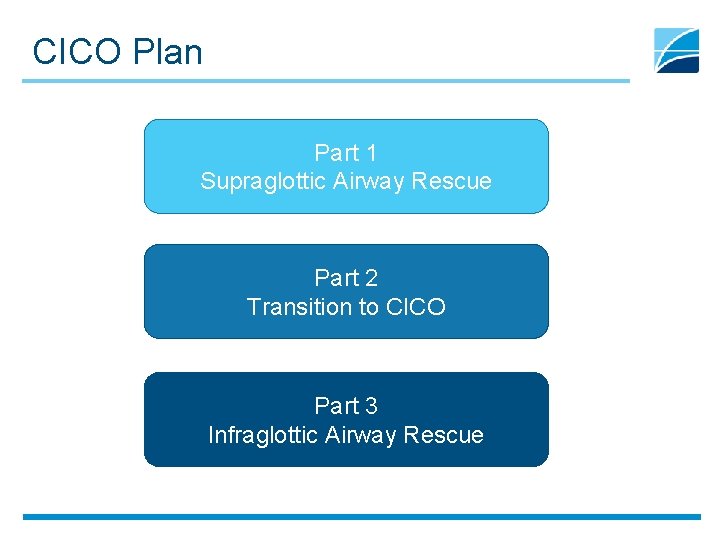
CICO Plan Part 1 Supraglottic Airway Rescue Part 2 Transition to CICO Part 3 Infraglottic Airway Rescue
- Slides: 8