
Cancro del pancreas 13 14 03 2019 Caso
- Slides: 36
Cancro del pancreas 13 -14 / 03 / 2019
Caso Clinico M, 36 aa va dal proprio Medico curante per fastidio / lieve dolore addominale e per una sensazione di malessere generale Viene posta diagnosi di “Probabile IBS / GERD” e per questo motivo il paziente viene trattato con PPI (omeprazolo, 20 mg / die)
Caso Clinico Nonostante la terapia i sintomi persistono; poco tempo dopo (circa 3 -4 mesi), il paziente sviluppa ittero con spiccate alterazioni dei test di funzionalità epatica (aumento g. GT, Fosf Alc, AST, ALT, etc) ECO addome: VBP dilatata (>8 mm) ERCP: stent biliare per correggere una stenosi poco sopra la papilla di Vater – patologia biliare ? Coledocica ? Colecistica ?
Caso Clinico A distanza di 1 aa dall’inizio della sintomatologia, il paziente viene ricoverato per la comparsa di dolore addominale diffuso particolarmente severo (VAS: 10) ECO: massa pancreatica localizzata alla testa del pancreas; TAC: massa della regione cefalica del pancreas di 4. 5 x 2. 5 cm; dilatazione della VBP (>1 cm) + vie biliari intraepatiche ed intrapancreatiche ECO-endoscopia (EUS) + FNA della testa del pancreas
Caso Clinico Diagnosi: adenocarcinoma della testa del pancreas; Staging mediante TAC total body: nessuna evidenza di diffusione locale né metastasi (organi, linfonodi) Il paziente viene visto dal Collega Chirurgo per considerare un’intervento di cefalo-duodeno pancreasectomia (Whipple’s procedure)
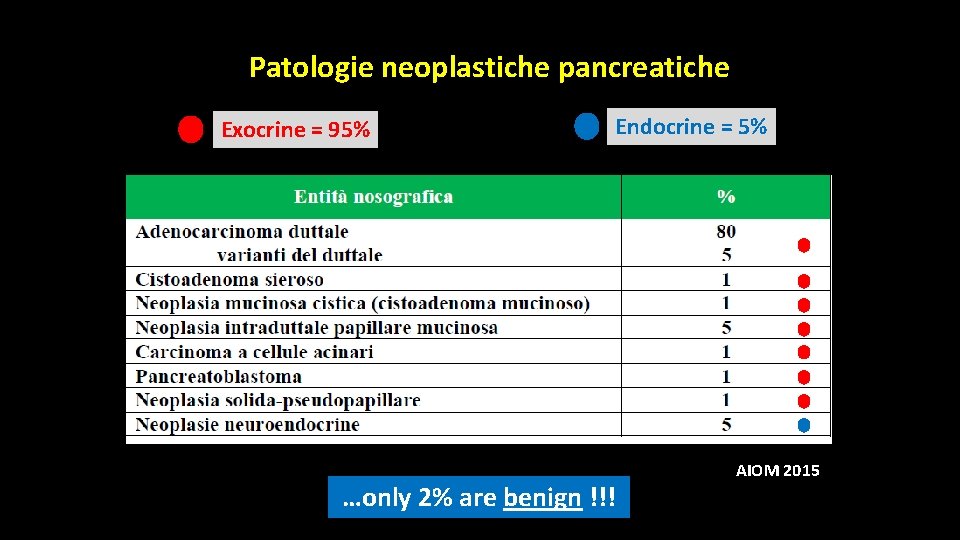
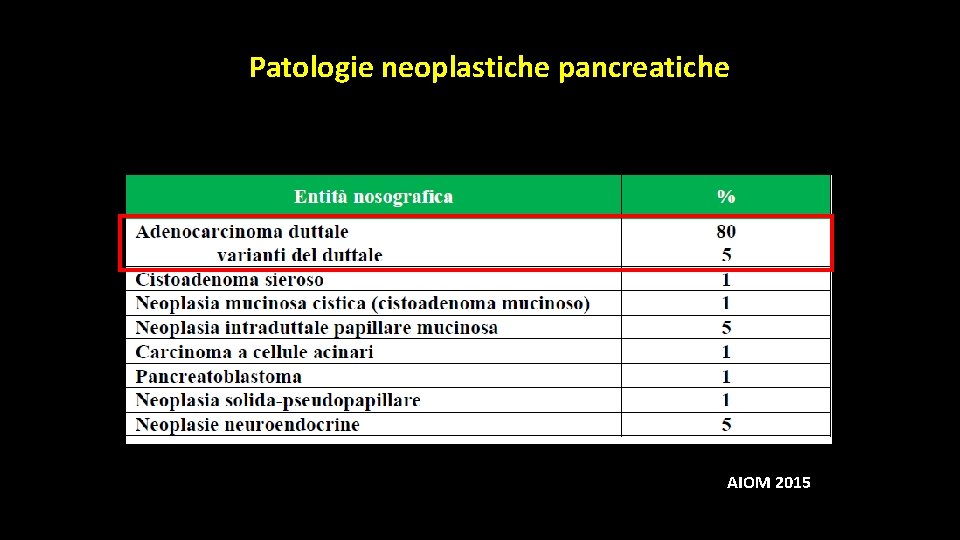
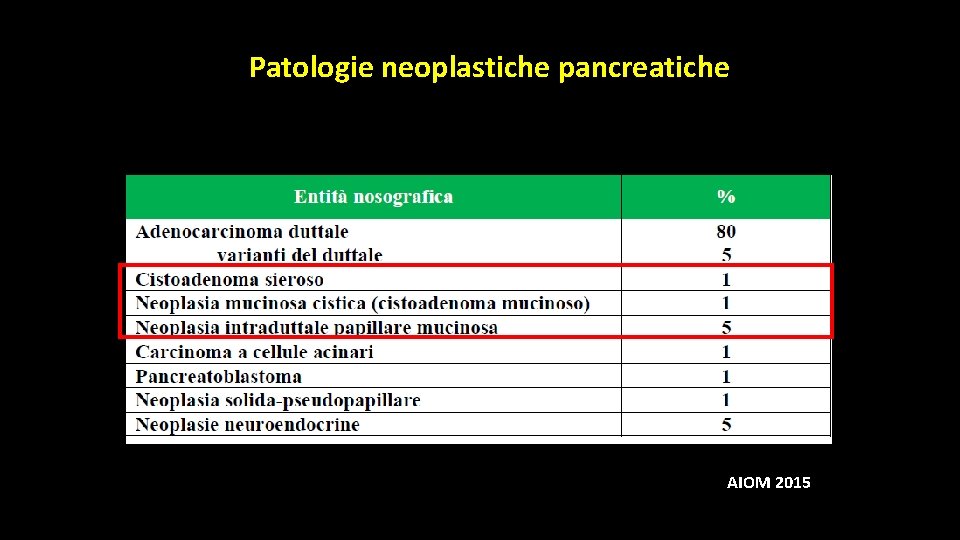
Patologie neoplastiche pancreatiche Exocrine = 95% Endocrine = 5% …only 2% are benign !!! AIOM 2015
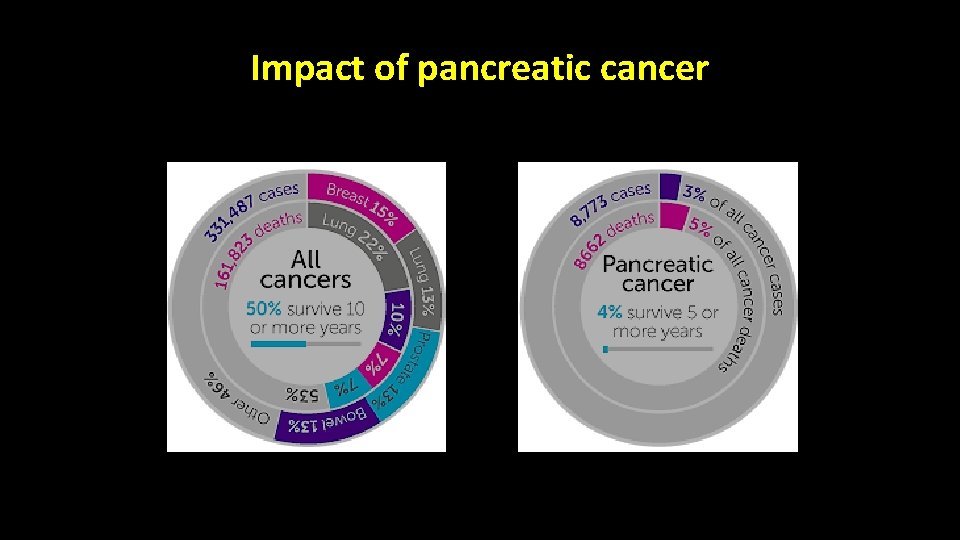
Impact of pancreatic cancer
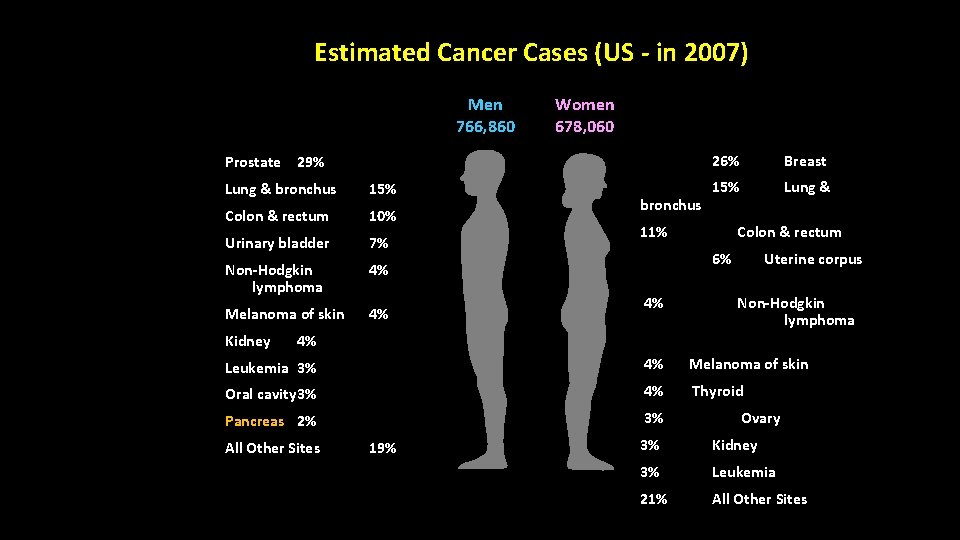
Estimated Cancer Cases (US - in 2007) Men 766, 860 Women 678, 060 Prostate 29% Lung & bronchus 15% Colon & rectum 10% Urinary bladder 7% Non-Hodgkin lymphoma 4% Melanoma of skin 4% Kidney bronchus 26% Breast 15% Lung & 11% Colon & rectum 6% 4% Uterine corpus Non-Hodgkin lymphoma 4% Leukemia 3% 4% Melanoma of skin Oral cavity 3% 4% Thyroid Pancreas 2% 3% All Other Sites 19% Ovary 3% Kidney 3% Leukemia 21% All Other Sites
Pancreatic cancer
Patologie neoplastiche pancreatiche AIOM 2015
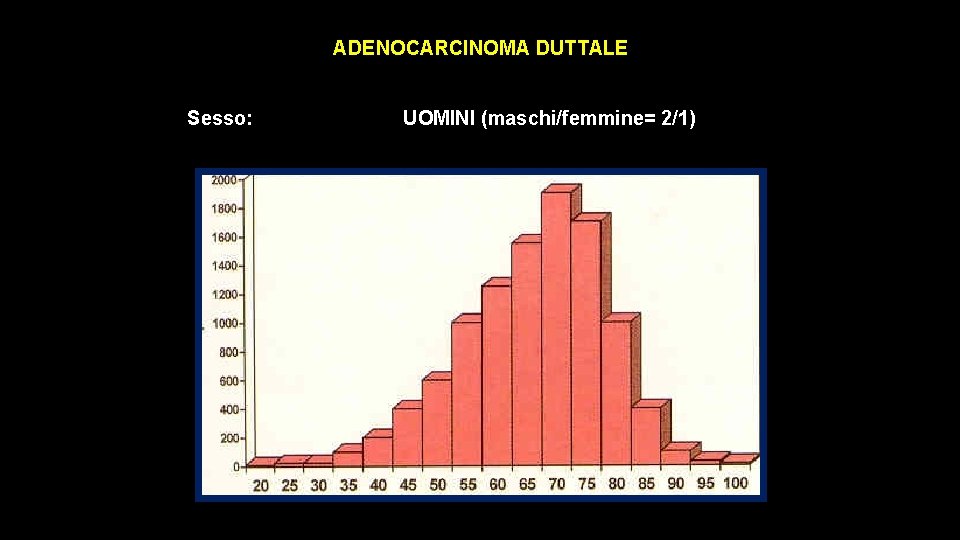
ADENOCARCINOMA DUTTALE Sesso: UOMINI (maschi/femmine= 2/1)
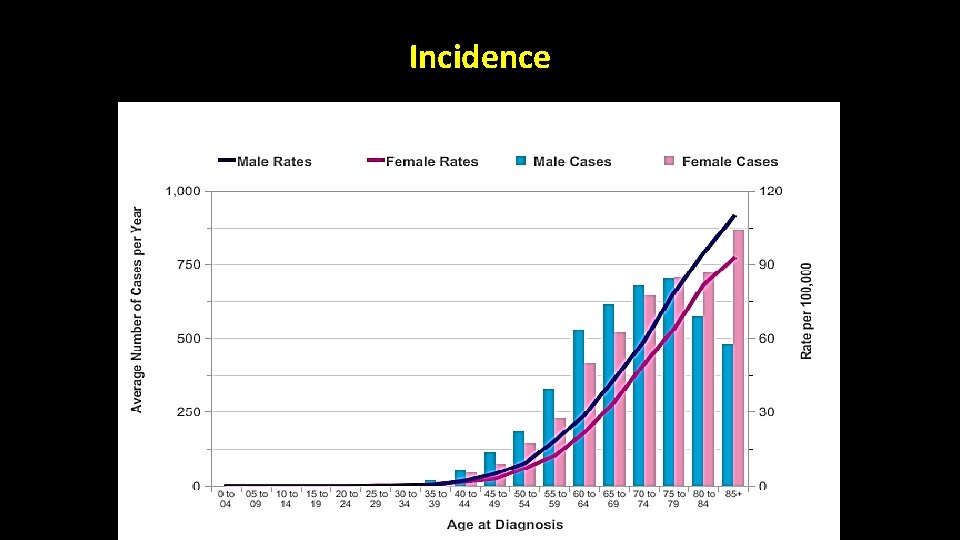
Incidence
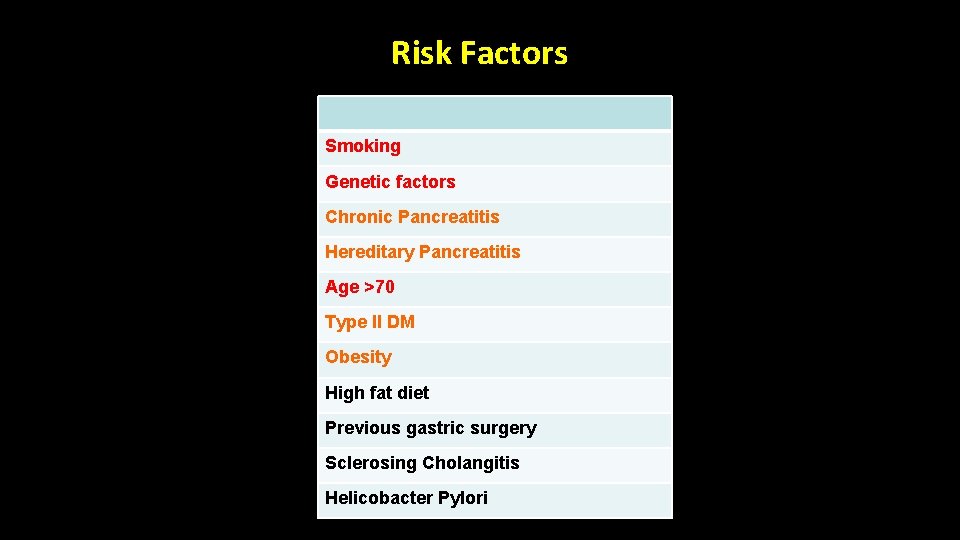
Risk Factors Smoking Genetic factors Chronic Pancreatitis Hereditary Pancreatitis Age >70 Type II DM Obesity High fat diet Previous gastric surgery Sclerosing Cholangitis Helicobacter Pylori
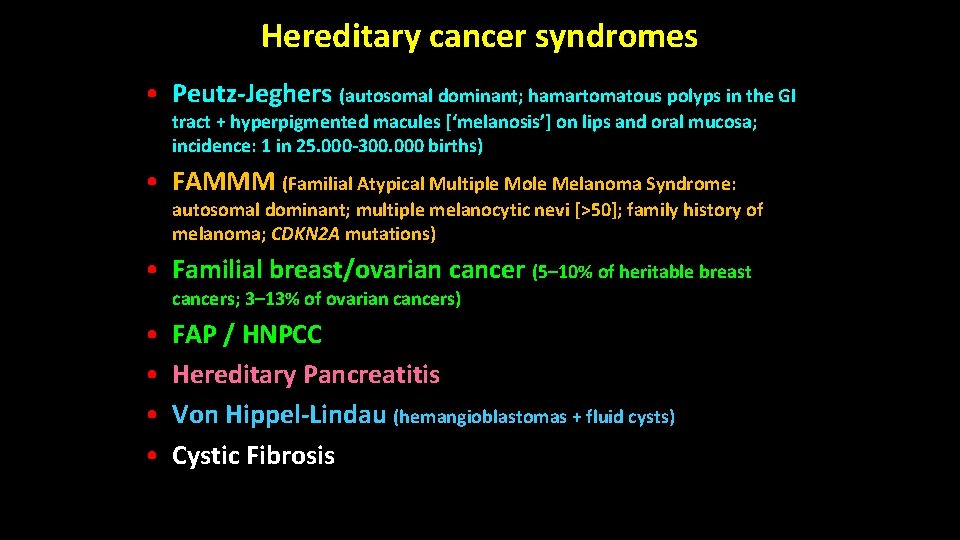
Hereditary cancer syndromes • Peutz-Jeghers (autosomal dominant; hamartomatous polyps in the GI tract + hyperpigmented macules [‘melanosis’] on lips and oral mucosa; incidence: 1 in 25. 000 -300. 000 births) • FAMMM (Familial Atypical Multiple Mole Melanoma Syndrome: autosomal dominant; multiple melanocytic nevi [>50]; family history of melanoma; CDKN 2 A mutations) • Familial breast/ovarian cancer (5– 10% of heritable breast cancers; 3– 13% of ovarian cancers) • • FAP / HNPCC Hereditary Pancreatitis Von Hippel-Lindau (hemangioblastomas + fluid cysts) Cystic Fibrosis
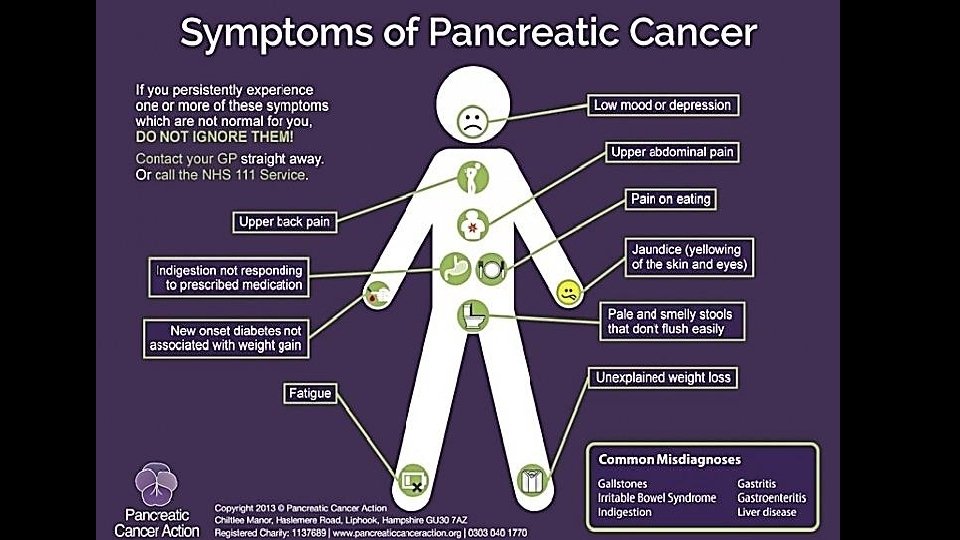
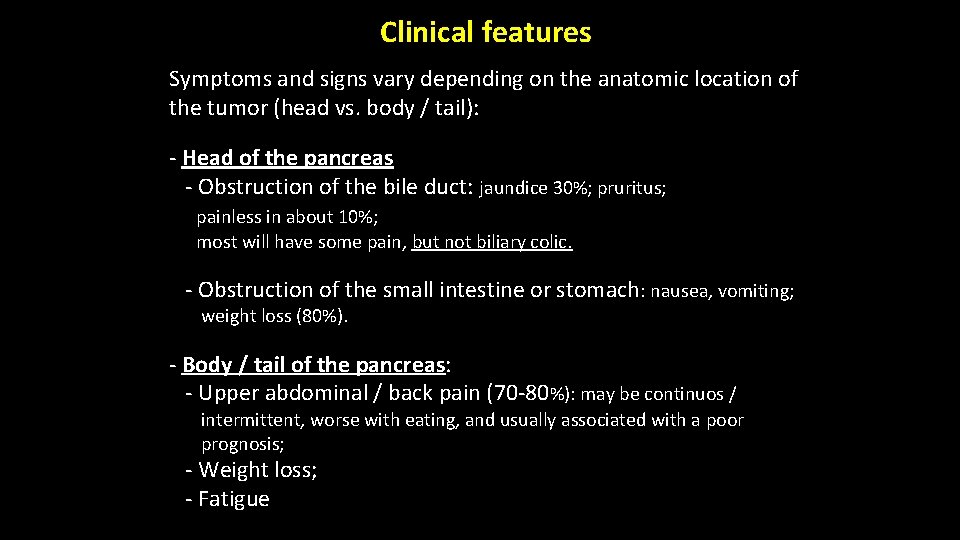
Clinical features Symptoms and signs vary depending on the anatomic location of the tumor (head vs. body / tail): - Head of the pancreas - Obstruction of the bile duct: jaundice 30%; pruritus; painless in about 10%; most will have some pain, but not biliary colic. - Obstruction of the small intestine or stomach: nausea, vomiting; weight loss (80%). - Body / tail of the pancreas: - Upper abdominal / back pain (70 -80%): may be continuos / intermittent, worse with eating, and usually associated with a poor prognosis; - Weight loss; - Fatigue
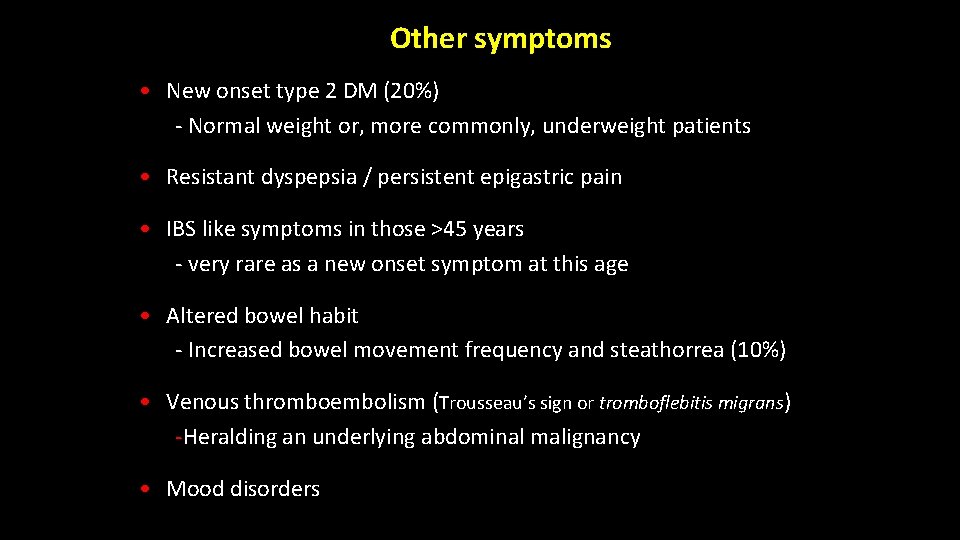
Other symptoms • New onset type 2 DM (20%) - Normal weight or, more commonly, underweight patients • Resistant dyspepsia / persistent epigastric pain • IBS like symptoms in those >45 years - very rare as a new onset symptom at this age • Altered bowel habit - Increased bowel movement frequency and steathorrea (10%) • Venous thromboembolism (Trousseau’s sign or tromboflebitis migrans) -Heralding an underlying abdominal malignancy • Mood disorders
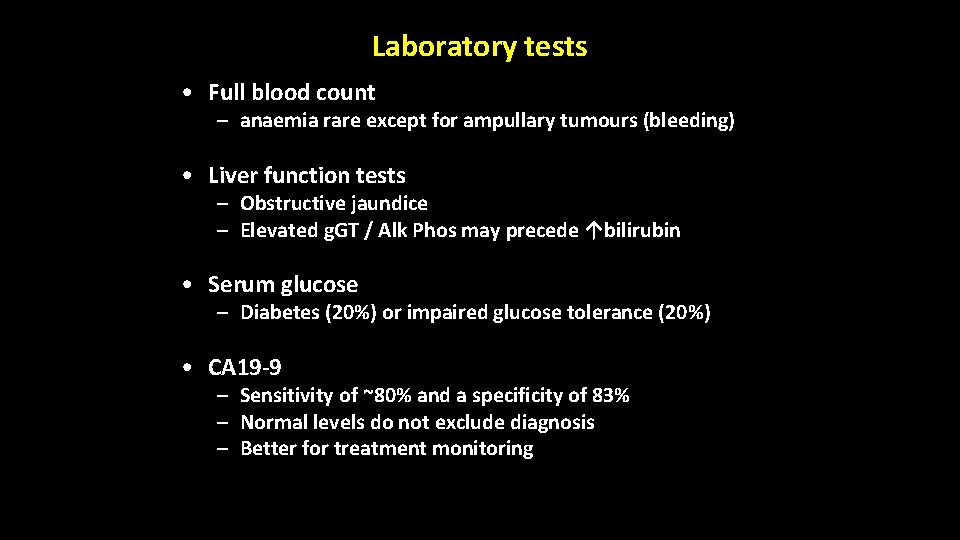
Laboratory tests • Full blood count – anaemia rare except for ampullary tumours (bleeding) • Liver function tests – Obstructive jaundice – Elevated g. GT / Alk Phos may precede ↑bilirubin • Serum glucose – Diabetes (20%) or impaired glucose tolerance (20%) • CA 19 -9 – Sensitivity of ~80% and a specificity of 83% – Normal levels do not exclude diagnosis – Better for treatment monitoring
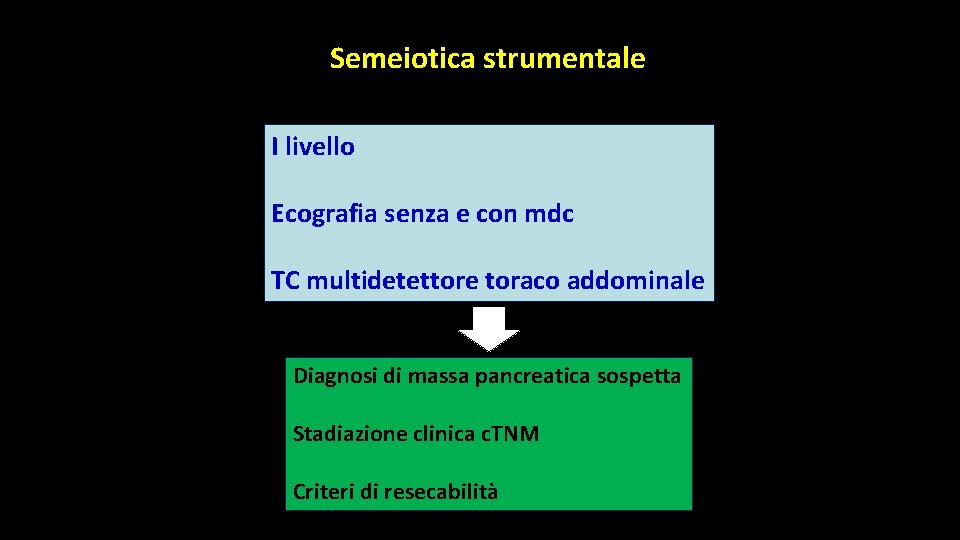
Semeiotica strumentale I livello Ecografia senza e con mdc TC multidetettore toraco addominale Diagnosi di massa pancreatica sospetta Stadiazione clinica c. TNM Criteri di resecabilità
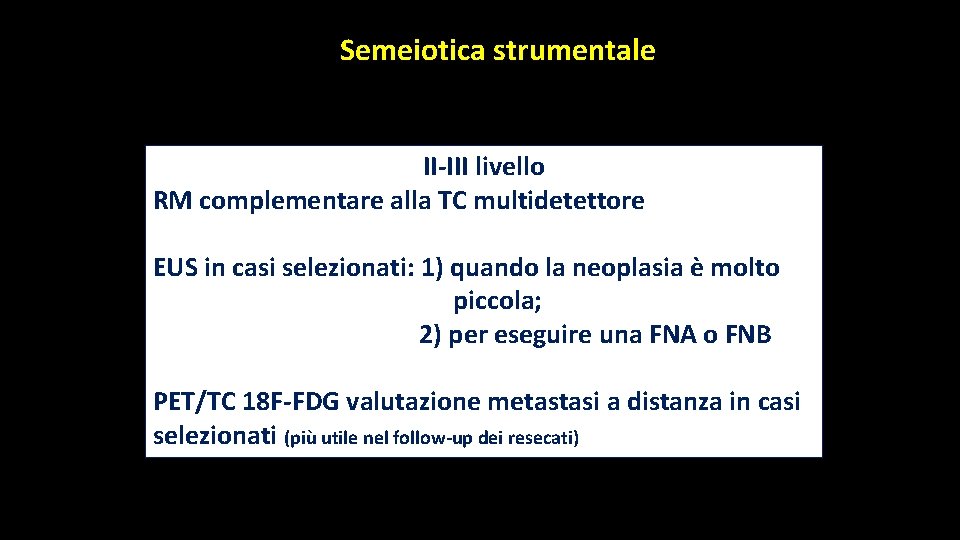
Semeiotica strumentale II-III livello RM complementare alla TC multidetettore EUS in casi selezionati: 1) quando la neoplasia è molto piccola; 2) per eseguire una FNA o FNB PET/TC 18 F-FDG valutazione metastasi a distanza in casi selezionati (più utile nel follow-up dei resecati)
Treatment strategies • Resectable vs. Locally-Advanced vs. Metastatic disease • Adjuvant vs. Neoadjuvant treatment • Surgery vs. Chemotherapy vs. Radiation therapy
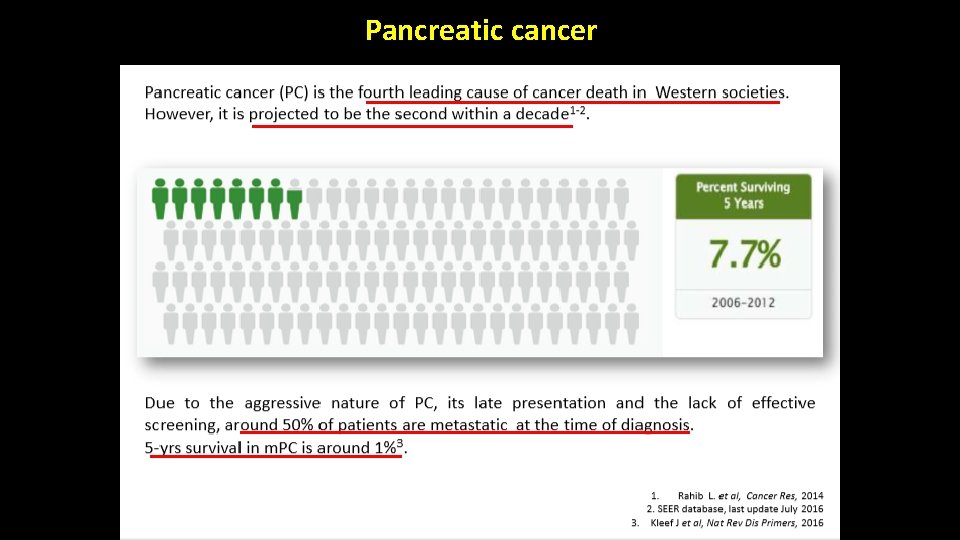
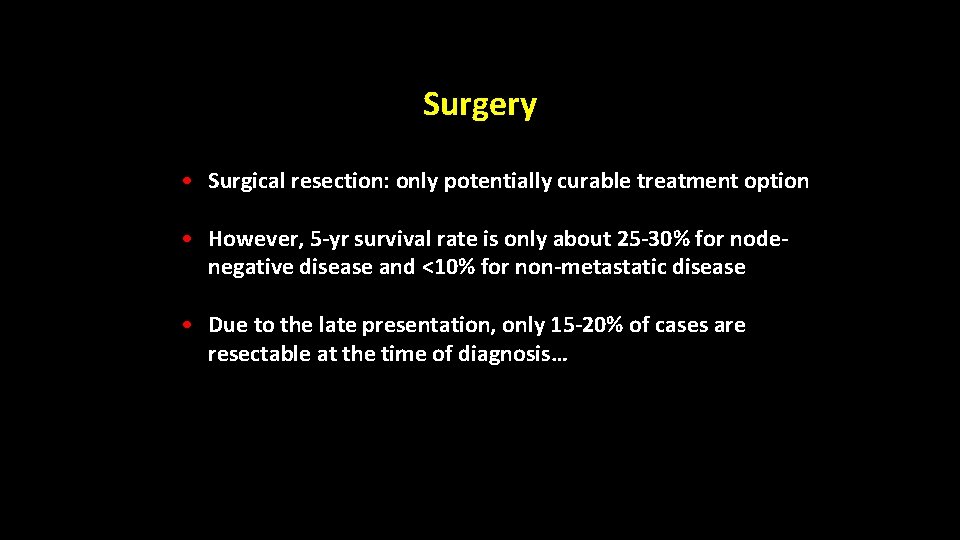
Surgery • Surgical resection: only potentially curable treatment option • However, 5 -yr survival rate is only about 25 -30% for nodenegative disease and <10% for non-metastatic disease • Due to the late presentation, only 15 -20% of cases are resectable at the time of diagnosis…
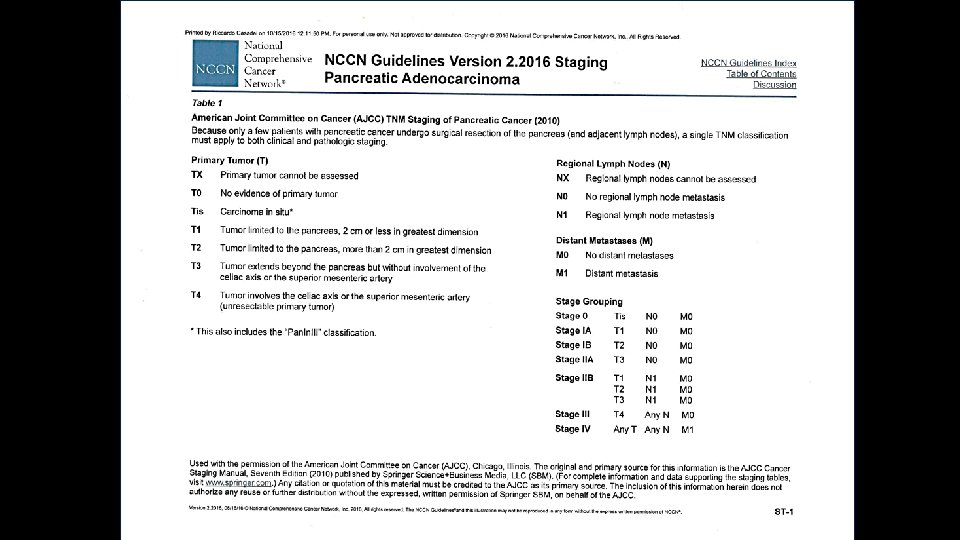
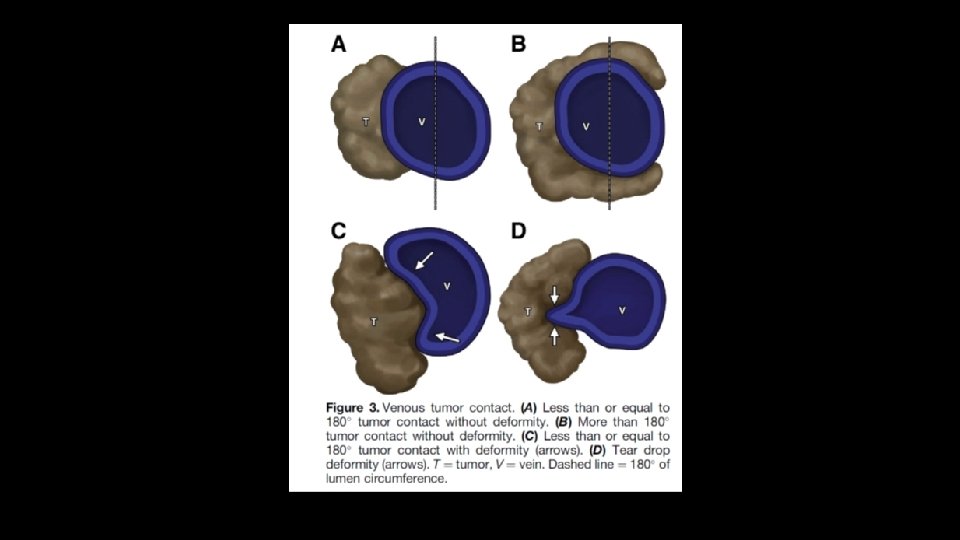
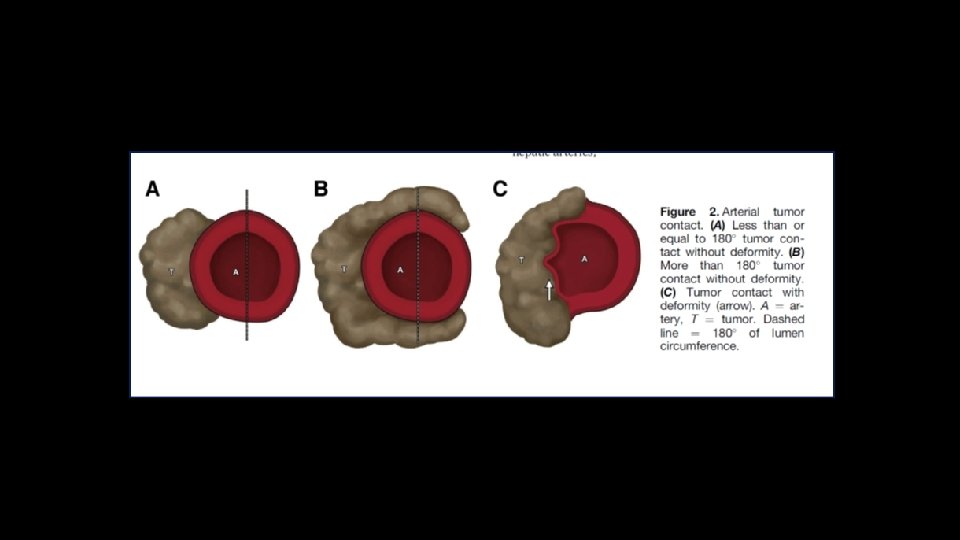
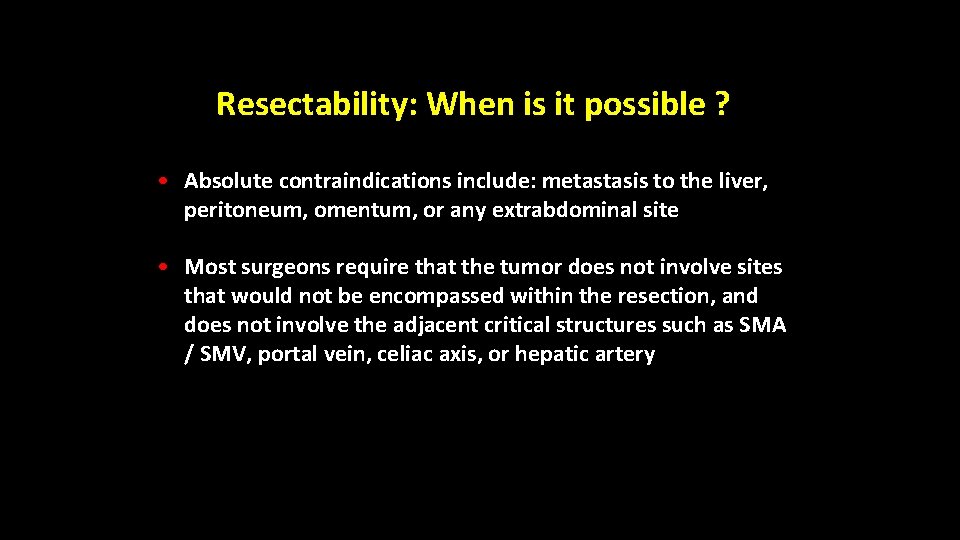
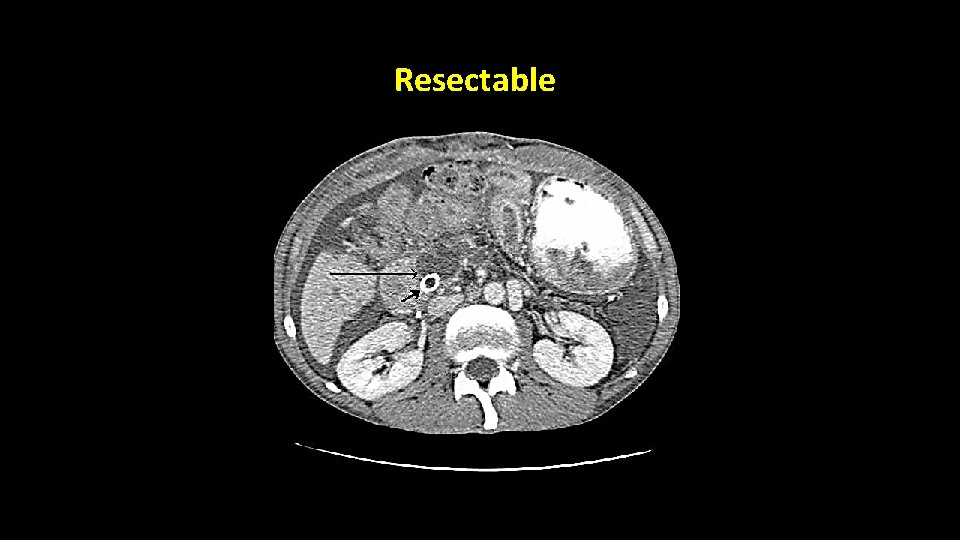
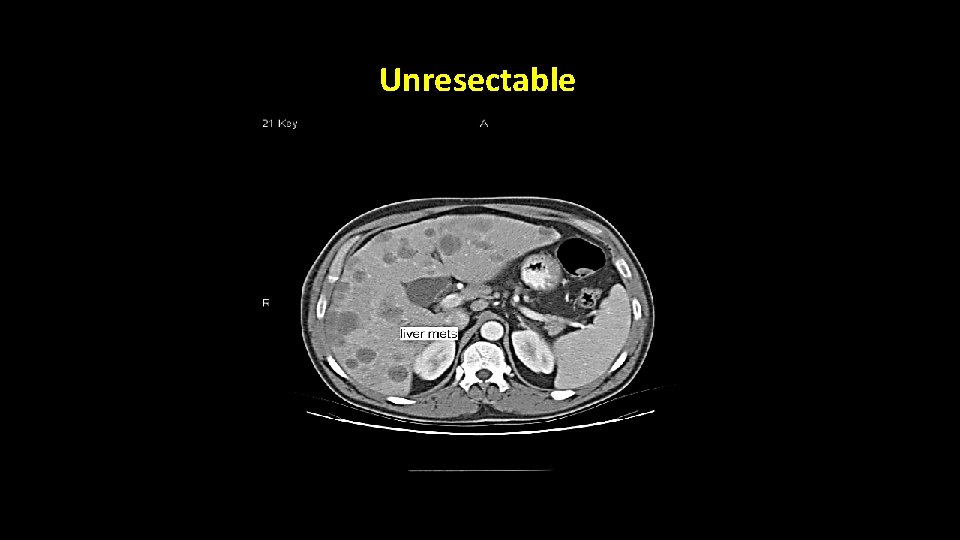
Resectability: When is it possible ? • Absolute contraindications include: metastasis to the liver, peritoneum, omentum, or any extrabdominal site • Most surgeons require that the tumor does not involve sites that would not be encompassed within the resection, and does not involve the adjacent critical structures such as SMA / SMV, portal vein, celiac axis, or hepatic artery
Resectable
Unresectable
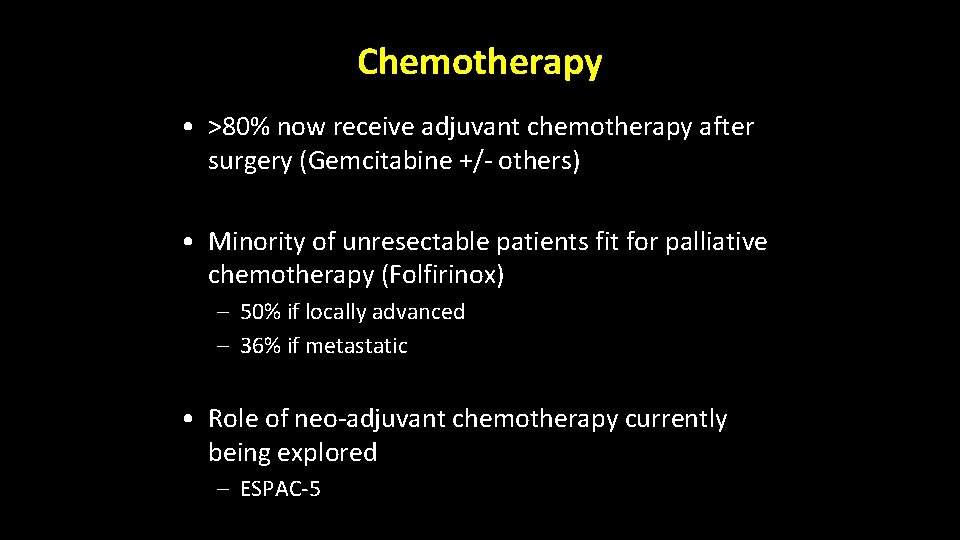
Chemotherapy • >80% now receive adjuvant chemotherapy after surgery (Gemcitabine +/- others) • Minority of unresectable patients fit for palliative chemotherapy (Folfirinox) – 50% if locally advanced – 36% if metastatic • Role of neo-adjuvant chemotherapy currently being explored – ESPAC-5
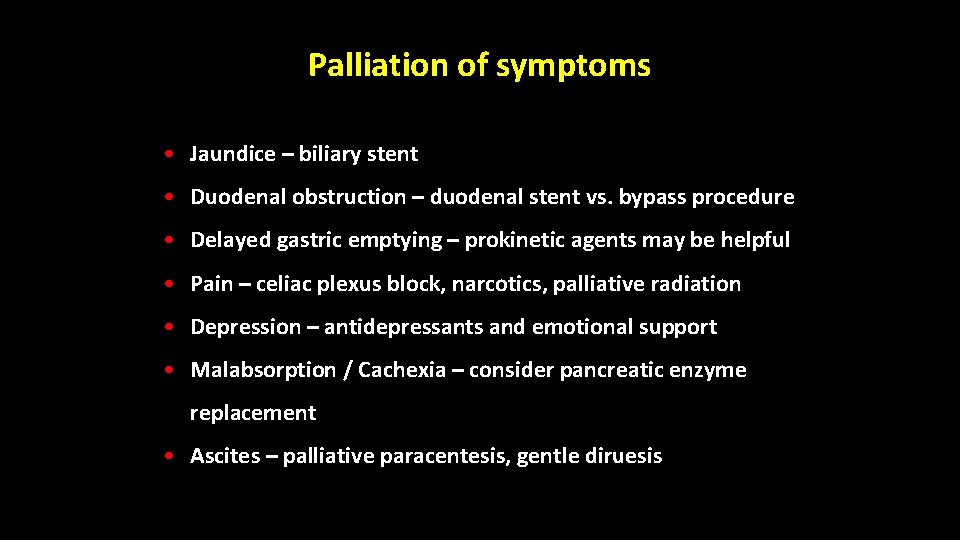
Palliation of symptoms • Jaundice – biliary stent • Duodenal obstruction – duodenal stent vs. bypass procedure • Delayed gastric emptying – prokinetic agents may be helpful • Pain – celiac plexus block, narcotics, palliative radiation • Depression – antidepressants and emotional support • Malabsorption / Cachexia – consider pancreatic enzyme replacement • Ascites – palliative paracentesis, gentle diruesis
Patologie neoplastiche pancreatiche AIOM 2015
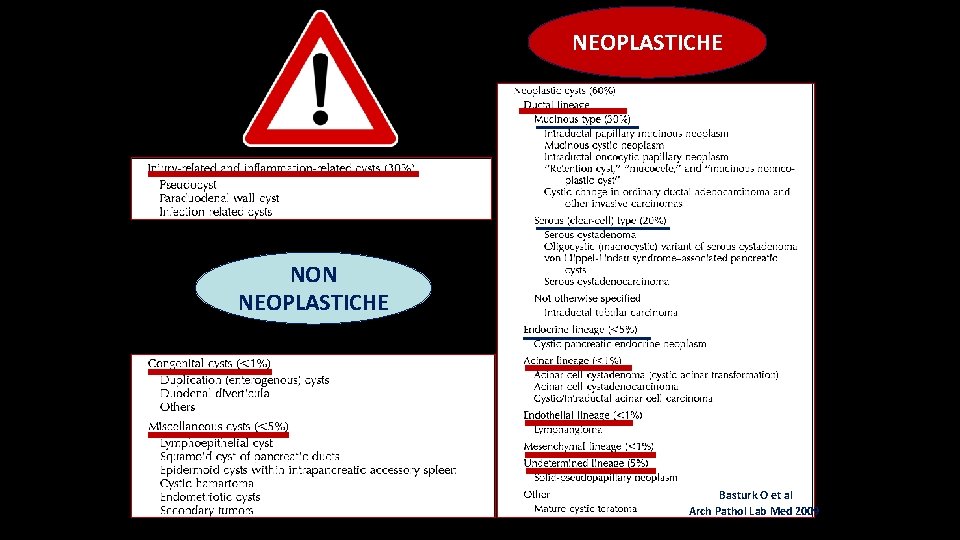
NEOPLASTICHE NON NEOPLASTICHE Basturk O et al Arch Pathol Lab Med 2009
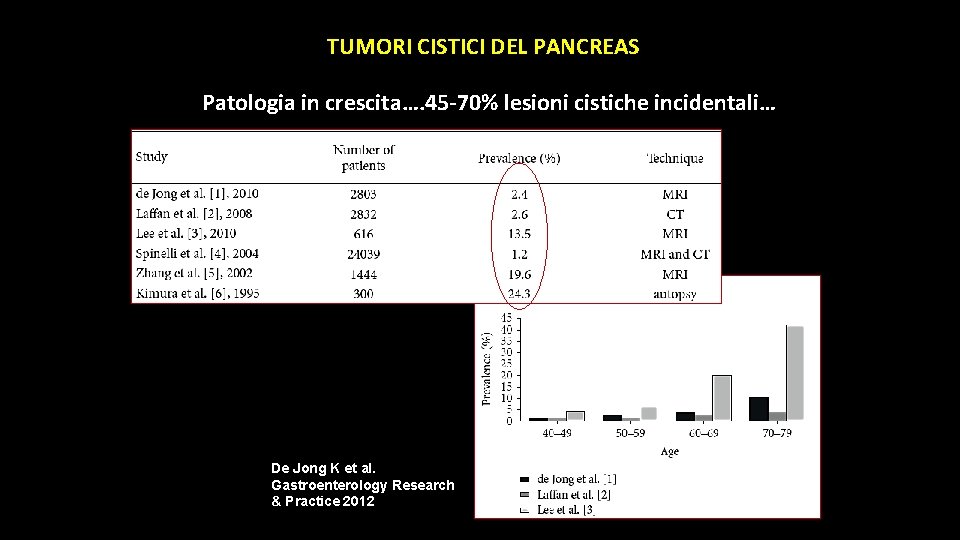
TUMORI CISTICI DEL PANCREAS Patologia in crescita…. 45 -70% lesioni cistiche incidentali… incremento con l’età De Jong K et al. Gastroenterology Research & Practice 2012
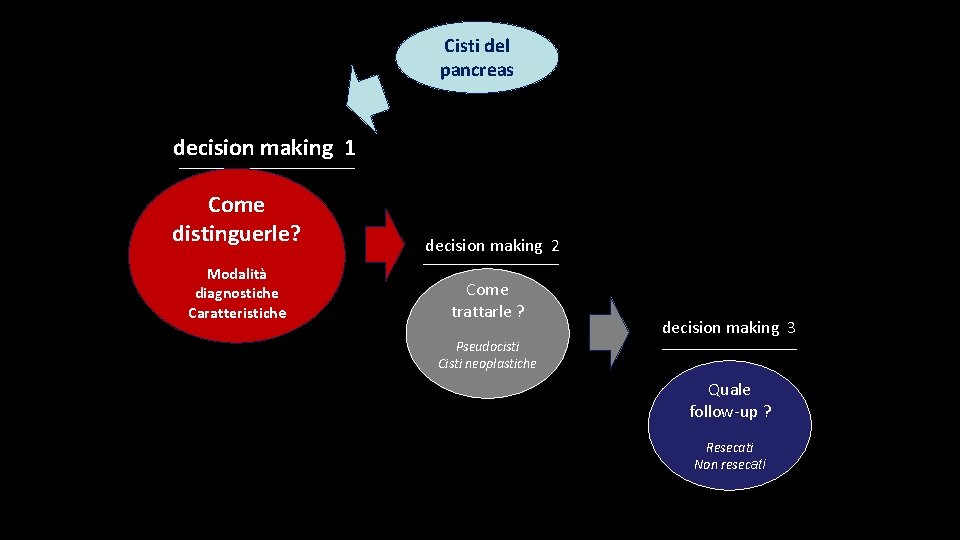
Cisti del pancreas decision making 1 Come distinguerle? Modalità diagnostiche Caratteristiche decision making 2 Come trattarle ? Pseudocisti Cisti neoplastiche decision making 3 Quale follow-up ? Resecati Non resecati
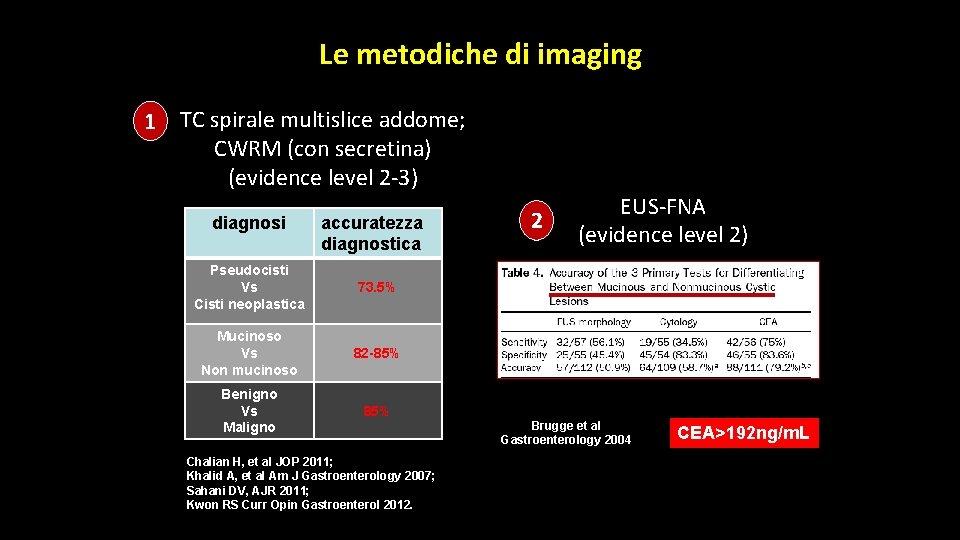
Le metodiche di imaging 1 TC spirale multislice addome; CWRM (con secretina) (evidence level 2 -3) diagnosi accuratezza diagnostica Pseudocisti Vs Cisti neoplastica 73. 5% Mucinoso Vs Non mucinoso 82 -85% Benigno Vs Maligno 85% Chalian H, et al JOP 2011; Khalid A, et al Am J Gastroenterology 2007; Sahani DV, AJR 2011; Kwon RS Curr Opin Gastroenterol 2012. 2 EUS-FNA (evidence level 2) Brugge et al Gastroenterology 2004 CEA>192 ng/m. L
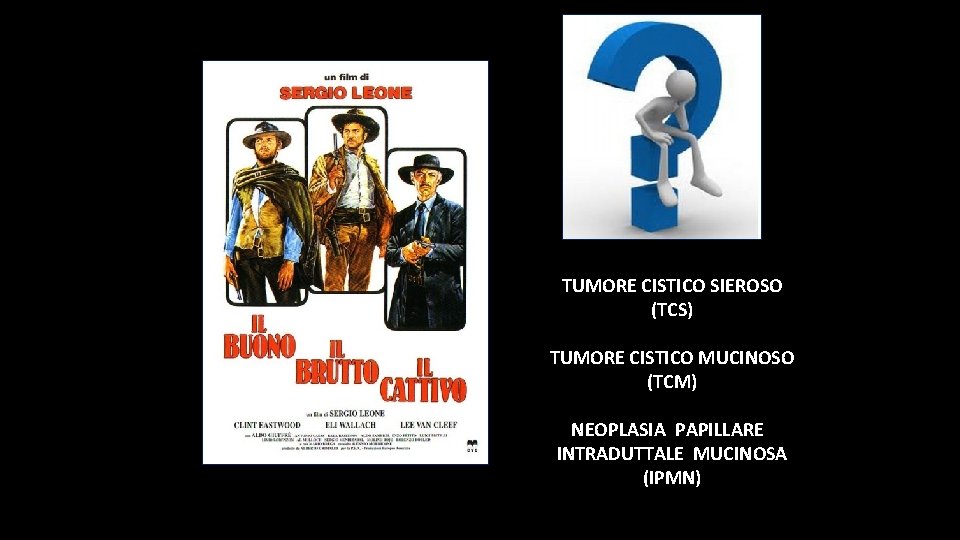
TUMORE CISTICO SIEROSO (TCS) TUMORE CISTICO MUCINOSO (TCM) NEOPLASIA PAPILLARE INTRADUTTALE MUCINOSA (IPMN)