
Cancers in HIV A Growing Problem Ronald Mitsuyasu
Cancers in HIV: A Growing Problem Ronald Mitsuyasu, MD Professor of Medicine Director, UCLA Center for Clinical AIDS Research and Education Group Chairman, AIDS Malignancy Consortium (AMC)
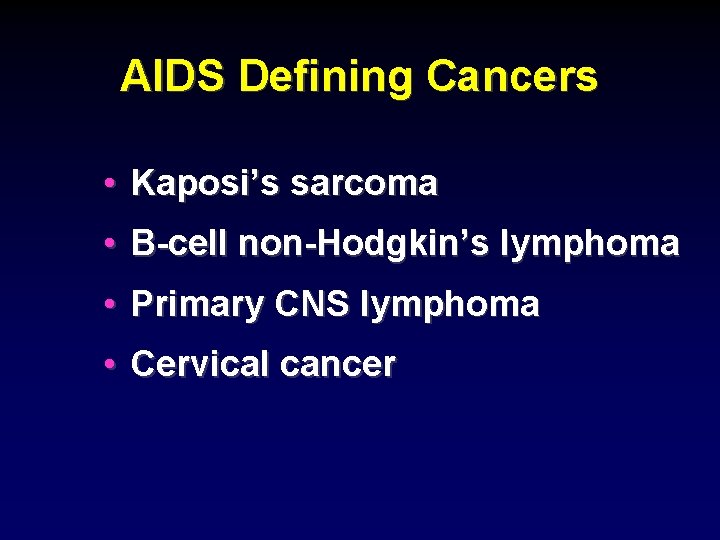
AIDS Defining Cancers • Kaposi’s sarcoma • B-cell non-Hodgkin’s lymphoma • Primary CNS lymphoma • Cervical cancer
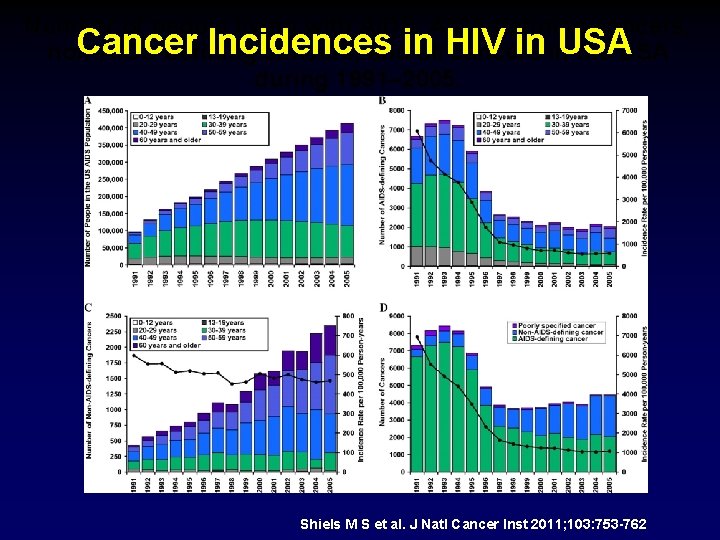
Number of people living with AIDS, AIDS-defining cancers, Cancer Incidences inin. USA non-AIDS-defining cancers, andin all HIV cancers the USA during 1991– 2005. Shiels M S et al. J Natl Cancer Inst 2011; 103: 753 -762
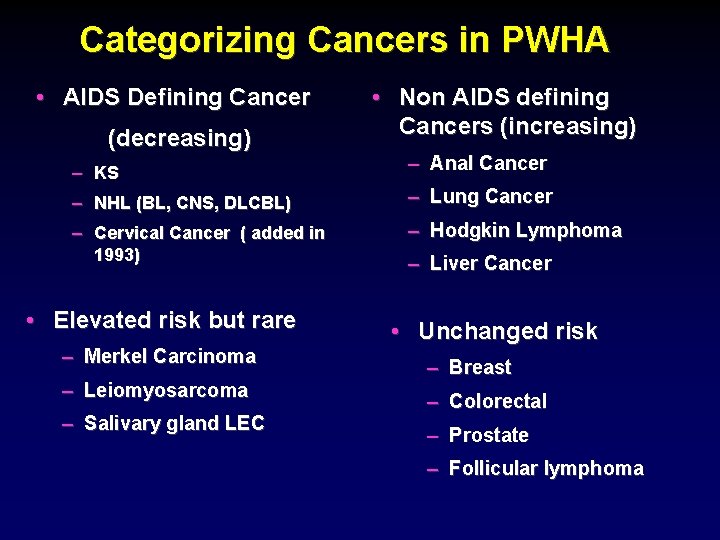
Categorizing Cancers in PWHA • AIDS Defining Cancer (decreasing) • Non AIDS defining Cancers (increasing) – KS – Anal Cancer – NHL (BL, CNS, DLCBL) – Lung Cancer – Cervical Cancer ( added in 1993) – Hodgkin Lymphoma • Elevated risk but rare – Merkel Carcinoma – Leiomyosarcoma – Salivary gland LEC – Liver Cancer • Unchanged risk – Breast – Colorectal – Prostate – Follicular lymphoma
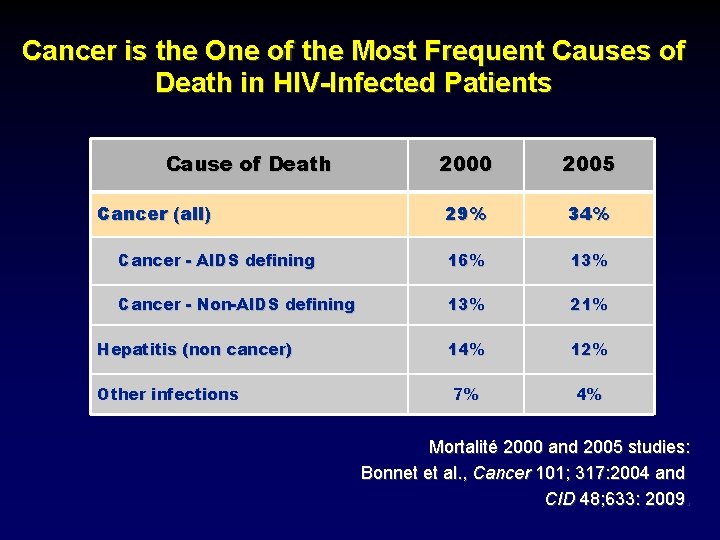
Cancer is the One of the Most Frequent Causes of Death in HIV-Infected Patients Cause of Death 2000 2005 29% 34% Cancer - AIDS defining 16% 13% Cancer - Non-AIDS defining 13% 21% 14% 12% 7% 4% Cancer (all) Hepatitis (non cancer) Other infections Mortalité 2000 and 2005 studies: Bonnet et al. , Cancer 101; 317: 2004 and CID 48; 633: 2009.
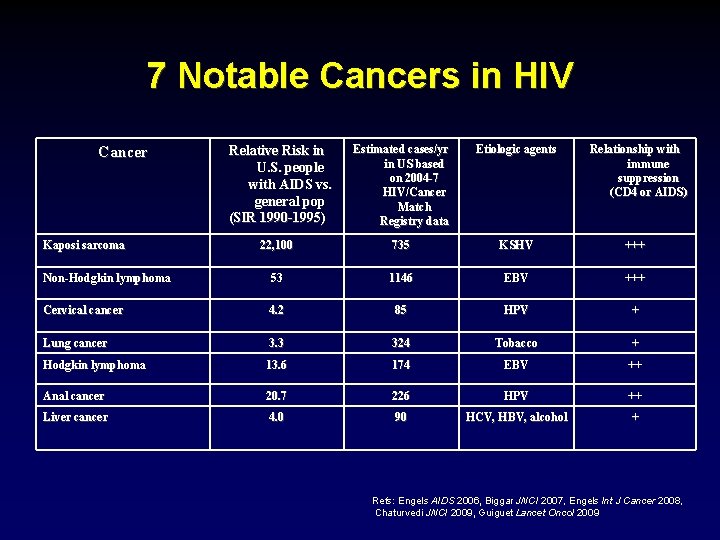
7 Notable Cancers in HIV Relative Risk in U. S. people with AIDS vs. general pop (SIR 1990 -1995) Estimated cases/yr in US based on 2004 -7 HIV/Cancer Match Registry data Etiologic agents 22, 100 735 KSHV +++ Non-Hodgkin lymphoma 53 1146 EBV +++ Cervical cancer 4. 2 85 HPV + Lung cancer 3. 3 324 Tobacco + Hodgkin lymphoma 13. 6 174 EBV ++ Anal cancer 20. 7 226 HPV ++ Liver cancer 4. 0 90 HCV, HBV, alcohol + Cancer Kaposi sarcoma Relationship with immune suppression (CD 4 or AIDS) Refs: Engels AIDS 2006, Biggar JNCI 2007, Engels Int J Cancer 2008, Chaturvedi JNCI 2009, Guiguet Lancet Oncol 2009
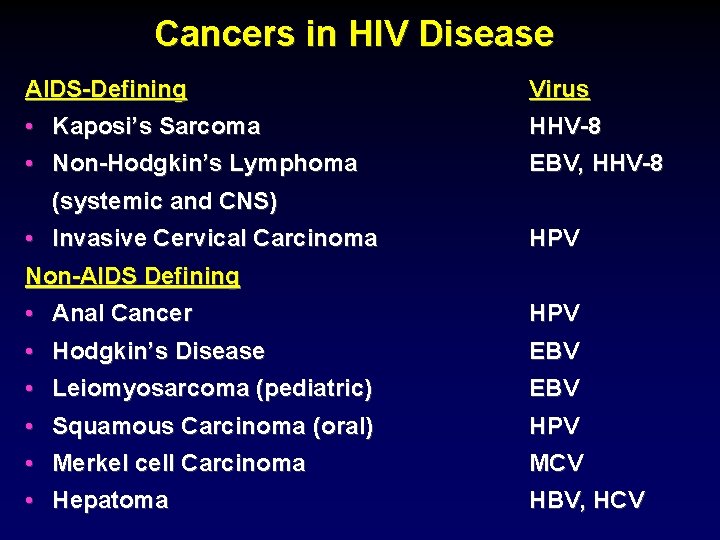
Cancers in HIV Disease AIDS-Defining Virus • Kaposi’s Sarcoma • Non-Hodgkin’s Lymphoma (systemic and CNS) HHV-8 • Invasive Cervical Carcinoma Non-AIDS Defining HPV • Anal Cancer • Hodgkin’s Disease • Leiomyosarcoma (pediatric) HPV • Squamous Carcinoma (oral) • Merkel cell Carcinoma • Hepatoma HPV EBV, HHV-8 EBV MCV HBV, HCV
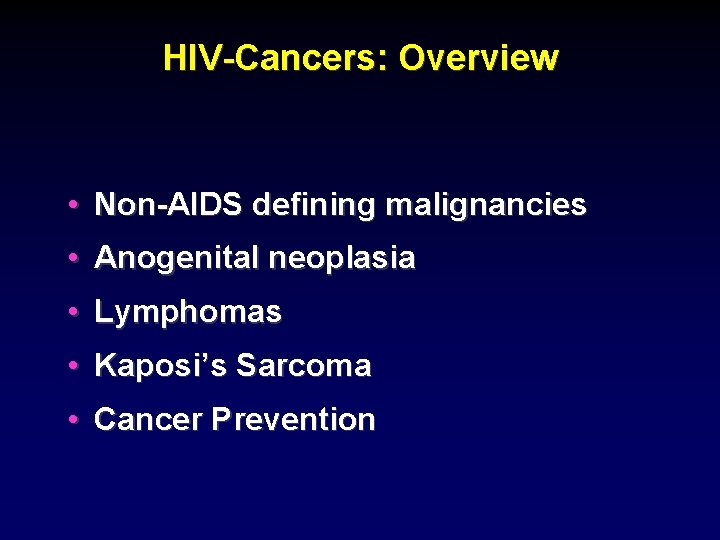
HIV-Cancers: Overview • Non-AIDS defining malignancies • Anogenital neoplasia • Lymphomas • Kaposi’s Sarcoma • Cancer Prevention
Non-AIDS Defining Cancers NADC
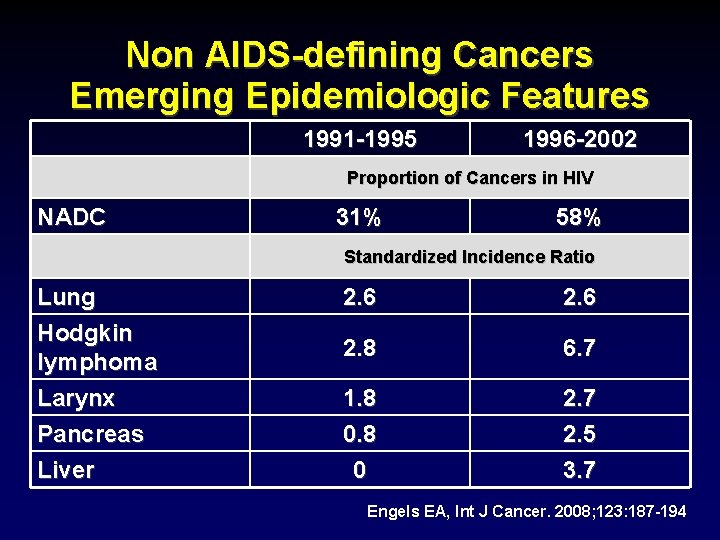
Non AIDS-defining Cancers Emerging Epidemiologic Features 1991 -1995 1996 -2002 Proportion of Cancers in HIV NADC 31% 58% Standardized Incidence Ratio Lung Hodgkin lymphoma Larynx Pancreas Liver 2. 6 2. 8 6. 7 1. 8 0 2. 7 2. 5 3. 7 Engels EA, Int J Cancer. 2008; 123: 187 -194
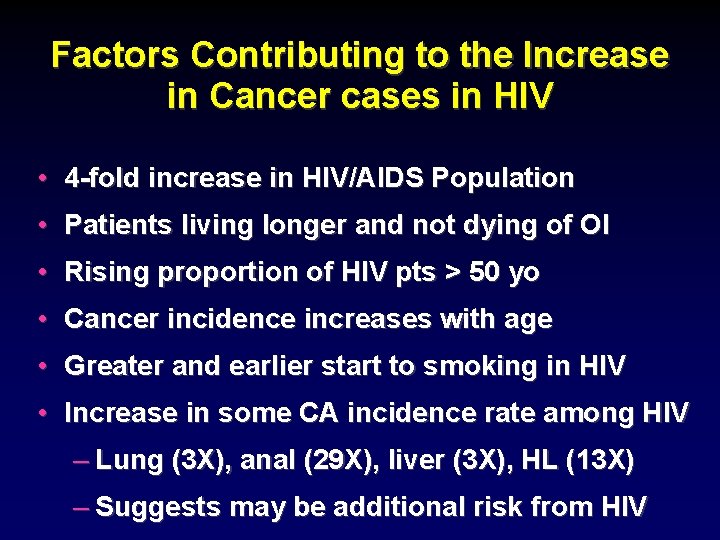
Factors Contributing to the Increase in Cancer cases in HIV • 4 -fold increase in HIV/AIDS Population • Patients living longer and not dying of OI • Rising proportion of HIV pts > 50 yo • Cancer incidence increases with age • Greater and earlier start to smoking in HIV • Increase in some CA incidence rate among HIV – Lung (3 X), anal (29 X), liver (3 X), HL (13 X) – Suggests may be additional risk from HIV
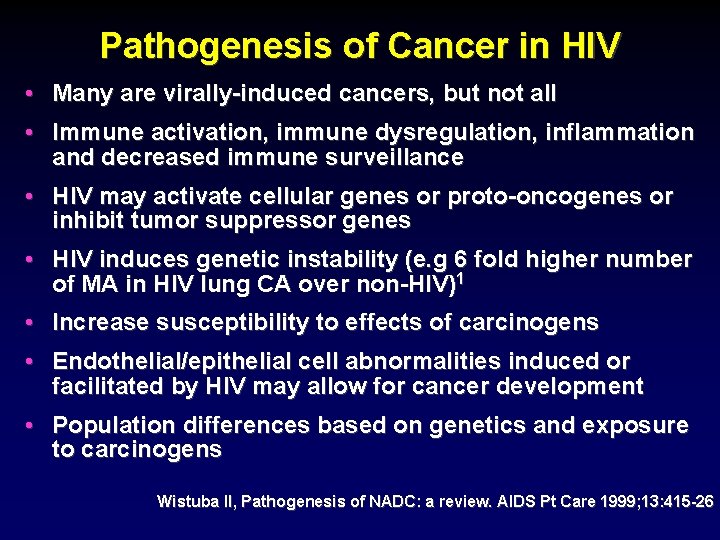
Pathogenesis of Cancer in HIV • Many are virally-induced cancers, but not all • Immune activation, immune dysregulation, inflammation and decreased immune surveillance • HIV may activate cellular genes or proto-oncogenes or inhibit tumor suppressor genes • HIV induces genetic instability (e. g 6 fold higher number of MA in HIV lung CA over non-HIV)1 • Increase susceptibility to effects of carcinogens • Endothelial/epithelial cell abnormalities induced or facilitated by HIV may allow for cancer development • Population differences based on genetics and exposure to carcinogens Wistuba Il, Pathogenesis of NADC: a review. AIDS Pt Care 1999; 13: 415 -26
Outcomes of cancer in HIV • With prolonged survival of HIV population and aging, more people will develop cancer, especially NADCs. • HIV-infected cancer patients may have worse outcomes in some cancers – Late presentation, advanced stage – Poor access to care – Medical comorbidity, treatment toxicity • Unclear if HIV has adverse impact on cancer behavior, immune control, cancer-free survival • Limited data for guiding cancer treatment in HIV-infected people Biggar JAIDS 2005, Little J Clin Oncol 2008, Rengan Lancet Oncol 2012, Suneja AIDS 2013
Anogenital Cancers
Anogenital Cancers • Invasive cervical carcinoma – Considered an AIDS-defining condition – Leading cause of cancer death in women worldwide • Anal cancer 1 – Not AIDS defining but very common and growing incidence • Oral and Head/Neck cancer also HPV related • HPV involvement 1 -2 – Both derive from precancerous lesions due to HPV – Most cancer causing strains: 16, 18, 31, 33, 35, 45 – Repeated infections and infection with multiple HPV strains increase the risk of developing neoplasia – Cancer can be prevented with early diagnosis and vaccines 1 Phelps 2 Martin RM, et al. Int J Cancer. 2001; 94: 753 -757. F, et al. Sex Transm Infect. 2001; 77: 327 -331.
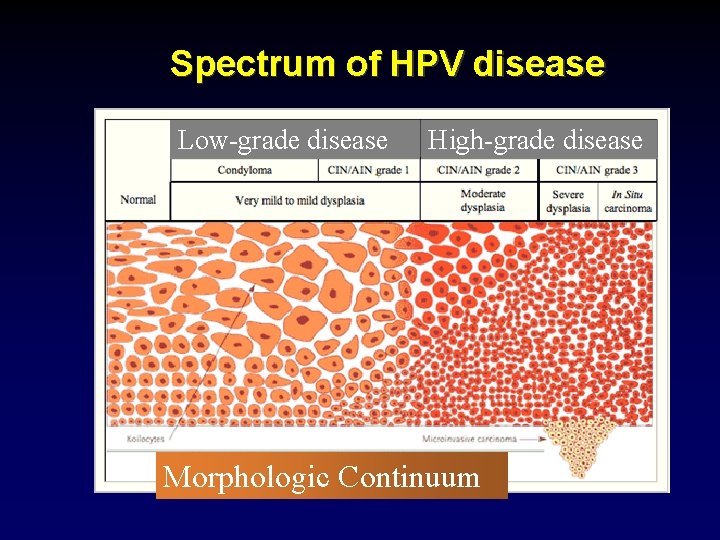
Spectrum of HPV disease Low-grade disease High-grade disease Morphologic Continuum
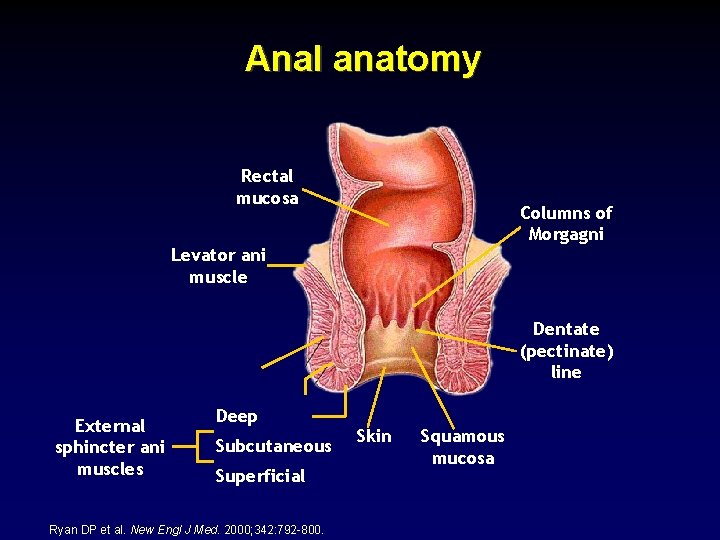
Anal anatomy Rectal mucosa Columns of Morgagni Levator ani muscle Dentate (pectinate) line External sphincter ani muscles Deep Subcutaneous Superficial Ryan DP et al. New Engl J Med. 2000; 342: 792 -800. Skin Squamous mucosa
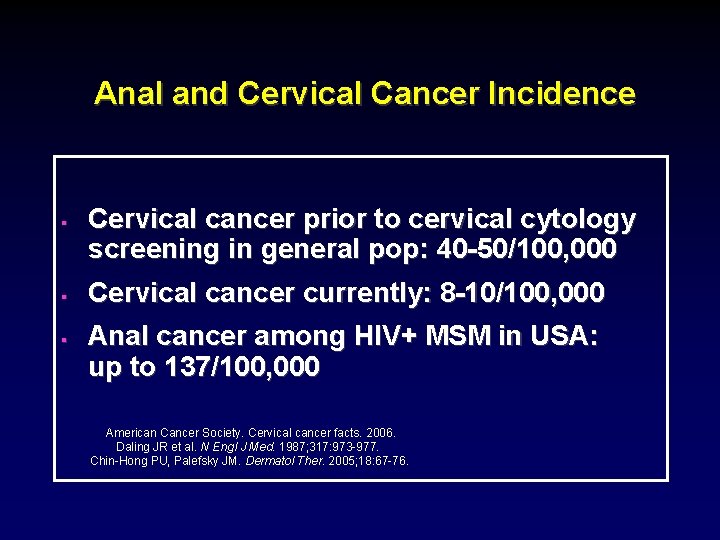
Anal and Cervical Cancer Incidence § § § Cervical cancer prior to cervical cytology screening in general pop: 40 -50/100, 000 Cervical cancer currently: 8 -10/100, 000 Anal cancer among HIV+ MSM in USA: up to 137/100, 000 American Cancer Society. Cervical cancer facts. 2006. Daling JR et al. N Engl J Med. 1987; 317: 973 -977. Chin-Hong PU, Palefsky JM. Dermatol Ther. 2005; 18: 67 -76.
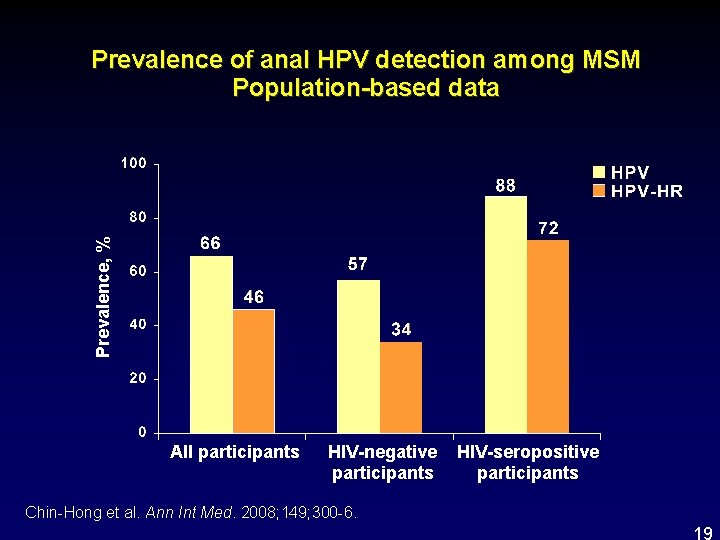
Prevalence, % Prevalence of anal HPV detection among MSM Population-based data All participants HIV-negative participants HIV-seropositive participants Chin-Hong et al. Ann Int Med. 2008; 149; 300 -6. 19
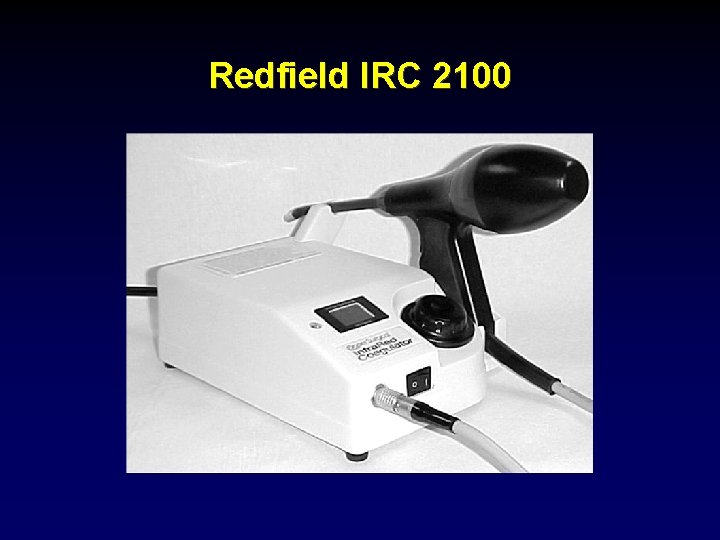
Redfield IRC 2100
Lymphomas
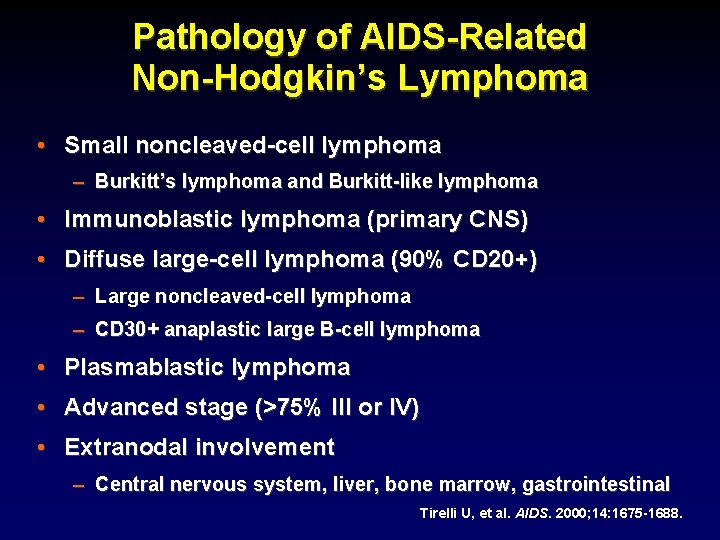
Pathology of AIDS-Related Non-Hodgkin’s Lymphoma • Small noncleaved-cell lymphoma – Burkitt’s lymphoma and Burkitt-like lymphoma • Immunoblastic lymphoma (primary CNS) • Diffuse large-cell lymphoma (90% CD 20+) – Large noncleaved-cell lymphoma – CD 30+ anaplastic large B-cell lymphoma • Plasmablastic lymphoma • Advanced stage (>75% III or IV) • Extranodal involvement – Central nervous system, liver, bone marrow, gastrointestinal Tirelli U, et al. AIDS. 2000; 14: 1675 -1688.
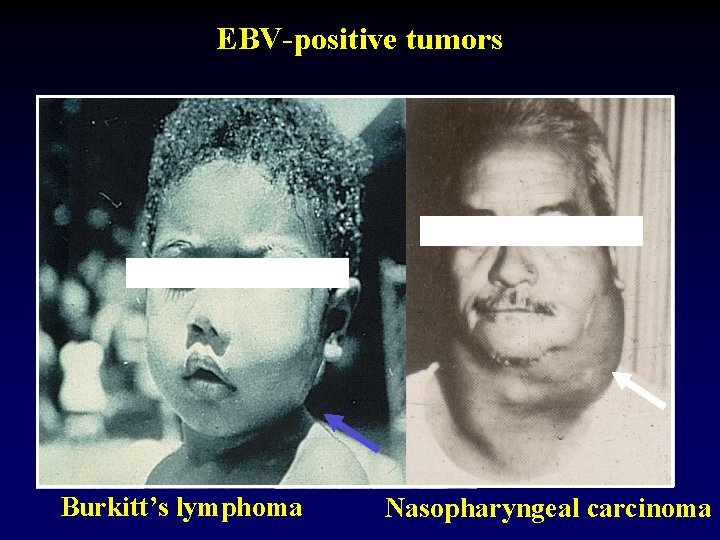
EBV-positive tumors Burkitt’s lymphoma Nasopharyngeal carcinoma
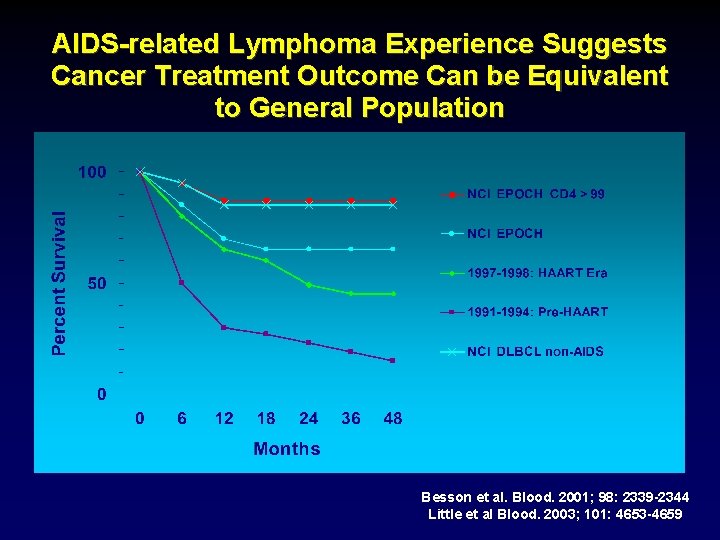
AIDS-related Lymphoma Experience Suggests Cancer Treatment Outcome Can be Equivalent to General Population Besson et al. Blood. 2001; 98: 2339 -2344 Little et al Blood. 2003; 101: 4653 -4659
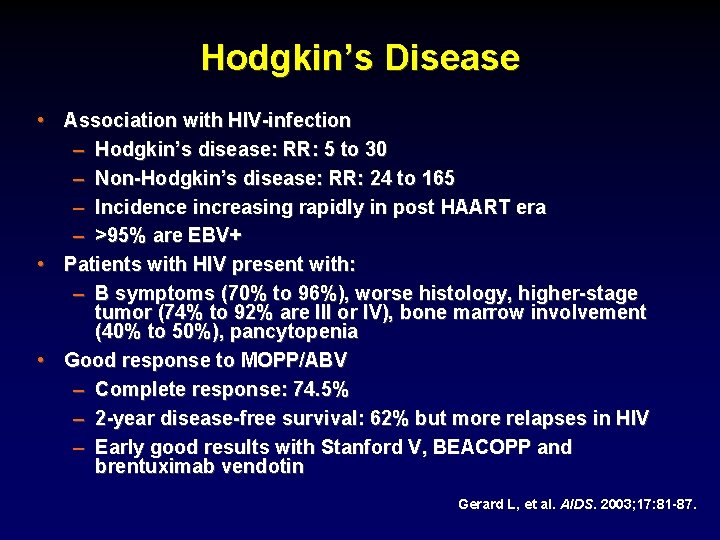
Hodgkin’s Disease • Association with HIV-infection – Hodgkin’s disease: RR: 5 to 30 – Non-Hodgkin’s disease: RR: 24 to 165 – Incidence increasing rapidly in post HAART era – >95% are EBV+ • Patients with HIV present with: – B symptoms (70% to 96%), worse histology, higher-stage tumor (74% to 92% are III or IV), bone marrow involvement (40% to 50%), pancytopenia • Good response to MOPP/ABV – Complete response: 74. 5% – 2 -year disease-free survival: 62% but more relapses in HIV – Early good results with Stanford V, BEACOPP and brentuximab vendotin Gerard L, et al. AIDS. 2003; 17: 81 -87.
Kaposi’s Sarcoma
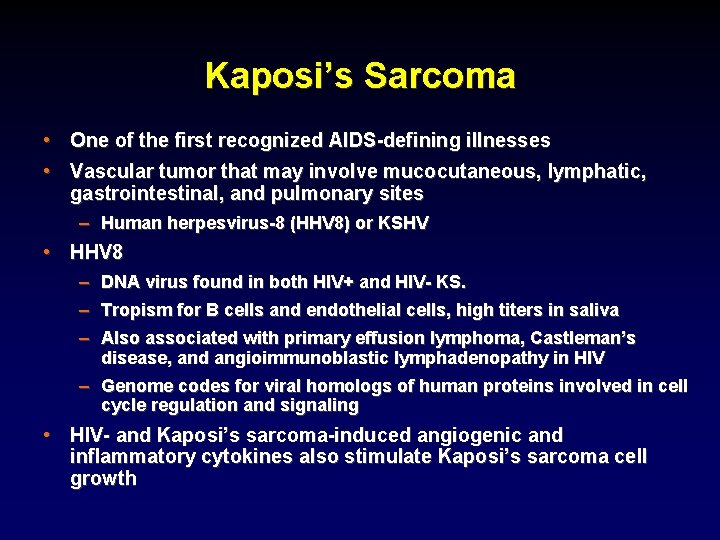
Kaposi’s Sarcoma • One of the first recognized AIDS-defining illnesses • Vascular tumor that may involve mucocutaneous, lymphatic, gastrointestinal, and pulmonary sites – Human herpesvirus-8 (HHV 8) or KSHV • HHV 8 – DNA virus found in both HIV+ and HIV- KS. – Tropism for B cells and endothelial cells, high titers in saliva – Also associated with primary effusion lymphoma, Castleman’s disease, and angioimmunoblastic lymphadenopathy in HIV – Genome codes for viral homologs of human proteins involved in cell cycle regulation and signaling • HIV- and Kaposi’s sarcoma-induced angiogenic and inflammatory cytokines also stimulate Kaposi’s sarcoma cell growth
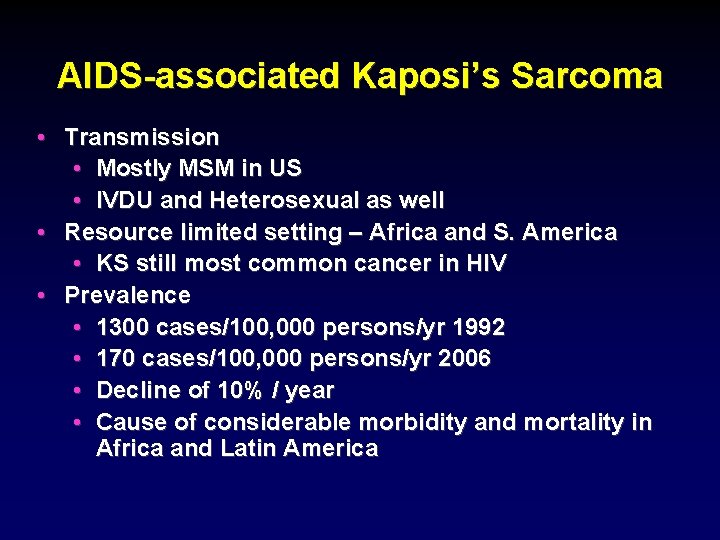
AIDS-associated Kaposi’s Sarcoma • Transmission • Mostly MSM in US • IVDU and Heterosexual as well • Resource limited setting – Africa and S. America • KS still most common cancer in HIV • Prevalence • 1300 cases/100, 000 persons/yr 1992 • 170 cases/100, 000 persons/yr 2006 • Decline of 10% / year • Cause of considerable morbidity and mortality in Africa and Latin America
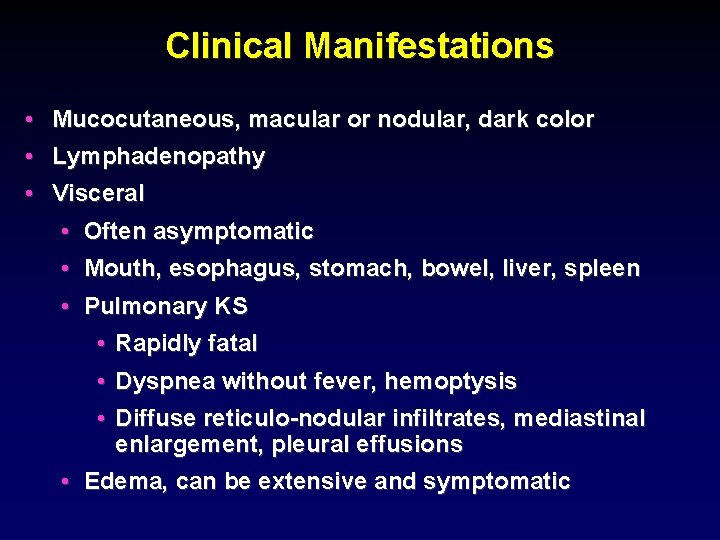
Clinical Manifestations • Mucocutaneous, macular or nodular, dark color • Lymphadenopathy • Visceral • Often asymptomatic • Mouth, esophagus, stomach, bowel, liver, spleen • Pulmonary KS • Rapidly fatal • Dyspnea without fever, hemoptysis • Diffuse reticulo-nodular infiltrates, mediastinal enlargement, pleural effusions • Edema, can be extensive and symptomatic
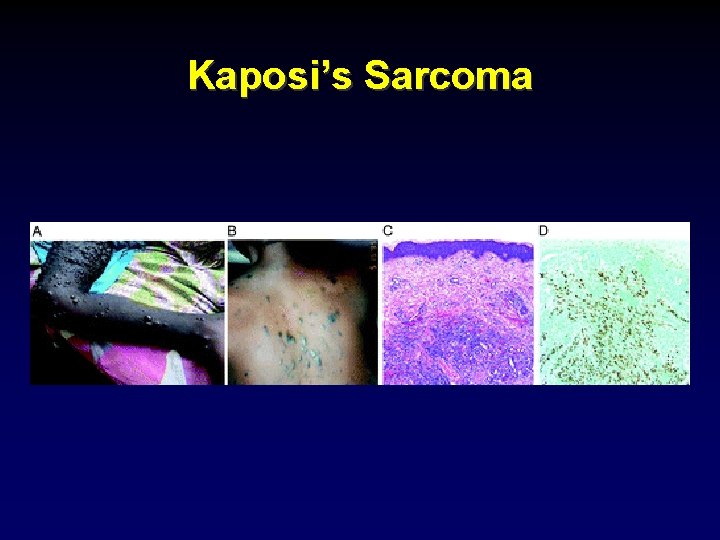
Kaposi’s Sarcoma
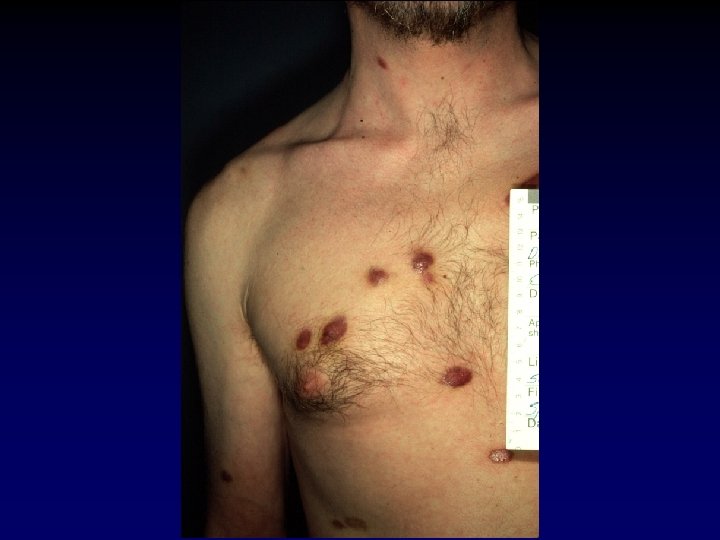
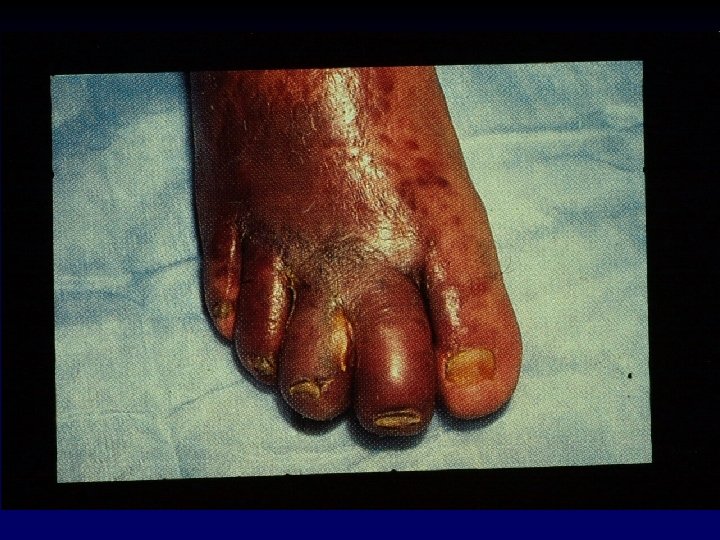
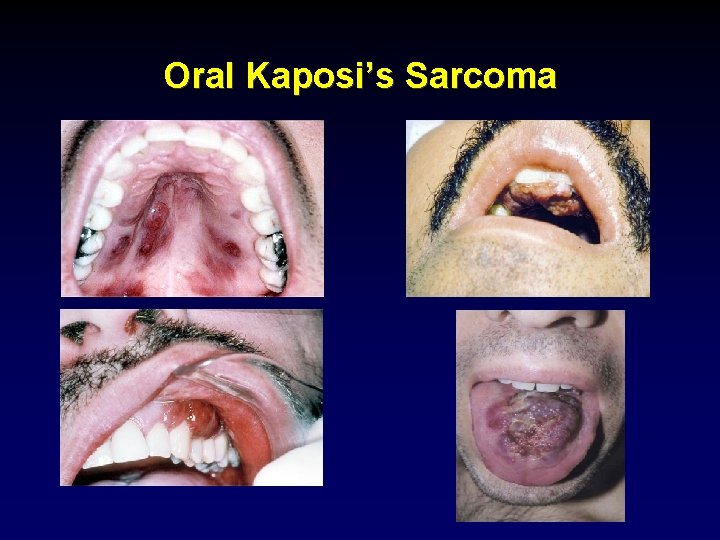
Oral Kaposi’s Sarcoma
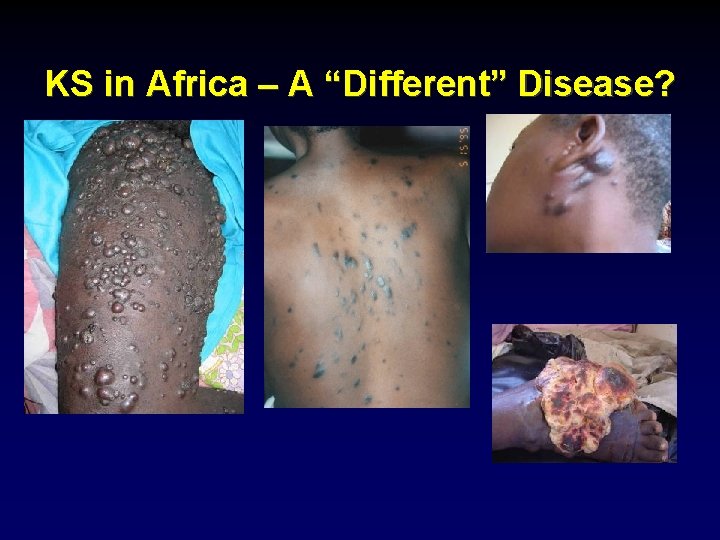
KS in Africa – A “Different” Disease?
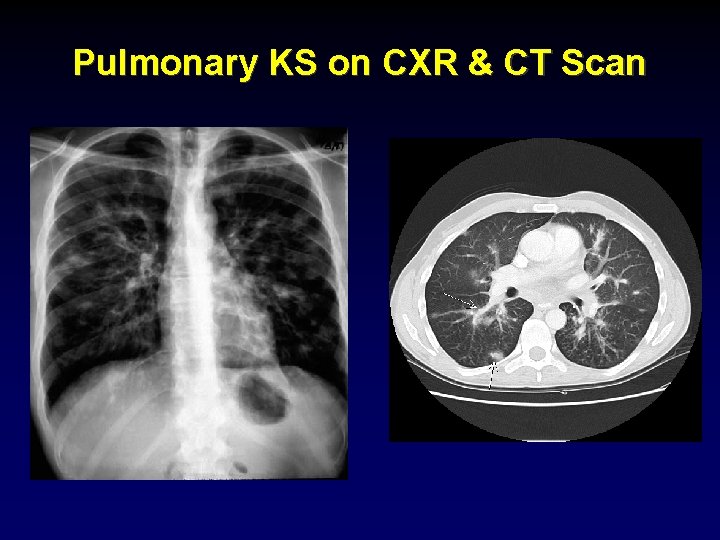
Pulmonary KS on CXR & CT Scan
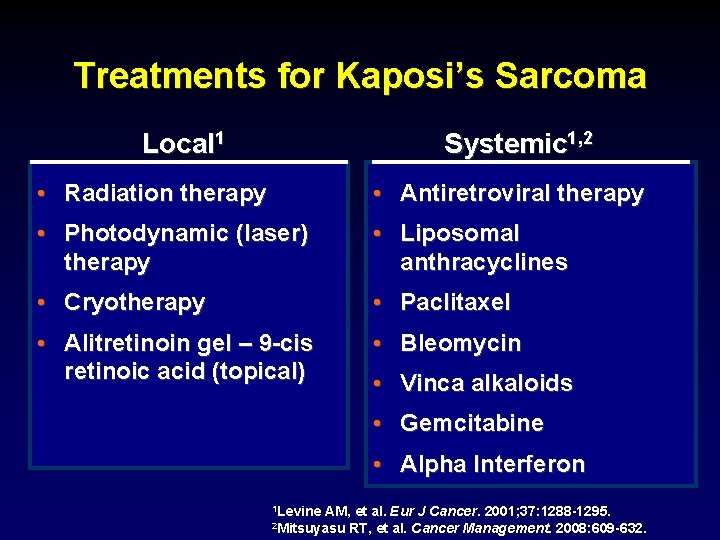
Treatments for Kaposi’s Sarcoma Systemic 1, 2 Local 1 • Radiation therapy • Antiretroviral therapy • Photodynamic (laser) therapy • Liposomal anthracyclines • Cryotherapy • Paclitaxel • Alitretinoin gel – 9 -cis retinoic acid (topical) • Bleomycin • Vinca alkaloids • Gemcitabine • Alpha Interferon 1 Levine AM, et al. Eur J Cancer. 2001; 37: 1288 -1295. RT, et al. Cancer Management. 2008: 609 -632. 2 Mitsuyasu
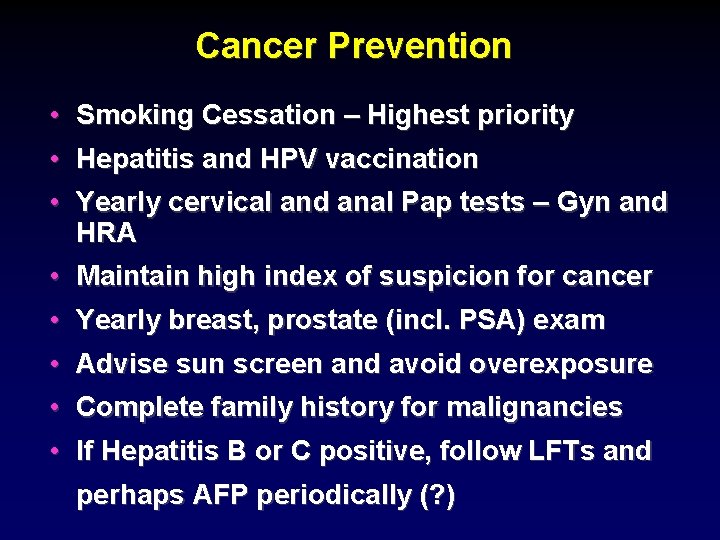
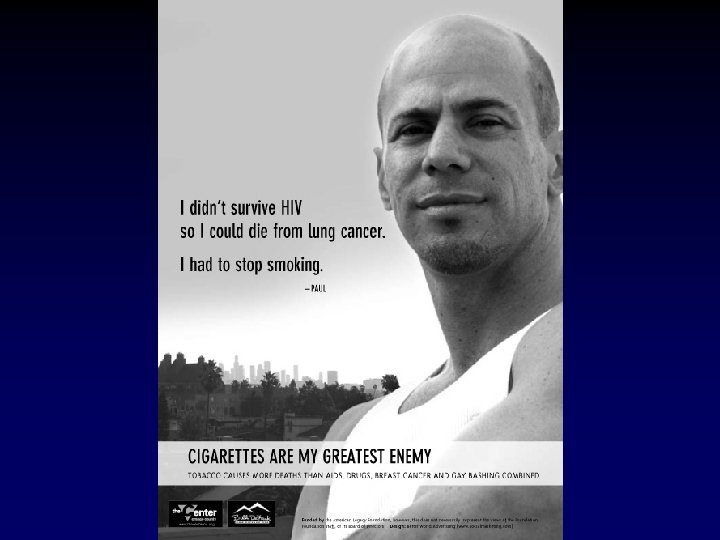
Cancer Prevention • Smoking Cessation – Highest priority • Hepatitis and HPV vaccination • Yearly cervical and anal Pap tests – Gyn and HRA • Maintain high index of suspicion for cancer • Yearly breast, prostate (incl. PSA) exam • Advise sun screen and avoid overexposure • Complete family history for malignancies • If Hepatitis B or C positive, follow LFTs and perhaps AFP periodically (? )
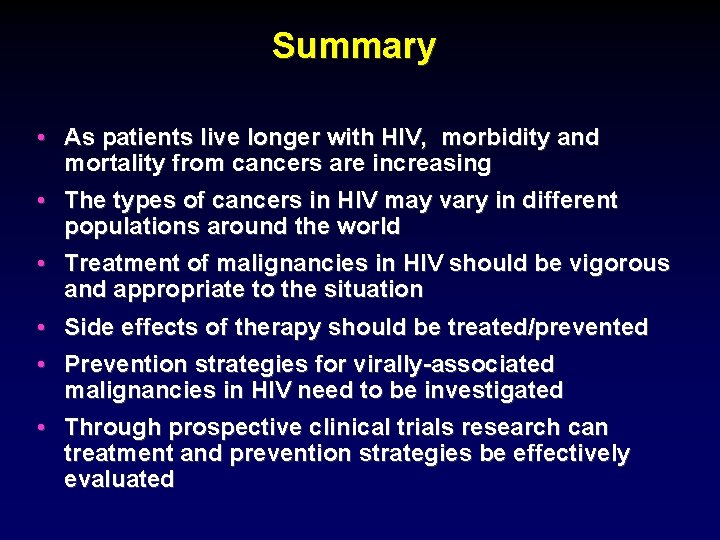
Summary • As patients live longer with HIV, morbidity and mortality from cancers are increasing • The types of cancers in HIV may vary in different populations around the world • Treatment of malignancies in HIV should be vigorous and appropriate to the situation • Side effects of therapy should be treated/prevented • Prevention strategies for virally-associated malignancies in HIV need to be investigated • Through prospective clinical trials research can treatment and prevention strategies be effectively evaluated
Thank You • For information on AMC clinical trials see: http: //www. aidscancer. org • For information on NCI programs in HIV cancer see: http: //www. cancer. gov/cancertopics/types/AIDS • To refer for AMC clinical trials in LA, call UCLA CARE Center 310 -557 -1891 ask for Maricela Gonzalez or page/email Dr. Mitsuyasu, rmitsuya@mednet. ucla. edu
- Slides: 41