
Cancer the Immune System 1142020 Hugh B Fackrell
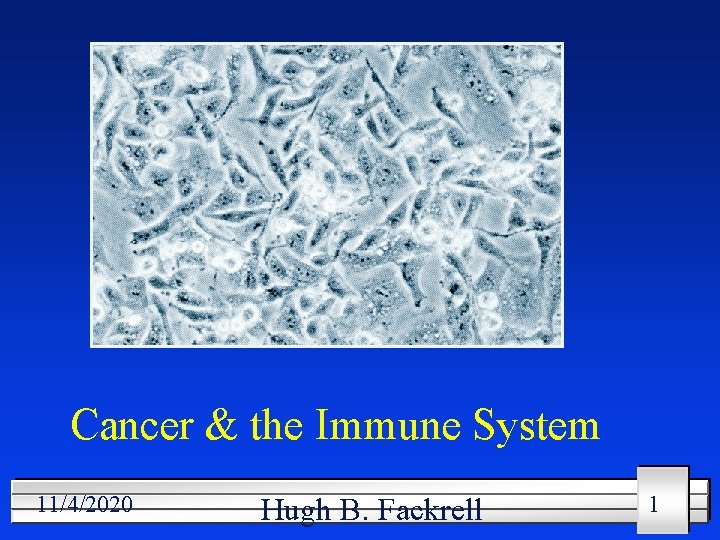
Cancer & the Immune System 11/4/2020 Hugh B. Fackrell 1
Cancer & the Immune System Assigned Reading l Content Outline l Performance Objectives l – Key terms – Key Concepts l Short Answer Questions 11/4/2020 2
Assigned Reading Janis Kuby’s Immunology 4 th Ed Chapter: 22 pp 539 -561 l Janis Kuby’s Immunology 3 rd Ed l Chapter: 24 pp 573 -596 l 11/4/2020 3
Content Outline l l l l Origins & Terms Malignant Transformation Tumours of the Immune System Tumour Antigens TATAs on human melanomas Immune Response to Tumours Tumour Evasion of Immune Response Cancer Immunotherapy 11/4/2020 4
Origins & Terms 11/4/2020 5
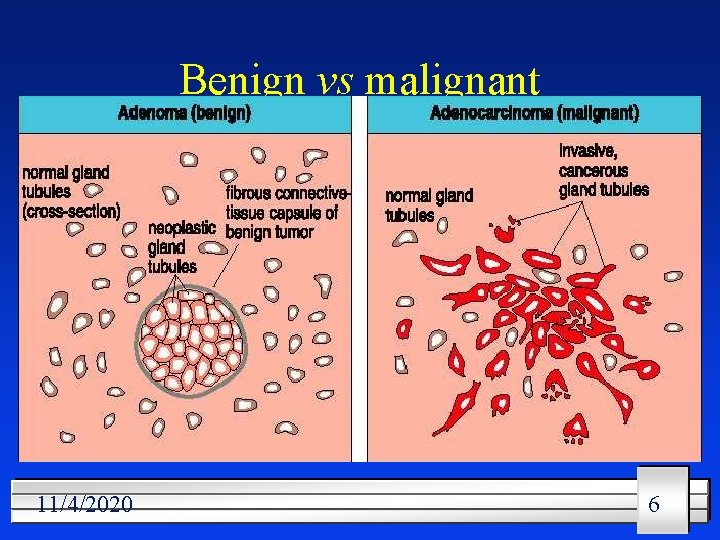
Benign vs malignant 11/4/2020 6
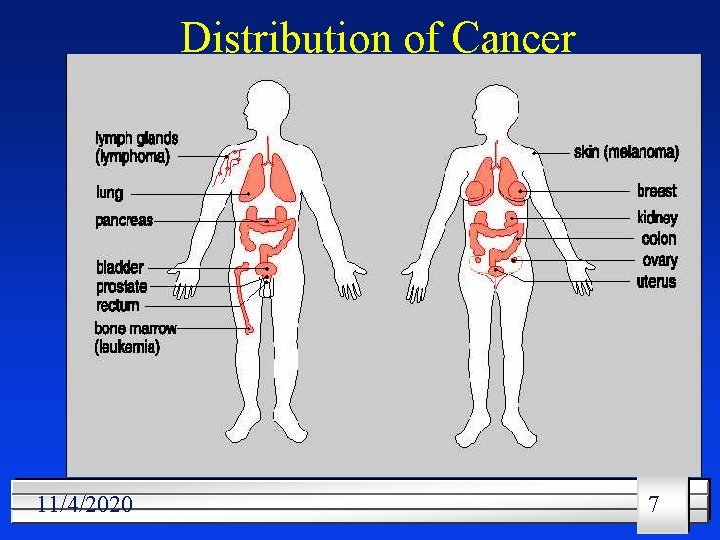
Distribution of Cancer 11/4/2020 7
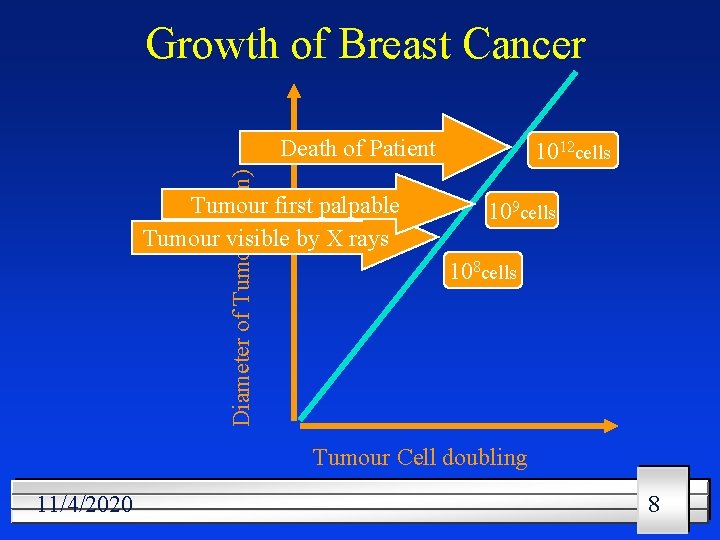
Growth of Breast Cancer Diameter of Tumour (mm) Death of Patient Tumour first palpable Tumour visible by X rays 1012 cells 109 cells 108 cells Tumour Cell doubling 11/4/2020 8
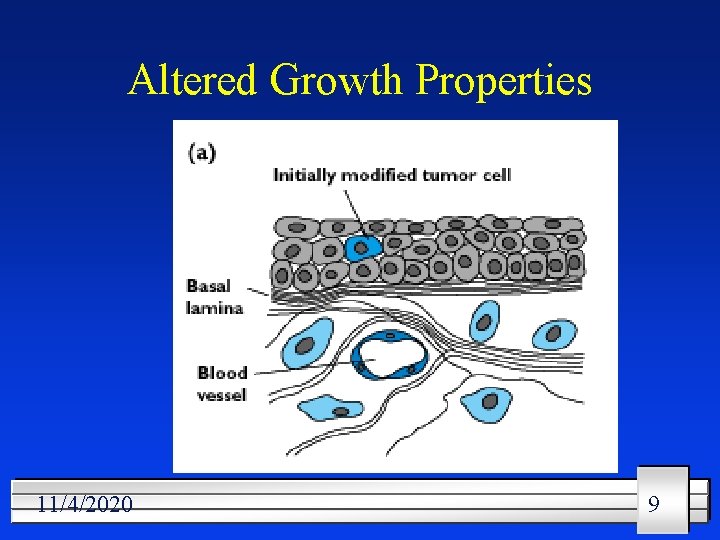
Altered Growth Properties 11/4/2020 9
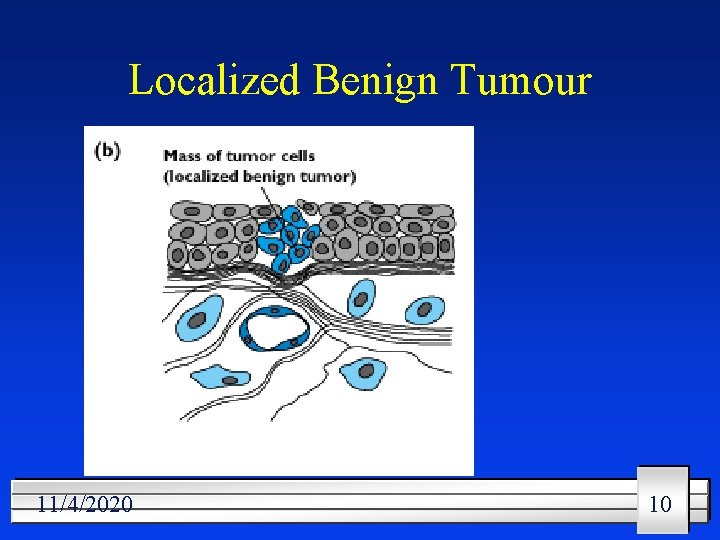
Localized Benign Tumour 11/4/2020 10
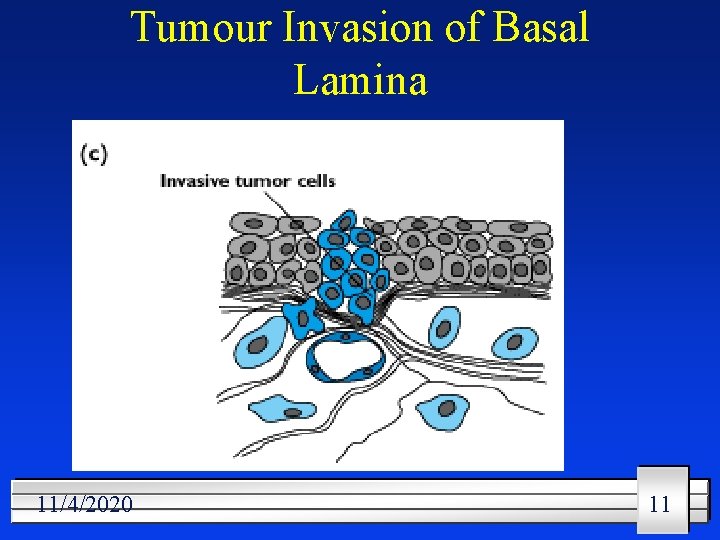
Tumour Invasion of Basal Lamina 11/4/2020 11
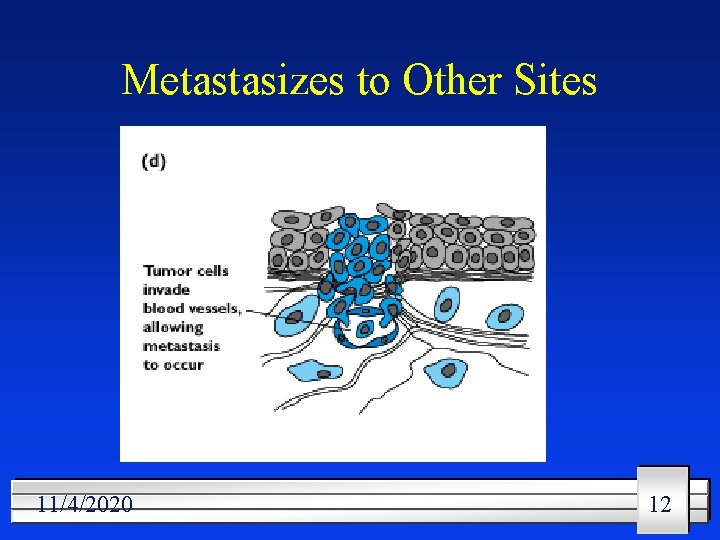
Metastasizes to Other Sites 11/4/2020 12
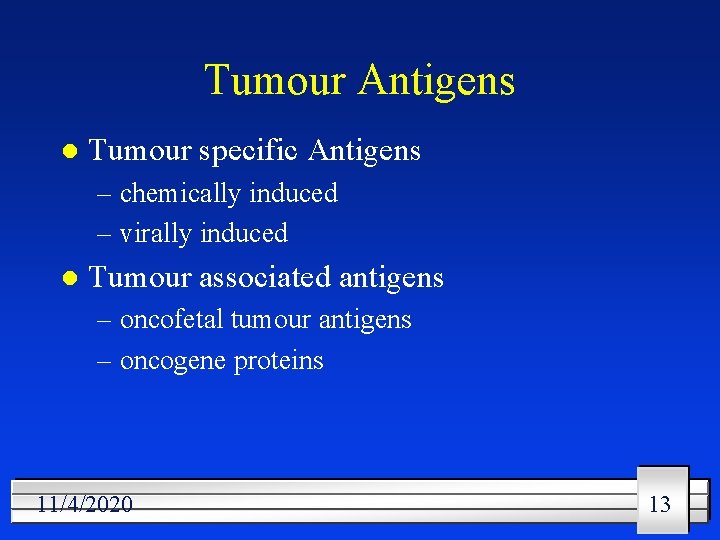
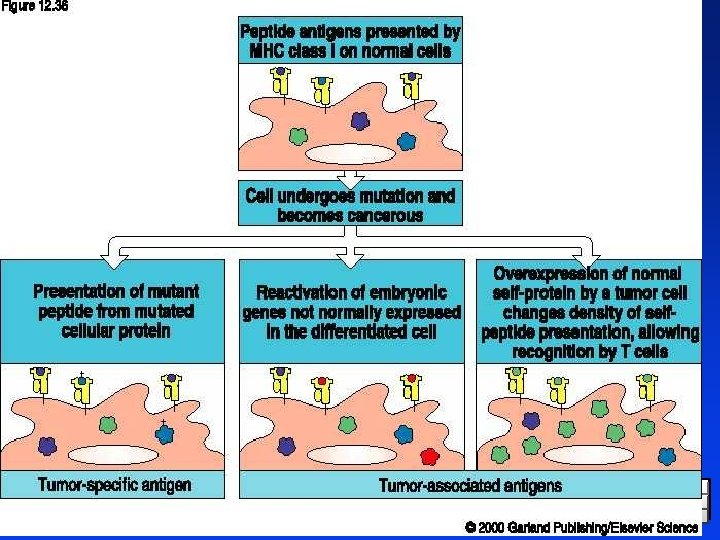
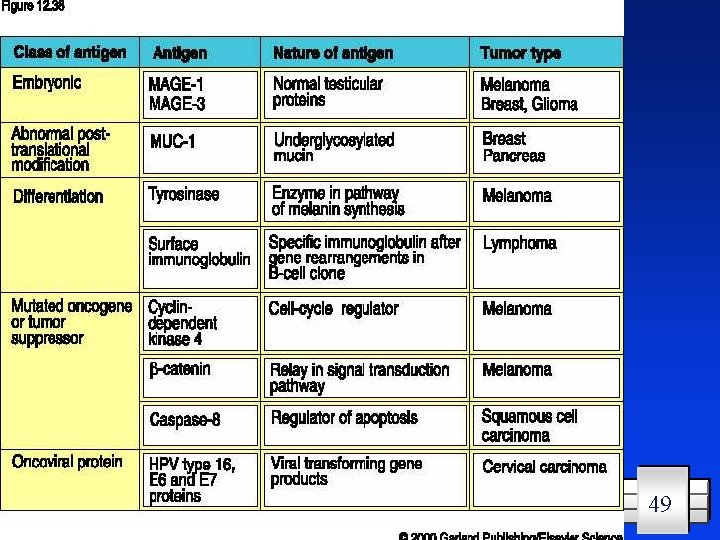
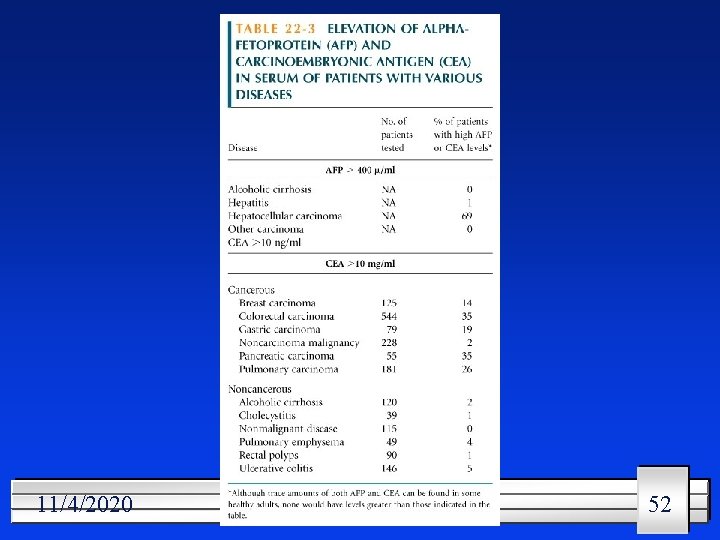
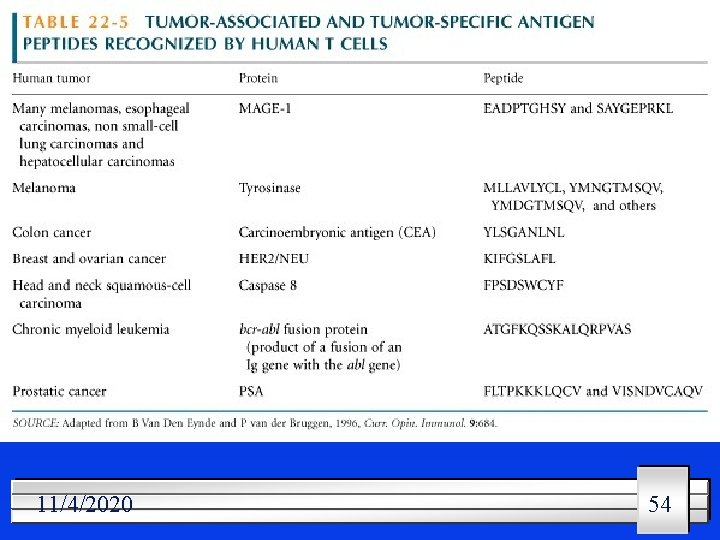
Tumour Antigens l Tumour specific Antigens – chemically induced – virally induced l Tumour associated antigens – oncofetal tumour antigens – oncogene proteins 11/4/2020 13
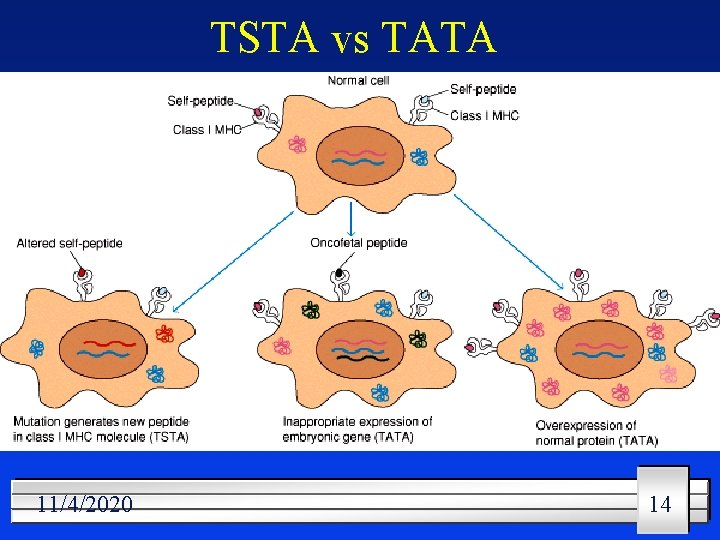
TSTA vs TATA 11/4/2020 14
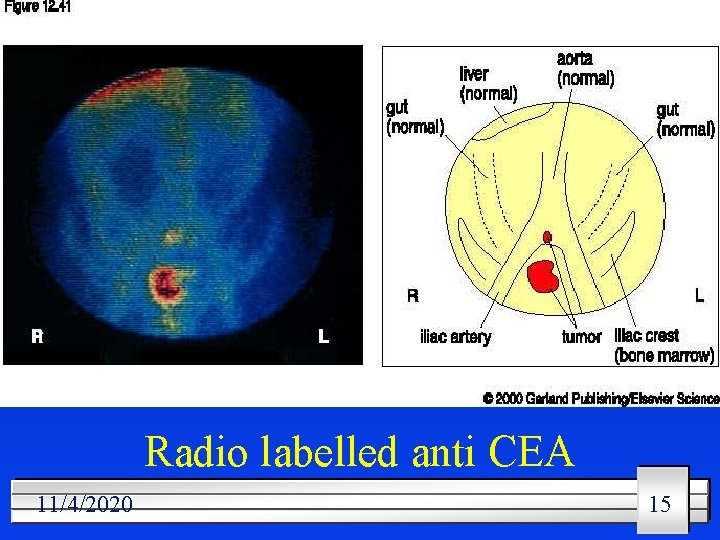
Radio labelled anti CEA 11/4/2020 15
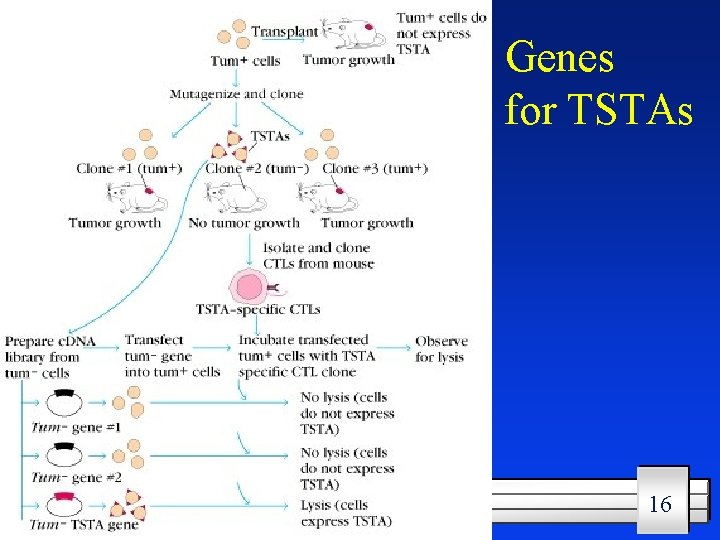
Genes for TSTAs 11/4/2020 16
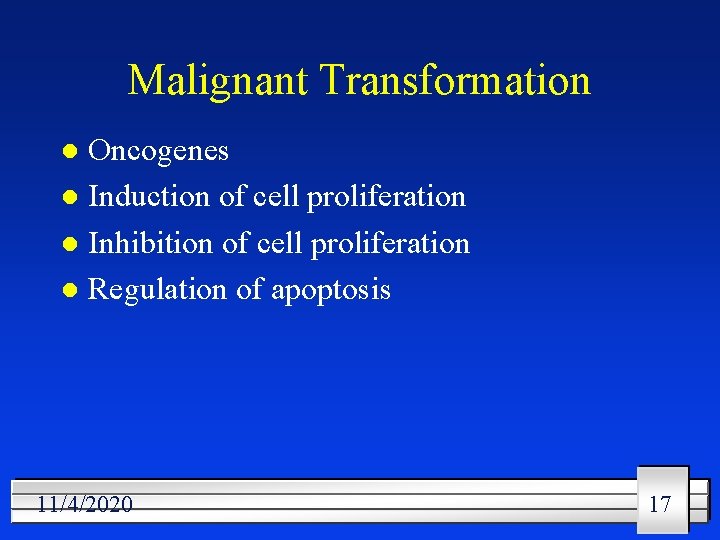
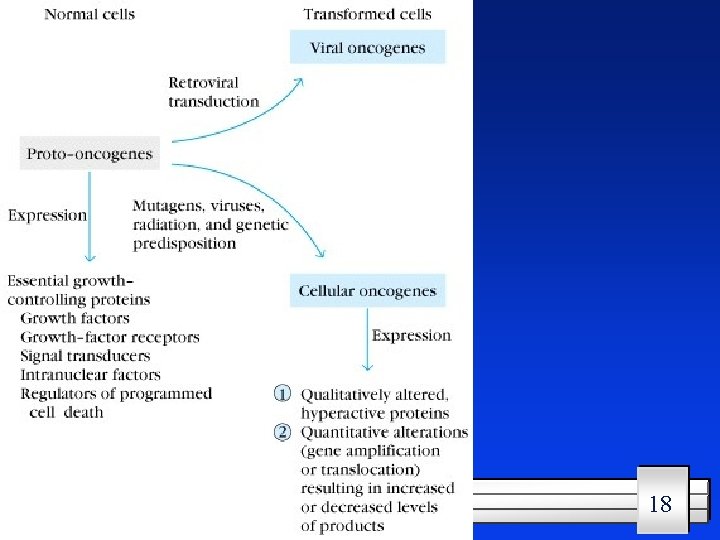
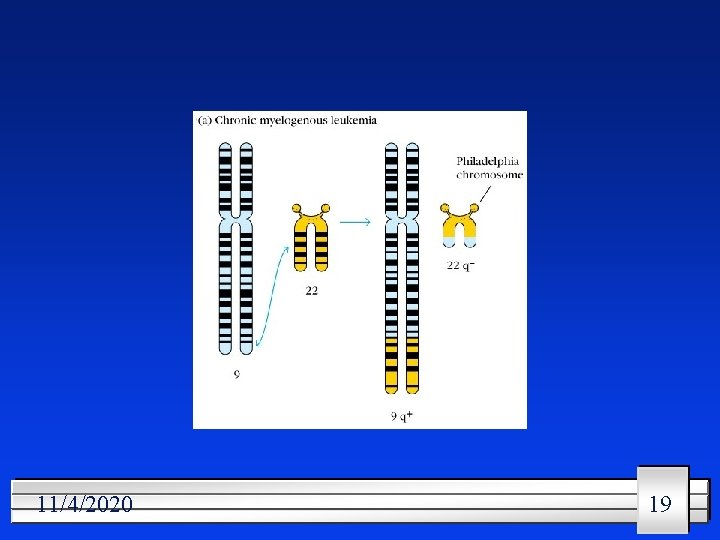
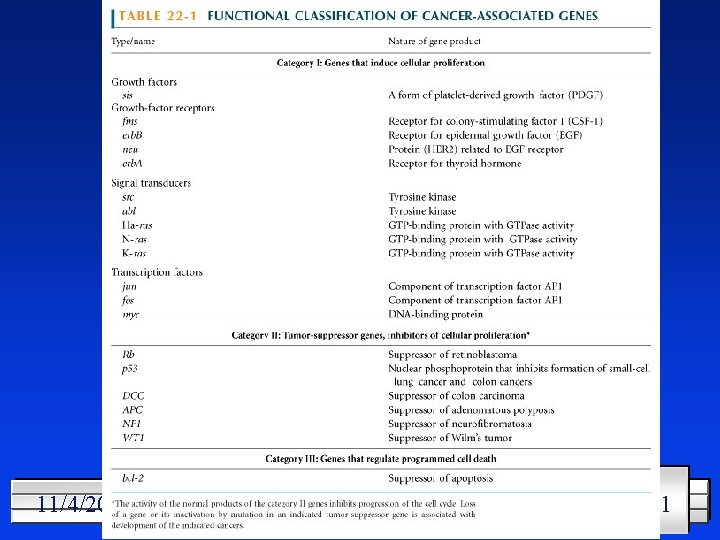
Malignant Transformation Oncogenes l Induction of cell proliferation l Inhibition of cell proliferation l Regulation of apoptosis l 11/4/2020 17
11/4/2020 18
11/4/2020 19
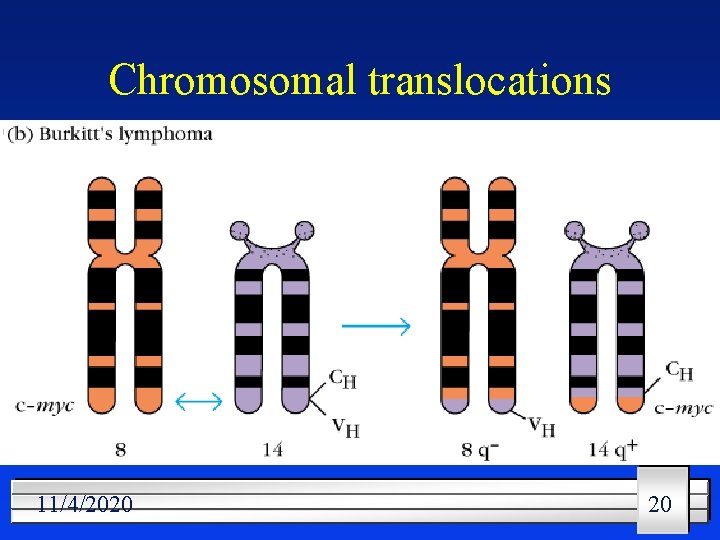
Chromosomal translocations 11/4/2020 20
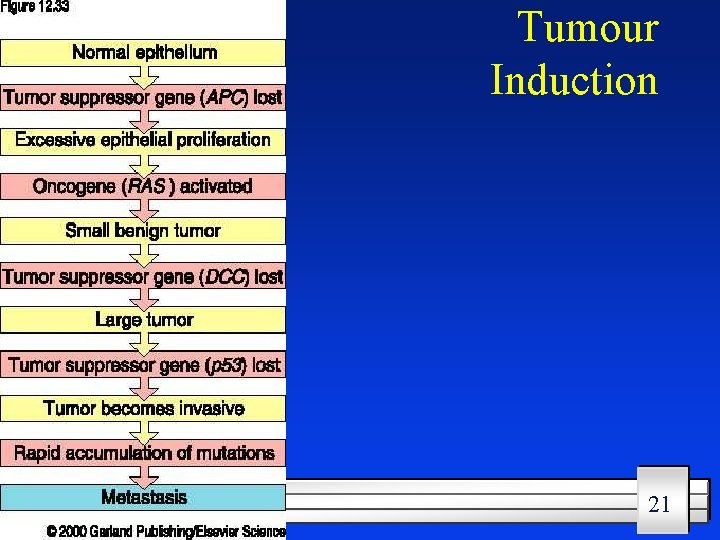
Tumour Induction 11/4/2020 21
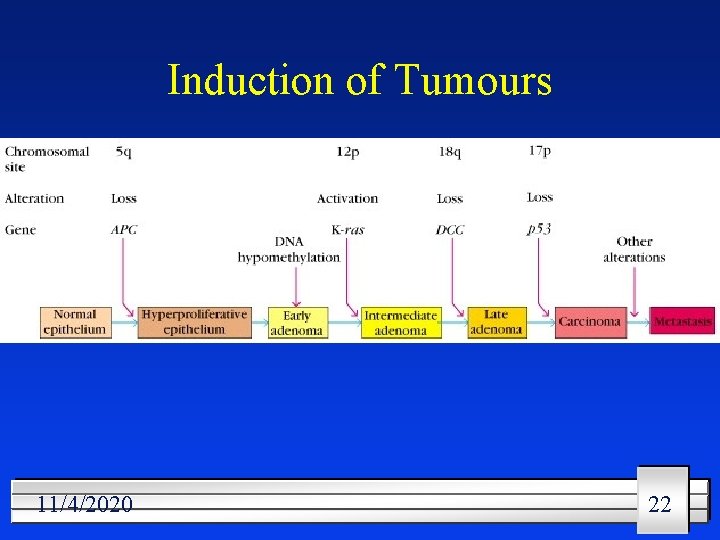
Induction of Tumours 11/4/2020 22
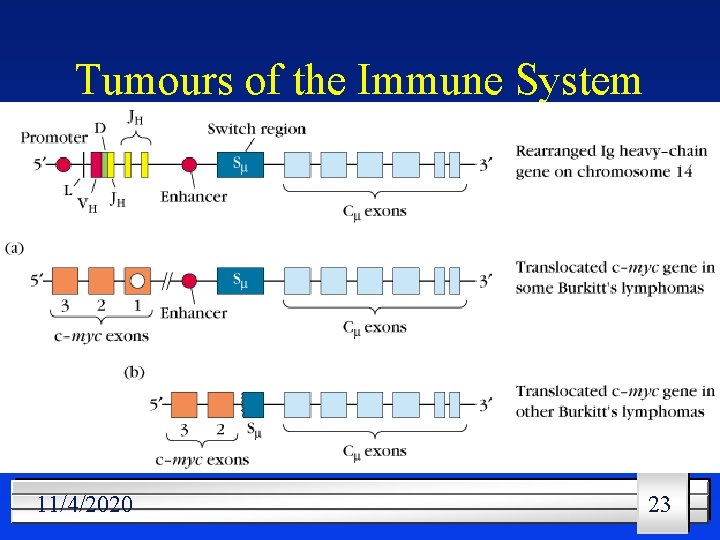
Tumours of the Immune System 11/4/2020 23
11/4/2020 24
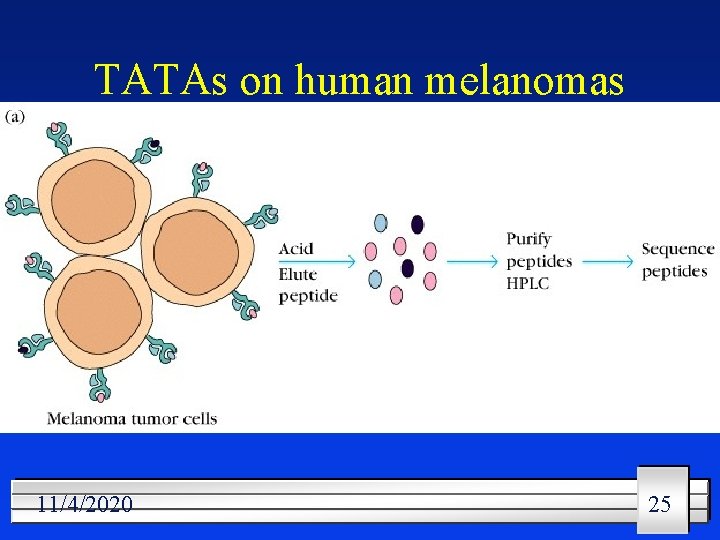
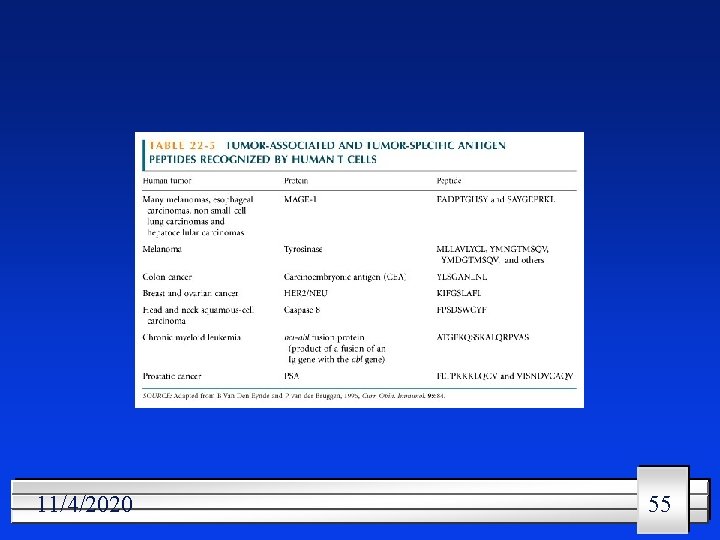
TATAs on human melanomas 11/4/2020 25
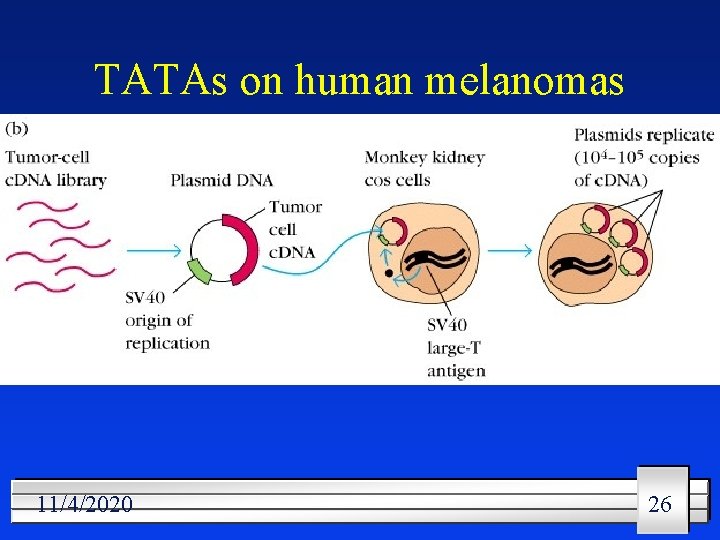
TATAs on human melanomas 11/4/2020 26
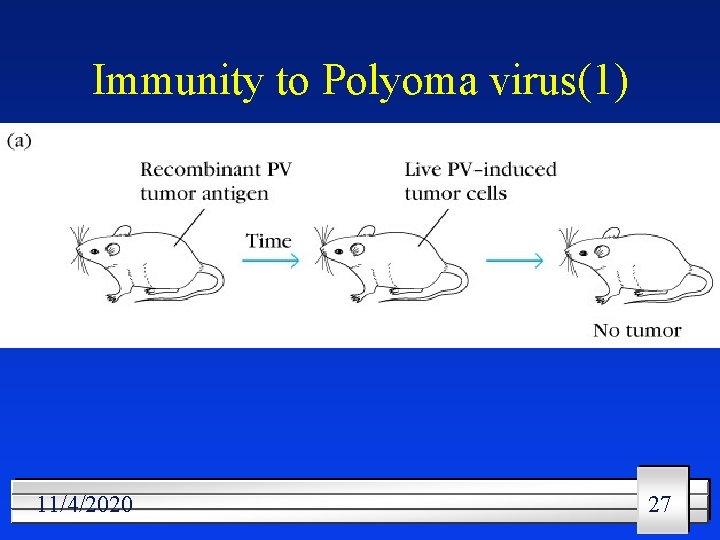
Immunity to Polyoma virus(1) 11/4/2020 27
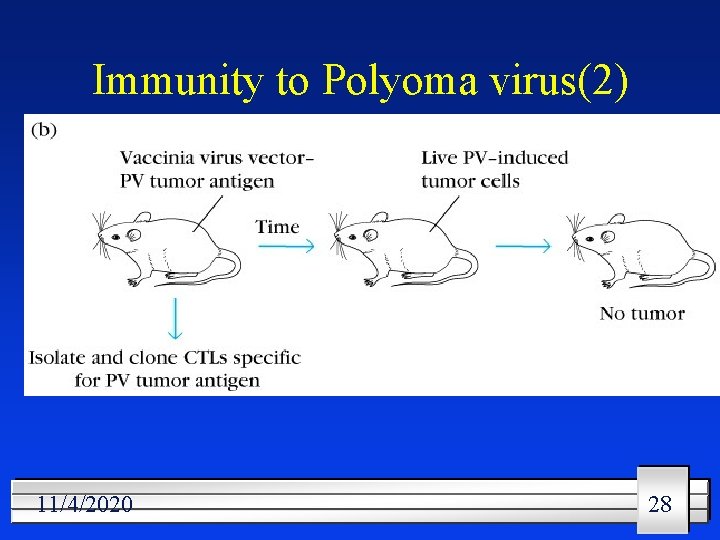
Immunity to Polyoma virus(2) 11/4/2020 28
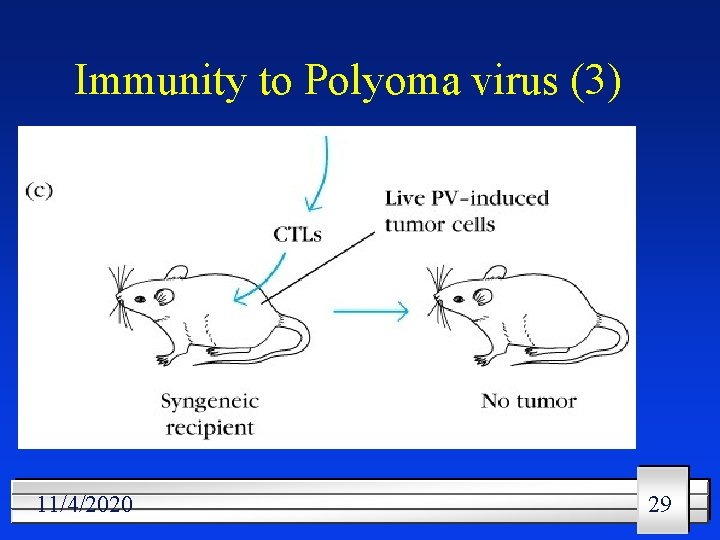
Immunity to Polyoma virus (3) 11/4/2020 29
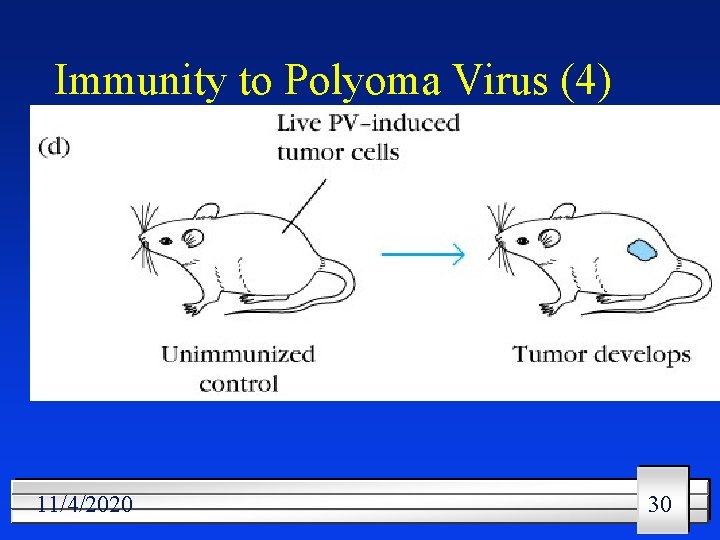
Immunity to Polyoma Virus (4) 11/4/2020 30
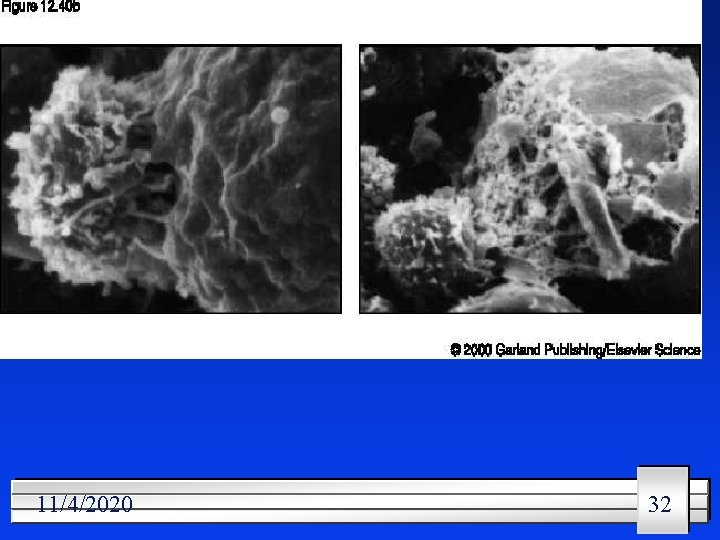
Immune Response to Tumours NK cells & macrophages l Immune surveillance theory l 11/4/2020 31
11/4/2020 32
11/4/2020 33
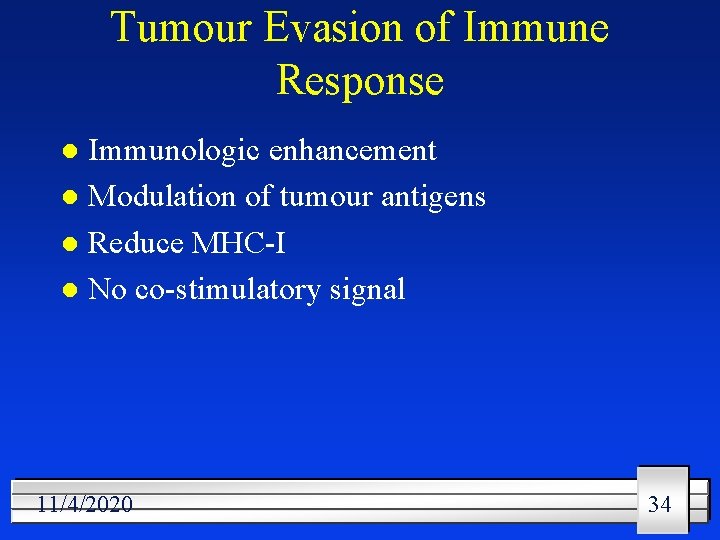
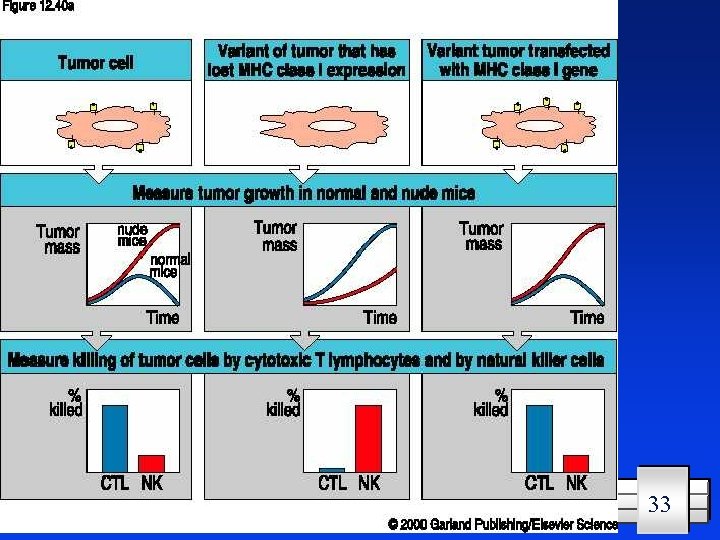
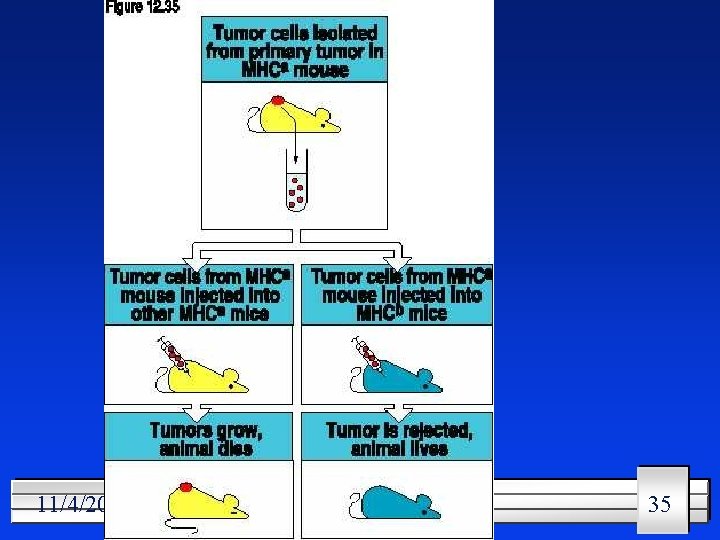
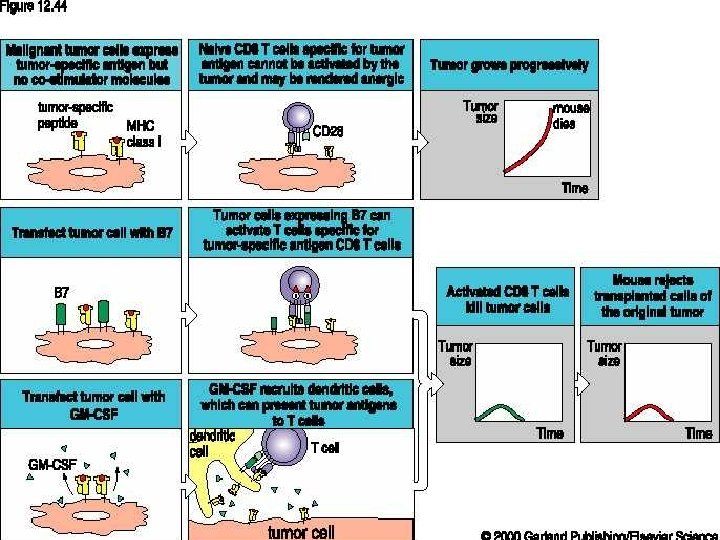
Tumour Evasion of Immune Response Immunologic enhancement l Modulation of tumour antigens l Reduce MHC-I l No co-stimulatory signal l 11/4/2020 34
11/4/2020 35
11/4/2020 36
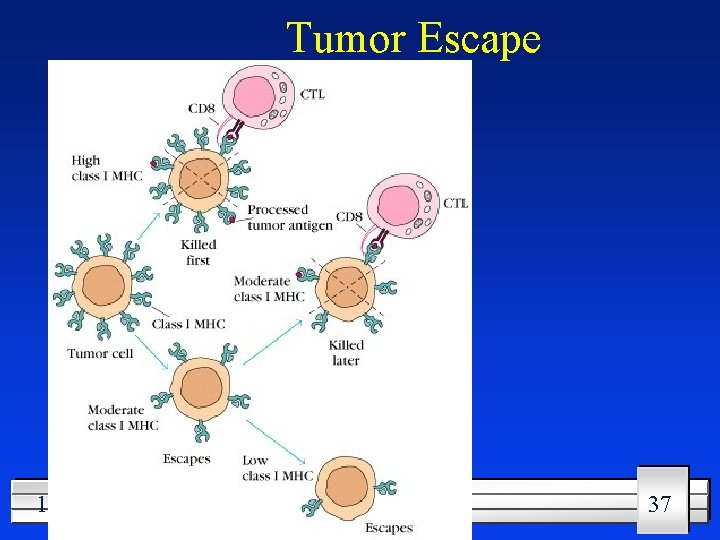
Tumor Escape 11/4/2020 37
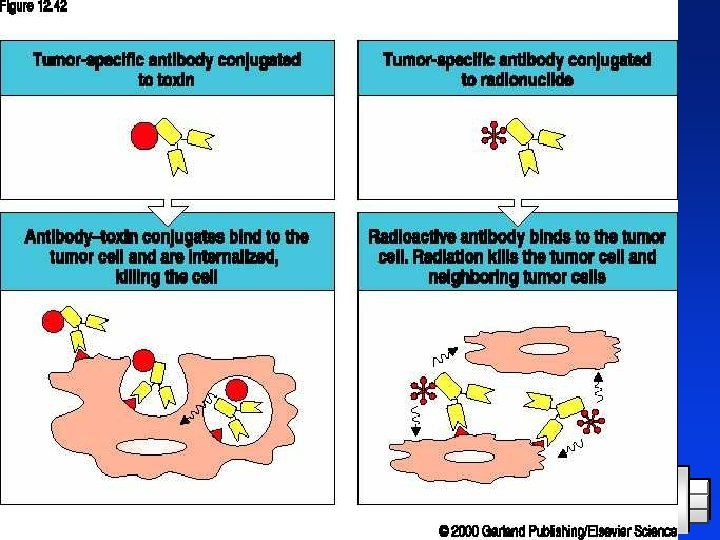
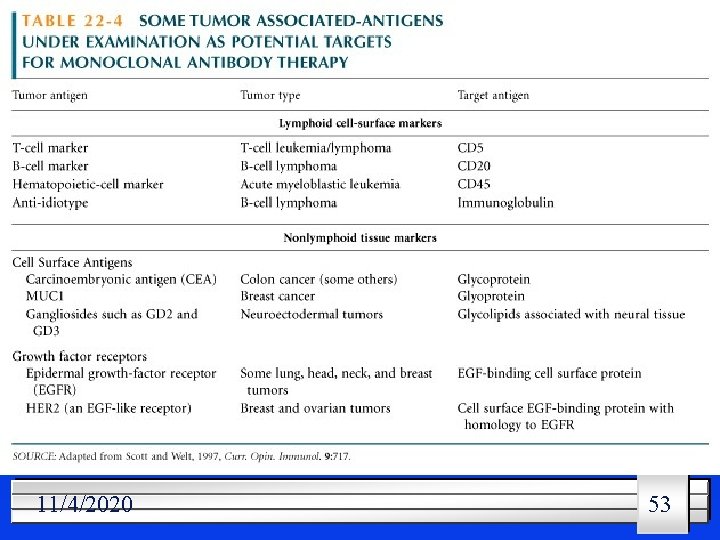
Cancer Immunotherapy Modify Co-stimulatory signal l Enhance APC activity l Cytokine therapy l MABs l Tumour cell vaccines l 11/4/2020 38
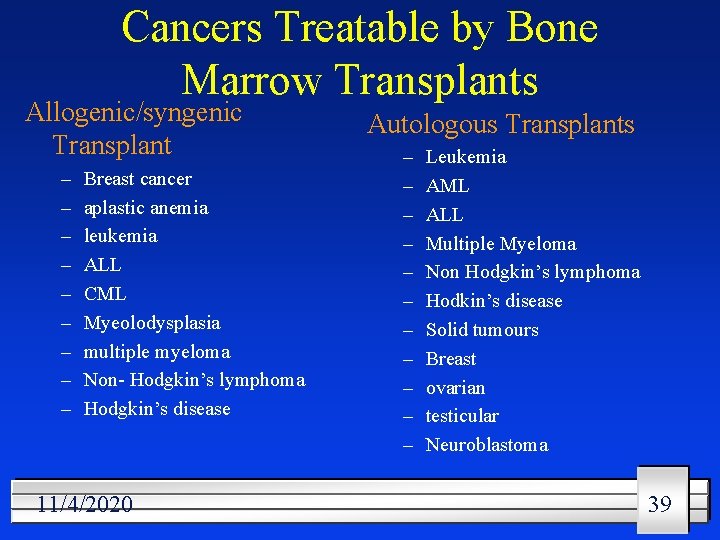
Cancers Treatable by Bone Marrow Transplants Allogenic/syngenic Transplant – – – – – Breast cancer aplastic anemia leukemia ALL CML Myeolodysplasia multiple myeloma Non- Hodgkin’s lymphoma Hodgkin’s disease 11/4/2020 Autologous Transplants – – – Leukemia AML ALL Multiple Myeloma Non Hodgkin’s lymphoma Hodkin’s disease Solid tumours Breast ovarian testicular Neuroblastoma 39
11/4/2020 40
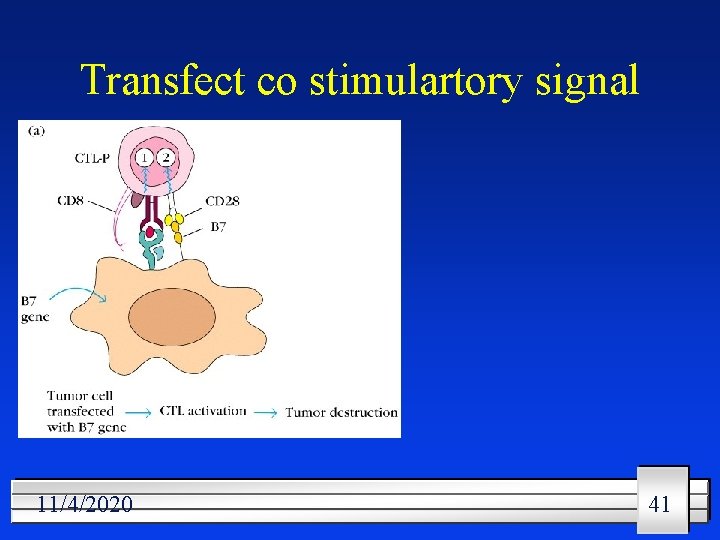
Transfect co stimulartory signal 11/4/2020 41
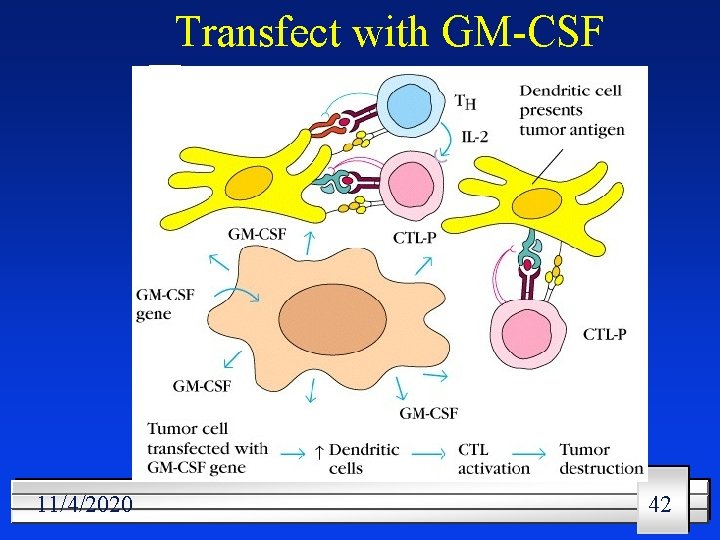
Transfect with GM-CSF 11/4/2020 42
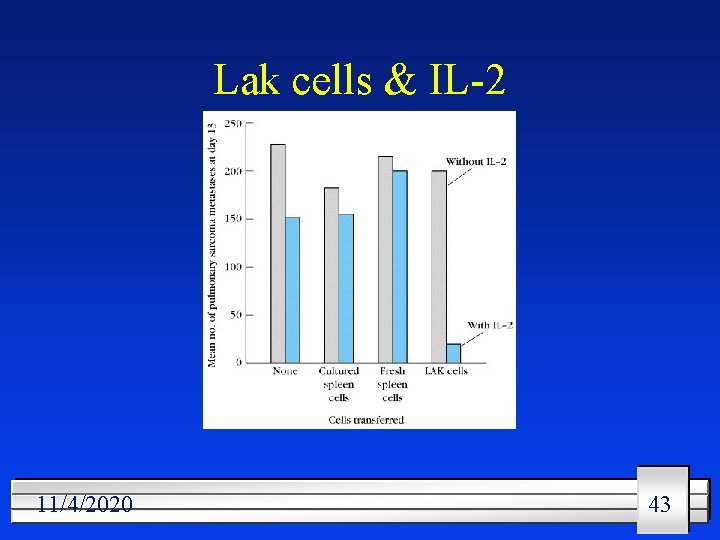
Lak cells & IL-2 11/4/2020 43
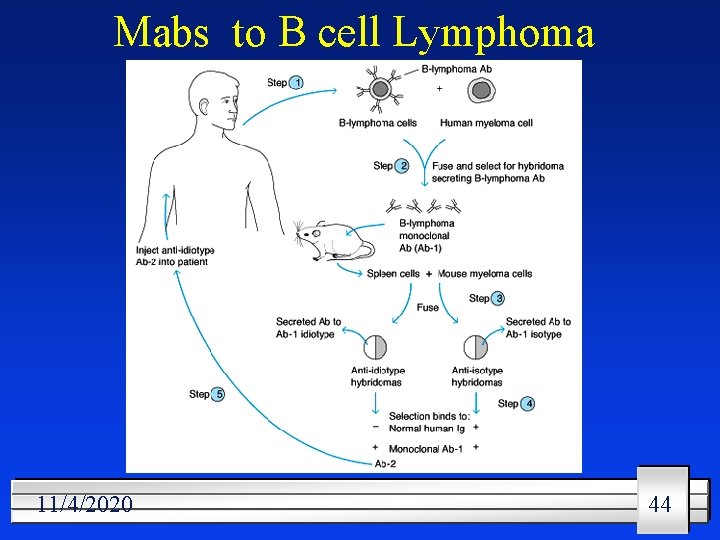
Mabs to B cell Lymphoma 11/4/2020 44
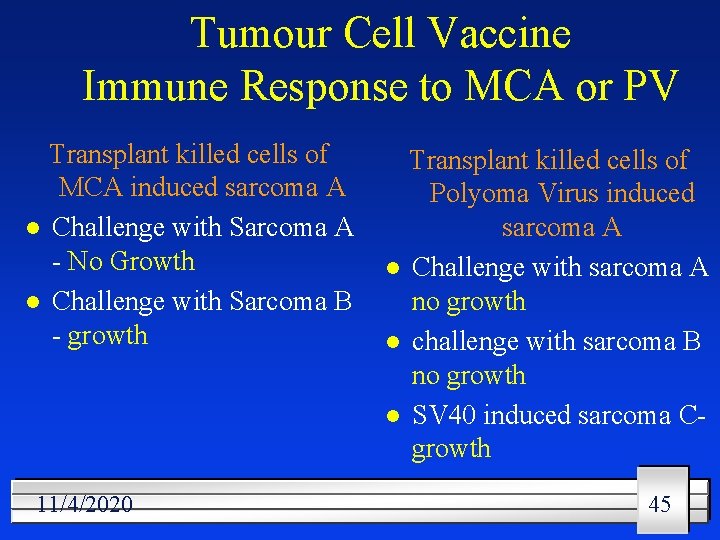
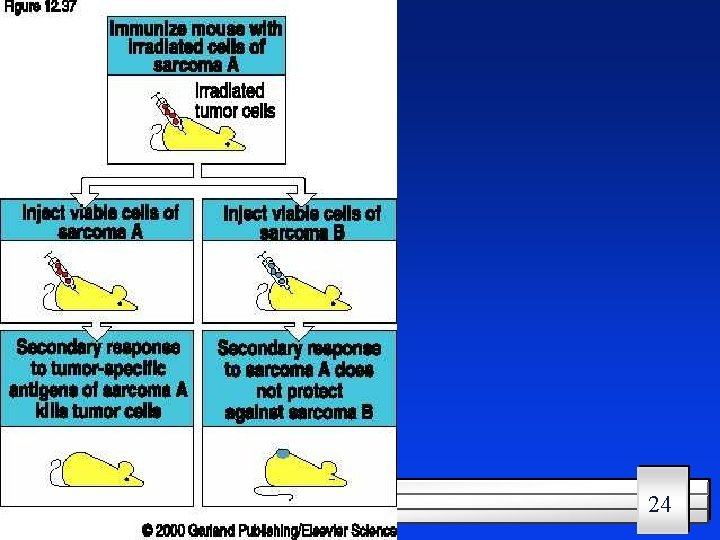
Tumour Cell Vaccine Immune Response to MCA or PV Transplant killed cells of MCA induced sarcoma A l Challenge with Sarcoma A - No Growth l Challenge with Sarcoma B - growth 11/4/2020 Transplant killed cells of Polyoma Virus induced sarcoma A l Challenge with sarcoma A no growth l challenge with sarcoma B no growth l SV 40 induced sarcoma Cgrowth 45
11/4/2020 46
DONE!!! 11/4/2020 47
11/4/2020 48
11/4/2020 49
11/4/2020 50
11/4/2020 51
11/4/2020 52
11/4/2020 53
11/4/2020 54
11/4/2020 55
11/4/2020 56
11/4/2020 57
11/4/2020 58
11/4/2020 59
Performance Objectives 11/4/2020 60
Key Terms antibody dependent cell mediated cytotoxicity (ADCC), benign tumour, cancer, l carcinogens, proto oncogens, immune surveillance, Specific immunotherapy, l non specific immunotherapy, immunotoxins, Lymphokine activated killer cell(LAK), l 11/4/2020 61
neoplasm, oncofetal antigens, oncogens, tumour associated antigens, l tumour associated transplantation antigens, tumour specific antigens, l tumour specific transplantation antigens l 11/4/2020 62
Key Concepts Differentiate between a benign tumour and a malignant tumour. l Describe the concept of immunosurveillance l Describe the different ways that tumours can camouflage themselves to evade immune defenses, l Discuss the advantages of immunotherapy over other forms of cancer therapy. l 11/4/2020 63
Distinguish between specific and nonspecific immunotherapy with the use of specific examples. l Describe immunotoxins. l Describe the development of humanized antibodies to tumour antigens l Evalulate the contribution of T cells, NK cells, Macrophages, and B cells to tumour immunity. l 11/4/2020 64
Distinguish between tumour specific transplantation antigens and tumour assoicated transplantation antigens. l Describe oncofetal antigens. l 11/4/2020 65
Short Answer Questions 11/4/2020 66
Explain how some cancer cells that can make TGF-beta are immunosuppressive. l Tumours and transplants are similar to one another, yet very different. Explain this observation in the context of what the immune system recognizes and the result of this recognition. l The qualities of proliferation and differentiation are essentially all that distinguishes a normal cell from a cancer cell. Explain. l 11/4/2020 67
Design an experiment using mice that proves that the immune system provides immunity against tumours. l Distinguish between tumour-specific transplantation antigens (TSTA) and tumour associated transplantation antigens (TATA). l Design an experiment to show Tumour associated Transplantation Antigens (TATA). l What is the main difference separating cell surface antigens from chemically induced and virually induced cancers? l 11/4/2020 68
Speculate on why this difference leads to difficulty in designing anticancer vaccines. l What are oncofetal antigens? Are they important in tumour immunity? Why? l What is immune surveillance? l All evidence for immune surveillance is indirect. Speculate on how you could get direct evidence. l 11/4/2020 69
What immune cells play a role in tumour rejection? Briefly describe how each accomplishes this task. Include such things as cytokines, perforins, ADCC etc. l Cancers camouflage themselves to evade antitumour defenses. Pick three possible forms of camouflage that you think are most important, describe them and state why you think they are most important. l What are immunotoxins? l 11/4/2020 70
Surgery, radiation and chemotherapy are the methods most widely used to treat cancer patients. What are the problems with this regimen, and how could immunotherapy overcome these problems. l Distinguish between specific and nonspecific immunotherapy. l 11/4/2020 71
- Slides: 71