
Cancer Nanotechnology Spring 2019 BIOE 479 598 Instructor
Cancer Nanotechnology Spring 2019 BIOE 479 / 598 Instructor: Prof. Shuming Nie Cancer Biology and Clinical Oncology With Special Thanks to Professor Andrew Smith University of Illinois at Urbana-Champaign Department of Bioengineering
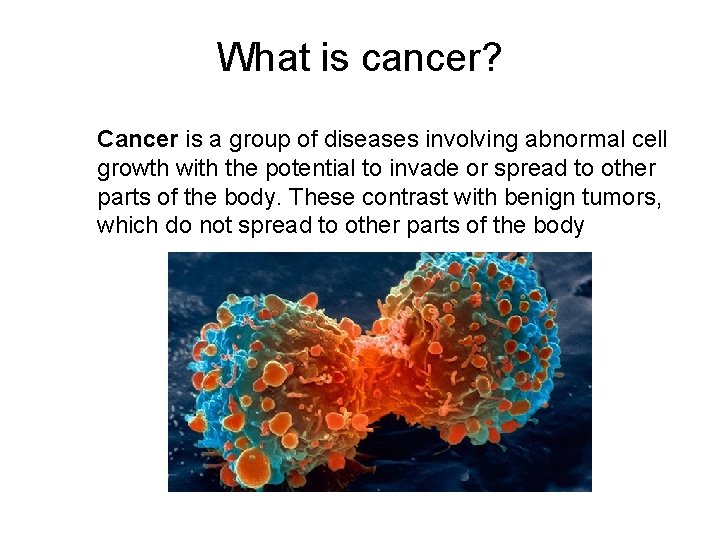
What is cancer? Cancer is a group of diseases involving abnormal cell growth with the potential to invade or spread to other parts of the body. These contrast with benign tumors, which do not spread to other parts of the body
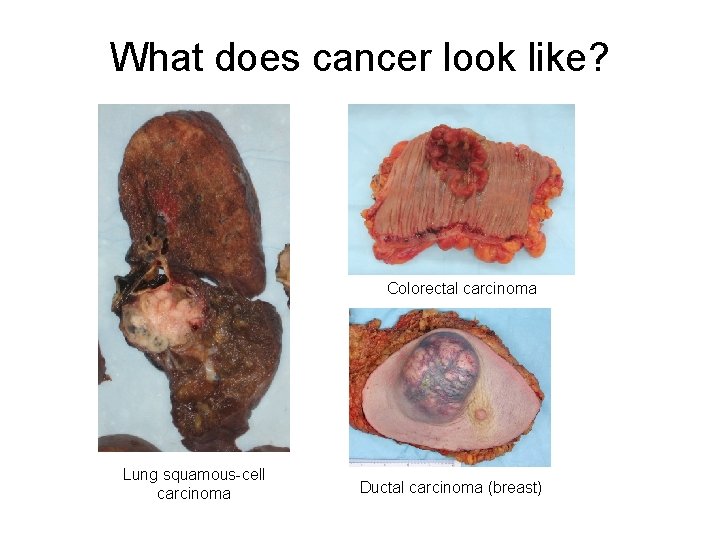
What does cancer look like? Colorectal carcinoma Lung squamous-cell carcinoma Ductal carcinoma (breast)
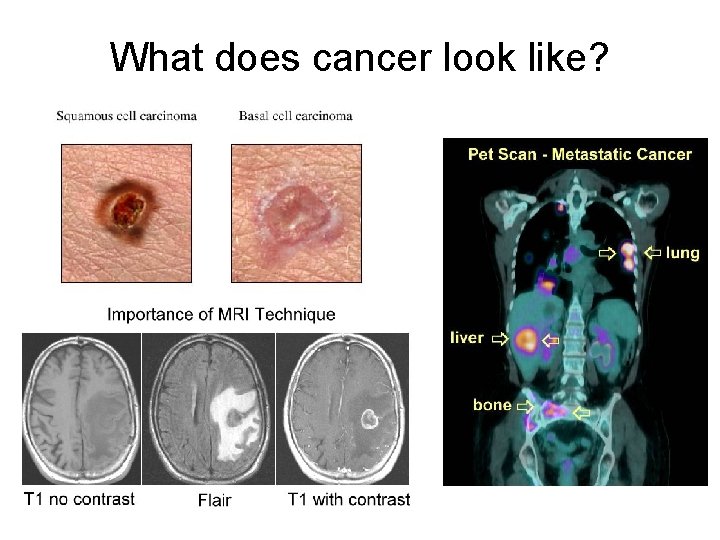
What does cancer look like?
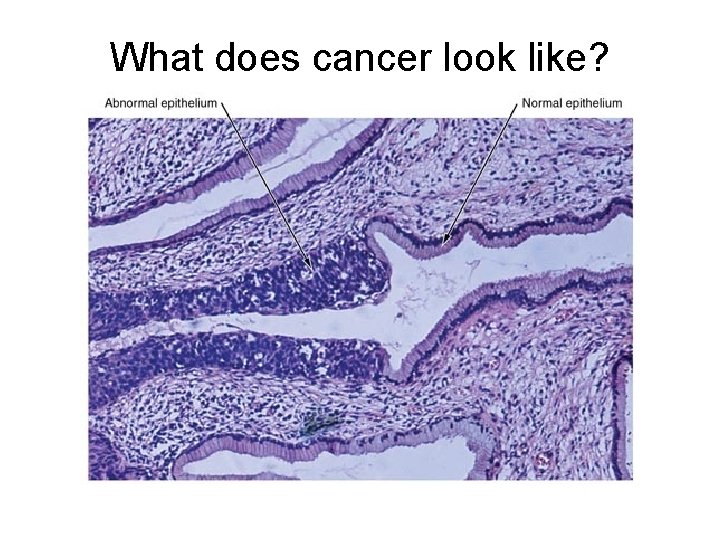
What does cancer look like?
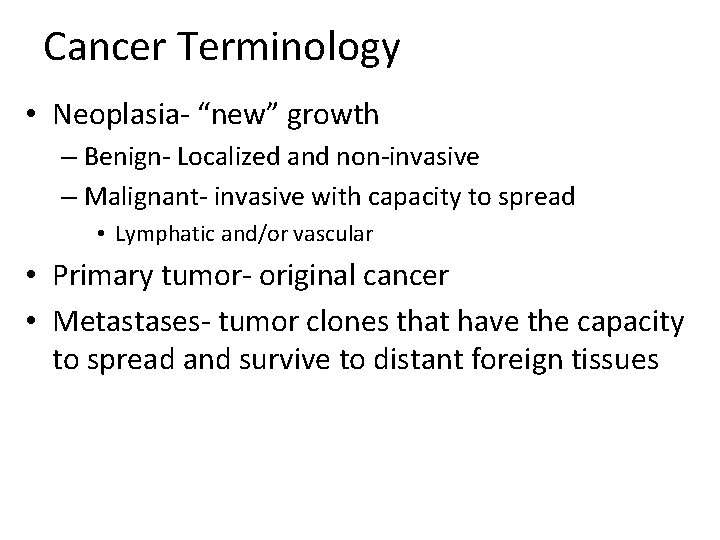
Cancer Terminology • Neoplasia- “new” growth – Benign- Localized and non-invasive – Malignant- invasive with capacity to spread • Lymphatic and/or vascular • Primary tumor- original cancer • Metastases- tumor clones that have the capacity to spread and survive to distant foreign tissues
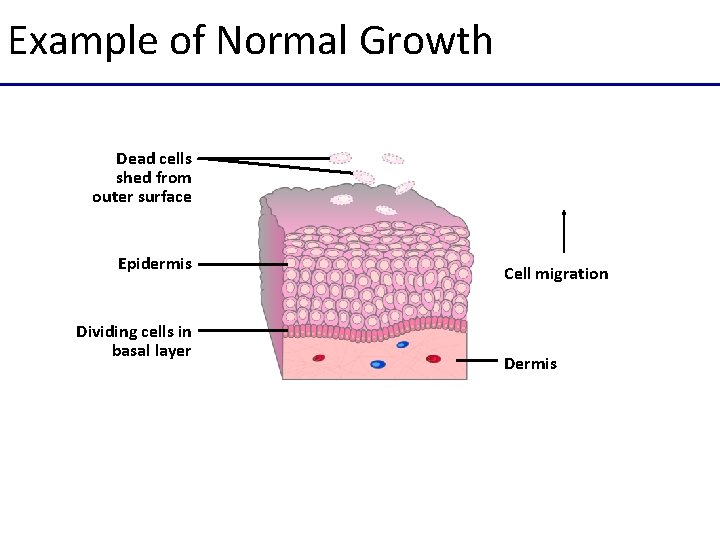
Example of Normal Growth Dead cells shed from outer surface Epidermis Dividing cells in basal layer Cell migration Dermis
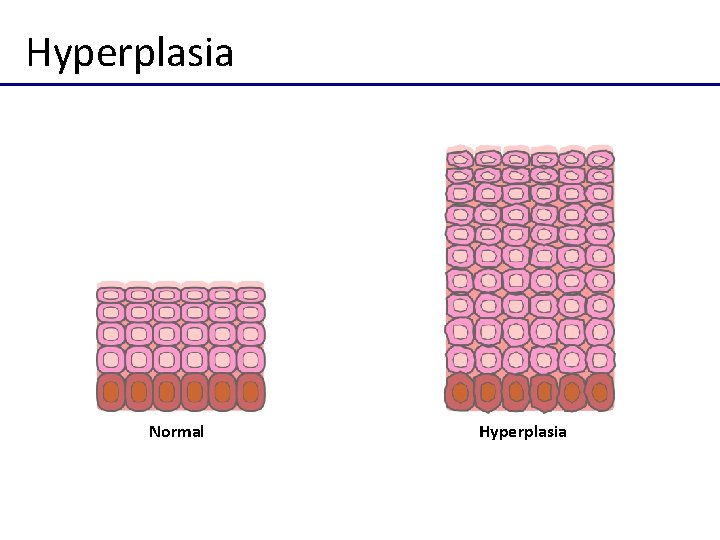
Hyperplasia Normal Hyperplasia
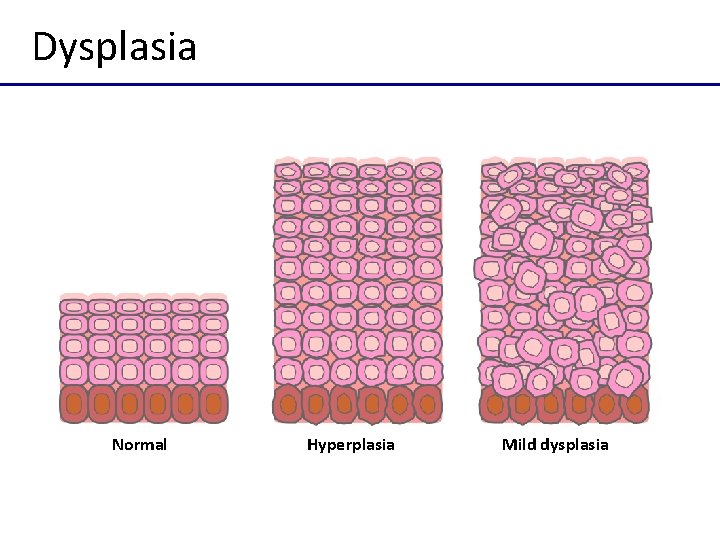
Dysplasia Normal Hyperplasia Mild dysplasia
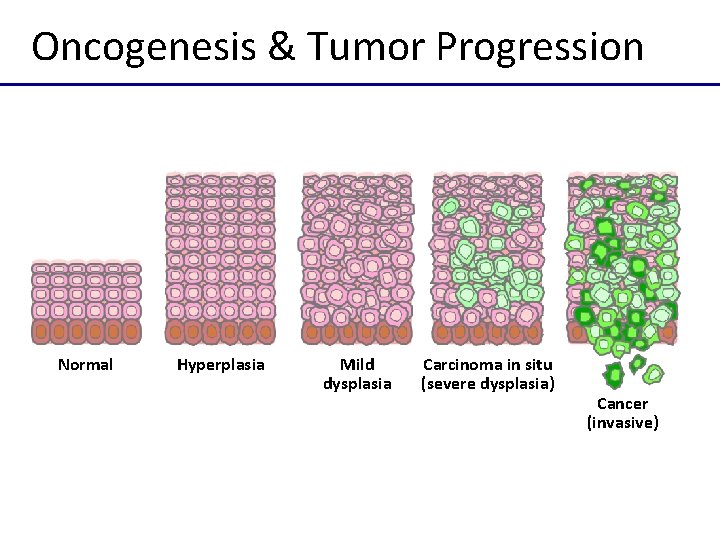
Oncogenesis & Tumor Progression Normal Hyperplasia Mild dysplasia Carcinoma in situ (severe dysplasia) Cancer (invasive)
Multi-Step Development (Tumorigenesis) • Cancer develops progressively – Normal cell – Hyperplasia • Excessive numbers, but normal – Metaplasia • Normal cells, but co-mingling (stromal elements) – Dysplasia • Cytologically abnormal – Carcinoma in situ (pre-invasive) (e. g. , ductal) • Abnormal, but non-invasive to basal membrane barrier – Invasive carcinoma
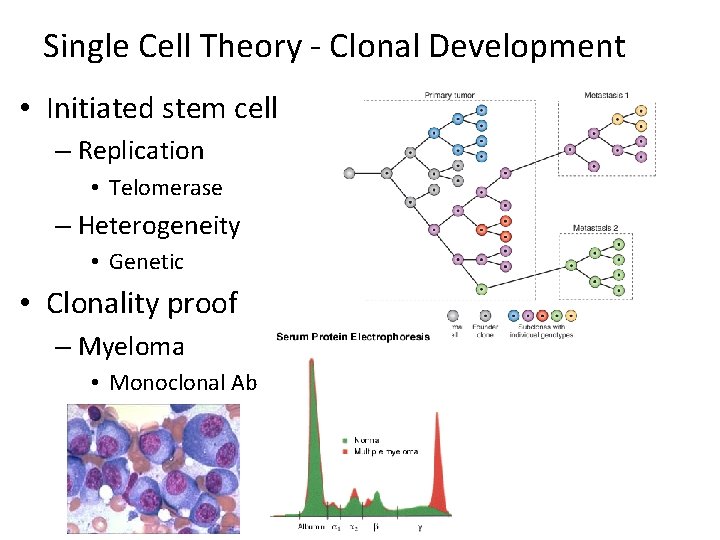
Single Cell Theory - Clonal Development • Initiated stem cell – Replication • Telomerase – Heterogeneity • Genetic • Clonality proof – Myeloma • Monoclonal Ab
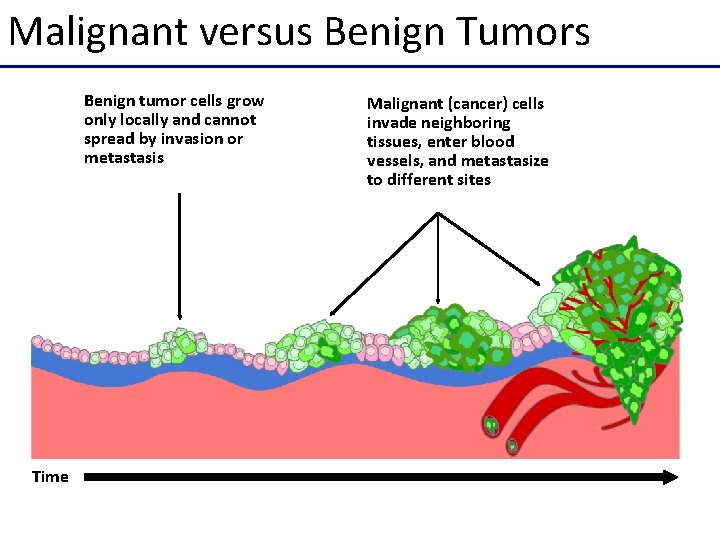
Malignant versus Benign Tumors Benign tumor cells grow only locally and cannot spread by invasion or metastasis Time Malignant (cancer) cells invade neighboring tissues, enter blood vessels, and metastasize to different sites
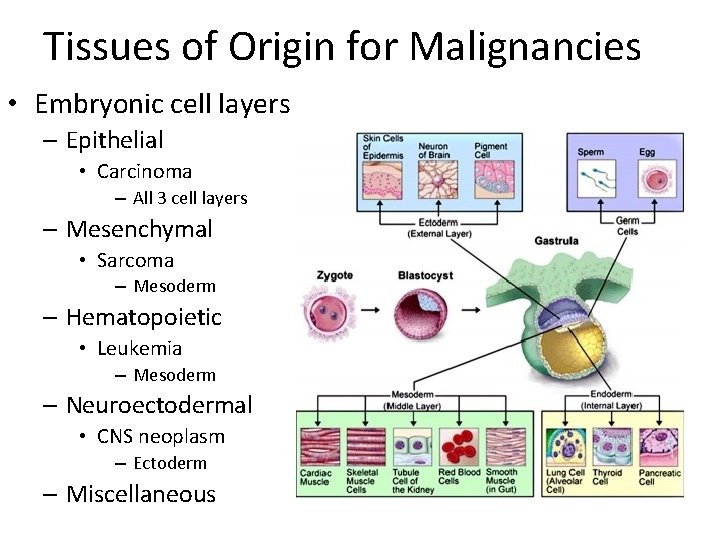
Tissues of Origin for Malignancies • Embryonic cell layers – Epithelial • Carcinoma – All 3 cell layers – Mesenchymal • Sarcoma – Mesoderm – Hematopoietic • Leukemia – Mesoderm – Neuroectodermal • CNS neoplasm – Ectoderm – Miscellaneous
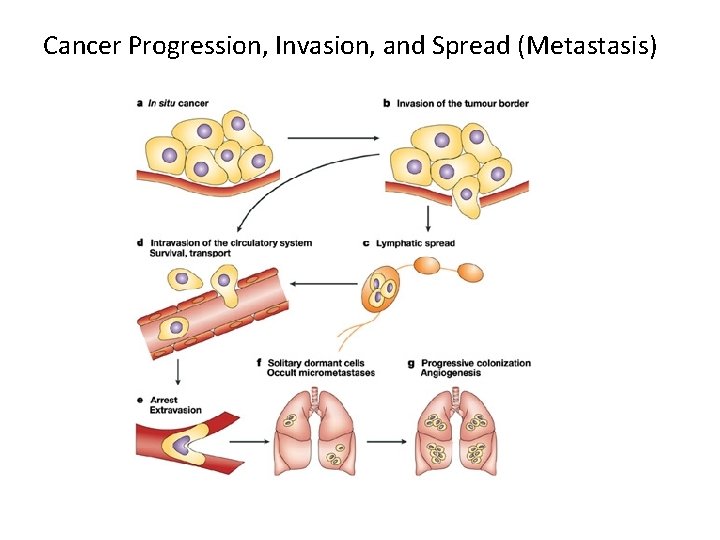
Cancer Progression, Invasion, and Spread (Metastasis)
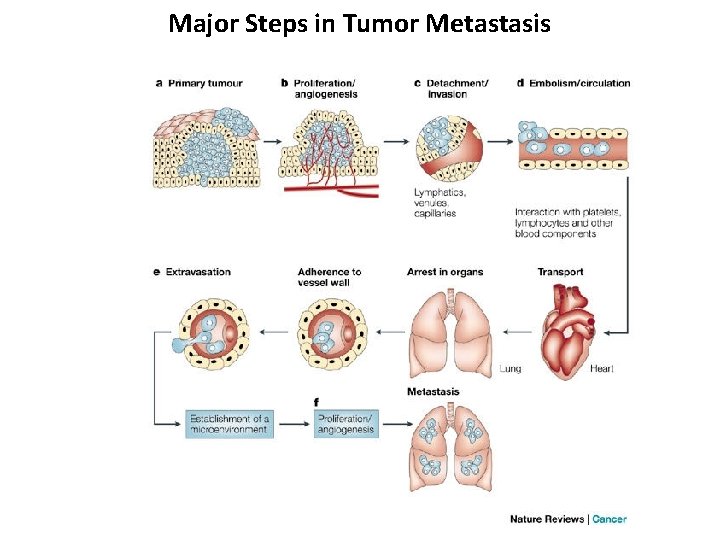
Major Steps in Tumor Metastasis
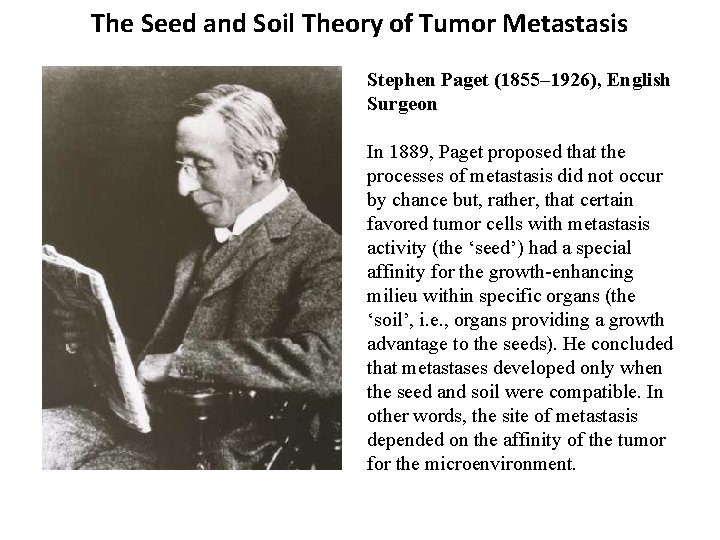
The Seed and Soil Theory of Tumor Metastasis Stephen Paget (1855– 1926), English Surgeon In 1889, Paget proposed that the processes of metastasis did not occur by chance but, rather, that certain favored tumor cells with metastasis activity (the ‘seed’) had a special affinity for the growth-enhancing milieu within specific organs (the ‘soil’, i. e. , organs providing a growth advantage to the seeds). He concluded that metastases developed only when the seed and soil were compatible. In other words, the site of metastasis depended on the affinity of the tumor for the microenvironment.
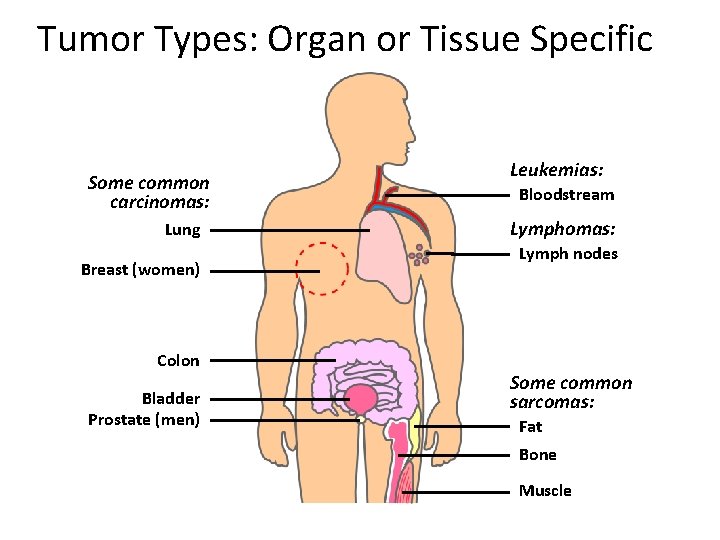
Tumor Types: Organ or Tissue Specific Some common carcinomas: Lung Breast (women) Colon Bladder Prostate (men) Leukemias: Bloodstream Lymphomas: Lymph nodes Some common sarcomas: Fat Bone Muscle
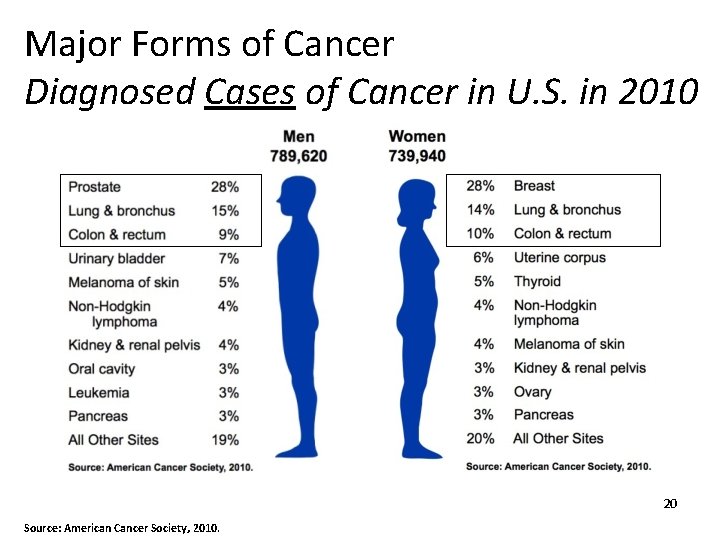
Major Forms of Cancer Diagnosed Cases of Cancer in U. S. in 2010 20 Source: American Cancer Society, 2010.
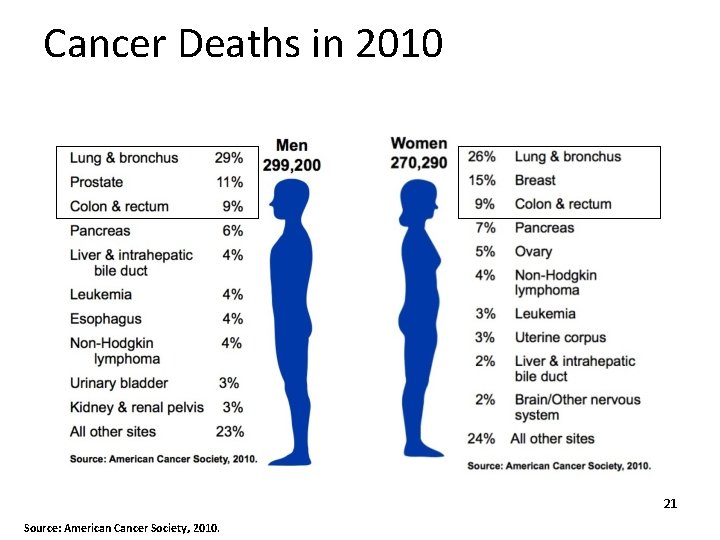
Cancer Deaths in 2010 21 Source: American Cancer Society, 2010.
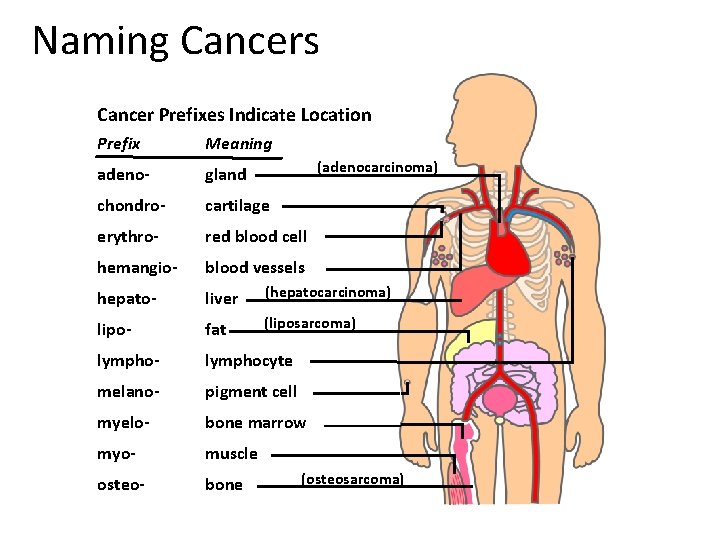
Naming Cancers Cancer Prefixes Indicate Location Prefix Meaning adeno- gland chondro- cartilage erythro- red blood cell hemangio- blood vessels hepato- liver (hepatocarcinoma) lipo- fat (liposarcoma) lympho- lymphocyte melano- pigment cell myelo- bone marrow myo- muscle osteo- bone (adenocarcinoma) (osteosarcoma)
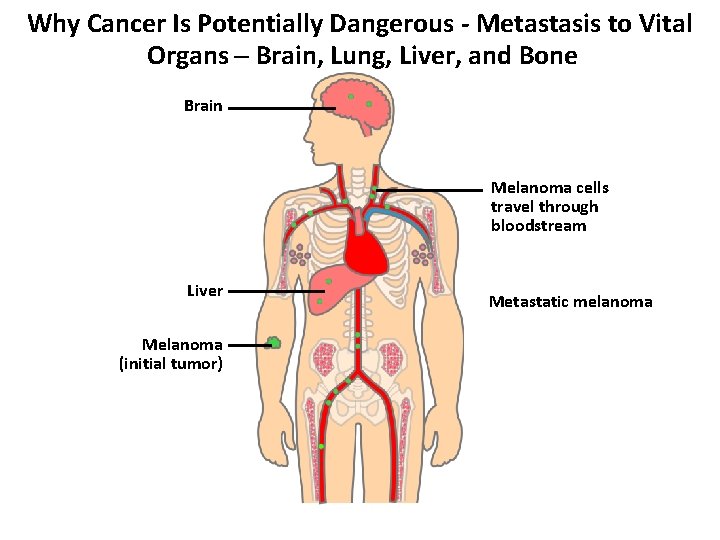
Why Cancer Is Potentially Dangerous - Metastasis to Vital Organs – Brain, Lung, Liver, and Bone Brain Melanoma cells travel through bloodstream Liver Melanoma (initial tumor) Metastatic melanoma
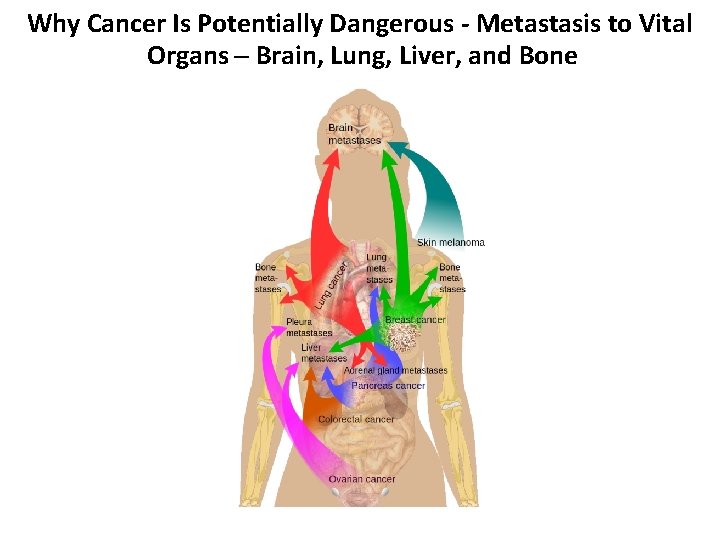
Why Cancer Is Potentially Dangerous - Metastasis to Vital Organs – Brain, Lung, Liver, and Bone
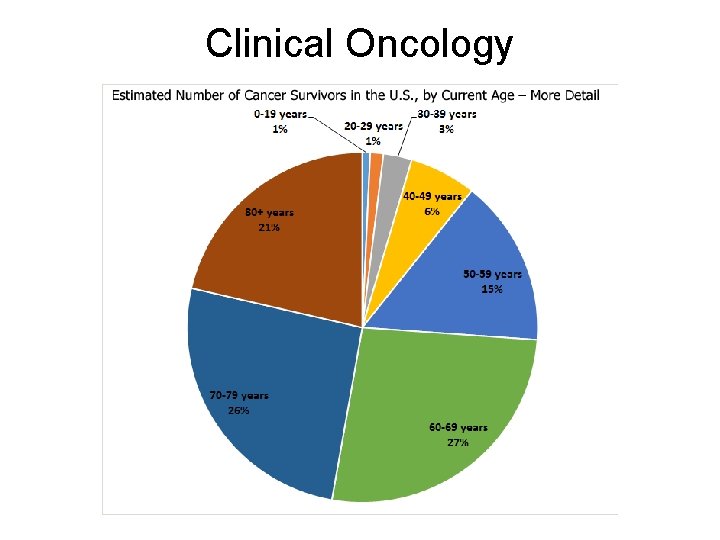
Clinical Oncology
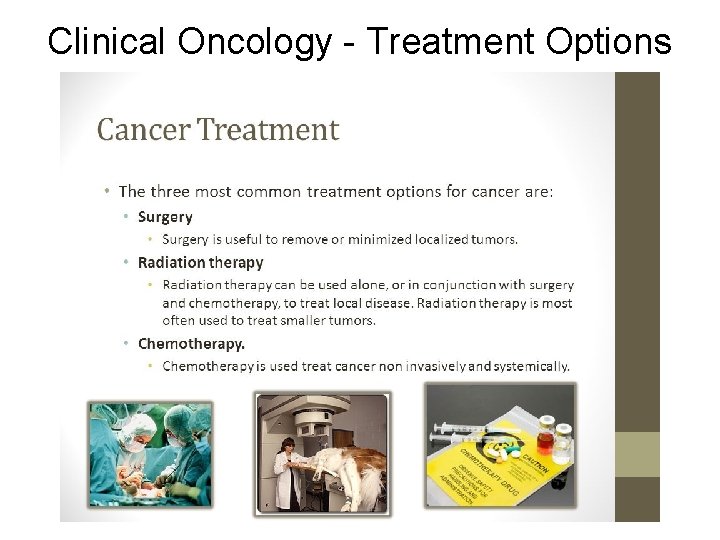
Clinical Oncology - Treatment Options
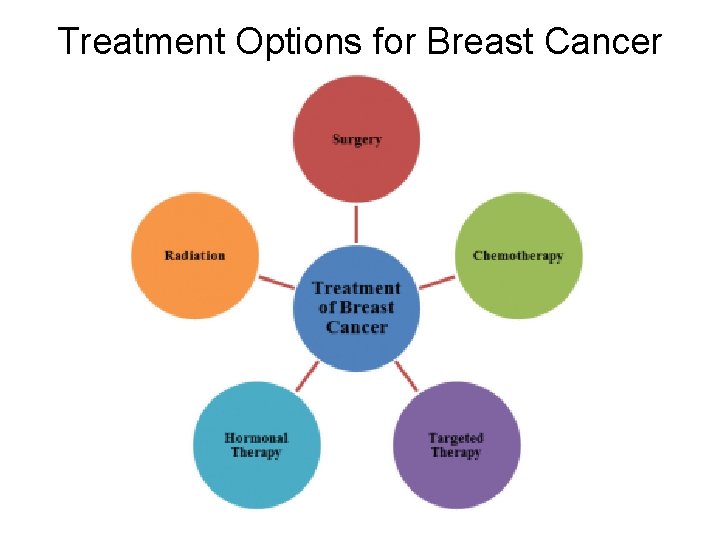
Treatment Options for Breast Cancer
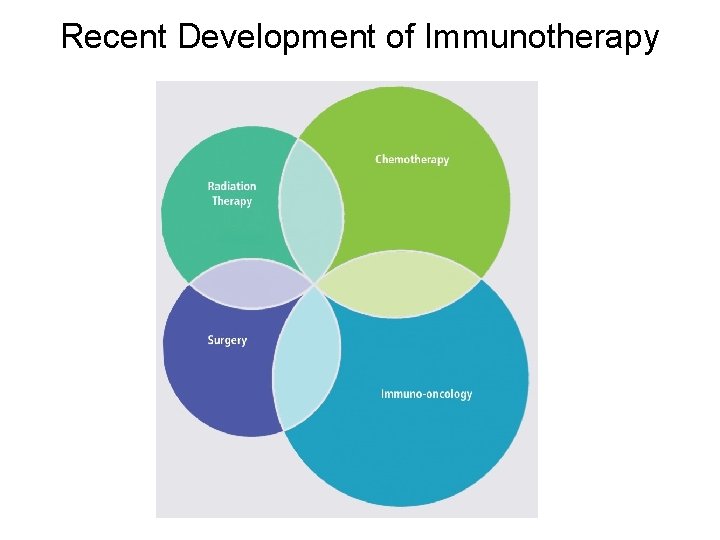
Recent Development of Immunotherapy
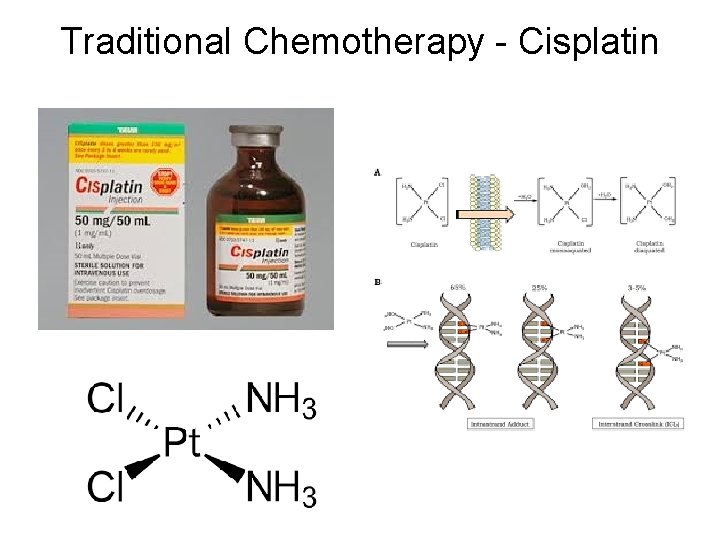
Traditional Chemotherapy - Cisplatin
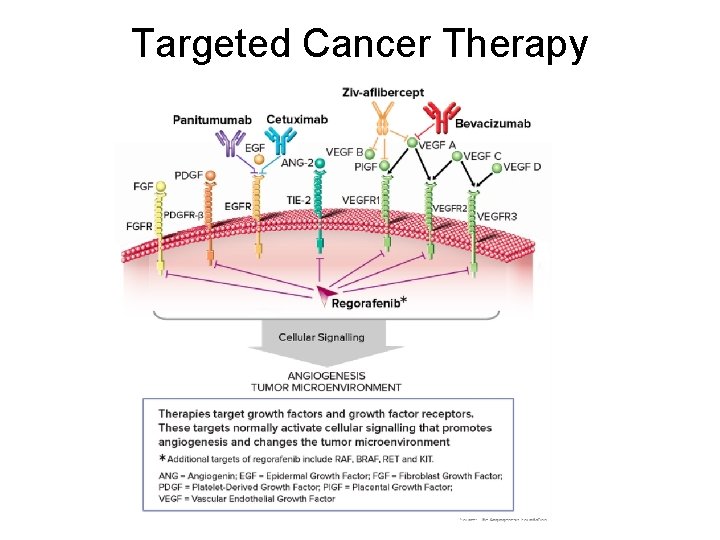
Targeted Cancer Therapy
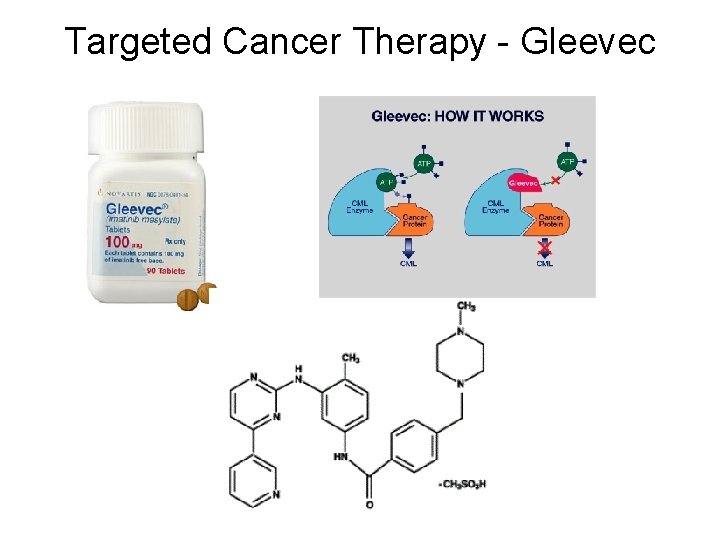
Targeted Cancer Therapy - Gleevec
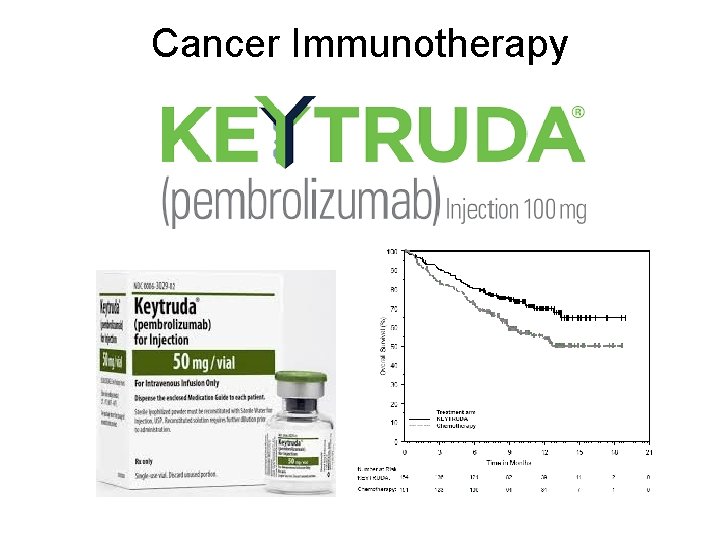
Cancer Immunotherapy
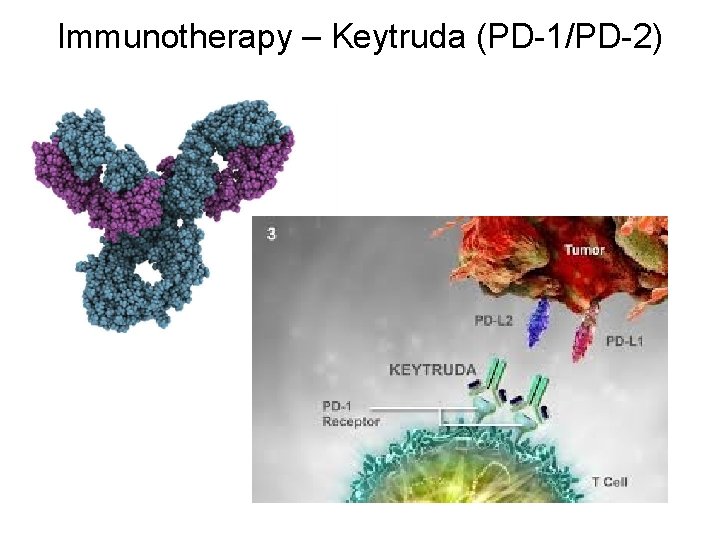
Immunotherapy – Keytruda (PD-1/PD-2)
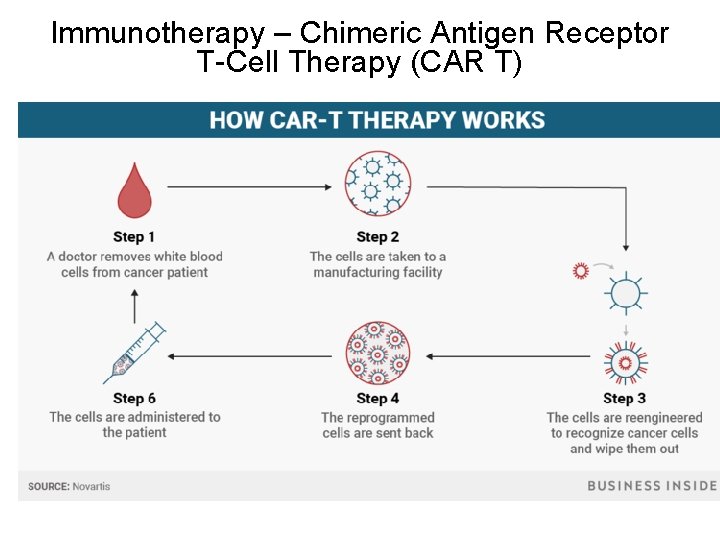
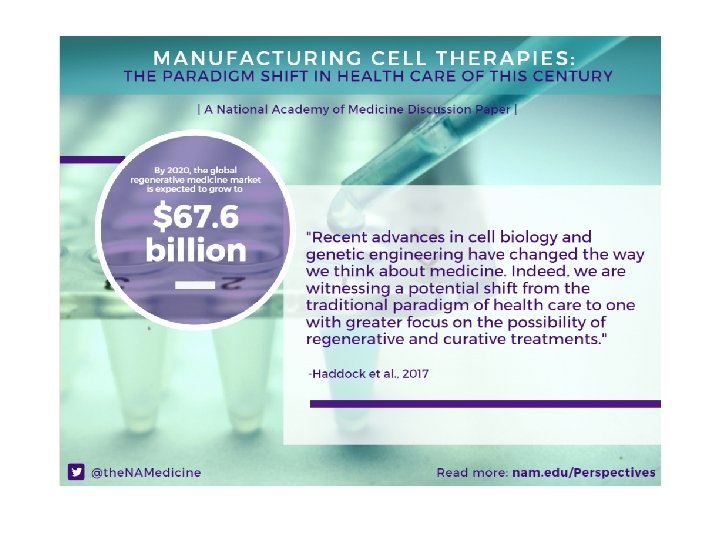
Immunotherapy – Chimeric Antigen Receptor T-Cell Therapy (CAR T)
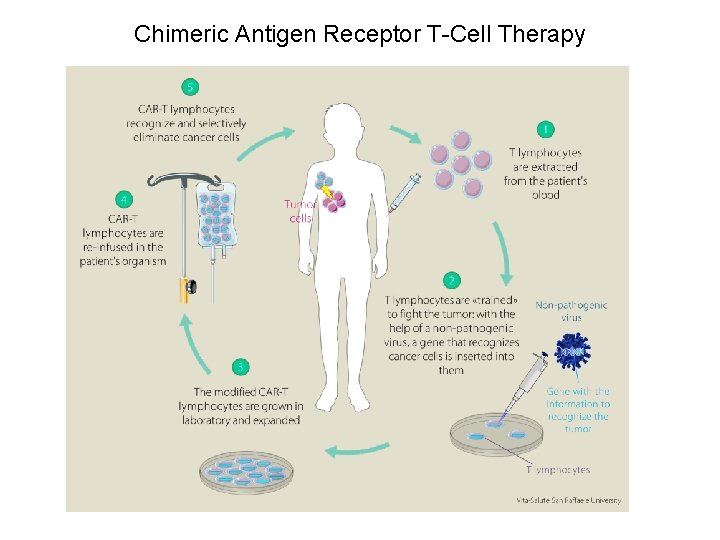
Chimeric Antigen Receptor T-Cell Therapy
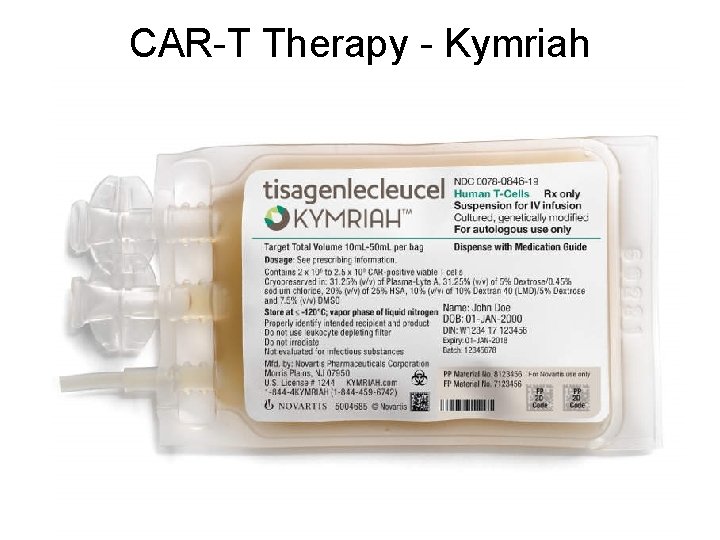
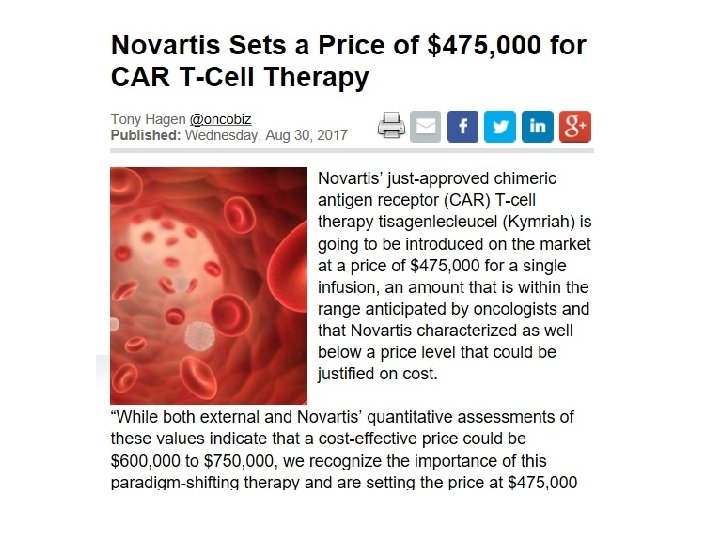
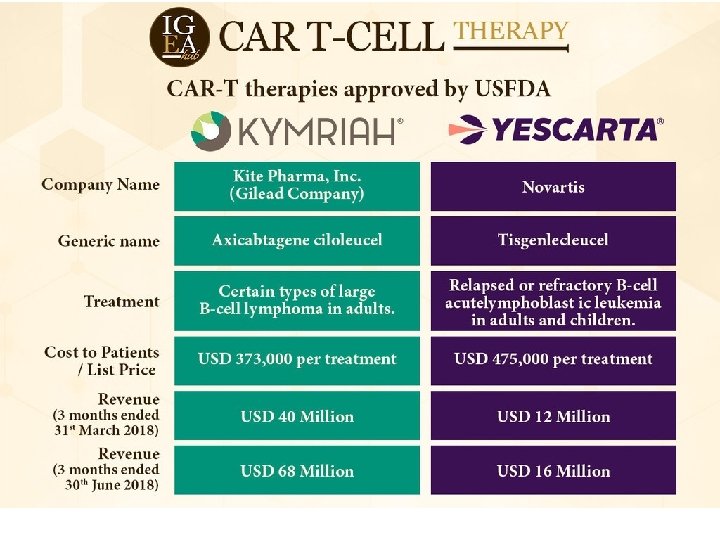
CAR-T Therapy - Kymriah
Clinical Oncology
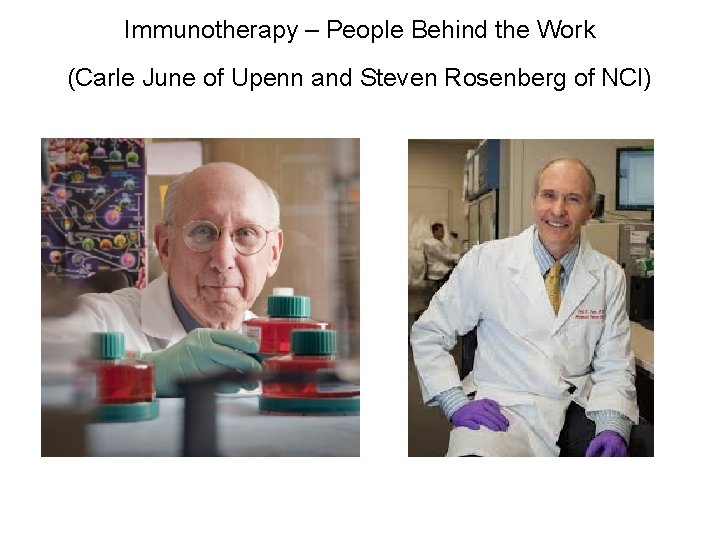
Immunotherapy – People Behind the Work (Carle June of Upenn and Steven Rosenberg of NCI)
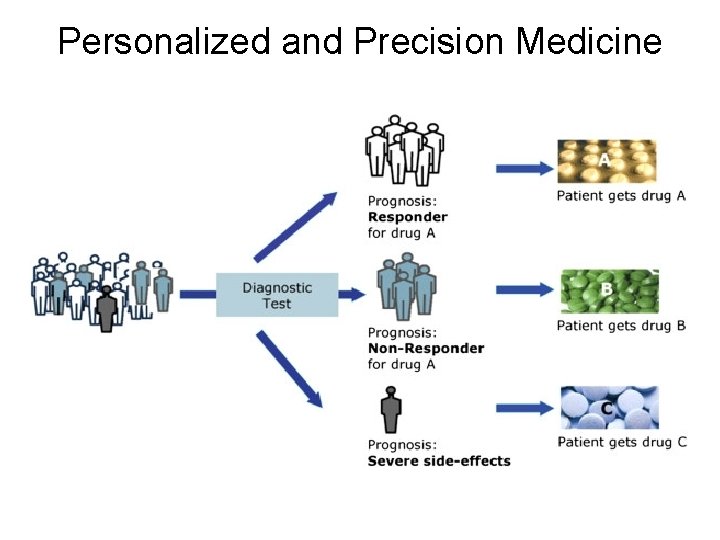
Personalized and Precision Medicine
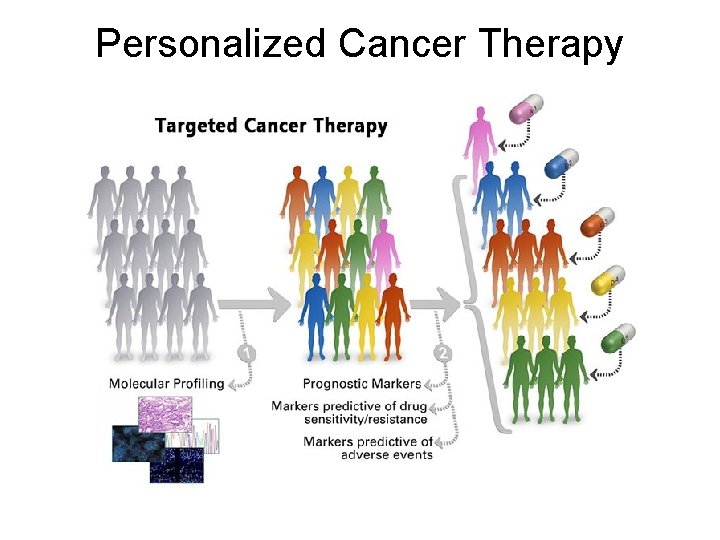
Personalized Cancer Therapy
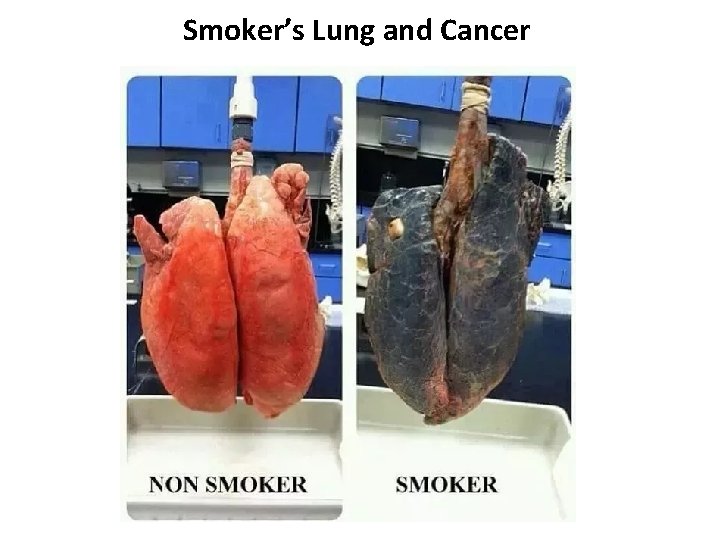
Smoker’s Lung and Cancer
- Slides: 43