
Cancer Gene Therapy Using Tumor Suppressor Genes Overview

- Slides: 24
Cancer Gene Therapy …Using Tumor Suppressor Genes.
Overview Gene Therapy n p 53 n Using Gene Therapy to Treat Lung Cancer n Problems n
Gene Therapy Vectors n In Vivo vs. Ex Vivo n Which cells are the target cells n
What is Gene Therapy? n Gene therapy is a technique for introducing the genetic material of a gene in a patient that lacks that gene because of a mutation.
Vectors The way you insert the “normal” gene in the patient’s cell is by vectors. n The most common vectors that are used in gene therapy are virus vectors n
Why Viruses? n n n Viruses through the time of evolution have evolved to infect the cells with great specificity Viruses tend to be very efficient at transfecting their own DNA into the host cell genome. This allows them to produce new viral particles at the period of synthesis of the cell
Types Of Viruses… Retrovirus n Adinovirus n Lentiviruses n Poxviruses n and Herpes Viruses n
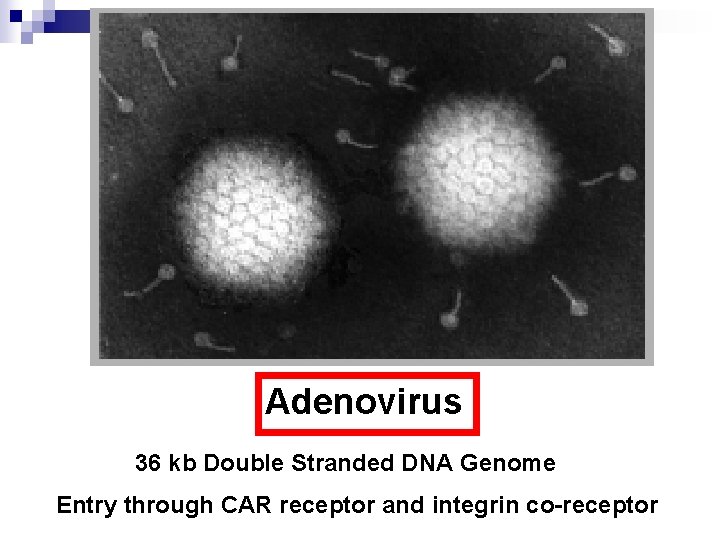
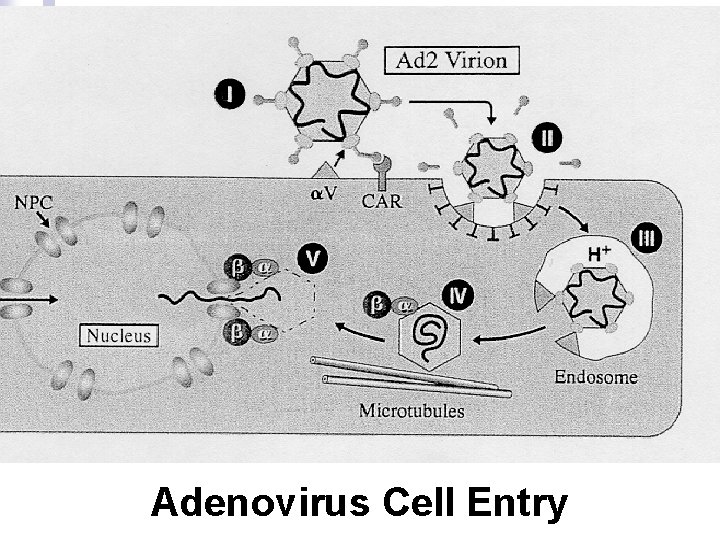
Adenovirus 36 kb Double Stranded DNA Genome Entry through CAR receptor and integrin co-receptor
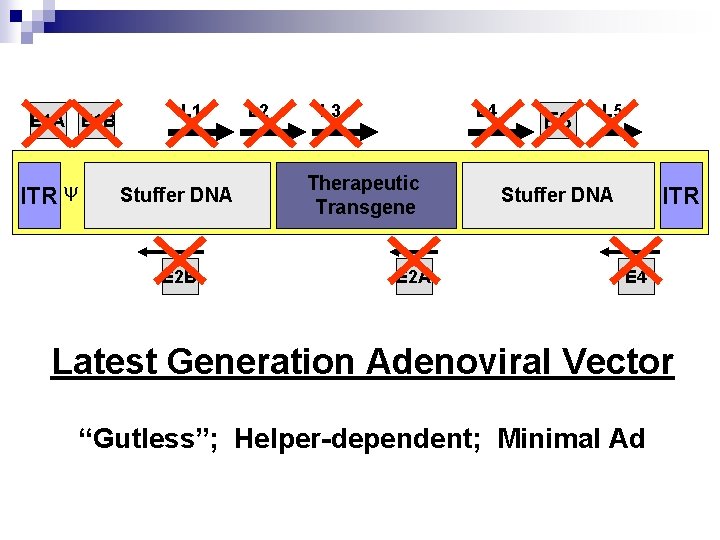
E 1 A E 1 B ITR L 1 Stuffer DNA E 2 B L 2 L 4 L 3 Therapeutic Transgene E 2 A E 3 L 5 ITR Stuffer DNA E 4 Latest Generation Adenoviral Vector “Gutless”; Helper-dependent; Minimal Ad
Which Virus to Use? n Depends how well they transfer the genes to cells n which cells they can recognize and infect n and whether they alter the cell’s DNA permanently or temporarily n
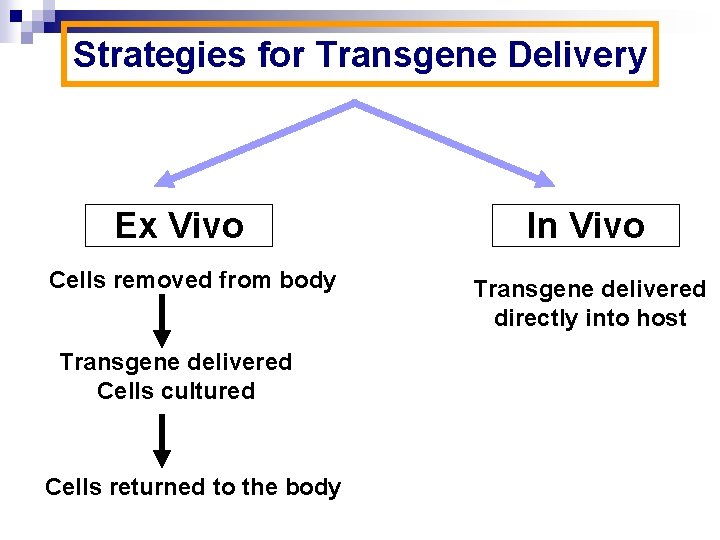
Strategies for Transgene Delivery Ex Vivo Cells removed from body Transgene delivered Cells cultured Cells returned to the body In Vivo Transgene delivered directly into host
Which cells are the target cells Both Healthy and Cancerous cells can be a target n Ex of targeting Healthy cells n ¨ One way is by replacing a missing or altered gene with a “normal” one
Cont: Which cells are the target cells n Ex of targeting Cancer Cells n Scientists can target cancer cells with genes that can be used to destroy the cells. In this technique, cancer cells are introduced to what is called “suicide genes”
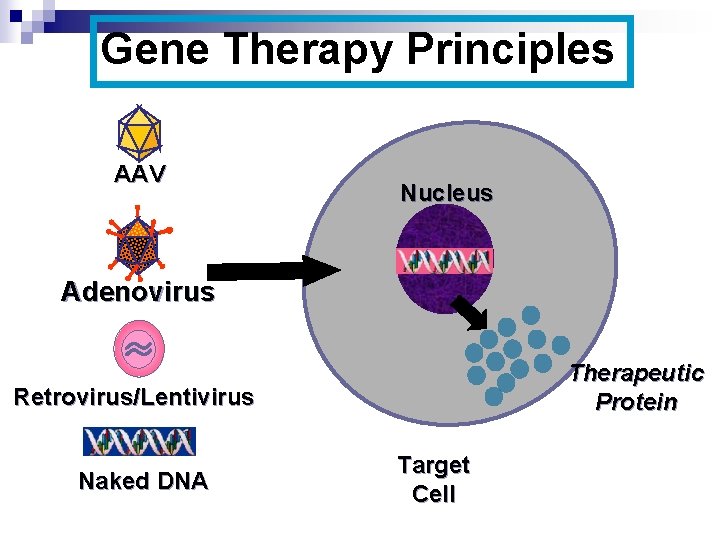
Gene Therapy Principles AAV Nucleus Adenovirus Therapeutic Protein Retrovirus/Lentivirus Naked DNA Target Cell
Adenovirus Cell Entry
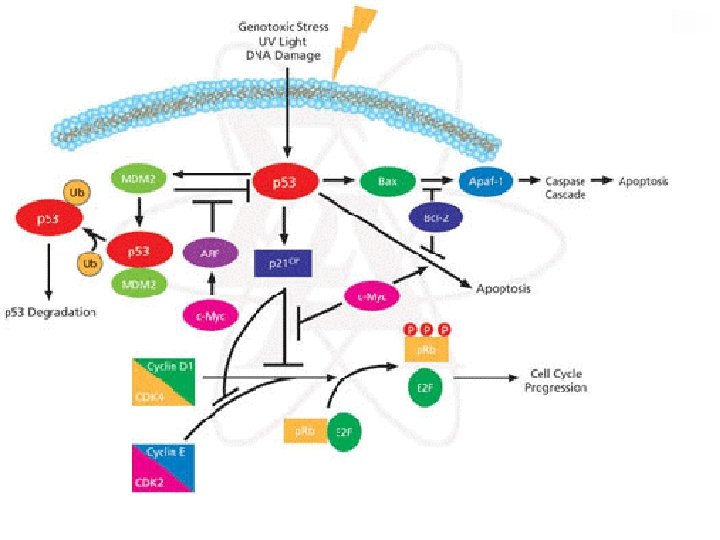
p 53 Pathway
Using Gene Therapy to Treat Lung Cancer n In this clinical trial the scientist used gene therapy in combination with radiation therapy so they can treat lung cancer in 19 different patients
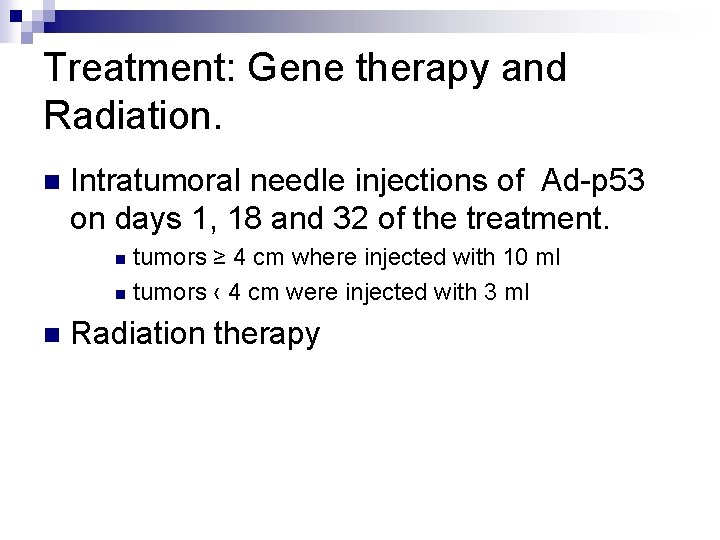
Treatment: Gene therapy and Radiation. n Intratumoral needle injections of Ad-p 53 on days 1, 18 and 32 of the treatment. tumors ≥ 4 cm where injected with 10 ml n tumors ‹ 4 cm were injected with 3 ml n n Radiation therapy
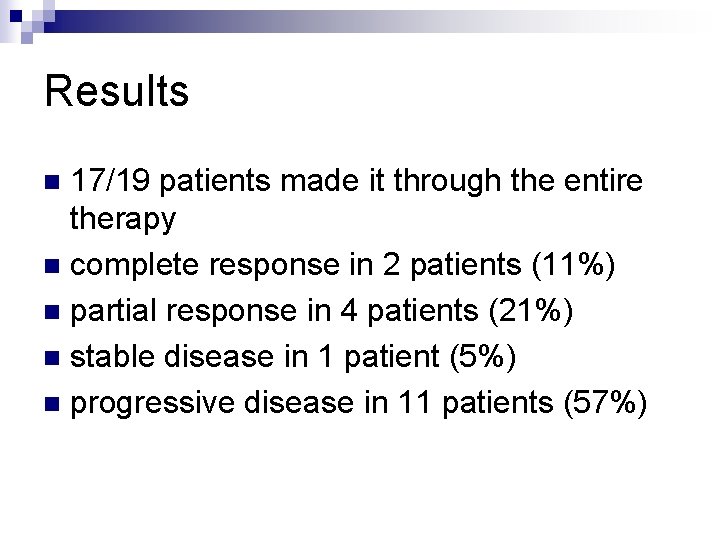
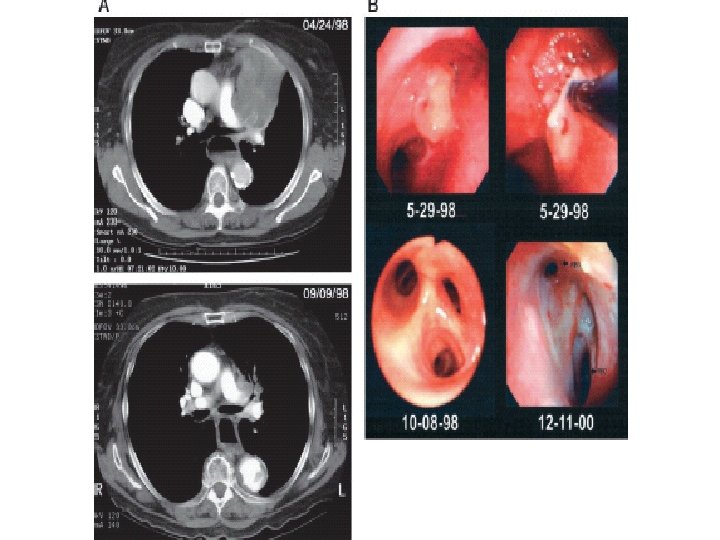
Results 17/19 patients made it through the entire therapy n complete response in 2 patients (11%) n partial response in 4 patients (21%) n stable disease in 1 patient (5%) n progressive disease in 11 patients (57%) n
Results Not That Good 57% of the patients showed that the cancer progressed to worse stages n Why? n
Major Problems that Scientists Must Overcome Identify more efficient ways to deliver the genes to the patients’ genetic material n Develop vectors that can specifically focus on the targeted cells n Ensure that vectors will successfully insert the desired genes into each of these target cells n
Cont: Major Problems that Scientists Must Overcome Deliver genes to a precise location in the patient’s DNA n Ensure that transplanted genes are precisely controlled by the body’s normal physiologic signals n