
Canadian Indigenous Childrens Books Through the Lens of
Canadian Indigenous Children’s Books Through the Lens of Truth and Reconciliation Sandy Campbell 1 , Maria Tan 1 and Andrea Quaiattini 2 1 John W. Scott Health Sciences Library, University of Alberta 2 Schulich Library of Physical Sciences, Life Sciences, and Engineering , Mc. Gill University
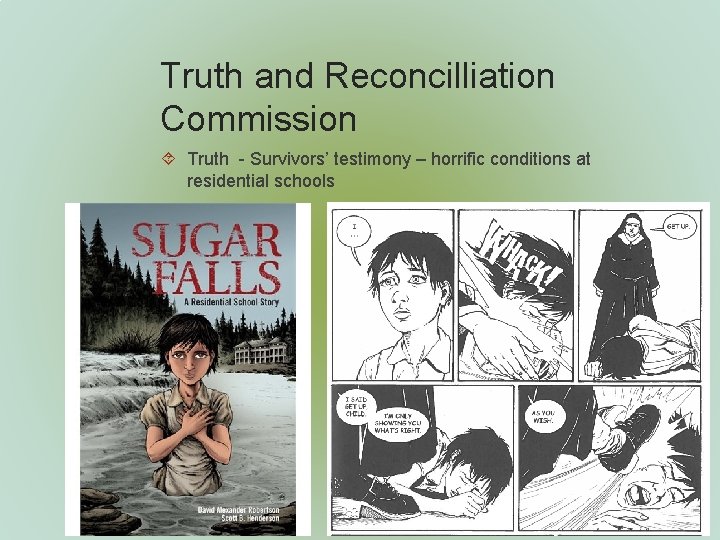
Truth and Reconcilliation Commission Truth - Survivors’ testimony – horrific conditions at residential schools
Truth and Reconciliation Commission Reconciliation 6 volumes – 94 Calls To Action High level – difficult to grasp How should the average person respond? Storytelling Traditional way of communicating If children can understand the content, perhaps we can.
Study Design Amazon Best Sellers in Children’s Native Canadian Story Books 7 weeks - August, 2017 – forward. Public library lists, academic lists, publisher and author websites More than 460 books identified More than 150 books selected for list Identified themes (116), collated themes, Created book lists
Inclusion/Exclusion Criteria Fictional works Written for children (0 – 18) Written by a Canadian Indigenous person (with some exceptions) Contains material related to the TRC Calls to Action No date limit No place of publication limit
Limitations Don’t know that we found everything May have missed some authors Interpretation of themes influenced by reviewers’ personal backgrounds
Conclusions Children’s books provide good insight into Truth and Reconciliation Non-threatening way to learn about Indigenous issues Products List of books about Residential Schools List of books about Truth and Reconciliation and the way forward This paper/presentation, poster and presentation at Canadian Health Libraries Association to help build knowledge.
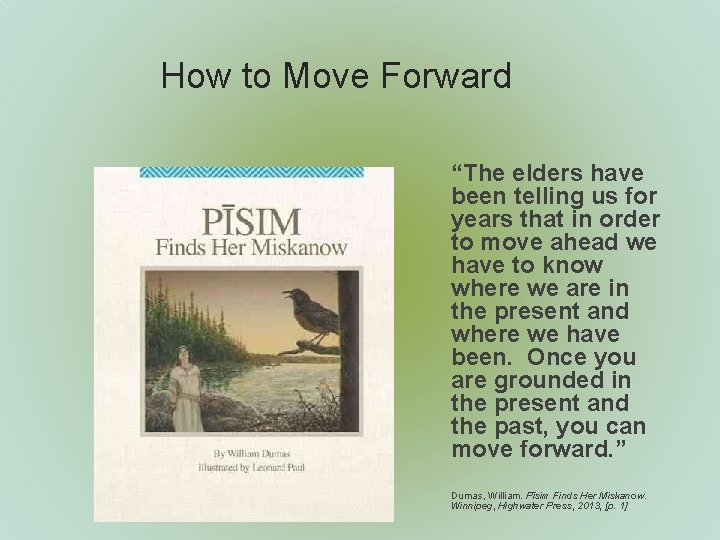
How to Move Forward “The elders have been telling us for years that in order to move ahead we have to know where we are in the present and where we have been. Once you are grounded in the present and the past, you can move forward. ” Dumas, William. Pīsim Finds Her Miskanow. Winnipeg, Highwater Press, 2013, [p. 1]
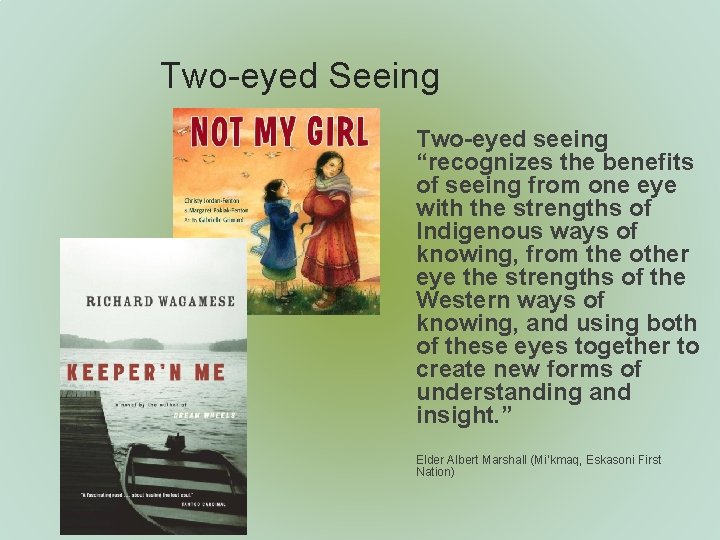
Two-eyed Seeing Two-eyed seeing “recognizes the benefits of seeing from one eye with the strengths of Indigenous ways of knowing, from the other eye the strengths of the Western ways of knowing, and using both of these eyes together to create new forms of understanding and insight. ” Elder Albert Marshall (Mi’kmaq, Eskasoni First Nation)
Understanding Trauma and Inequity Intergenerational Trauma Missing and Murdered Indigenous Women Health Care Criminal Justice
Intergenerational Trauma and Legacy of Trauma “It’s one of our favorite coping strategies. We hurt, we drink, we shoot cocaine, we hurt some more, we drink some more, shoot some more cocaine, and by that time we hurt so much, we hurt someone else. Turns out in the end we are all looking for a way out. And we hurt ourselves. Hurt people hurt people. ” Zeb in White Girl. Olsen, Sylvia. White Girl. Winlaw, BC. Sono Nis Press, 2004, p. 203.
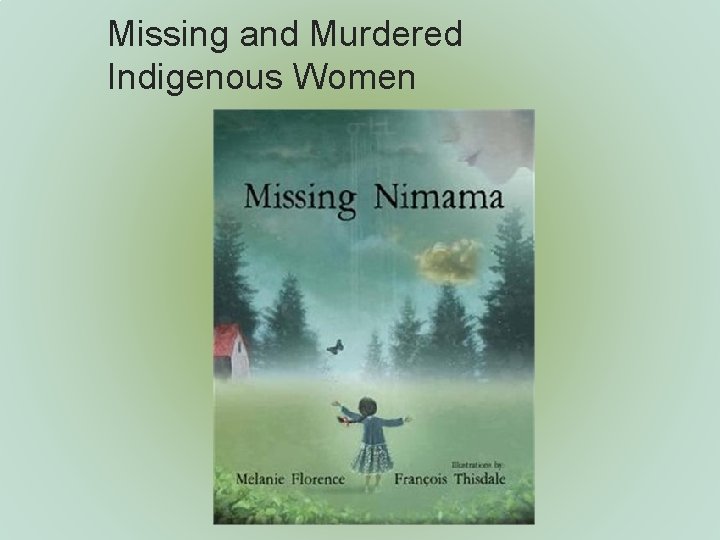
Missing and Murdered Indigenous Women
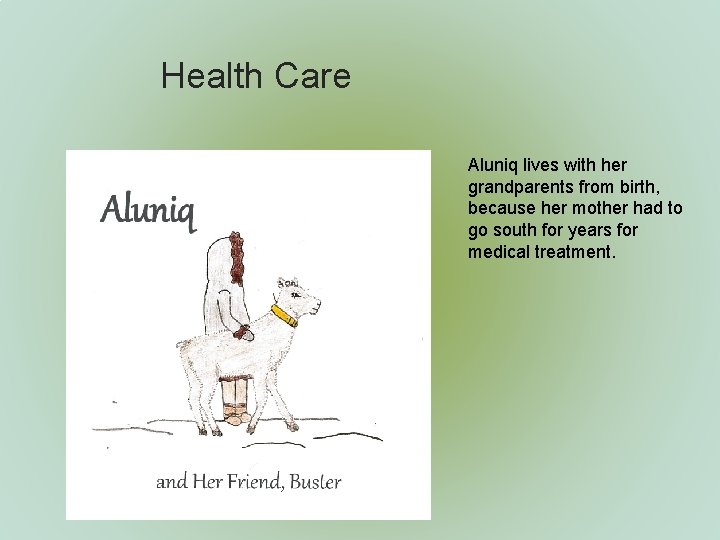
Health Care Aluniq lives with her grandparents from birth, because her mother had to go south for years for medical treatment.
Criminal Justice
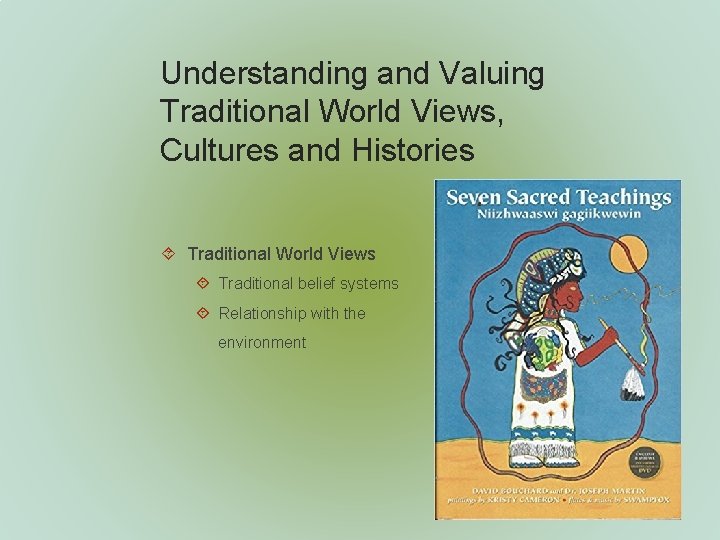
Understanding and Valuing Traditional World Views, Cultures and Histories Traditional World Views Traditional belief systems Relationship with the environment
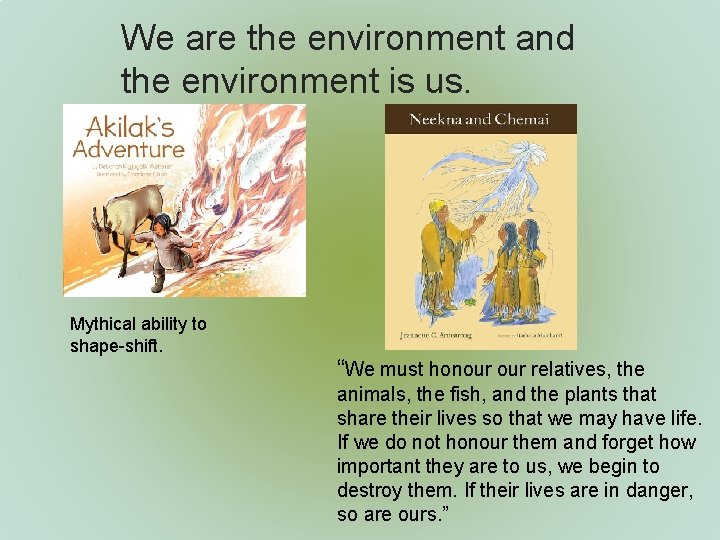
We are the environment and the environment is us. Mythical ability to shape-shift. “We must honour relatives, the animals, the fish, and the plants that share their lives so that we may have life. If we do not honour them and forget how important they are to us, we begin to destroy them. If their lives are in danger, so are ours. ”
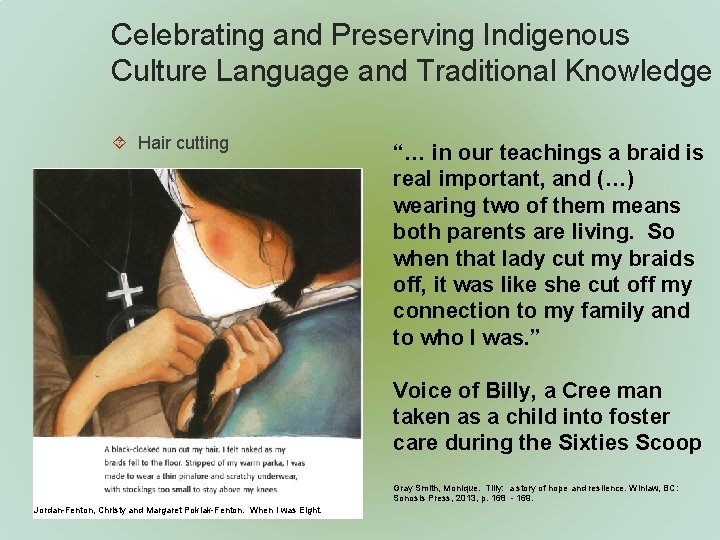
Celebrating and Preserving Indigenous Culture Language and Traditional Knowledge Hair cutting “… in our teachings a braid is real important, and (…) wearing two of them means both parents are living. So when that lady cut my braids off, it was like she cut off my connection to my family and to who I was. ” Voice of Billy, a Cree man taken as a child into foster care during the Sixties Scoop Gray Smith, Monique. Tilly: a story of hope and reslience. Winlaw, BC: Sonosis Press, 2013, p. 168 - 169. Jordan-Fenton, Christy and Margaret Pokiak-Fenton. When I was Eight.
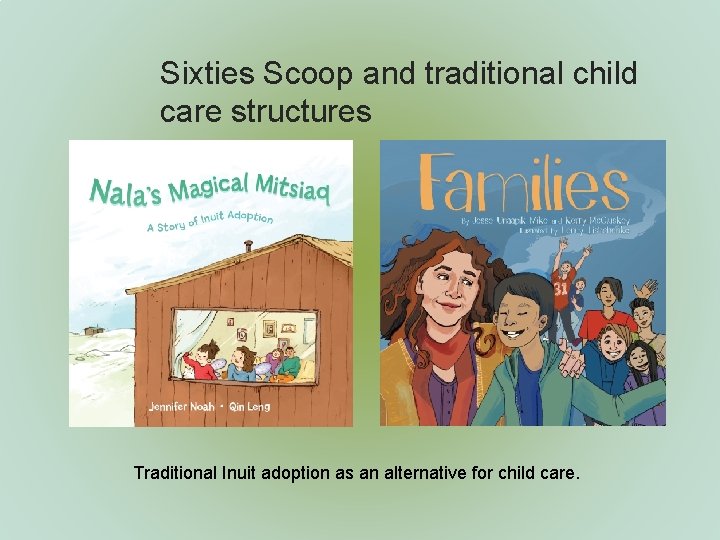
Sixties Scoop and traditional child care structures Traditional Inuit adoption as an alternative for child care.
Cultural Practices Dance, Potlatch Ceremony Naming practices Language recovery
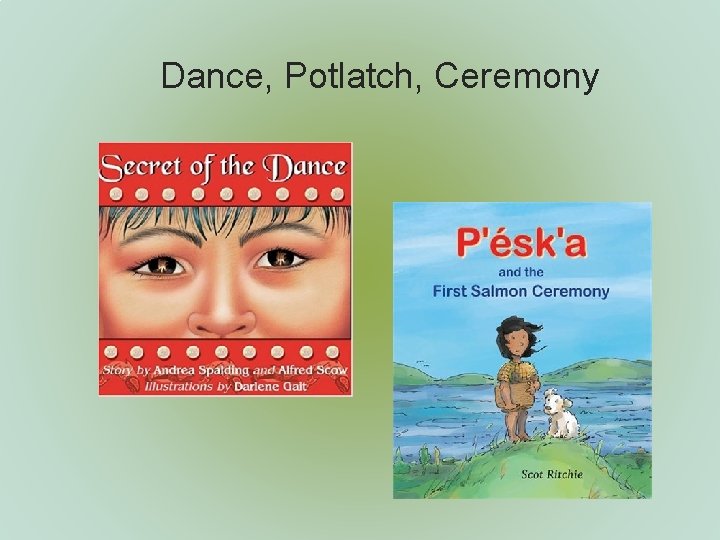
Dance, Potlatch, Ceremony
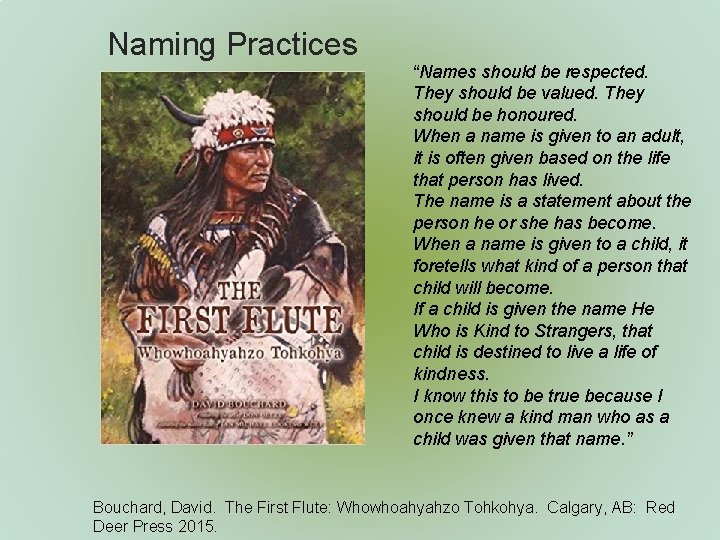
Naming Practices “Names should be respected. They should be valued. They should be honoured. When a name is given to an adult, it is often given based on the life that person has lived. The name is a statement about the person he or she has become. When a name is given to a child, it foretells what kind of a person that child will become. If a child is given the name He Who is Kind to Strangers, that child is destined to live a life of kindness. I know this to be true because I once knew a kind man who as a child was given that name. ” Bouchard, David. The First Flute: Whowhoahyahzo Tohkohya. Calgary, AB: Red Deer Press 2015.
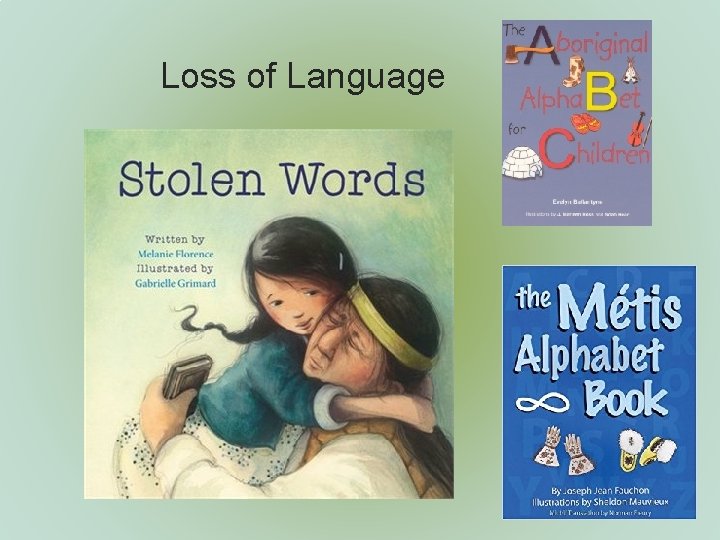
Loss of Language
Traditional Skills Raising and caring for sled dogs Preparing food Hunting Fishing Gathering
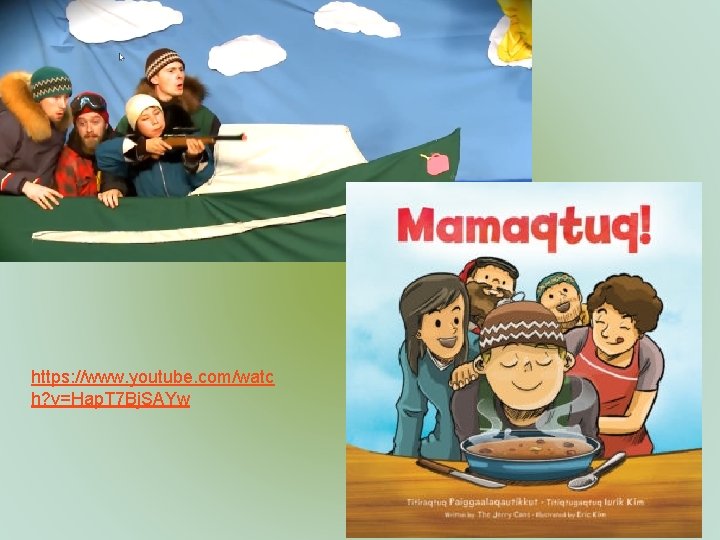
https: //www. youtube. com/watc h? v=Hap. T 7 Bj. SAYw

Thank you for your attention Questions?
- Slides: 25