
Campaigns and Elections Candidates selfstarters vs recruited by
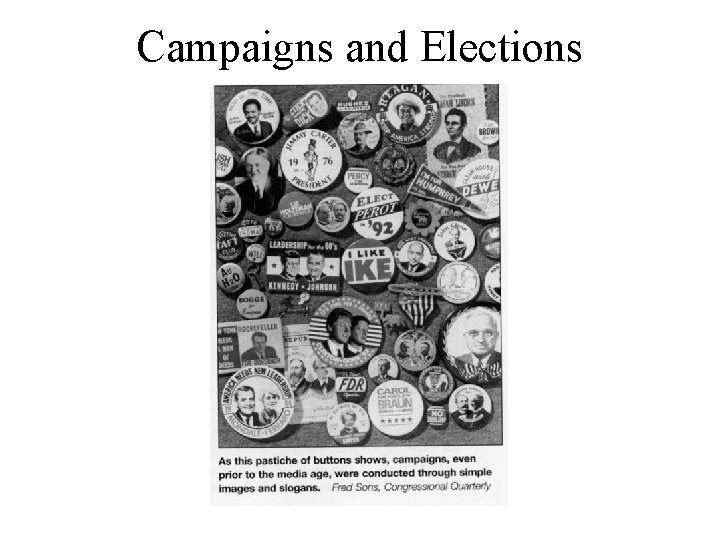
Campaigns and Elections
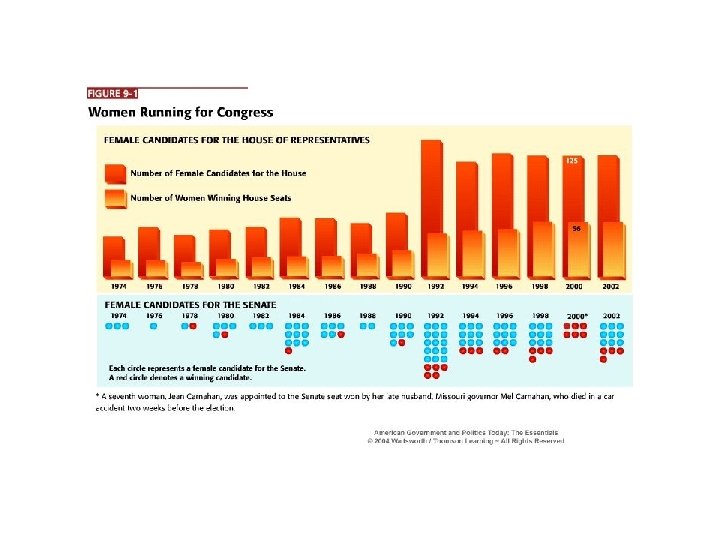
Candidates • “self-starters” vs. recruited by parties • Motivation • Profile
Changing campaign styles • • More personalized Less reliant on organization More expensive More professionals, less volunteers
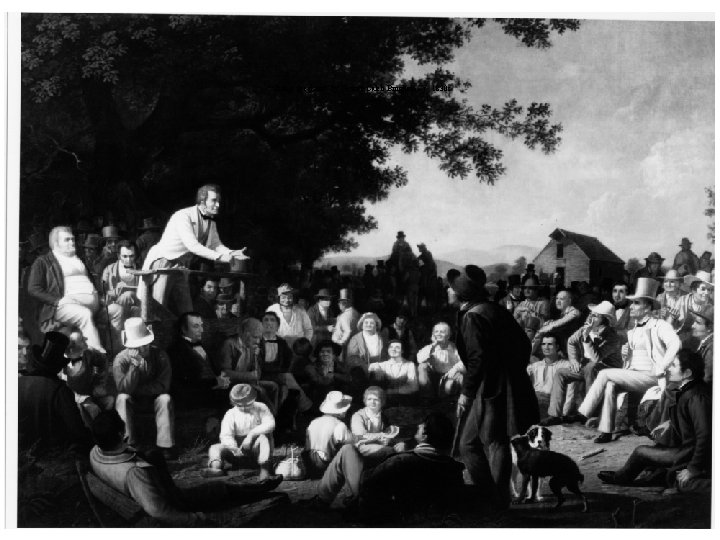
“Stump Speaking” by George Caleb Bingham – c. 1830 s
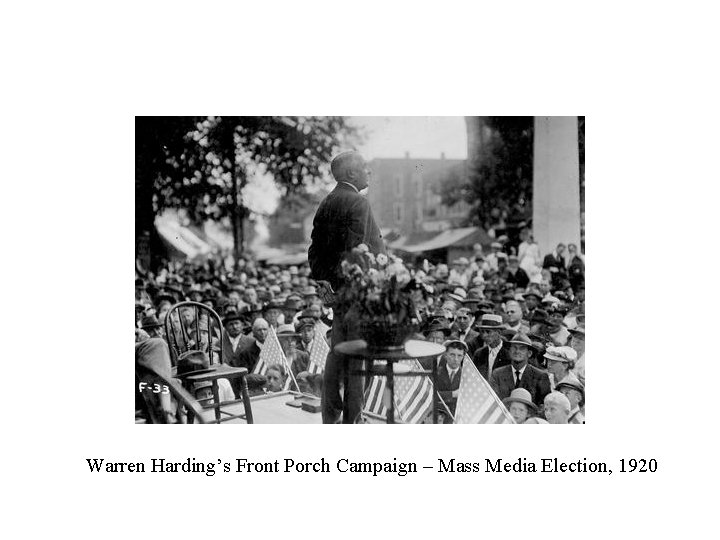
Warren Harding’s Front Porch Campaign – Mass Media Election, 1920
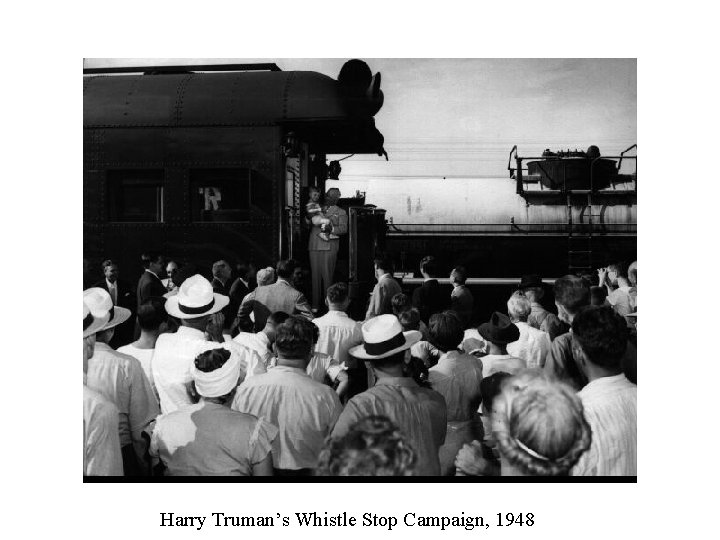
Harry Truman’s Whistle Stop Campaign, 1948
Television Campaign Ads Are the biggest part of spending in modern campaigns. They can be designed to promote a candidate in a number of ways: 1. Present a biography – Introduce the candidate 2. Claim accomplishments/record 3. Compare to other candidates 4. Respond to other ads An example: Ronald Reagan’s “Morning in America” (1984) Into which category does this fall? LBJ Daisy (1964)
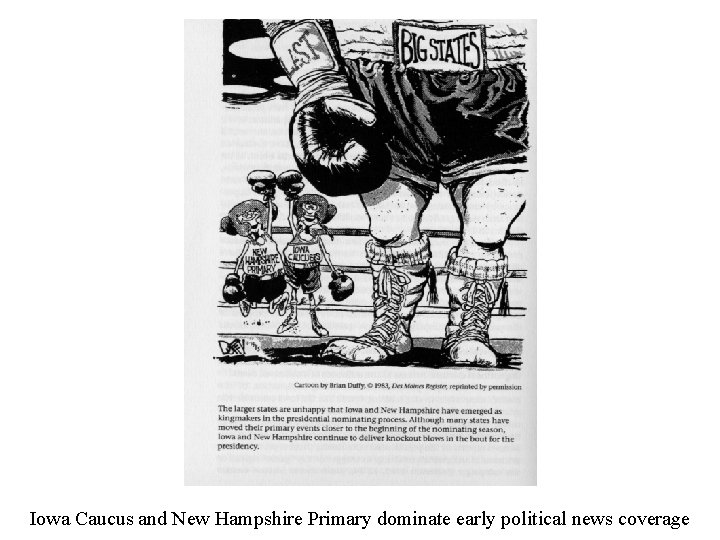
Iowa Caucus and New Hampshire Primary dominate early political news coverage
Primaries • • Closed Open Blanket Run-off
Caucus

1860 GOP Convention
The Convention Presidential candidates have been nominated by the convention method in every election since 1832. • Seating the Delegates. • Convention Activities. • Speech making • Platformulation • Presidential Balloting • Acceptance Speeches • Becoming less relevant
Campaign Finance Terminology Hard money Soft money Air war Ground war Political Action Committees (PACs) Harry & Louise Issue Ad 527 Groups (or Committees) If Parents Acted Like Bush
Regulations • Hatch Act (1939) • Federal Election Campaign Act (1974) • Mc. Cain-Feingold (2002)
(Historical) Legal Regulations on Registration • • • Poll Tax Literacy Test Requiring re-registration at periodic intervals Purging for nonvoting Residency requirements Closing date for registration Office hours for registration may be limited to regular business hours Registration offices can be limited or widely available Deputy registrars Absentee registration
Wolfinger & Rosenstone’s Hypotheses • Hypotheses • Consequential restrictions • Reforms suggested
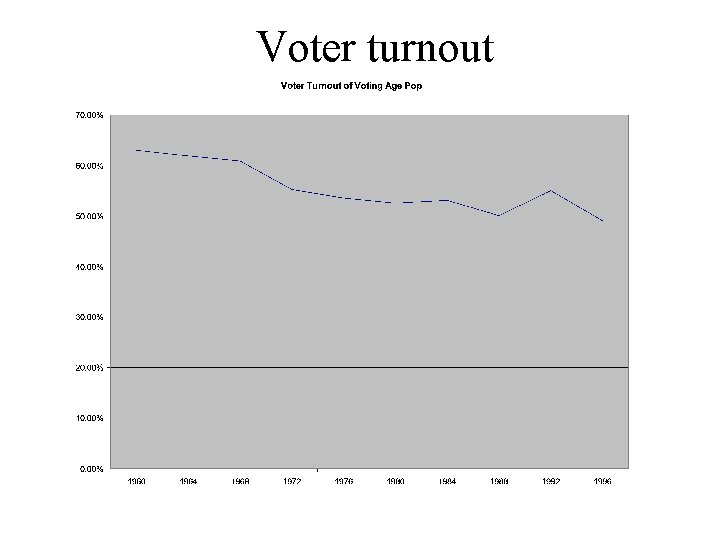
Voter turnout
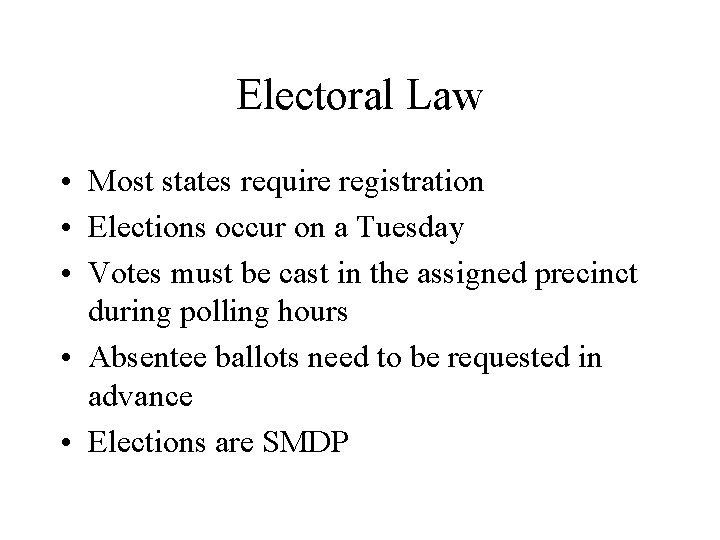
Electoral Law • Most states require registration • Elections occur on a Tuesday • Votes must be cast in the assigned precinct during polling hours • Absentee ballots need to be requested in advance • Elections are SMDP
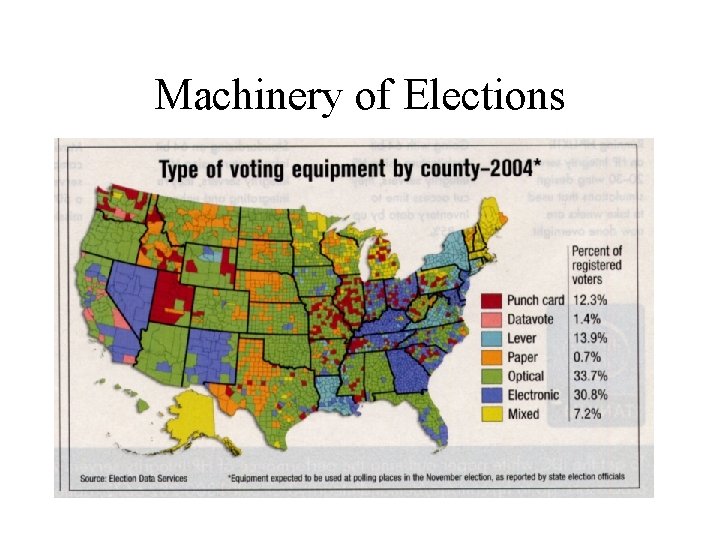
Machinery of Elections
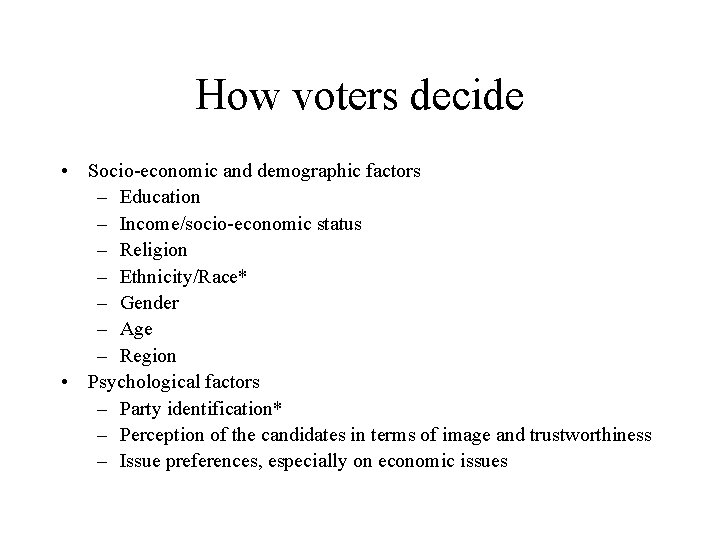
How voters decide • Socio-economic and demographic factors – Education – Income/socio-economic status – Religion – Ethnicity/Race* – Gender – Age – Region • Psychological factors – Party identification* – Perception of the candidates in terms of image and trustworthiness – Issue preferences, especially on economic issues
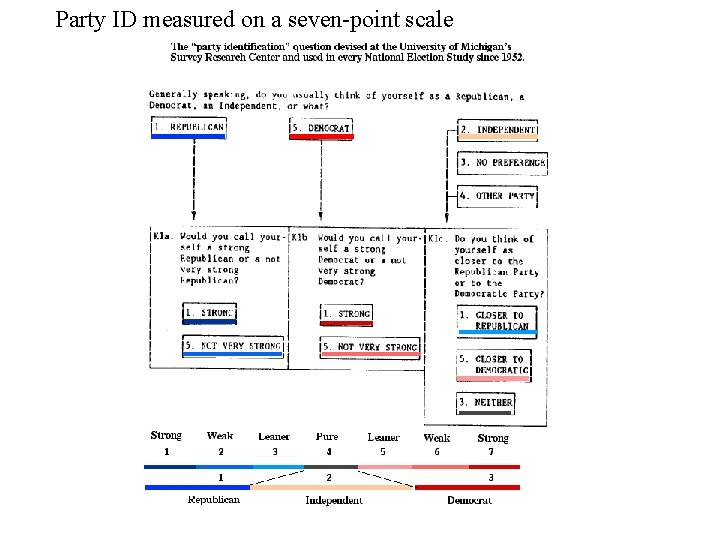
Party ID measured on a seven-point scale
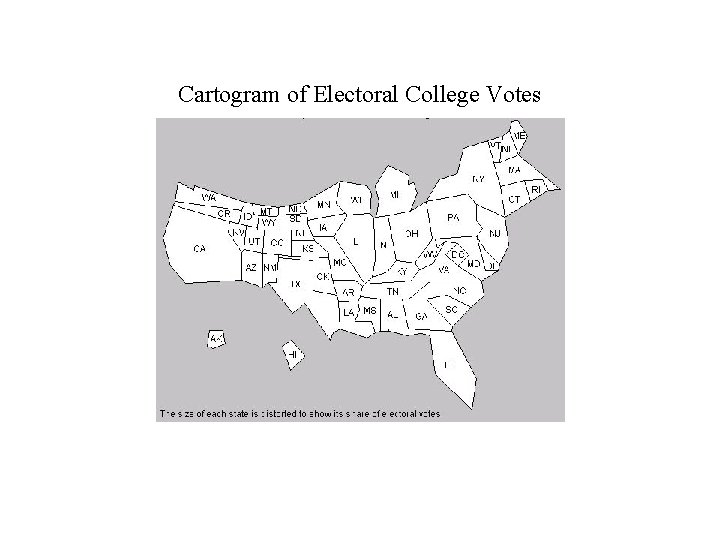
Cartogram of Electoral College Votes
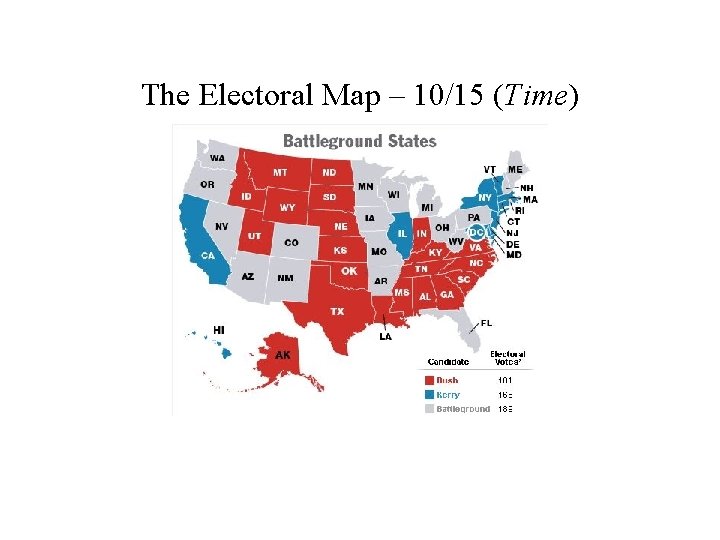
The Electoral Map – 10/15 (Time)
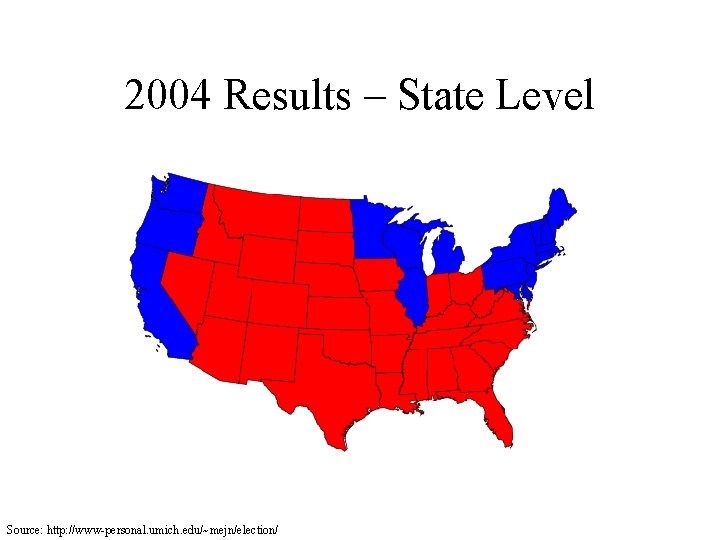
2004 Results – State Level Source: http: //www-personal. umich. edu/~mejn/election/
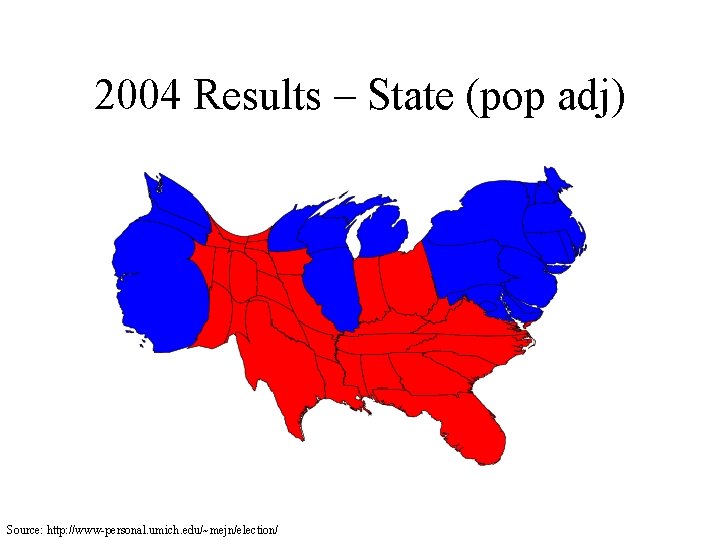
2004 Results – State (pop adj) Source: http: //www-personal. umich. edu/~mejn/election/
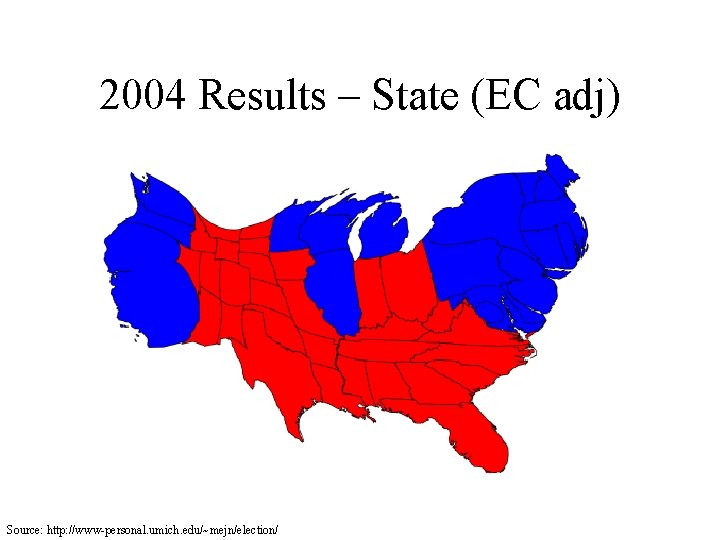
2004 Results – State (EC adj) Source: http: //www-personal. umich. edu/~mejn/election/
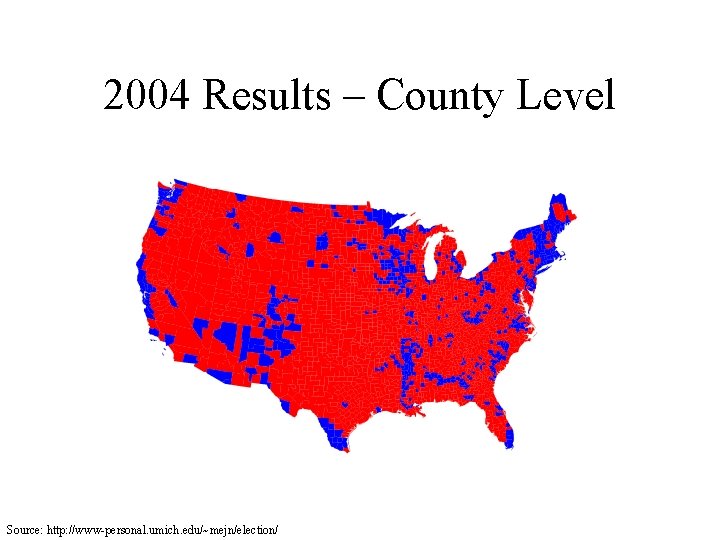
2004 Results – County Level Source: http: //www-personal. umich. edu/~mejn/election/
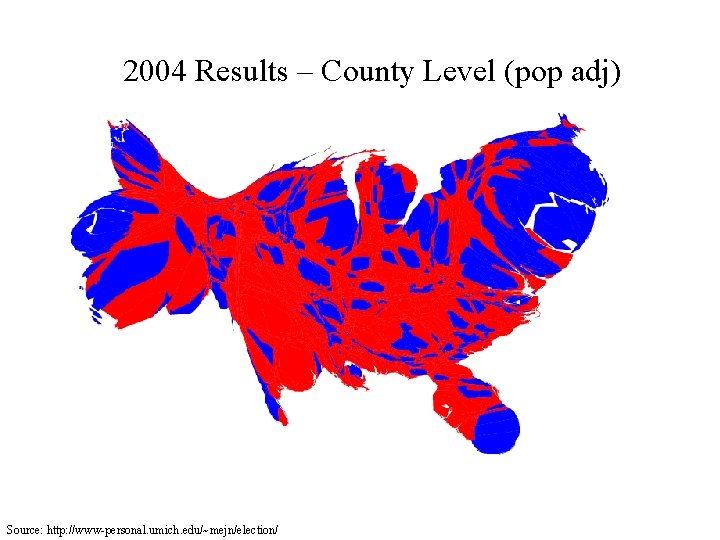
2004 Results – County Level (pop adj) Source: http: //www-personal. umich. edu/~mejn/election/
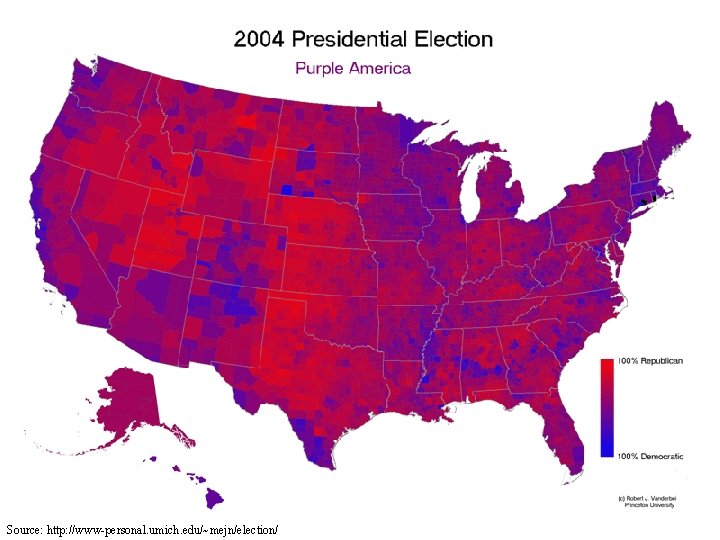
2004 Results – County (intensity) Source: http: //www-personal. umich. edu/~mejn/election/
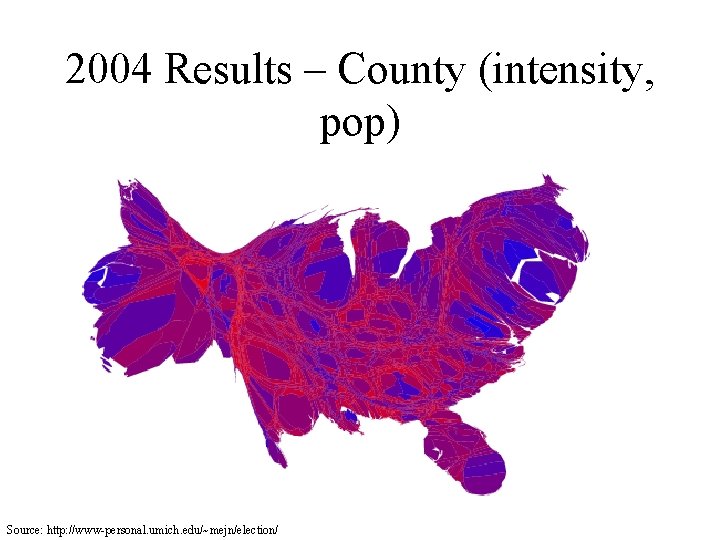
2004 Results – County (intensity, pop) Source: http: //www-personal. umich. edu/~mejn/election/
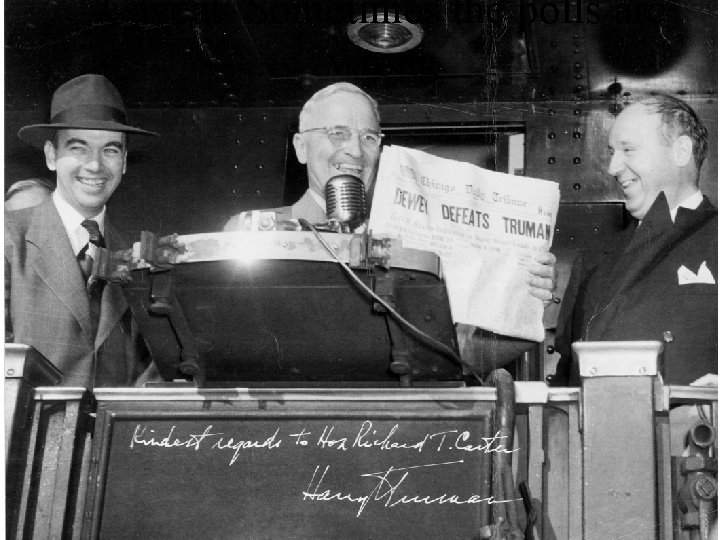
Caveat: Sometimes the polls are wrong
- Slides: 33