
Calculating Energy Efficiency Using A Chemical Mass Balance
Calculating Energy Efficiency Using A Chemical Mass Balance Method Crispin Pemberton-Pigott Reporting research on the combustion of solid fuels conducted at Se. TAR Centre, University of Johannesburg Cape Peninsula University of Technology, Cape Town China Agricultural University, Beijing Presented at Brookhaven National Laboratory – 7 April 2016
Problem Statement =Test methods assume that the fuel burns and dries homogeneously If this was true there would not be a “char-burning phase” Emissions and efficiency are miscalculated because of this assumption
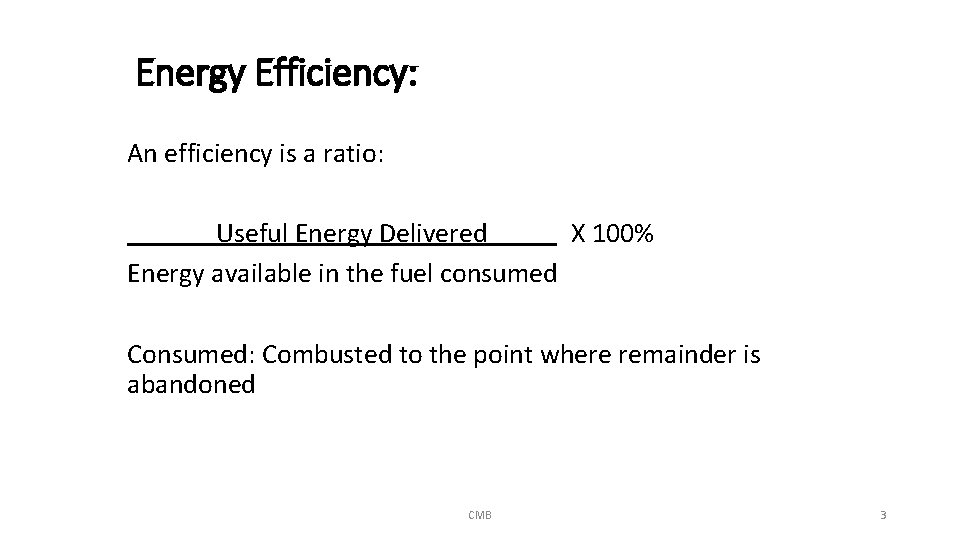
Energy Efficiency: An efficiency is a ratio: Useful Energy Delivered. X 100% Energy available in the fuel consumed Consumed: Combusted to the point where remainder is abandoned CMB 3
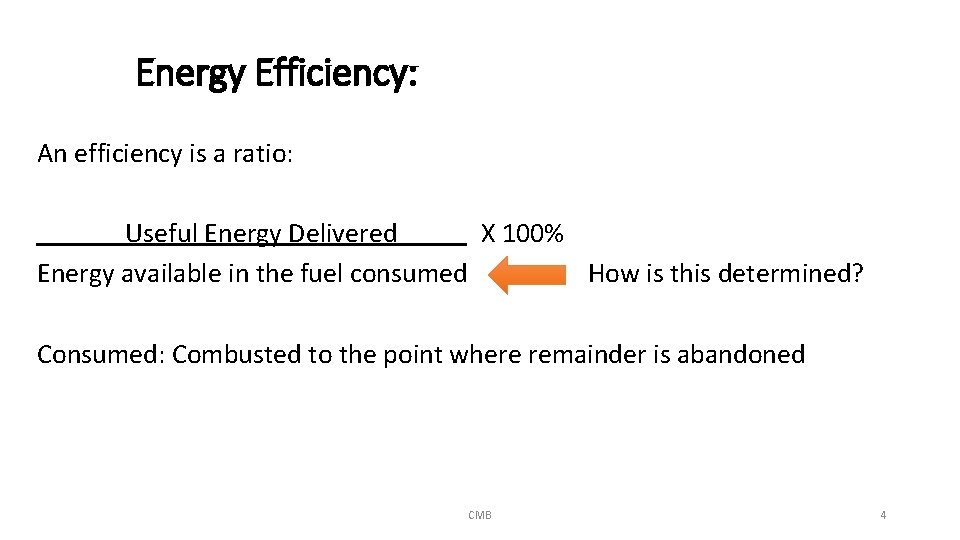
Energy Efficiency: An efficiency is a ratio: Useful Energy Delivered. X 100% Energy available in the fuel consumed How is this determined? Consumed: Combusted to the point where remainder is abandoned CMB 4
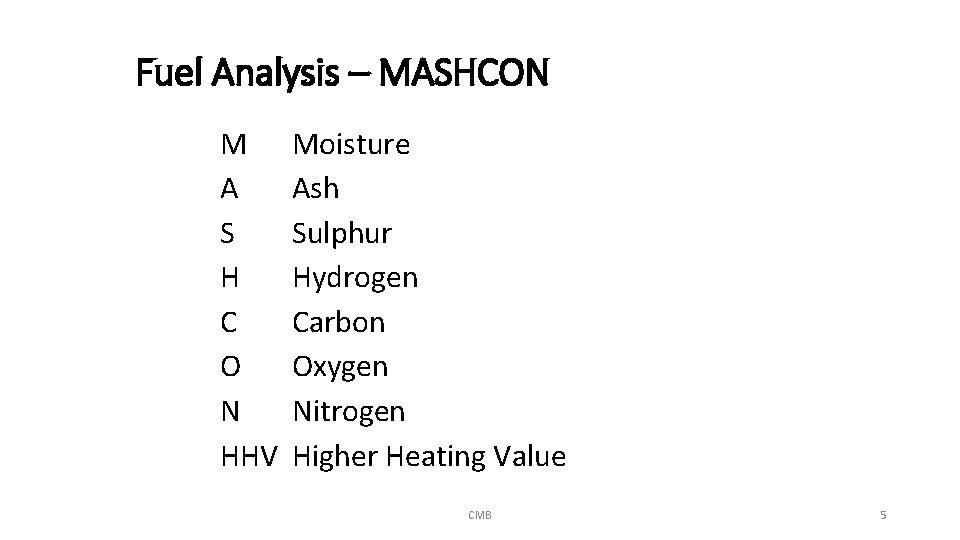
Fuel Analysis – MASHCON M A S H C O N HHV Moisture Ash Sulphur Hydrogen Carbon Oxygen Nitrogen Higher Heating Value CMB 5
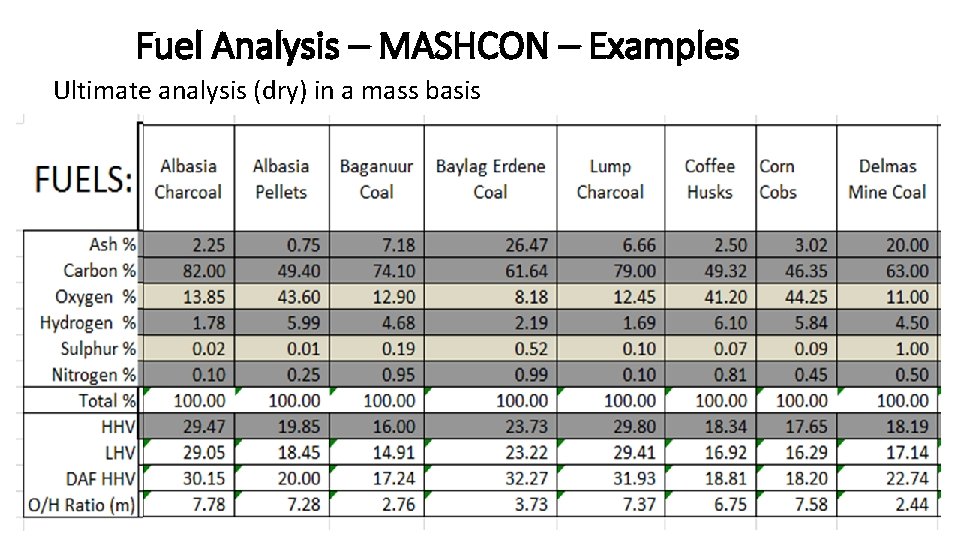
Fuel Analysis – MASHCON – Examples Ultimate analysis (dry) in a mass basis CMB 6
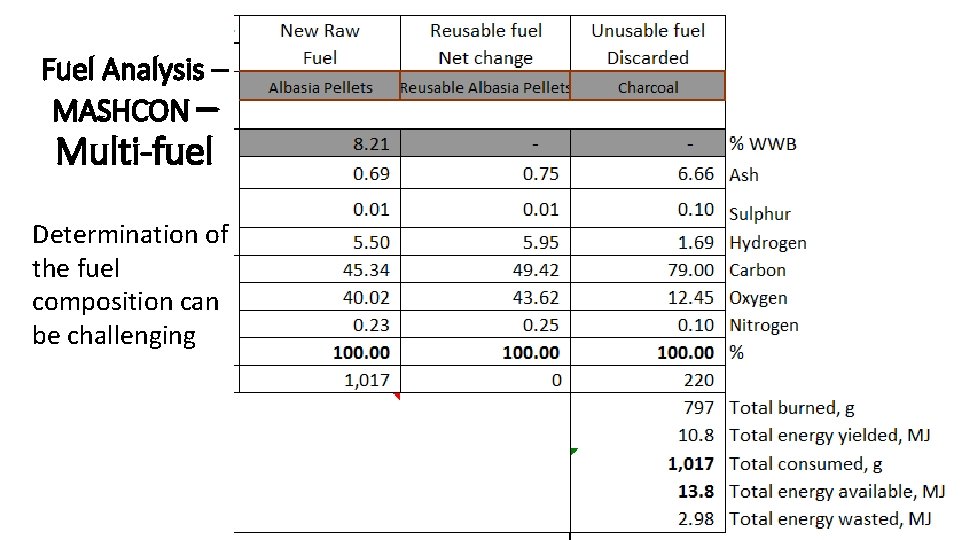
Fuel Analysis – MASHCON – Multi-fuel Determination of the fuel composition can be challenging CMB 7
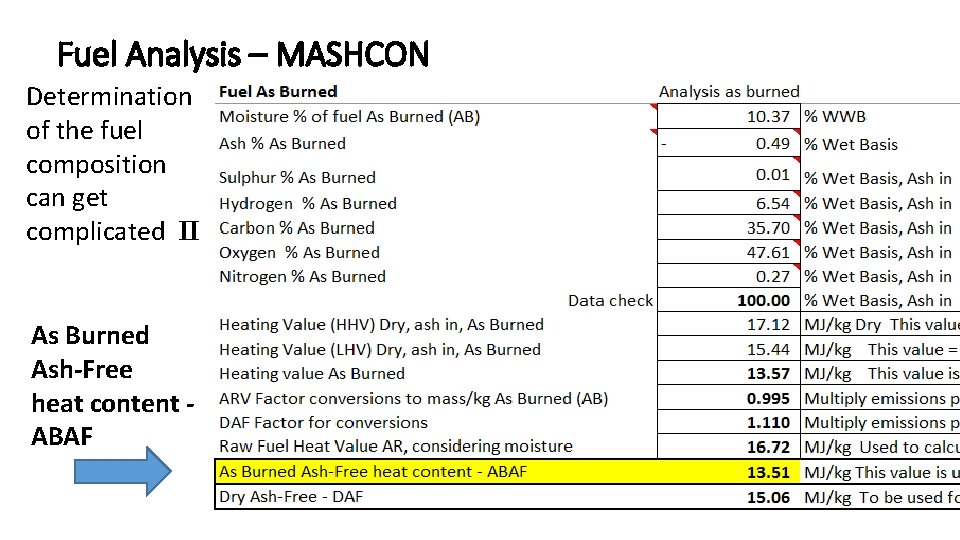
Fuel Analysis – MASHCON Determination of the fuel composition can get complicated II As Burned Ash-Free heat content ABAF CMB 8
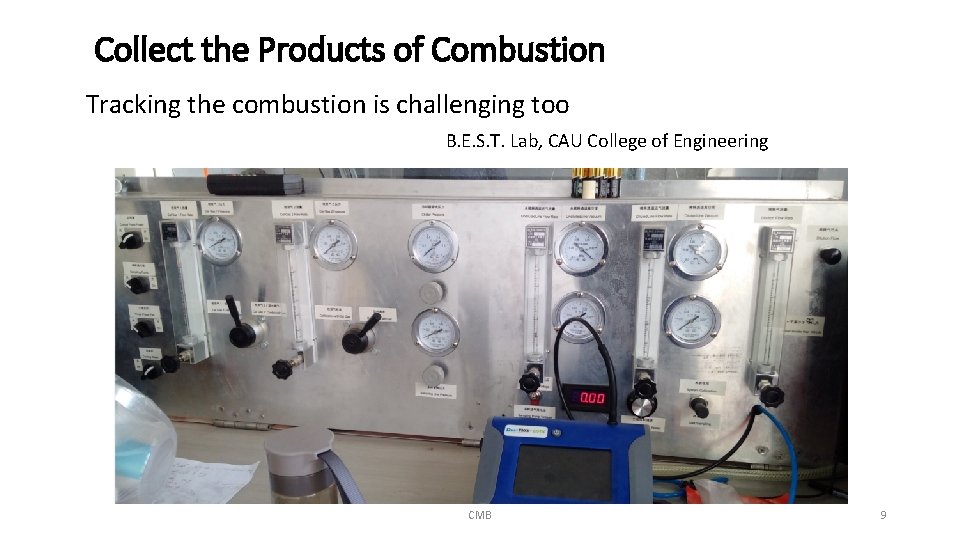
Collect the Products of Combustion Tracking the combustion is challenging too B. E. S. T. Lab, CAU College of Engineering CMB 9
Heat Gained – Space Heating Calculate what energy was available in the fuel Calculate the losses up the stack § Siegert Method – estimates losses up the stack § Gas-by-gas calculation – estimate losses up the stack Heat Gained, by subtraction CMB 10
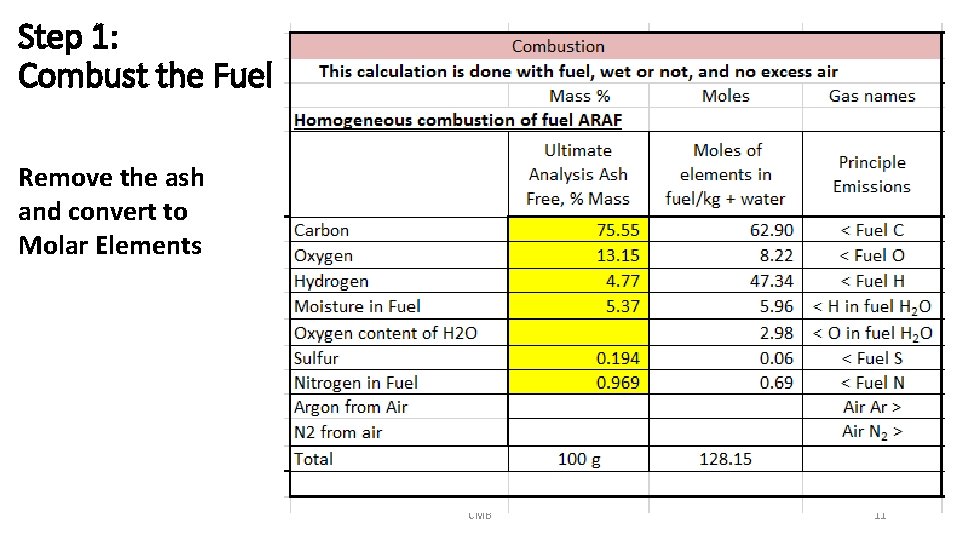
Step 1: Combust the Fuel Remove the ash and convert to Molar Elements CMB 11
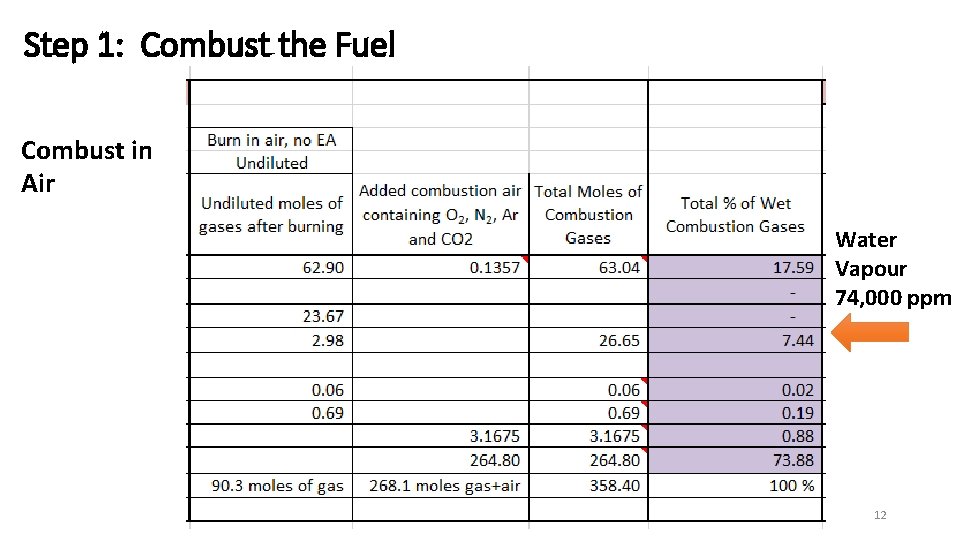
Step 1: Combust the Fuel Combust in Air Water Vapour 74, 000 ppm CMB 12
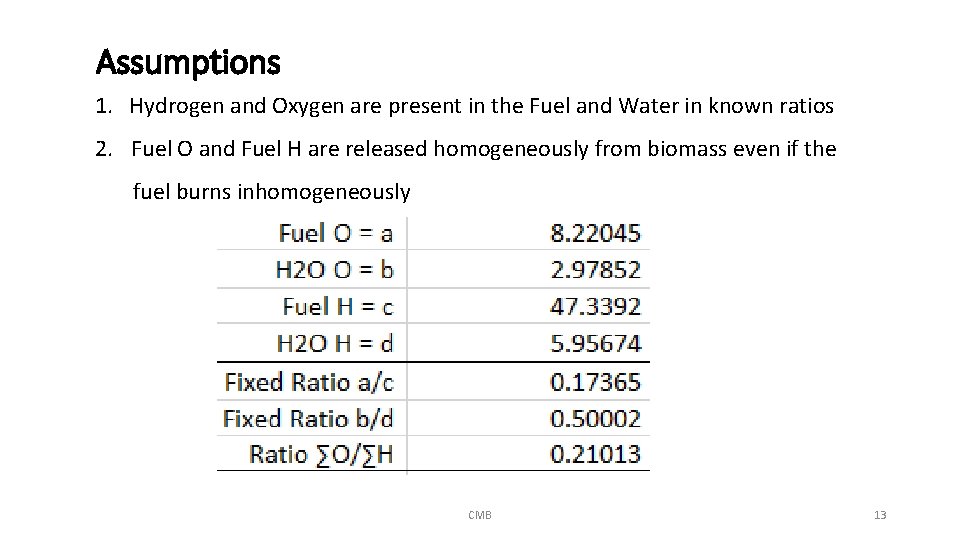
Assumptions 1. Hydrogen and Oxygen are present in the Fuel and Water in known ratios 2. Fuel O and Fuel H are released homogeneously from biomass even if the fuel burns inhomogeneously CMB 13
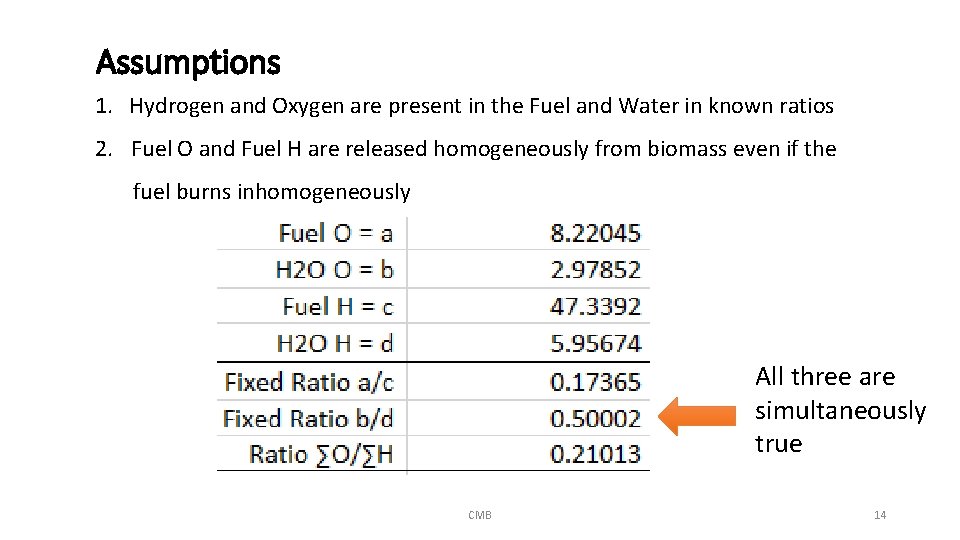
Assumptions 1. Hydrogen and Oxygen are present in the Fuel and Water in known ratios 2. Fuel O and Fuel H are released homogeneously from biomass even if the fuel burns inhomogeneously All three are simultaneously true CMB 14
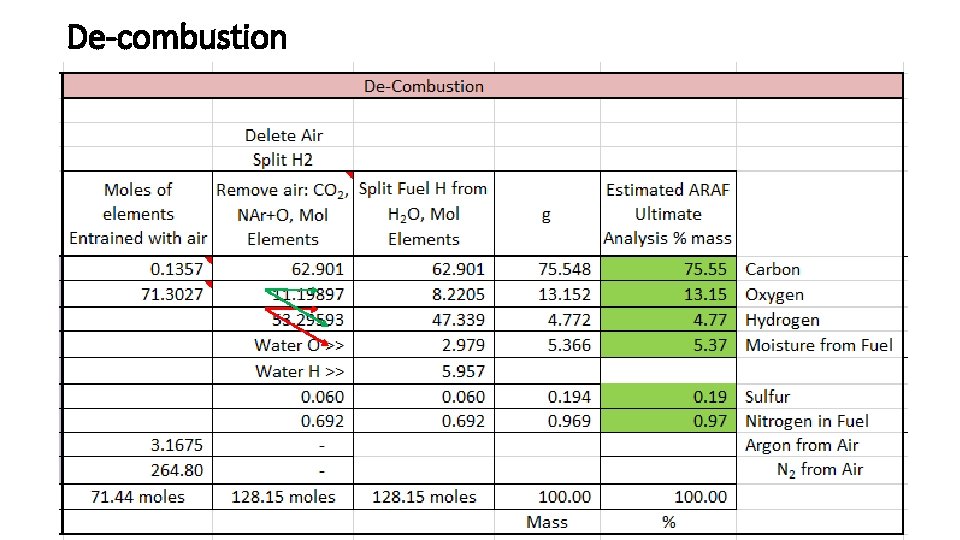
De-combustion CMB 15
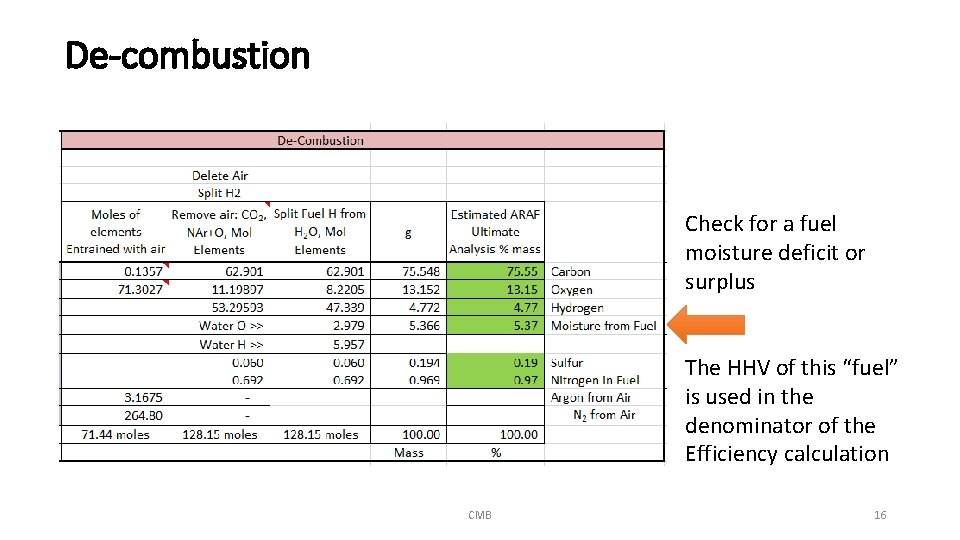
De-combustion Check for a fuel moisture deficit or surplus The HHV of this “fuel” is used in the denominator of the Efficiency calculation CMB 16
Significance of Real-Time Fuel Analysis The HHV can be calculated in real time as the fuel evolves The CO 2 MAX value can be calculated in real time CMB 17
Significance of Real-Time Fuel Analysis The HHV can be calculated in real time as the fuel evolves The CO 2 MAX value can be calculated in real time The ratio of the oxygen provided by air to the total oxygen demand can be determined in real time [St. Ox. R] CMB 18
Significance of Real-Time Fuel Analysis The HHV can be calculated in real time as the fuel evolves The CO 2 MAX value can be calculated in real time The ratio of the oxygen provided by air to the total oxygen demand can be determined in real time [St. Ox. R] The stoichiometric volume of combustion gases can be calculated using St. Ox. R. From this the diluted volume of gases can be calculated using the Excess Air level. The concentration of pollutants in that volume can be determined. CMB 19
Significance of Real-Time Fuel Analysis The HHV can be calculated in real time as the fuel evolves The CO 2 MAX value can be calculated in real time The ratio of the oxygen provided by air to the total oxygen demand can be determined in real time [St. Ox. R] The stoichiometric volume of combustion gases can be calculated using St. Ox. R. From this the diluted volume of gases can be calculated using the Excess Air level. The concentration of pollutants in that volume can be determined. The mass of emissions can be reported more accurately per measurement interval. CMB 20
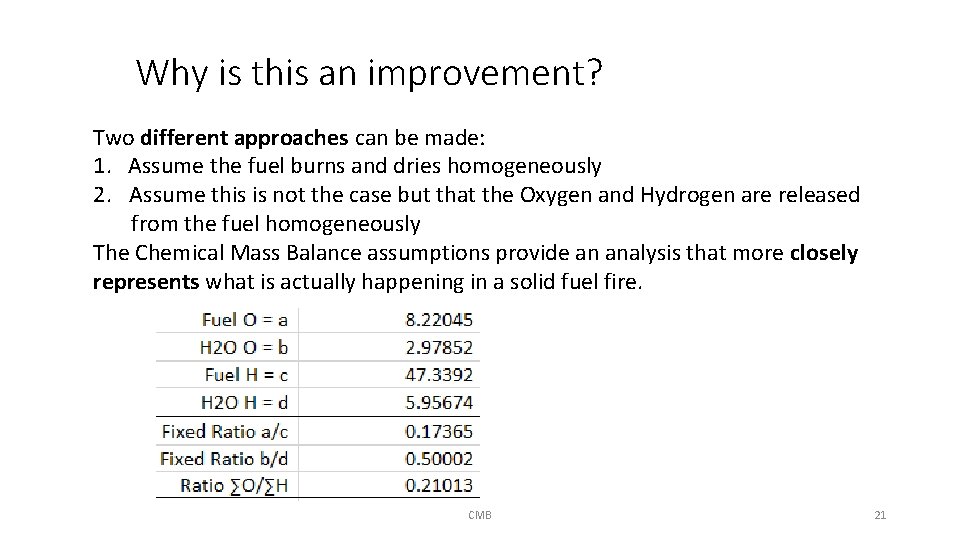
Why is this an improvement? Two different approaches can be made: 1. Assume the fuel burns and dries homogeneously 2. Assume this is not the case but that the Oxygen and Hydrogen are released from the fuel homogeneously The Chemical Mass Balance assumptions provide an analysis that more closely represents what is actually happening in a solid fuel fire. CMB 21
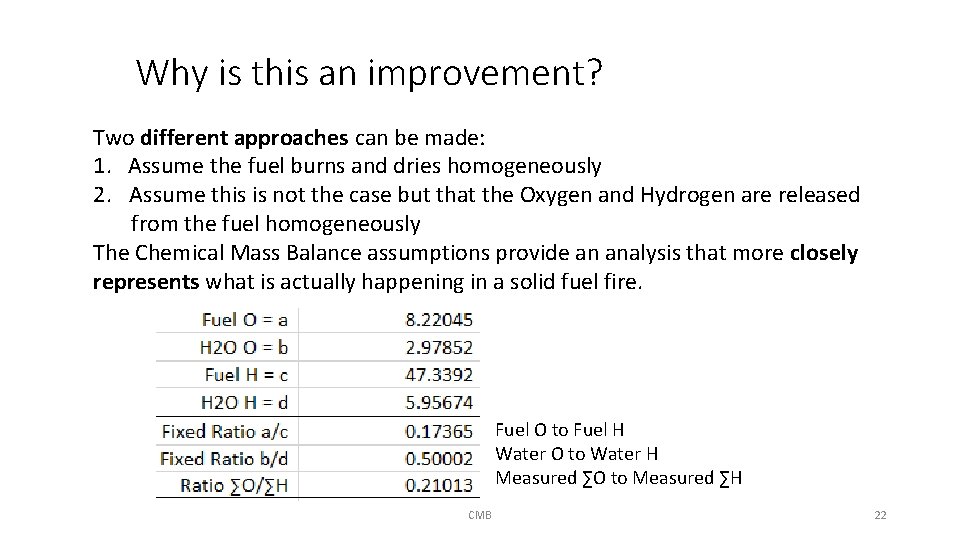
Why is this an improvement? Two different approaches can be made: 1. Assume the fuel burns and dries homogeneously 2. Assume this is not the case but that the Oxygen and Hydrogen are released from the fuel homogeneously The Chemical Mass Balance assumptions provide an analysis that more closely represents what is actually happening in a solid fuel fire. Fuel O to Fuel H Water O to Water H Measured ∑O to Measured ∑H CMB 22
Thank you! Appreciations: Staff and graduate students at: The Se. TAR Centre, Research Village, University of Johannesburg, Department of Geography, Environmental Management and Energy Studies, JHB, R. S. A. Chinese University of Agriculture, College of Engineering, Beijing, China Cape Peninsula University of Technology, Cape Town, R. S. A. This work represents personal efforts and was not funded. CMB 23
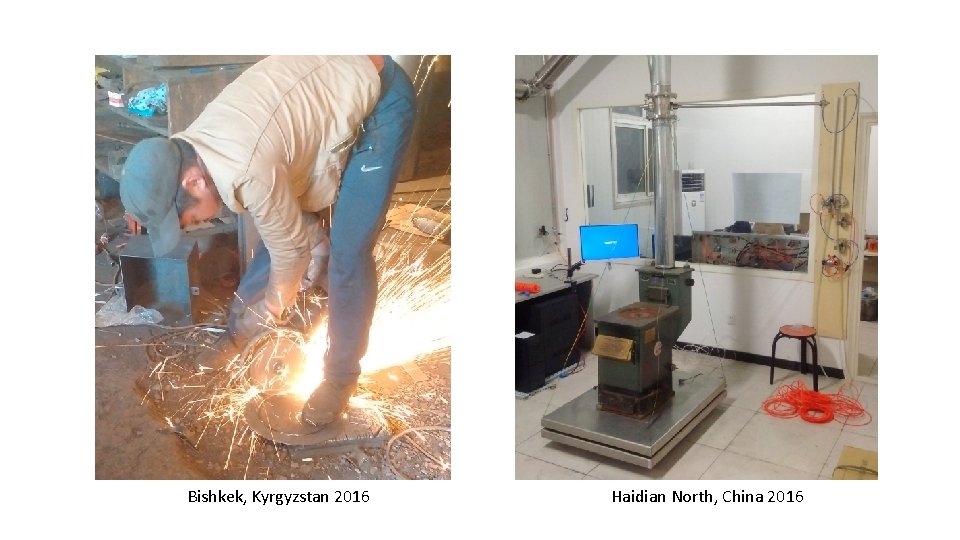
Bishkek, Kyrgyzstan 2016 Haidian North, China 2016
- Slides: 24