
C 2 revision Hydrocarbons Crude oil contains hydrocarbons
C 2 revision
Hydrocarbons • Crude oil contains hydrocarbons of different chain lengths • There are intermolecular forces between the different chain length • Intermolecular forces are forces between molecules • The longer the chain the bigger the forces between molecules
Fractional distillation • Different length hydrocarbons have different properties • Longer chains have a higher b. p/m. p than shorter molecules • More energy needed to over come the intermolecular forces compared to shorter chains • More heat needed to turn the hydrocarbon fractions from a liquid to a solid • (diagram)
Polymerisation • Some long chain hydrocarbons that do not have much use are split into smaller, more useful hydrocarbons e. g. Petrol • A by-product of this process is an alkene e. g. Ethene • Ethene is then used to make plastics in polymerisation • During polymerisation, small ethene molecules, called monomers are joined together to form long chain molecules, called polymers • E. g. Ethene monomers join together to form polyethene
• Why do we swap more traditional materials for plastics? • Why swap paper for plastic when making bags?
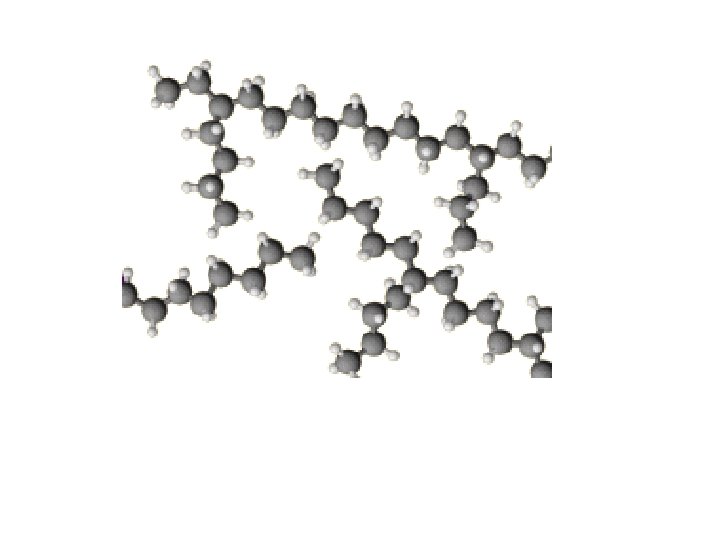
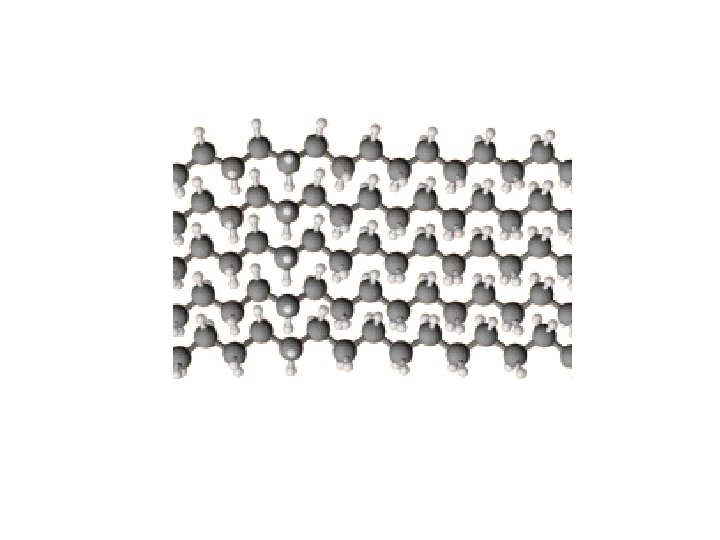
Modifying polymers • Plastics traditionally have long chains that can slide past each other, allowing the plastic to bend (flexible) • Polymers can be modified to increase chain length to make the polymer stiffer and increase m. p • Plastics with weaker forces have chains that slide past each other easily and have a low melting point • Plastics with stronger forces have chains that stay in position and have a high melting point • Polymer chains packed tighter together have a higher density than polymers packed more loosely together
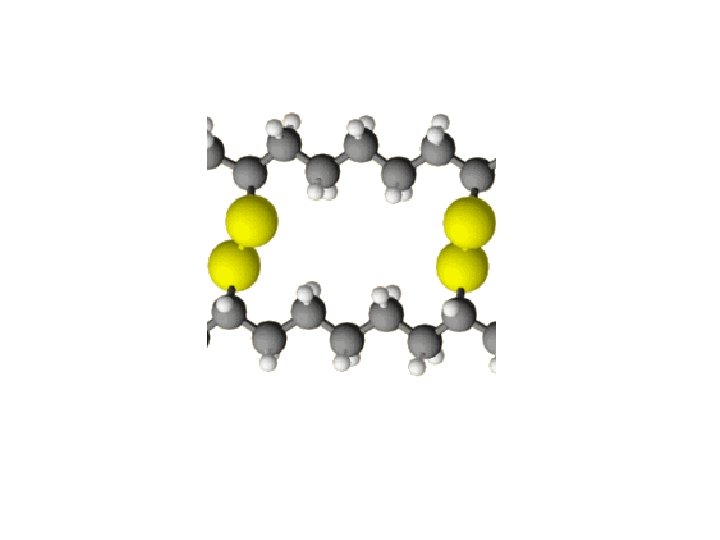
• Cross-linking allows cross links to form between chains, making the polymer stiffer and increasing m. p • Plasticisers will make a polymer softer, allowing it to be shaped easier and lowers the m. p • (HT) a polymer can be made more crystalline. Branched chains are more bendy but crystalline polymers have straight chains so they pack closer together, making the polymer stronger, more dense and have a higher m. p
- Slides: 10