
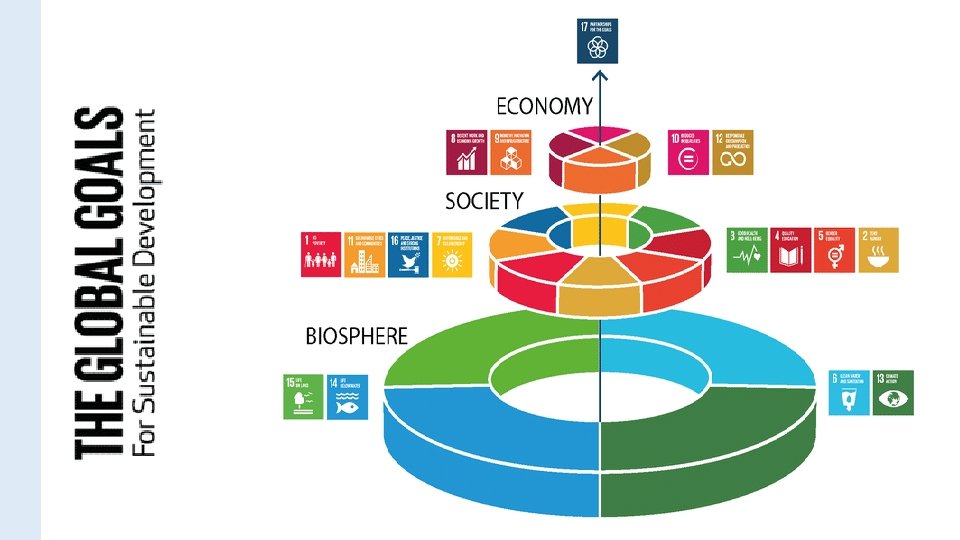
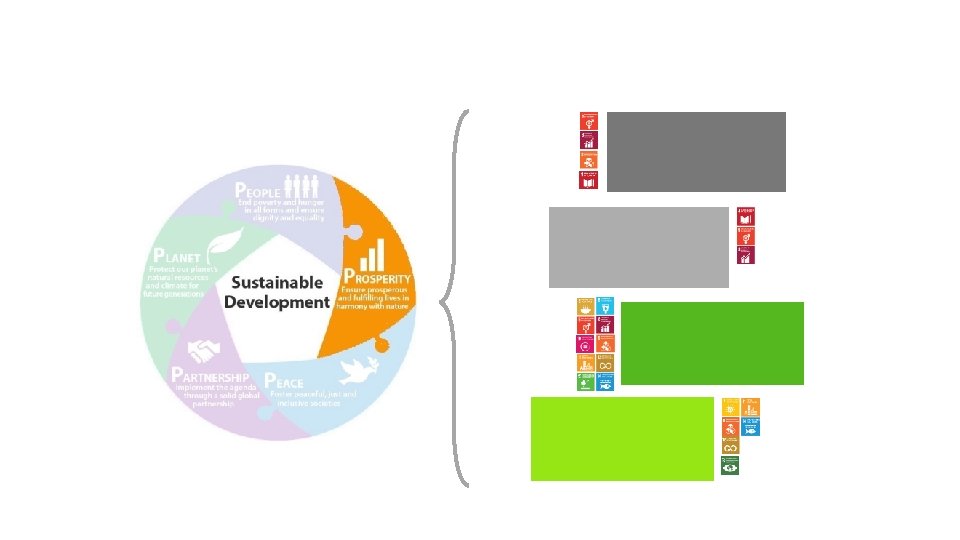
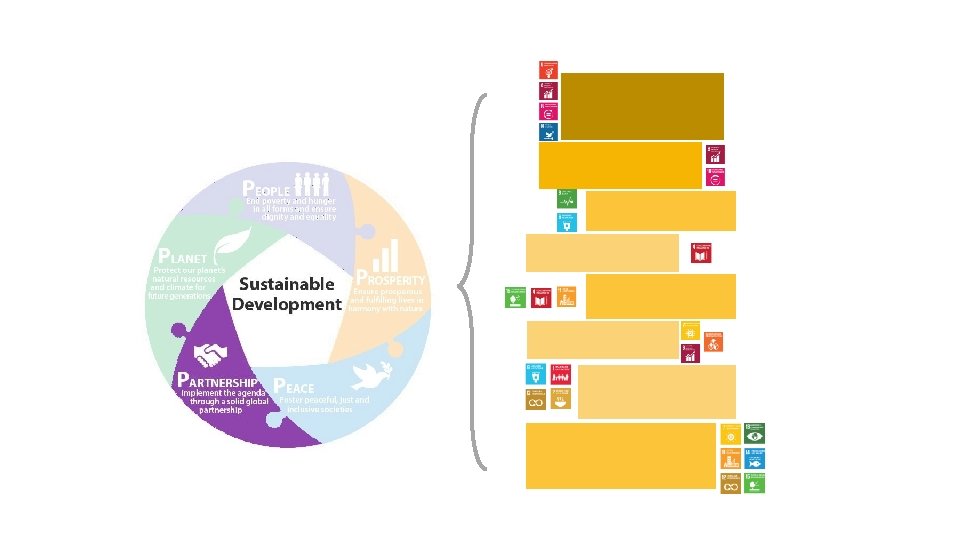
By 2030 eradicate extreme poverty for all people

By 2030, eradicate extreme poverty for all people everywhere, currently measured as people living on less than $1. 25 a day By 2030, reduce at least by half the proportion of men, women and children of all ages living in poverty in all its dimensions according to national definitions Implement nationally appropriate social protection systems and measures for all, including floors, and by 2030 achieve substantial coverage of the poor and the vulnerable
By 2030, end hunger and ensure access by all people, in particular the poor and people in vulnerable situations, including infants, to safe, nutritious and sufficient food all year round. By 2030, double the agricultural productivity and incomes of small-scale food producers, in particular women, indigenous peoples, family farmers, pastoralists and fishers, including through secure an equal access to land, other productive resources and inputs, knowledge, financial services, markets and opportunities for value addition and non-farm employment
By 2030, reduce the global maternal mortality ratio to less than 70 per 100, 000 live births By 2030, end the epidemics of AIDS, tuberculosis, malaria and neglected tropical diseases and combat hepatitis, water-borne diseases and other communicable diseases By 2030, end preventable deaths of newborns and children under 5 years of age, reduce neonatal mortality to at least as low as 12 per 1, 000 live births and under-5 mortality to at least 25 per 1, 000 live births
By 2030, ensure that all girls and boys complete free, equitable and quality primary and secondary education leading to relevant and effective learning outcomes By 2030, ensure that all girls and boys have access to quality early childhood development, care and preprimary education so that they are ready for primary education By 2030, ensure equal access for all women and men to affordable and quality technical, vocational and tertiary education, including university
End all forms of discrimination against all women and girls everywhere Eliminate all forms of violence against all women and girls in the public and private spheres, including trafficking and sexual and other types of exploitation Eliminate all harmful practices, such as child, early and forced marriage and female genital mutilation Ensure women's full and effective participation and equal opportunities for leadership at all levels of decision making in political, economic and public life
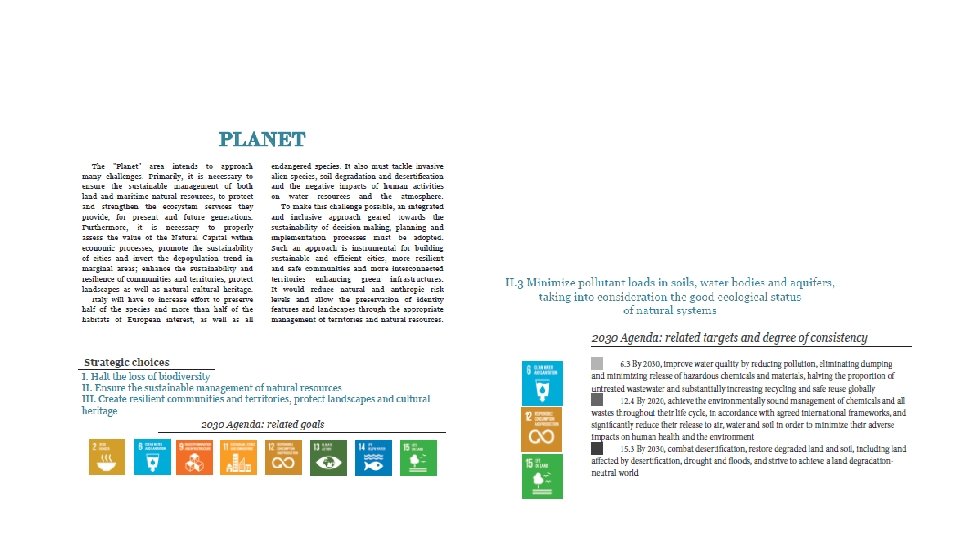
By 2030, achieve universal and equitable access to safe and affordable drinking water for all By 2030, achieve access to adequate and equitable sanitation and hygiene for all and end open defecation, paying special attention to the needs of women and girls and those in vulnerable situations By 2030, improve water quality by reducing pollution, eliminating dumping and minimizing release of hazardous chemicals and materials, halving the proportion of untreated wastewater and substantially increasing recycling and safe reuse
By 2030, ensure universal access to affordable, reliable and modern energy services By 2030, increase substantially the share of renewable energy in the global energy mix By 2030, double the global rate of improvement in energy efficiency
Sustain per capita economic growth in accordance with national circumstances and, in particular, at least 7 per cent gross domestic product growth per annum in the least developed countries Achieve higher levels of economic productivity through diversification, technological upgrading and innovation, including through a focus on high-value added and labor-intensive sectors Promote development-oriented policies that support productive activities, decent job creation, entrepreneurship, creativity and innovation, and encourage the formalization and growth of micro - small- and medium-sized enterprises
Develop quality, reliable, sustainable and resilient infrastructure, including regional and transborder infrastructure, to support economic development and human well-being with a focus on affordable and equitable access for all Promote inclusive and sustainable industrialization and, by 2030, significantly raise industry's share of employment and gross domestic product, in line with national circumstances, and double its share in least developed countries Increase the access of small-scale industrial and other enterprises. in particular in developing countries, to financial services, including affordable credit, and their integration into value chains and markets
By 2030, progressively achieve and sustain income growth of the bottom 40 per cent often population at a rate higher than the national average By 2030, empower and promote the social, economic and political inclusion of all, irrespective of age, sex, disability, race, ethnicity, origin, religion or economic or other status Ensure equal opportunity and reduce inequalities of outcome, including by eliminating discriminatory laws, policies and practices and promoting appropriate legislation, policies and action in this regard
By 2030, ensure access for all to adequate, safe and affordable housing and basic services and upgrade slums By 2030, provide access to safe, affordable, accessible and sustainable transport systems for all, improving road safety, notably by expanding public transport, with special attention to the needs of those in vulnerable situations, women, children, persons with disabilities and older persons By 2030, enhance inclusive and sustainable urbanization and capacity for pmticipatory, integrated and sustainable human settlement planning and management in all countries
By 2030, achieve the sustainable management and efficient use of natural resources By 2030, substantially reduce waste generation through prevention, reduction, recycling and Encourage companies, especially large and reuse. transnational companies, to adopt sustainable practices and to integrate sustainability information into their reporting cycle By 2030, halve per capita global food waste at the retail and consumer levels and reduce food losses along production and supply chains, including post-harvest losses
Strengthen resilience and adaptive capacity to climate-related hazards and natural disasters in all countries Improve education, awareness-raising and human and institutional capacity on climate change mitigation, adaptation, impact reduction and early warning Integrate climate change measures into national policies, strategies and planning
By 2025, prevent and significantly reduce marine pollution of all kinds, in particular from land-based activities, including marine debris and nutrient pollution By 2020, sustainably manage and protect marine and coastal ecosystems to avoid significant adverse impacts, including by strengthening their resilience, and take action for their restoration in order to achieve healthy and productive oceans Minimize and address the impacts of ocean acidification, including through enhanced scientific cooperation at all levels
By 2020, promote the implementation of sustainable management of all types of forests, halt deforestation, restore degraded forests and afforestation and reforestation globally By 2020, ensure the conservation, restoration and sustainable use of terrestrial and inland freshwater ecosystems and their services, in particular forests, wetlands, mountains and drylands, in line with obligations under international agreements By 2030, combat desertification, restore degraded land soil, including land affected by desertification, drought and floods
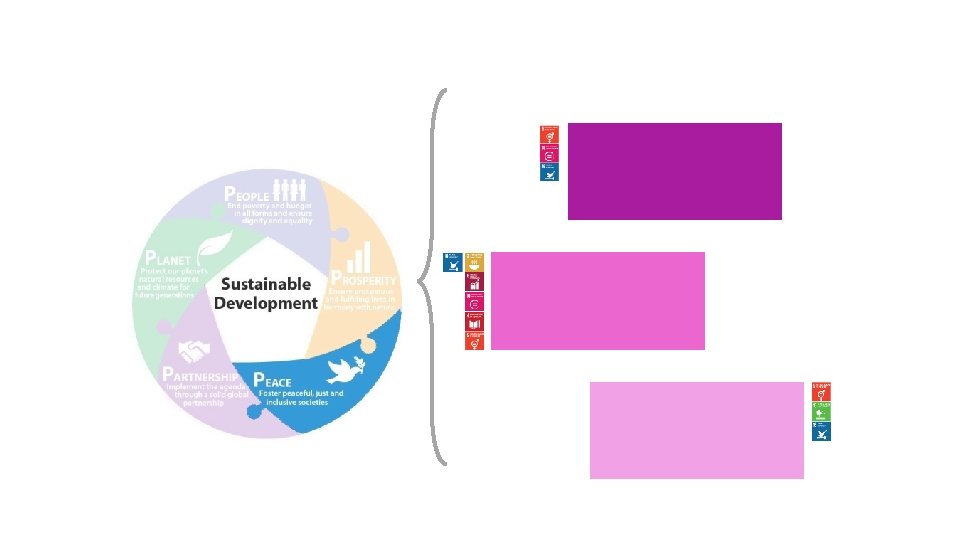
Significantly reduce all forms of violence and related death rates everywhere End abuse, exploitation, trafficking and all forms of violence against and torture of children By 2030, significantly reduce illicit financial and arms flows, strengthen the recovery and return of stolen assets and combat all forms of organized crime Promote the rule of law at the national and international levels and ensure equal access to justice for all
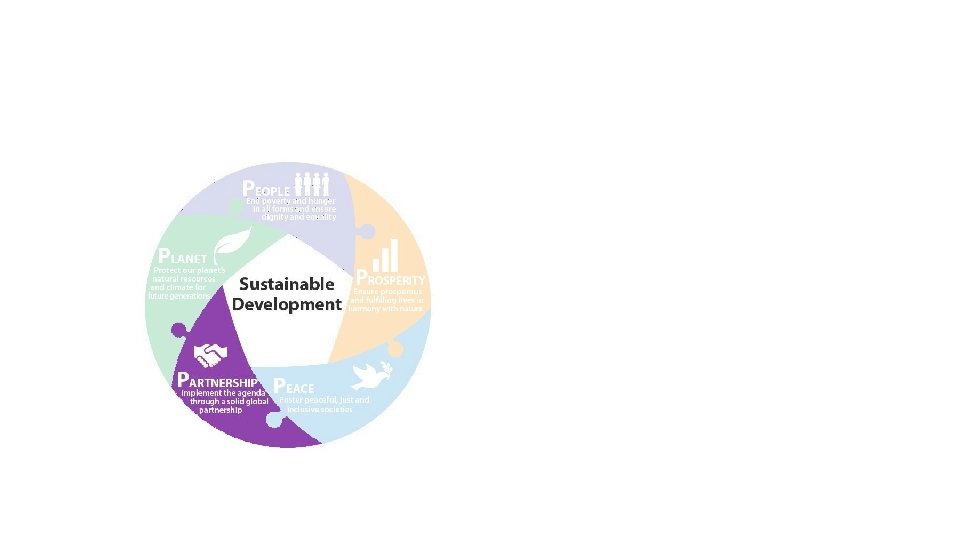
Strengthen domestic resource mobilization, including through international support to developing countries, to improve domestic capacity for tax and other revenue collection Assist developing countries in attaining longterm debt sustainability through coordinated policies aimed at fostering debt financing, debt relief and debt restructuring, as appropriate, and address the external debt of highly indebted poor countries to reduce debt distress Mobilize additional financial resources for developing countries from multiple sources
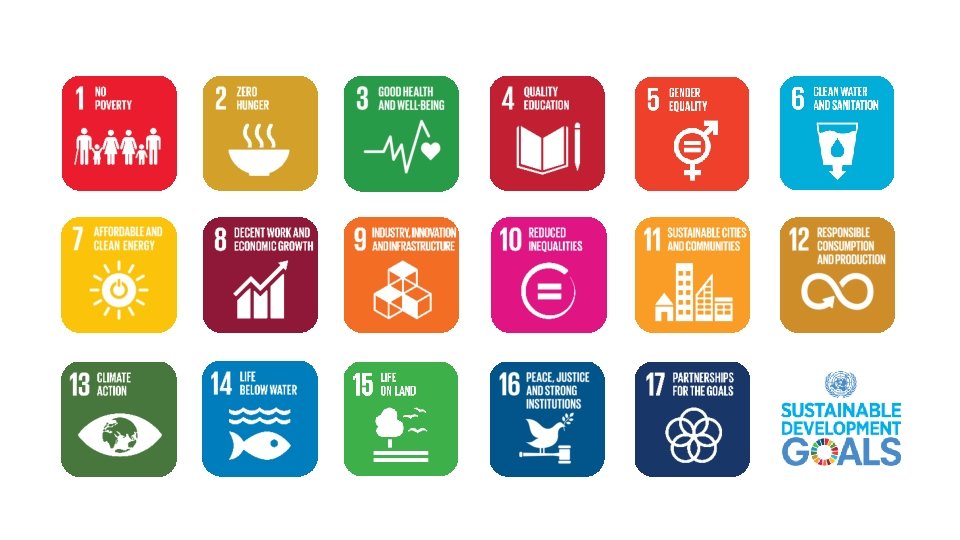
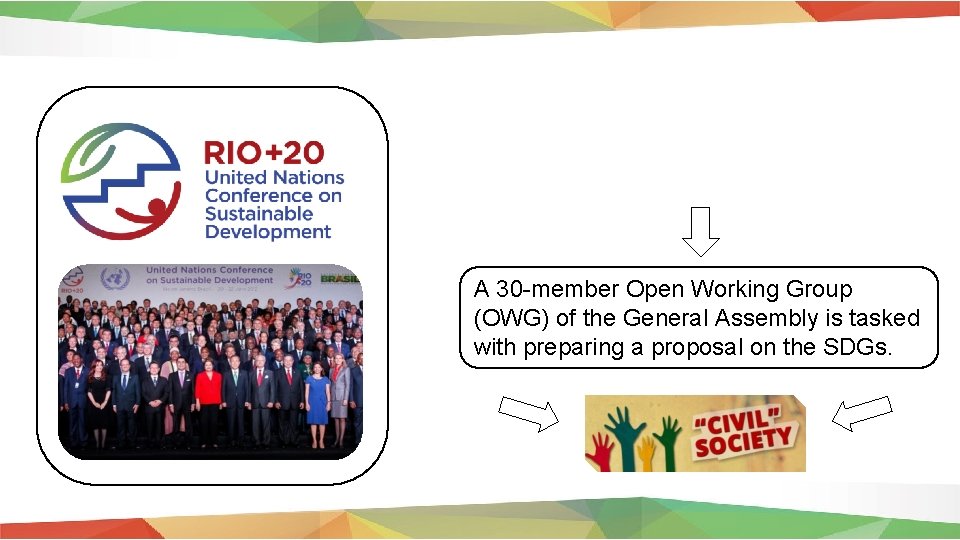
A 30 -member Open Working Group (OWG) of the General Assembly is tasked with preparing a proposal on the SDGs.
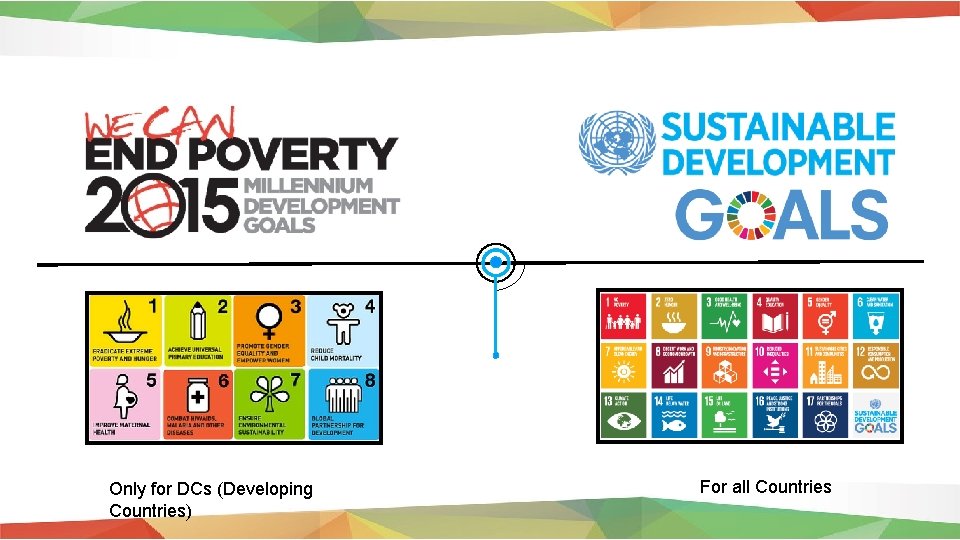
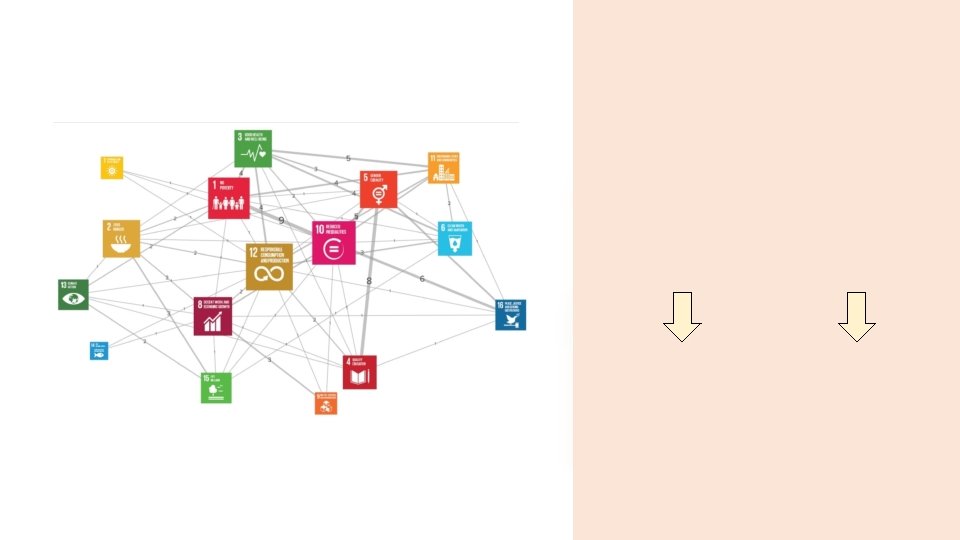
Only for DCs (Developing Countries) For all Countries
Conduct regular and inclusive reviews of progress at the national and sub-national levels, which are country-led and country-driven. These national reviews serve as a basis for the regular reviews by the HLPF.
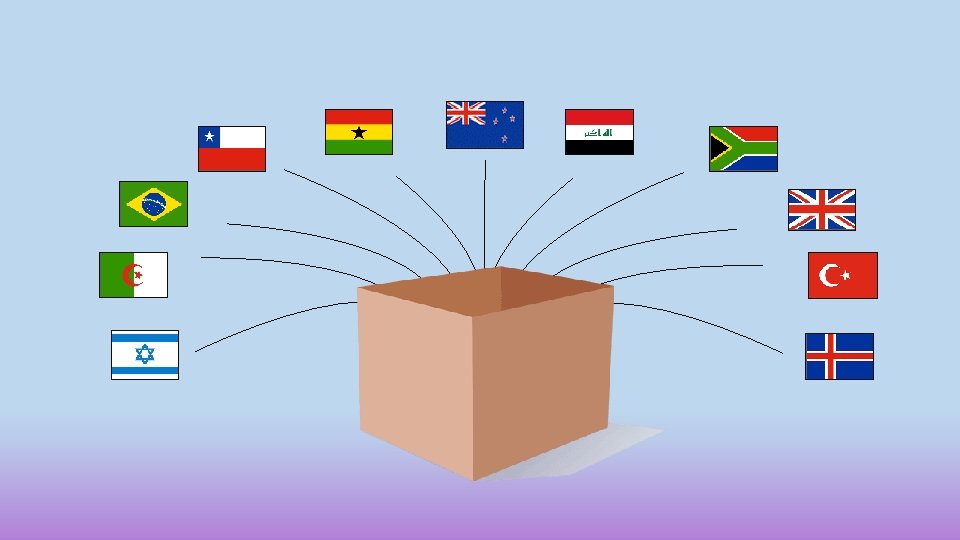
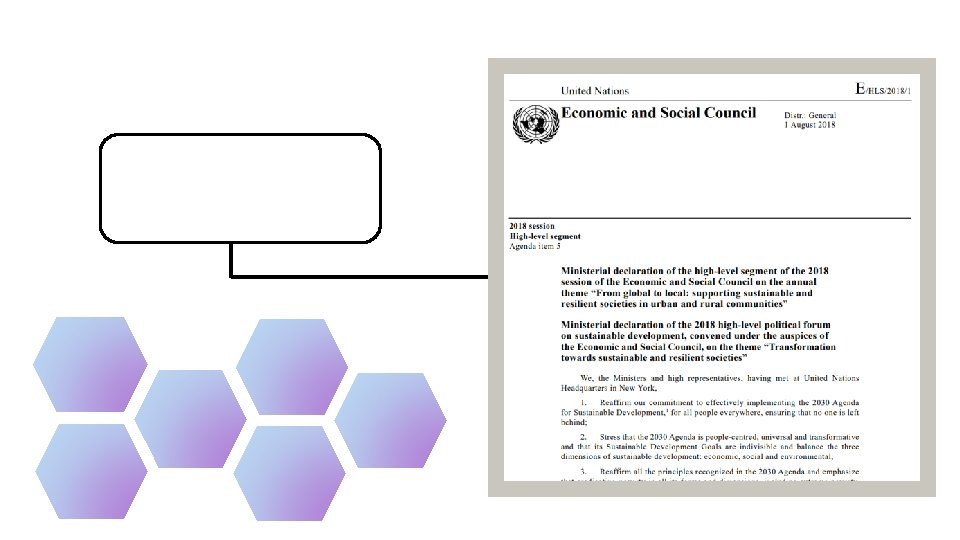


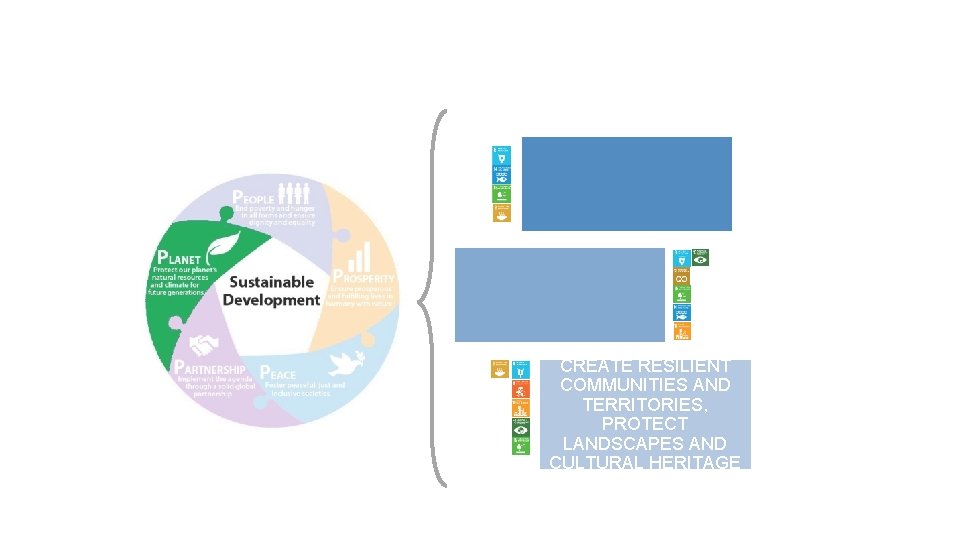
CREATE RESILIENT COMMUNITIES AND TERRITORIES, PROTECT LANDSCAPES AND CULTURAL HERITAGE


IMPLEMENTATION OF THE 2030 AGENDA AT REGIONAL LEVEL - Initiatives of the Ministry of Environment
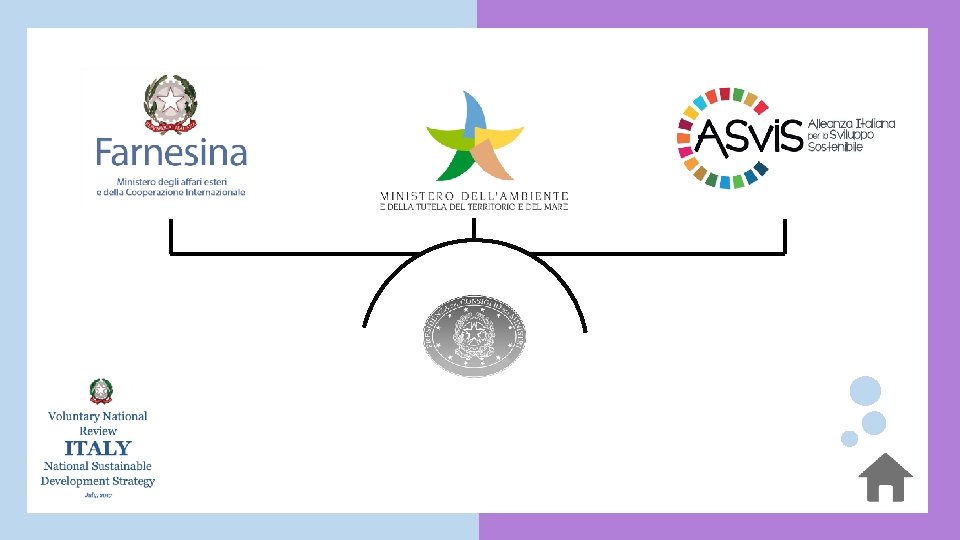
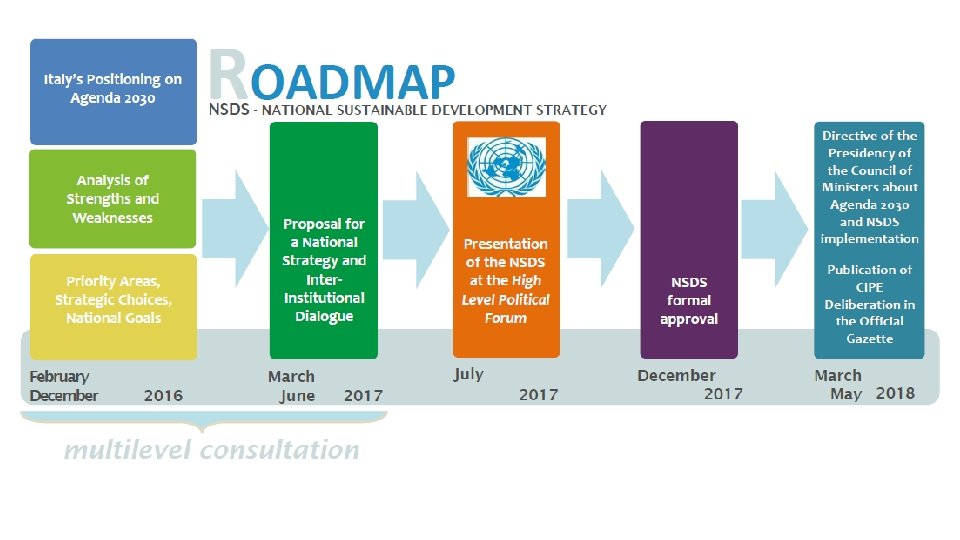
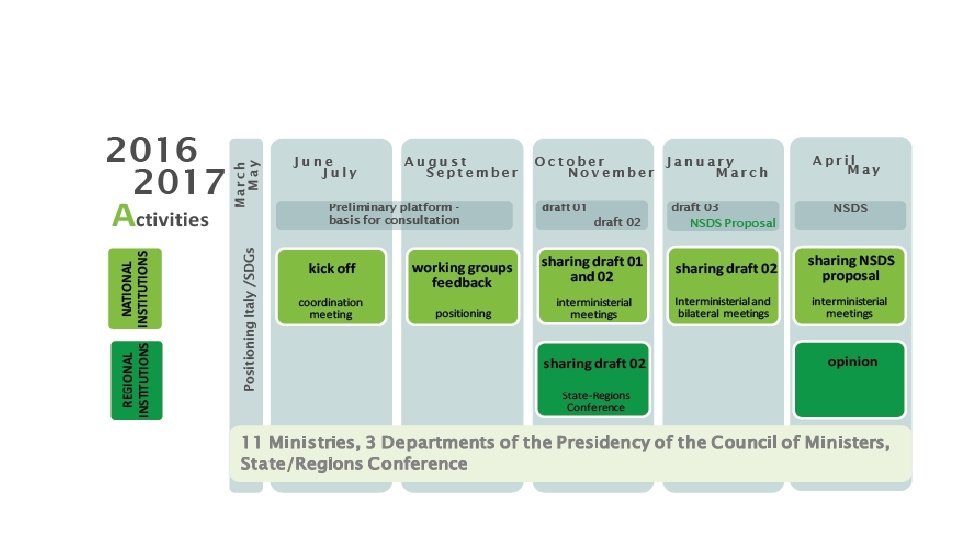
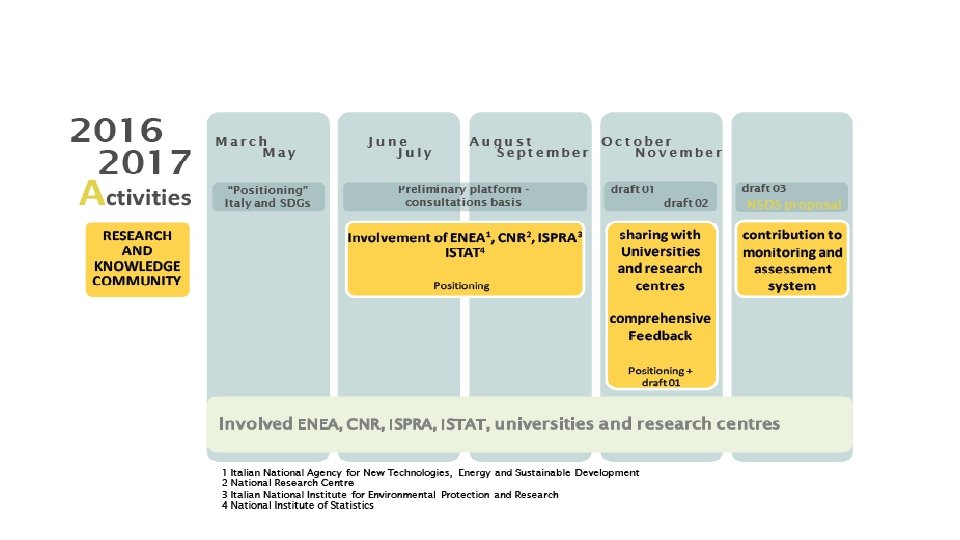
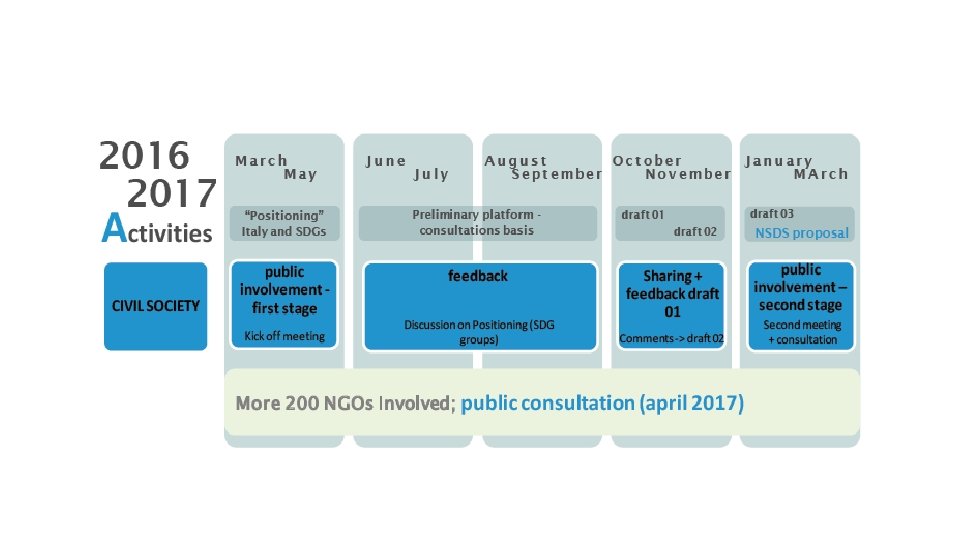
MAIN STEPS TOWARDS THE IMPLEMENTATION OF THE NSDS
- Slides: 57