
BUSINESS ENGLISH LECTURE 25 SYNOPSIS Job interview strategies
BUSINESS ENGLISH LECTURE 25
SYNOPSIS Job interview strategies and skills Effective Interviewing Skills : possess vs. learn Preparing to Interview Guide to interview
JOB INTERVIEWING STRATEGIES & SKILLS
Know yourself Be able to articulate YOUR Skills Values Interests Abilities Long term plans Be able to give examples of them Think on your feet outside the box Use common sense

Types of interviews On campus interviews Screening interviews On site interviews Second round interviews One on one Panel interviews Group interviews Over a meal
Review Prepared for questions about resume Familiar with contents Answer questions pertaining to resume Typically asked questions “Why should we hire you? ” “Tell me about one of your weaknesses. . . ”
Review l l Questions for organization l “How soon do you expect to make your decision” Interview starter questions l “Tell me what you know about us“ l “Tell me about yourself? ”
Show the complete picture Tell me about yourself. . . tell a story…. how do you want companies to remember you?
Rehearse Practice tape recorder mirror video camera friends, family Notecards No memorized answers just concepts and key “buzz words”
Preparing for the interview Familiarity with business location Copy of resume updated & in folder References included Few questions prepared for interviewer at end of interview Visualize setting, positive interview Anticipate stressors What to wear
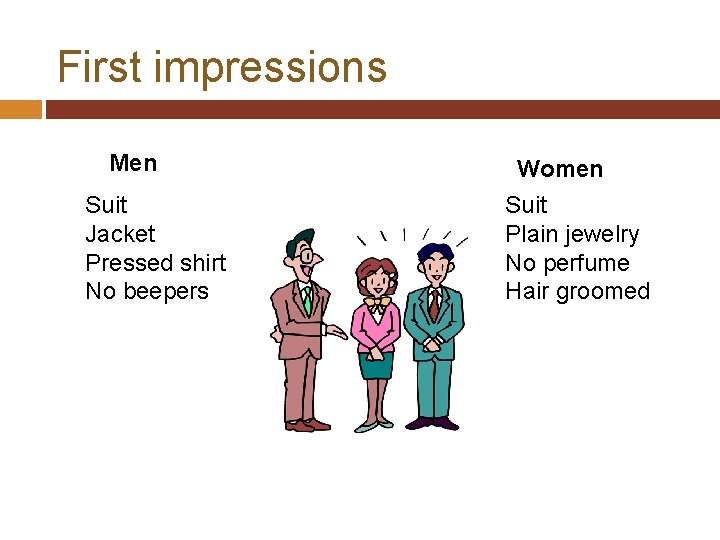
First impressions Men Suit Jacket Pressed shirt No beepers Women Suit Plain jewelry No perfume Hair groomed
Rules of Thumb No sleeveless shirts Have your clothes pressed No open toe shoes Pantyhose for women, socks for men Clothes should be comfortable avoid too tight, too short
Accessories Shoes Socks/Hose If have belt loops, wear a belt Jewelry Do not go without socks/hose Belts Polished, comfortable Minimal Purse/Attache Case

Hints Dress for the position you want, not the position you have Men Wear a white t-shirt under dress shirt Helps with perspiration Have someone help you tie your tie Women Pull hair back Go easy on make up One ring per hand
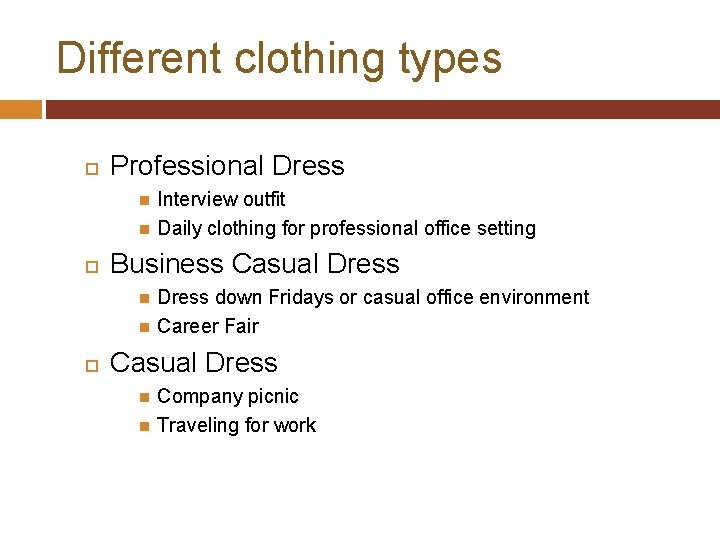
Different clothing types Professional Dress Business Casual Dress Interview outfit Daily clothing for professional office setting Dress down Fridays or casual office environment Career Fair Casual Dress Company picnic Traveling for work
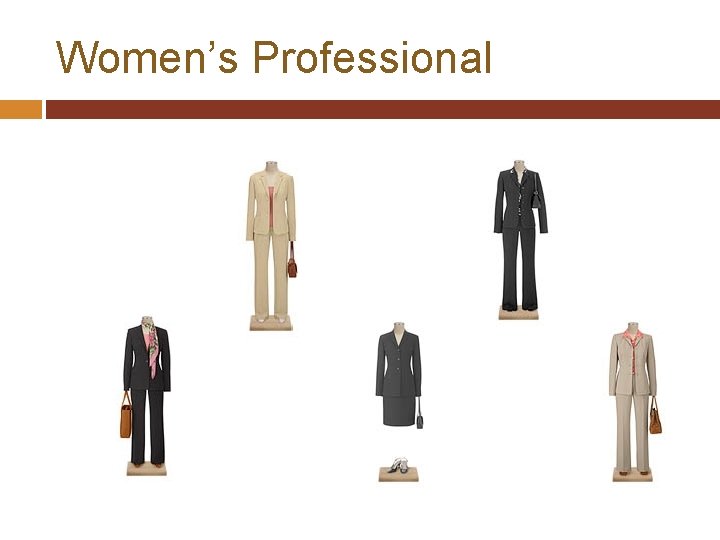
Women’s Professional
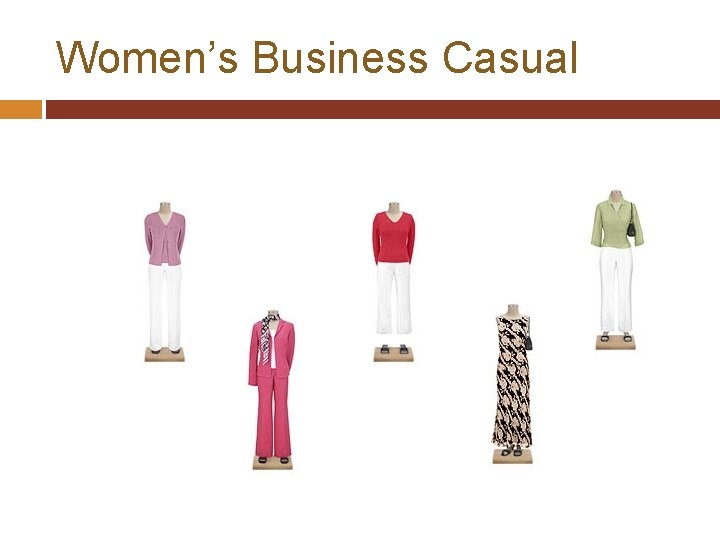
Women’s Business Casual
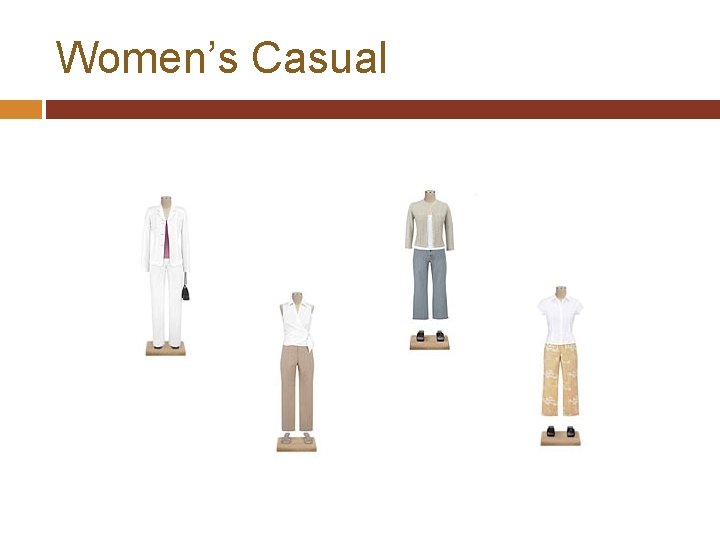
Women’s Casual
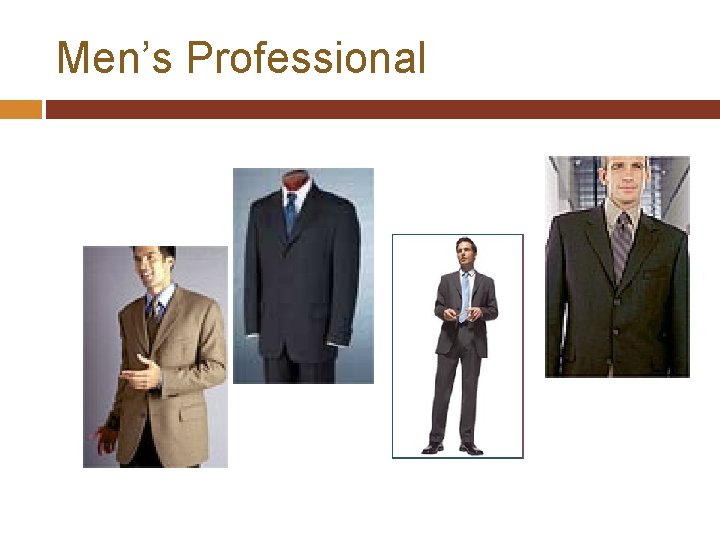
Men’s Professional
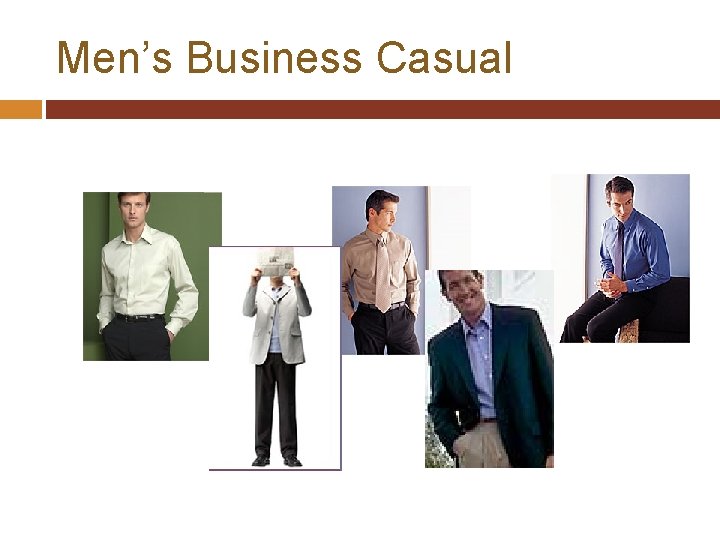
Men’s Business Casual
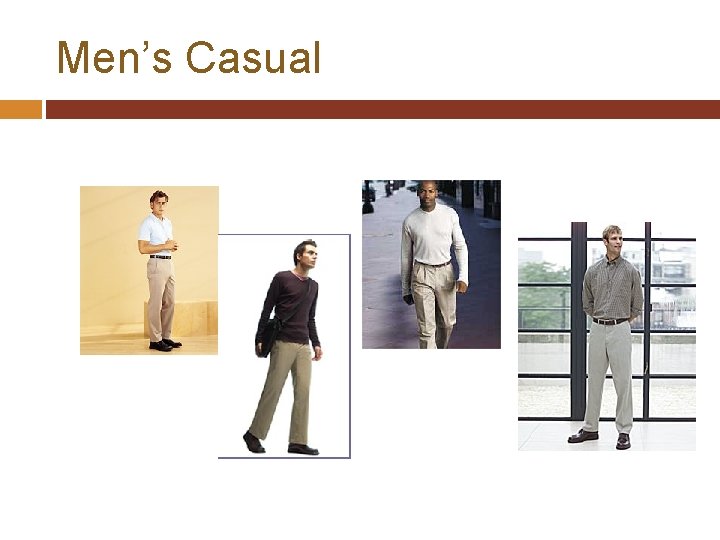
Men’s Casual
Day of the interview Fresh shower, well groomed Leave plenty of time for mishaps Eat prior to the interview Avoid too much caffeine and sugar Arrive early 15 minutes ample time too early makes interviewers nervous When arriving a business, be courteous to all employees
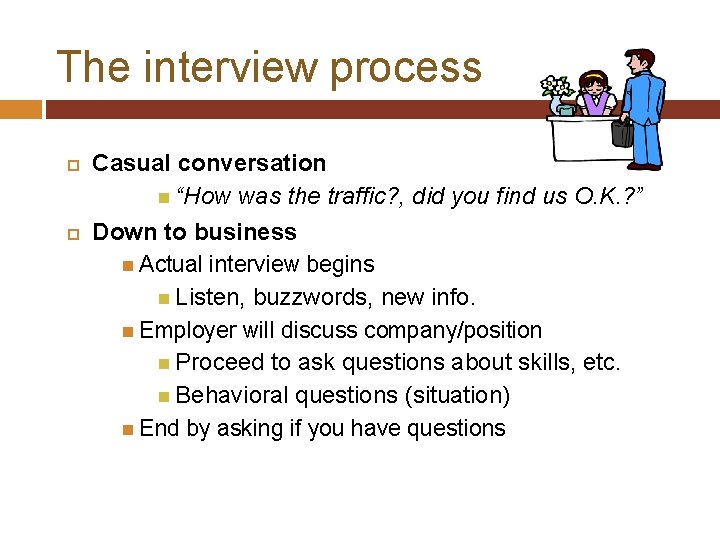
The interview process Casual conversation “How was the traffic? , did you find us O. K. ? ” Down to business Actual interview begins Listen, buzzwords, new info. Employer will discuss company/position Proceed to ask questions about skills, etc. Behavioral questions (situation) End by asking if you have questions
The interview process Closing the interview Employer initiates Standing Let up, shaking hands “Thank-you for interviewing” employer know you are interested Prepare closing statement “Thank you for taking the time to interview me, I’m very interested in this position. . . ”
LISTEN AND UNDERSTAND
Jon Interview Attitude 00: 212: 00 Experience and skills- professional attitude Confident Comfortable Professionalism Personal impression
2: 00 – 3: 15 Appearance Showing respect Attitude: professional enthusiasm Eye contact & smile Take initiative in greetings Engage in a dialogue / active participants Be to the point
03: 15 - 05: 02 End of the interview Ask questions Smile, close and exit
Tricky Questions a. k. a. . behavioral questions
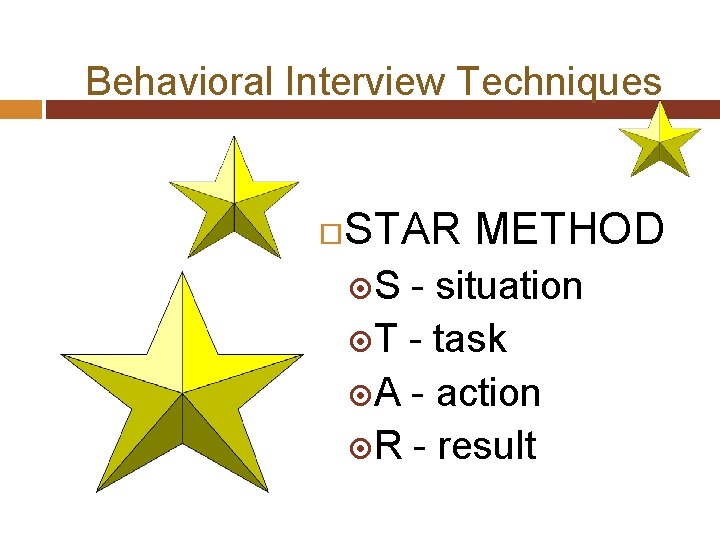
Behavioral Interview Techniques STAR METHOD S - situation T - task A - action R - result
Behavioral Interview Questions • Give me an example of a problem you encountered & how you handled it? • Give me an example of a time when you faced a lot of obstacles to achieving a goal… • Talk about a stressful situation you’ve experienced… • Tell me about a time when you’ve been a team player. . • Tell me about a project or role that you’ve taken on that is outside your job description….
• Tell me about a situation when you “took the ball & ran with it. ” • How have you handled situations in which you had to deal with something that you're not totally comfortable with? • How do you build your confidence? • Give me an example of how you’ve failed… • Tell me about a time when you’ve had to challenge authority. . .
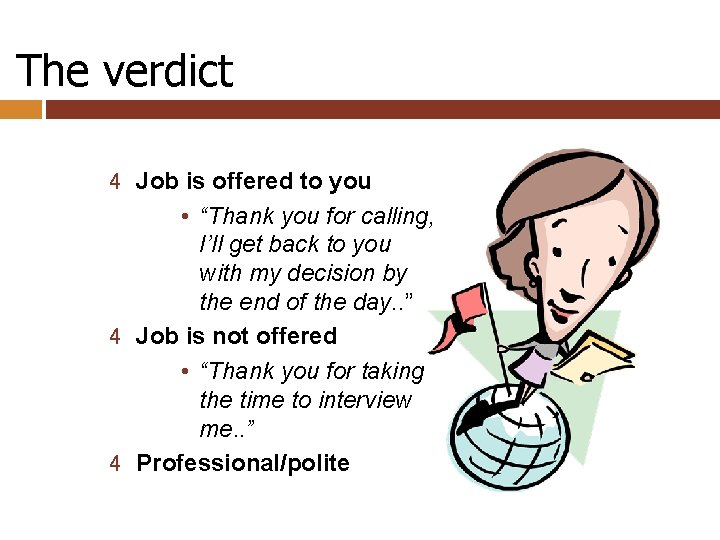
The verdict 4 Job is offered to you • “Thank you for calling, I’ll get back to you with my decision by the end of the day. . ” 4 Job is not offered • “Thank you for taking the time to interview me. . ” 4 Professional/polite
Comments / Questions 4 Remember to be yourself… 4 Everyone is nervous… 4 Be prepared
Need More Interview Help? http: //icc. ucdavis. edu/iccdocs/poe. htm
EFFECTIVE INTERVIEWING STRATEGIES Be The Star In Every Interview! 37
Do I Have To Interview? 38 The interview is one of the most important steps to getting a job. The cover letter and resume can interest an employer, but the interview will make or break your chances of landing the job. It is normal to be nervous and scared, but being prepared will help you do your very best.
What Is Behavioral Interviewing? It is demonstrated examples of behavior from past experiences that concentrate on job related functions. Behavioral interview questions can be… Open ended: These often begin with “Tell Me…”, “Describe…”, ”When”. Close-ended: Used most often to verify or confirm information. Why questions: Used to reveal rationale for decisions made or level of motivation 39
Why Behavioral Interviewing? 40 Job seekers who learn this method of interviewing are: Better prepared for traditional interviews. Have more knowledge about the skills they possess. Can prove to the employer that they are different from their competition by identifying their skills and accomplishments.
SKILLS YOU POSSESS OR LEARN Listening Acativty
Situation 00 -43 Cover someway to use your educational experience help you speak about yourself Let’s meet a fresh graduate Panel interview / 3 interviewers
Activity 00: 02 – 04: 38 Listening Questions 1. Why do you think George is handling the technical aspects of the interview? 2. What are two qualities or transferable skills that Owen mentions? 3. What does Owen say about his university’s approach to learning?
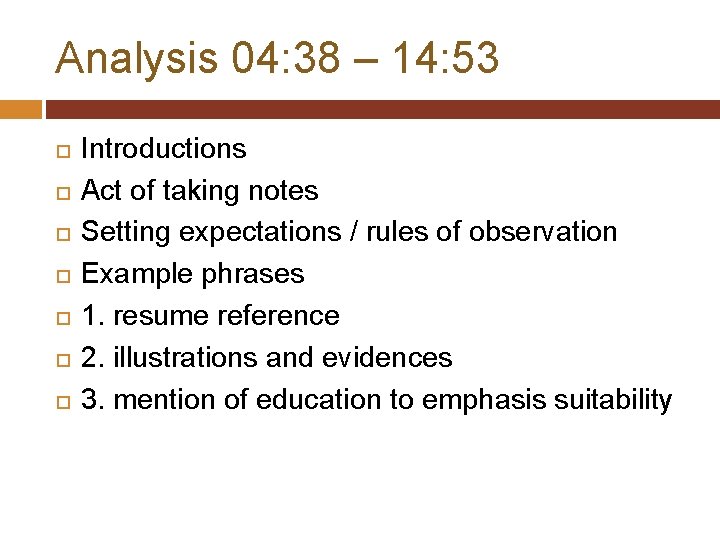
Analysis 04: 38 – 14: 53 Introductions Act of taking notes Setting expectations / rules of observation Example phrases 1. resume reference 2. illustrations and evidences 3. mention of education to emphasis suitability
Examples 14: 53 – 17: 23 Example Phrases Sentences / dialogues
Review Job interview strategies and skills Effective Interviewing Skills : possess vs. learn Preparing to Interview Guide to interview
- Slides: 45