
Bus Discipline PBIS Positive Behavior Interventions and Support
Bus Discipline PBIS Positive Behavior Interventions and Support Presented by: Mary Margaret Salls, Albert Felts, and Christy Clemons
Maintain and communicate high expectations for student success Build positive relationships with students
Create consistent, Teach students how predictable to behave classroom and school successfully -wide routines
Provide consistent monitoring and supervision Provide frequent positive feedback
Correct misbehavior in a calm, consistent, and logical manner

It doesn’t have to be like this…
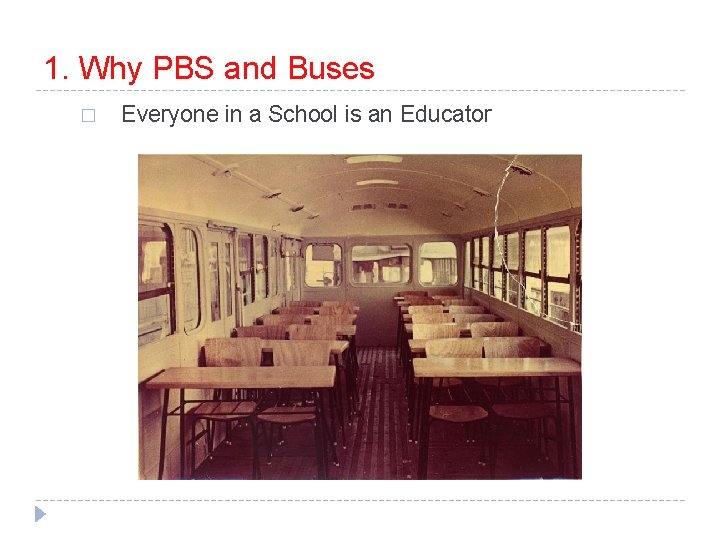
1. Why PBS and Buses � Everyone in a School is an Educator
A Good Bus Ride Can… �Set the tone of the day �Be a child’s only positive experience �Be a time to prepare for school �Be a time to wind down from school
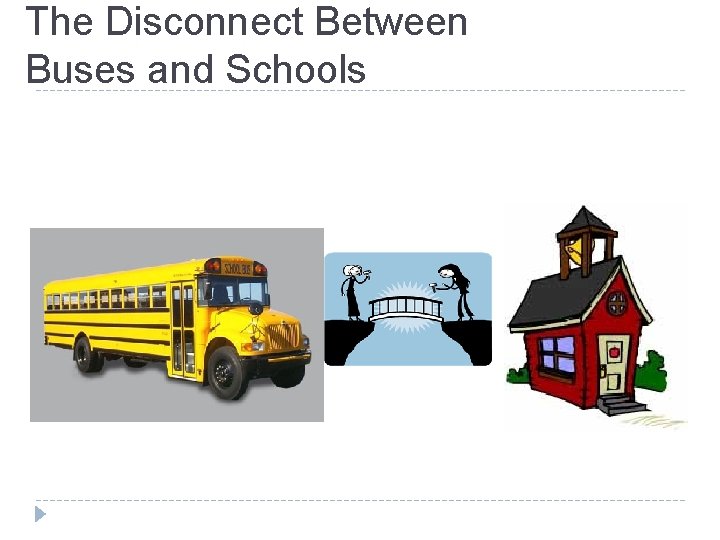
The Disconnect Between Buses and Schools
Initial Discussion PBIS Training for Drivers is NOT a quick fix This will not produce immediate results Leadership and follow up is a necessary component
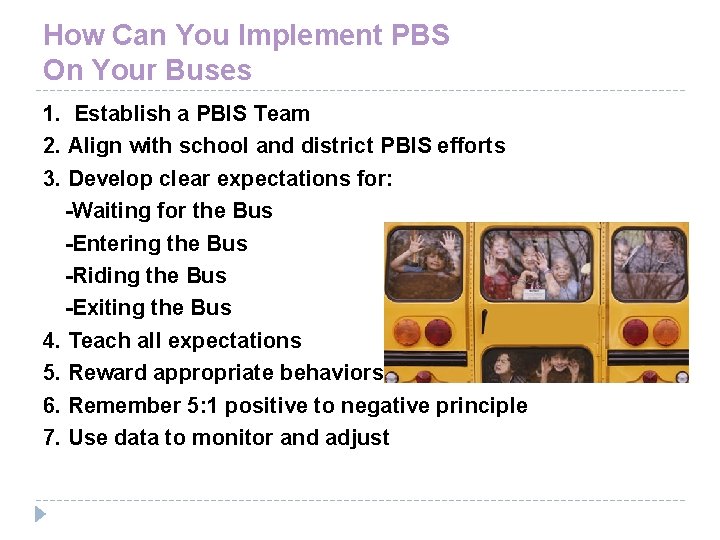
How Can You Implement PBS On Your Buses 1. Establish a PBIS Team 2. Align with school and district PBIS efforts 3. Develop clear expectations for: -Waiting for the Bus -Entering the Bus -Riding the Bus -Exiting the Bus 4. Teach all expectations 5. Reward appropriate behaviors 6. Remember 5: 1 positive to negative principle 7. Use data to monitor and adjust
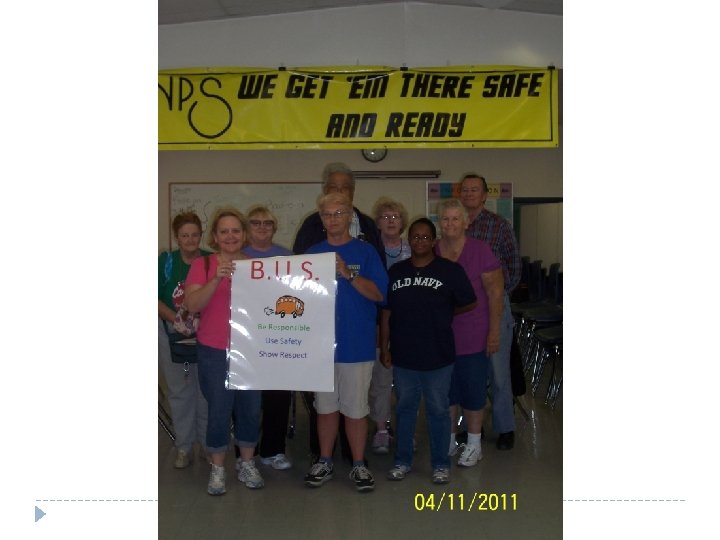
Essential Practices of Positive Behavior Support Define Teach Monitor Acknowledge Correct Use Information

Teaching Expectations
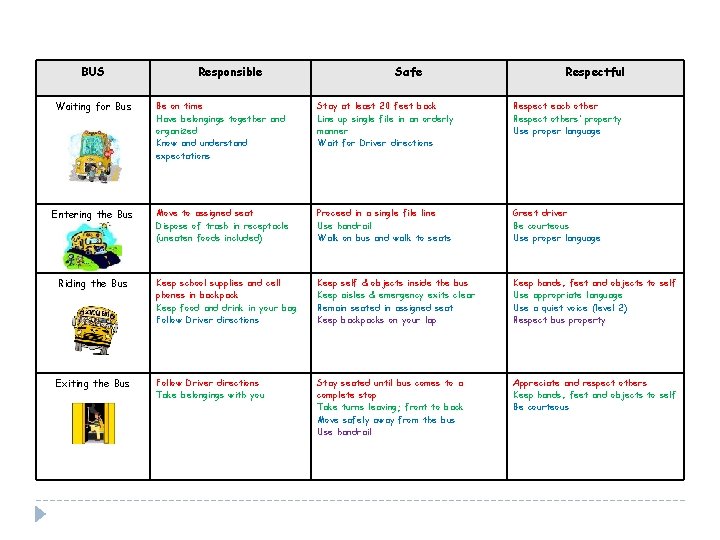
BUS Responsible Safe Respectful Waiting for Bus Be on time Have belongings together and organized Know and understand expectations Stay at least 20 feet back Line up single file in an orderly manner Wait for Driver directions Respect each other Respect others’ property Use proper language Entering the Bus Move to assigned seat Dispose of trash in receptacle (uneaten foods included) Proceed in a single file line Use handrail Walk on bus and walk to seats Greet driver Be courteous Use proper language Riding the Bus Keep school supplies and cell phones in backpack Keep food and drink in your bag Follow Driver directions Keep self & objects inside the bus Keep aisles & emergency exits clear Remain seated in assigned seat Keep backpacks on your lap Keep hands, feet and objects to self Use appropriate language Use a quiet voice (level 2) Respect bus property Exiting the Bus Follow Driver directions Take belongings with you Stay seated until bus comes to a complete stop Take turns leaving; front to back Move safely away from the bus Use handrail Appreciate and respect others Keep hands, feet and objects to self Be courteous
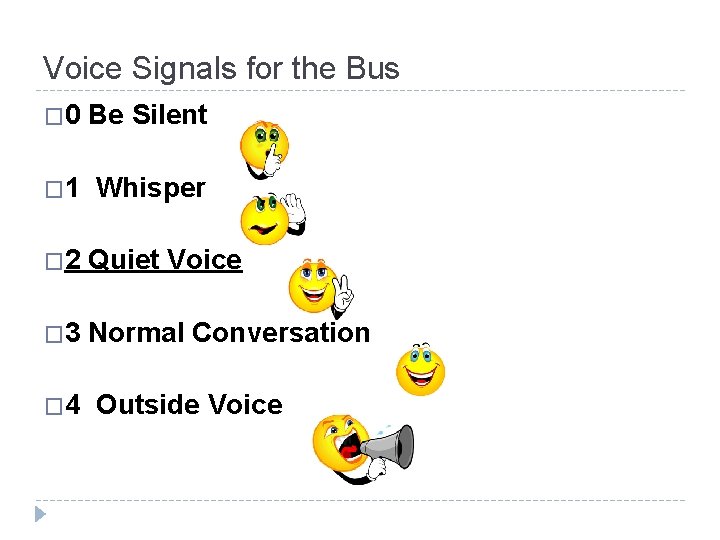
Voice Signals for the Bus � 0 Be Silent � 1 Whisper � 2 Quiet Voice � 3 Normal Conversation � 4 Outside Voice
WHY PBS? ? Increased Valuable Time �Reduction � Increased in Referrals: academic time for students � Increased time for administrators to focus on academic leadership � Decreased bus/classroom disruptions � Improvement in district-wide environment � Increased Time To Drive The Bus Without Distractions!
Coordinating with Schools Why is this important?
Coordination What are the biggest barriers? Who do you talk to? When can you find time? What is the best way to do this?

5. Follow Up
Collaboration with District Leadership Collaboration is essential in follow-up Train + Hope = Ineffective strategy PBS Leadership – Transportation Leadership – Building Leadership
Including drivers in all steps �Defining Expectations �Teaching Expectations �Monitoring Behaviors �Acknowledging Expected Behavior �Correcting Behavioral Errors �Using information for decision making
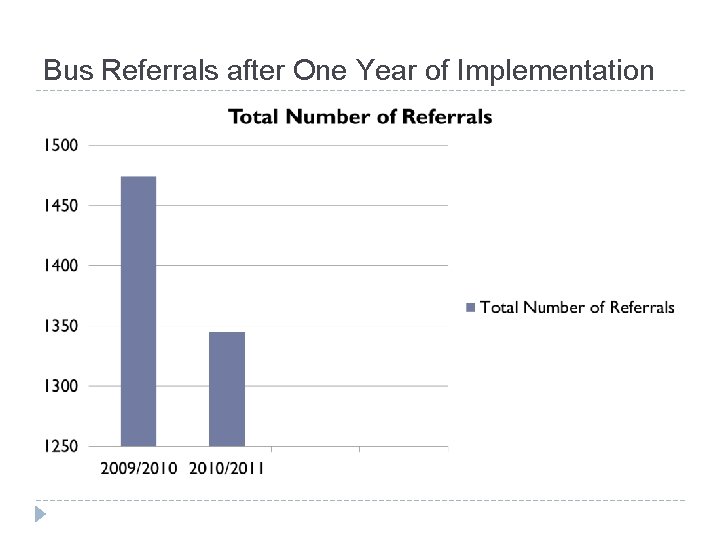
Bus Referrals after One Year of Implementation
Allow yourself plenty of time to get there
Remember to bring the kids along
No matter how tempting…. . Stay Positive!
Questions
- Slides: 29