
Burden and distinctive character of ABPA in India

Burden and distinctive character of ABPA in India Dr Ritesh Agarwal MD, DM FACP, FCCP, FAPSR, FRCP(Glasg) Associate Professor Dept. of Pulmonary Medicine Postgraduate Institute of Medical Education and Research Chandigarh, India
Allergic bronchopulmonary aspergillosis (ABPA) Disease - Aspergillus fumigatus colonizes the sputum plugs in the bronchi of patients with asthma (and cystic fibrosis), with little or no tissue invasion by the organism Agarwal R. Chest 2009; 135: 805 -26
Allergic bronchopulmonary aspergillosis (ABPA) Disease - Aspergillus fumigatus colonizes the sputum plugs in the bronchi of patients with asthma (and cystic fibrosis), with little or no tissue invasion by the organism . . . i. e. immunological response to antigens released from the fungus Agarwal R. Chest 2009; 135: 805 -26
![First description UK - Hinson KFW et al- [Thorax 1952; 7: 317 -33] US](http://slidetodoc.com/presentation_image_h2/1341c66265efac8c8280be35e1f3e60c/image-4.jpg "First description UK - Hinson KFW et al- [Thorax 1952; 7: 317 -33] US")
First description UK - Hinson KFW et al- [Thorax 1952; 7: 317 -33] US - Patterson R et al- [Univ Mich Med Cent J 1968; 34: 8 -11] India - Shah JR et al- [J Assoc Physicians India 1971; 19: 835 -41]
Why so much interest? The fact that the condition responds remarkably to glucocorticoid therapy Early detection and treatment may eliminate the risk of progression to end-stage fibrotic lung disease Hogan C, et al. Semin Respir Crit Care Med 2011; 32: 682 -692
Burden of the disease Scoping review 193 million adults with asthma worldwide using GINA estimates 4, 837, 000 patients (range 1, 354, 000 -6, 772, 000) develop ABPA assuming overall prevalence of ABPA as 2. 1% (range, 0. 7 -3. 5%) Denning DW, et al. Med Mycol 2013; 51: 361 -370
Studies in this millennium No one was able to explain to me (then or now what the distinction between the 2 categories is. Prevalence is higher in the Indian population compared to other populations Agarwal R, et al. Clin Exp Allergy 2013; 43: 850 -873
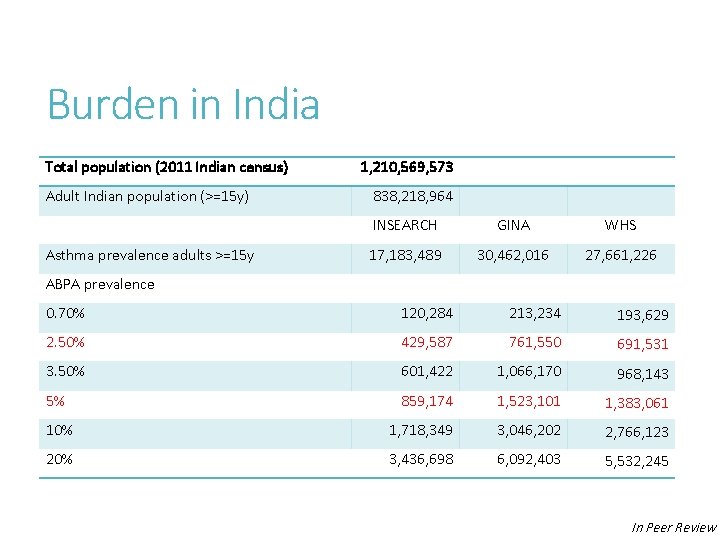
Burden in India Total population (2011 Indian census) Adult Indian population (>=15 y) Asthma prevalence adults >=15 y 1, 210, 569, 573 838, 218, 964 INSEARCH GINA WHS 17, 183, 489 30, 462, 016 27, 661, 226 ABPA prevalence 0. 70% 120, 284 213, 234 193, 629 2. 50% 429, 587 761, 550 691, 531 3. 50% 601, 422 1, 066, 170 968, 143 5% 859, 174 1, 523, 101 1, 383, 061 10% 1, 718, 349 3, 046, 202 2, 766, 123 20% 3, 436, 698 6, 092, 403 5, 532, 245 In Peer Review
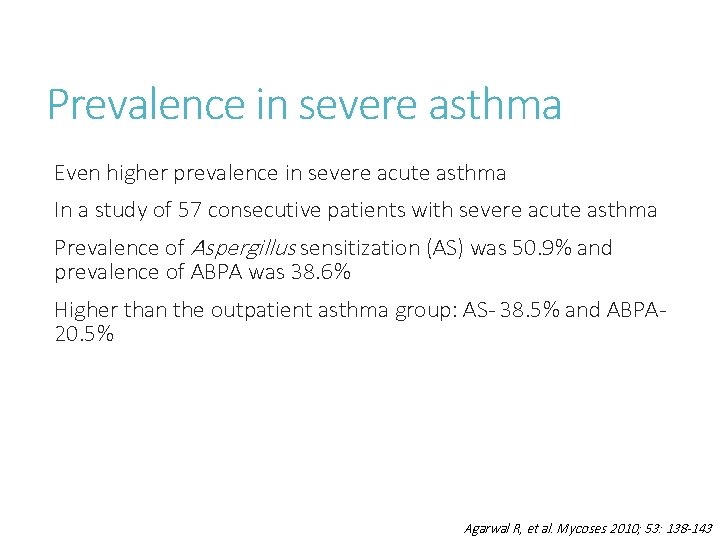
Prevalence in severe asthma Even higher prevalence in severe acute asthma In a study of 57 consecutive patients with severe acute asthma Prevalence of Aspergillus sensitization (AS) was 50. 9% and prevalence of ABPA was 38. 6% Higher than the outpatient asthma group: AS- 38. 5% and ABPA 20. 5% Agarwal R, et al. Mycoses 2010; 53: 138 -143
ABPA in COPD In India, ‘ABPA’ has been identified in conditions other than asthma and cystic fibrosis No one was able to explain to me (then or now what the distinction between the 2 categories is.
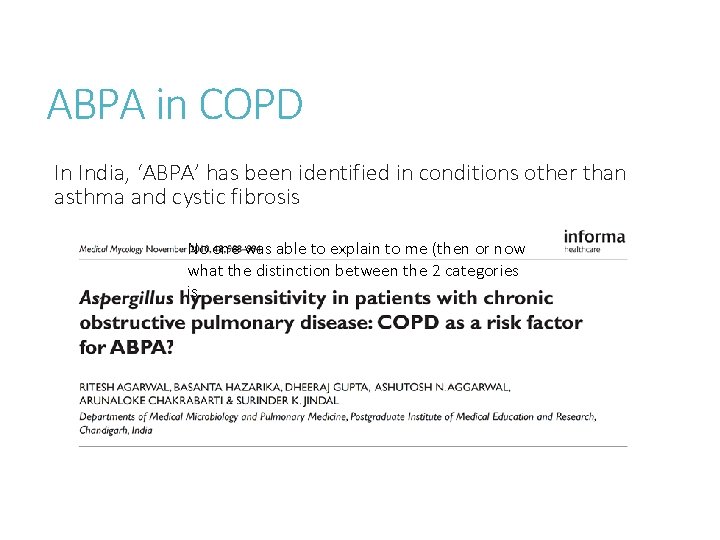
ABPA in COPD In a study of 200 consecutive COPD patients and 100 healthy controls AS was found in 17 (8. 5%) patients with COPD as compared to none in the control group Two (1. 0%) COPD patients fulfilled the serologic criteria for the diagnosis of ABPA Agarwal R, et al. Med Mycol 2010; 48: 988 -994
ABPA in pulmonary tuberculosisrelated fibrocavitary disease Case-control study 50 consecutive symptomatic new referrals with PTB-related fibrocavitary disease and 50 controls Underwent spirometry, Aspergillus skin test, serum Ig. E levels (total and A. fumigatus specific), serum precipitins against A. fumigatus , eosinophil count and CT chest AS: either a positive Aspergillus skin test or A. fumigatus Ig. E >0. 35 k. UA/L Dhooria S, et al. Int J Tuberc Lung Dis 2014: In Press
ABPA in pulmonary tuberculosisrelated fibrocavitary disease AS was present in 16 (32%) cases and two (4%) controls Fourteen cases (one control) had Ig. E values >1000 IU/m. L while two cases manifested eosinophilia Aspergillus precipitins were positive in 13 cases (two controls); eight of these 13 cases did not have AS Dhooria S, et al. Int J Tuberc Lung Dis 2014: In Press
Environmental factors in ABPA Prospective case-control questionnaire based study 202 subjects of asthma (103 and 99 Aspergillus unsensitized and sensitized asthma respectively) and 101 ABPA Living conditions (home environment, presence of moisture in the walls, details of house type, presence of separate kitchen), use of water coolers, type of fuel, contact with farms, cattle and pets Agarwal R, et al. Lung India 2014; In Press
Environmental factors in ABPA No significant differences in environmental factors were noted in ABPA population compared to asthmatic patients except for a higher rural residence in ABPA (47% vs. 66%, p=0. 007) Agarwal R, et al. Lung India 2014; In Press
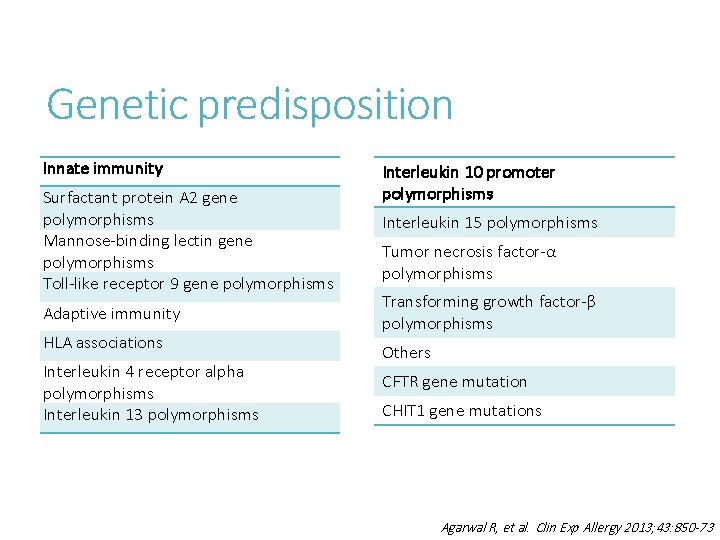
Genetic predisposition Innate immunity Surfactant protein A 2 gene polymorphisms Mannose-binding lectin gene polymorphisms Toll-like receptor 9 gene polymorphisms Adaptive immunity HLA associations Interleukin 4 receptor alpha polymorphisms Interleukin 13 polymorphisms Interleukin 10 promoter polymorphisms Interleukin 15 polymorphisms Tumor necrosis factor-α polymorphisms Transforming growth factor-β polymorphisms Others CFTR gene mutation CHIT 1 gene mutations Agarwal R, et al. Clin Exp Allergy 2013; 43: 850 -73
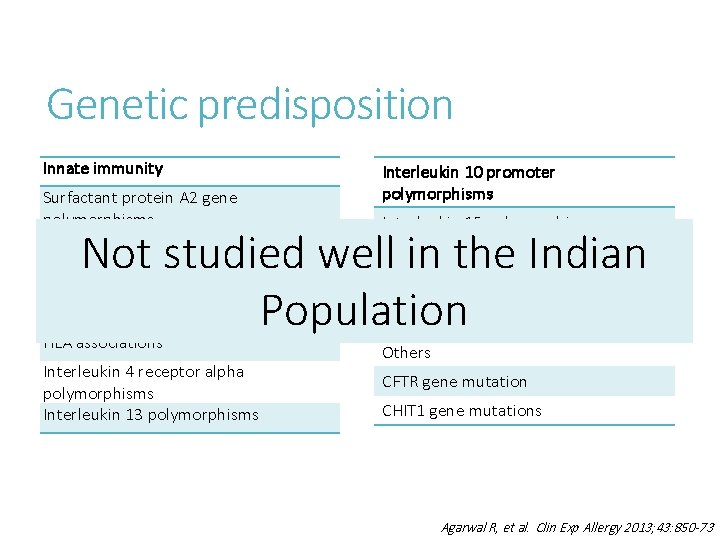
Genetic predisposition Innate immunity Surfactant protein A 2 gene polymorphisms Mannose-binding lectin gene polymorphisms Toll-like receptor 9 gene polymorphisms Interleukin 10 promoter polymorphisms Interleukin 15 polymorphisms Not studied well in the Indian Population Adaptive immunity HLA associations Interleukin 4 receptor alpha polymorphisms Interleukin 13 polymorphisms Tumor necrosis factor-α polymorphisms Transforming growth factor-β polymorphisms Others CFTR gene mutation CHIT 1 gene mutations Agarwal R, et al. Clin Exp Allergy 2013; 43: 850 -73
Clinical presentation Poorly controlled asthma Low grade fever, hemoptysis, productive cough, weight loss and malaise Routine screening of asthmatics - In our series of 155 cases of ABPA - 19% had well controlled asthma In India, almost 1/3 rd of the patients are still misdiagnosed as pulmonary tuberculosis Need for better training of physicians and pulmonary physicians Agarwal R, et al. Chest 2006; 130: 442 -8 Agarwal R, et al. In: Aspergillosis: From Diagnosis to Prevention. New York: Springer; 2009. p. 707 -24
Immunologic findings A. fumigatus specific Ig. E levels Elevated level of specific antibodies is the most sensitive investigation in diagnosis of ABPA Cutoff for defining Aspergillus sensitization: Af Ig. E >0. 35 k. UA/L Using latent class analysis, the sensitivity and specificity of Af Ig. E was found to be 100% and 69% respectively Preferred test for screening asthmatic patients for ABPA Agarwal R, et al. Plos One 2013; 8: e 61105
Immunologic findings Aspergillus skin test Previously advocated as the screening test for AS Type 1 hypersensitivity to A. fumigatus antigens represents the presence of A. fumigatus specific Ig. E antibodies Using latent class analysis, the sensitivity was found be 8894% No longer the preferred test for ABPA screening Agarwal R. Curr Allergy Asthma Rep 2011; 11: 403 -413 Agarwal R, et al. Plos One 2013; 8: e 61105
Immunologic findings Total serum Ig. E levels A normal serum Ig. E excludes active ABPA With treatment, serum Ig. E levels start declining, but in most patients do not reach normal value Repeated measurements of Ig. E levels are required to determine the ‘new’ baseline value Important tool in follow-up of patients, and an increase in Ig. E levels may signify an impending exacerbation Agarwal R. Int J Respir Care 2010; 6: 53 -54, 56 -63
Immunologic findings Total serum Ig. E levels are significantly raised in the Indian asthmatic population even without ABPA due to worm infestations, other allergies In one study, almost 70% of asthmatics in our Chest clinic had Ig. E >1000 IU/m. L (? Referral bias) Elevations in Ig. E levels always have to be correlated with radiological and/or clinical manifestations Agarwal R, et al. PLo. S One 2013; 8: e 61105
Immunologic findings Serum precipitins (or specific Ig. G) against A. fumigatus Not specific for ABPA and high levels can be seen in other forms of aspergillosis especially chronic pulmonary aspergillosis (CPA) Agarwal R. Textbook of Pulmonary and Critical Care Medicine. New Delhi: Jaypee Publications, 2010; 947 -970 Agarwal R, et al. J Infect Public Health 2011; 4: 235 -243
Immunologic findings Peripheral eosinophilia Eosinophil count >1000 cells/µL is a major criterion for diagnosis of ABPA In a study involving 209 ABPA patients Median eosinophil count at diagnosis was 850 cells/μL 60% had an eosinophil count <1000 cells/μL In India, eosinophil count is used to screen asthmatic patients for ABPA and is one important cause for missed diagnosis Agarwal R. Textbook of Pulmonary and Critical Care Medicine. New Delhi: Jaypee Publications, 2010; 947 -970 Agarwal R, et al. J Infect Public Health 2011; 4: 235 -243
Other investigations Sputum cultures for A. fumigatus No utility in diagnosis of ABPA because of the ubiquitous nature of the fungi - positivity ranges from 39 -60% depending on the number of specimens Useful in drug susceptibility testing as many patients require prolonged courses of itraconazole
Radiologic manifestations Common Fleeting pulmonary opacities Central bronchiectasis mucus plugging high-density mucus plugs Tree-in-bud Mosaic attenuation - airtrapping on expiration Atelectasis Uncommon Pleural effusion Perihilar opacities simulating hilar lymphadenopathy Pulmonary masses Miliary nodules
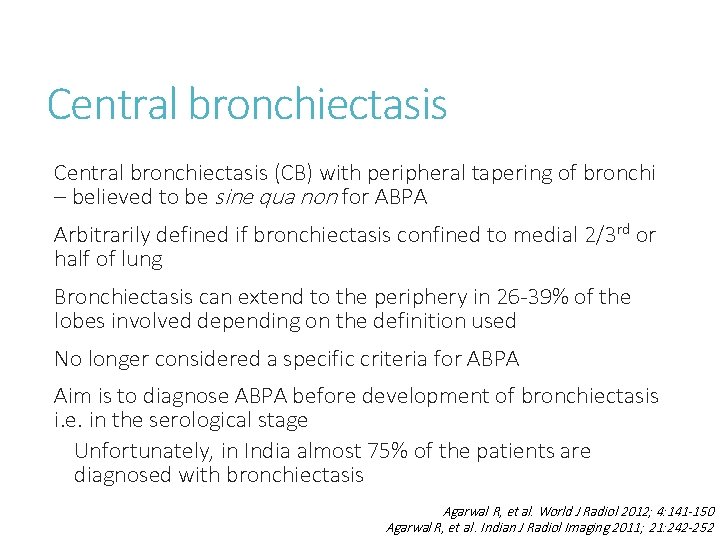
Central bronchiectasis (CB) with peripheral tapering of bronchi – believed to be sine qua non for ABPA Arbitrarily defined if bronchiectasis confined to medial 2/3 rd or half of lung Bronchiectasis can extend to the periphery in 26 -39% of the lobes involved depending on the definition used No longer considered a specific criteria for ABPA Aim is to diagnose ABPA before development of bronchiectasis i. e. in the serological stage Unfortunately, in India almost 75% of the patients are diagnosed with bronchiectasis Agarwal R, et al. World J Radiol 2012; 4: 141 -150 Agarwal R, et al. Indian J Radiol Imaging 2011; 21: 242 -252
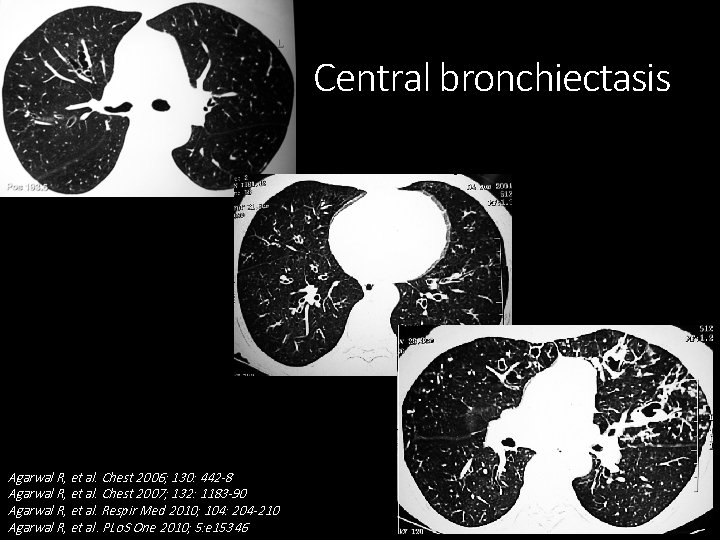
Central bronchiectasis Agarwal R, et al. Chest 2006; 130: 442 -8 Agarwal R, et al. Chest 2007; 132: 1183 -90 Agarwal R, et al. Respir Med 2010; 104: 204 -210 Agarwal R, et al. PLo. S One 2010; 5: e 15346
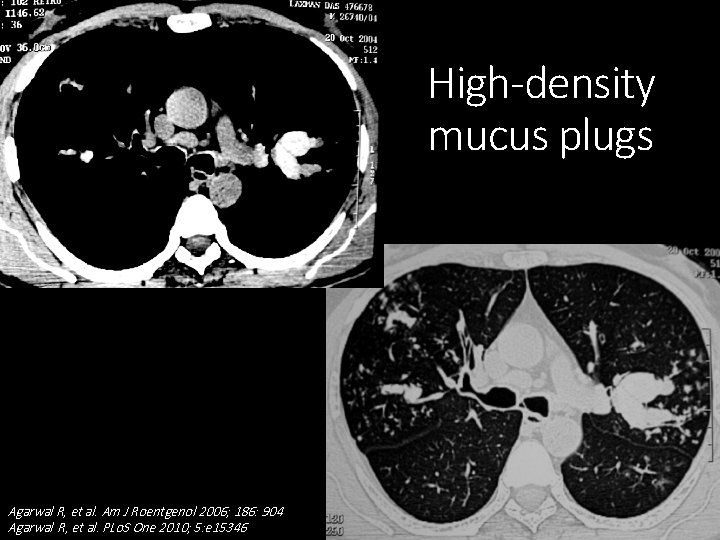
High-density mucus plugs Agarwal R, et al. Am J Roentgenol 2006; 186: 904 Agarwal R, et al. PLo. S One 2010; 5: e 15346
High-attenuation mucus Pathognomonic finding of ABPA Uncommonly described from other centers Seen in almost 20% of our patients Could be recognition bias or could really represent a different spectrum of ABPA We have found that patients with HAM have more severe immunological findings compared to other patients and are prone for relapses Agarwal R, et al. Chest 2007; 132: 1183 -1190 Agarwal R, et al. PLo. S One 2010; 5: e 15346
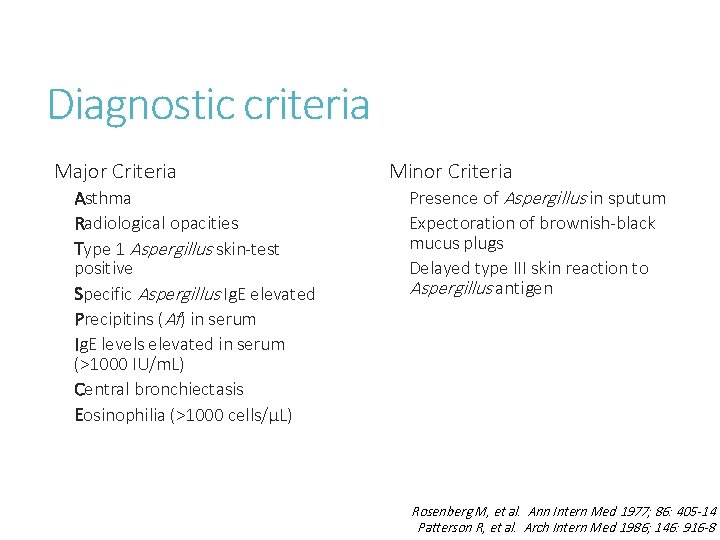
Diagnostic criteria Major Criteria Asthma Radiological opacities Type 1 Aspergillus skin-test positive Specific Aspergillus Ig. E elevated Precipitins (Af) in serum Ig. E levels elevated in serum (>1000 IU/m. L) Central bronchiectasis Eosinophilia (>1000 cells/μL) Minor Criteria Presence of Aspergillus in sputum Expectoration of brownish-black mucus plugs Delayed type III skin reaction to Aspergillus antigen Rosenberg M, et al. Ann Intern Med 1977; 86: 405 -14 Patterson R, et al. Arch Intern Med 1986; 146: 916 -8
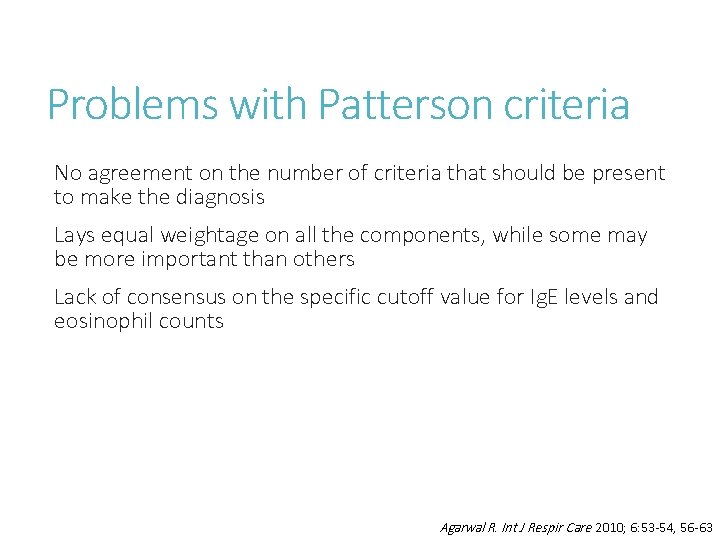
Problems with Patterson criteria No agreement on the number of criteria that should be present to make the diagnosis Lays equal weightage on all the components, while some may be more important than others Lack of consensus on the specific cutoff value for Ig. E levels and eosinophil counts Agarwal R. Int J Respir Care 2010; 6: 53 -54, 56 -63

New criteria Agarwal R, et al. Clin Exp Allergy 2013; 43: 850 -73
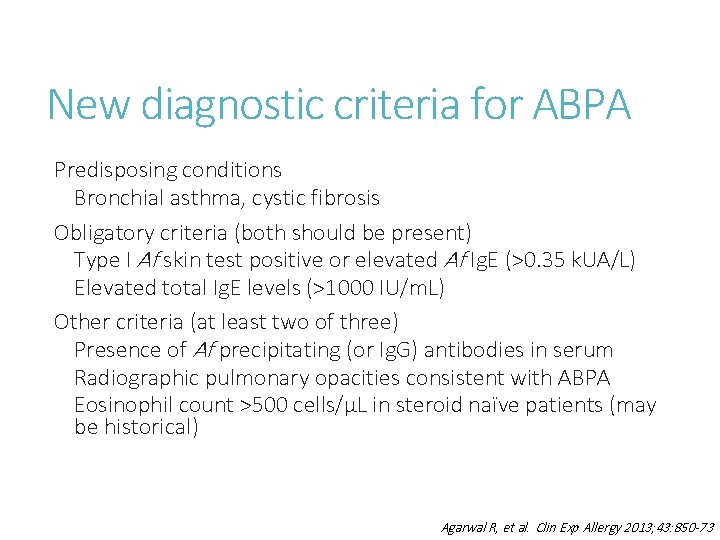
New diagnostic criteria for ABPA Predisposing conditions Bronchial asthma, cystic fibrosis Obligatory criteria (both should be present) Type I Af skin test positive or elevated Af Ig. E (>0. 35 k. UA/L) Elevated total Ig. E levels (>1000 IU/m. L) Other criteria (at least two of three) Presence of Af precipitating (or Ig. G) antibodies in serum Radiographic pulmonary opacities consistent with ABPA Eosinophil count >500 cells/µL in steroid naïve patients (may be historical) Agarwal R, et al. Clin Exp Allergy 2013; 43: 850 -73
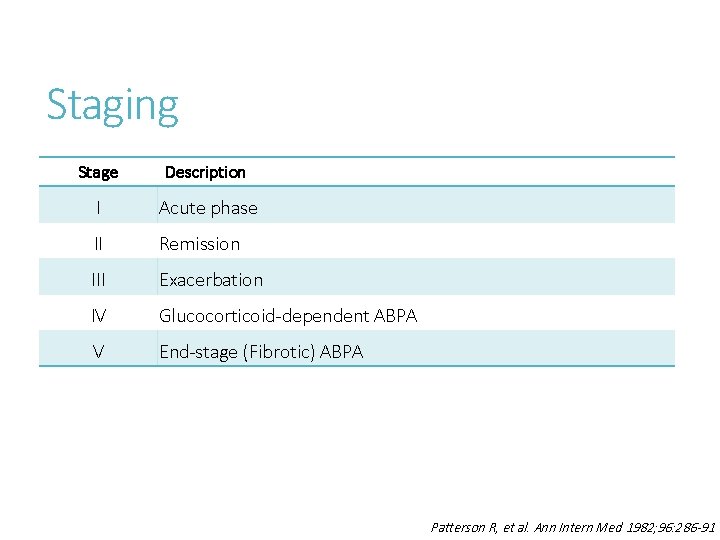
Staging Stage Description I Acute phase II Remission III Exacerbation IV Glucocorticoid-dependent ABPA V End-stage (Fibrotic) ABPA Patterson R, et al. Ann Intern Med 1982; 96: 286 -91
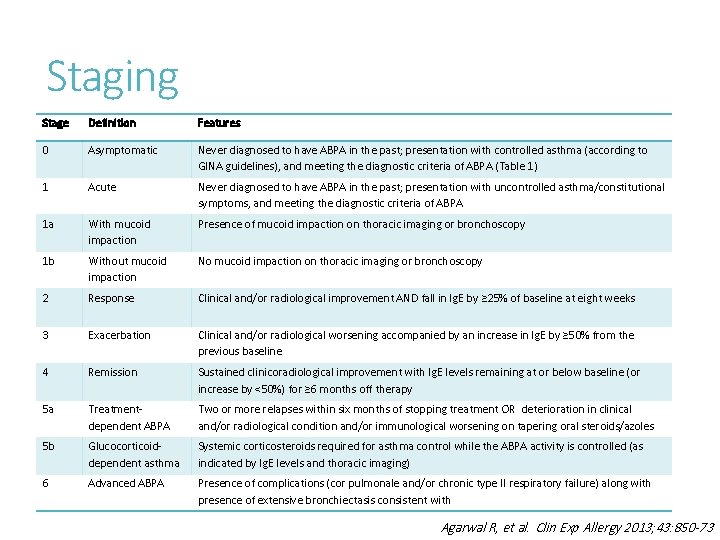
Staging Stage Definition Features 0 Asymptomatic Never diagnosed to have ABPA in the past; presentation with controlled asthma (according to GINA guidelines), and meeting the diagnostic criteria of ABPA (Table 1) 1 Acute Never diagnosed to have ABPA in the past; presentation with uncontrolled asthma/constitutional symptoms, and meeting the diagnostic criteria of ABPA 1 a With mucoid impaction Presence of mucoid impaction on thoracic imaging or bronchoscopy 1 b Without mucoid impaction No mucoid impaction on thoracic imaging or bronchoscopy 2 Response Clinical and/or radiological improvement AND fall in Ig. E by ≥ 25% of baseline at eight weeks 3 Exacerbation Clinical and/or radiological worsening accompanied by an increase in Ig. E by ≥ 50% from the previous baseline 4 Remission Sustained clinicoradiological improvement with Ig. E levels remaining at or below baseline (or increase by <50%) for ≥ 6 months off therapy 5 a Treatmentdependent ABPA Two or more relapses within six months of stopping treatment OR deterioration in clinical and/or radiological condition and/or immunological worsening on tapering oral steroids/azoles 5 b Glucocorticoiddependent asthma Systemic corticosteroids required for asthma control while the ABPA activity is controlled (as indicated by Ig. E levels and thoracic imaging) 6 Advanced ABPA Presence of complications (cor pulmonale and/or chronic type II respiratory failure) along with presence of extensive bronchiectasis consistent with Agarwal R, et al. Clin Exp Allergy 2013; 43: 850 -73
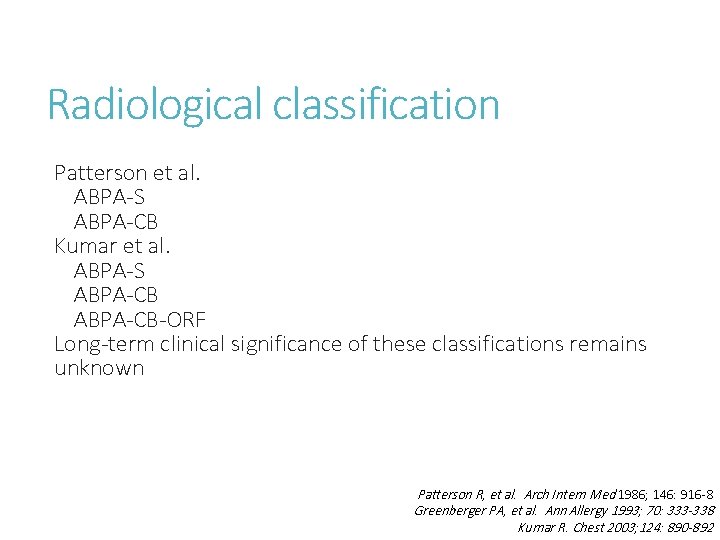
Radiological classification Patterson et al. ABPA-S ABPA-CB Kumar et al. ABPA-S ABPA-CB-ORF Long-term clinical significance of these classifications remains unknown Patterson R, et al. Arch Intern Med 1986; 146: 916 -8 Greenberger PA, et al. Ann Allergy 1993; 70: 333 -338 Kumar R. Chest 2003; 124: 890 -892
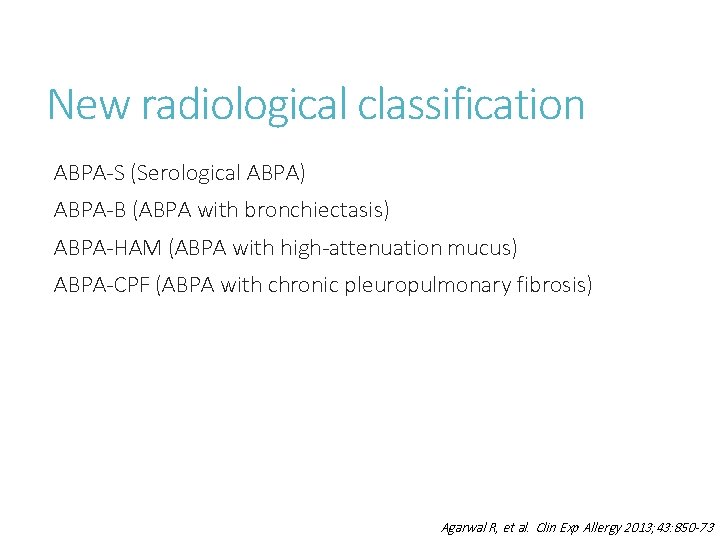
New radiological classification ABPA-S (Serological ABPA) ABPA-B (ABPA with bronchiectasis) ABPA-HAM (ABPA with high-attenuation mucus) ABPA-CPF (ABPA with chronic pleuropulmonary fibrosis) Agarwal R, et al. Clin Exp Allergy 2013; 43: 850 -73
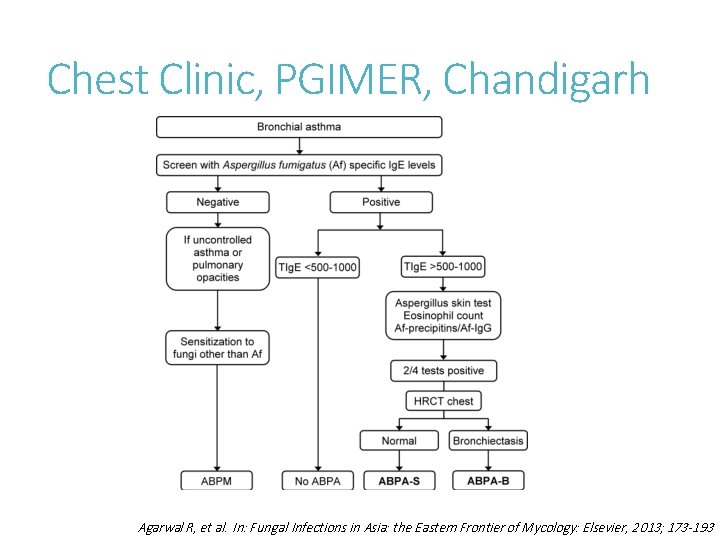
Chest Clinic, PGIMER, Chandigarh Agarwal R, et al. In: Fungal Infections in Asia: the Eastern Frontier of Mycology: Elsevier, 2013; 173 -193
Management Principles of therapy: Institution of anti-inflammatory therapy (systemic glucocorticoids) to control the immunologic activity Use of antifungal agents to attenuate the fungal burden in the airways Goals of therapy: Control of asthma Prevention and treatment of acute exacerbations Preventing the development of bronchiectasis Agarwal R. Chest 2009; 135: 805 -26
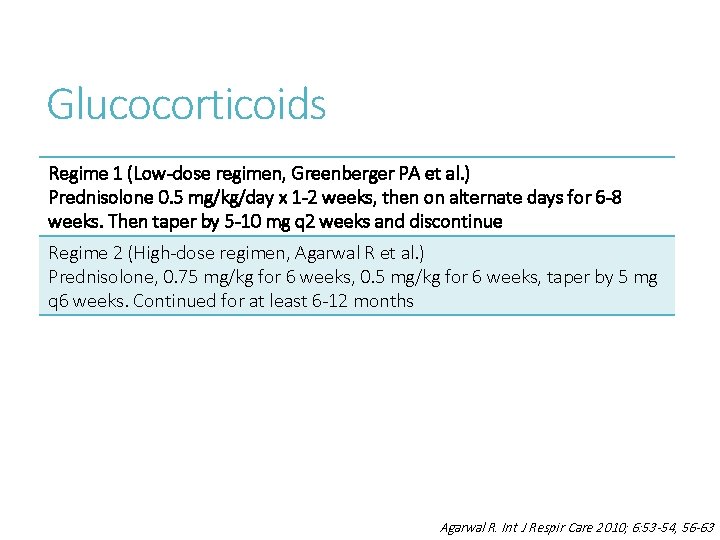
Glucocorticoids Regime 1 (Low-dose regimen, Greenberger PA et al. ) Prednisolone 0. 5 mg/kg/day x 1 -2 weeks, then on alternate days for 6 -8 weeks. Then taper by 5 -10 mg q 2 weeks and discontinue Regime 2 (High-dose regimen, Agarwal R et al. ) Prednisolone, 0. 75 mg/kg for 6 weeks, 0. 5 mg/kg for 6 weeks, taper by 5 mg q 6 weeks. Continued for at least 6 -12 months Agarwal R. Int J Respir Care 2010; 6: 53 -54, 56 -63
Which glucocorticoid regime? Matter of personal preference Patients treated with high-dose steroids had a lower propensity to develop glucocorticoid-dependent ABPA compared to lowdose steroids (17/126 [14%] vs. 38/84 [45%]) RCT on the efficacy and safety of these two regimens in ABPA has been completed (clinical trials. gov; NCT 00974766)
Azoles in ABPA Two RCTs have demonstrated efficacy of azoles in ABPA Itraconazole: 200 mg twice daily for at least 16 weeks Indication: First relapse of ABPA (to maintain remission) or glucocorticoid-dependent ABPA In India, azoles are either not used because of cost considerations or are used at lower doses or smaller duration thereby increasing the risk of drug resistance Stevens DA, et al. N Engl J Med 2000; 342: 756 -762 Wark PA, et al. J Allergy Clin Immunol 2003; 111: 952 -957
Otherapies Newer azoles (voriconazole, posaconazole) Reserved in patients who experience no or poor response (or encounter adverse effects) with itraconazole Aerosolized amphotericin B Can be used along with oral steroids or azoles Pulse doses of methylprednisolone Patients refractory to conventional therapies Decrease the adverse effects associated with daily oral prednisolone Refractory ABPA exacerbations Chishimba L, et al. J Asthma 2012; 49: 423 -33 Agarwal R. Expert Rev Respir Med 2012; 6: 363 -71 Sehgal IS, et al. J Postgrad Med (In Press) Sehgal IS, et al. Eur Respir Rev (In Press)
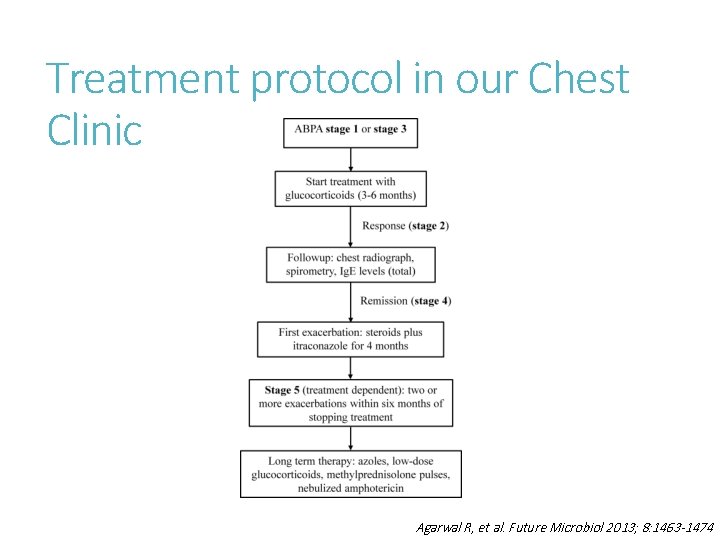
Treatment protocol in our Chest Clinic Agarwal R, et al. Future Microbiol 2013; 8: 1463 -1474
Future directions… Why ABPA is so prevalent in Indian asthmatic patients? Why there is higher prevalence of certain radiological findings in Indian patients? Host susceptibility factors in ABPA
- Slides: 46