
Buprenorphine and Opioid Use Disorder Bruce C Springer
Buprenorphine and Opioid Use Disorder Bruce C. Springer, MD, FASAM, ABAM Mid-State Health Network
OPIATE USE DISORDER 12. 5 million people misused prescription opiates in 2015. 2. 1 million Americans were recently new opiate misusers in 2015 About 5% of these Americans bought these opiates from drug dealers or strangers. Most from prescriptions, physicians, friends and family.
OPIOID USE DISORDER >70, 000 PEOPLE DIED OF DRUG OVERDOSE IN 2017. 191 per day About 8 per hour. In 2016 1. 6 million years of life were lost. Decrease in life expectancy in the U. S.
OPIATE USE DISORDER Approximately one million heroin users in the USA in 2016 Heroin use rising as prescription opiates are harder to abuse and more expensive Heroin’s cost is falling as it comes in from Mexico and Columbia.
Opiates Long term use of opiates may produce molecular changes in neuron function some of which may might be permanent. The craving for opiates may become a life long experience
THE mu OPIOID RECEPTOR Found throughout the CNS A full opiate agonist binding to a mu receptor modulates pain (nociception) reward and reinforcement arousal memory emotional regulation
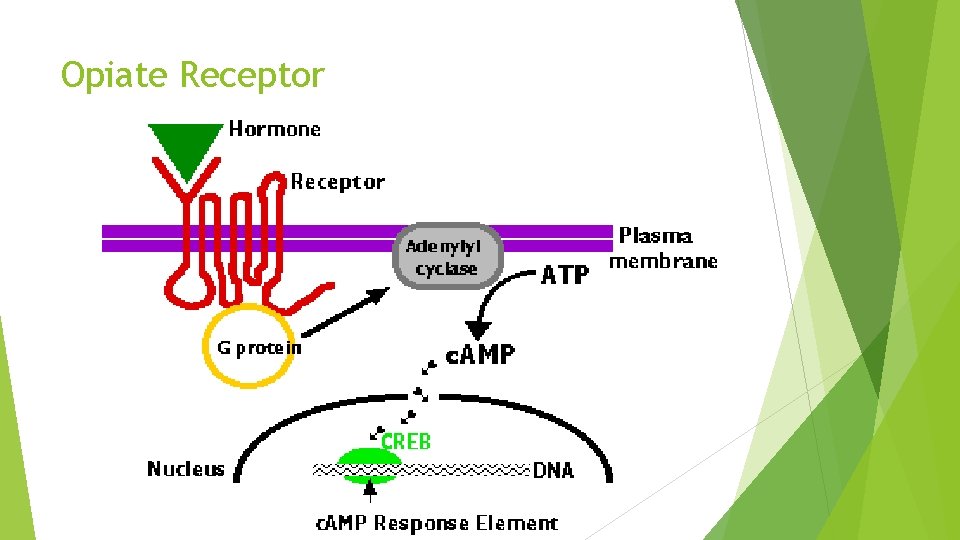
Opiate Receptor
Opiates bind to mu opiate receptors and produce analgesia, reduce anxiety and create a sense of indifference to physical and psychic pain.
OPIATE USE DISORDER Addiction is not curable………
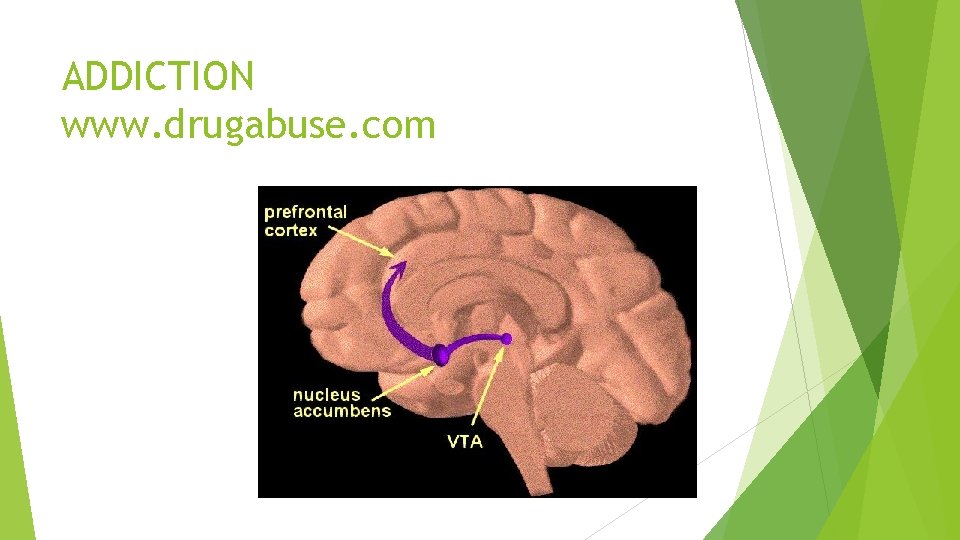
ADDICTION www. drugabuse. com
Substance Use Disorders Midbrain vs. The Prefrontal Cortex
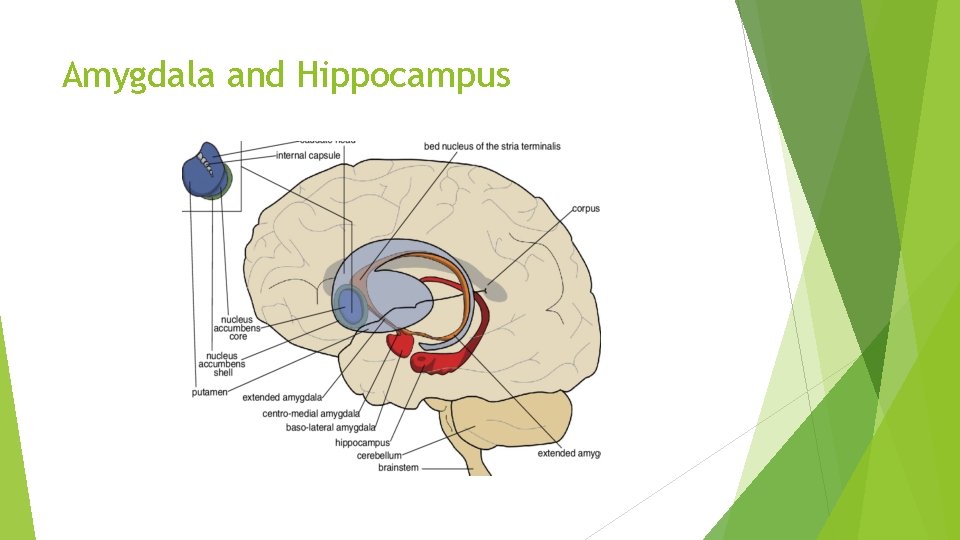
Amygdala and Hippocampus
Carfentantyl 10, 000 times more potent than morphine Half-life 7 ½ hours Usual doses of naloxone do not work Buprenorphine may not be protective May become aerosolized and affect responders Costs $3. 75/gram Source: Mark Weiner, MD, University of Michigan 13
Heroin use in America “Long considered the affliction of the criminal and derelict, this vicious drug is now spreading misery and death among America’s schoolchildren. ” Time Magazine March 16
Heroin use in America 1970
Heroin It is estimated that about 225, 000 pounds (112. 5 tons) was smuggled across our southern border with Mexico in 2014.
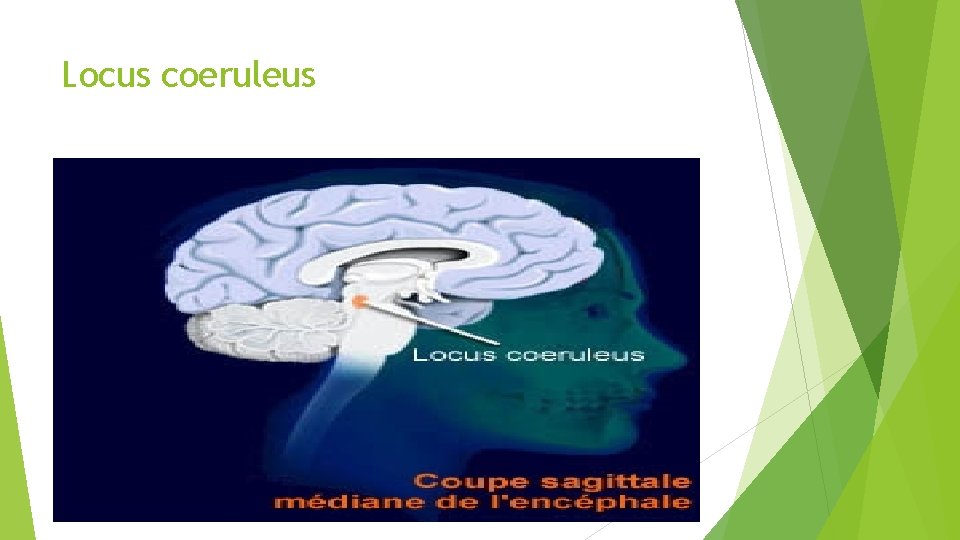
Locus coeruleus
Nucleus locus coeruleus Pons of the brainstem Containing stores of norepinepherine. A single neuron of the LC may project to the cerebrum, hippocampus, and cerebellum. Appears to control level of alertness.
Nucleus locus coeruleus LC neurons may create new axonal connections to other target neurons throughout the CNS in response to stimuli from the environment.
Locus coeruleus The LC is inhibited from its noradrenergic influence when opiates bind to mu receptors on these neurons. The LC may participate in opiate withdrawal by an outpouring of noradrenergic stimulation when opiate use ceases.
ADDICTION Detox alone has limited utility long term Opiate use disorder is chronic and relapse is frequent (85% in 6 months) Neuronal adaptations take place in the CNS creating tolerance, dependence and craving some of which may be permanent
Why Medically Assisted Treatment? Someone in the US dies every 15 minutes from an overdose with opiates or heroin Eighty five percent (85%) of opiate addicted patients relapse after one year without MAT helps patients concentrate on recovery. Helps brain chemistry and behavior return to more normal function. Stops cycle of daily intoxication and withdrawal.
MEDICALLY ASSISSTED TREATMENT (MAT) TOOLS FOR OPIOID USE DISORDER (OUD) Methadone SAMHSA (1972) certified facility Buprenorphine (2002) DEA waiver 275 patients per physician Naltrexone Pill taken every day. Injection given once a month
METHADONE Long acting opiate, given orally. Is also used for pain. “Start low and go slow. ” Blood & brain levels of methadone can continue to rise undetected if dosing levels increase too rapidly and the subsequent overdose can be fatal. 30% of all opioid OD deaths caused by methadone used for pain. MAT patients who receive methadone maintenance treatment in methadone clinics rarely OD.
METHADONE MAINTENCE Federally licensed Toxic overdose is much more likely when methadone is used to treat pain Potent tool in MAT for OUD Stigma still remains Number of methadone clinics limited Difficult to access in rural areas
OPIATE MAINTENCE THERAPY Decrease in illicit opiate use Decrease in other drug use Decrease in criminal activity Decrease in needle sharing Improvements in pro-social activities Improvements in mental health
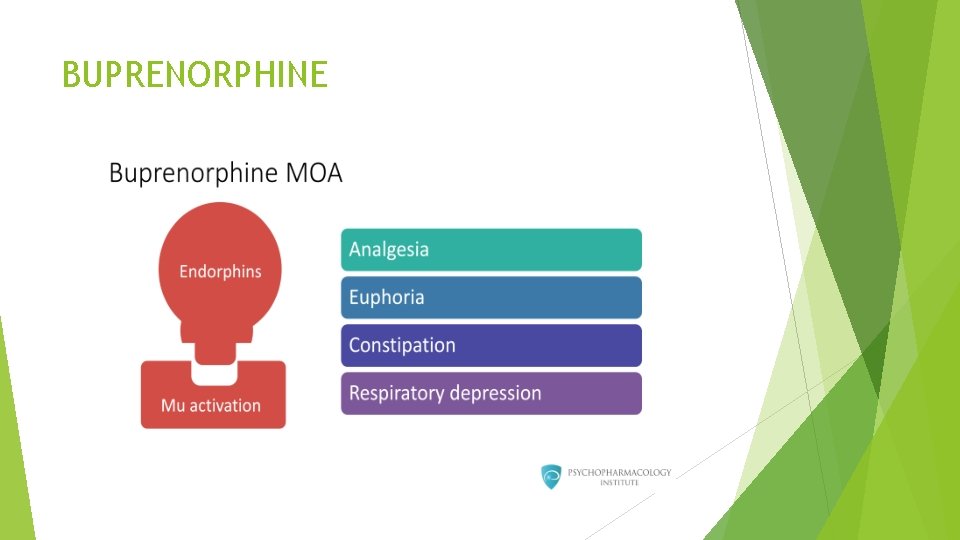
BUPRENORPHINE A partial opiate agonist that can relieve craving & withdrawal symptoms Binds tightly to opiate receptors in the brain Has a ceiling of activity (i. e. increasing the dose does little to increase its opiate effect and toxicity) Either used alone or combined with naloxone (Suboxone) Safe & accessible from primary care physicians. Patients may be maintained for months or years and tapered off slowly over time.
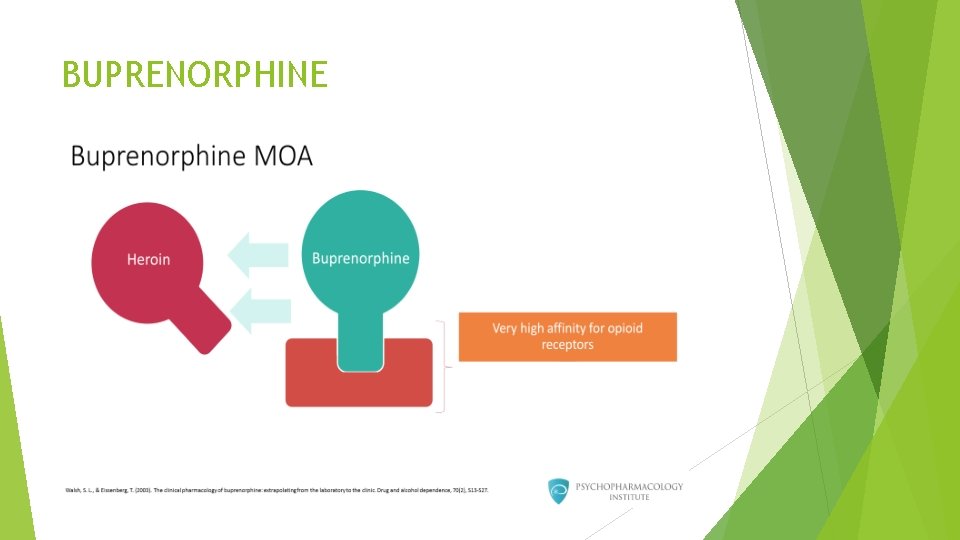
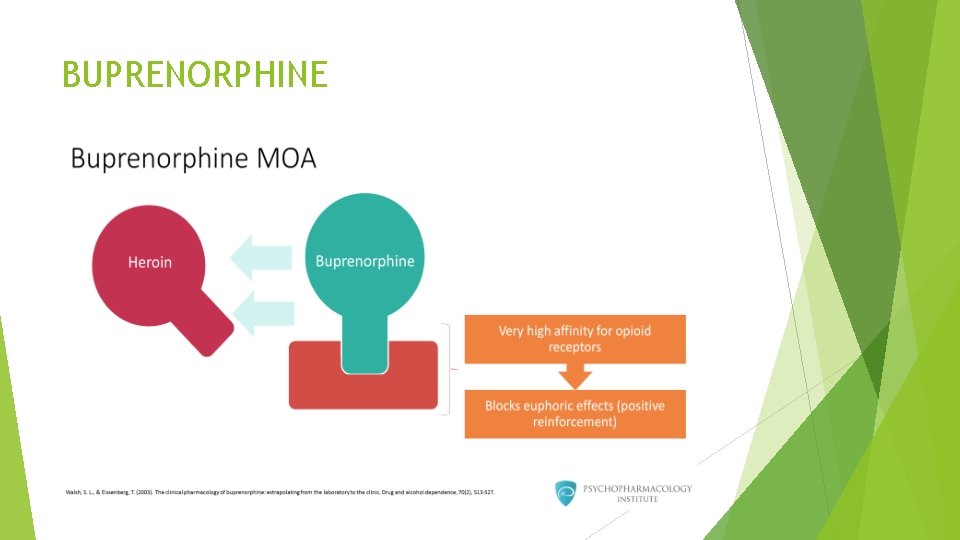
BUPRENORPHINE Because of increased affinity for the mu receptor it will often block other opiate agonists from binding to the mu receptor Can initiate a withdrawal syndrome when taken by patients actively using opioids. Withdrawal from buprenorphine may be more comfortable than other opiates Alleviates withdrawal and craving when used appropriately.
BUPRENORPHINE
BUPRENORPHINE
BUPRENORPHINE
BUPRENORPHINE Oral buprenorphine is poorly absorbed Sublingual buprenorphine is 50 to 70 percent absorbed and avoids a high first pass hepatic metabolism
BUPRENORPHINE Either used alone or combined with naloxone (opioid antagonist) to prevent IV use. Safe & accessible from primary care physicians. Patients may be maintained for months or years and tapered off slowly over time.
Buprenorphine Side Effects dizziness, drowsiness, blurred vision, feeling drunk, trouble concentrating; withdrawal symptoms if given too early after full opioid; tongue pain, redness ulcerations (film)or numbness inside the mouth; nausea, vomiting, constipation, urinary retention; headache, back pain; fast or pounding heartbeats, increased sweating; sleep problems (insomnia).
Buprenorphine Study (Sweden) Forty opiate addicted patients randomly placed in two groups after “detox. ” One group given daily maintenance buprenorphine and the other given daily placebo. All patients participated in group therapy.
Buprenorphine Study (Sweden) After one year 75% of the buprenorphine patients remained in treatment. Of these patients 75 % of the Urine Drug Screens were negative for any other drugs. None of the placebo patients remained were in treatment. Four of the placebo patients had died.
Buprenorphine Further studies have indicated that short courses of buprenorphine/naloxone are associated with high relapse rates. Longer term treatment periods are recommended by researchers. Initial doses of 8 -12 mg daily are associated with improved retention in treatment.
Buprenorphine Another study started hospitalized patients with opiate use disorder on buprenorphine. Two months later 50% of these patients were stable and remained on buprenorphine. Patients are usually detoxed in hospital and relapse within 2 months.
BUPRENORPHINE A recent study showed the rate of relapse and overdose about three times higher in clients who had been removed from methadone or buprenorphine compared to those remaining on these. Short courses of buprenorphine/naloxone are associated with high relapse rates.
Buprenorphine Pain patients entering OUD treatment had marked reductions in pain when treated with buprenorphine.
Buprenorphine Another study starting patients with opiate use disorder on buprenorphine in the hospital ER has shown promise. This service is being encouraged in Michigan.
BUPRENORPHINE Buprenorphine is initiated when a patient has been off of a short acting opiate for 12 to 24 hours and is in moderate withdrawal. Eight to ten on CINA or COWS The patient can be seen daily for the first several days and dosed with buprenorphine until their withdrawal symptoms are responding well. They can be seen weekly or biweekly after that.
BUPRENORPHINE Patients are counseled to avoid sedating drugs, sedative-hypnotics, alcohol, cannabis, etc. A psychosocial program of recovery is required by the DEA. A patient can remain on buprenorphine preparations for as long as one remains on methadone.
BUPRENORPHINE The federal government has made it much easier for all physicians to treat addicted patients in their offices with Buprenorphine ATTEND AN 8 HOUR COURSE AND APPLY FOR A WAIVER FROM THE DEA. It is actually very easy.
BUPRENORPHINE PRESCRIBING For doctors: Patient limit for physicians is now 275, Starts at 30 patients for one year then if requested to 100 patients. Physicians, NPs and PAs attend an 8 hour course and receive a waiver from the DEA NPs and Pas must complete 26 hours of CME also to receive waiver and can accept up to 30 patients.
275 Patients Certification in Addiction Medicine or Addiction Psychiatry Qualified Practice Setting. (QPS) QPS Offer coverage of emergencies when practice is closed. Patient case-management services Use of Electronic Health Records
275 Patients QPS Participation in a Prescription Drug Monitoring Program (MAPS) Ability to accept Third Party Payment.
BUPRENORPHINE Suboxone, Zubsolv, Bunavail, generic: buprenorphine and naloxone used most commonly Generic: Buprenorphine alone used in pregnant women. Naloxone is added to discourage diversion as it will cause severe withdrawal if used IV, but is not absorbed sublingually or orally.
BUPRENORPHINE Sublocade: Monthly SC buprenorphine dosing Extended Start Then Release a 300 mg dose each month for two months. continue a monthly dose of 100 mg or 300 mg if patient requires it. The patient must not have access to the preparation. NOT FOR IV USE.
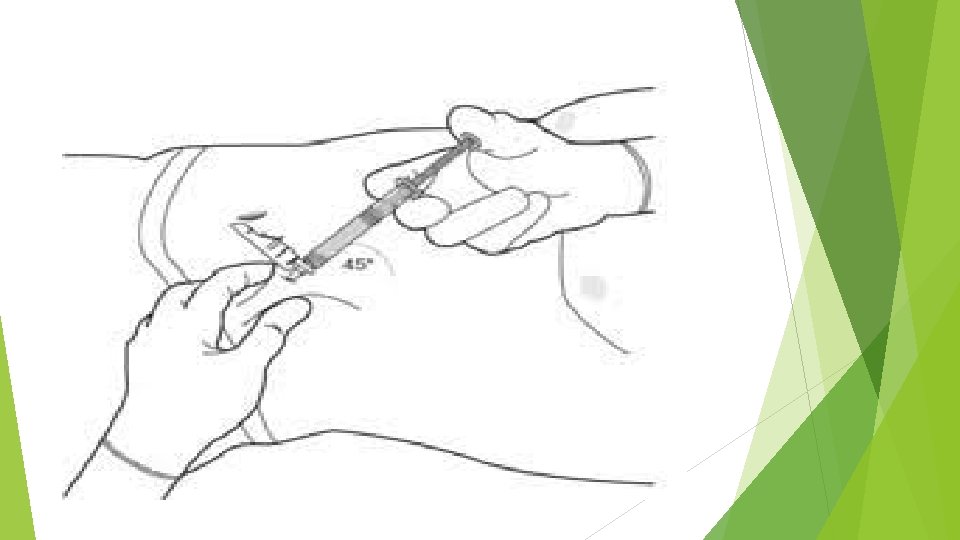
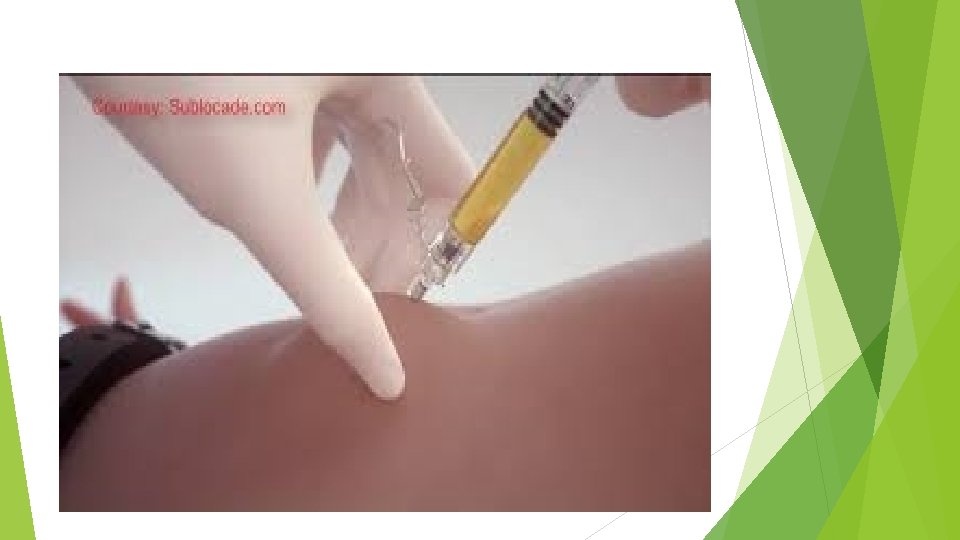
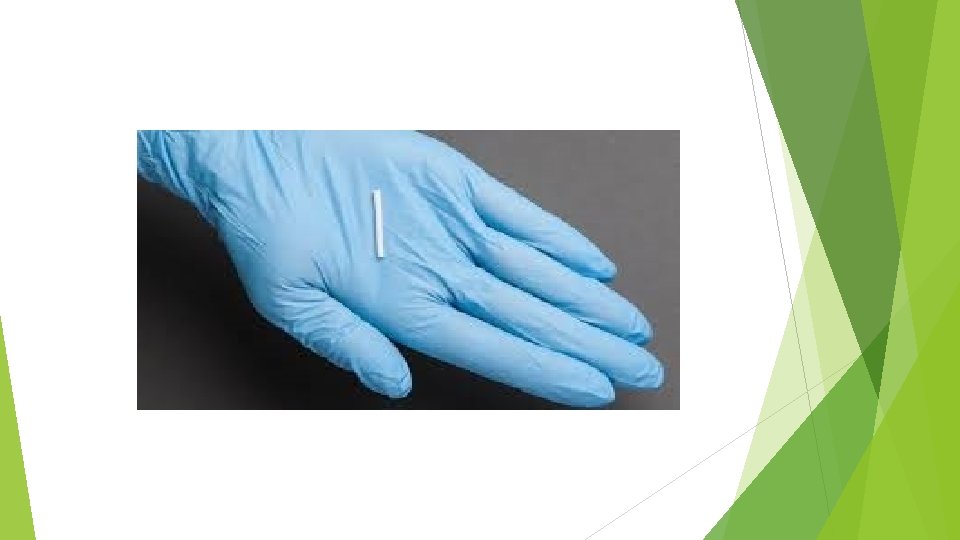
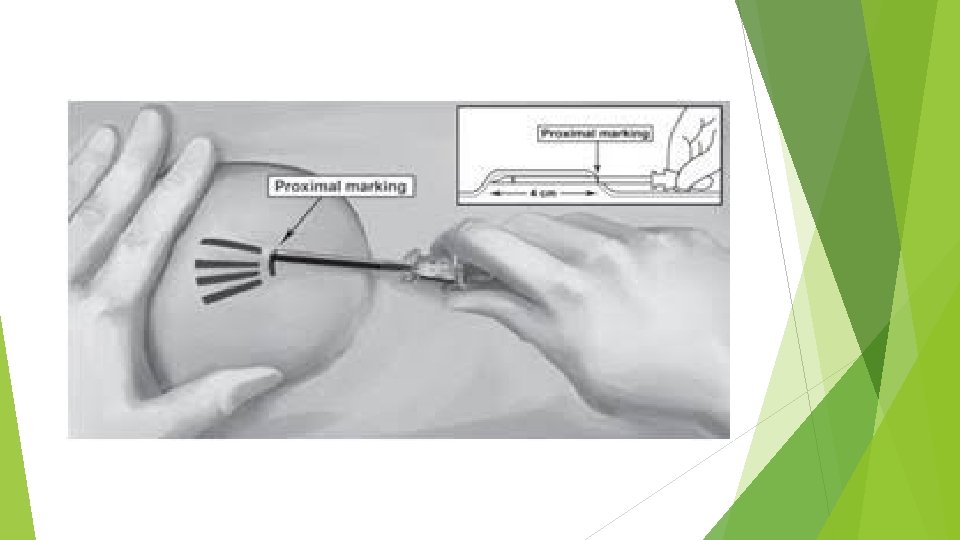
Buprenorphine Probuphine buprenorphine implant placed by prescriber under the skin. The Probuphine implant looks like four matchstick-size rods, which are implanted under the skin of the upper arm. This procedure takes about 15 minutes and is completed in an outpatient setting. The device then releases buprenorphine into the system for six months.
Pregnancy: MAT vs. Withdrawal Maternal opiate withdrawal can cause spontaneous abortion in first trimester Later in pregnancy, withdrawal can cause: decreased fetal growth distress premature labor intrauterine death The pregnant opiate addicted patient must be stabilized on methadone or buprenorphine and engaged in recovery from addiction

MAT during Pregnancy: Benefits Participation in prenatal care Improved health and nutrition of mother Reduced exposure to other substances, adulterants and contaminants Decreased exposure to HIV Increased birth weight, gestational age, APGAR scores and head circumference Decreased hospital days Decline in infant mortality during first two years of life
BUPRENORPHINE Buprenorphine is initiated when a patient has been off of a short acting opiate for 12 to 24 hours and is in moderate withdrawal. Eight to ten on CINA or COWS The patient can be seen daily for the first several days and dosed with buprenorphine until their withdrawal symptoms are responding well. They can be seen weekly or biweekly after that.
BUPRENORPHINE In the course you learn the pharmacology of MAT, initiating and following a person on buprenorphine This is a huge help to the community and to the population we are committed to.
MAT = Medication ASSISTED Treatment – Not a standalone Medications work better if the patients are working on themselves. Stabilization of Co-Occurring Disorders Individual Counseling CBT Groups IOP, ERG, RPG, DBT, 12 -step community meetings Reading, workbooks, Church, Bible Study.
Treatment The most important aspect of treatment is to keep the patient engaged in Recovery. Relapse is part of the disease and the treatment process. Avoiding old haunts, friends who are using, old patterns of behavior and isolation. Getting a sponsor (AA and NA).
Treatment Addiction is learned in deep and silent parts of the brain …… ……Recovery is learned out loud and practiced over and over one day at a time.

THE END Thank you very much! Questions?
- Slides: 62