
Building Resilience in Children A Workshop for Parents
Building Resilience in Children A Workshop for Parents Ursula Mc. Culloch and Megan Mc. Mahon School Based Mental Health Team
Introduction School based mental health team, offering outreach services to schools in Canterbury. Part of the Child and Adolescent Family Mental Health Service Canterbury District Health Board Based at 44 Cashel Street Christchurch
Introductions Ice breaker: In pairs think about a personal quality using the first letter of your name Get your partner to introduce you
Workshop Overview What is Resilience? Why do children escalate? “What Lies Beneath & Reframing” “Flipping your Lid” Strategies to build resilience
What is Resilience The capacity to recover quickly from difficulties. The process of adapting well in the face of adversity. The road to resilience involves emotional distress. Resilience can be learnt.
What does this involve • A positive view of yourself and confidence in your strengths and abilities • The capacity to manage strong feelings and impulses • Skills in communication • The capacity to make realistic plans and take steps to carry them out - problem solving
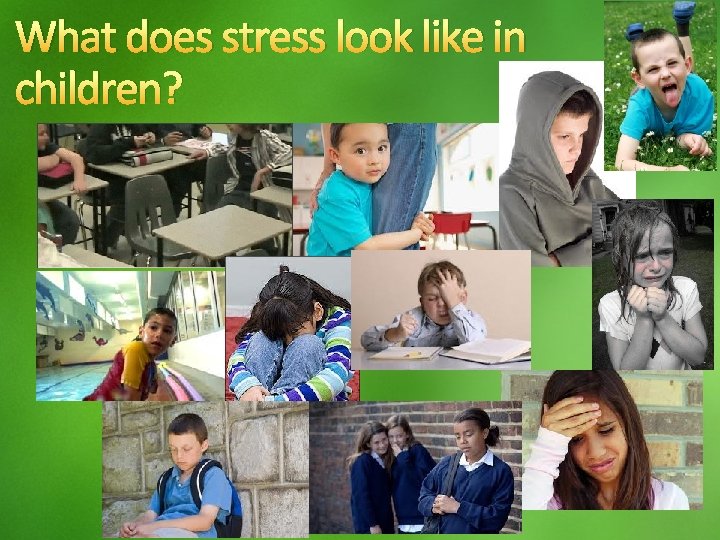
What does stress look like in children?
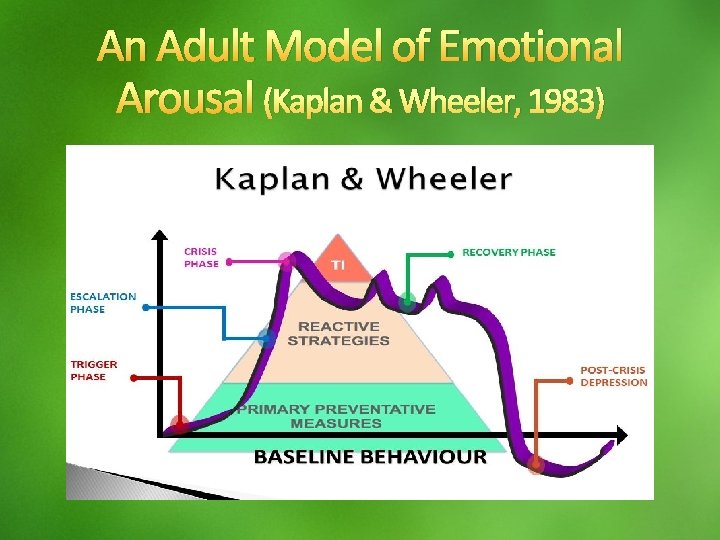
An Adult Model of Emotional Arousal (Kaplan & Wheeler, 1983)
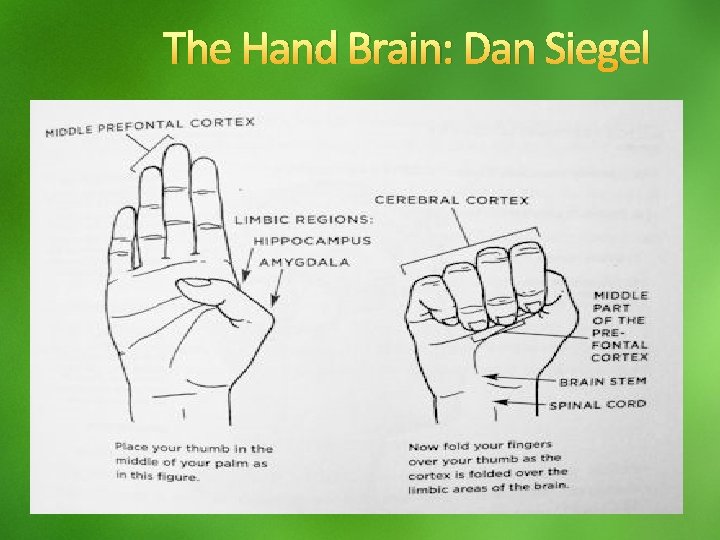
The Hand Brain: Dan Siegel
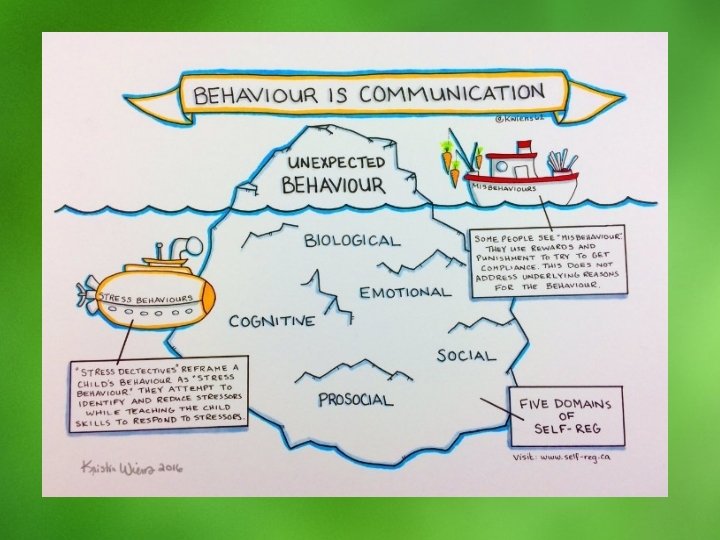

Reframing
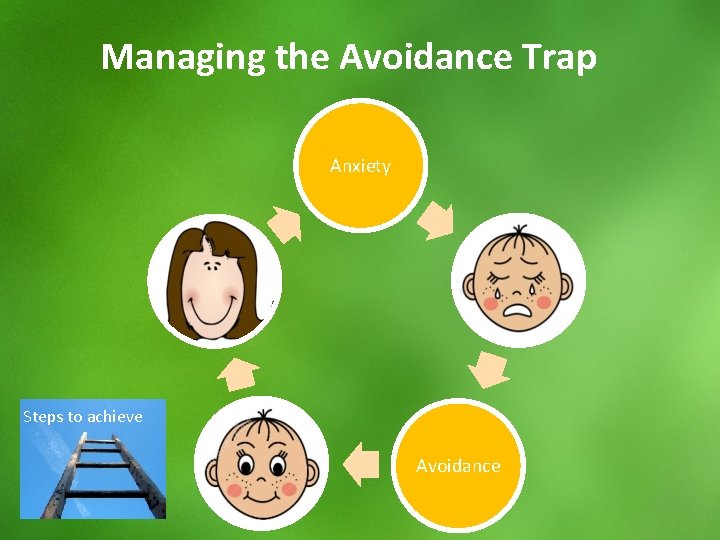
Managing the Avoidance Trap Anxiety Steps to achieve Avoidance
Brainstorming Break into small groups and discuss the strategies you use with your children for: Managing Feelings Building Confidence in your child Helping your child Communicate Problem Solving with your child
Managing Feelings Stay calm Acknowledge the feeling Calm breathing Listen and watch (Not jumping in to solve the problem) Keeping safe - not avoiding the feelings Empathise
Example Notice what your child is feeling and label it for them Eg. ‘You get very grumpy when Mum says “No”. Empathise Eg. “I know it’s hard” Problem solve with them when they are calm Eg. “What can we do instead of… Maybe we could…”
Building Confidence Children need to be safe, but still experience distress Remember the child’s past successes Praise attempts, not end results Praise the effort taken Get children to praise themselves “Book of Greatness”
Communication Being open to hear what the problem is. Labelling and validating emotions helps build child's ability to communicate. Side on – rather than confronting style Choose the time Sing when under stress Use positive language “Do…” rather than “Don’t…. ” Humour – not AT them, with them
Problem Solving After validating the emotion and empathising: Name the problem Think of solutions Examiner each one Try one See if it worked Success / or try another
Other considerations: Self-care Not all problems can be “fixed” Calm environment and calm responses to the child improves their coping First priority is SAFETY, then physical and emotional needs being recognised
Take home point Can each person say one thing they will take home from this tonight Try this out at home. On allright website – list of parenting strategies, tips and courses Brainwave Trust
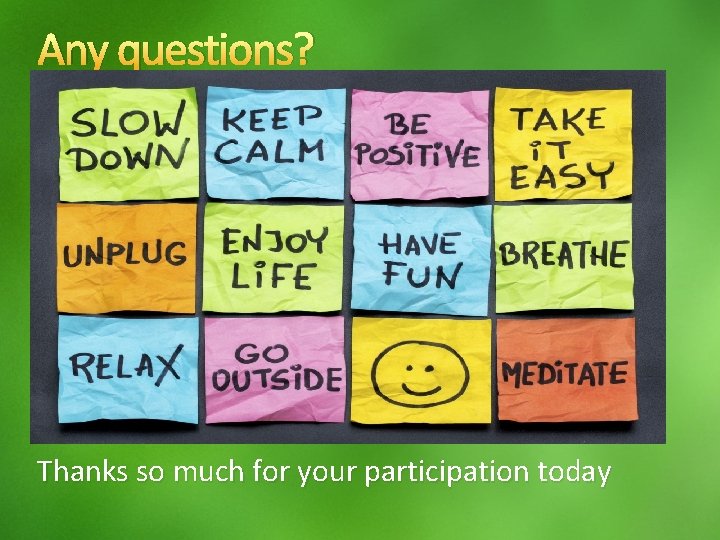
Any questions? Thanks so much for your participation today
- Slides: 21