
Building Learning Power PROFESSOR GUY CLAXTON Building Learning
Building Learning Power PROFESSOR GUY CLAXTON
Building Learning Power is about: • Helping young people become better learners • Developing their portable learning power • Preparing young people for a lifetime of learning What is BLP based on? • An extensive body of research into learning and the brain • Recent research into the key dimensions of learning power • Practical trials in schools across the country • The pioneering work of Professor Guy Claxton
Building Learning Power is about helping young people to become better learners, both in school and out. • It is about creating a culture in classrooms – and in the school more widely – that systematically cultivates habits and attitudes that enable young people to become better learners; face difficulty and uncertainty calmly, confidently and creatively. • It develop students who are more confident of their own learning ability, learn faster and learn better. They concentrate more, think harder and find learning more enjoyable. They do better in their tests and external examinations and they are easier and more satisfying to teach. • Building Learning Power prepares youngsters better for an uncertain future. Today’s schools need to be educating not just for exam results but for lifelong learning. To thrive in the 21 st century, it is not enough to leave school with a clutch of examination certificates. Pupils/students need to have learnt how to be tenacious and resourceful, imaginative and logical, self disciplined and self-aware, collaborative and inquisitive. We need prepare children for jobs that may not even have been devised yet. They need to be able to learn and adapt.
Unlock learning behaviours Talk the language of learning. Make the how of learning explicit. Grow high value learning characteristics. Learning fit.
Build learning habits Create classroom cultures that cultivate the habits and attitudes of curious, confident and independent learners. Culture shift.
A powerful learning character All young people equipped with the learning habits AND the qualifications to thrive in 21 st Century. Learners for Life.
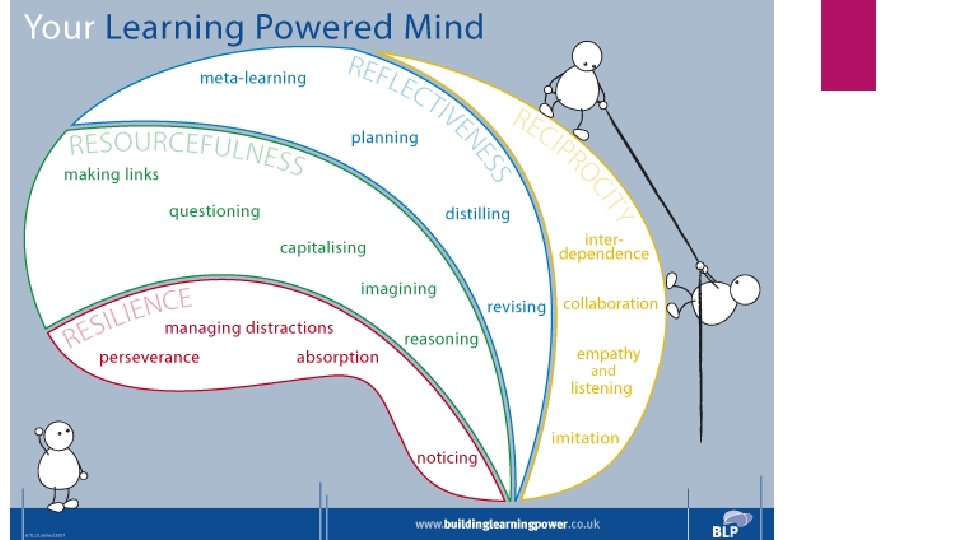
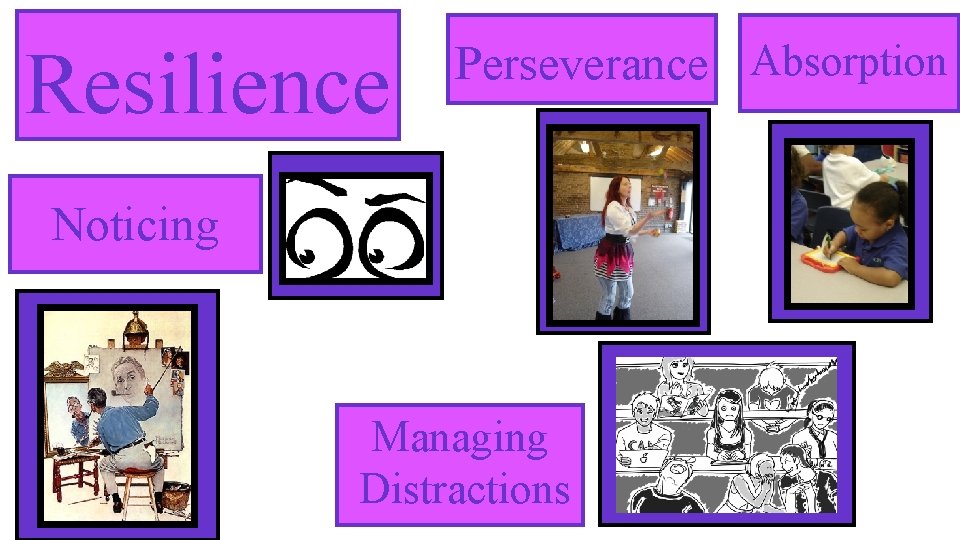
Resilience Perseverance Absorption Noticing Managing Distractions
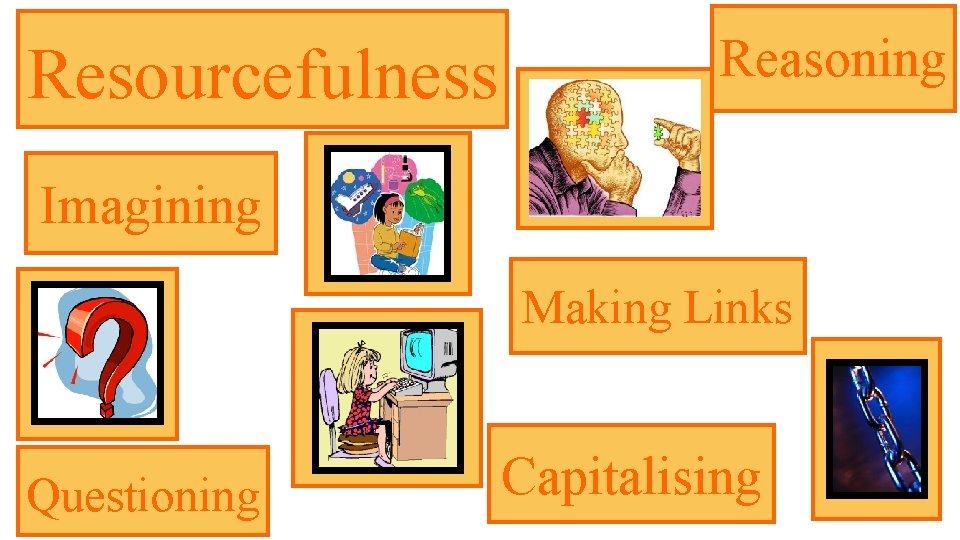
Resourcefulness Reasoning Imagining Making Links Questioning Capitalising
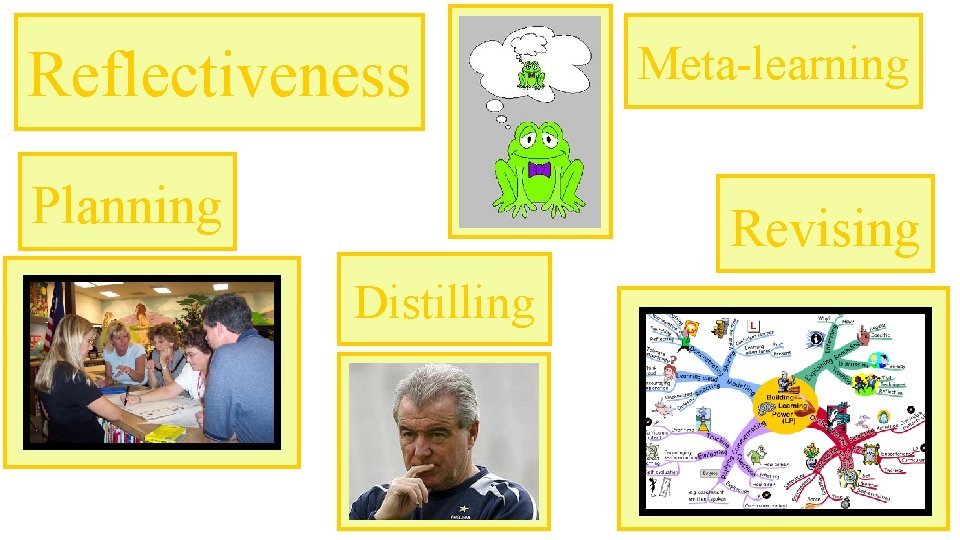
Reflectiveness Planning Meta-learning Revising Distilling
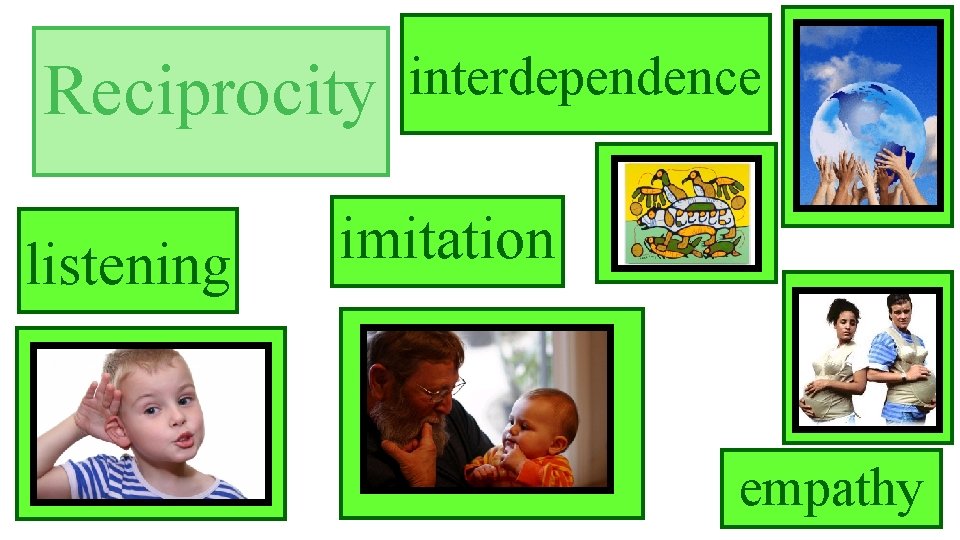
Reciprocity listening interdependence imitation empathy
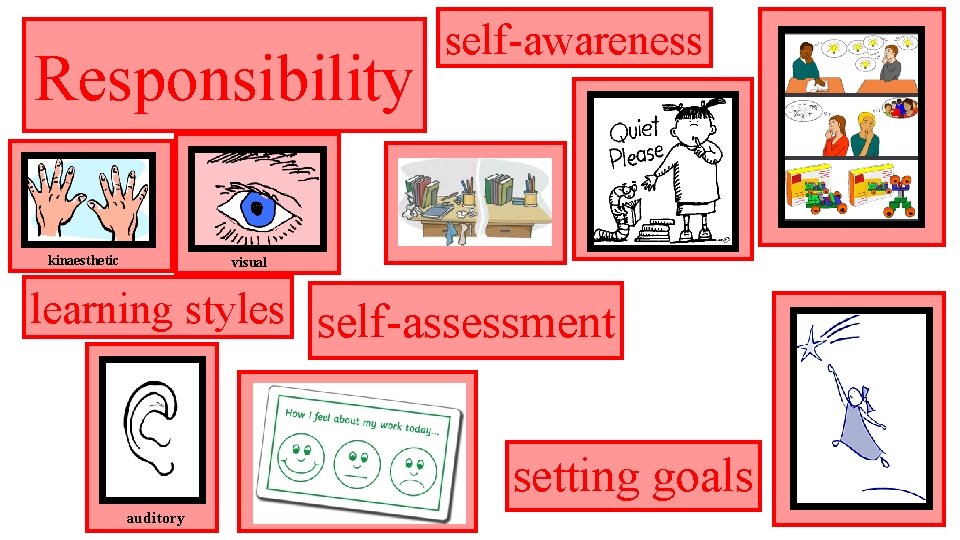
Responsibility kinaesthetic self-awareness visual learning styles self-assessment setting goals auditory
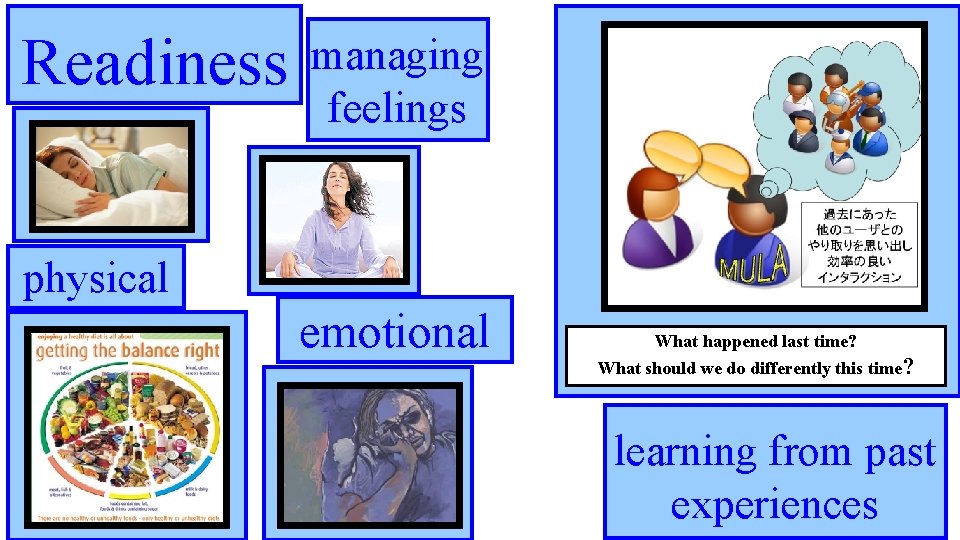
Readiness managing feelings physical emotional What happened last time? What should we do differently this time? learning from past experiences
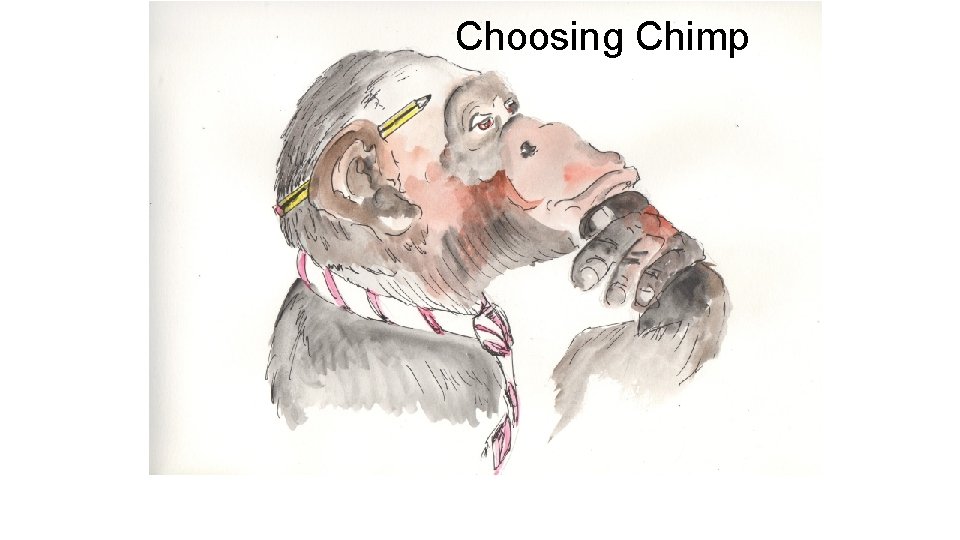
Choosing Chimp
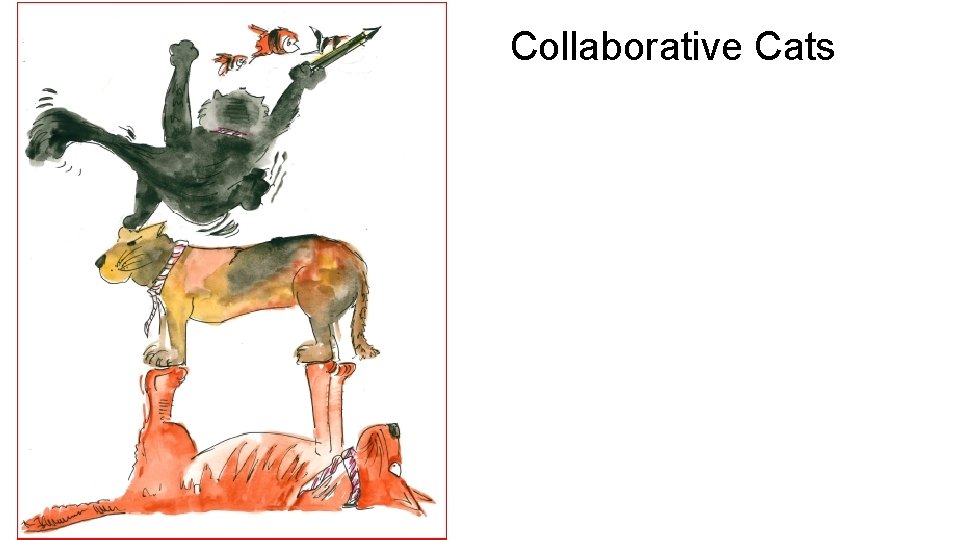
Collaborative Cats
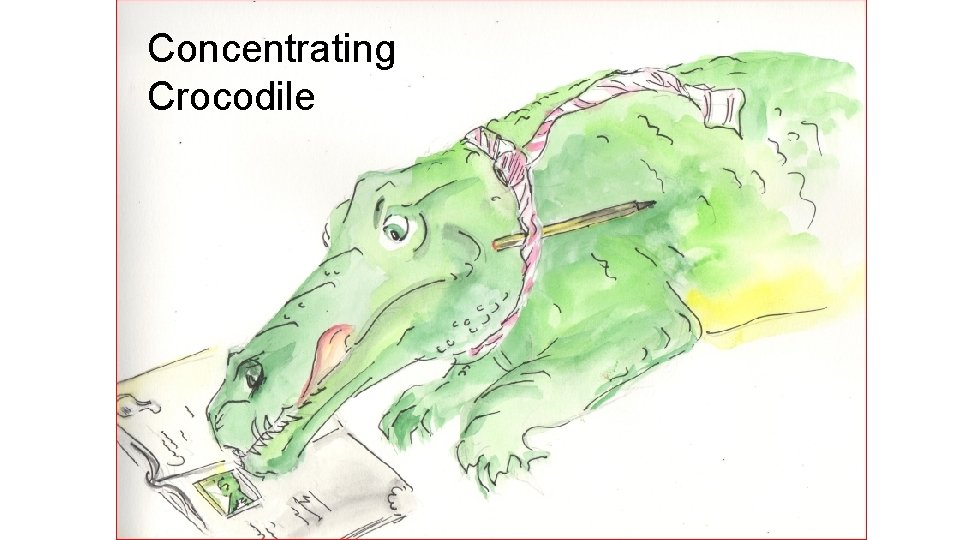
Concentrating Crocodile
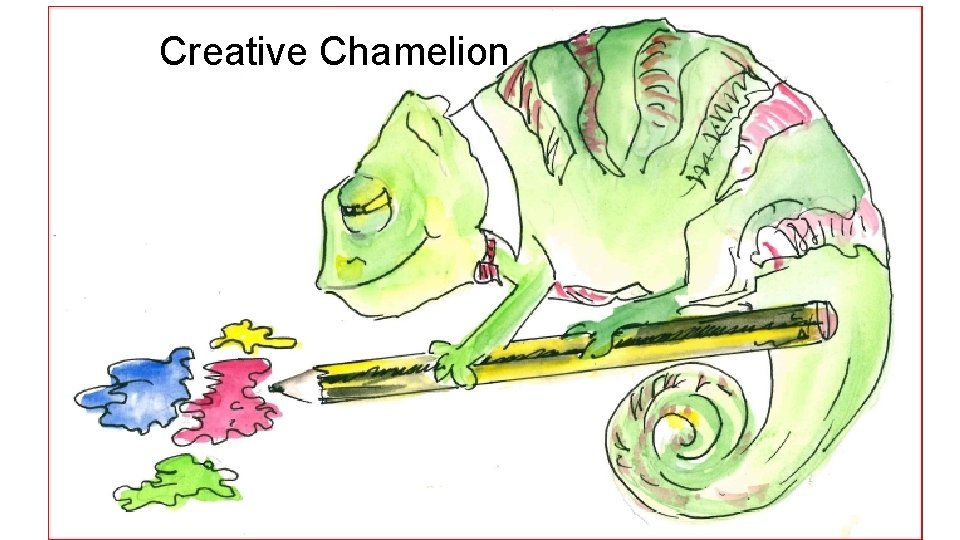
Creative Chamelion
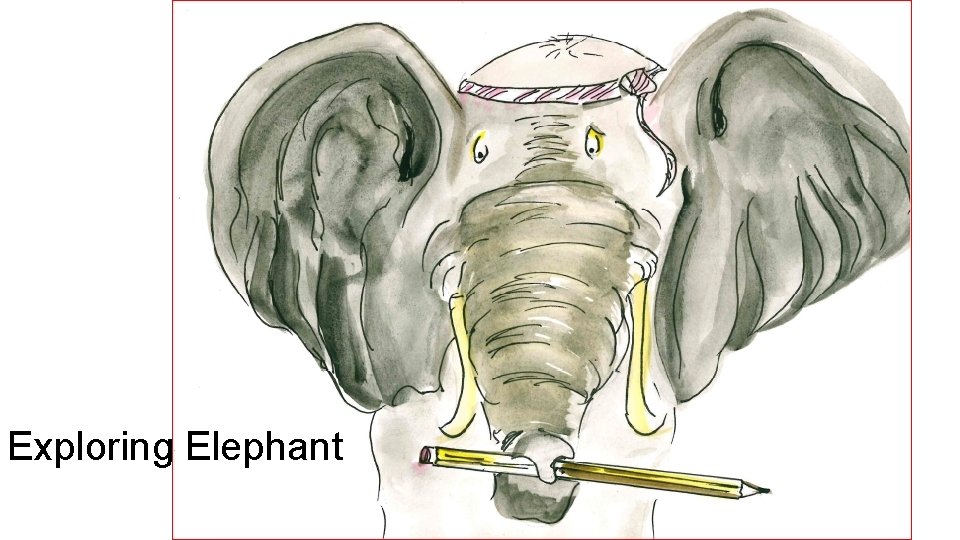
Exploring Elephant
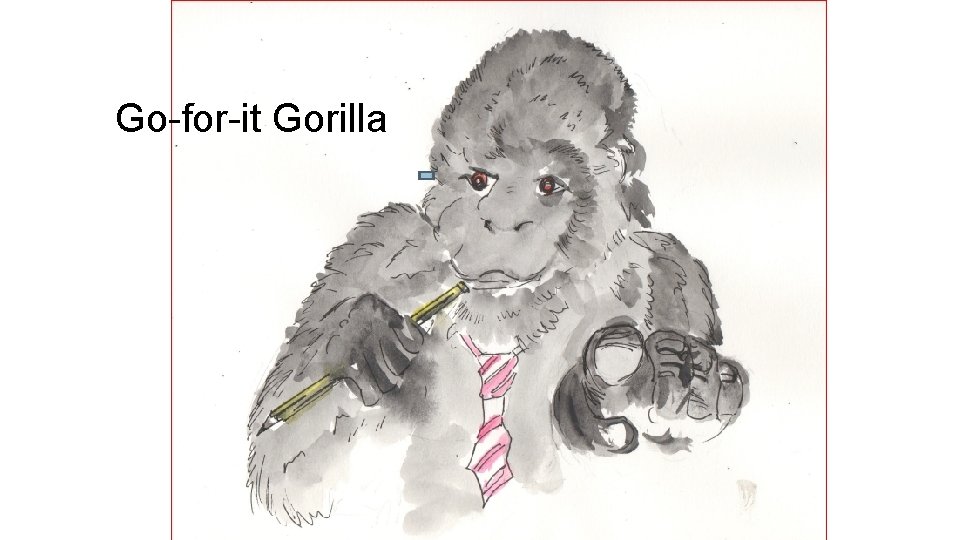
Go-for-it Gorilla
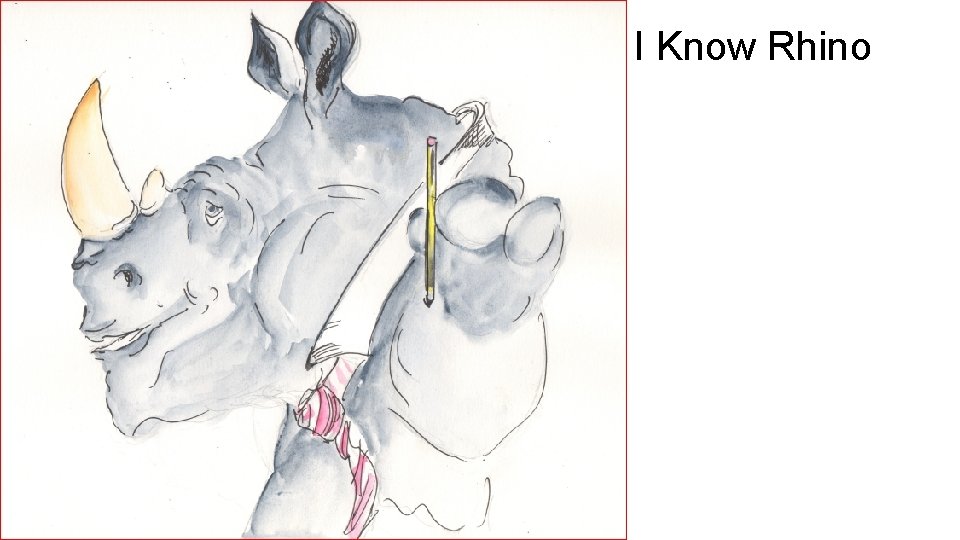
I Know Rhino
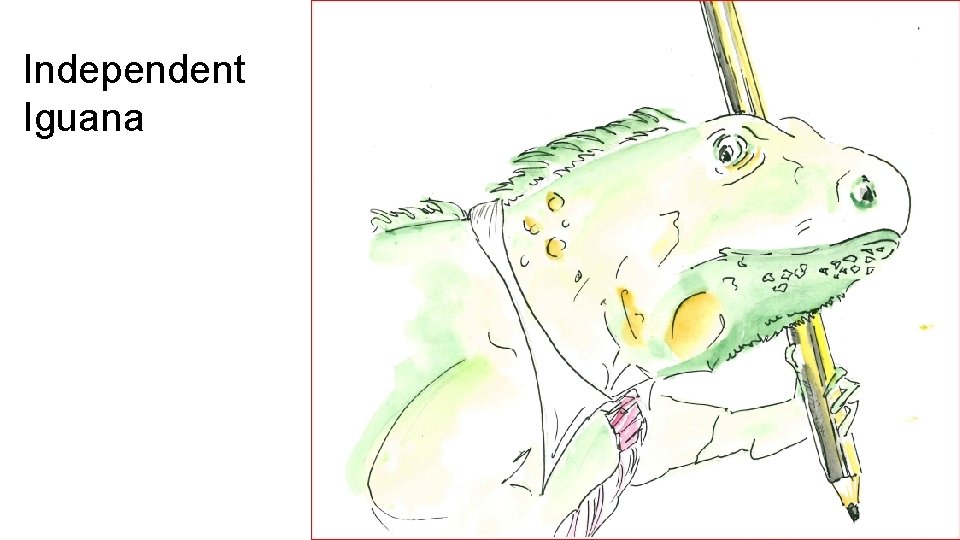
Independent Iguana
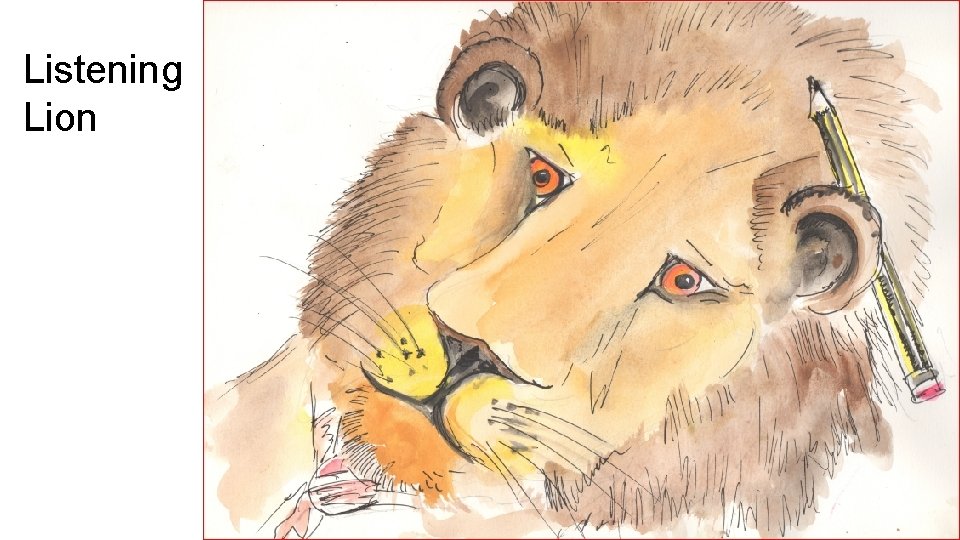
Listening Lion
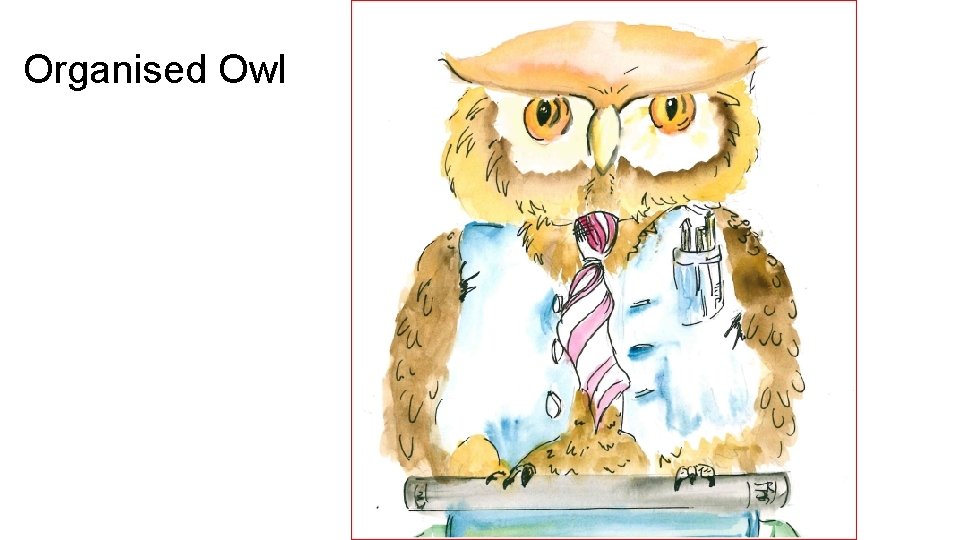
Organised Owl
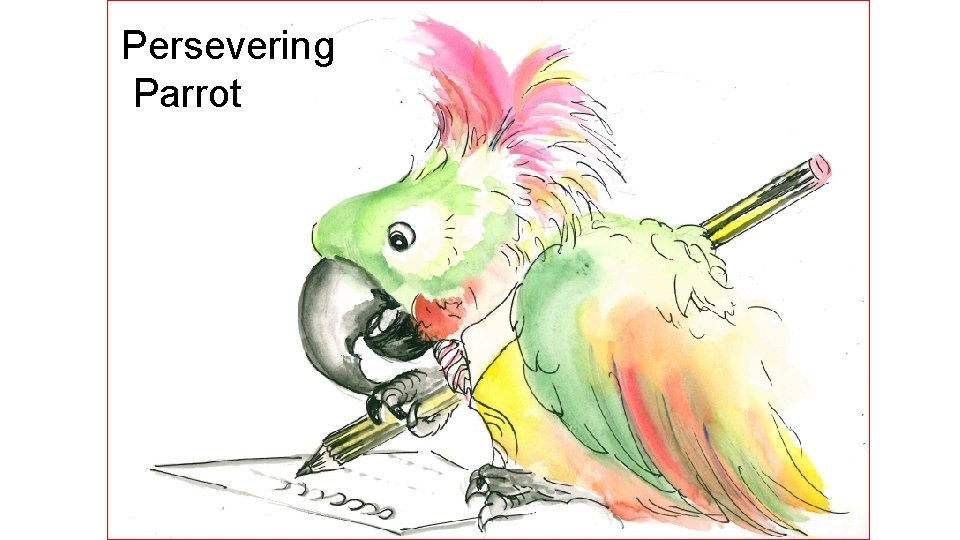
Persevering Parrot
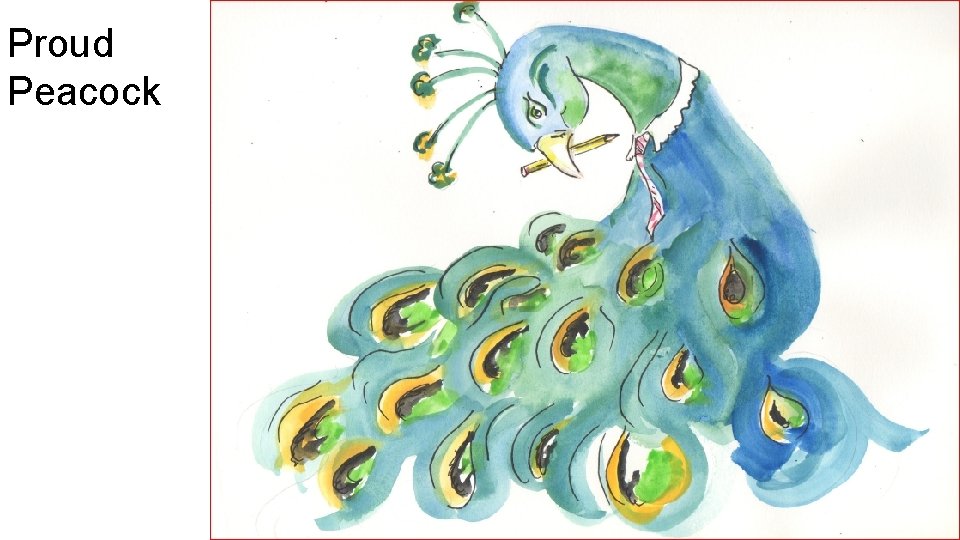
Proud Peacock
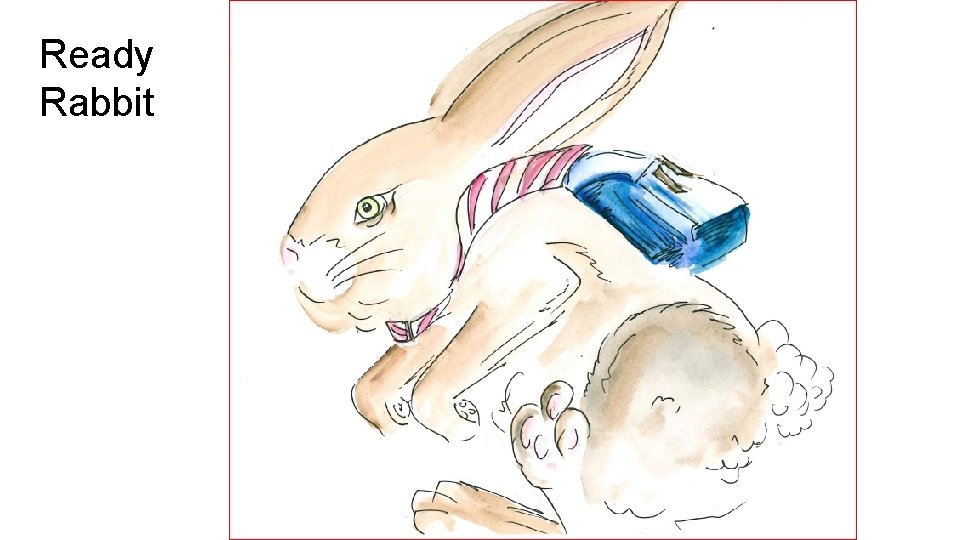
Ready Rabbit
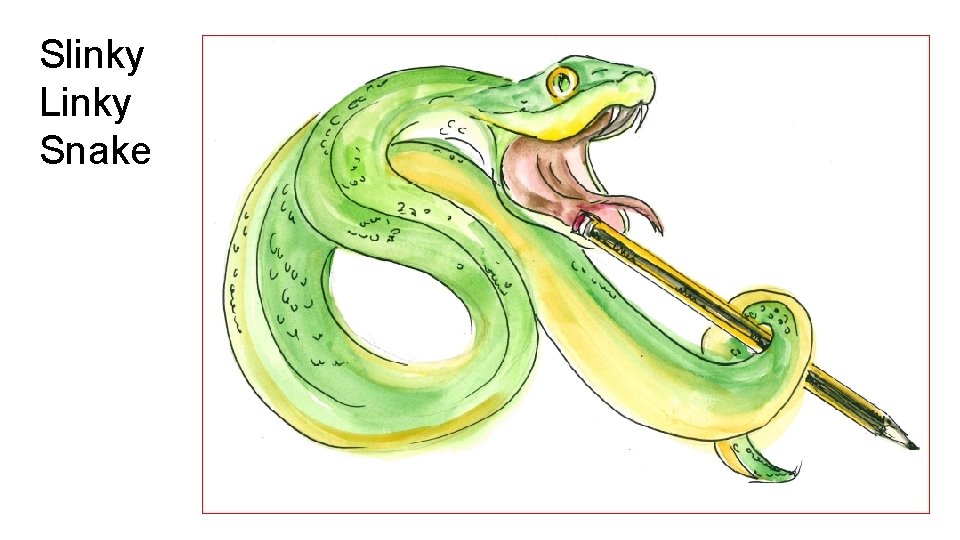
Slinky Linky Snake
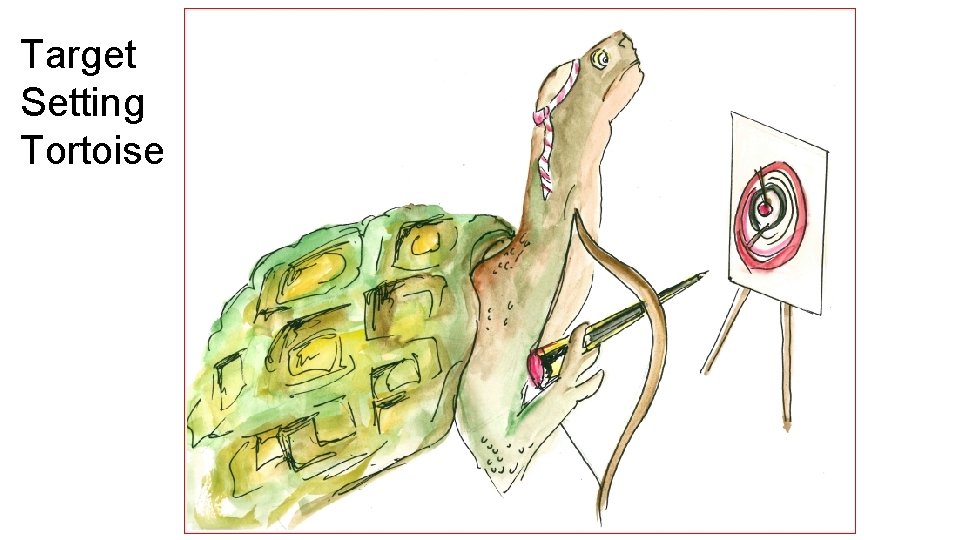
Target Setting Tortoise
- Slides: 30