
Building a Competitive Edge Protecting Inventions by Patents
Building a Competitive Edge: Protecting Inventions by Patents and Utility Models - Topic 4 - Mc. Lean Sibanda Partner: Sibanda & Zantwijk Attorneys, South Africa Training of the Trainers Program on Effective Intellectual Property Asset Management by Small and Medium Sized Enterprises (SMEs) Organised by the World Intellectual Property Organisation (WIPO) and the African Regional Intellectual Property Organization (ARIPO) Harare, Zimbabwe, 27 th November 2014
Overview q Introduction q Protecting Inventions - Patents q Utility Models q Infringement q Patent Search q Concluding Remarks
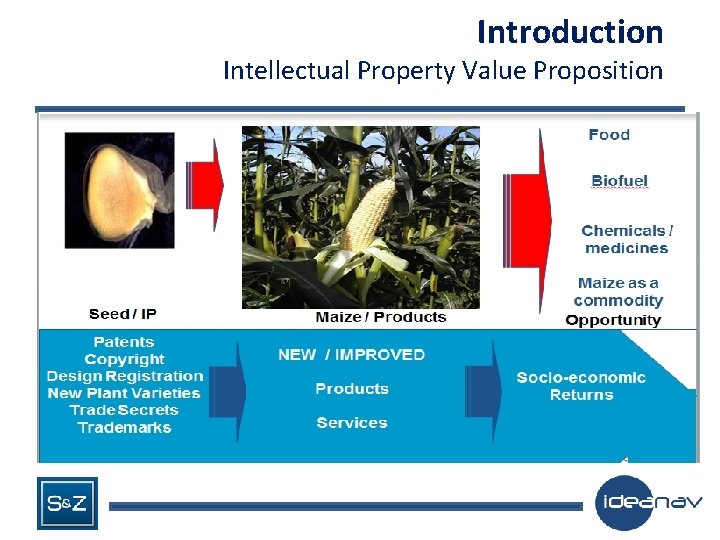
Introduction Intellectual Property Value Proposition
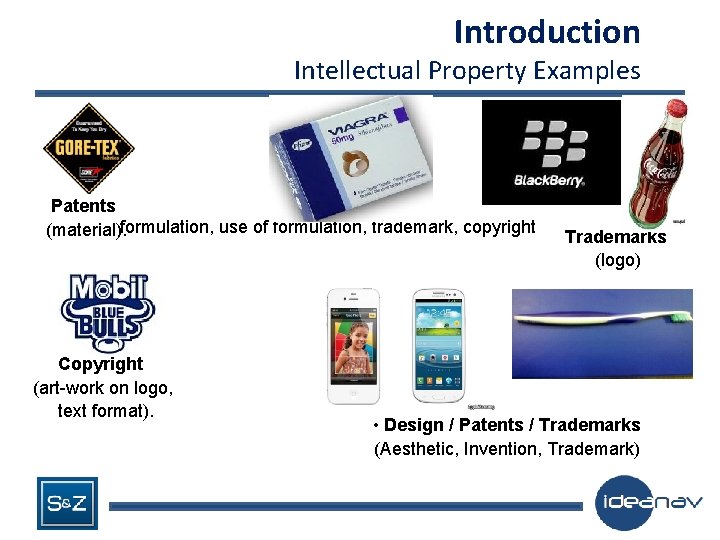
Introduction Intellectual Property Examples Patents (material). formulation, use of formulation, trademark, copyright Copyright (art-work on logo, text format). Trademarks (logo) • Design / Patents / Trademarks (Aesthetic, Invention, Trademark)
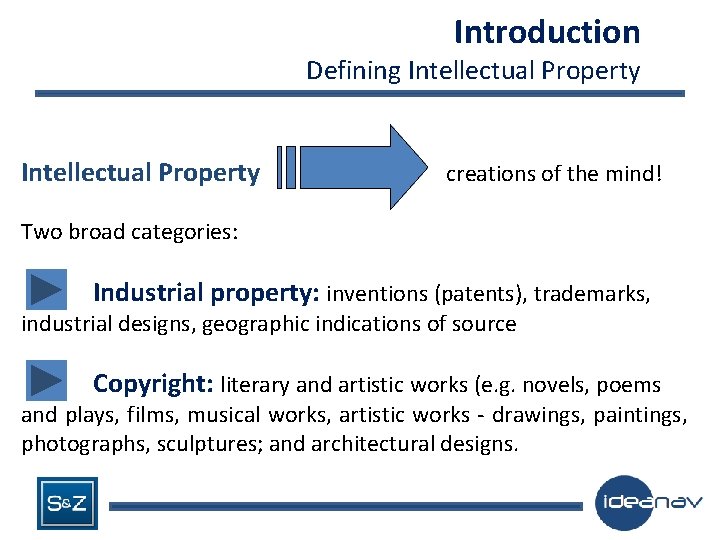
Introduction Defining Intellectual Property creations of the mind! Two broad categories: Industrial property: inventions (patents), trademarks, industrial designs, geographic indications of source Copyright: literary and artistic works (e. g. novels, poems and plays, films, musical works, artistic works - drawings, paintings, photographs, sculptures; and architectural designs.
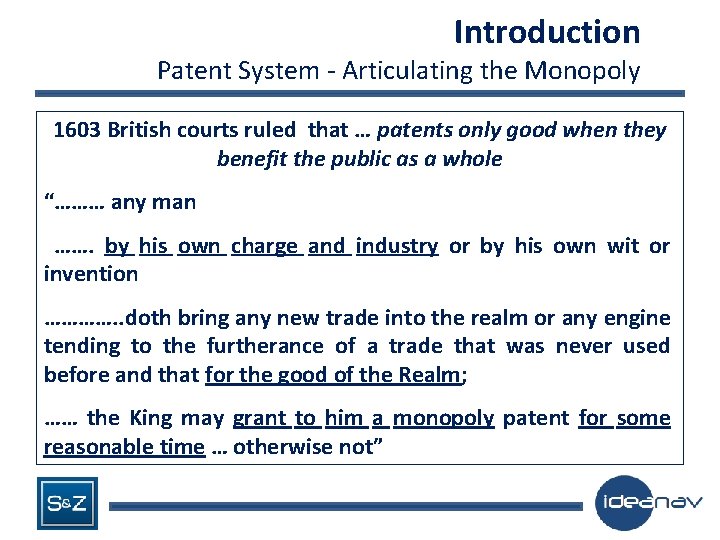
Introduction Patent System - Articulating the Monopoly 1603 British courts ruled that … patents only good when they benefit the public as a whole “……… any man ……. by his own charge and industry or by his own wit or invention …………. . doth bring any new trade into the realm or any engine tending to the furtherance of a trade that was never used before and that for the good of the Realm; …… the King may grant to him a monopoly patent for some reasonable time … otherwise not”
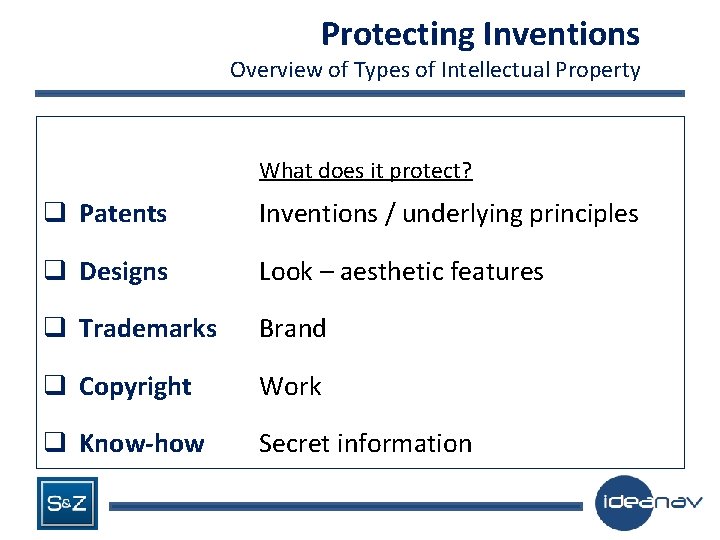
Protecting Inventions Overview of Types of Intellectual Property What does it protect? q Patents Inventions / underlying principles q Designs Look – aesthetic features q Trademarks Brand q Copyright Work q Know-how Secret information
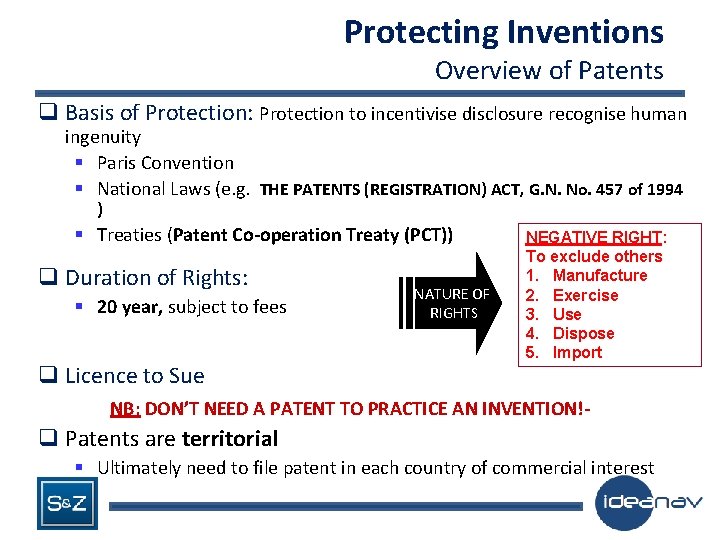
Protecting Inventions Overview of Patents q Basis of Protection: Protection to incentivise disclosure recognise human ingenuity § Paris Convention § National Laws (e. g. THE PATENTS (REGISTRATION) ACT, G. N. No. 457 of 1994 ) § Treaties (Patent Co-operation Treaty (PCT)) q Duration of Rights: § 20 year, subject to fees q Licence to Sue NATURE OF RIGHTS NEGATIVE RIGHT: To exclude others 1. Manufacture 2. Exercise 3. Use 4. Dispose 5. Import NB: DON’T NEED A PATENT TO PRACTICE AN INVENTION!- q Patents are territorial § Ultimately need to file patent in each country of commercial interest
Protecting Inventions Reasons for Seeking Protection q IP an Asset q Therefore Basis of Protection § Recouping R&D investments § Facilitates licensing § Negotiating tool § Financing opportunities (venture capitalists, etc) § Market exclusivity and expansion § Freedom to operate § Higher market value and publicity
Protecting Inventions What is Patentable? - Zimbabwe
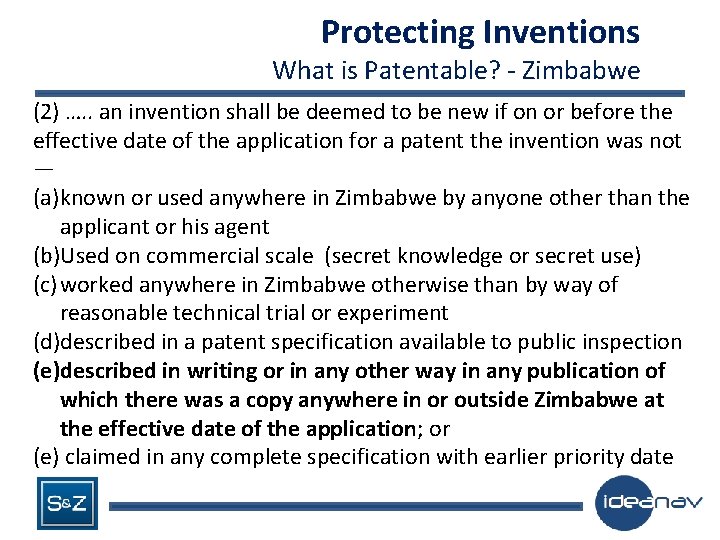
Protecting Inventions What is Patentable? - Zimbabwe (2) …. . an invention shall be deemed to be new if on or before the effective date of the application for a patent the invention was not — (a)known or used anywhere in Zimbabwe by anyone other than the applicant or his agent (b)Used on commercial scale (secret knowledge or secret use) (c) worked anywhere in Zimbabwe otherwise than by way of reasonable technical trial or experiment (d)described in a patent specification available to public inspection (e)described in writing or in any other way in any publication of which there was a copy anywhere in or outside Zimbabwe at the effective date of the application; or (e) claimed in any complete specification with earlier priority date
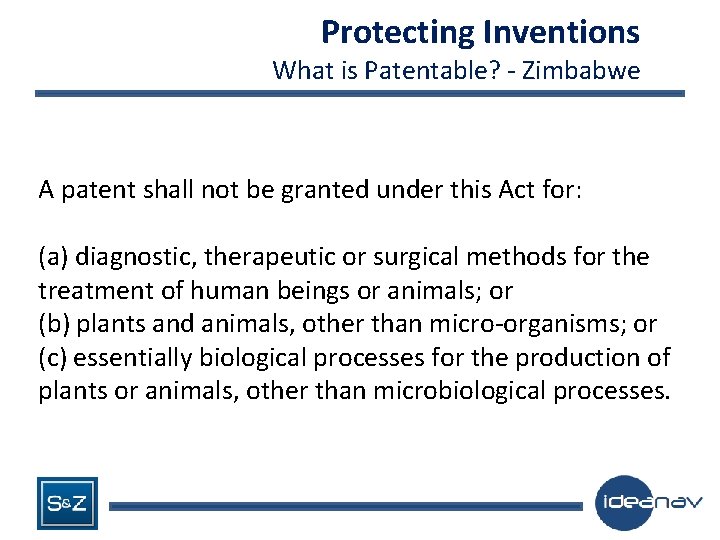
Protecting Inventions What is Patentable? - Zimbabwe A patent shall not be granted under this Act for: (a) diagnostic, therapeutic or surgical methods for the treatment of human beings or animals; or (b) plants and animals, other than micro-organisms; or (c) essentially biological processes for the production of plants or animals, other than microbiological processes.

Protecting Inventions Patenting Criteria “Statutory” subject matter q Novel / New (Absolute Novelty) § Not anticipated by prior-art on or before filing of application for invention § Patent and non-patent disclosures q Involves an inventive step § Not obvious § In light of all matter available at time § Compare with Novelty § Two different concepts – Novelty is 1 st q Industrially applicable
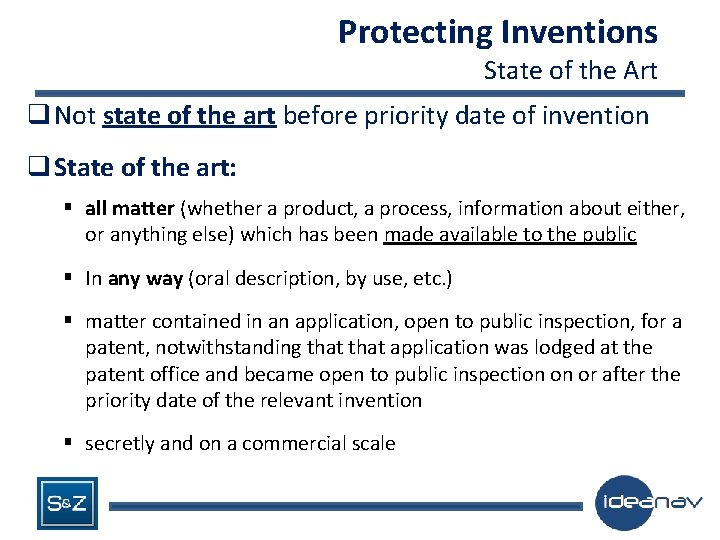
Protecting Inventions State of the Art q Not state of the art before priority date of invention q State of the art: § all matter (whether a product, a process, information about either, or anything else) which has been made available to the public § In any way (oral description, by use, etc. ) § matter contained in an application, open to public inspection, for a patent, notwithstanding that application was lodged at the patent office and became open to public inspection on or after the priority date of the relevant invention § secretly and on a commercial scale
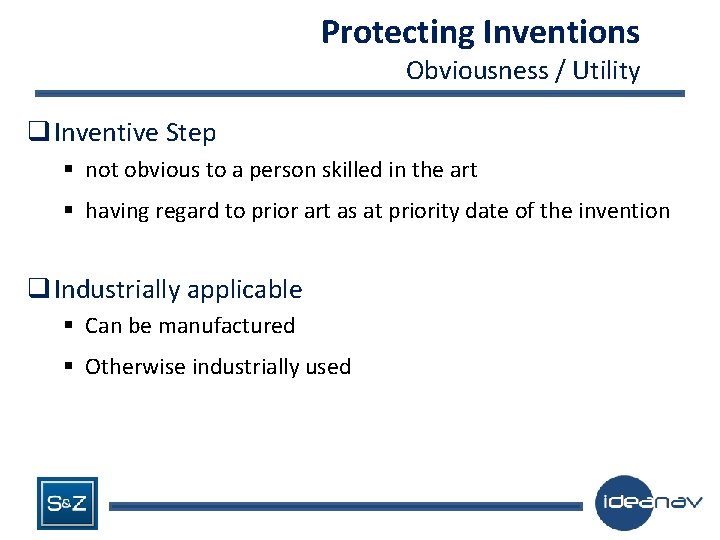
Protecting Inventions Obviousness / Utility q Inventive Step § not obvious to a person skilled in the art § having regard to prior art as at priority date of the invention q Industrially applicable § Can be manufactured § Otherwise industrially used
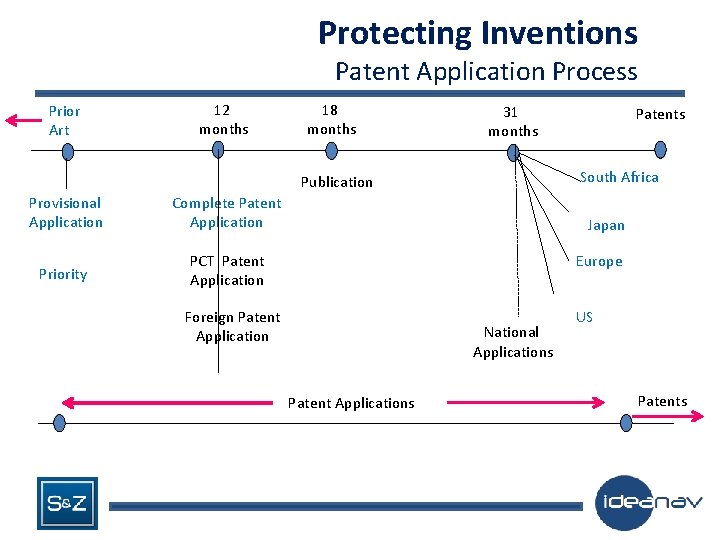
Protecting Inventions Patent Application Process Prior Art 12 months 18 months 31 months Patents South Africa Publication Provisional Application Complete Patent Application Priority PCT Patent Application Europe Foreign Patent Application US Japan National Applications Patents
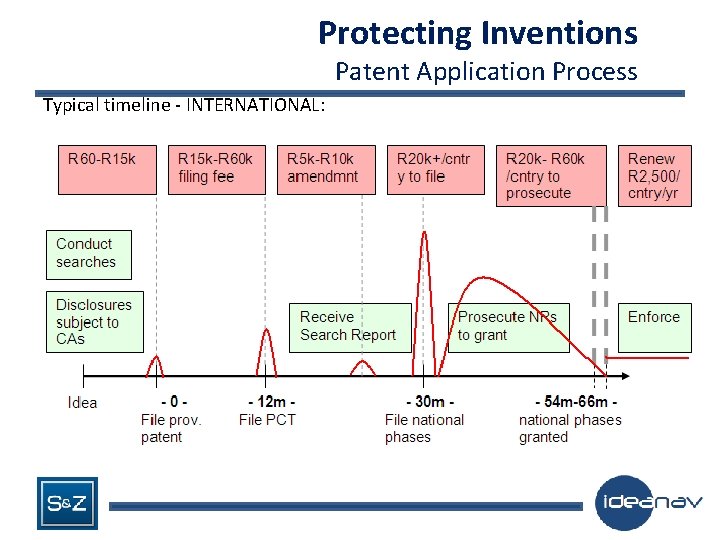
Protecting Inventions Patent Application Process Typical timeline - INTERNATIONAL:
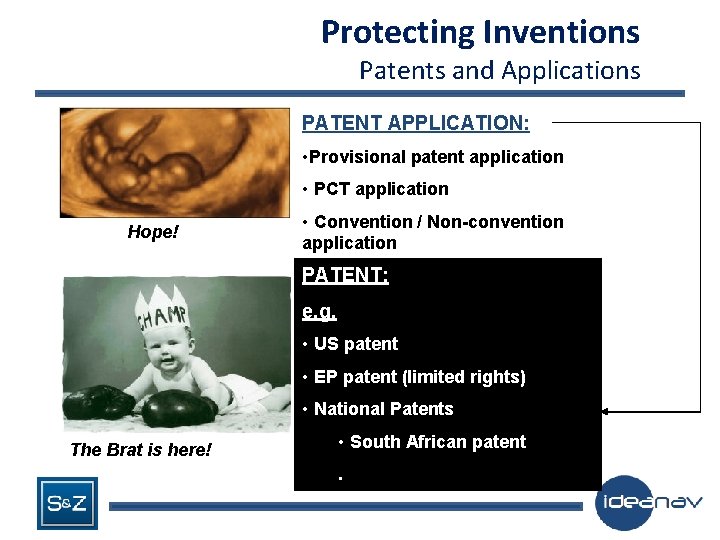
Protecting Inventions Patents and Applications PATENT APPLICATION: • Provisional patent application • PCT application Hope! • Convention / Non-convention application PATENT: e. g. • US patent • EP patent (limited rights) • National Patents The Brat is here! • South African patent.
Protecting Inventions Review of Patent Document q Cover page information § Bibliographic information, including non-binding abstract q Diagrams § In the context of the specific description q Specification § Field of Invention; background and Consistory clauses § Example(s) / embodiment(s) of the invention (Specific Description) q Claims § Numbered sentences typically at the end of the patent document § Define the invention and the extent of the monopoly
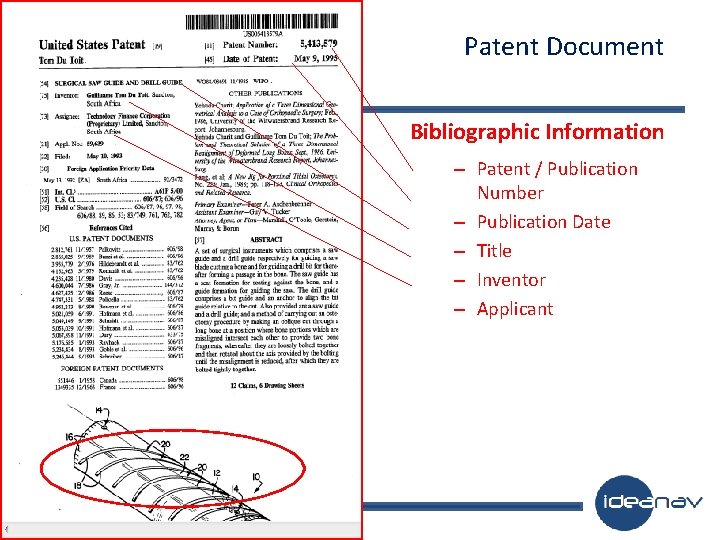
Patent Document Bibliographic Information – Patent / Publication Number – Publication Date – Title – Inventor – Applicant
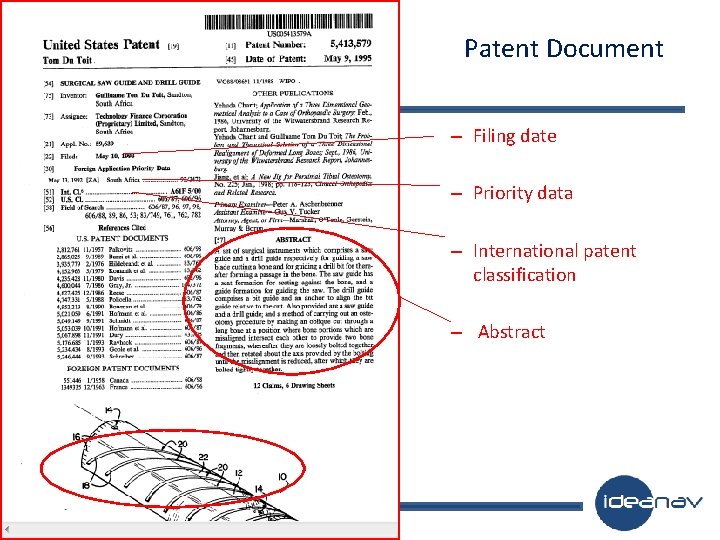
Patent Document – Filing date – Priority data – International patent classification – Abstract
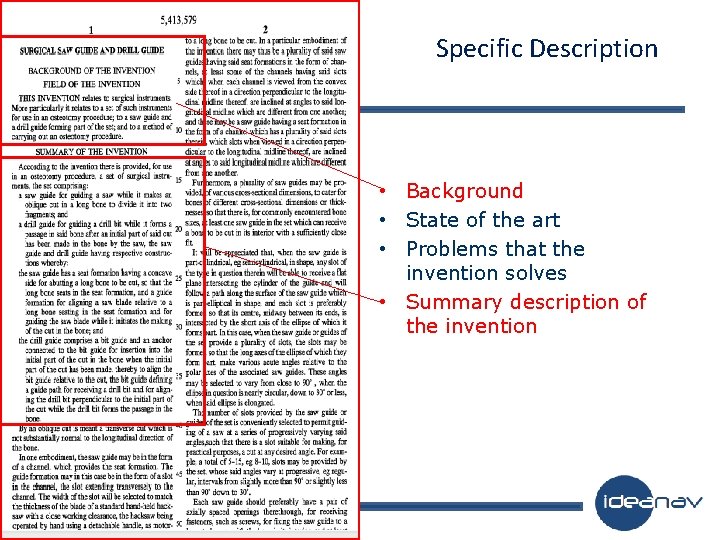
Specific Description • Background • State of the art • Problems that the invention solves • Summary description of the invention
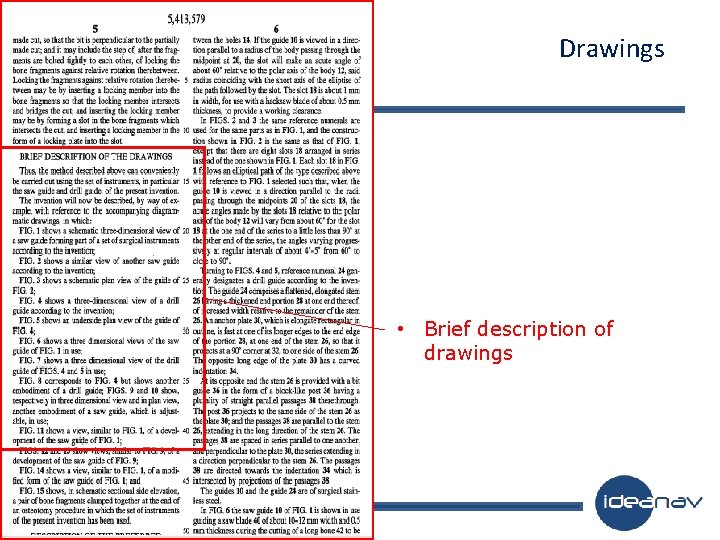
Drawings • Brief description of drawings
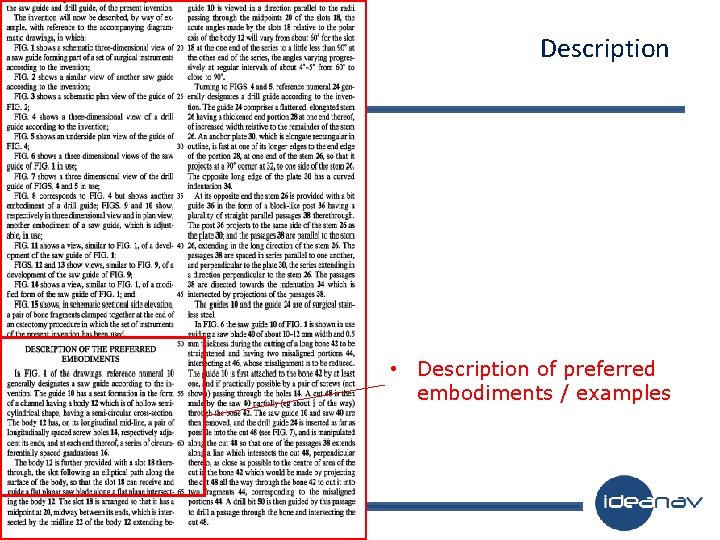
Description • Description of preferred embodiments / examples
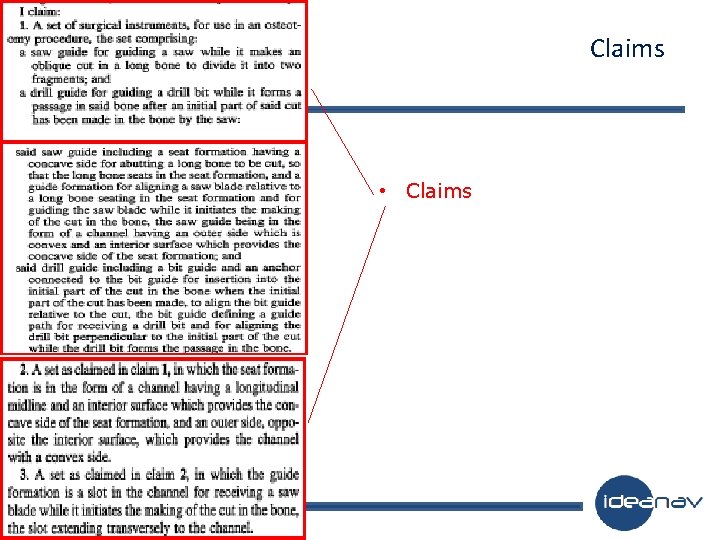
Claims • Claims
Protecting Inventions Utility Certificate q Similar to the patent § less stringent patentability requirements § new and industrial applicability q No examination q Expires without any possibility of renewal at end of 7 th year
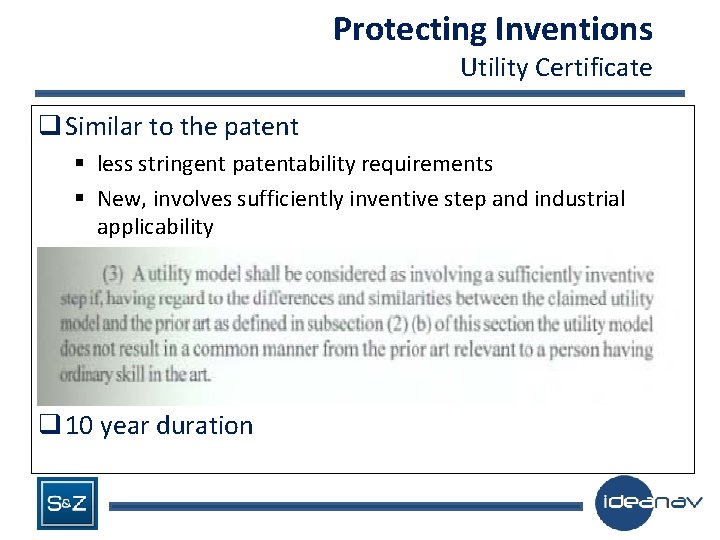
Protecting Inventions Utility Certificate q Similar to the patent § less stringent patentability requirements § New, involves sufficiently inventive step and industrial applicability q 10 year duration
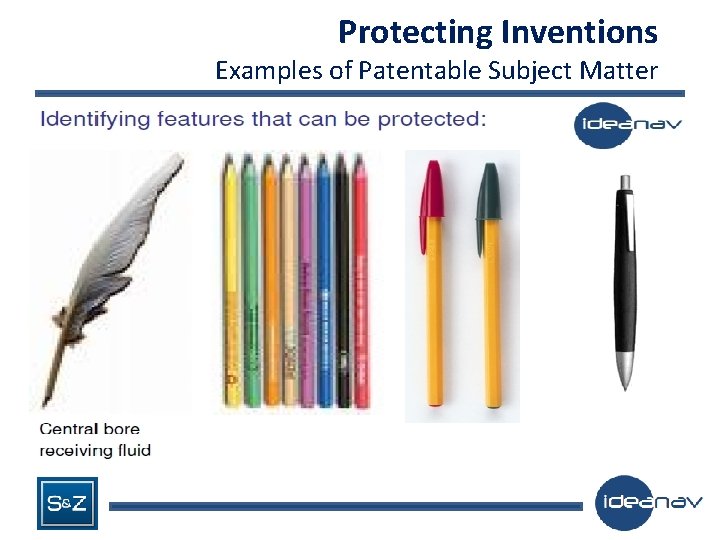
Protecting Inventions Examples of Patentable Subject Matter
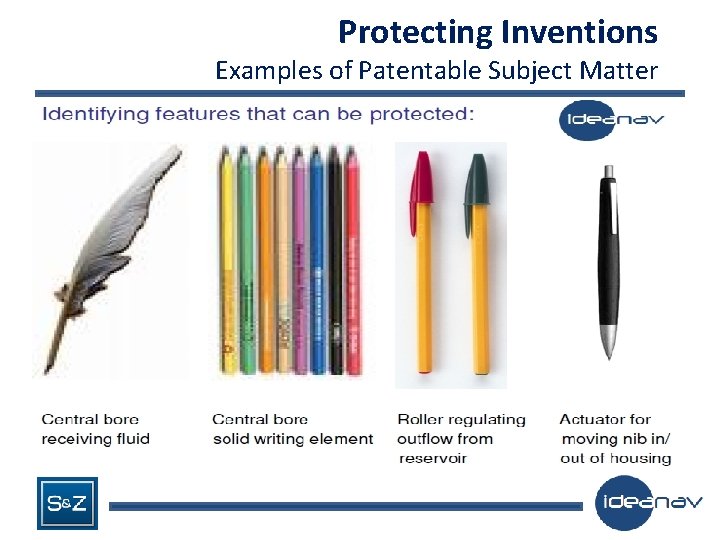
Protecting Inventions Examples of Patentable Subject Matter
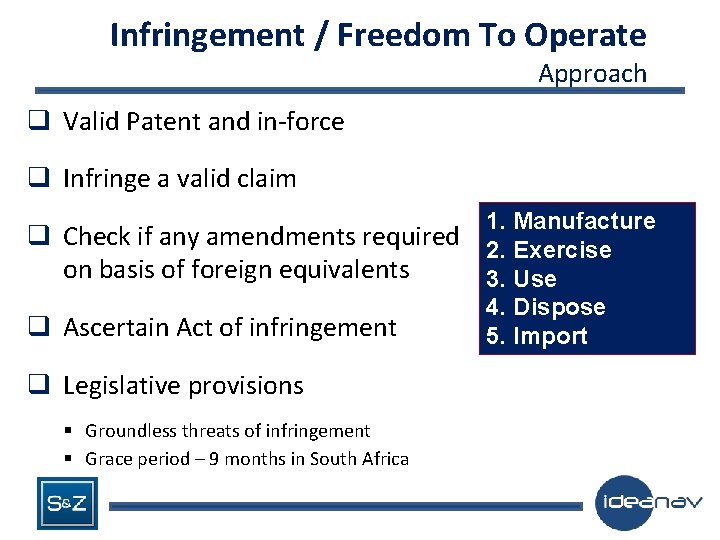
Infringement / Freedom To Operate Approach q Valid Patent and in-force q Infringe a valid claim q Check if any amendments required on basis of foreign equivalents q Ascertain Act of infringement q Legislative provisions § Groundless threats of infringement § Grace period – 9 months in South Africa 1. Manufacture 2. Exercise 3. Use 4. Dispose 5. Import
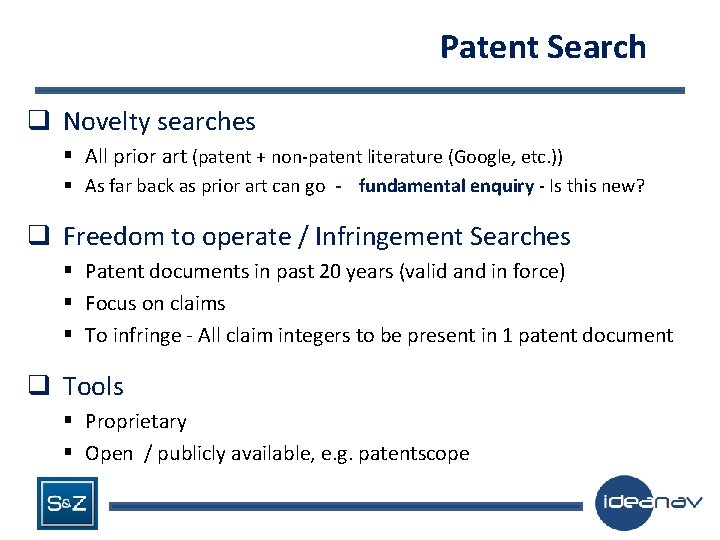
Patent Search q Novelty searches § All prior art (patent + non-patent literature (Google, etc. )) § As far back as prior art can go - fundamental enquiry - Is this new? q Freedom to operate / Infringement Searches § Patent documents in past 20 years (valid and in force) § Focus on claims § To infringe - All claim integers to be present in 1 patent document q Tools § Proprietary § Open / publicly available, e. g. patentscope
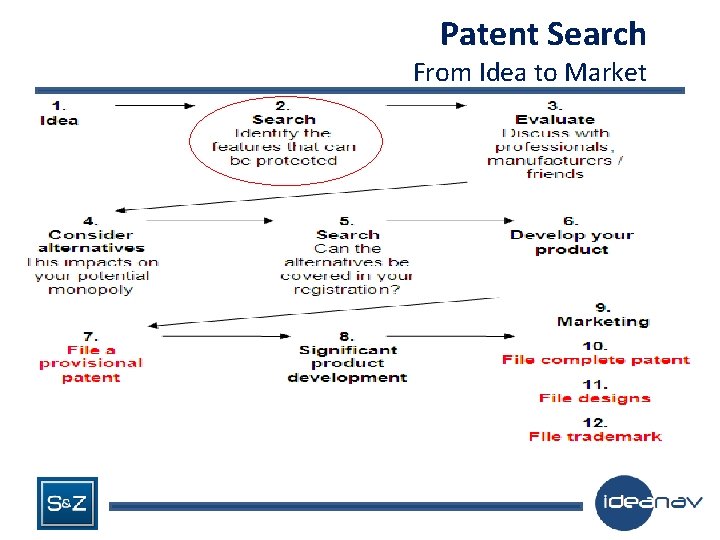
Patent Search From Idea to Market
Concluding Remarks q To patent or not - a business decision q Patents territorial q Utility certificates § broad participation in intellectual property system § No inventiveness requirement q Enforcement requires a proven act of infringement q Patent search, an important tool
THANK YOU mclean@ideanav. co. za
- Slides: 34