
Build Your Own Biosphere WELCOME TO THE ANTHROPOCENE
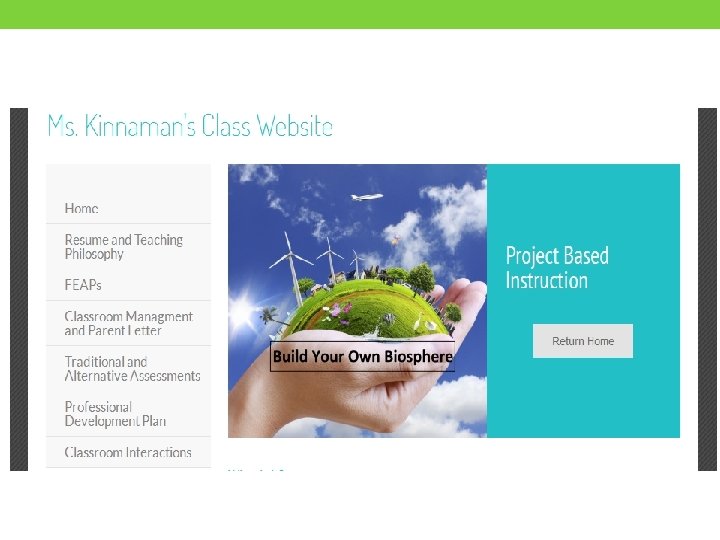
Build Your Own Biosphere

WELCOME TO THE ANTHROPOCENE

Driving Question • What combination of plants, animals, and inorganic resources is required to successfully create an enclosed, sustainable, artificial biosphere? • Project Challenge

Objectives • SC. 912. E. 7. 1: Describe the water and carbon cycle • SC. 912. L. 17. 9: Construct food web and identify producers, consumers and decomposers. Explain the transfer of energy in an ecosystem • SC. 912. L. 17. 20: Examine how human lifestyles has affected the sustainability of ecosystems • SC. 912. L. 18. 7: Identify the reactants, products, and functions of photosynthesis • SC. 912. L. 18. 9: Explain how photosynthesis and cellular respiration are related • SC. 912. N. 1. 1: Conduct a scientific investigation. Make observations during experiments. Generate inferences using evidence from observations
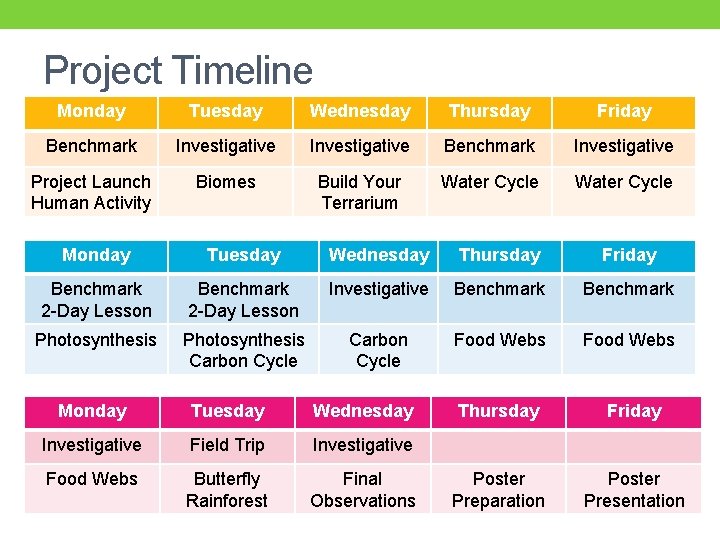
Project Timeline Monday Tuesday Wednesday Thursday Friday Benchmark Investigative Project Launch Human Activity Biomes Build Your Terrarium Water Cycle Monday Tuesday Wednesday Thursday Friday Benchmark 2 -Day Lesson Investigative Benchmark Photosynthesis Carbon Cycle Food Webs Monday Tuesday Wednesday Investigative Field Trip Investigative Food Webs Butterfly Rainforest Final Observations Thursday Friday Poster Preparation Poster Presentation
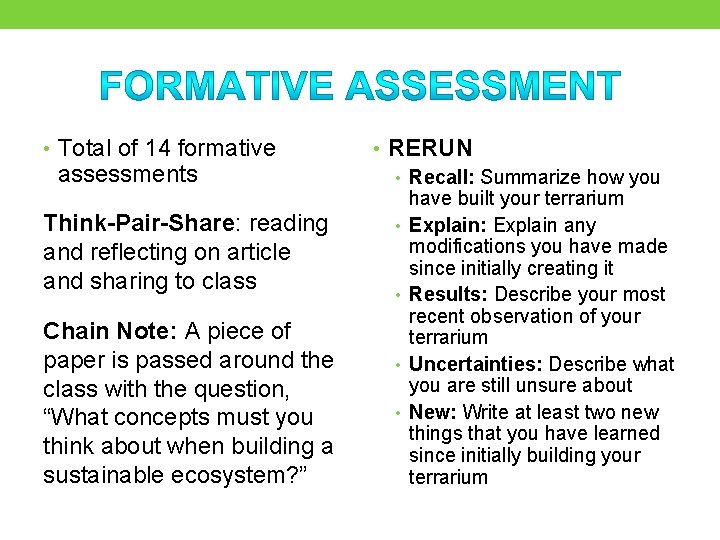
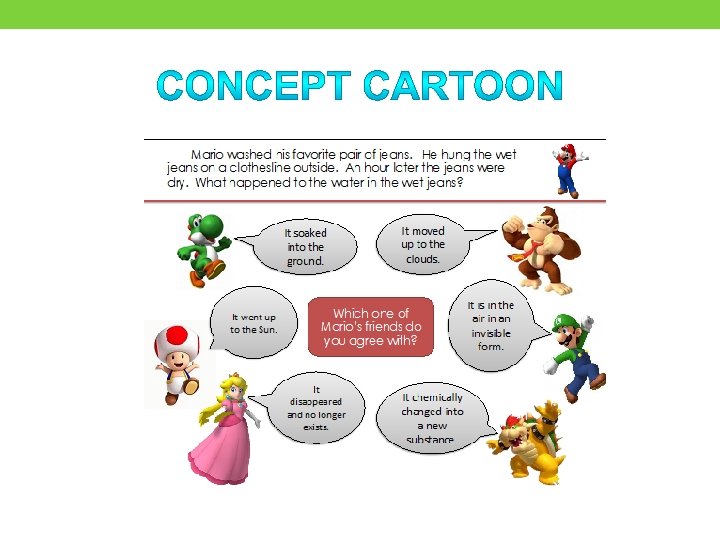
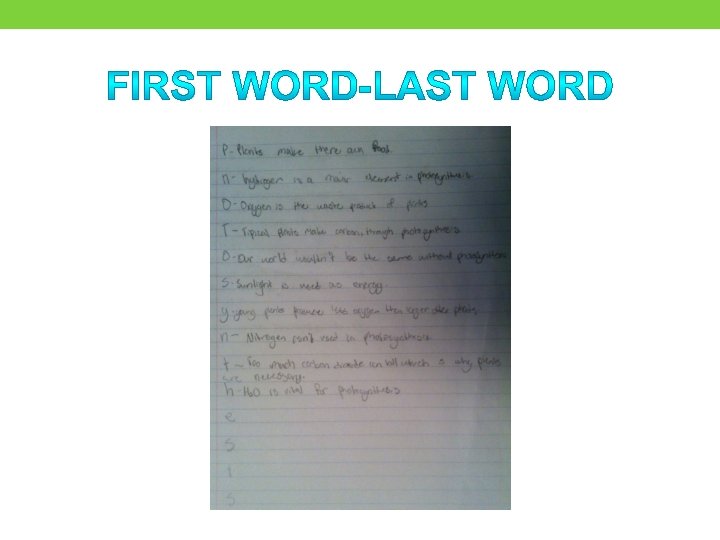
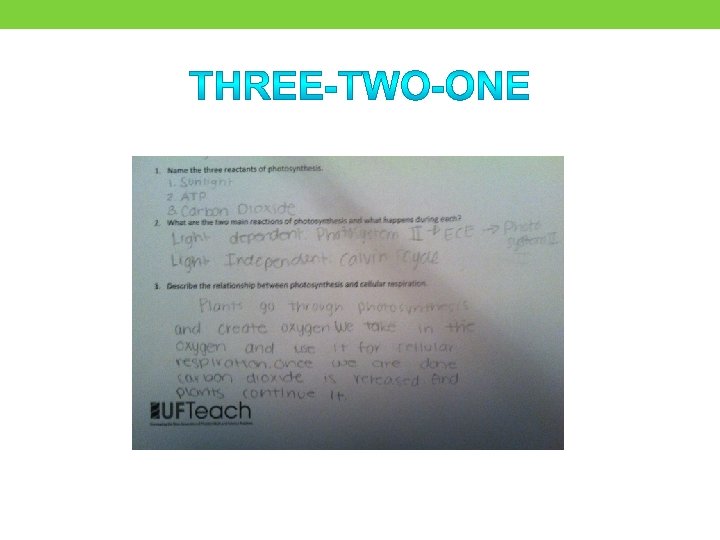
• Total of 14 formative assessments Think-Pair-Share: reading and reflecting on article and sharing to class Chain Note: A piece of paper is passed around the class with the question, “What concepts must you think about when building a sustainable ecosystem? ” • RERUN • Recall: Summarize how you have built your terrarium • Explain: Explain any modifications you have made since initially creating it • Results: Describe your most recent observation of your terrarium • Uncertainties: Describe what you are still unsure about • New: Write at least two new things that you have learned since initially building your terrarium
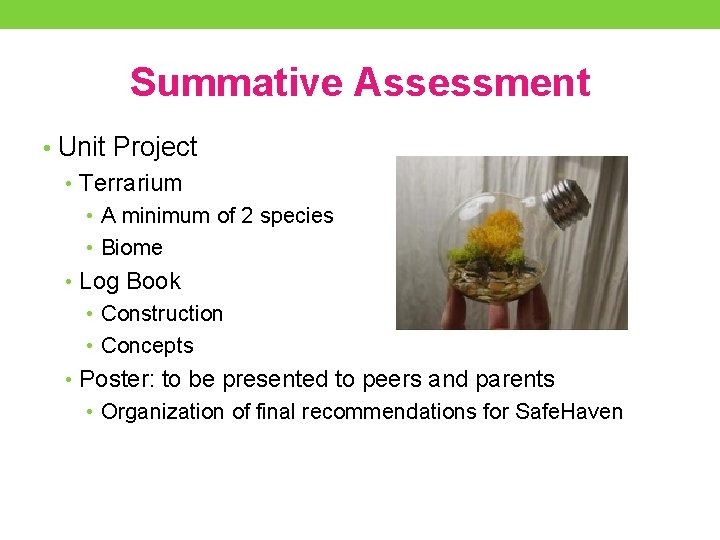
Summative Assessment • Unit Project • Terrarium • A minimum of 2 species • Biome • Log Book • Construction • Concepts • Poster: to be presented to peers and parents • Organization of final recommendations for Safe. Haven
Lessons Learned • Importance of the engagement • Relationship between benchmarks and project • Making the unit cohesive • Importance of feedback and collaboration • Preparation

QUESTIONS? ? ?
- Slides: 14