
BTEC Media Level 3 Extended Certificate Induction July
BTEC Media Level 3 Extended Certificate Induction July 2019
Unit 1 Media Representations
Unit 1 Media Representations
Unit 1 Media Representations

Unit 1 Media Representations Unit in brief Learners will consider how different media representations are constructed by media producers to create meaning, messages and values.

In this unit, you will study a range of media from different sectors, such as music videos, short film extracts, animation, news programmes, websites, digital games and print adverts in order to explore how meaning, messages and values are constructed through formal and stylistic elements.
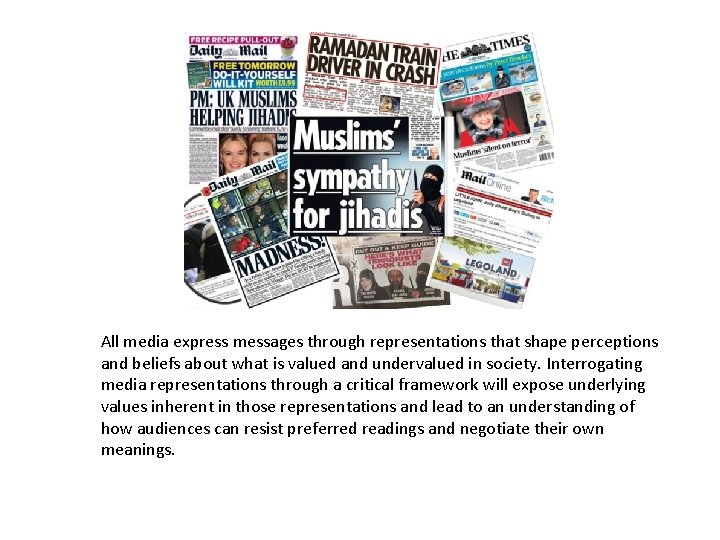
All media express messages through representations that shape perceptions and beliefs about what is valued and undervalued in society. Interrogating media representations through a critical framework will expose underlying values inherent in those representations and lead to an understanding of how audiences can resist preferred readings and negotiate their own meanings.
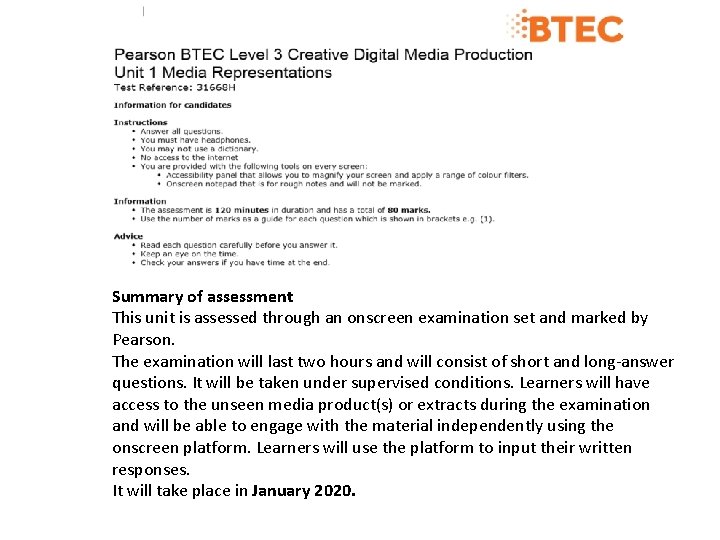
Summary of assessment This unit is assessed through an onscreen examination set and marked by Pearson. The examination will last two hours and will consist of short and long-answer questions. It will be taken under supervised conditions. Learners will have access to the unseen media product(s) or extracts during the examination and will be able to engage with the material independently using the onscreen platform. Learners will use the platform to input their written responses. It will take place in January 2020.
Course Content A – Media Messages B – Understanding Media Messages C – Stylistic Codes D – Effects of Media Messages For a more detailed outline of the content of this unit see the powerpoint presentation on the VLE titled Unit 1 Details

Let’s get started…. .
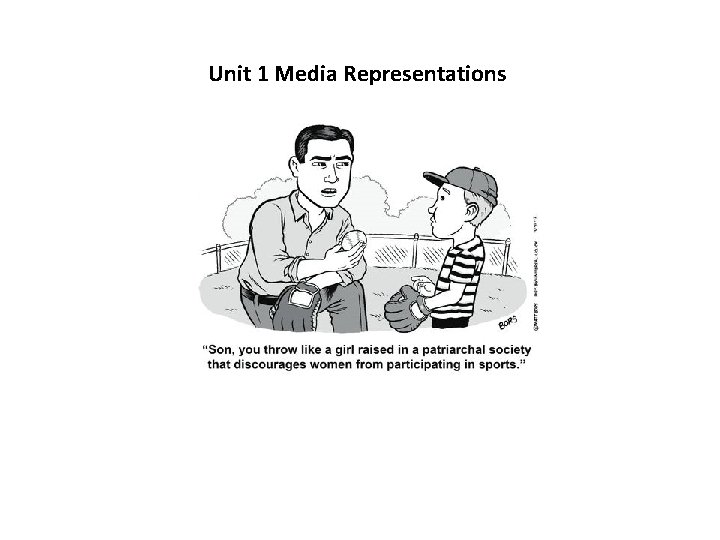
Let’s get started…. . A key issue in Media Messages is Stereotyping
Write down a definition of the word stereotype
Write down a definition of the word stereotype Now write a sentence explaining what the function of stereotypes is
Write down a definition of the word stereotype Now write a sentence explaining what the function of stereotypes is Now think about what the effects of stereotypes are
Write down a definition of the word stereotype Now write a sentence explaining what the function of stereotypes is Now think about what the effects of stereotypes are Are they all bad?

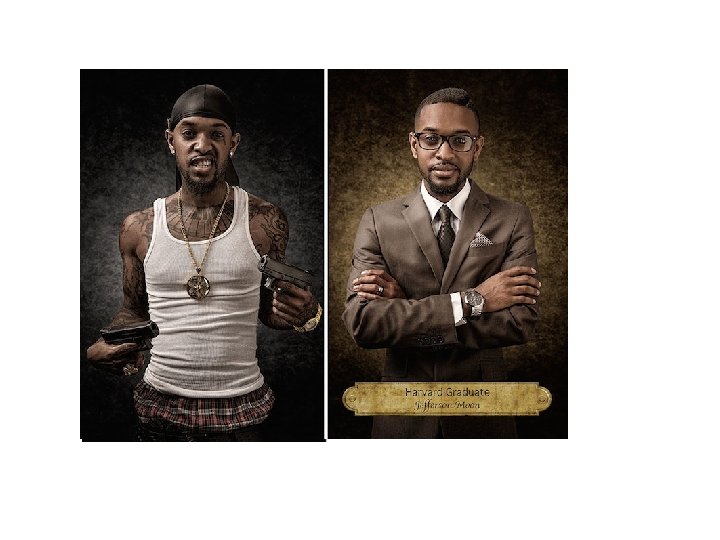
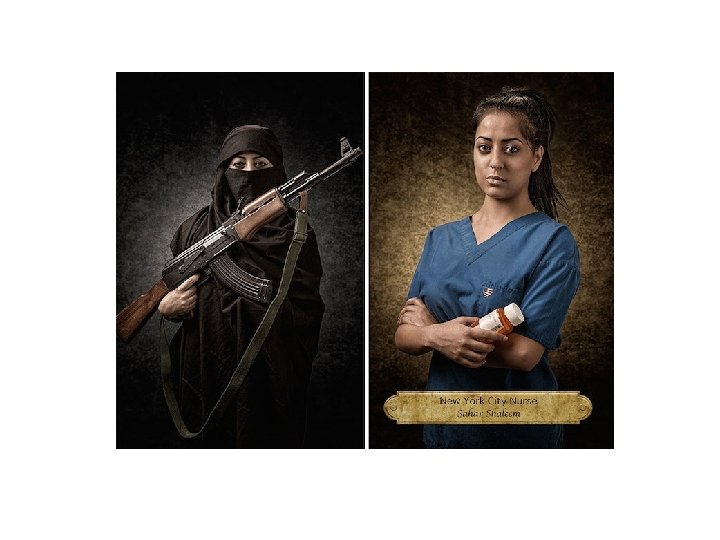
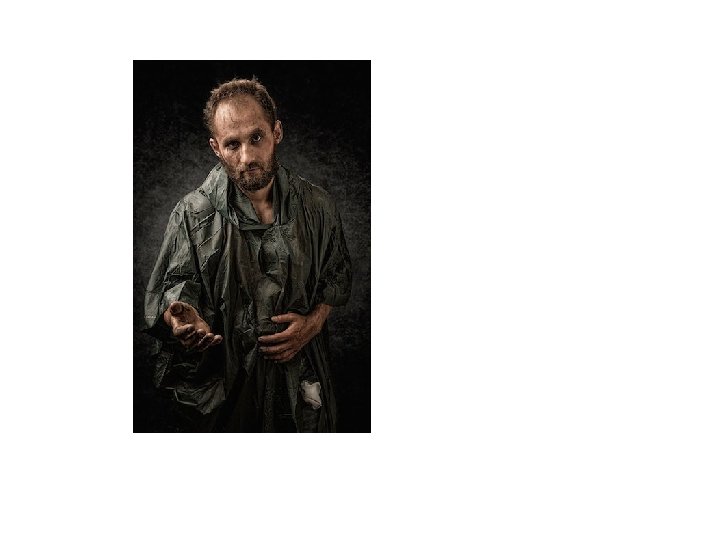
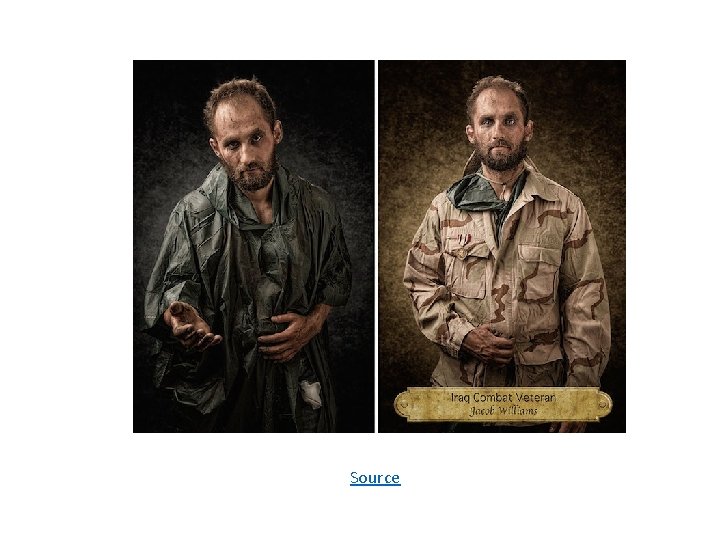
Dallas-based photographer and former U. S. Marine Joel Pars' powerful portrait series Judging America embodies the age-old idiom “don't judge a book by its cover. ” Through these photos, Pars seeks to challenge any prejudices that viewers may hold against other people based on race, socioeconomic status, sexual preference, or appearance.
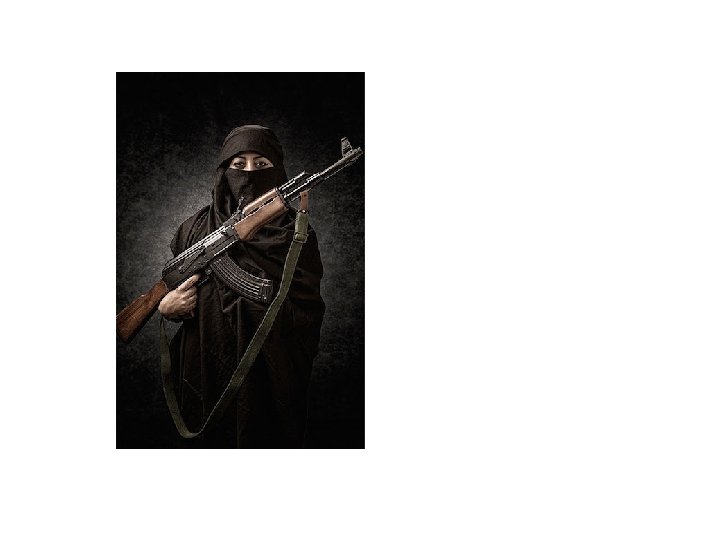
Each image consists of two portraits of a person. The viewer first sees a photo personifying a stereotype, and then is immediately confronted by the second photo, which works to dispel the stereotype by highlighting the person as he or she really is. Pars aims to show that not all black men are thugs or gangsters; not all Muslims are terrorists; not all Mexicans are gardeners. The series demonstrates how pre-emptively judging a person can result in assumptions that may be false and even harmful.
Source
Transition Work You can find (and ultimately upload) the transition work on the home page of the VLE. Basically though, the task is to find two texts, either print or moving image, which represent people or places. One text should conform to stereotype/s, while the other should subvert them. Analyse the techniques employed in the two texts and explain how each either conforms to or subverts traditional stereotypes. Aim for at least 500 words.
- Slides: 24