
Brugadas Syndrome and Sudden Cardiac Death Petra Lovrec
Brugada’s Syndrome and Sudden Cardiac Death Petra Lovrec
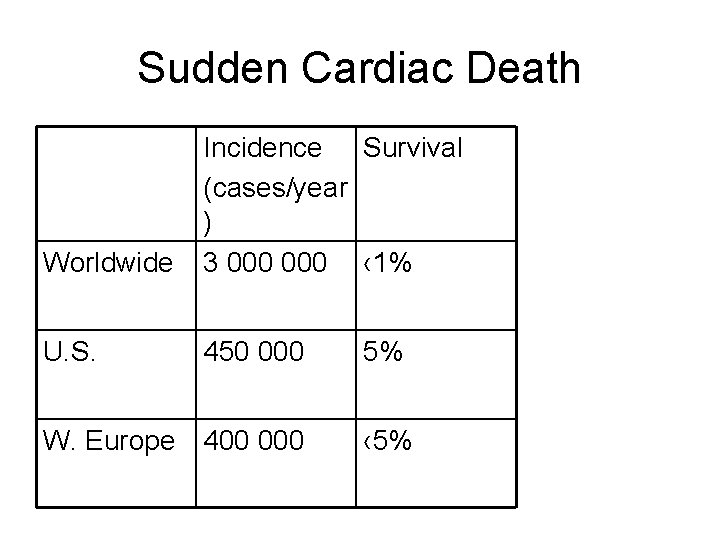
Sudden Cardiac Death Worldwide Incidence Survival (cases/year ) 3 000 ‹ 1% U. S. 450 000 W. Europe 400 000 5% ‹ 5%
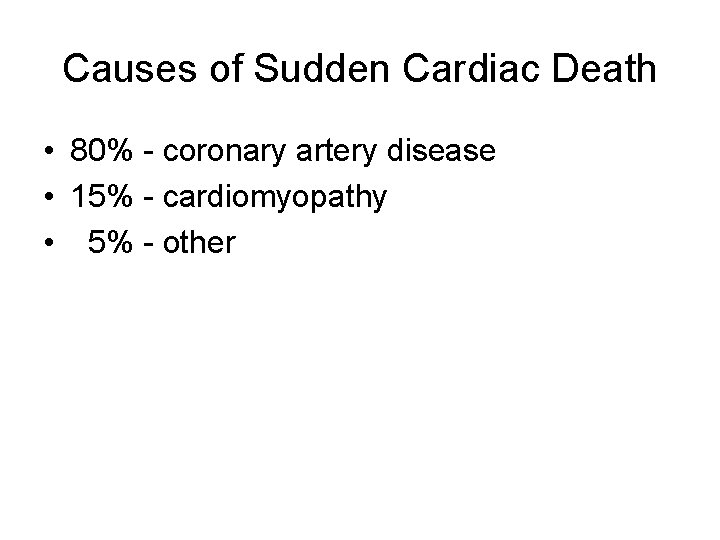
Causes of Sudden Cardiac Death • 80% - coronary artery disease • 15% - cardiomyopathy • 5% - other
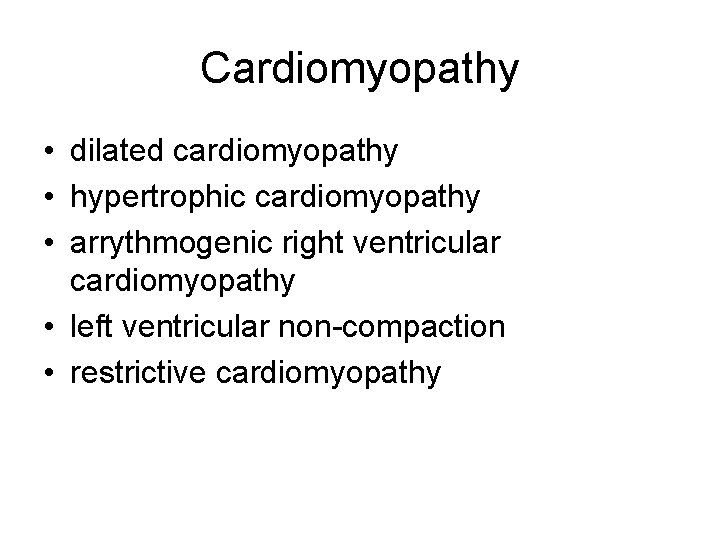
Cardiomyopathy • dilated cardiomyopathy • hypertrophic cardiomyopathy • arrythmogenic right ventricular cardiomyopathy • left ventricular non-compaction • restrictive cardiomyopathy
Cardiac Chanellopathies • • • Brugada syndrome long QT syndrome short QT syndrome idiopathic VF short coupled Torsades
Brugada Syndrome • first described in 1992 in 8 patients with aborted sudden cardiac death • history since 1986 – Brugada brothers
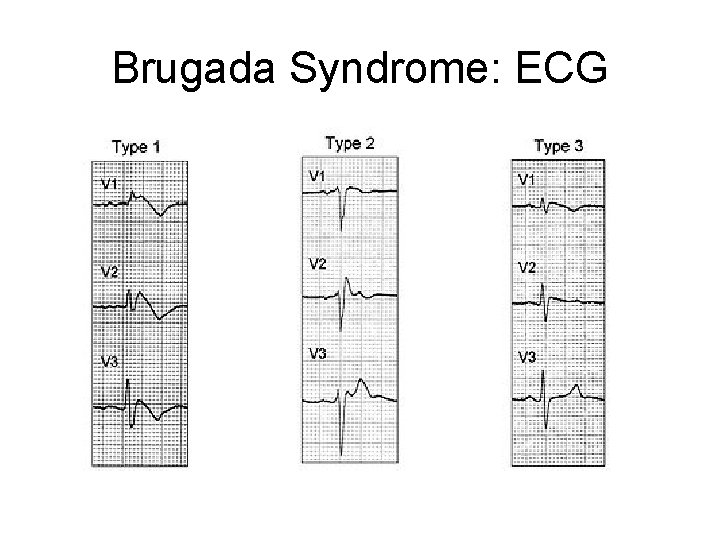
Brugada Syndrome • characterized by: – ECG findings of RBBB and persistent ST elevation in V 1 – V 3 – structurally normal hearts – propensity for life-threatening ventricular arrhythmias – J point elevation
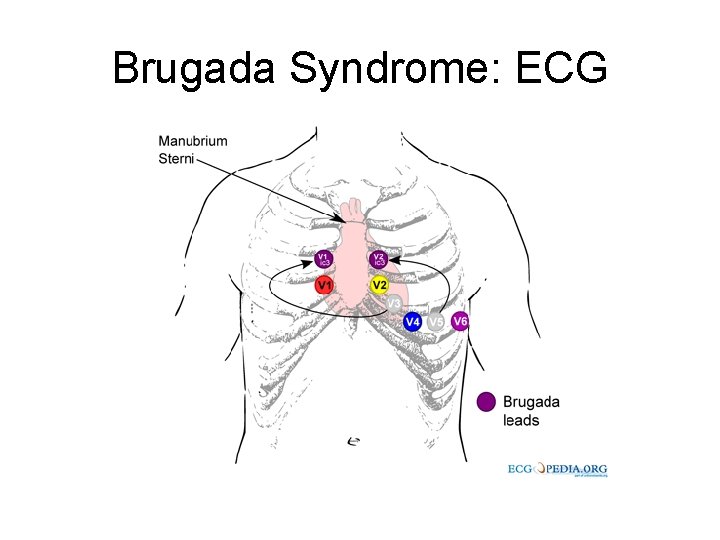
Brugada Syndrome: ECG

Brugada Syndrome: ECG Typical electrocardiogram of Brugada syndrome. Note the pattern resembling a right bundle branch block, the P-R prolongation and the ST elevation in leads V 1 -V 3.

Brugada Syndrome: ECG
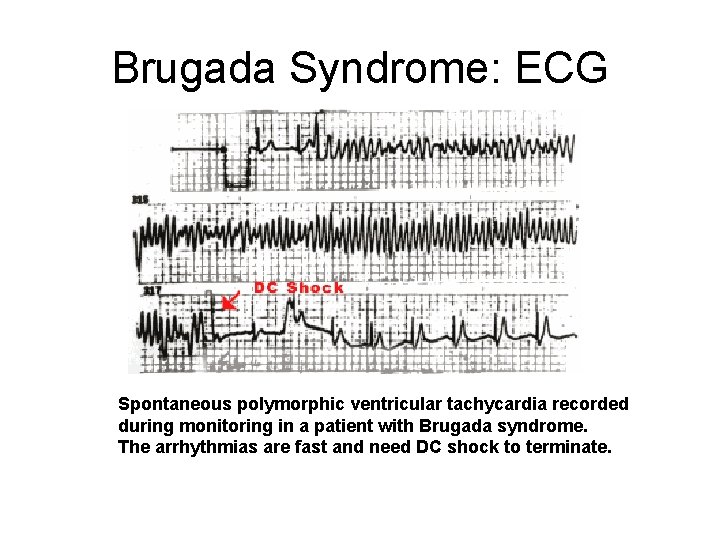
Brugada Syndrome: ECG Spontaneous polymorphic ventricular tachycardia recorded during monitoring in a patient with Brugada syndrome. The arrhythmias are fast and need DC shock to terminate.
Brugada Syndrome: Clinical Features • • • unexpectad sudden death syncope, seizures agonal nocturnal respirations affects male patients predominantly (8: 1) cases reported worldwide
Brugada Syndrome: Incidence and Distribution • responsible for up to 50% of sudden death victims with structurally normal hearts in Thailand • recognized in Asia for decades: – Philippines: Bangungut = scream followed by sudden death during sleep – Thailand: Lai tai = death during sleep – Japan: Pokuri = unexpected death during sleep
Brugada Syndrome: ECG
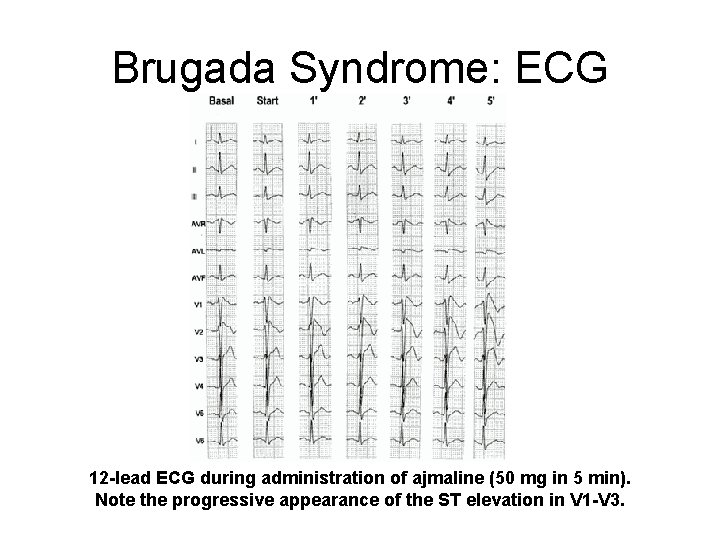
Brugada Syndrome: ECG 12 -lead ECG during administration of ajmaline (50 mg in 5 min). Note the progressive appearance of the ST elevation in V 1 -V 3.
Brugada Syndrome: Factors / Drugs that Enhance ECG Pattern • Na+ channel blockers • alpha agonists, vagotonic agents, beta blockers • fever • alcohol, cocaine • severe ischemia • tricyclic antidepressants, antihistaminics
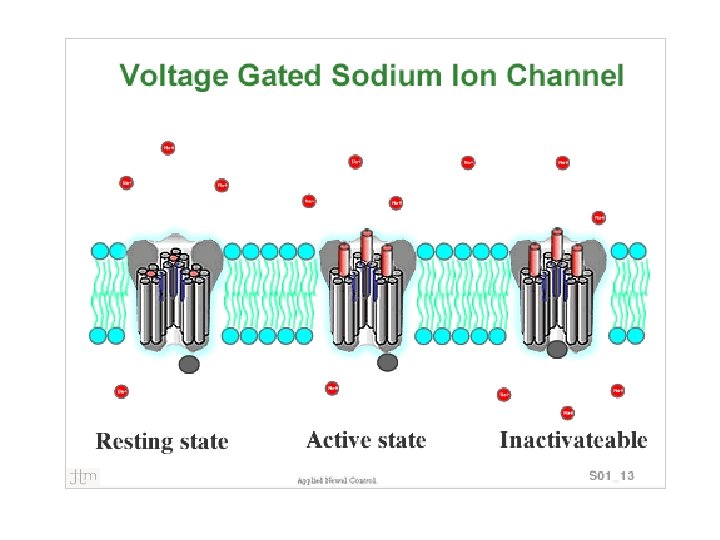
Brugada Syndrome: Genetics • autosomal dominant • 60 different mutations in the SCN 5 A (chromosome 3) gene have been linked to the syndrome • failure of alpha subunit of sodium channel to express • shift in voltage and time dependence on I(Na+) activation, inactivation or reactivation
Brugada Syndrome: Diagnosis • • symptoms: syncope, SCD (usually during sleep) physical exam: normal family history: strong history of SCD ECG: best to identify Brugada patients – may require Flecainide or Procainamide to bring out typical findings – ST elevation, RBBB • imaging tests: usually no underlying structural disease • stress tests: symptoms and ECG findings not usually reproducible with exercise
Brugada Syndrome: Diagnostic Criteria • major criteria: – 1. presence of ECG marker in structurally normal hearts – 2. appearance of ECG marker after administration of Na+ channel blockers • minor criteria: – – 1. family history of sudden cardiac death 2. syncope of unknown origin 3. documented ventricular tachycardia/fibrillation 4. genetic mutation of ion channels
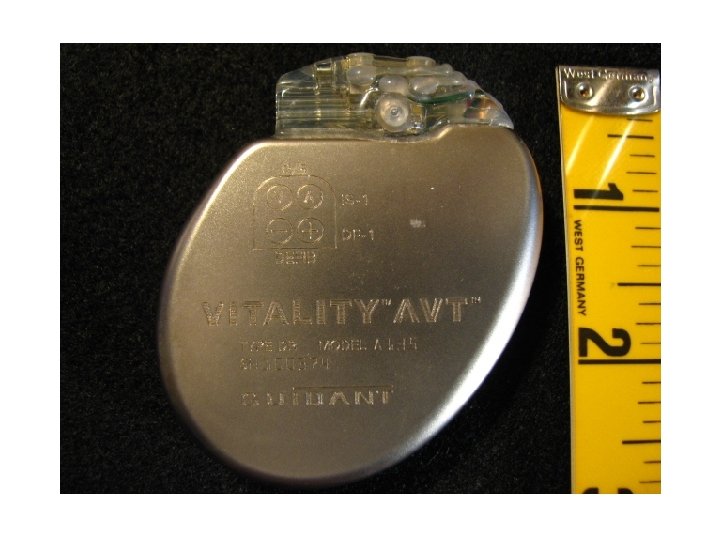
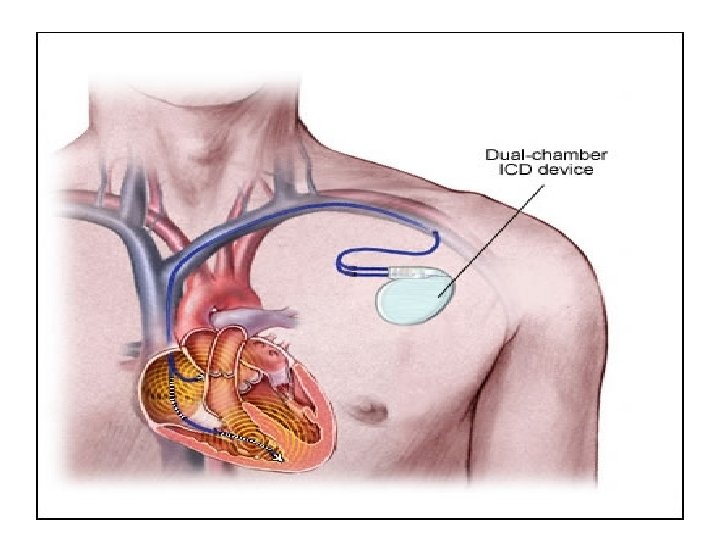
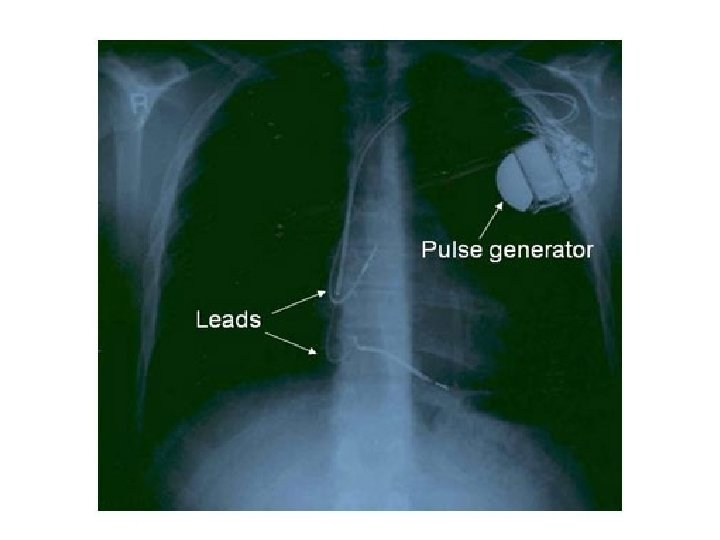
Brugada Syndrome: Treatment • IMPLANTABLE CARDIOVERTERDEFIBRILLATOR (ICD) • symptomatic with the disease: ICD • asymptomatic with family history of SCD: with normal ECG – OBSERVE • asymptomatic with prolonged H-V interval and inducible VT/VF: controversial ICD
Potential Antiarrhythmic Drugs in Brugada Syndrome • Quinidine (non specific I blocker) • Isoproterenol (open L type calcium channel) • Cilostazol (augment I Ca)
Conclusion • sudden cardiac death in Southeast Asia • characteristic ECG pattern – ST elevation in V 1 – V 3 • ICD implantation in symptomatic patients

Thank you!
- Slides: 27