
Bronchial Hygiene High Frequency Devices Why So Important
Bronchial Hygiene & High Frequency Devices: Why So Important? David Grooms MSHS, RRT Sentara Norfolk General Hospital
Disclosures Today’s lecture is sponsored by Hill-Rom Consultant Honorariums: • • Hamilton Medical Hill-Rom Speakers List: • • Hamilton Medical Hill-Rom

Sentara Healthcare, Norfolk, VA Sentara Norfolk General- Norfolk, VA Sentara Leigh- Norfolk Sentara Princess Anne- VA Beach Sentara Virginia Beach General- VA Beach Sentara Obici- Suffolk, VA Sentara Careplex- Hampton, VA Sentara WRCH- Williamsburg, VA Sentara NMVC- Potomac, VA Sentara Rockingham Memorial- Harrisonburg, VA Sentara Martha Jefferson- Charlottesville, VA Sentara Hallifax. Sentara Albemarle-
We have come a long way with understanding Breathing!
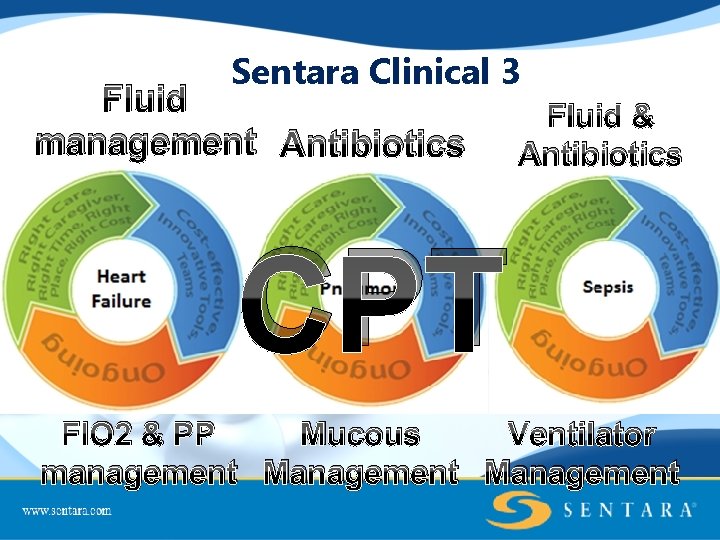
Sentara Clinical 3 Fluid management Antibiotics Fluid & Antibiotics CPT FIO 2 & PP Mucous Ventilator management Management
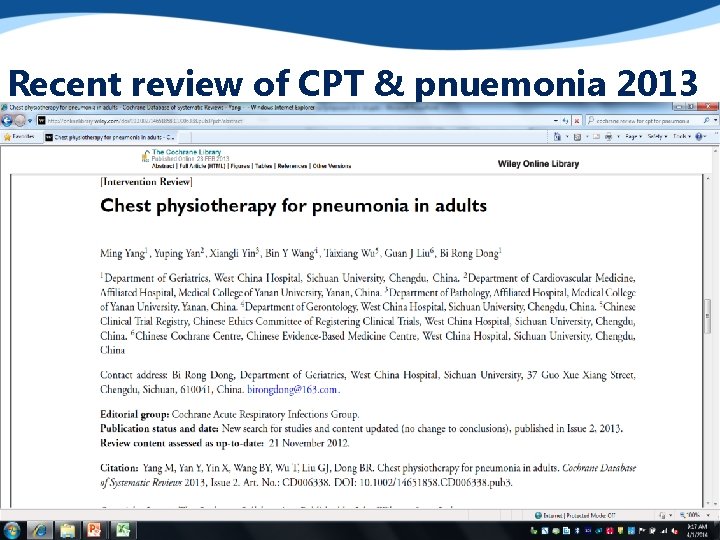
Recent review of CPT & pnuemonia 2013
Recent review of CPT &pnuemonia 2014 Six RCTs (434 participants) Four types of chest physiotherapy: 1. Conventional chest physiotherapy 2. Osteopathic manipulative treatment (which includes paraspinal inhibition, rib raising and myofascial release) 3. active cycle of breathing techniques: 1. 2. 3. 4. Active breathing control Thoracic expansion exercises Forced expiration techniques Positive expiratory pressure

Recent review for CPT & Pneumonia “Limited evidence indicates that positive expiratory pressure (versus no physiotherapy) and osteopathic manipulative treatment (versus placebo therapy) can slightly reduce the duration of hospital stay (by 2. 02 and 1. 4 days, respectively)
The “Why” of it… • We are part of this business: • We are a stake holder • We are part owner • We directly effect the outcomes of this hospital.

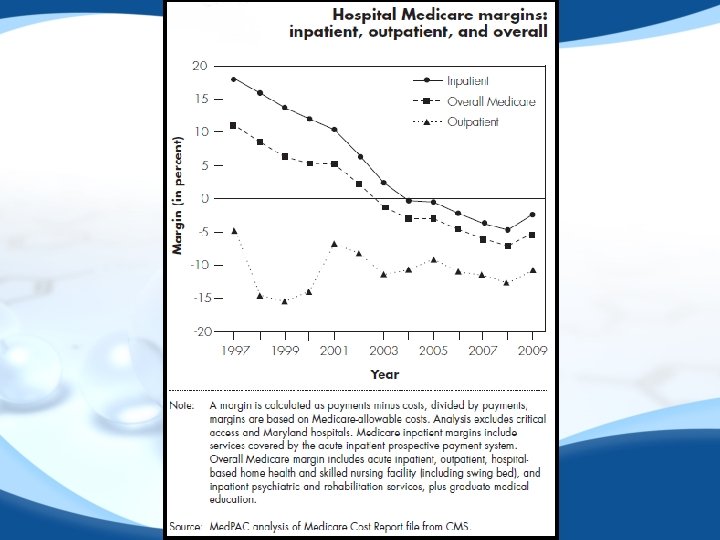
The “Clinical Why” of it… • We spend too much money taking care of patients. • We are paid on volume of patient care provided, not quality of patient care • Penalization for sub optimal patient care and results is coming!!!

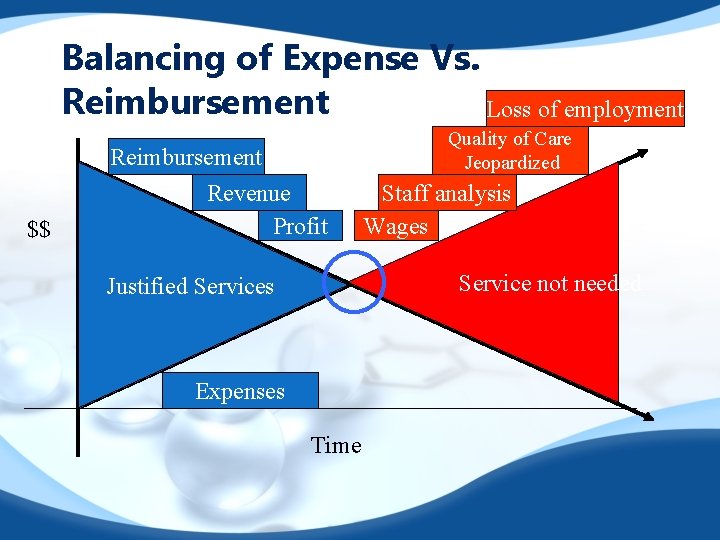
Balancing of Expense Vs. Reimbursement Loss of employment $$ Reimbursement Revenue Profit Quality of Care Jeopardized Staff analysis Wages Service not needed Justified Services Expenses Time
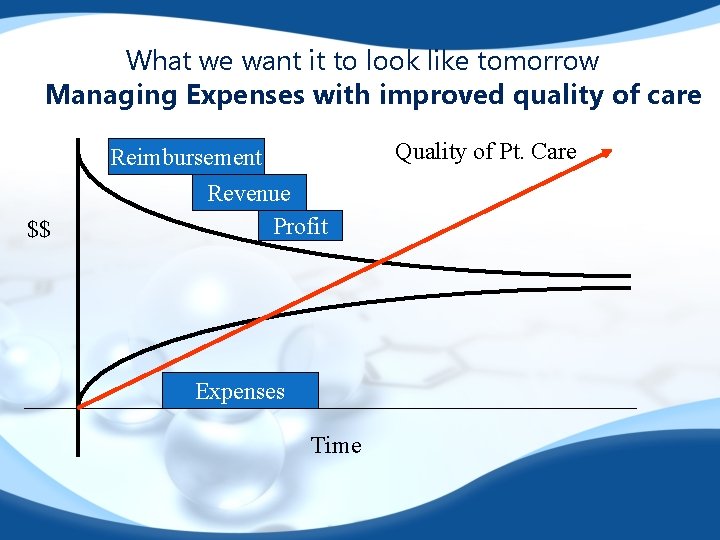
What we want it to look like tomorrow Managing Expenses with improved quality of care $$ Reimbursement Revenue Profit Expenses Time Quality of Pt. Care
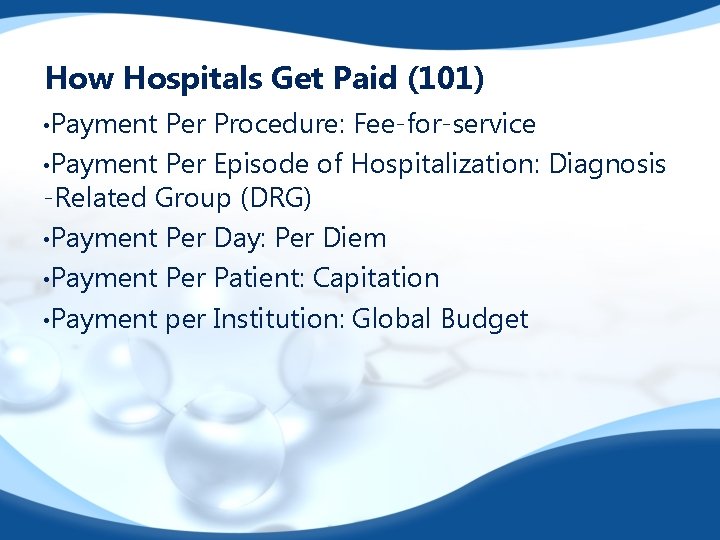
How Hospitals Get Paid (101) • Payment Per Procedure: Fee-for-service • Payment Per Episode of Hospitalization: Diagnosis -Related Group (DRG) • Payment Per Day: Per Diem • Payment Per Patient: Capitation • Payment per Institution: Global Budget
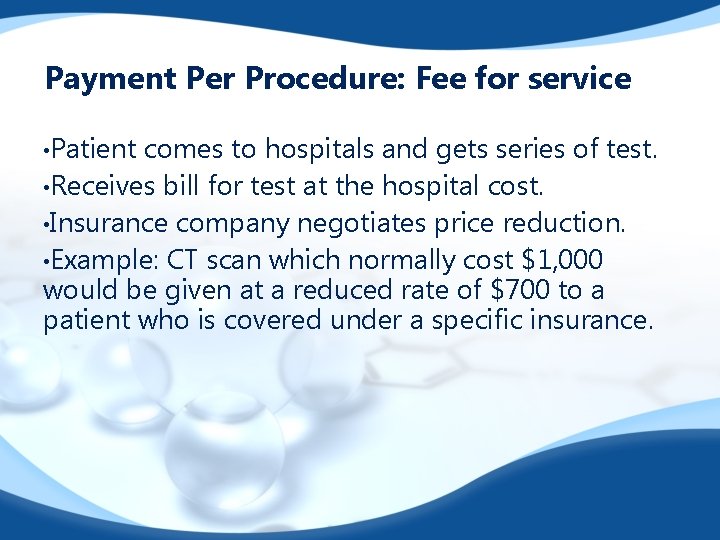
Payment Per Procedure: Fee for service • Patient comes to hospitals and gets series of test. • Receives bill for test at the hospital cost. • Insurance company negotiates price reduction. • Example: CT scan which normally cost $1, 000 would be given at a reduced rate of $700 to a patient who is covered under a specific insurance.
Diagnosis-Related Groups (DRG) • A strategy used by Medicare. • Patients diagnosis tells the hospital how much money the insurance company will give to them. • Example: COPD diagnosis= $100, 000 to treat. • Hospital spends $80, 000 to treat efficiently, hospital makes $20, 000 • Hospital spends $120, 000 to treat, hospital loses $20, 000. • Hospitals have incentive to discharge patients efficiently, since their pay is not going to increase with length of stay, unless of course another DRG.
Hypothetical Example- COPD DRG=$100, 000
To Protocolize or not to Protocolize? Historical- Physician Directed Practice • Intervention- RT Protocol directed practice • Outcomes: • Treatment Allocation • Cost • Hospital and ICU outcome. •
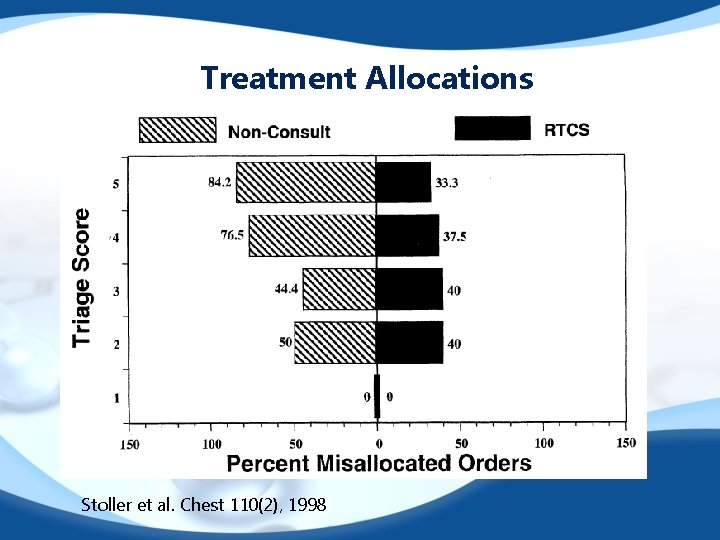
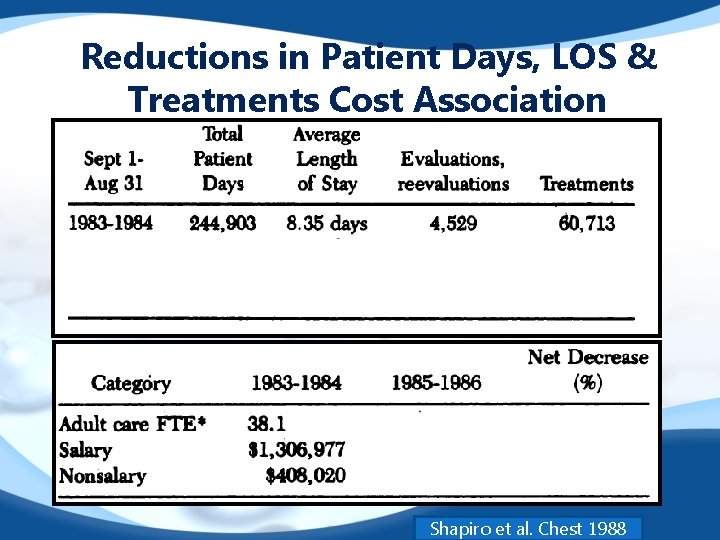
Treatment Allocations Stoller et al. Chest 110(2), 1998
Reductions in Patient Days, LOS & Treatments Cost Association Shapiro et al. Chest 1988

Understanding Mucus MUCUS IN THE RESPIRATORY TRACT Contains H 2 O, Proteins, Mucins, Antibodies, and Antiseptics and Salts. • Carbohydrate coating gives the mucin molecules a large ability to absorb water. •
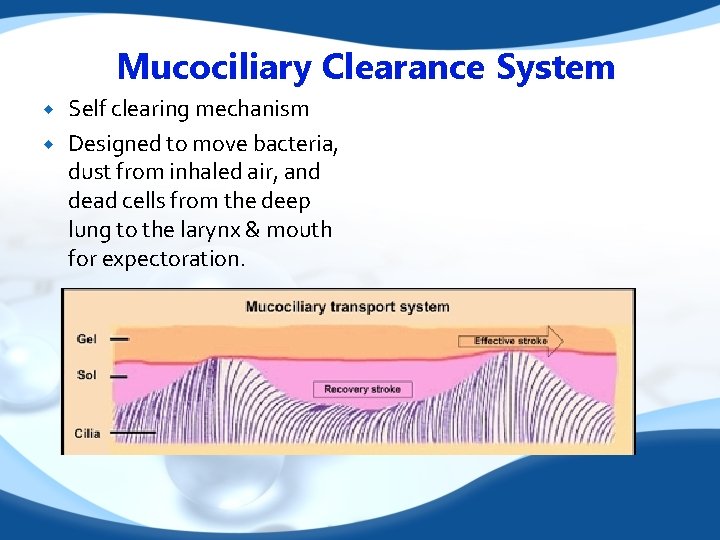
Mucociliary Clearance System Self clearing mechanism Designed to move bacteria, dust from inhaled air, and dead cells from the deep lung to the larynx & mouth for expectoration.
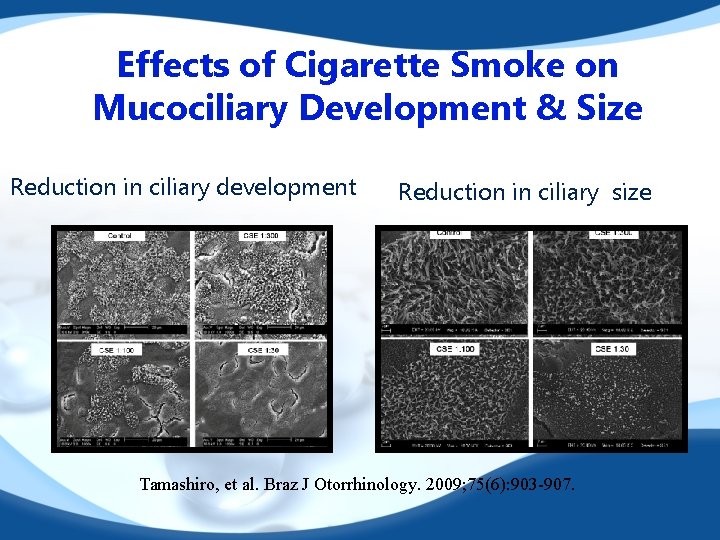
Effects of Cigarette Smoke on Mucociliary Development & Size Reduction in ciliary development Reduction in ciliary size Tamashiro, et al. Braz J Otorrhinology. 2009; 75(6): 903 -907.
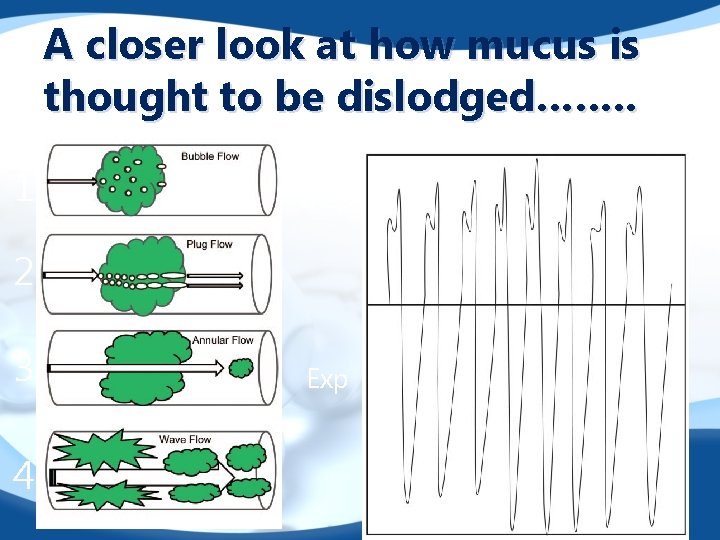
A closer look at how mucus is thought to be dislodged……. . 1 Insp 2 3 4 Exp
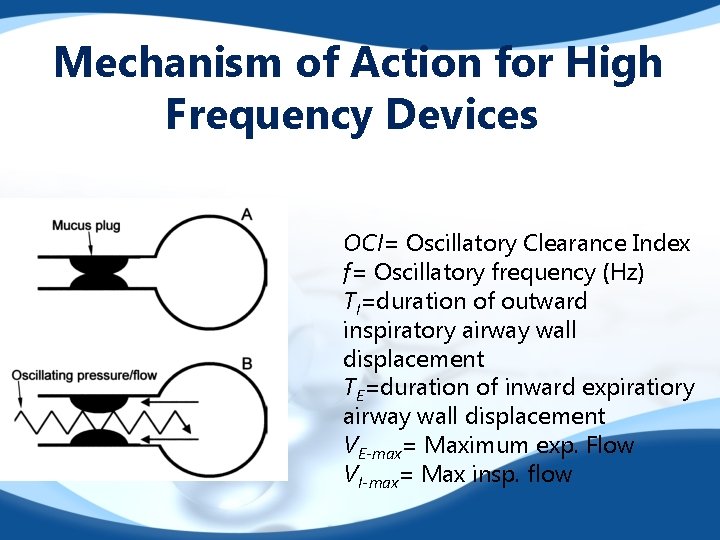
Mechanism of Action for High Frequency Devices OCI= Oscillatory Clearance Index f= Oscillatory frequency (Hz) TI=duration of outward inspiratory airway wall displacement TE=duration of inward expiratiory airway wall displacement VE-max= Maximum exp. Flow VI-max= Max insp. flow
Popular High Frequency Handheld Devices Flutter Valve Acapella RC-Cornet Aerobika
- Slides: 27