
BROACHING Broaching is a machining process that uses
BROACHING

Broaching is a machining process that uses a toothed tool, called a broach, to remove material. There are two main types of broaching: linear and rotary. In linear broaching, which is the more common process, the broach is run linearly against a surface of the workpiece to effect the cut.
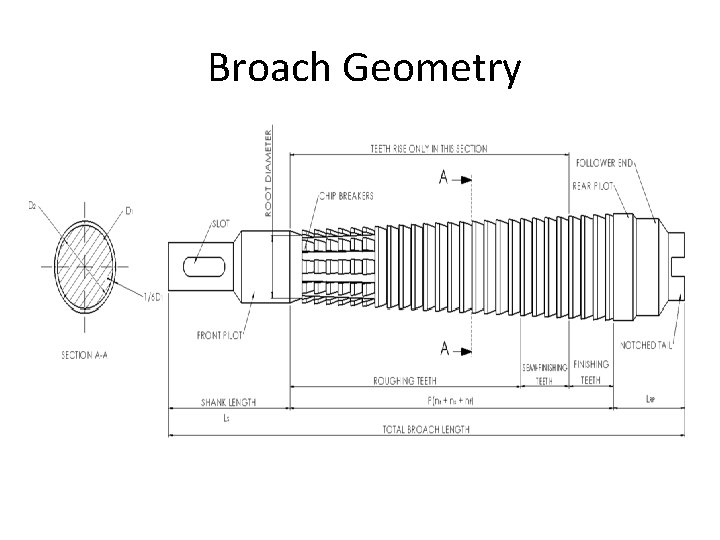
Broach Geometry
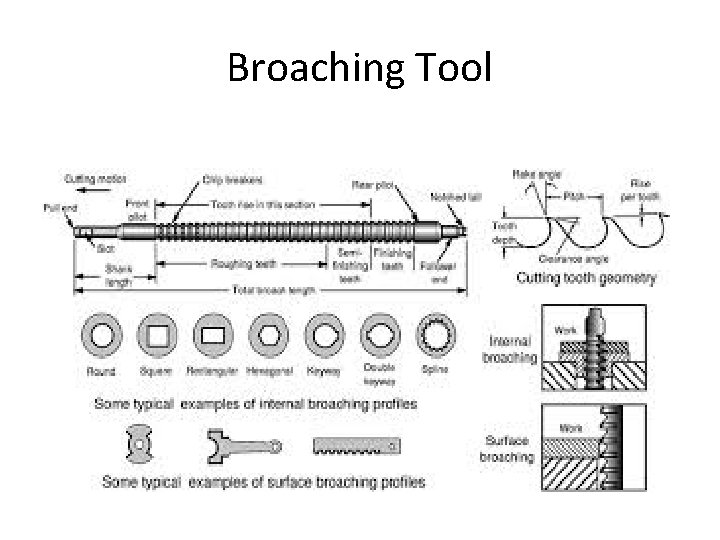
Broaching Tool
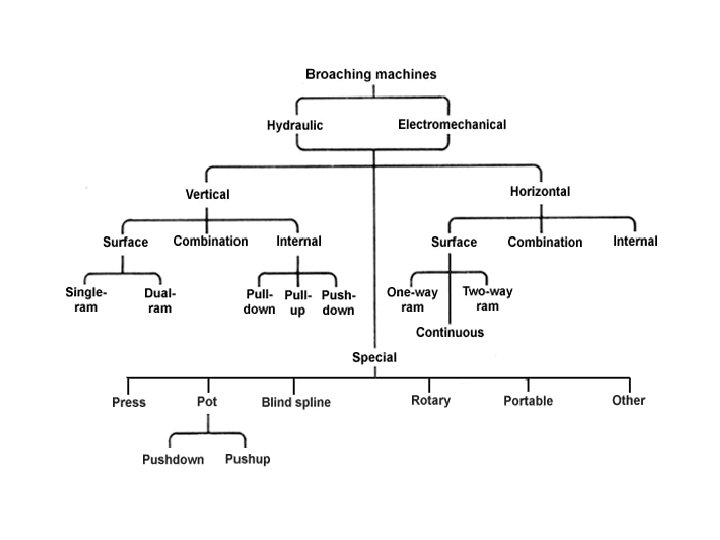
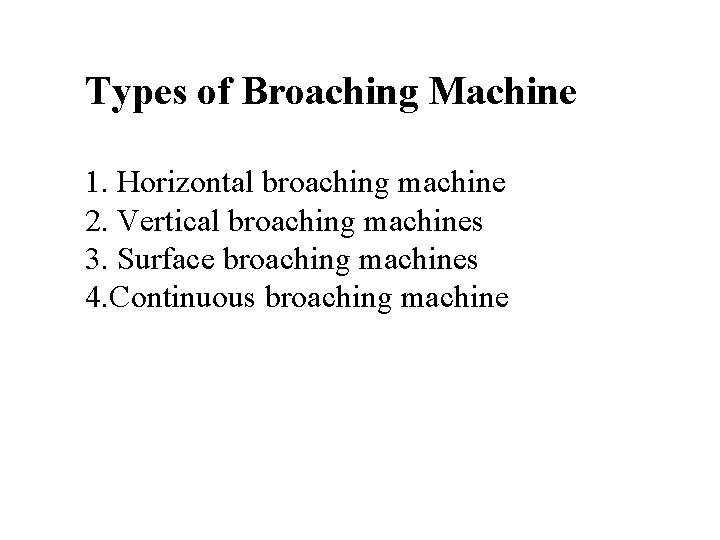
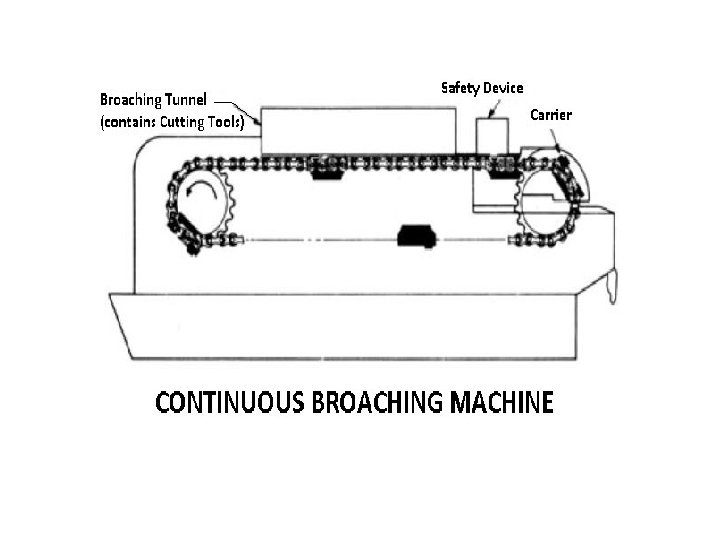
Types of Broaching Machine 1. Horizontal broaching machine 2. Vertical broaching machines 3. Surface broaching machines 4. Continuous broaching machine
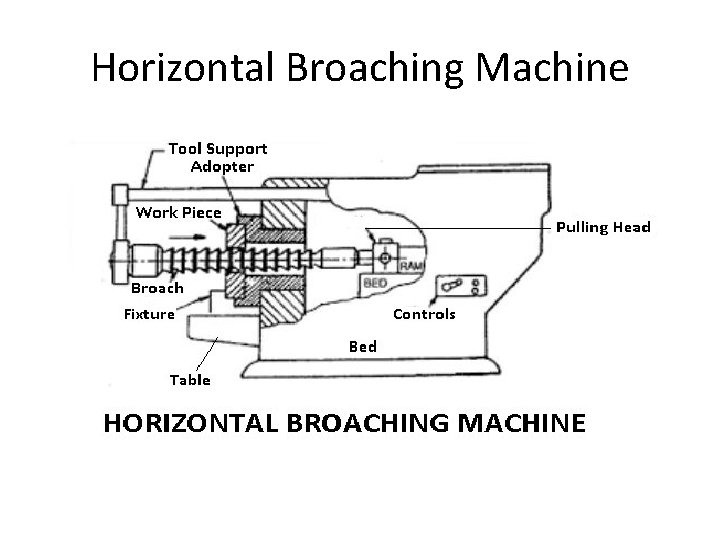
Horizontal Broaching Machine
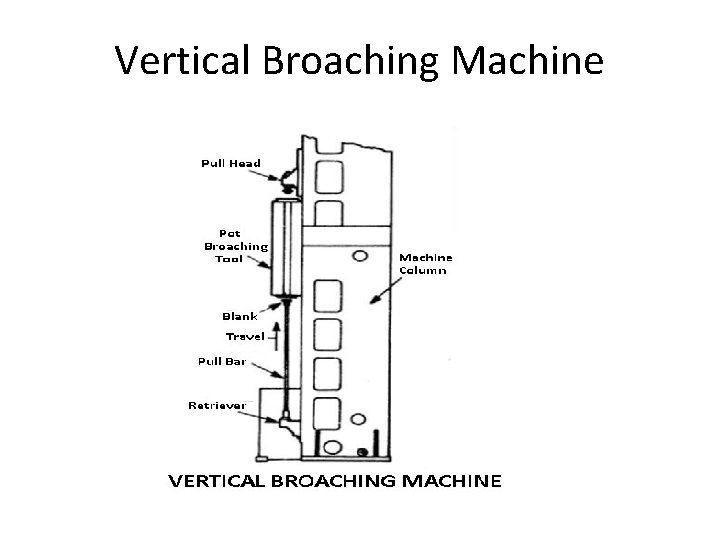
Vertical Broaching Machine
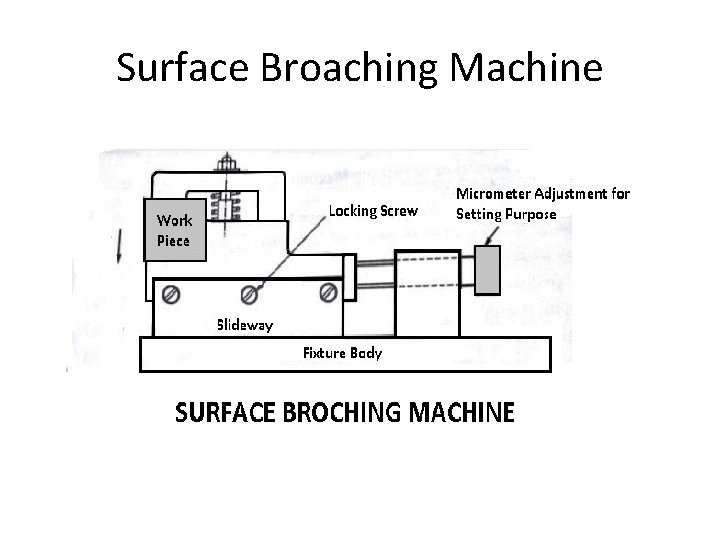
Surface Broaching Machine
Broaching Methods Following are the classification of broaching methods: Pull Broaching Push Broaching Surface Broaching Continuous Broaching Pull Broaching In the pull broaching the work is held fixed and the broach is pulled through the work. Usually, broaches are very long and are held in a special head. Pull broaching method is used for internal broaching but it also used for some surface broaching.
Push Broaching In the push broaching the work is fixed and the broach is pushed through the work. Hand hydraulic arbor presses are commonly used for push broaching. This method is used for sizing holes and cutting keyways. Surface Broaching In surface broaching either the work or the broaching tool moves across the other. This method has become an important means of surface finishing. Many irregular or intricate shapes can be broached by surface broaching, but the tools must be specially designed for each job. Continuous Broaching In continuous broaching the work is moved continuously and the broach us held stationary. The movement of work may be either straight horizontal or circular. The continuous broaching method is mostly used for broaching a number of similar works at the same time.
Advantages of Broaching 1. The rate of production is very high. 2. Skill is required from the operator to perform a broaching operation. In most cases, the operator merely loads and unloads the work-piece. 3. High accuracy and a high class of surface finish are possible. 4. Both roughing finishing cuts are completed in one pass of the tool. 5. broaching process is used for internal and external surface finishing. The or shape that can be reproduced on a broaching can be 6. Any form machined. 7. Cutting fluid may be readily applied where it is most effective because a broach tends to draw the fluid into the cut.
CUTTING FLUIDS Cutting fluids are the fluids which are generally applied while the machining(or cutting) operation is taking place.
Functions of cutting fluids Cool the tool and workpiece Reduce the friction Protect work against rusting Improve the surface finish Prevent the formation of Built-up edges (BUEs) Wash away the chips from the cutting zone
Type of Cutting Fluids 1. Neat Cutting Oils 2. Soluble oils 3. Synthetic Fluids 4. Mineral Cutting Oils 5. Chemical Compounds 6. Sulphurised Mineral Oils
Application Of Cutting Fluids Flooding In this method tool and workpiece are supplied with high volume of the cutting fluids which are generally in liquid condition. Jet application In this method the cutting fluids which may be either gas or liquid are applied with high pressure on the tool and workpiece. Mist application In this method the cutting fluids are mixed with a gas (generally air) and applied to tool and workpiece. Mist application combines the properties of above mentioned both methods i. e. flooding and jet application.
LUBRICANT • A Lubricant is a substance which reduces the force of friction between two relatively moving solid surfaces in contact with each other
Classification of Lubricants • SOLID a) b) Graphite Zinc oxide • SEMI SOLID a) Greases • LIQUID a) Vegetable Oils b) Animal Oils c) Synthetic Oils
Characteristics of Lubricant • • VISCOSITY FLASH POINT FIRE POINT POUR POINT OILINESS ACID VALUE VOLATILITY
METHODS OF LUBRICATION • • • GREASE CUP GRAVITY FEED OIL CAN FORCE FEED SPLASH LUBRICATION HAND OILING

Jigs And Fixtures
JIG • It is a work holding device that holds, supports and locates the workpiece and guides the cutting tool for a specific operation. Jigs are usually fitted with hardened steel bushings for guiding or other cutting tools. A jig is a type of tool used to control the location and/or motion of another tool.
FIXTURES • It is a work holding device that holds, supports and locates the workpiece for a specific operation but does not guide the cutting tool. It provides only a reference surface or a device.
Fundamental principles of Jigs and Fixtures design • • Reduction of idle time Study of component Study of Machine Rigidity Location Loading Ejection of components Bushes
Material For Jigs and Fixtures • • • Timber Cast Iron Light Metals Brasses and Bronzes Steels
Principle of Location • Location refers to the establishment of a desired relationship between the workpiece and the jigs or fixture correctness of location directly influences the accuracy of the finished product.
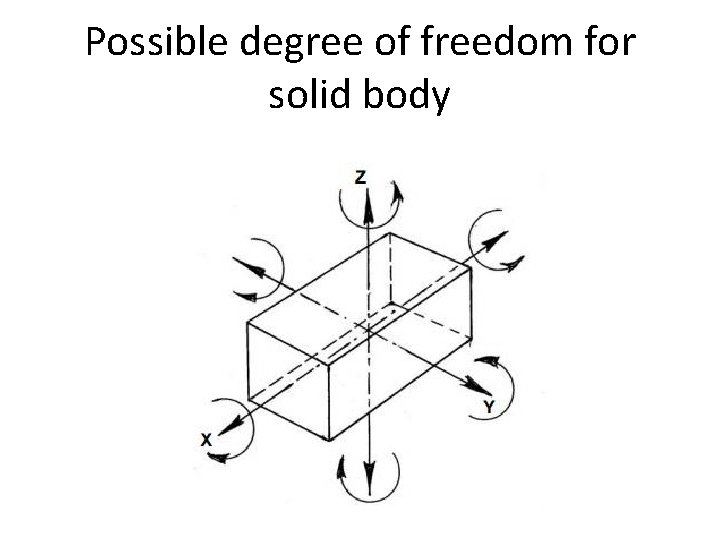
Possible degree of freedom for solid body
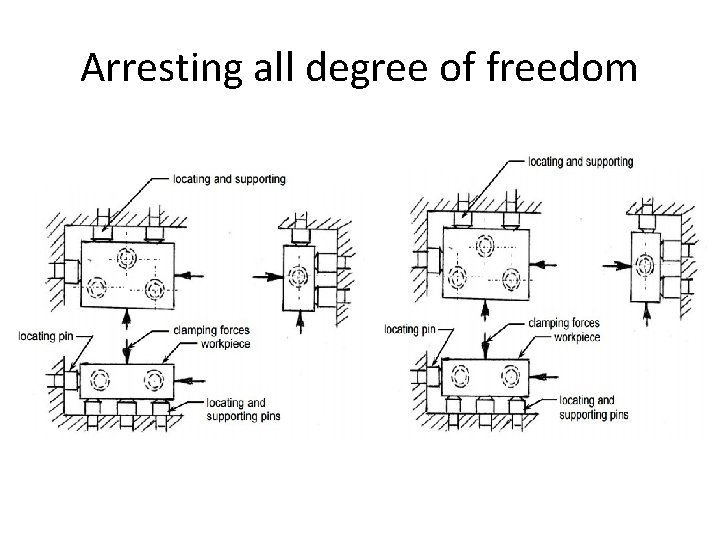
Arresting all degree of freedom
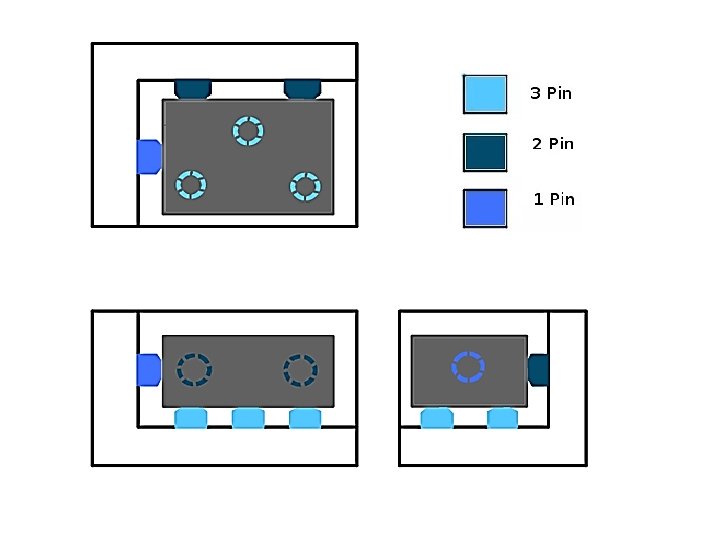
3 -2 -1 Principle of Clamping Workpiece It is principle of clamping widely used. • 3 Pin are used at Bottom It will restrict 4 Rotational motion (X, Y Axis) and 1 Translation motion (-Z Direction) • 2 Pin It will Restrict 2 Rotational Motion (Z Axis) and 1 Translation motion in (+X Direction) • 1 Pin It will restrict 1 Translation Motion (+Y) And Pin 3 -2 -1 combined will restrict 9 Motion And Remaining 3 Motion is used to set work-piece at desired location and can be restricted by Clamp. (*Notation given i. e +X, -X. Changes according to views)

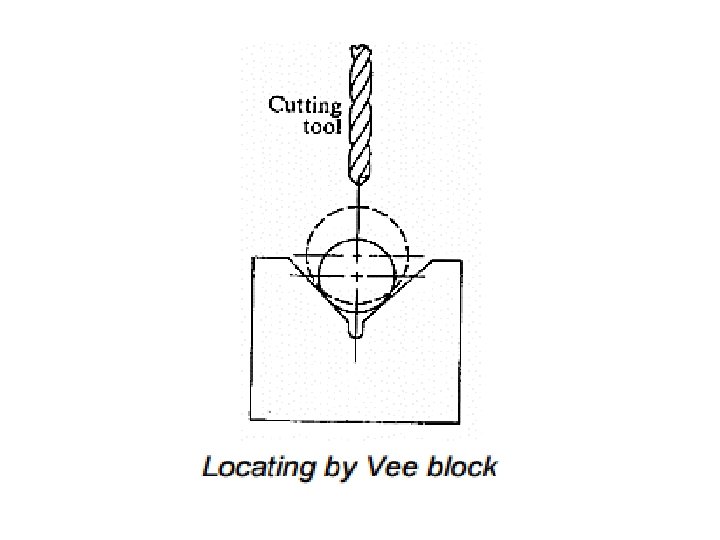
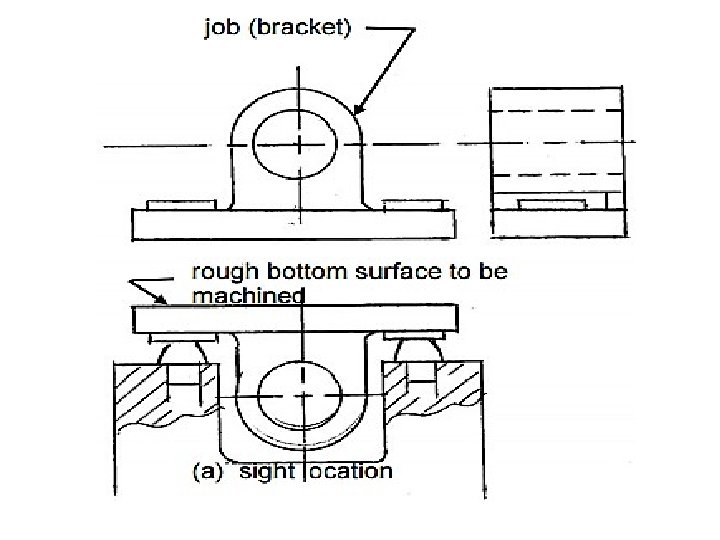
TYPE OF LOCATOR
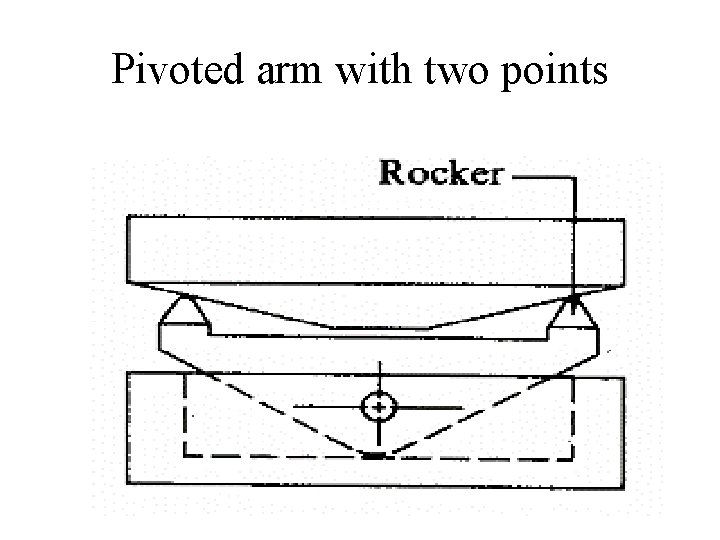
Pivoted arm with two points
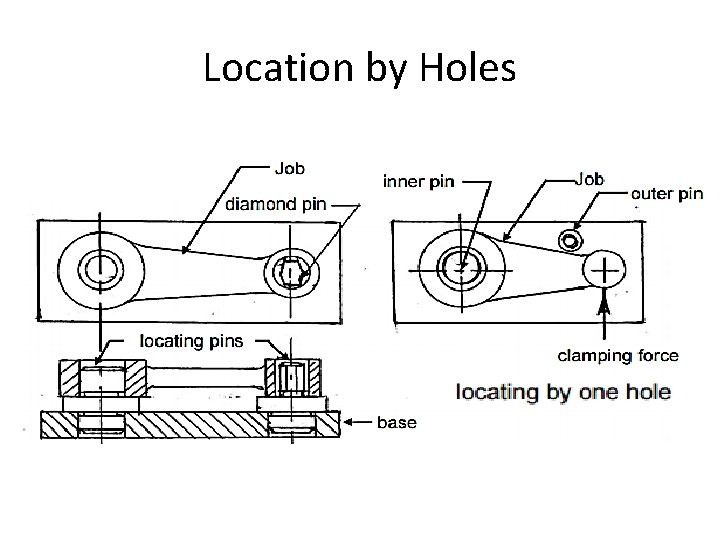
Location by Holes
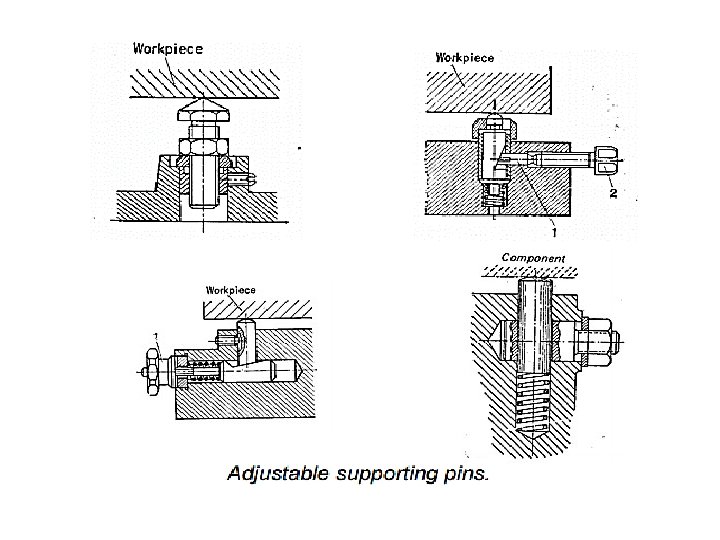
CLAMPING • Once workpiece is located, it is necessary to press it against locating surfaces and hold it there against the force acting upon it. • The tool designer refers to this action as clamping and the mechanisms used for this action are known as clamps.
Clamping Principles • Clamp should firmly hold the workpiece without distorting it. • Should overcome the maximum possible force exerted on workpiece by using minimum clamping force • Easy to operate • Vibrations should tighten the cams and wedges in the clamp design(if any) and not loosen them
Type of Clamping • • Mechanical Actuation Clamps Pneumatic and Hydraulic Clamps Vacuum Clamping Magnetic Clamping Electrostatic Clamping Non Mechanical Clamping Special Clamping Operations
Types of Clamps • • Screw clamps Strap clamps Pivoted clamps Hinged clamps Swinging clamps Quick action clamps Power clamps Non-conventional clamps
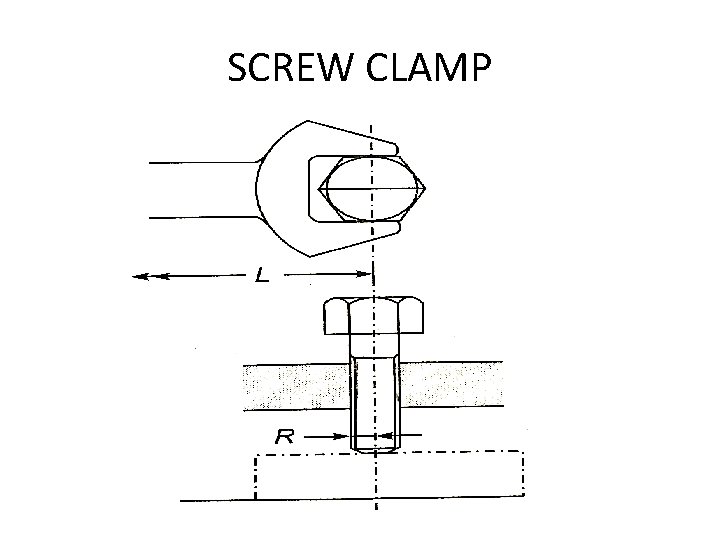
SCREW CLAMP
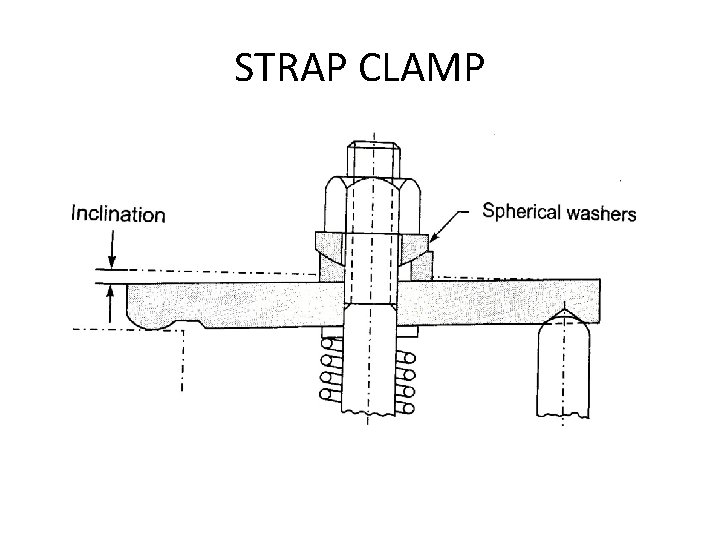
STRAP CLAMP
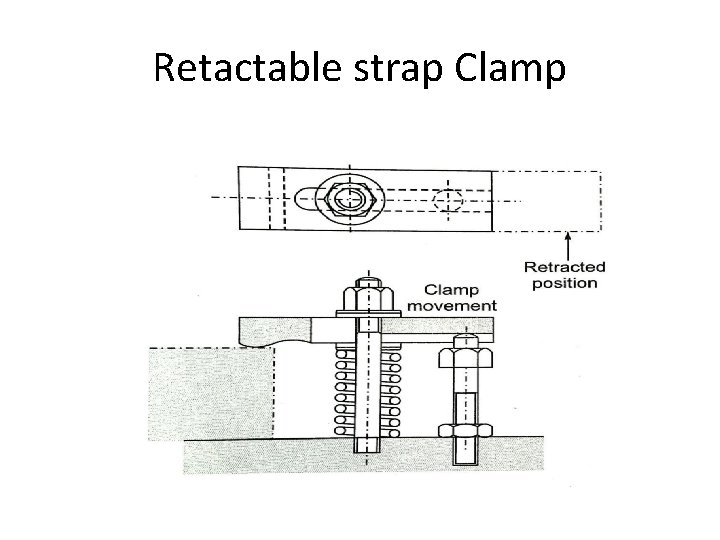
Retactable strap Clamp
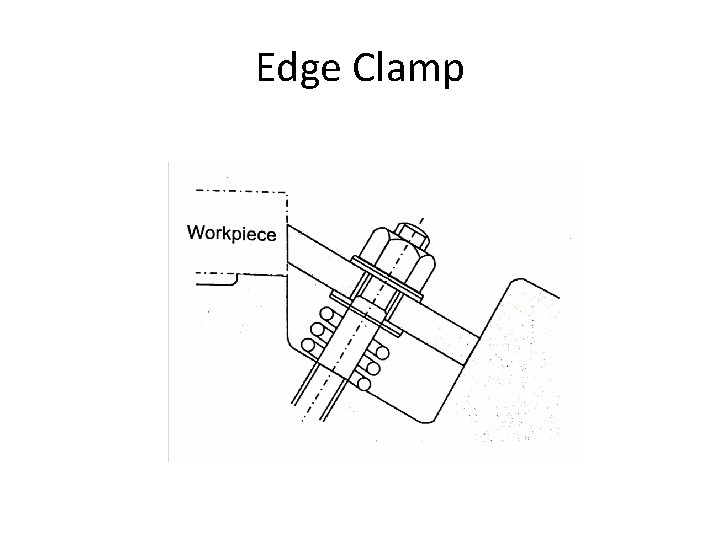
Edge Clamp
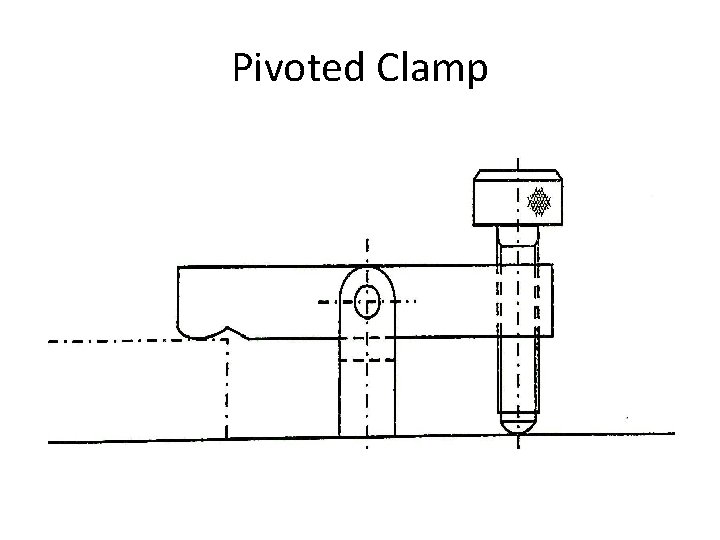
Pivoted Clamp
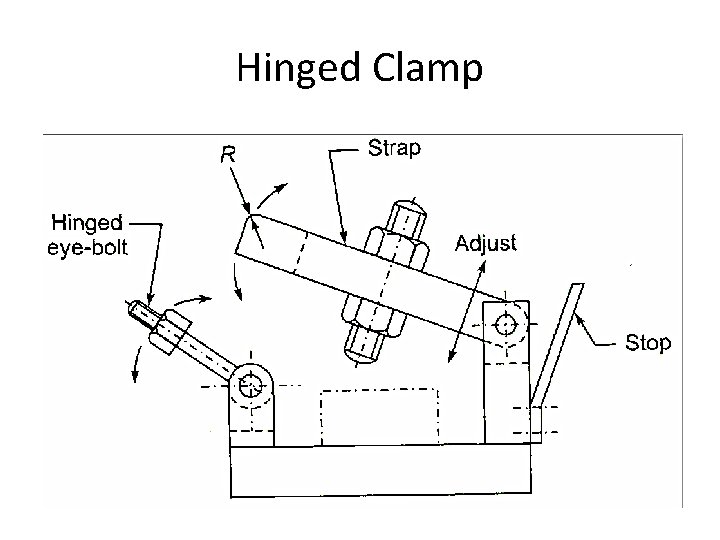
Hinged Clamp
- Slides: 47