
British North America Consider This Canada has successfully

British North America
Consider This… • Canada has successfully been invaded by Japan. Since the population in Japan is increasing, it has decided that Canada can provide the needed space for the millions of Japanese living in large, overcrowded cities. Canadians are outnumbered three-to-one across the country. The Japanese decide to rename the country Japanda and will soon form the new government. Canadians are outraged but feel extremely intimidated.
Do these Canadians have any rights? Should they be involved in forming the new government? • Yes, because… • Human rights are undeniable? • If you repress a larger population, they eventually will rebel? • Fusing of two cultures creates a new and better one? • No, because… • If you lose…you should lose • Highly expensive to accommodate a separate culture. • Its just the way it is?
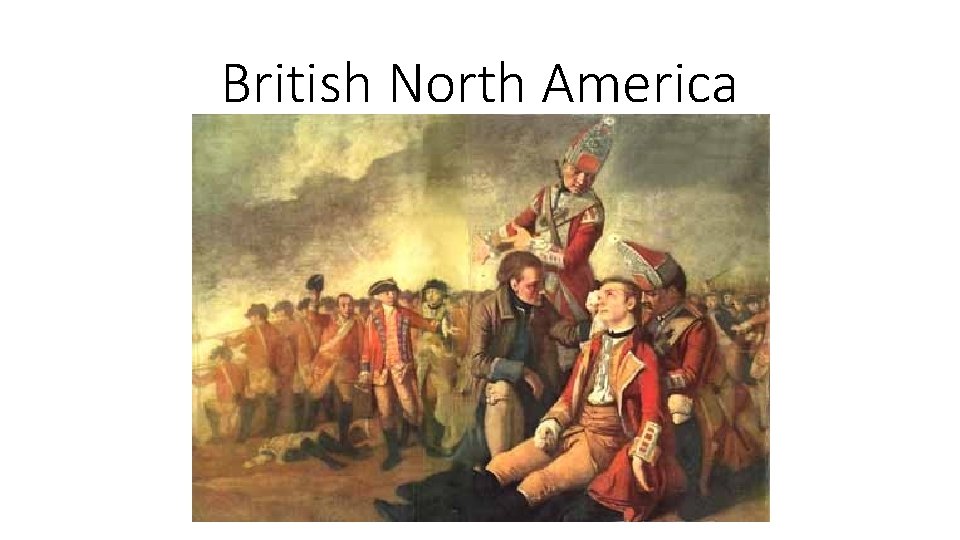
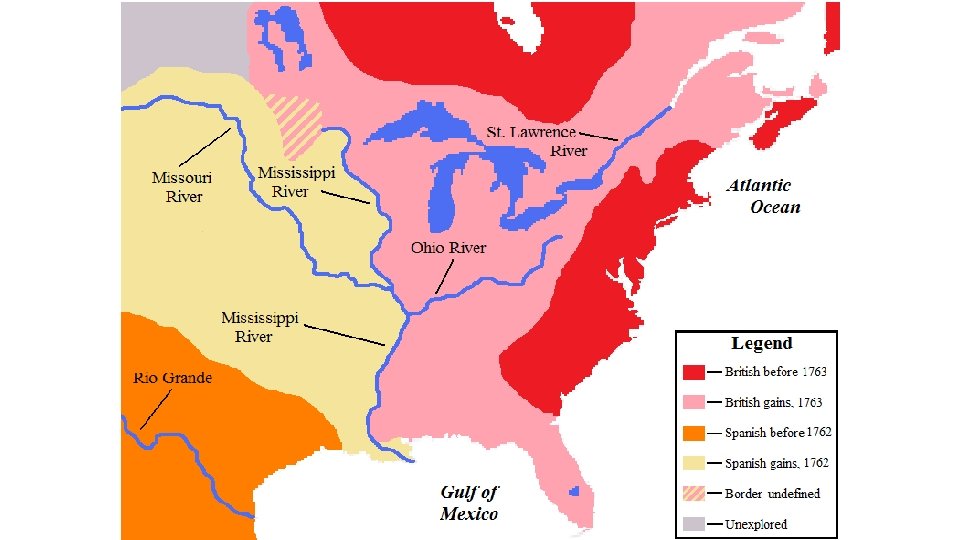
Governing the Peoples of BNA • War in N. A ends in 1760 • as you know, Britain wins • France formally cedes New France to the British in 1763 with the signing of the Treaty of Paris • In the meantime the former French colony has a military government led by James Murray (who had served under Wolfe)
Initial British Control • Murray takes a different approach than was seen in Acadia • The French speaking and Roman Catholic Canadiens are allowed to worship and live according to their custom during Treaty negotiations (1760 -1763) • This was a practical calculation as he had about 1500 British soldiers to control 70 000 Canadiens
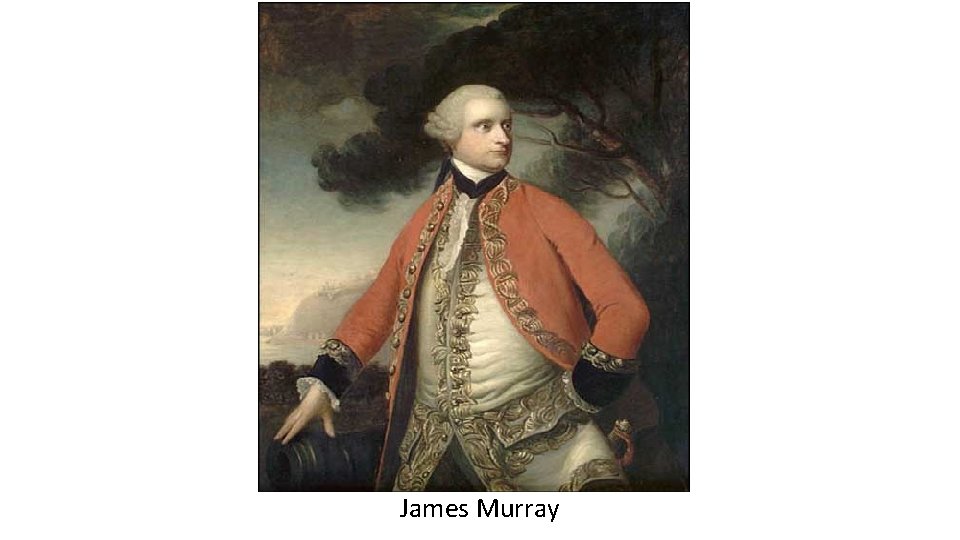
James Murray
New Questions of Loyalty • Mistrust abounded on both sides • In Quebec: • The Canadiens remembered Acadia, and feared another expulsion • Church leaders and seigneurs feared a loss of power and influence • The Conquering British: • Feared the 70 000 Canadiens who might support France in the event of another war
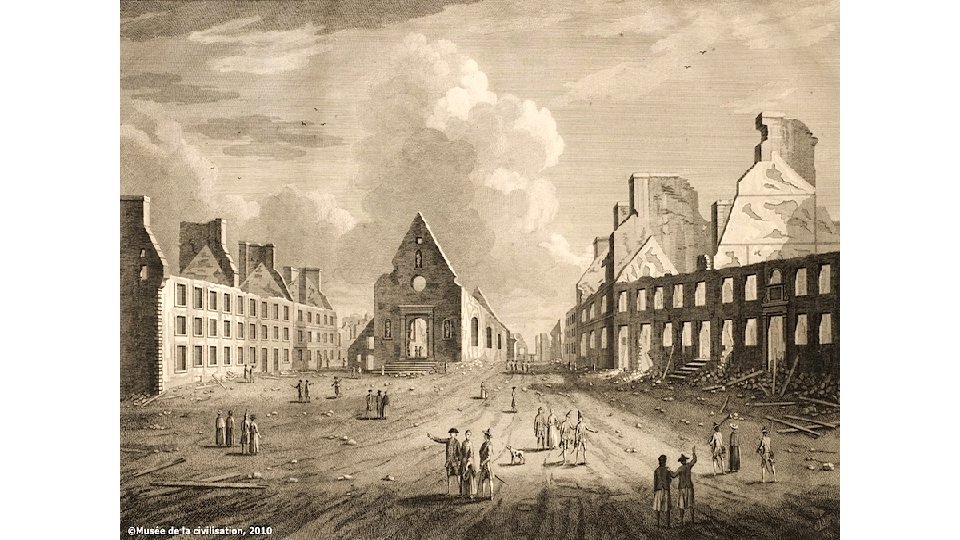
The Aftermath of War • The Seven Years War left Britain in massive debt and New France’s economy in disarray • Quebec merchants were cut off from France and now had to develop contacts in Britain • Farms had been destroyed, and many seigneurs returned to France • This was not an option for most Canadiens as they could not afford to move to France and they were born in North America- it was their home
The Beginning of British Influence in New France • Some British entrepreneurs move into Quebec hoping to profit • Some British military officials bought land from departing seigneurs • The small British population assumed they would control France’s population and resources
The Ohio Valley and Pontiac’s Resistance • The British had another problem – How to deal with the First Nations living in the Ohio Valley • fighting during the Seven Years War began in this area and had been intense • Many First Nations in the area had fought for the French during the War • Despite this, First Nations were excluded from Treaty negotiations and the were not consulted about the future of their traditional lands • Some First Nations in the area had already been displaced from Atlantic areas (13 Colonies), and were not inclined to move again
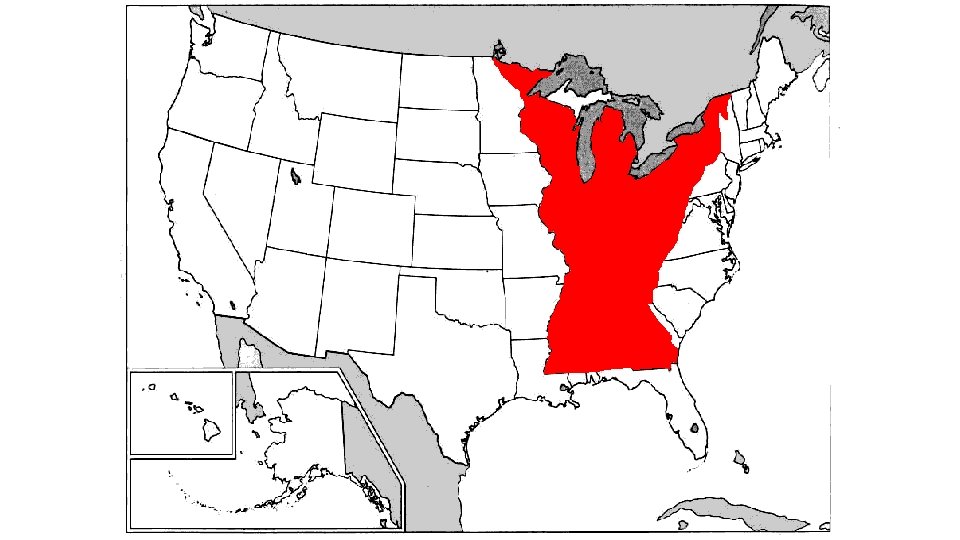
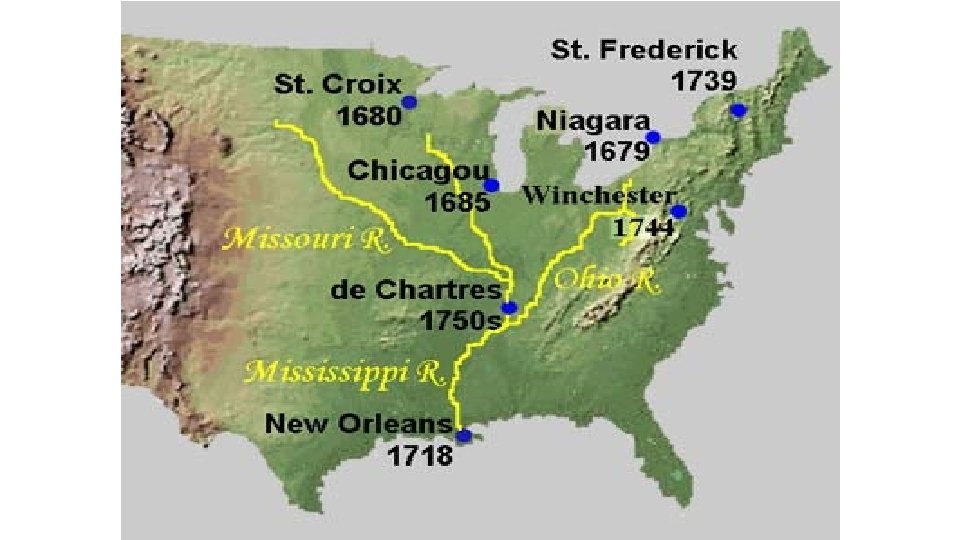
French Influence in the Ohio Valley • The French had claimed the area and had built many trading posts • First Nations had been treated as independent, sovereign nations • Alliances had been maintained with gifts of guns, ammunition, and trade goods in exchange for allowing the French to use their land
The New British Approach in the Ohio Valley • After the fall of New France the British began to occupy French forts around the Great Lakes and in the Ohio Valley seeking to control both the fur trade and the colonization of the area • British General Jeffrey Amherst saw First Nations as conquered people and thus saw no reason to distribute costly gifts • This caused hardship in many First Nations communities which had grown to rely on the fur trade and the system of gift distribution • Conflict was inevitable
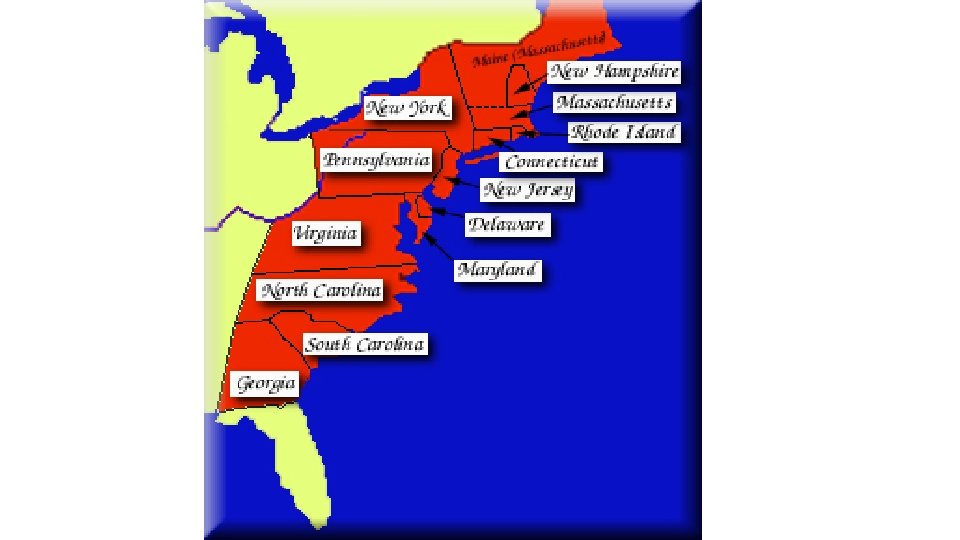
The Influence of the Thirteen Colonies in the Area • Residents of the 13 Colonies wanted to settle the Ohio Valley after the fall of New France and Colonial Forces had fought in the area for the British during the War • The British tried to slow settlement of the area but Yankee land speculators ignored them and begin selling land to settlers who came to stake their claim
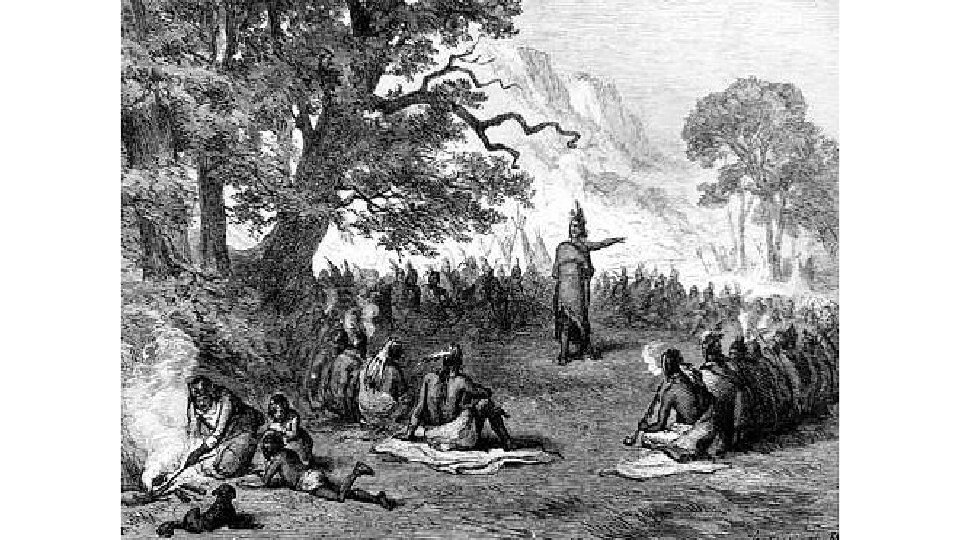
Pontiac’s Resistance • Pontiac was an Odawa First Nation War Chief and had been an ally of the French on the Plains of Abraham • He led a united resistance of First Nations from the Ohio Valley, around the Great Lakes, and the Northwest against the British • In 1763 the allied First Nations overtook 9 of the 12 British forts in the area to the north and west of the Thirteen Colonies • Peace negotiations begin in 1766 • British were allowed to have their forts back in exchange for protected First Nations hunting grounds
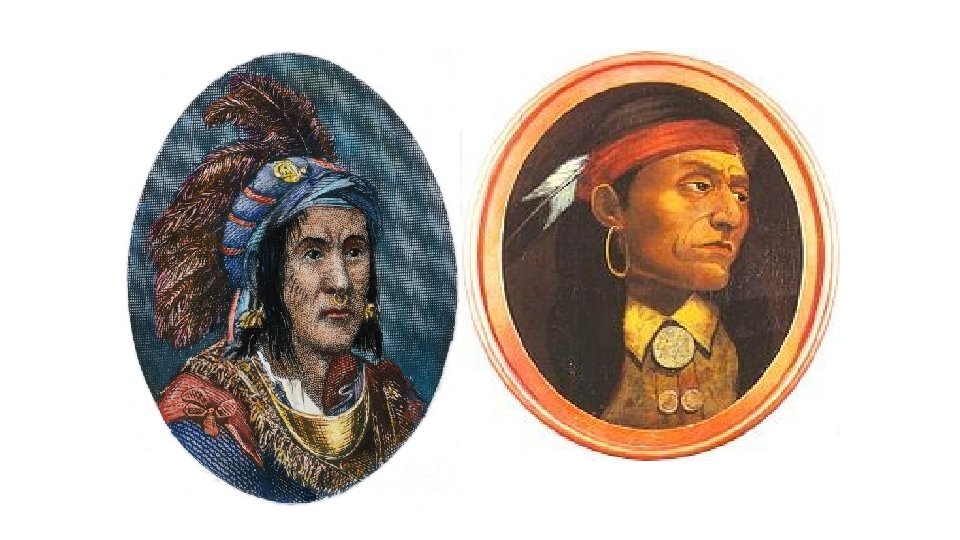
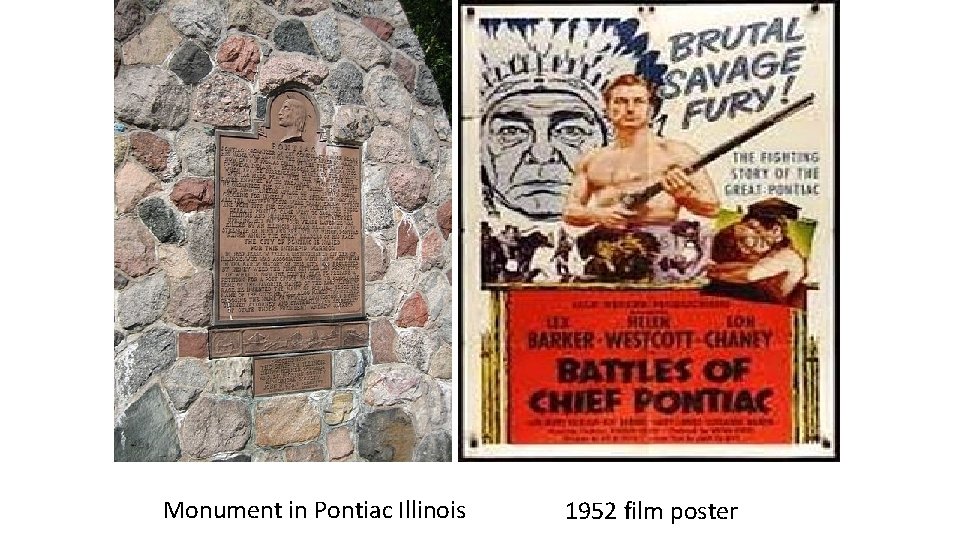
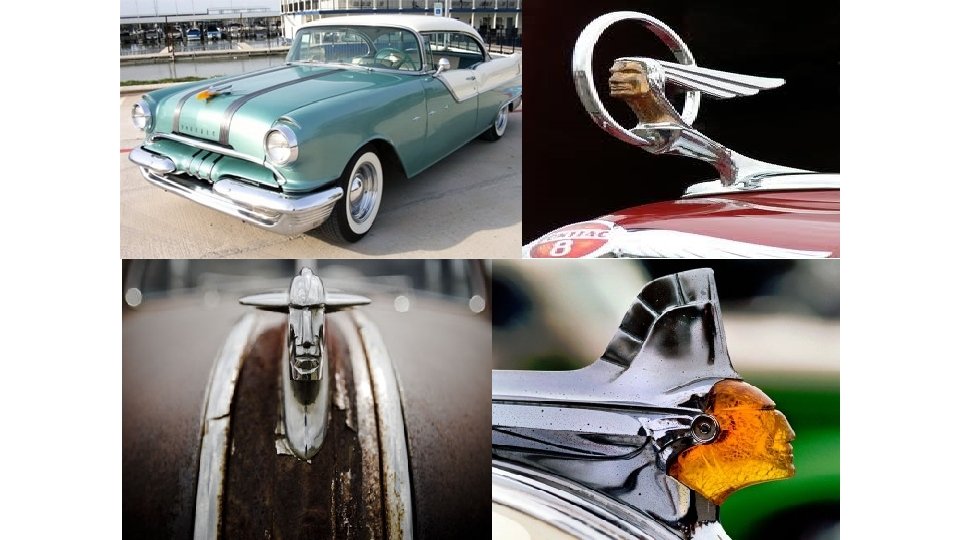
Monument in Pontiac Illinois 1952 film poster
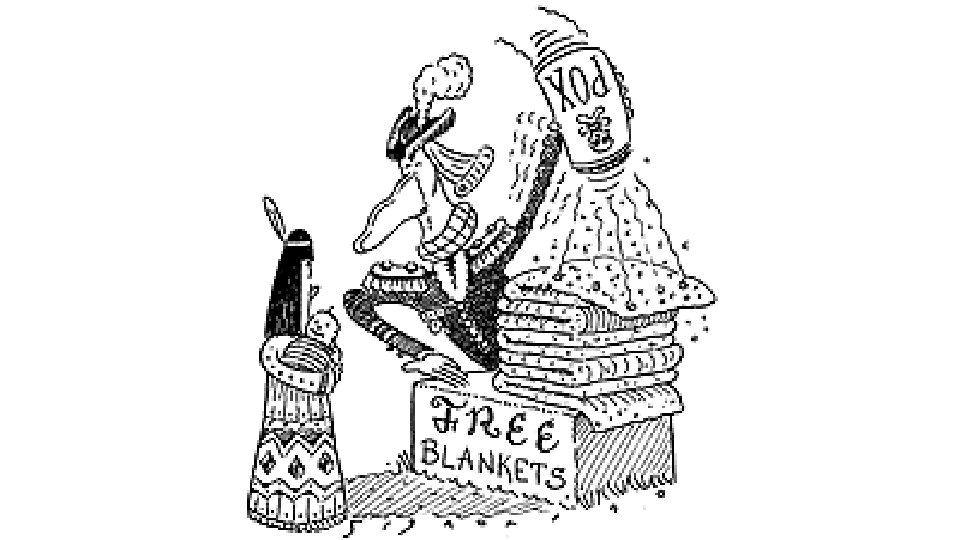
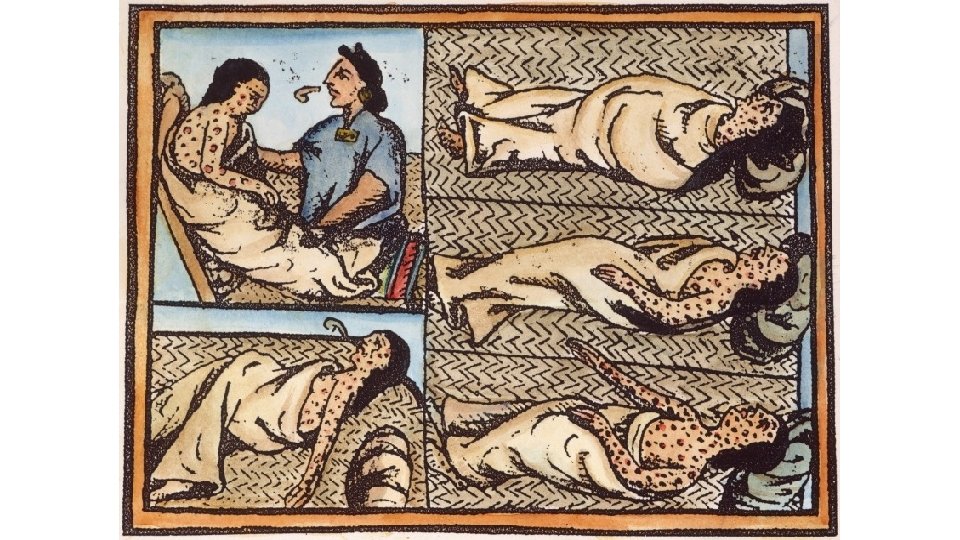
Consider the Following: • During peace negotiations British forces gave First Nations leaders silver containers containing smallpox- infected clothe and claiming that they contained “medicine” to be opened upon their return home • The disease then spread throughout the Ohio Valley and wiped out entire communities 1. Are there rules in war? Explain 2. Are some weapons off limits, or is killing just killing?
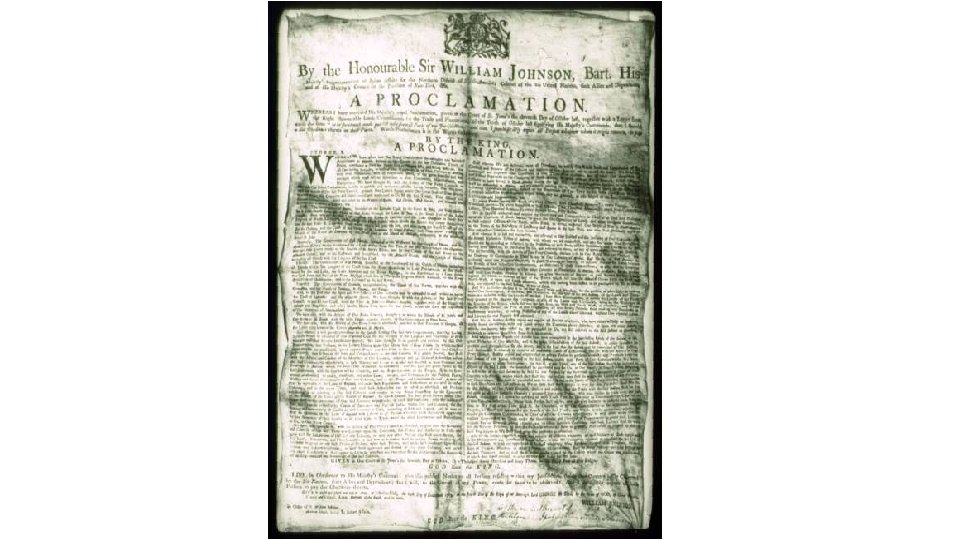
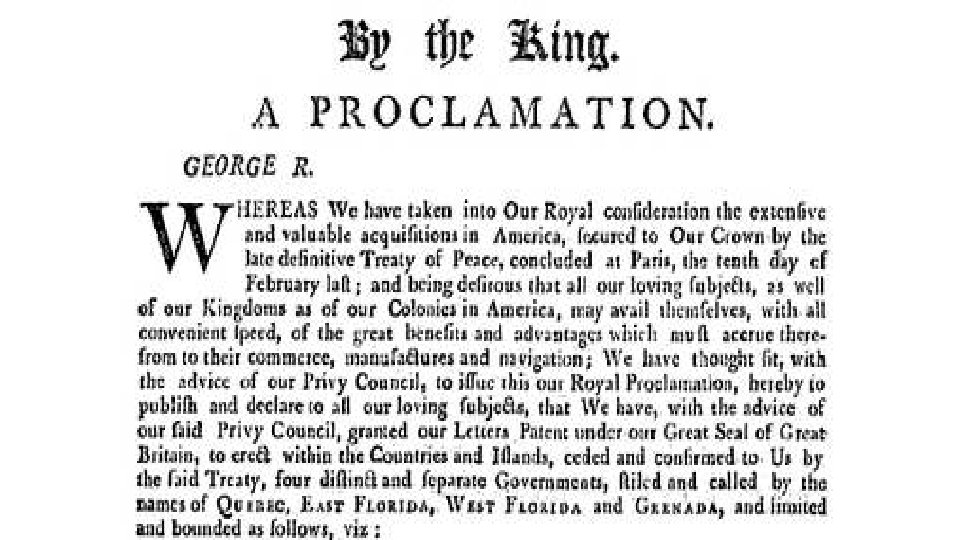
The Royal Proclamation of 1763 • Pontiac’s Resistance convinced the British that pacifying First Nations was a less costly alternative than war • The Proclamation created a clear boundary between British Colonies and land reserved for First Nations • The intent was to avoid conflicts, and ensure a slow, orderly settlement of the West • The British also wanted to force colonists to move north to Quebec, eventually overwhelming Les Canadiens and assimilating them
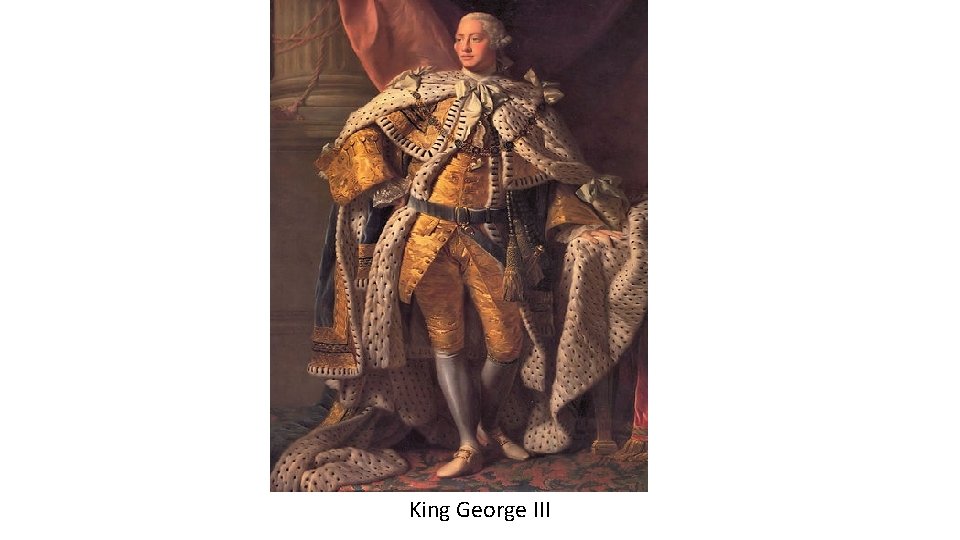
King George III
Les Canadiens Under the Royal Proclamation • The Royal Proclamation established the province of Quebec and gave the residents a civil government • French laws were abolished • To participate in government residents had to swear an oath that they were a part of the Anglican Church, ensuring that Roman Catholics could not hold public office • The territory of Quebec was restricted to the St Lawrence Valley and those wishing to travel west had to apply for a permit
Responses to the Royal Proclamation • While the rights of First Nations to lands in the West were established, French speaking religious and landholding elites felt threatened • The previous French laws protecting their positions were gone and • Also, a major goal of the Proclamation was to increase English speaking immigration to Quebec • However, in reality, few British immigrants came to Quebec and the Canadien population remained the majority
The Main Provisions of the Royal Proclamation of 1763 • Created reserved First Nations hunting grounds • Reduced the size of Quebec • Government by a governor and council appointed by the British monarch • Promised an elected assembly • Introduced the British legal system
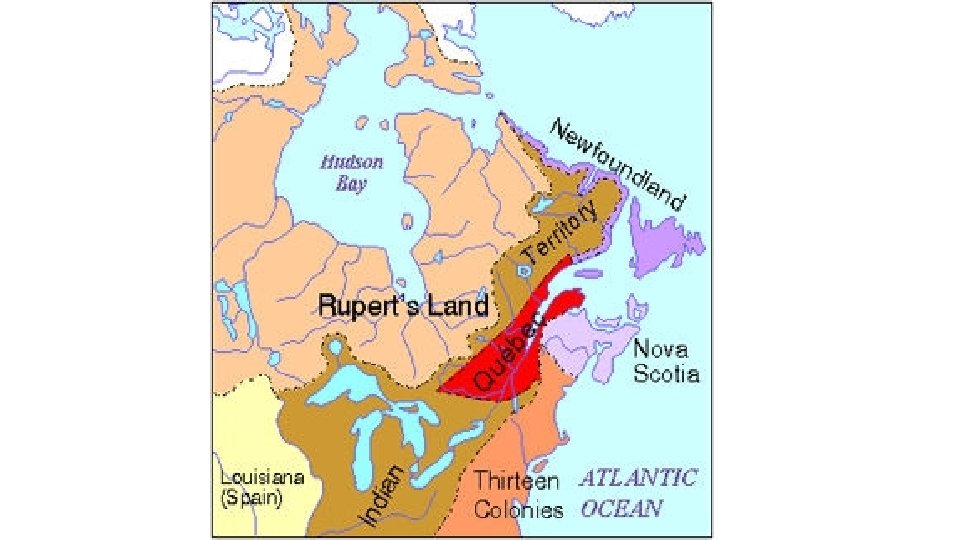
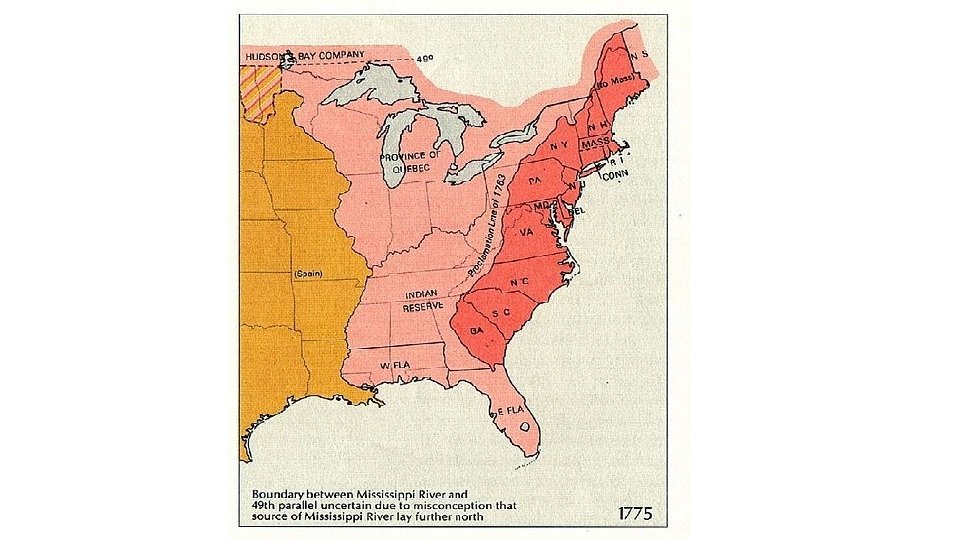
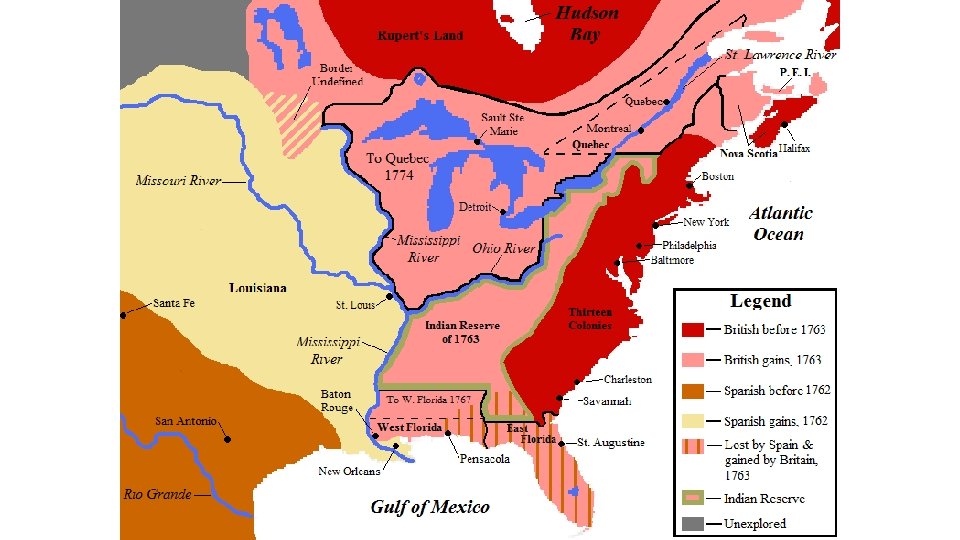
The Effect in Quebec • Murray preferred the hierarchical, aristocratic traditions of the Catholic Church and seigneuries as more stable than the democratic demands of the 13 Colonies • He ignored the provision of the Royal Proclamation for an elected assembly • Britain recalls Murray in 1766 and the Royal Proclamation is reviewed due to many complaints by British residents of Quebec • The assimilation plan had failed
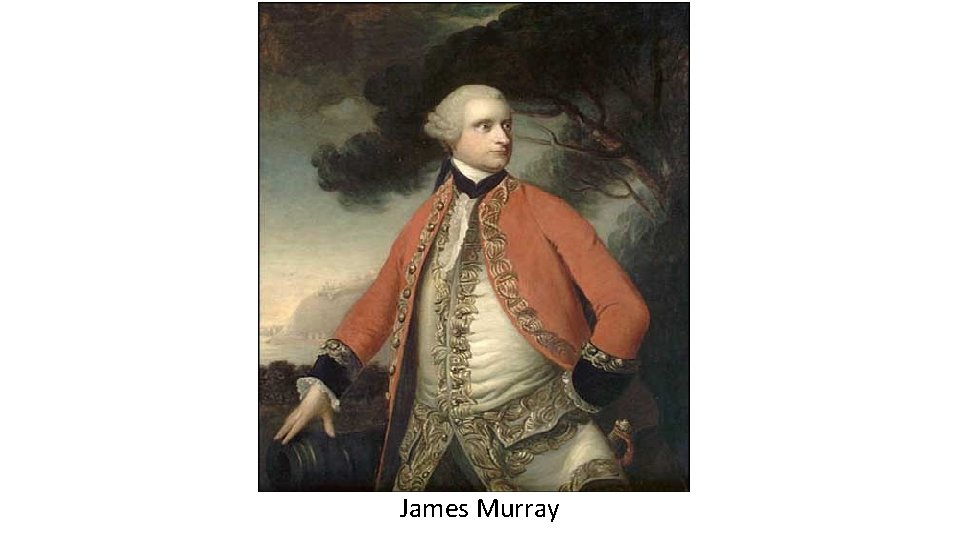
James Murray
Sir Guy Carleton • Carleton replaces Murray and worries that the discontent brewing in the 13 Colonies might spill into Quebec • He also ignored the complaints of British merchants in Quebec and realized that a flood of British immigration was not going to happen • Carleton agreed with Murray that for both political and military reasons maintaining the support of les Canadiens was important • There was revolution brewing to the south
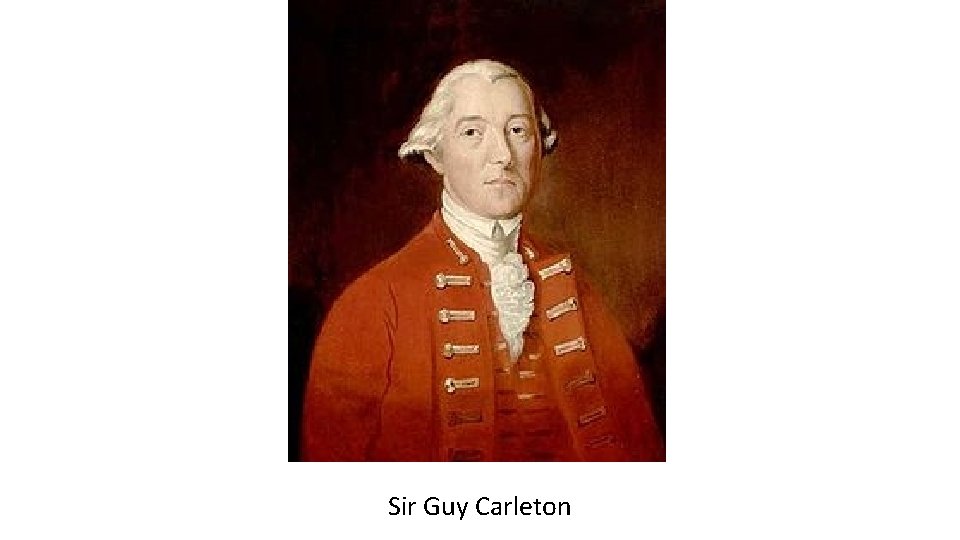
Sir Guy Carleton
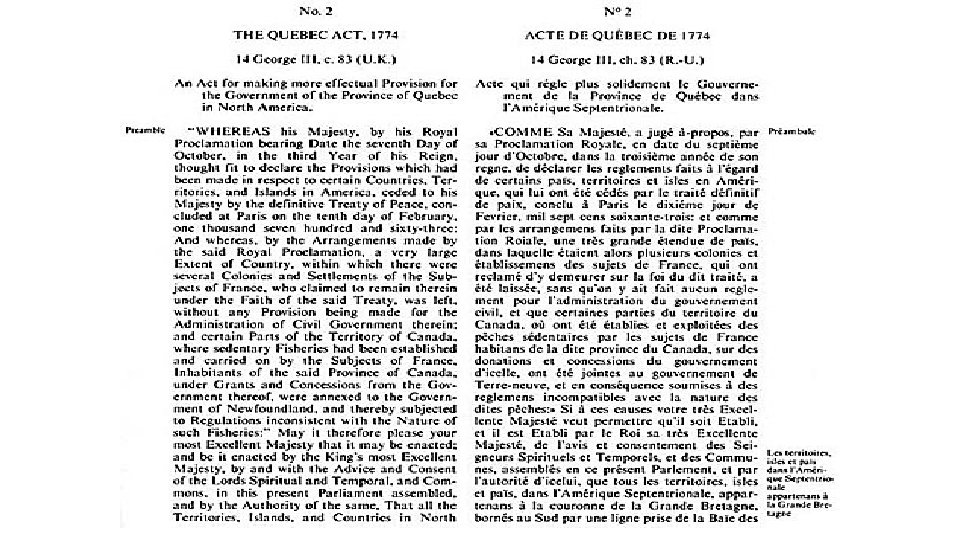
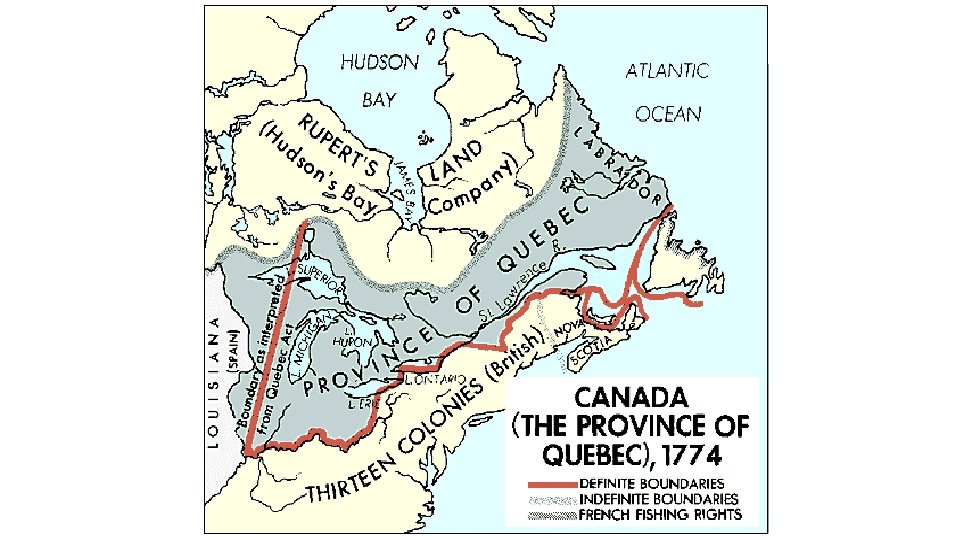
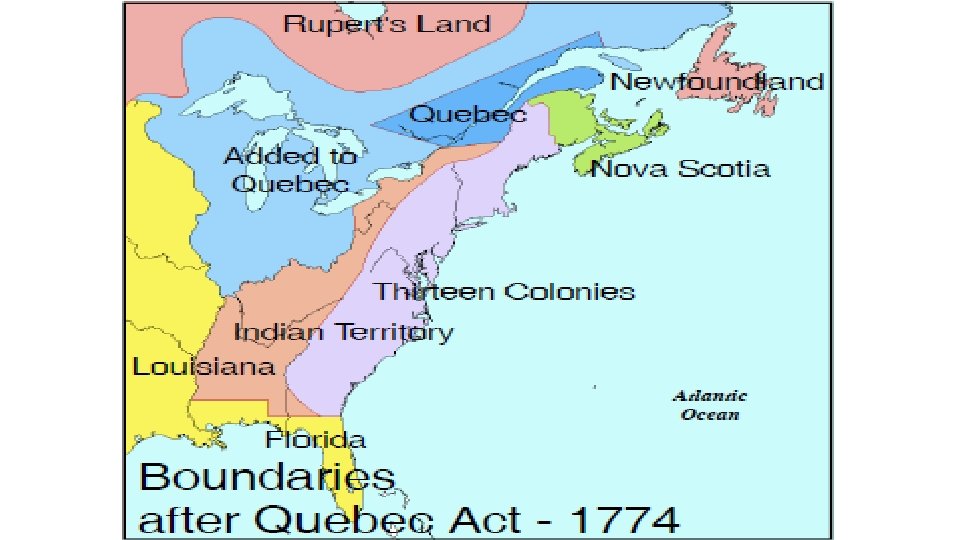
Quebec Act, 1774 • The Quebec Act was passed in 1774 at Carleton’s urging • The Act : • Promised an elected assembly in Quebec • revoked the Royal Proclamation and enlarged Quebec’s territory to include the Ohio Valley • Guaranteed French language rights • Had provisions to allow Roman Catholics to take some roles in governance • Reinstated French property and civil laws • Seigneurs role is reinstated • Kept British criminal law • This legal blend still exists today • Reinstated a tithe (tax) to support the Catholic Church • Church officials get back their guaranteed revenue and power
Consider the Following: 1. Why would the British reinstate the French seigneurs and the Roman Catholic Church tithe? 2. Is there something going on underneath the surface of this new British policy?
BNA Elected Assemblies • Carleton never actually allowed an elected assembly in Quebec, fearing instability • However, other BNA colonies had elected assemblies • 1758 Nova Scotia has the first elected assembly in Canada • 1773 PEI elected its assembly • However, the elected assemblies had very little real power
Reaction to the Quebec Act • Overall, the seigneurs and the Roman Catholic Church are content with the terms of the Quebec Act • British residents are however outraged feeling that they were being forced to live in foreign colony and that they had been misled into moving there • In the 13 Colonies the Act was seen as one of the many “Intolerable Acts” that Britain had passed since the mid 1760 s
What are the Major Differences Between the Royal Proclamation of 1763, and the Quebec Act of 1774? • After the fall of New France the British faced the dilemma of how to govern a French-speaking colony • The Royal Proclamation of 1763 tried to assimilate the French population • With the Quebec Act of 1774 Britain changed course and hoped to develop Canada as a dual community, English and French • They were also trying to buy support in the event of revolution in the 13 colonies
Discontent in the Thirteen Colonies • In many ways the Peace following the Seven Years War was more challenging than the War itself • Britain’s national debt was soaring and in response they instituted a number of taxes in the 13 Colonies to pay for: • The military costs of the Seven Years War • The military costs of Pontiac’s Resistance • The cost of keeping British soldiers in the Colonies • Those taxes outraged colonists who argued that they should have more of a voice in how they were governed and taxed • “No taxation without representation!” became a call to arms • The British felt that the Colonists should pay their share of the cost of the War, and were not happy about losing money on colonies that were supposed to be enriching the Mother Country • The Colonists disagreed….
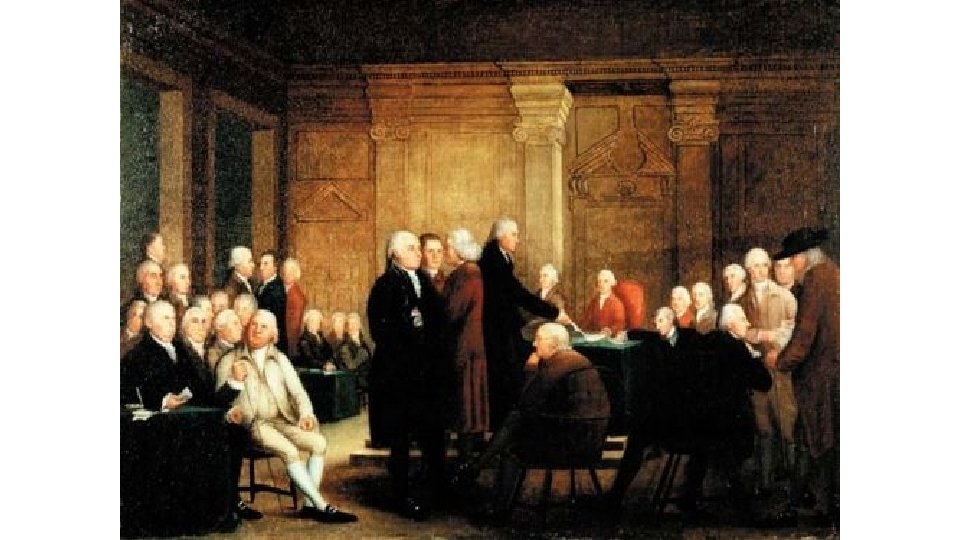
Other Sources of Discontent • Many colonists felt the boundaries set out in the Royal Proclamation were a betrayal • They had fought the French over the Ohio Valley during the Seven Years War only to be excluded from the territory • The Quebec Act was the last straw for many • For many colonists, Quebec getting an elected assembly when they did not, was the ultimate violation
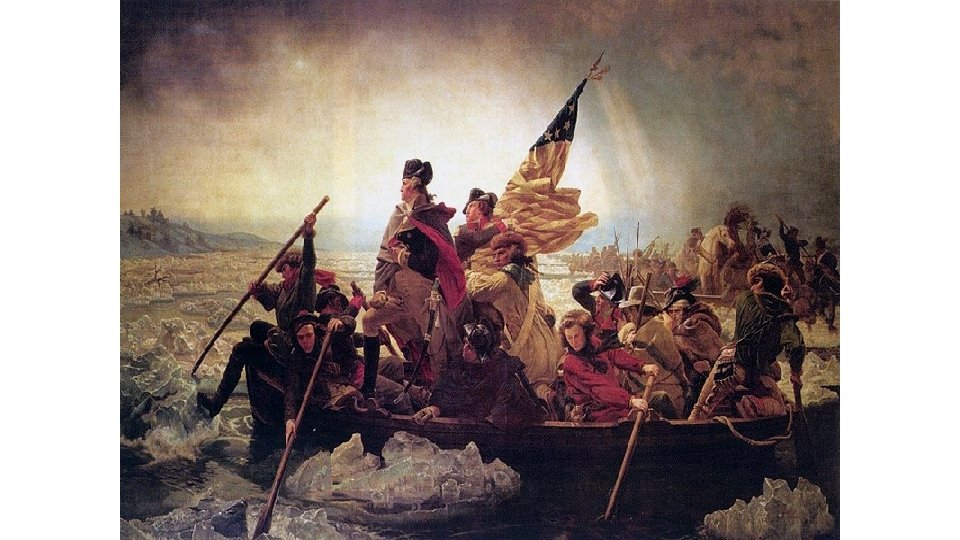
The American War of Independence 17761783 • The anger against Britain united the Thirteen Colonies which had been traditionally separate entities • In 1774, 12 of the Colonies agreed to boycott British trade • In 1775, the rebels had several armed clashes with British soldiers • On July 4 th, 1776 the rebels drafted the Declaration of Independence which proclaimed that the Thirteen Colonies were no longer part of the British Empire • The American War Of Independence had begun
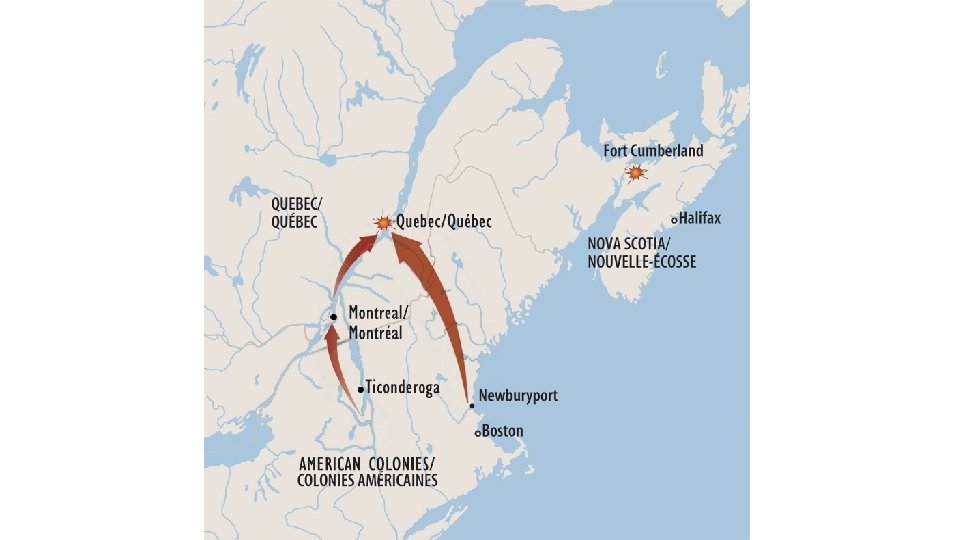
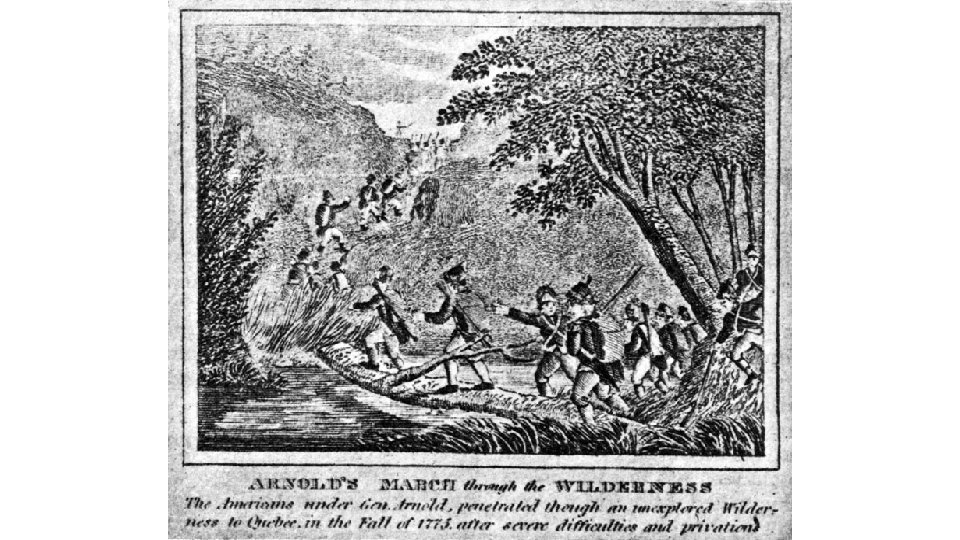
Canadiens Called to Action • The Rebels in the Thirteen Colonies hoped that the Canadiens would support them • Britain hoped that the Quebec Act had appeased Quebec • It did: • the Church in Quebec advised the population to side with the British • When Rebels attacked the Quebec City and Montreal in 1775, most Canadiens were indifferent and stayed neutral
Consider the Following: 1. Why did the Yankees feel that the Canadiens would be natural allies considering their cultural differences? 2. Why would The Church in Quebec advise Canadiens to support the Protestant British occupiers of their colony?
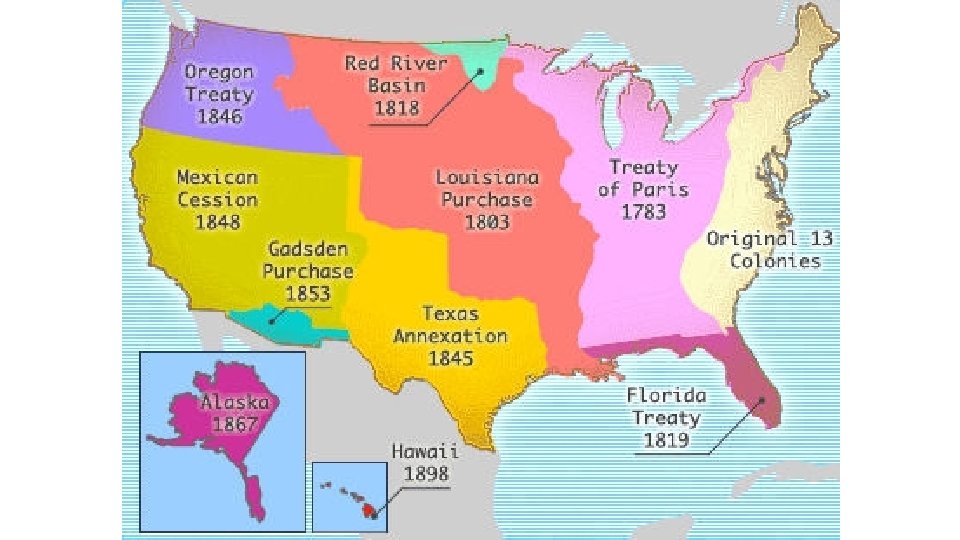
Treaty of Paris, 1783 • The Treaty of Paris of 1783 ended the American War of Independence • Britain again had skyrocketing debt and their negotiators were told to end the War at any price • Therefore the Treaty heavily favored the Americans • The Treaty separated British North America from the United States of America with the boundary lines being generous to the USA (they had won) • the Americans got the Ohio Valley
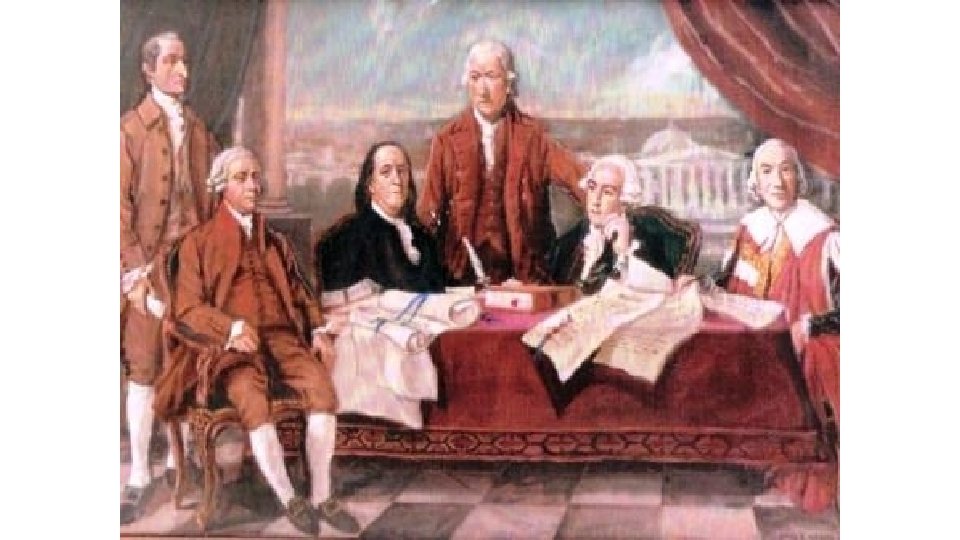
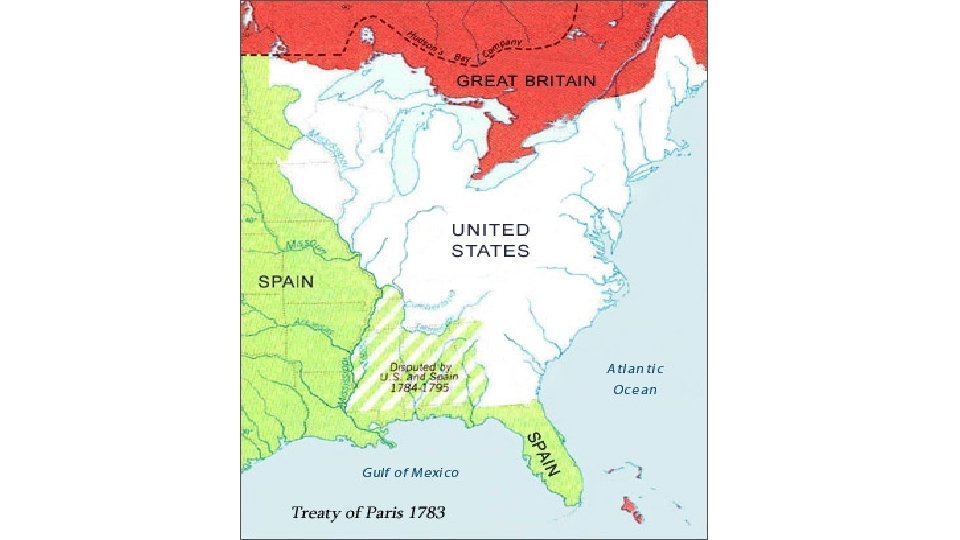
Consider The Following: 1. Why is a treaty ending a war between Britain and the Yankees signed in Paris? 2. What does the signing of this Treaty mean for the First Nations within the Ohio Valley?
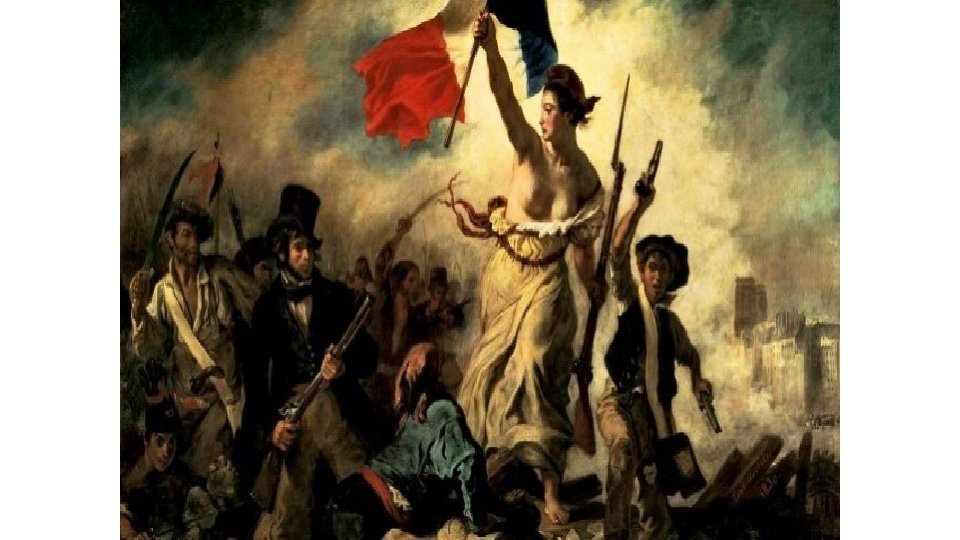
Interesting Side Note… • The French were natural allies for the American Colonists because of the British-French empirical rivalry • However, ironically, they bankrupted themselves helping the Americans, and fought against a monarchy on the side of democratic reform • They were an extremely authoritarian monarchy themselves • This, in large part, led to their own revolution and the fall of the French Monarchy in 1789
How Loyal Are You? • Picture it, Winnipeg, Manitoba, Canada, 2035 • The majority of Manitobans have decided that they are upset with the current federal arrangement in Canada. Many feel we are paying far too much federal tax, and do not have enough representation in the federal government. Many are going to rebel against the Canadian Federation. • You, your friends, family, and neighbors will all have to make a difficult decision. Do you rebel, and take up arms if necessary to forcefully gain your province’s independence from Canada, or do you remain loyal to your country (Canada). • If you remain loyal you may be persecuted at home in Manitoba and will have to leave your home, career, and most of your possessions behind and move elsewhere in Canada • If you rebel it will mean armed conflict against the Canadian military • What would you do? ?
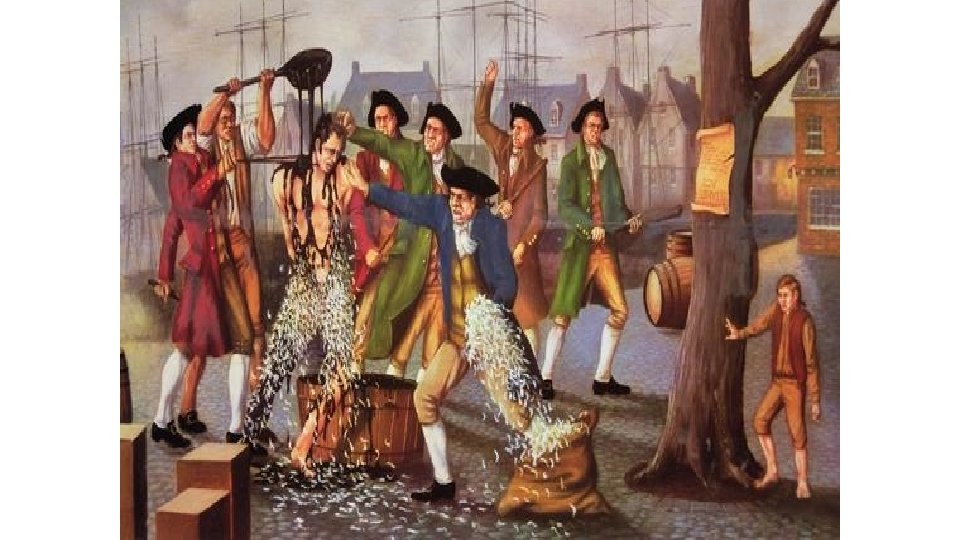
United Empire Loyalists • During the signing of the Treaty of Paris in 1783 the British were assured that whose who remained loyal to Britain during the American War of Independence would be protected • Not everyone in the Thirteen colonies had rebelled and those who remained loyal to Britain were called the United Empire Loyalists • Many had been persecuted during the War and were forced to flee their land, homes, and possessions • Neutrality was not possible as rebels treated neutral parties the same as they treated those loyal to Britain
Who Were the Loyalists? • They represent a broad cross section of North American society: • Rich, poor, young, old, male, female, European, African America, First Nations • They had varied reasons for leaving • Some had British roots and wanted to live under British rule • Others found life intolerable in the Thirteen Colonies after the War as rebels harassed anyone who had not supported them • Some were conscientious objectors • Some were “Land Loyalists” hoping to take advantage of free land offered to loyalists in BNA
Who Were the Loyalists? • The wealthy were able some possessions with them, but most arrived with what they could carry • While land had been promised, for many Loyalists it took years to get land, if at all • For those who received land, many found that there were no homes, roads, or services and they became pioneers, starting from scratch • Some of those without the necessary skills migrated back to the US or to Britain • Most survived their tough first years with the help of their neighbors and even First Nations
Where Did They Go? • Some Loyalists arrive in BNA soon after the war breaks out, however most were evacuated from New York in 1783 and 1784 • Some Loyalists went back to Britain or other British colonies • Governor Carleton wanted as many as possible in BNA and between 1782 and 1784, almost 45 000 immigrated to BNA
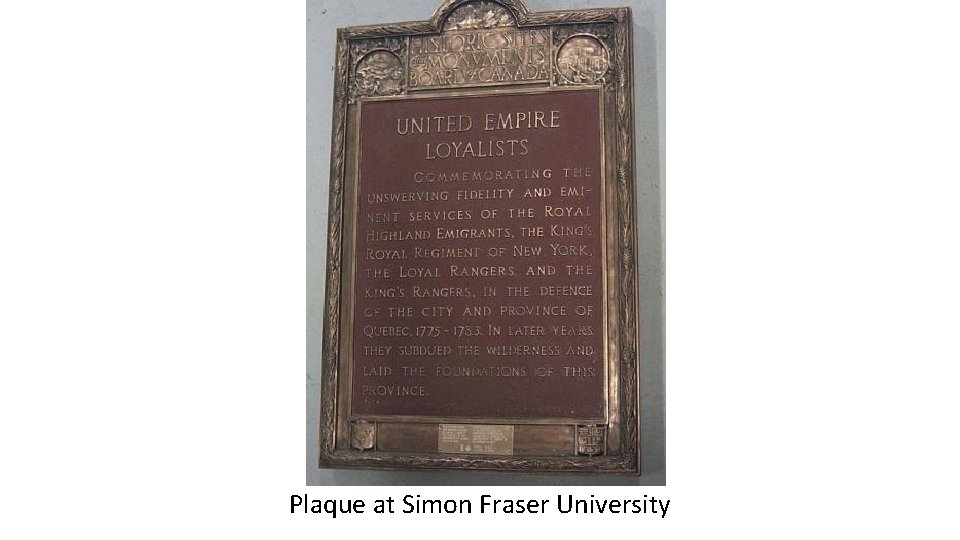
Plaque at Simon Fraser University
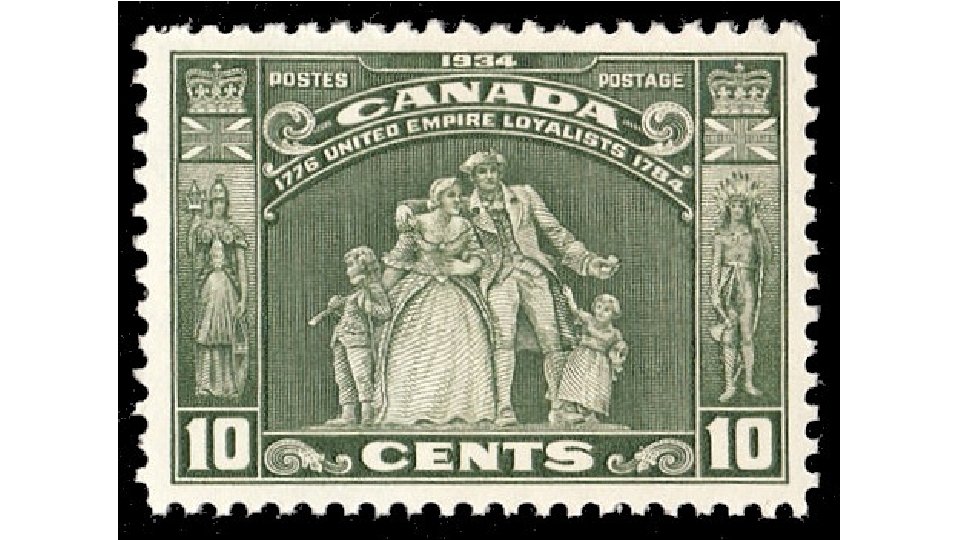
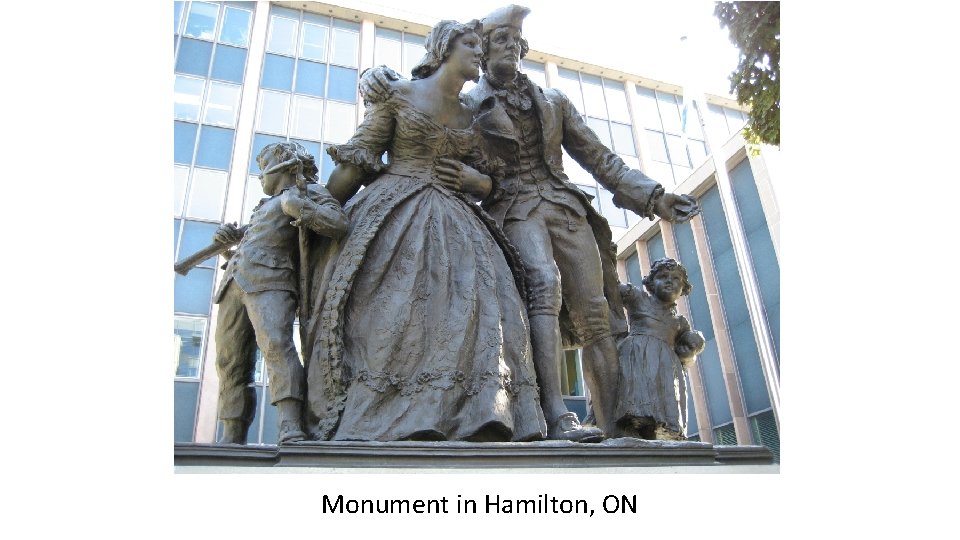
Monument in Hamilton, ON
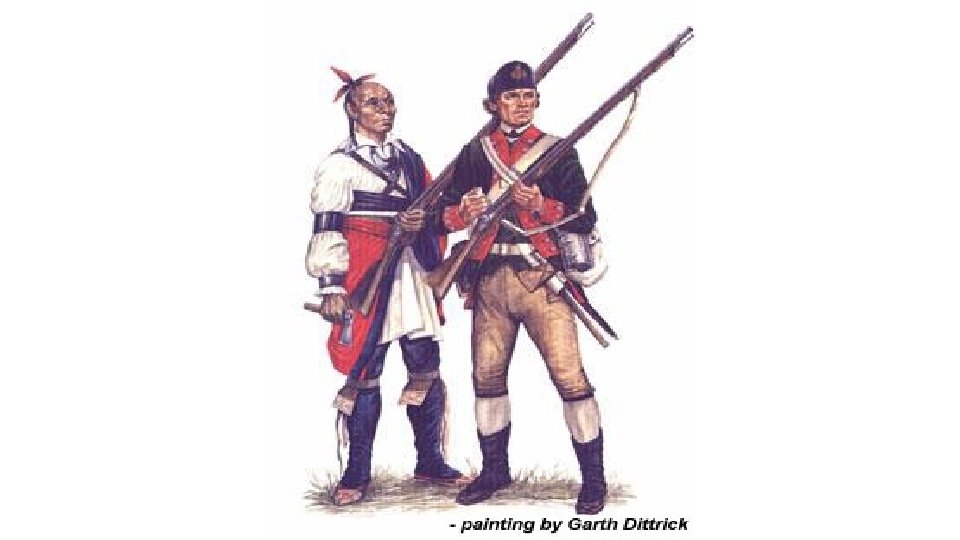
First Nations Loyalists • Loyalist refugees also included many First Nations people who fought alongside the British • They were fighting for their communities’ survival, the battlefields were their homelands, and the casualties were often their families • Many were members of the Iroquois Six Nations Confederacy • Despite their loyalty and many contributions to the war effort, they were ignored in the Treaty of Paris in 1783
Black Loyalists • The declaration of “life, liberty, and the pursuit of happiness”, did not apply to African American slaves • During the War, Britain encouraged slaves to escape their owners and join the British Army • This would disrupted the American economy and recruited new British troops • At the end of the war these slaves were issued Certificates of Freedom and in 1783 were offered passage from New York to Nova Scotia (3000 in total) • However, at this point slavery was still legal in BNA and these free Black Loyalists were not accepted as equals • few Black Loyalists ever received land that had been promised • Famine and racism pervaded • Some were even forced to sell themselves back into slavery to avoid starving to death • Consequently, as many as 1200 Black Loyalists left for a colony built by the British anti-slavery society in Sierra Leone in West Africa
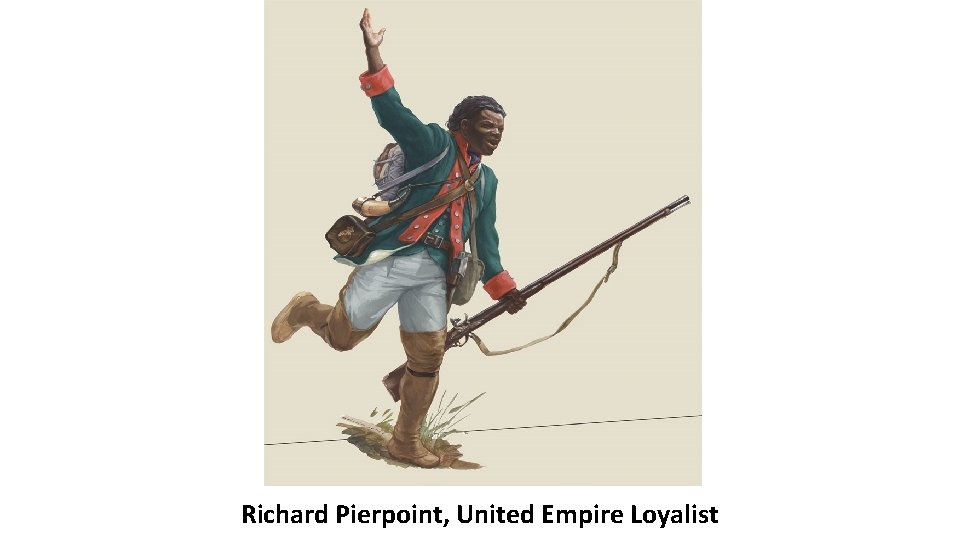
Richard Pierpoint, United Empire Loyalist
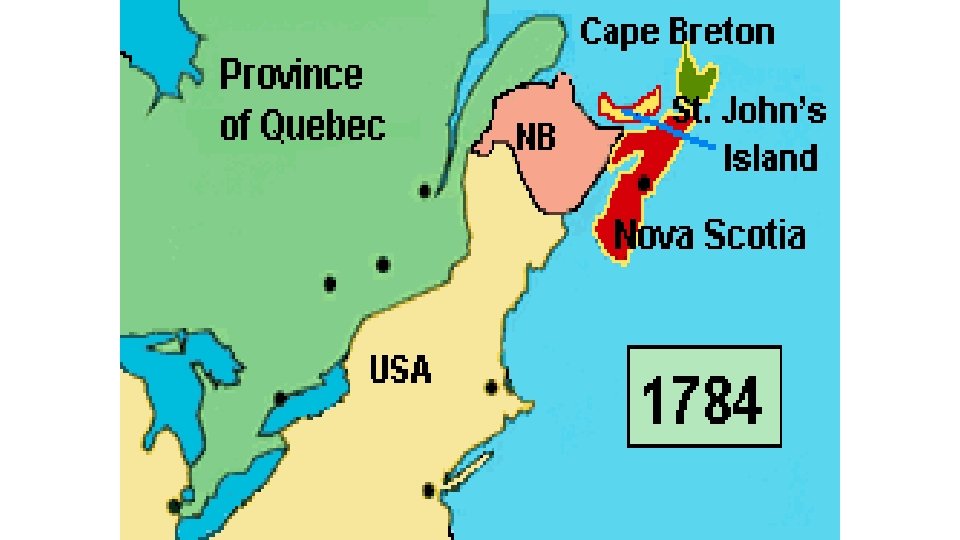
New Brunswick • In Nova Scotia, Loyalists soon outnumbered the rest of the population and demanded political autonomy • They felt that they had earned it, and that Britain owed it to them • In 1784 part of Nova Scotia separated and became the colony of New Brunswick, and like Nova Scotia got an elected assembly
The Effect of the Loyalist Migration • The arrival of the Loyalists changed BNA • The English speaking population increased • Demand for agricultural land increased • The Loyalists expected a full range of democratic rights which at this point in history was quite radical • The Roman Catholic population in Quebec was by contrast quite traditional and conservative • The changing social landscape causes Carleton to revamp the Quebec Act and try a 3 rd experiment in governing Quebec
The Constitution Act of 1791 • The Constitution Act recognized the 2 dominant groups in Quebec each having different religious, political, and legal outlooks and different economic and land-holding traditions • Carleton created 2 separate colonies • Upper Canada (present day Ontario) • Lower Canada (present day Quebec)
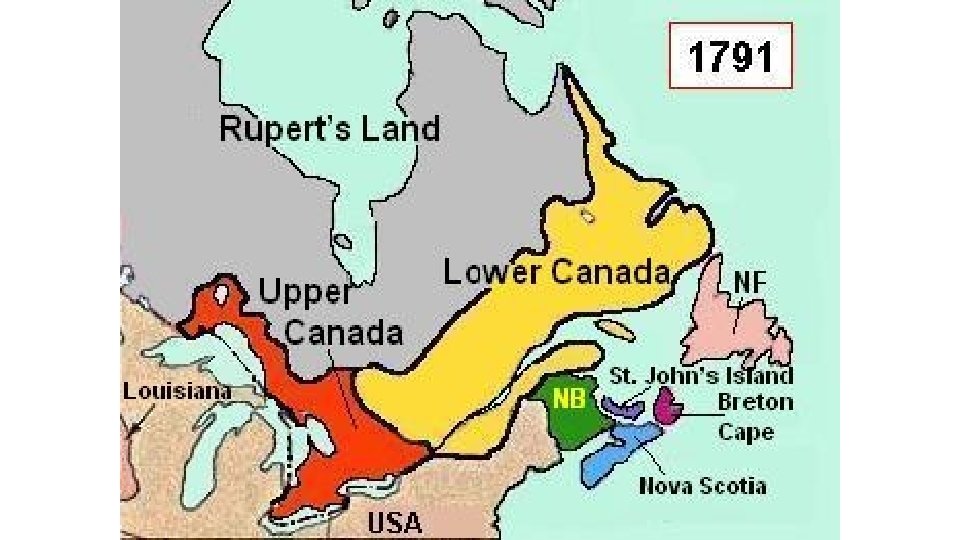
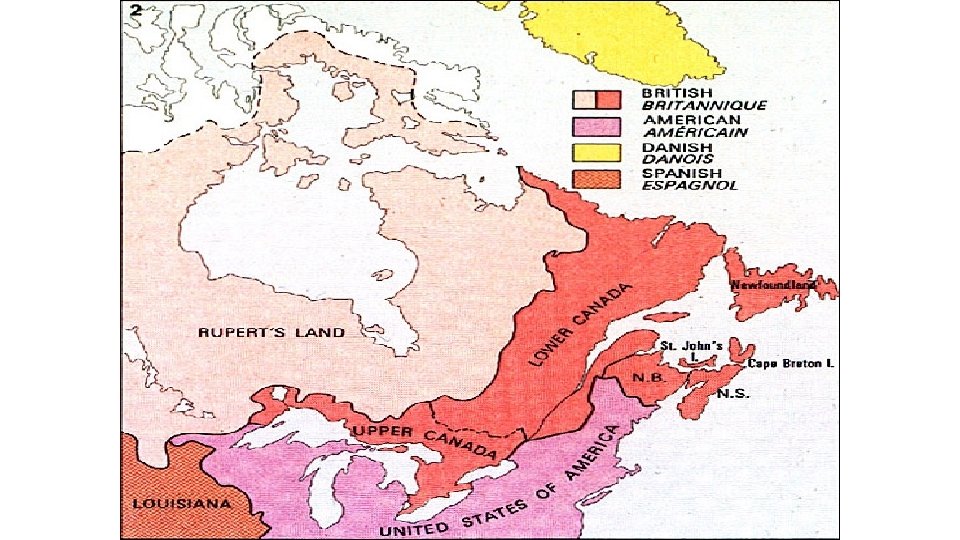
The Constitution Act of 1791 • Each of the Canadas would maintain its own language regulations, laws, land-holding system, and religious institutions • But Protestant Churches would receive preferential land grants in both colonies • Each colony would have a capital city • Quebec City would be the capital of Quebec • Newark (now Niagara on the Lake) would be the capital of Upper Canada
Governance in the Canadas • A Governor General appointed by Britain would oversee the governance of both colonies • Britain would also appoint a lieutenant governor for each colony, who would then the members of 2 councils for the colony: • The Legislative Council • The Executive Council • Each colony would have an elected assembly, but decisions made by the assembly could be blocked by a veto by the appointed councils, a lieutenant-governor, or the Governor General
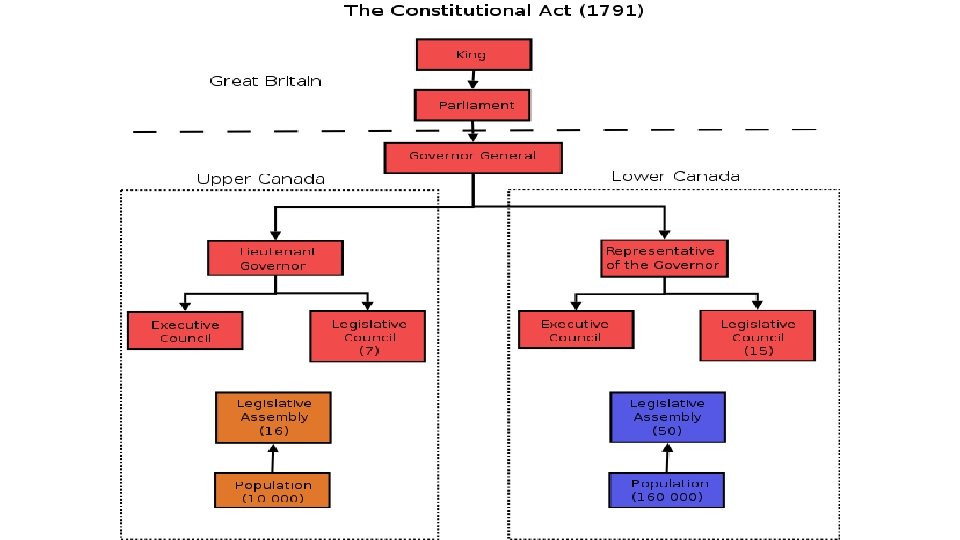
Consider the Following: 1. The Constitution Act of 1791 creates 2 culturally distinct colonies. However, does it create 2 equal colonies? Why? 2. Can the Constitution Act of 1791 give any insight into our current political landscape in Canada? Why?
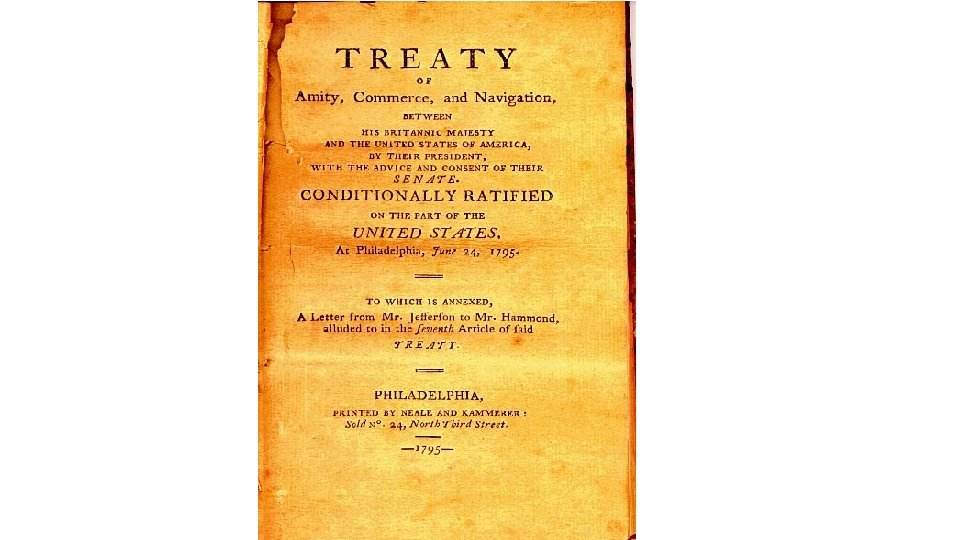
Jay’s Treaty (1794) • The Treaty of Paris (1783) did not end tension between the US and Britain, and tensions were ready to erupt in 1794 • American negotiator John Jay went to London and in 1794 and signed the Treaty of Amity, Commerce, and Navigation (Jay’s Treaty) • Trade increased, and war was avoided, however most terms expired after a decade, and by 1806 this relationship deteriorated steadily
Consider the Following: 1. Why would these countries set up economic and trade partnerships with their enemy?
Dissatisfaction Grows • Not all Americans had liked the Treaty • By 1812, a group of American politicians from the south, nicknamed the War Hawks, was calling for the Americans to permanently rid North America of British influence
- Slides: 93