
Brilliant Barnacles Evidence for evolutionary relationships Lesson 1
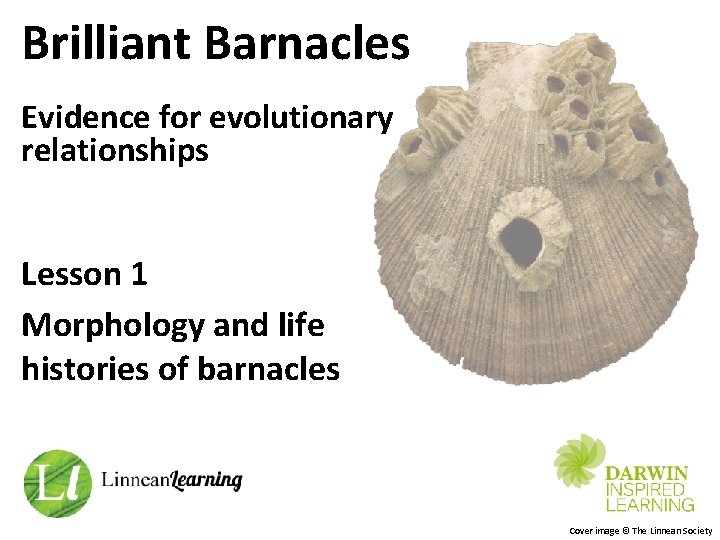
Brilliant Barnacles Evidence for evolutionary relationships Lesson 1 Morphology and life histories of barnacles Cover image © The Linnean Society
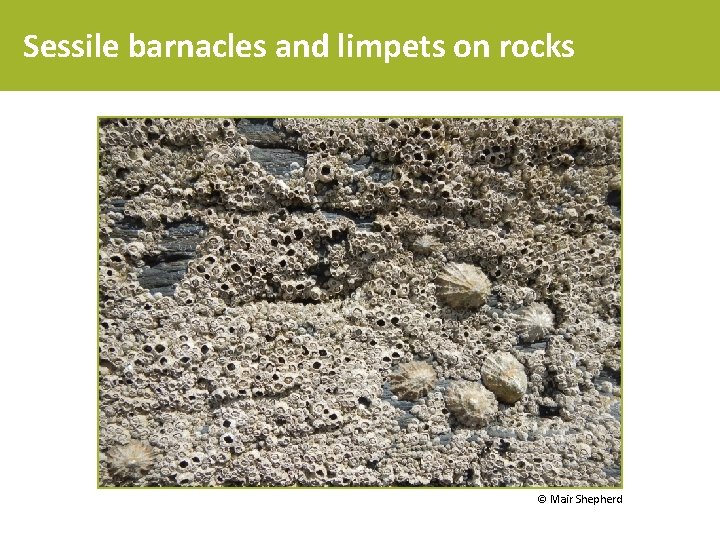
Sessile barnacles and limpets on rocks © Mair Shepherd
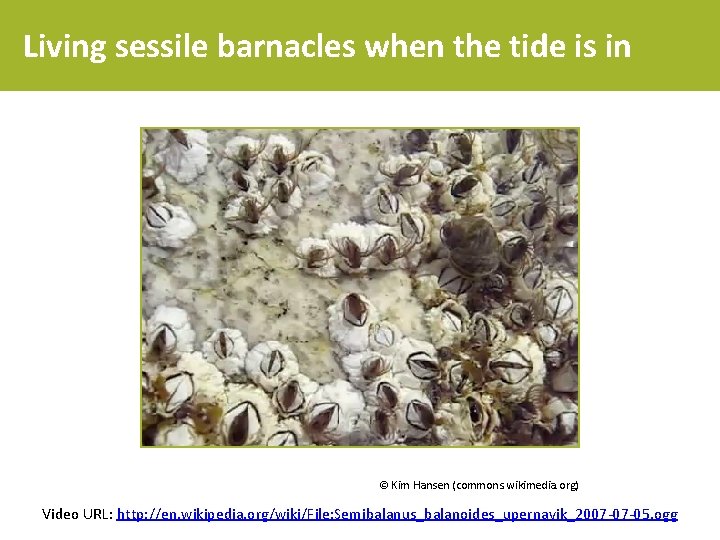
Living sessile barnacles when the tide is in © Kim Hansen (commons. wikimedia. org) Video URL: http: //en. wikipedia. org/wiki/File: Semibalanus_balanoides_upernavik_2007 -07 -05. ogg
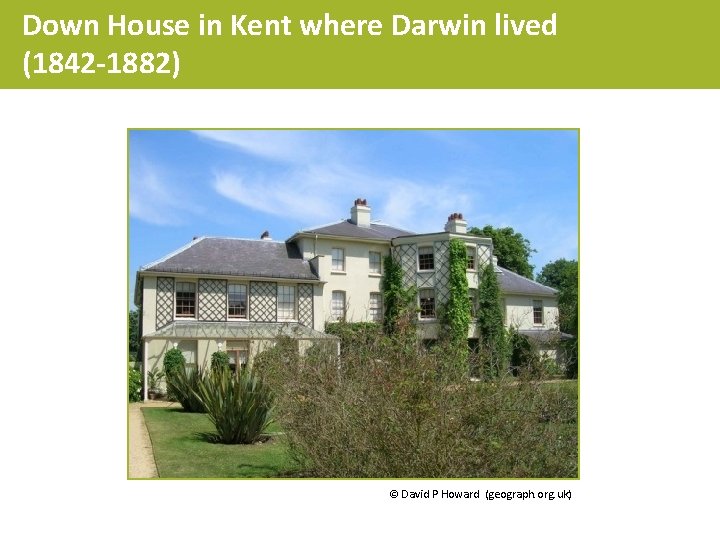
Down House in Kent where Darwin lived (1842 -1882) © David P Howard (geograph. org. uk)
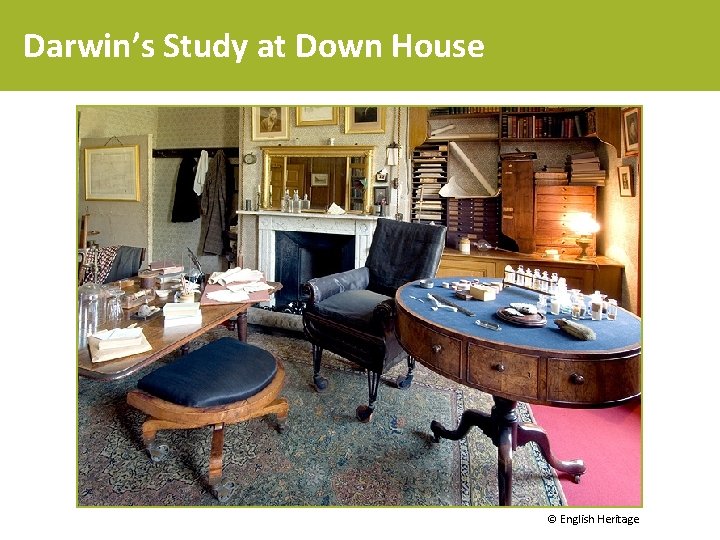
Darwin’s Study at Down House © English Heritage
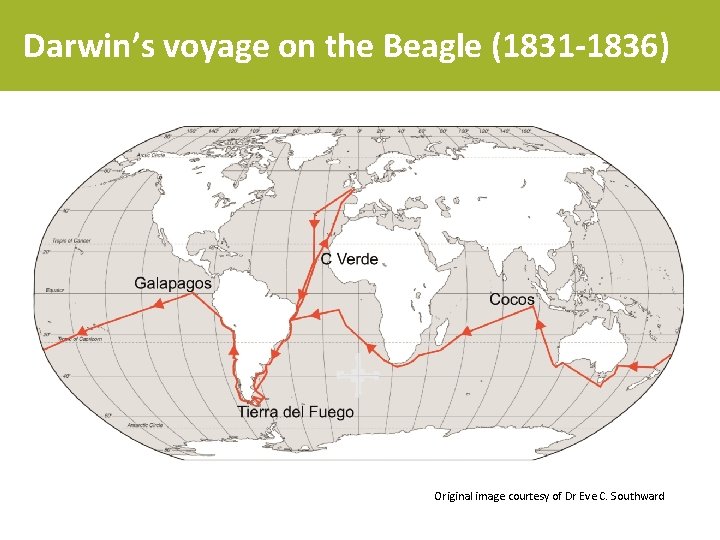
Darwin’s voyage on the Beagle (1831 -1836) Original image courtesy of Dr Eve C. Southward
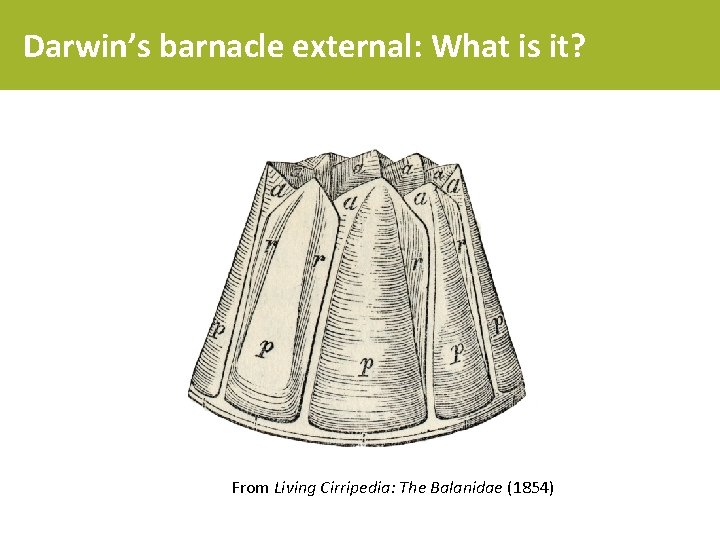
Darwin’s barnacle external: What is it? From Living Cirripedia: The Balanidae (1854)
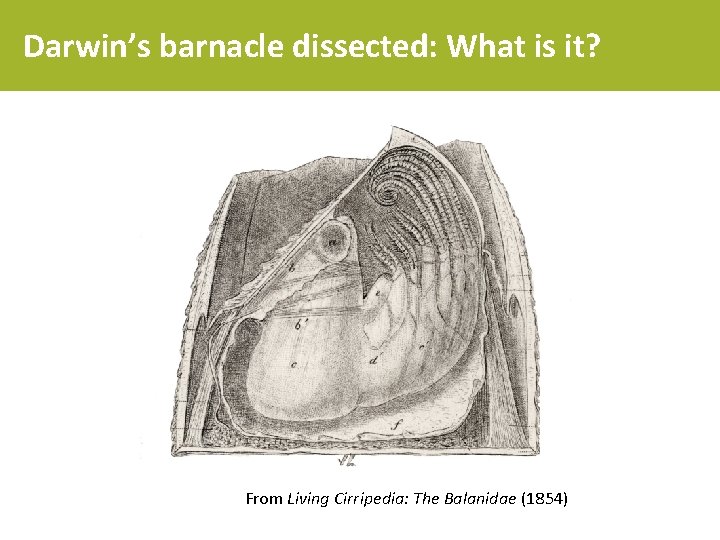
Darwin’s barnacle dissected: What is it? From Living Cirripedia: The Balanidae (1854)
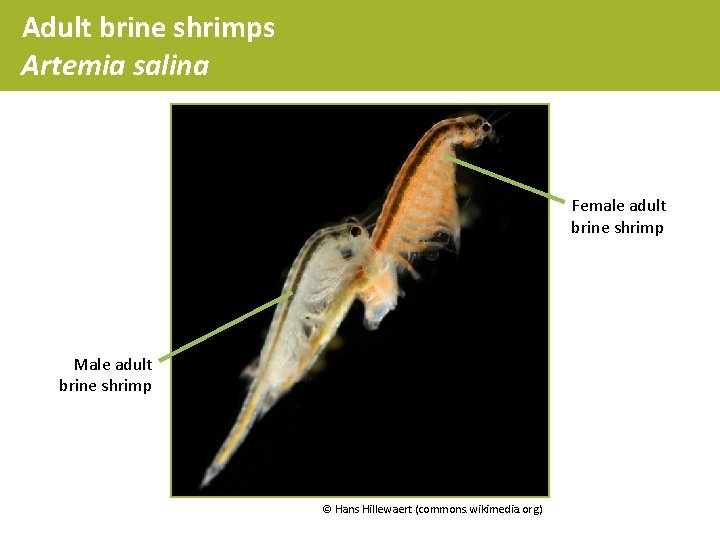
Adult brine shrimps Artemia salina Female adult brine shrimp Male adult brine shrimp © Hans Hillewaert (commons. wikimedia. org)
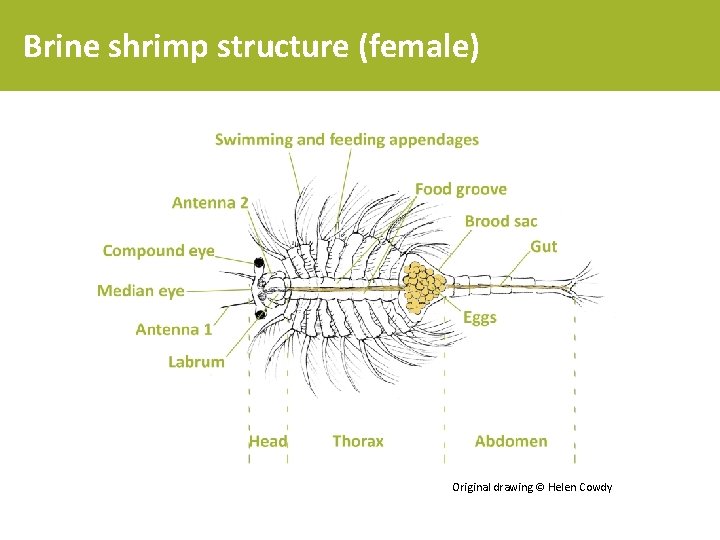
Brine shrimp structure (female) Original drawing © Helen Cowdy
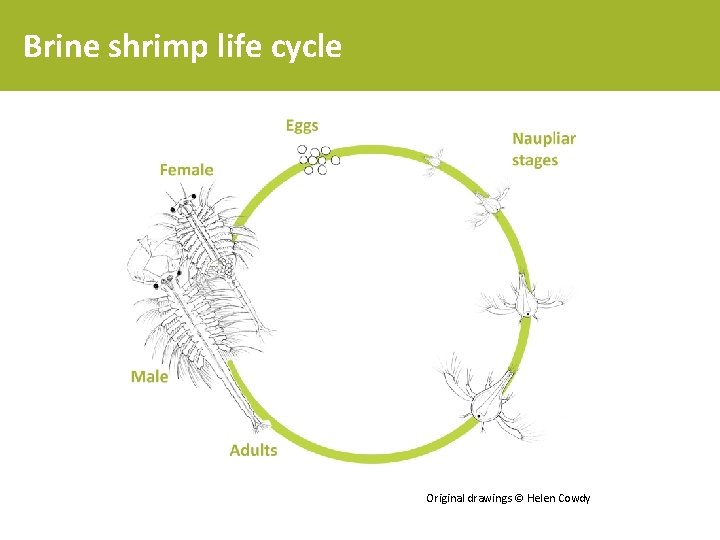
Brine shrimp life cycle Original drawings © Helen Cowdy
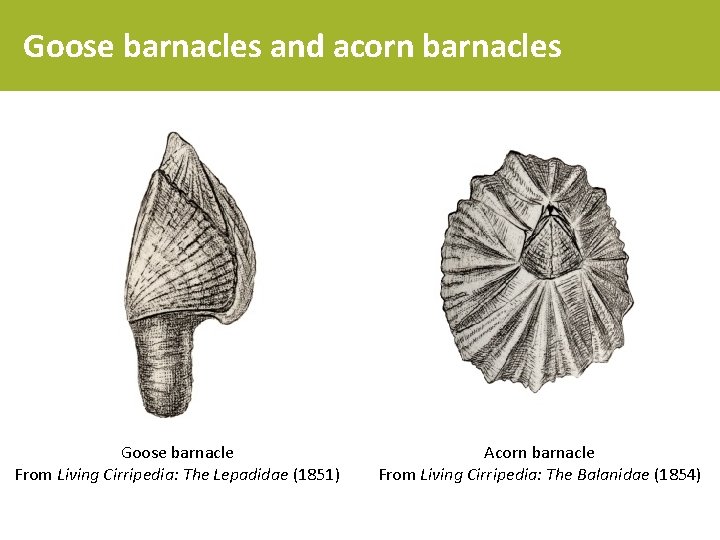
Goose barnacles and acorn barnacles Goose barnacle From Living Cirripedia: The Lepadidae (1851) Acorn barnacle From Living Cirripedia: The Balanidae (1854)
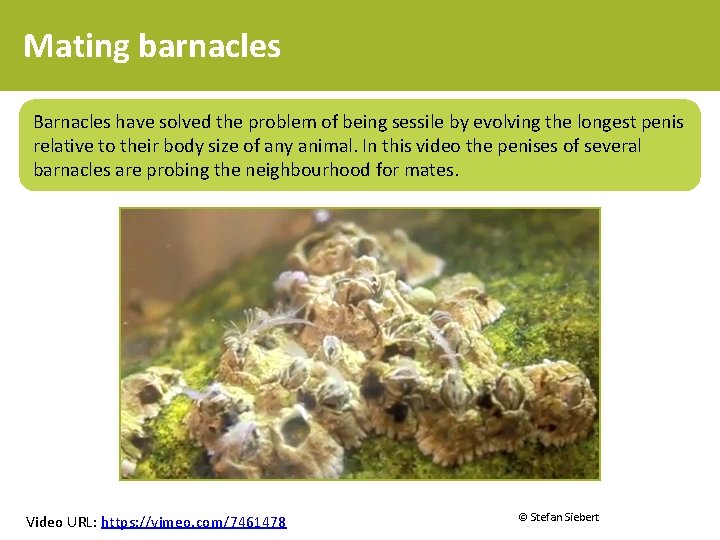
Mating barnacles Barnacles have solved the problem of being sessile by evolving the longest penis relative to their body size of any animal. In this video the penises of several barnacles are probing the neighbourhood for mates. Video URL: https: //vimeo. com/7461478 © Stefan Siebert
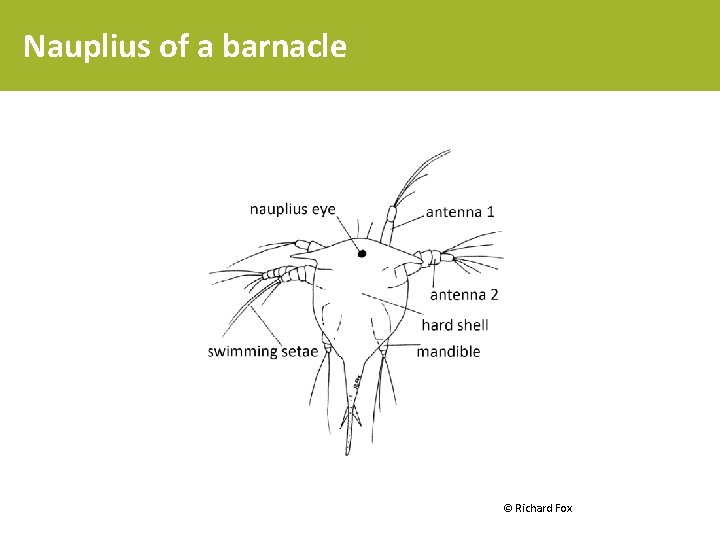
Nauplius of a barnacle © Richard Fox
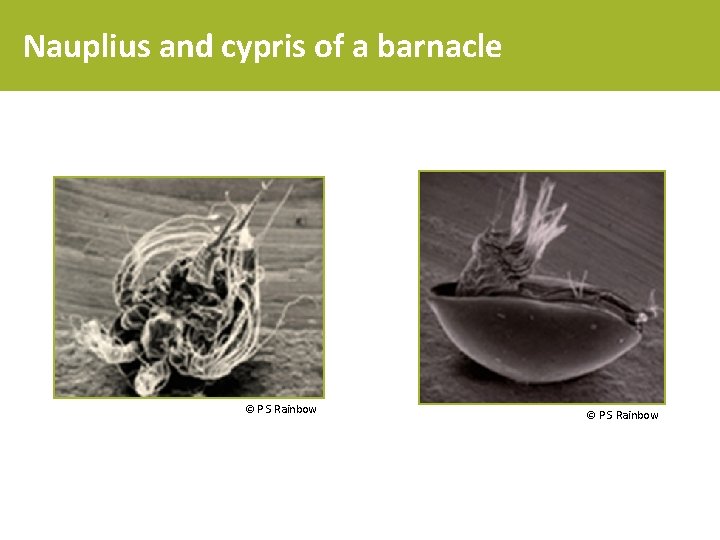
Nauplius and cypris of a barnacle © P S Rainbow
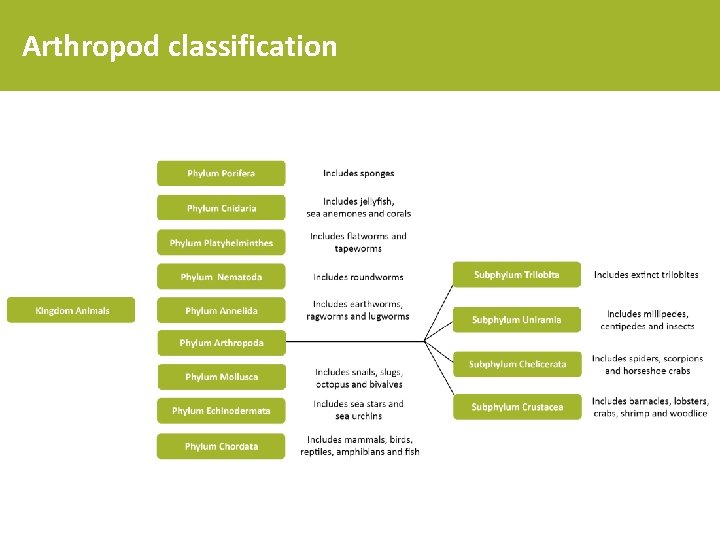
Arthropod classification
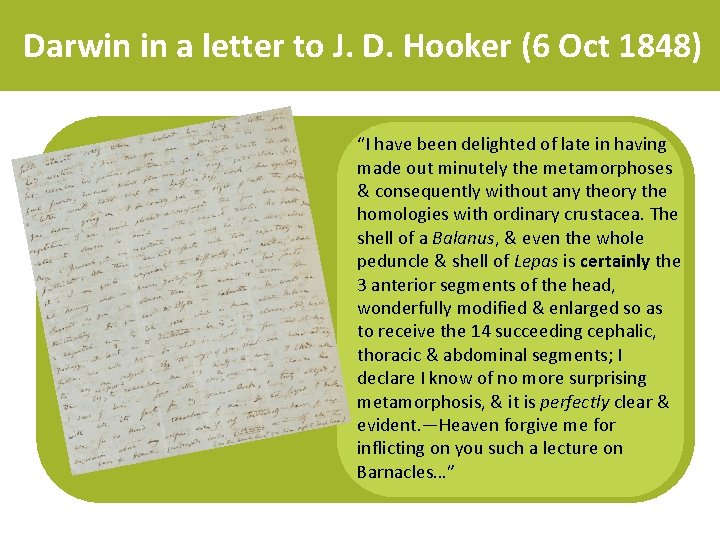
Darwin in a letter to J. D. Hooker (6 Oct 1848) “I have been delighted of late in having made out minutely the metamorphoses & consequently without any theory the homologies with ordinary crustacea. The shell of a Balanus, & even the whole peduncle & shell of Lepas is certainly the 3 anterior segments of the head, wonderfully modified & enlarged so as to receive the 14 succeeding cephalic, thoracic & abdominal segments; I declare I know of no more surprising metamorphosis, & it is perfectly clear & evident. —Heaven forgive me for inflicting on you such a lecture on Barnacles…”
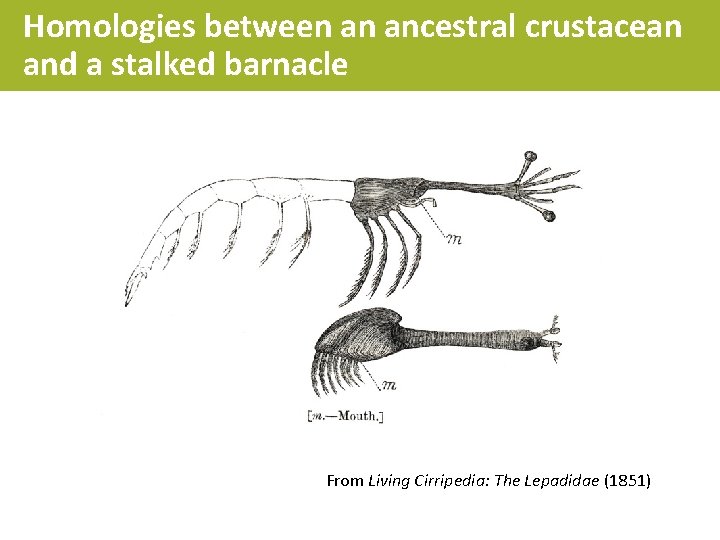
Homologies between an ancestral crustacean and a stalked barnacle From Living Cirripedia: The Lepadidae (1851)
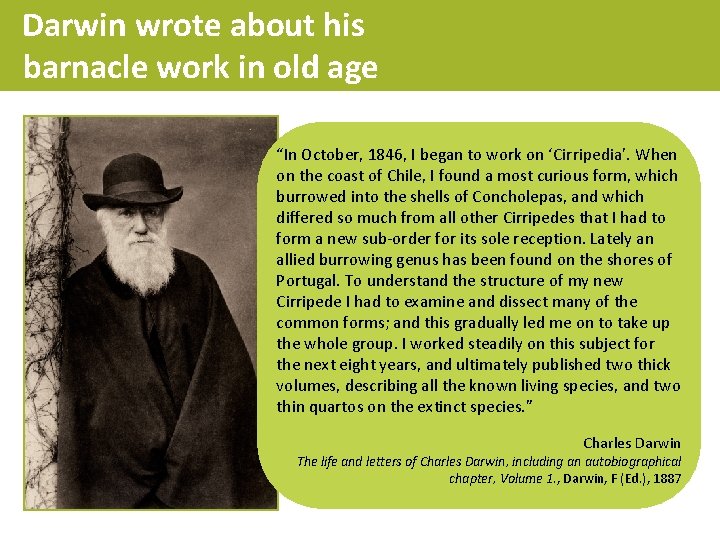
Darwin wrote about his barnacle work in old age “In October, 1846, I began to work on ‘Cirripedia’. When on the coast of Chile, I found a most curious form, which burrowed into the shells of Concholepas, and which differed so much from all other Cirripedes that I had to form a new sub-order for its sole reception. Lately an allied burrowing genus has been found on the shores of Portugal. To understand the structure of my new Cirripede I had to examine and dissect many of the common forms; and this gradually led me on to take up the whole group. I worked steadily on this subject for the next eight years, and ultimately published two thick volumes, describing all the known living species, and two thin quartos on the extinct species. ” Charles Darwin The life and letters of Charles Darwin, including an autobiographical chapter, Volume 1. , Darwin, F (Ed. ), 1887
- Slides: 19