
Breast Cancer and Breast Health Education and Research
Breast Cancer and Breast Health Education and Research among Deaf and Hard of Hearing (D/HH) Women www. gladinc. org Barbara Berman, Ph. D. ; Heidi B. Kleiger, B. S. ; Angela Jo, M. D. ; Leanne Streja, MS; Roshan Bastani, Ph. D. ; Philip Zazove, M. D. ; Alicia Wolfson, B. A. American Public Health Association Annual Meeting and Exposition November 2007
The Deaf/HH Community • 8 -10% of all Americans • 30 million persons nationwide • 1 in 10 can’t hear or understand normal speech
The Deaf/HH Community • Heterogeneous population – Demographic characteristics • Age, race, socioeconomic status, etc. – Age of onset – Degree of hearing loss – Language usage • ASL, Signed English, etc. – Identification with Deaf Culture & deaf community • A unique cultural, social, educational minority community • Shaped by history of segregation, prejudice & discrimination
The Deaf/HH Community • Frequently poor • Low literacy levels – Adults on average read at 3 rd/4 th grade level • • • Inadequate communication with physicians Poor preventative health behaviors Lower levels of health knowledge Fears from incomplete and incorrect information Limited access to services and resources
Why this study? • A unique cultural and linguistic population • Barriers to breast health/breast cancer • Knowledge and participation in breast health advocacy • Need for programming for deaf and hard of hearing women with little education • Need for research to develop programs
Overall Study Goals • To develop, test & disseminate a tailored breast cancer control educational intervention for women who are D/HH – Focus on poor & underserved populations – Reduce barriers to breast health for D/HH – Gain knowledge useful in addressing barriers faced by other underserved low literacy minority groups
Building on Previous Research • Breast Health Advocate Illinois Masonic Behavioral Health Services (Chicago) • Every Deaf and Hard of Hearing Woman Counts! Breast Cancer Education University of California San Diego, Moores Cancer Center • UCLA/GLAD Pilot Research – Funded by the California Breast Cancer Research Program – In depth interviews with 68 D/HH women – Identified gaps in knowledge, incomplete mammography screening • 41. 9% in prior year for women with high school or less education • Lack of participation in breast cancer advocacy • Communication barriers
Overall Approach • Build on pilot study findings • Serve all D/HH women – General population and breast cancer survivors • Community/academic partnership • Community commitment & involvement – GLAD leadership – Community Advisory Committee – Partner agencies throughout Southern California • Funded by Susan G. Komen Breast Cancer Foundation & California Breast Cancer Research Program
Elements of Research • Demonstration – 40 women, 40+ years old, racial/ethnic diversity, including 20 breast cancer survivors – Pilot test for RCT – Outcome: change in knowledge and attitudes • Assessment at baseline, post-intervention, 6 month follow-up • Randomized Controlled Trial – 200 women, 40+ years old, racial/ethnic diversity – Outcome: differences in intervention/control condition • Primary/secondary prevention, knowledge & attitudes • Breast health advocacy and communication • Assessment at baseline (pre/post program), 12 month follow-up)
Program Name SIGNS OF AWARENESS: A Visual Guide to Breast Cancer for the Deaf/Hard of Hearing
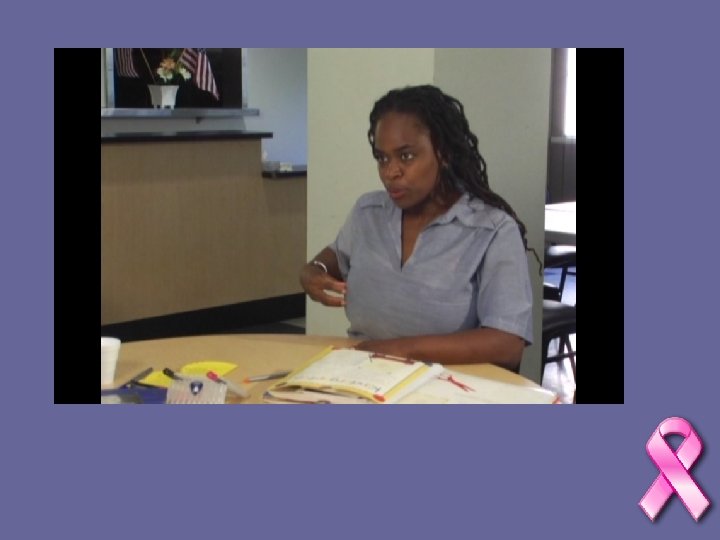
Intervention • Used in demonstration & RCT • Small group format led by trained deaf health educator, use of visual aids • Tailored written materials with emphasis on visual, limited English language usage – Supplemented by standard brochures
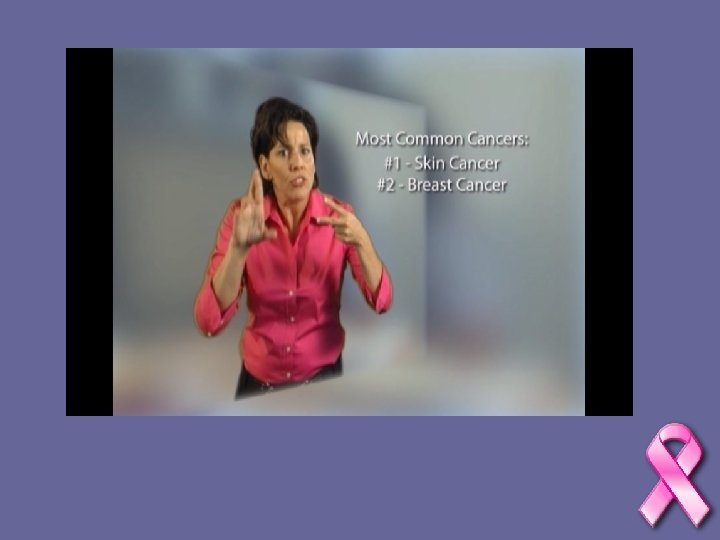
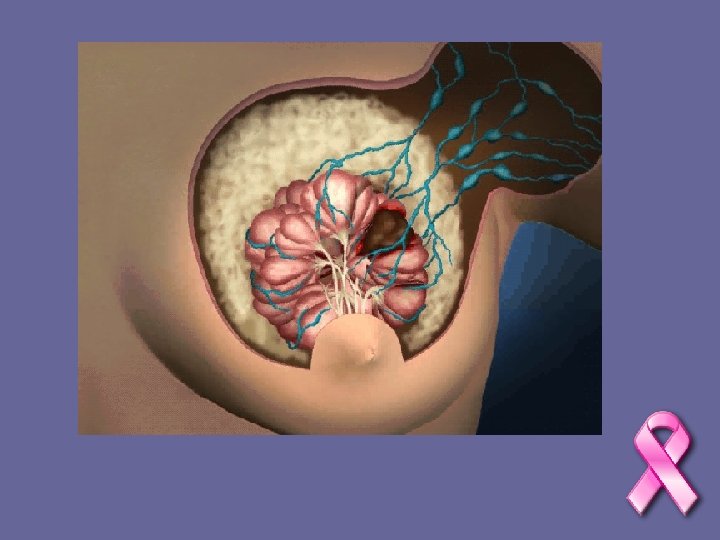
Intervention • Tailored DVD – Modular elements and sidebars – ASL, limited written captions, voice over – Animation: emphasis on visual content – Narration by deaf actress – Content delivered by deaf medical doctor
Intervention (Con’t) – Participation of D/HH survivors & community members – Signed, voice-over, captioning – Comprehensive breast health content • Risk factors, primary prevention, secondary prevention, diagnosis, treatment, survivorship – Focus on overcoming communication barriers – Encouragement of breast health advocacy – Provision of resources
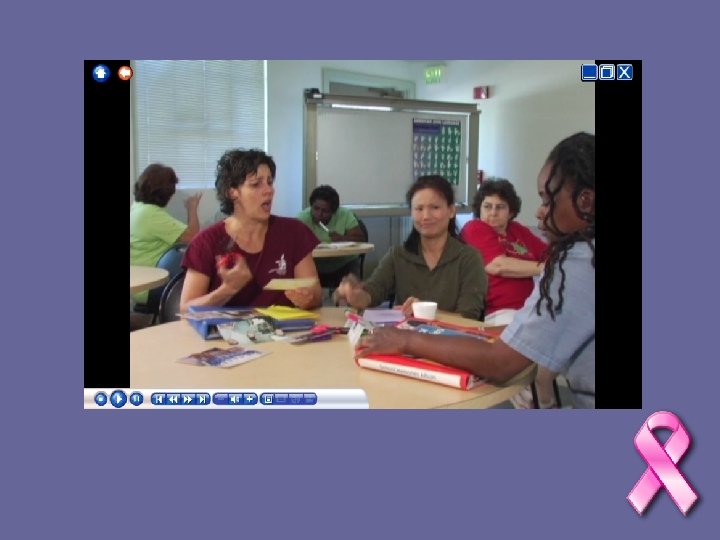

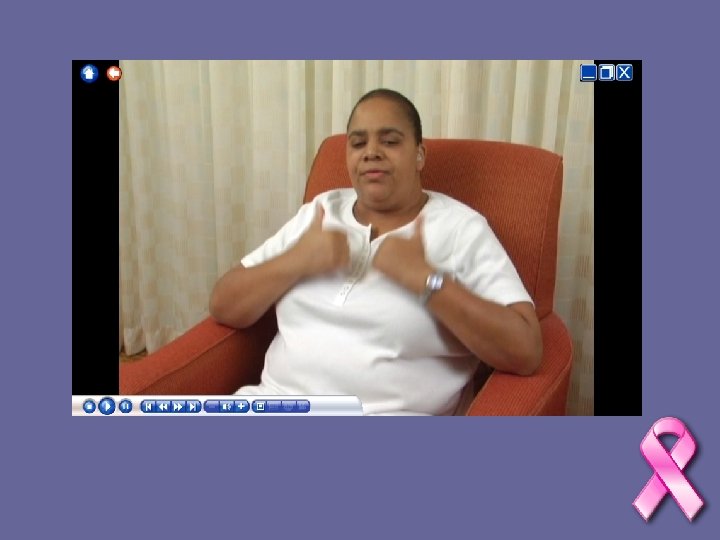
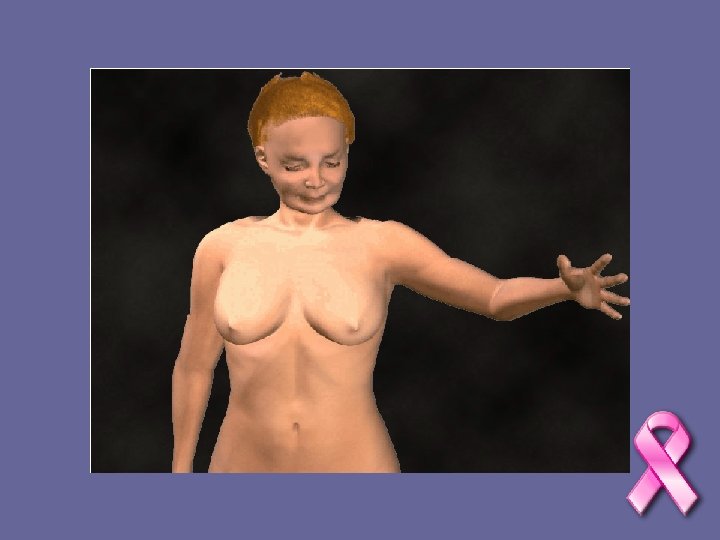
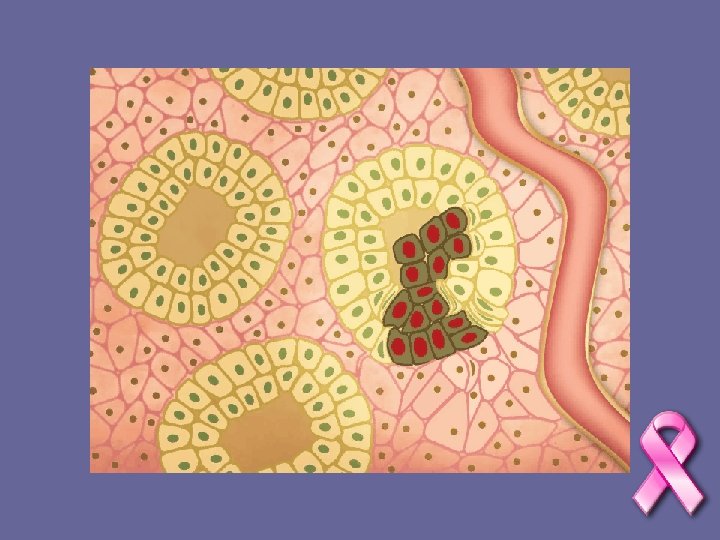
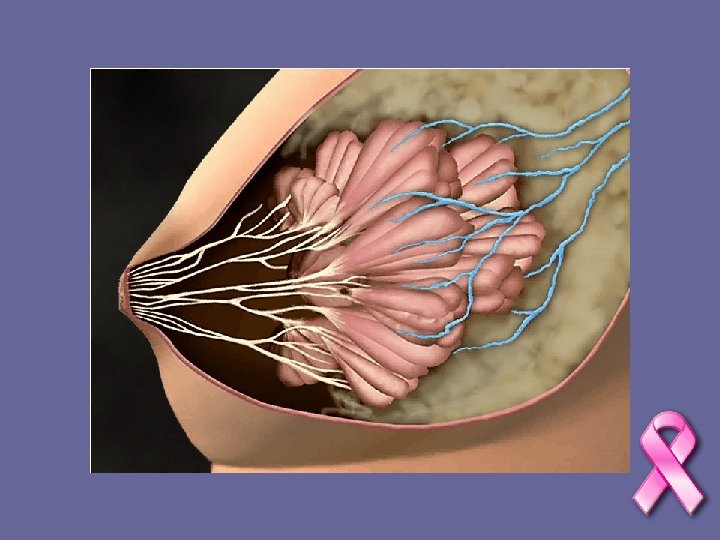
Control Group • Small group format • Commitment to programming by research team & funding agency • Cancer Prevention for women Focus on lifestyle: nutrition, exercise, tobacco use & sun safety • Power. Point presentation • Supplemental brochures - ACS
Data Collection • Surveys for use at baseline – Pre-program delivery – Post delivery – Follow-up • Use of multiple strategies for follow-up – In person, TTY, E-mail, video phone (VP)
Research Challenges • Creating comprehensive, understandable content – Tailored to Deaf/HH women with lower levels of formal education • Translating written materials to simplified English & ASL • Developing visual images to capture complex concepts • Alternating presentations and visual aids – Simultaneous communication not feasible • Crafting survey instruments that capture complex concepts – Translating to ASL & presenting in written format
The Research Team • Greater Los Angeles Agency on Deafness, Inc. (GLAD) • – Heidi B. Kleiger, B. S. , PI (Community) – Alicia Wolfson, B. A. • UCLA Divison of Cancer Prevention and Control Research, School of Public Health and Jonsson Comprehensive Cancer Center – Barbara A. Berman, Ph. D. , PI (Academic) – Roshan Bastrani, Ph. D. , Co-I – Angela Jo, M. D. , MSHS, Co-I – William G. Cumberland, Ph. D. , Statistician Community Advisory Committee – 5 Deaf/HH community members – 3 are breast cancer survivors – Racial/ethnic, age & socioeconomic diversity • Consultants – Gary Kaufman, M. D. , Mt. Sinai Health Systems Deaf Access Program, Chicago, Illinois – Georgia Robins-Sadler, Ph. D. , University of California, San Diego – Carolyn R. Stern, M. D Rochester, NY – Philip Zazove, M. D. , University of Michigan health Systems
- Slides: 26