
Breast and Thyroid Cancer Detection Using Immunomagnetic Beads
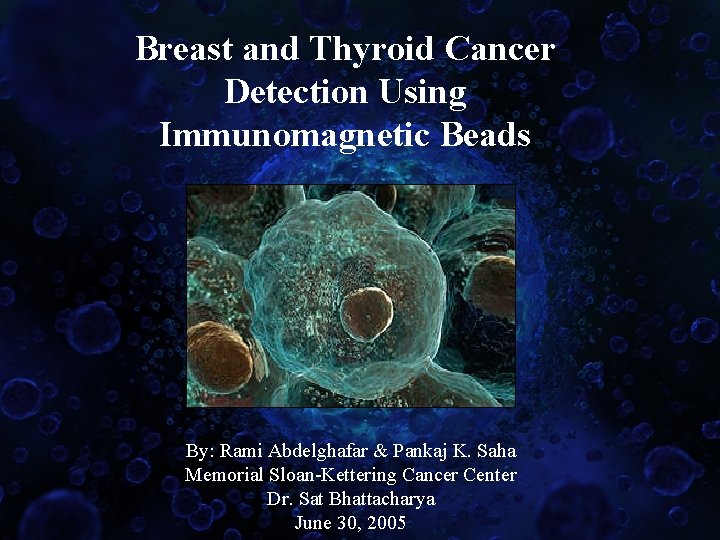
Breast and Thyroid Cancer Detection Using Immunomagnetic Beads By: Rami Abdelghafar & Pankaj K. Saha Memorial Sloan-Kettering Cancer Center Dr. Sat Bhattacharya June 30, 2005

What is Cancer? o “Silent Killer” o Genetic and Environmental factors o Metastasis o Bloodstream and Lymphatic system
Experimental Objectives o Isolation of circulating tumor cells (CTC) o Identifying cancer cells o Study the circulating breast and thyroid cancer cells
Methodology o Isolating Polymorphonuclear Cells (PMNC’s) o Isolation of RNA using Immunomagnetic Beads o Polymerase Chain Reaction (PCR)
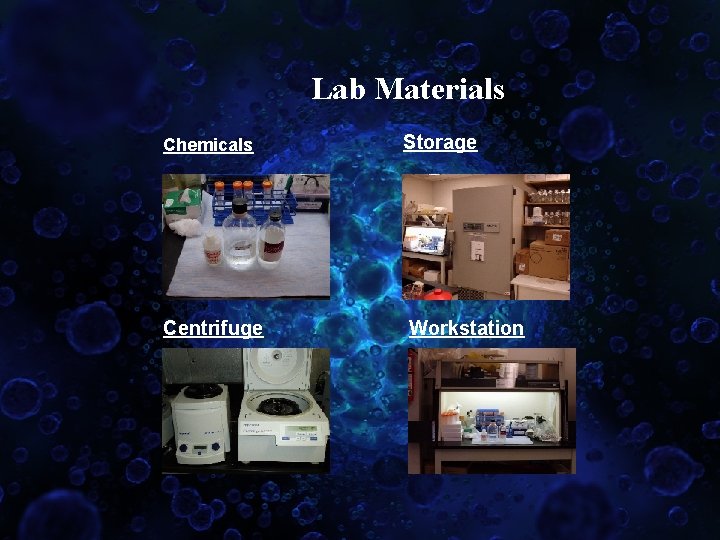
Lab Materials Chemicals Centrifuge Storage Workstation
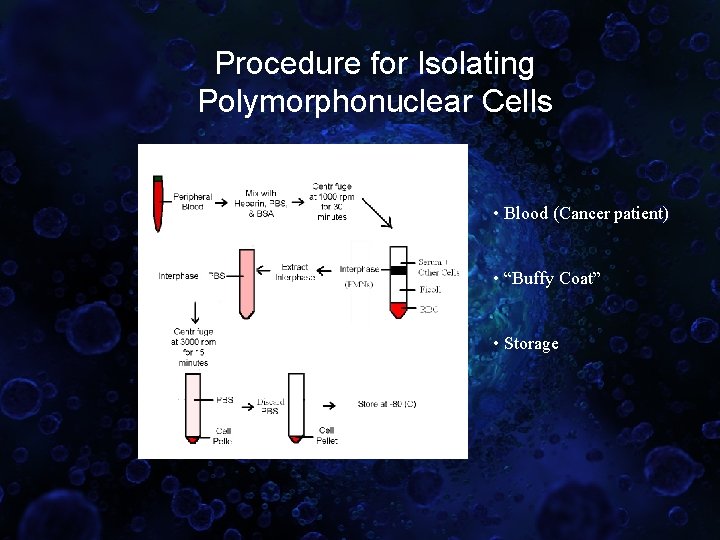
Procedure for Isolating Polymorphonuclear Cells • Blood (Cancer patient) • “Buffy Coat” • Storage
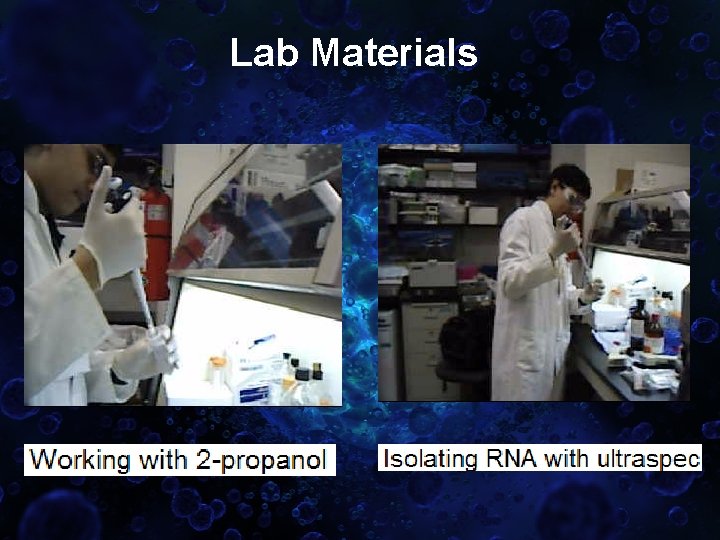
Lab Materials
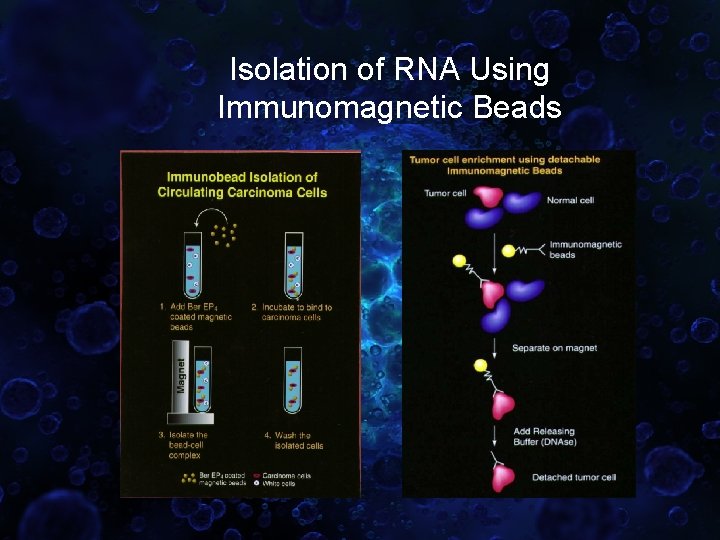
Isolation of RNA Using Immunomagnetic Beads
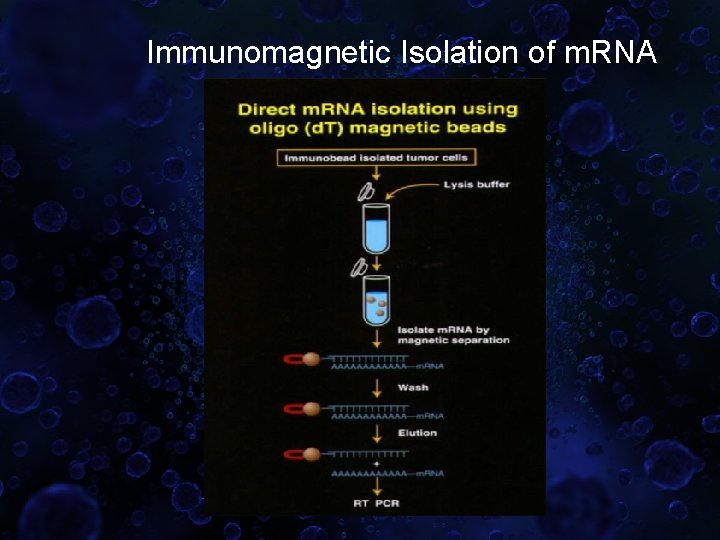
Immunomagnetic Isolation of m. RNA
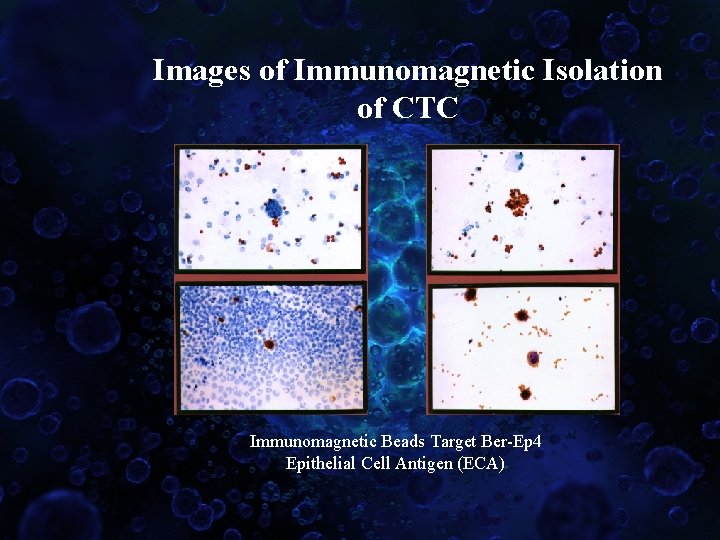
Images of Immunomagnetic Isolation of CTC Immunomagnetic Beads Target Ber-Ep 4 Epithelial Cell Antigen (ECA)
Reverse Transcriptase Polymerase Chain Reaction o Animation
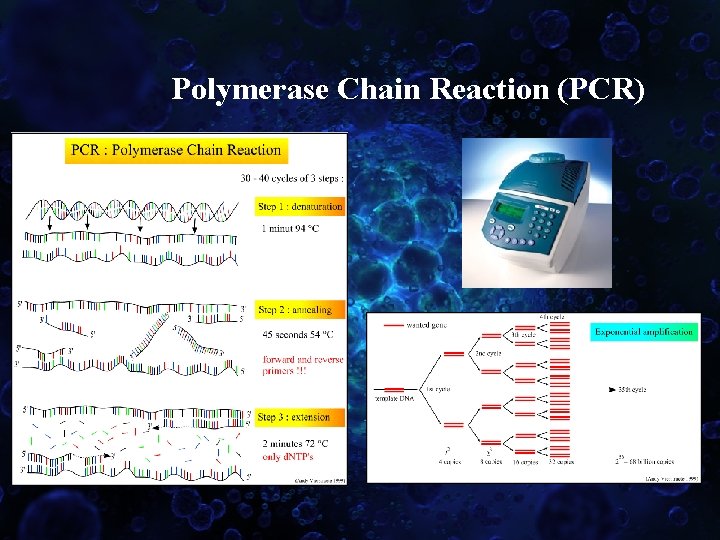
Polymerase Chain Reaction (PCR)
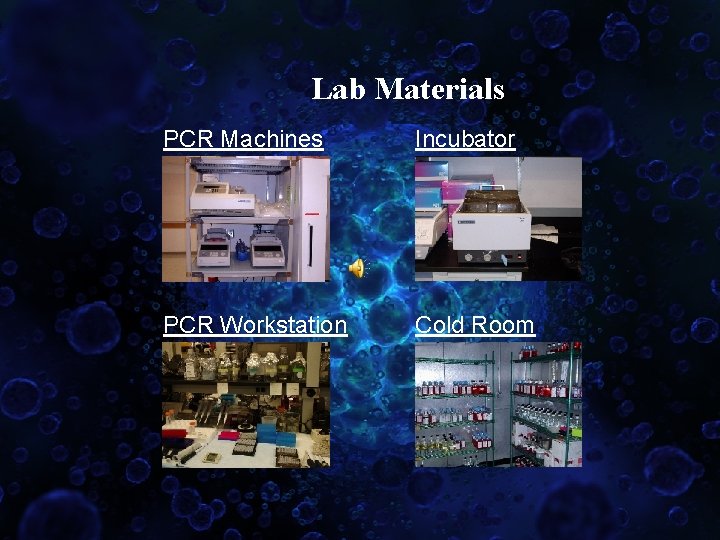
Lab Materials PCR Machines Incubator PCR Workstation Cold Room
Identifying Type of Cancer Cell o Most cells have three types of genes: 1. Housekeeping Genes (Actin) 2. Tissue-specific Genes (Cytokeratin-19) 3. Organ Specific Genes (Mammaglobin) 4. Cancer Specific Genes (BRCA 1 & BRCA 2)
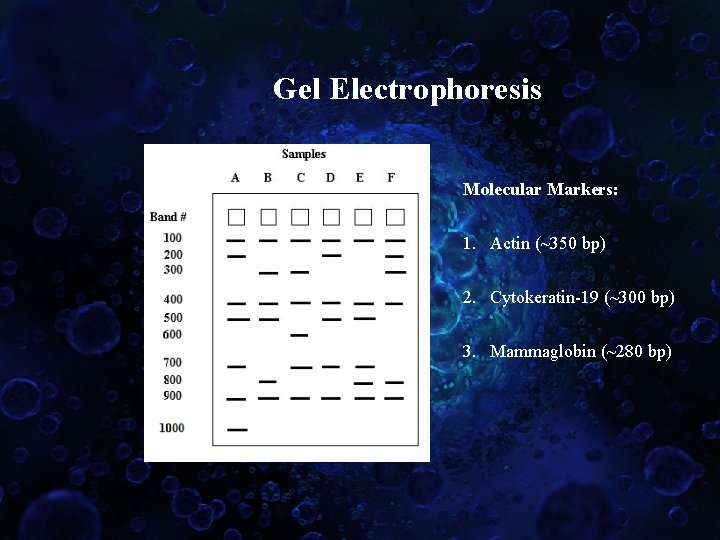
Gel Electrophoresis Molecular Markers: 1. Actin (~350 bp) 2. Cytokeratin-19 (~300 bp) 3. Mammaglobin (~280 bp)
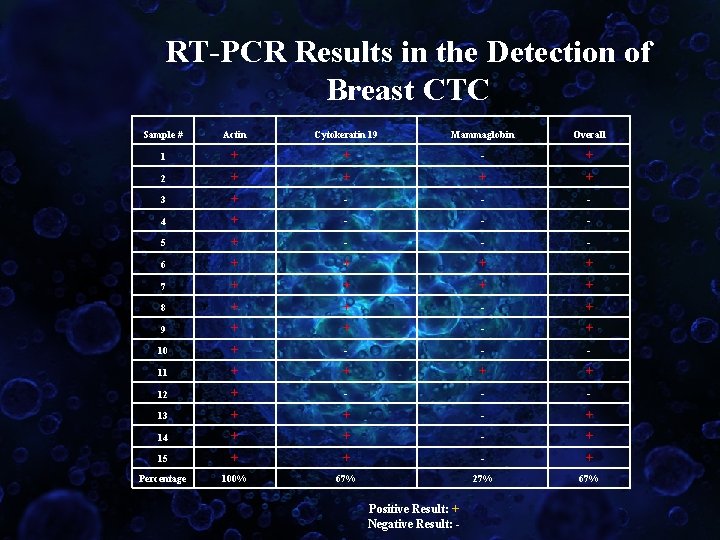
RT-PCR Results in the Detection of Breast CTC Sample # Actin Cytokeratin 19 Mammaglobin Overall 1 + + - + 2 + + 3 + - - - 4 + - - - 5 + - - - 6 + + 7 + + 8 + + - + 9 + + - + 10 + - - - 11 + + 12 + - - - 13 + + - + 14 + + - + 15 + + - + Percentage 100% 67% 27% 67% Positive Result: + Negative Result: -
Conclusion o Use of multiple markers enhances sensitivity o Cancer cells can be detected at early stages o Less radiation therapy, chemotherapy, and immunotherapy
Future Plans o Use additional molecular markers to enhance sensitivity (Telomerase) o Associate risk factors genes (BRCA 1 & BRCA 2)
References o Cotran, Kumar, Collins: The Pathological Basis of Disease 6 th Edition (W. B. Saunders Company) o Hospital Practice (http: //www. hosppract. com/) o Foss AJ, Guille MJ, Occleston NL, Hykin PG, Hungerford JL, and Lightman. S: The detection of melanoma cells in peripheral blood by reverse transcriptase polymerase chain reaction. Br J Cancer 72: 155 – 159, 1995 o Ghossein RA, Bhattacharya S, Coit DG. Reverse transcriptase polymerase chain reaction (RT-PCR) detection of melanoma-related transcripts in the peripheral blood and bone marrow of patients with malignant melanoma. What have we learned? Recent Results Cancer Res. 2001; 158: 63 -77. o Ghossein RA, Bhattacharya S. : Molecular detection and characterization of circulating tumour cells and micrometastases in solid tumours. Eur J Cancer. 2000 Aug 36 (13 Spec No): 1681 -94. o NATIONAL BREAST CANCER FOUNDATION (http: //www. nationalbreastcancer. org/) o Pelkey TJ, Frierson HF and Bruns DE: Molecular and immunological detection of circulating tumor cells and micrometastases from solid tumors. Clin Chem 42: 1369 – 1381, 1996 o Ronald A. Ghossien, Leo Carusone, and Satyajit Bhattacharya: Molecular detection of micrometastases and circulating tumor cells in melanoma prostatic and breast carcinomas. In vivo 14: 237 – 250, 2000

Acknowledgements o Dr. Sat Bhattacharya n n n Memorial Sloan. Kettering Cancer Research Center Harlem Children Society Minimal Residual Lab (MRD Lab)

Thank You for Your Cooperation! Don’t be afraid to ask questions Pankaj Rami
- Slides: 22