
Brain Stimulation Methods Electroconvulsive therapy ECT Cranial electrical

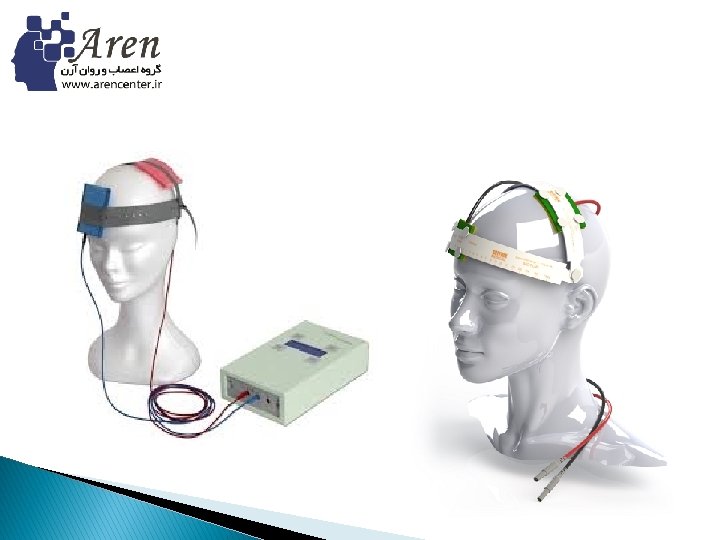
Brain Stimulation Methods � Electroconvulsive therapy (ECT) � Cranial electrical stimulation (CES) � Transcranial direct current stimulation (t. DCS) � Transcranial magnetic stimulation (TMS) � Magnetic seizure therapy (MST) � Cortical brain stimulation (CBS) � Deep brain stimulation (DBS) � Vagus nerve stimulation (VNS)

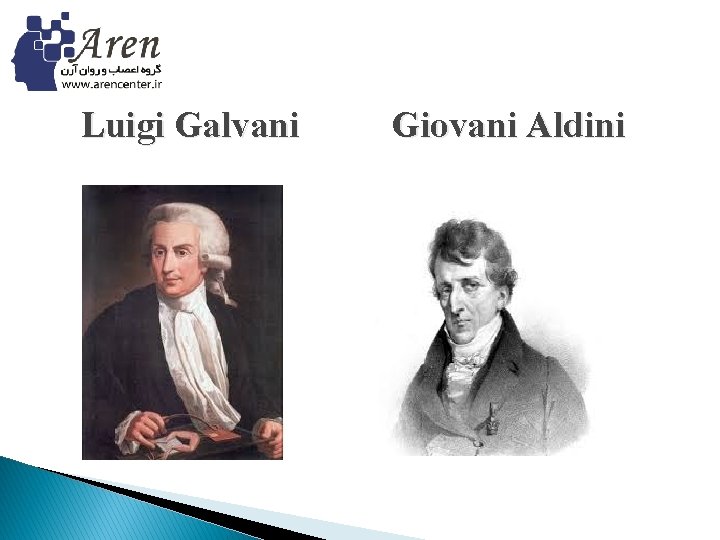
Luigi Galvani Giovani Aldini
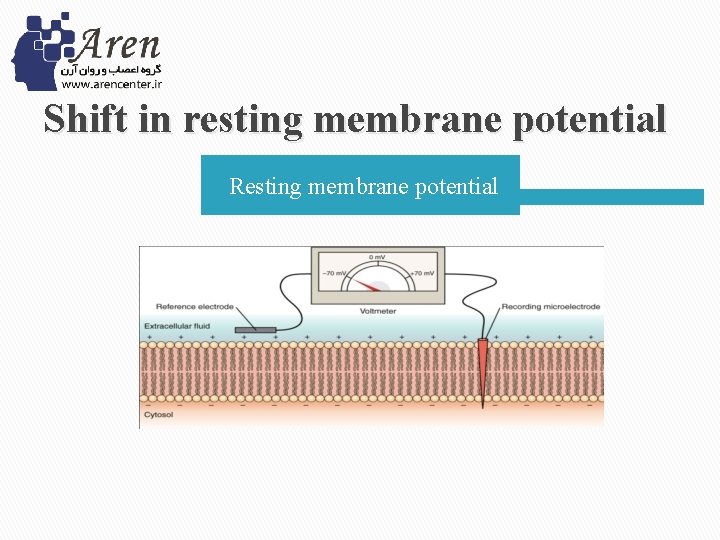
Shift in resting membrane potential Resting membrane potential
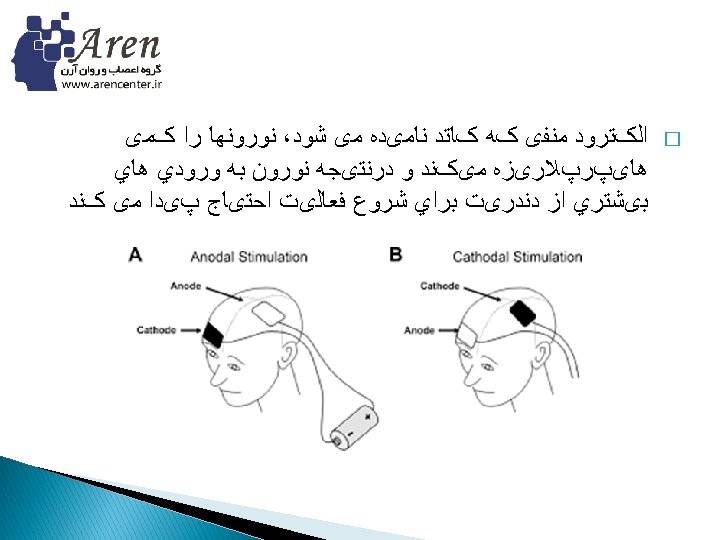
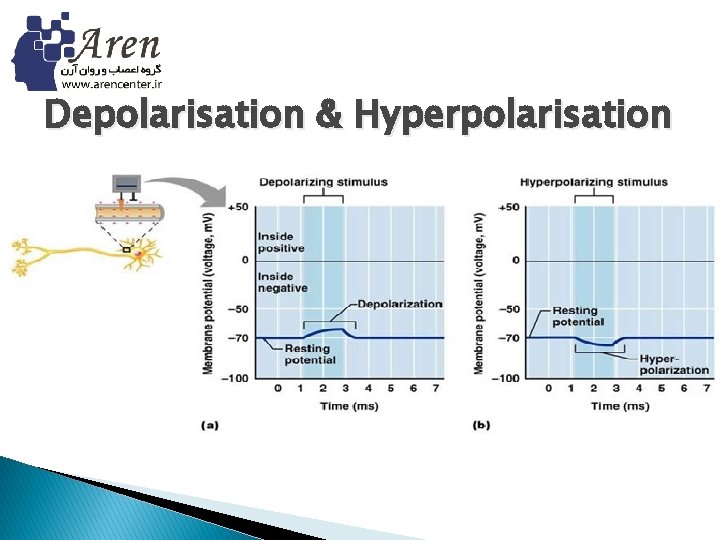
Depolarisation & Hyperpolarisation
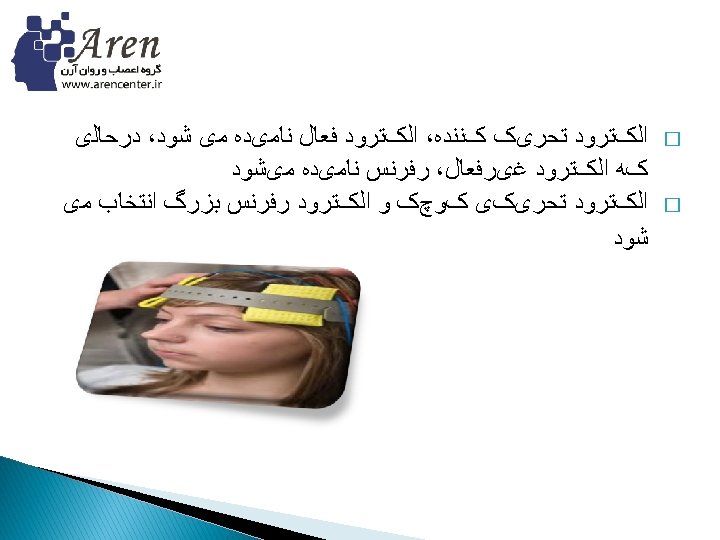
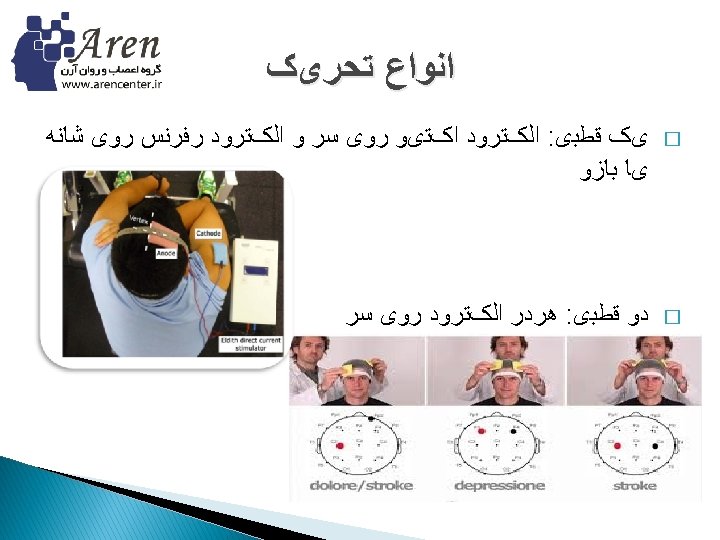
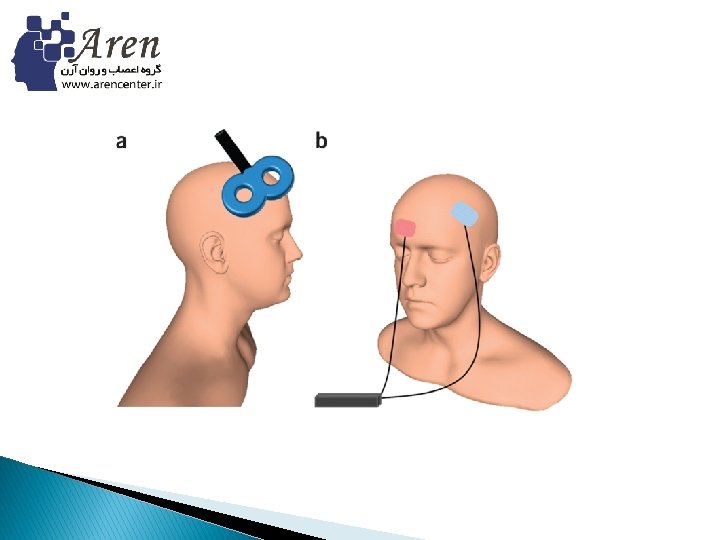
� DLPFC (dorsolateral prefrontal cortex , LH: F 3 , RH: F 4) � SO (supraorbital, LH: Fp 1 , RH: Fp 2) � M 1 (primary motor cortex, LH: C 3 , RH: C 4) � LTA (left temporoparietal area , LH: T 5/P 3 , RH: T 6/P 4) � ATL (anterior temporal lobe ) � Auditory cortices (LH: C 3/T 3 , RH: C 4/T 4) � Mastoid
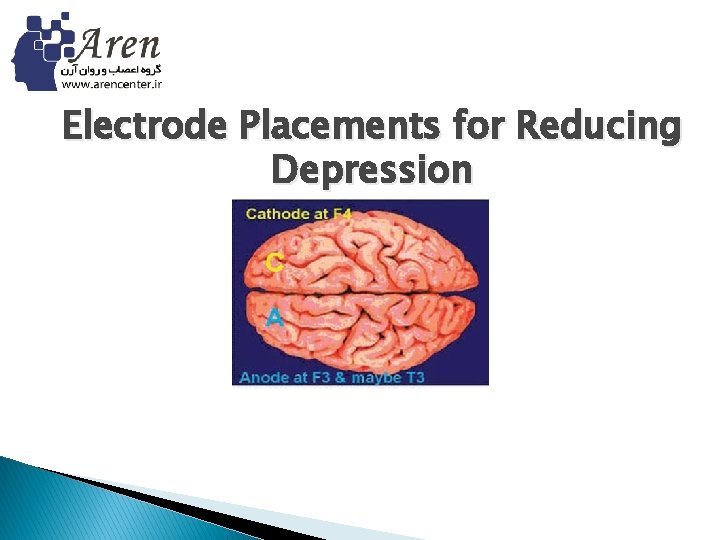
Electrode Placements for Reducing Depression
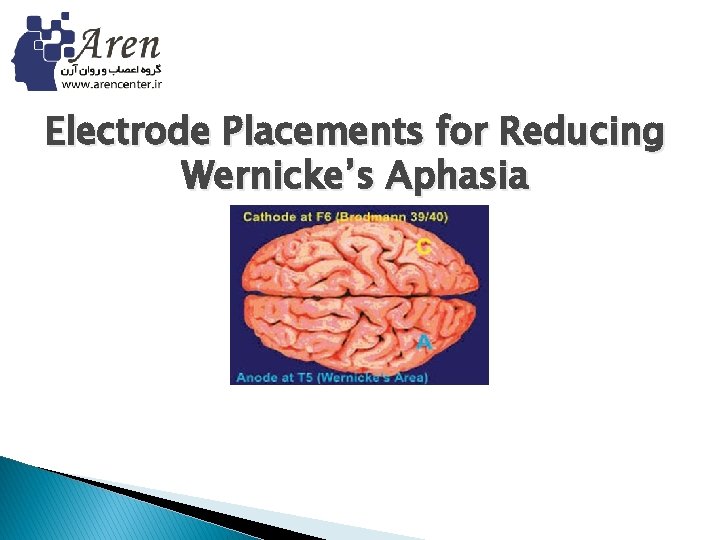
Electrode Placements for Reducing Wernicke’s Aphasia
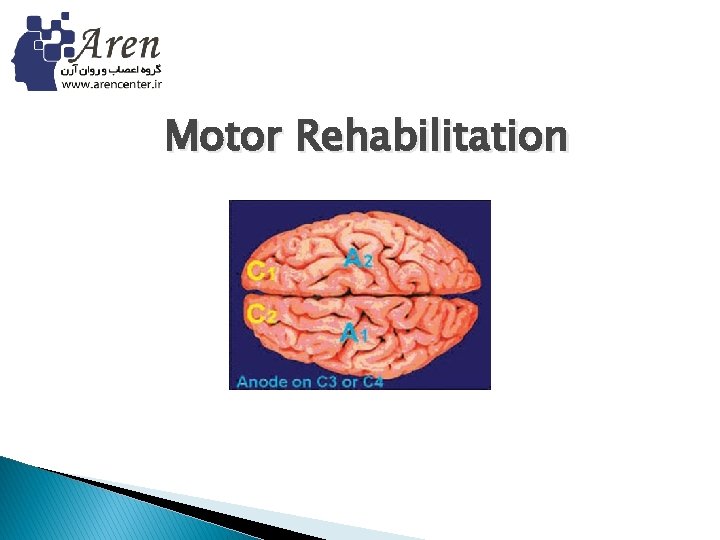
Motor Rehabilitation
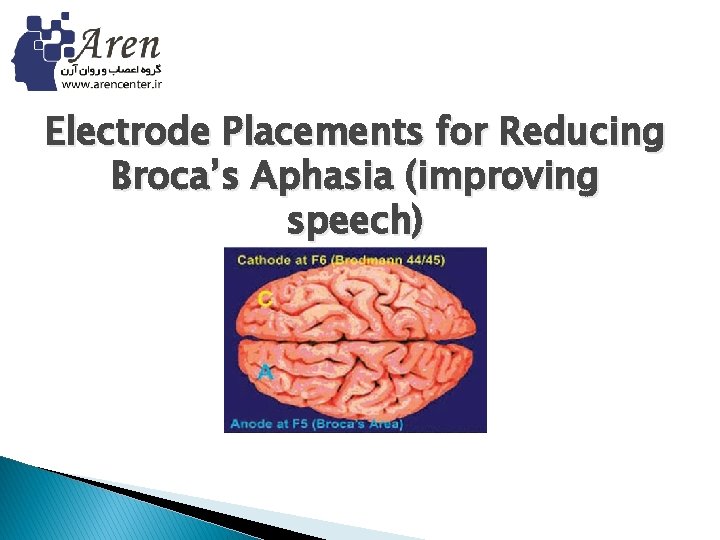
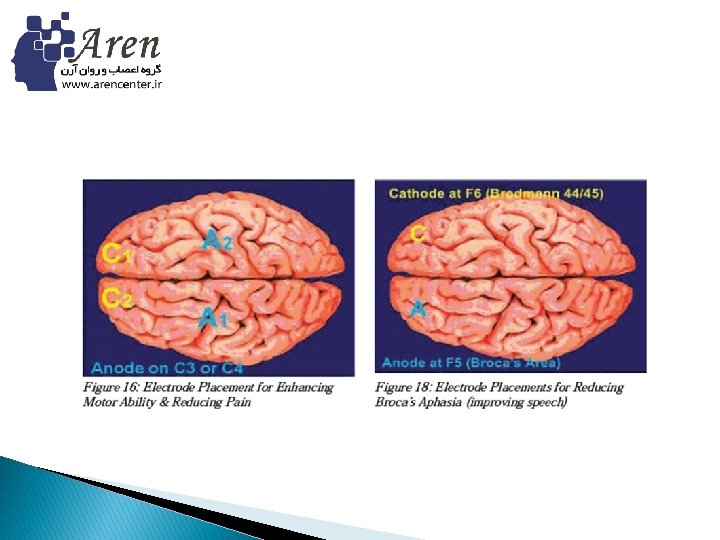
Electrode Placements for Reducing Broca’s Aphasia (improving speech)
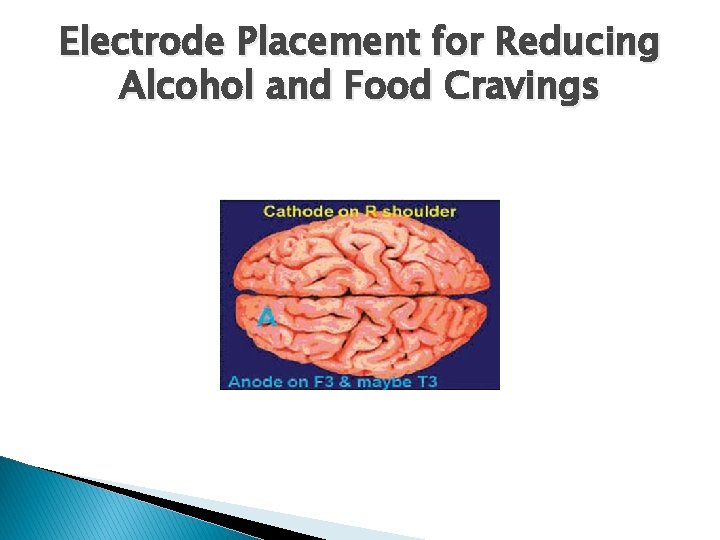
Electrode Placement for Reducing Alcohol and Food Cravings
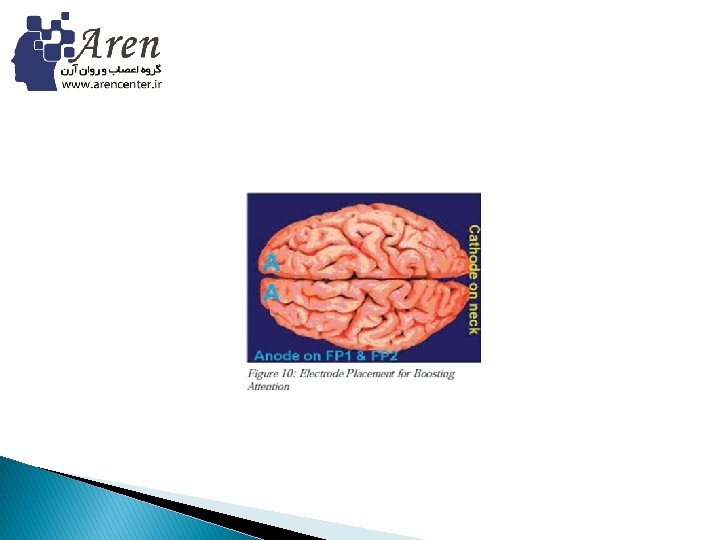
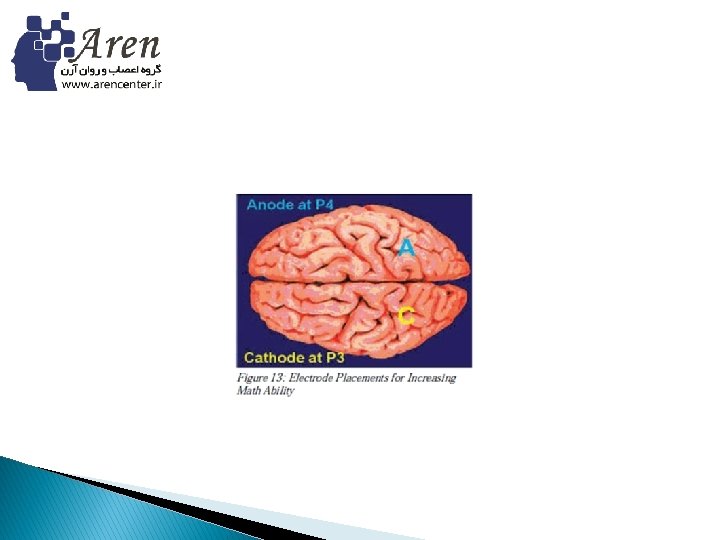
What does happen in brain in t. DCS • LPT( Long term Potentiation)
Long term Potentiation � Definition : long-lasting enhancement in signal transmission between two neurons that results from stimulating them synchronously.

Models and theory of LTP

Models and theory of LTP
Effects of t. DCS o o o Increase Postsynaptic excitatory Potential Increase protein channel on peripheral nerve Neurochemical change Myoinositol Indirect effect of other cortical and subcortical Group oscillation (Theta & Delta under cathod
Other effects of t. DCS � Vessel � Connective tissue � Inflammatory process � Cellular structure like cytoskeleton , mitocondria , membrane � Anodal t. DCS Vasodilation
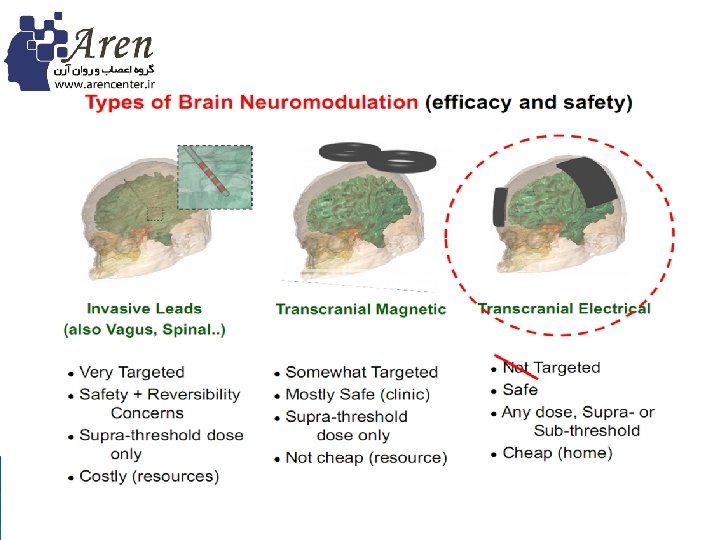

Brain Electrotherapy Figure from Marom Bikson
- Slides: 36