
BRACE Framework 1 Forecast Impacts Assess Vulnerability 5
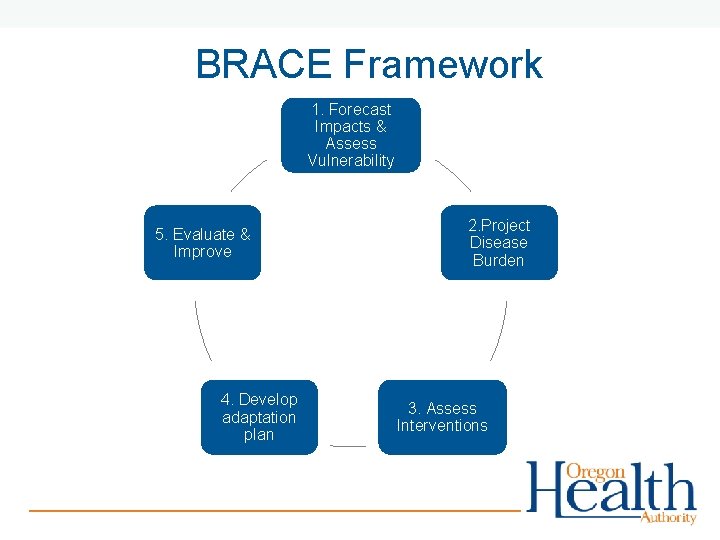
BRACE Framework 1. Forecast Impacts & Assess Vulnerability 5. Evaluate & Improve 4. Develop adaptation plan 2. Project Disease Burden 3. Assess Interventions
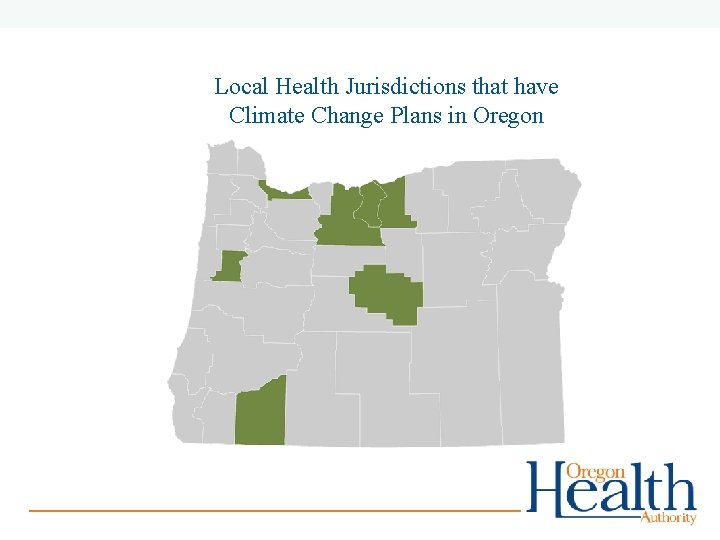
Local Health Jurisdictions that have Climate Change Plans in Oregon
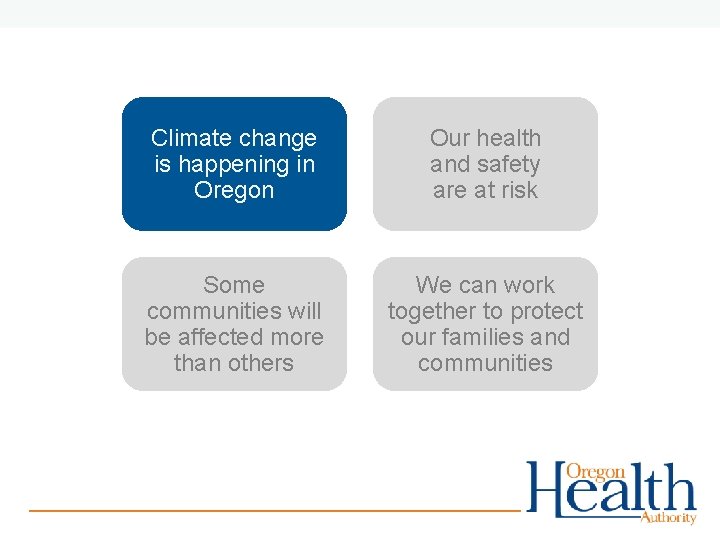
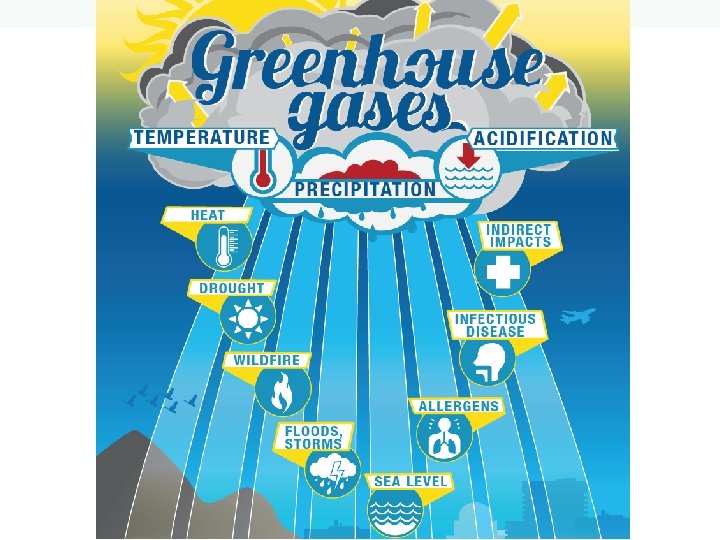
Climate change is happening in Oregon Our health and safety are at risk Some communities will be affected more than others We can work together to protect our families and communities
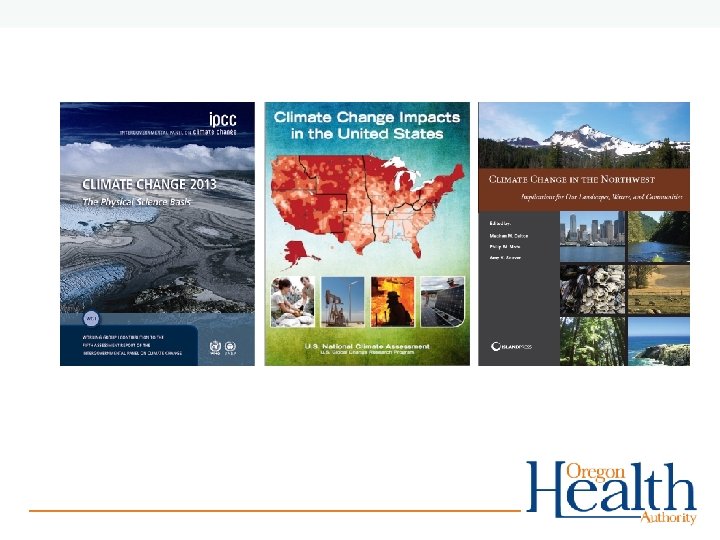
Oregon’s climate is changing… Temperature • Summers are getting hotter and drier • The last freeze of winter is occurring earlier, while the first freeze of fall is starting later Precipitation • Wide variation with no significant changes on average
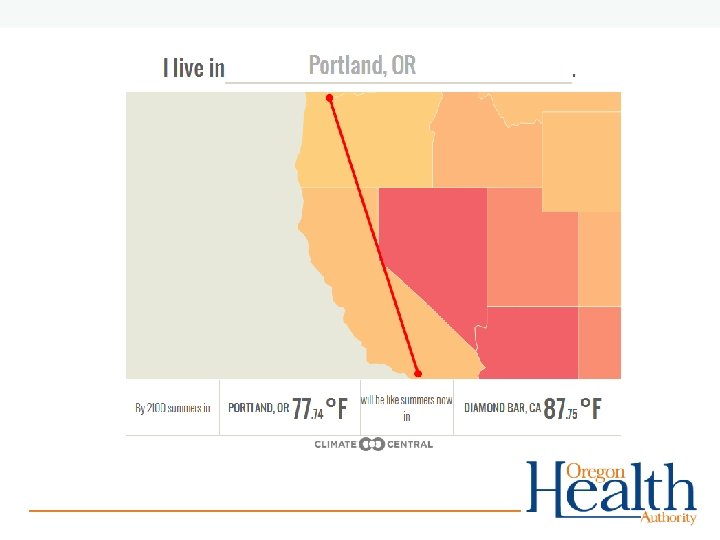
By mid-century we can expect… Temperature • Days above 90°F will increase by 8 days/year • Days below freezing will decrease by 35 days/year Precipitation • More rain, less snow • Decrease in summer precipitation up to 30% • Extreme precipitation events could increase by 10 -13%
Coastal impacts Sea level rise • Minimal by mid century, rising 4 -56” by 2100 Acidification • 100 -150% increase over pre-industrial levels by 2100
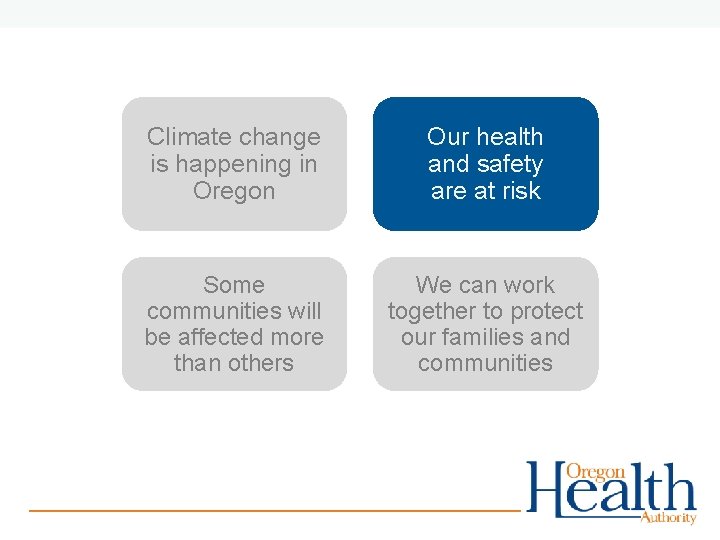
Climate change is happening in Oregon Our health and safety are at risk Some communities will be affected more than others We can work together to protect our families and communities
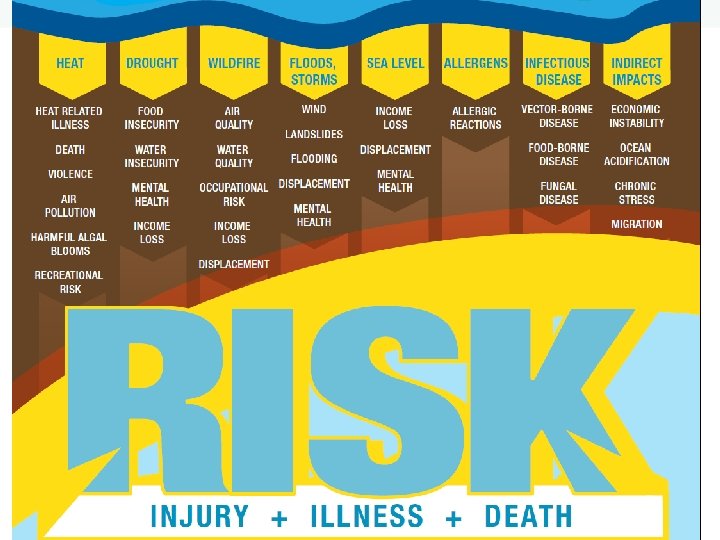
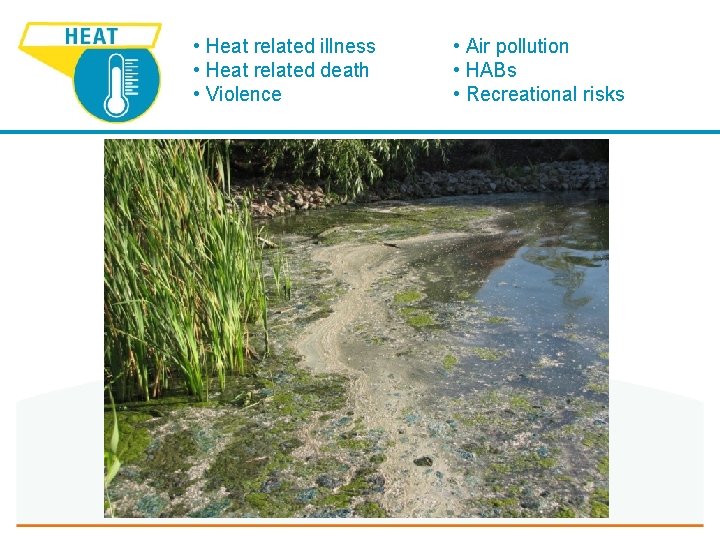
• Heat related illness • Heat related death • Violence • Air pollution • HABs • Recreational risks
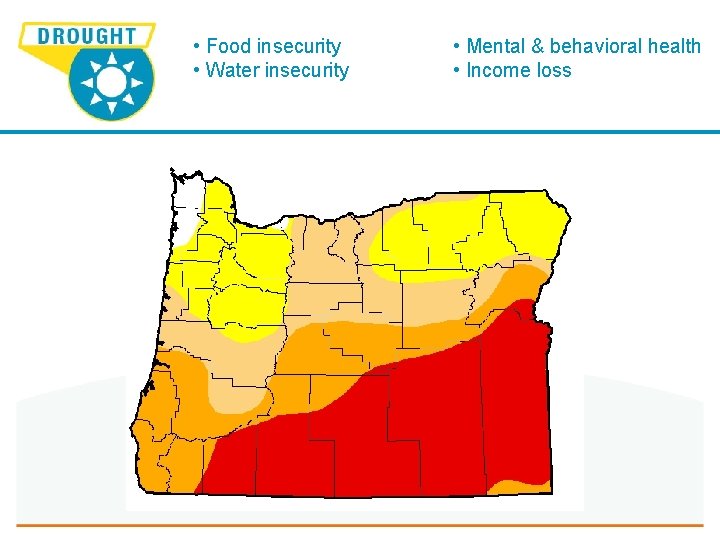
• Food insecurity • Water insecurity • Mental & behavioral health • Income loss
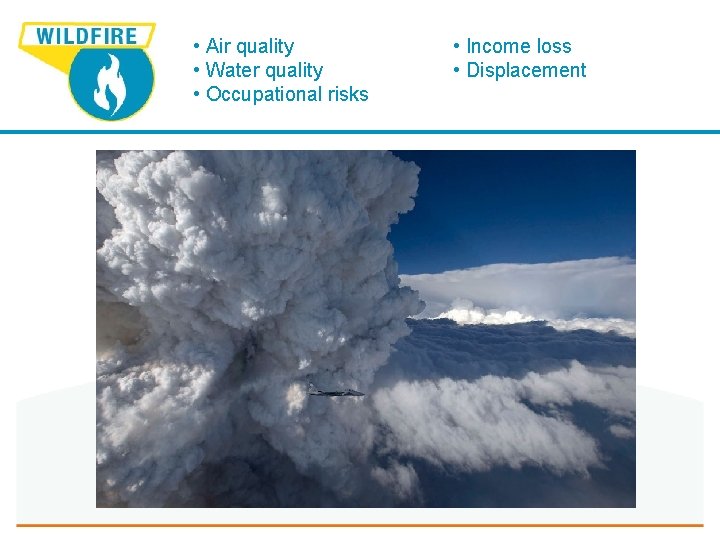
• Air quality • Water quality • Occupational risks • Income loss • Displacement
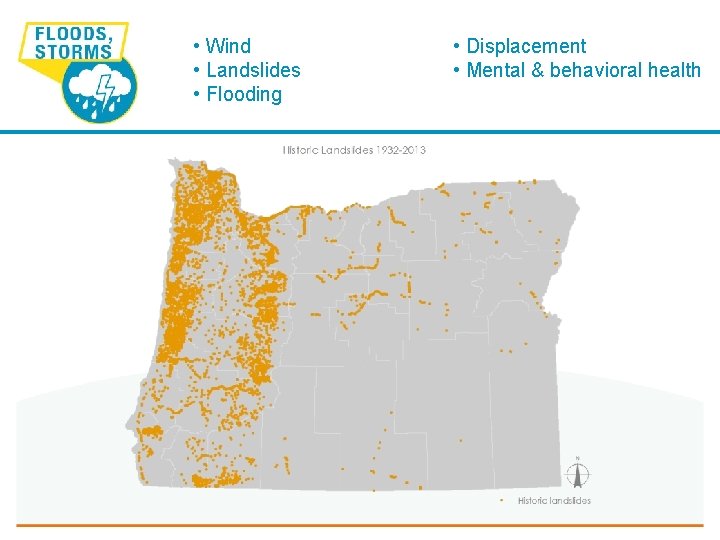
• Wind • Landslides • Flooding • Displacement • Mental & behavioral health
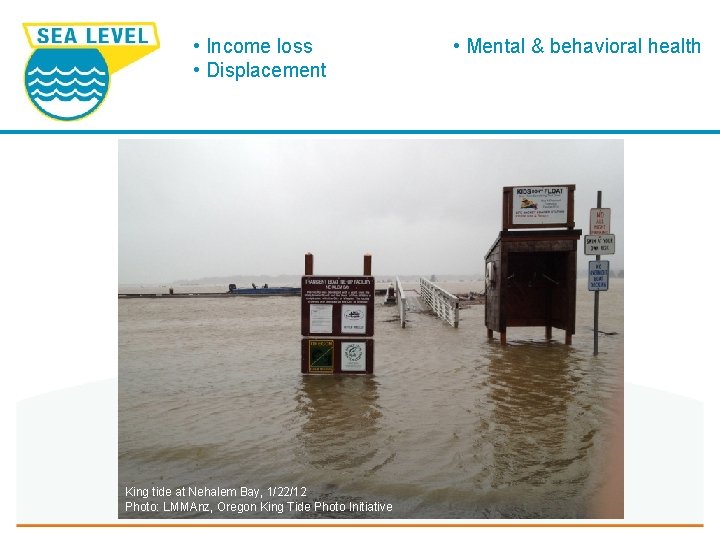
• Income loss • Displacement King tide at Nehalem Bay, 1/22/12 Photo: LMMAnz, Oregon King Tide Photo Initiative • Mental & behavioral health
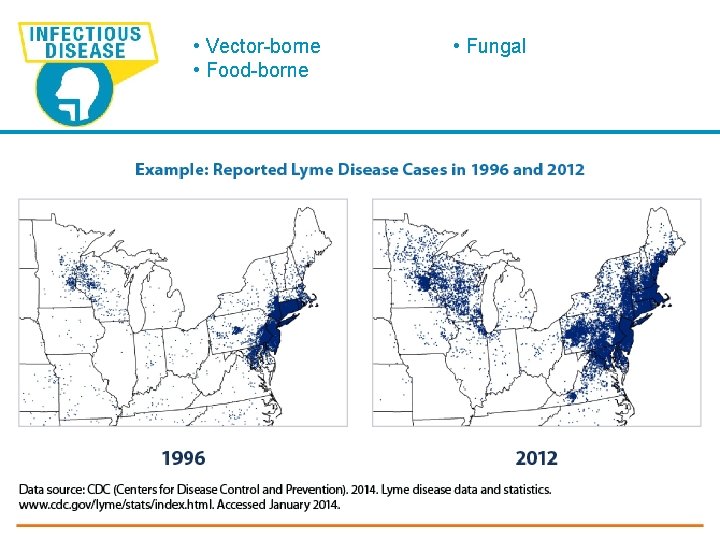
• Vector-borne • Food-borne • Fungal
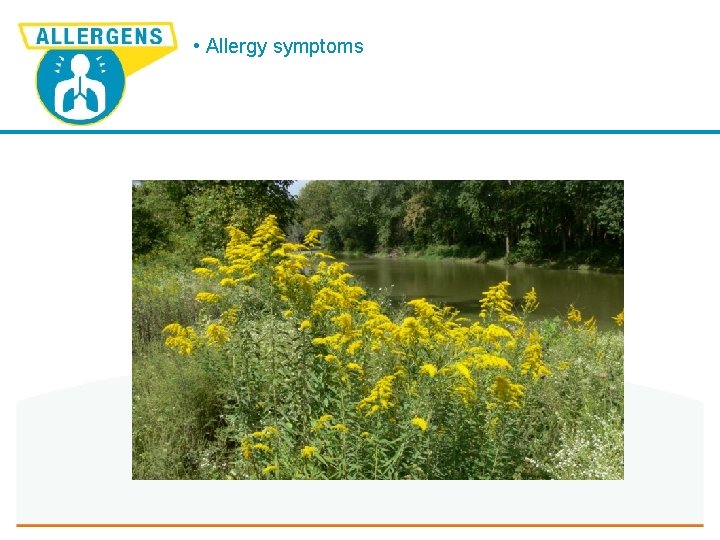
• Allergy symptoms
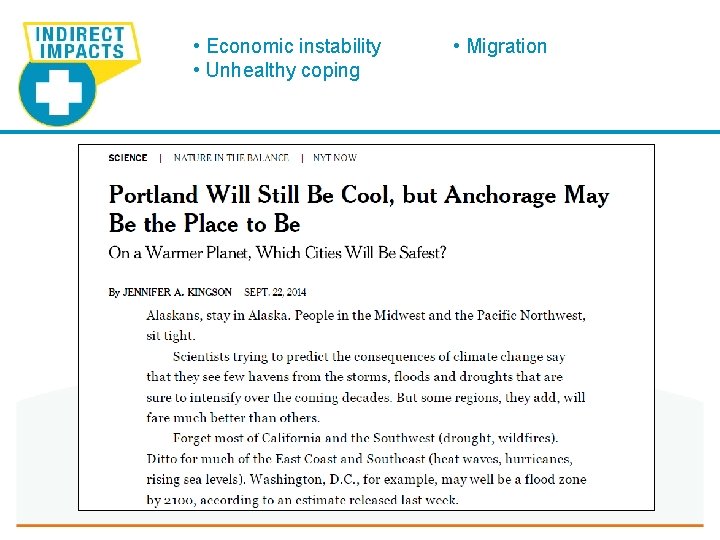
• Economic instability • Unhealthy coping • Migration

Climate change is happening in Oregon Our health and safety are at risk Some communities will be affected more than others We can work together to protect our families and communities
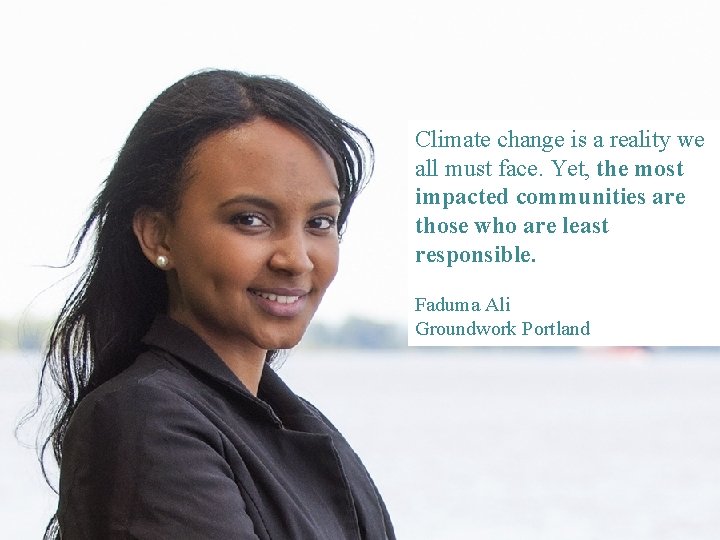
Climate change is a reality we all must face. Yet, the most impacted communities are those who are least responsible. Faduma Ali Groundwork Portland (Enter) DEPARTMENT (ALL CAPS) (Enter) Division or Office (Mixed Case)
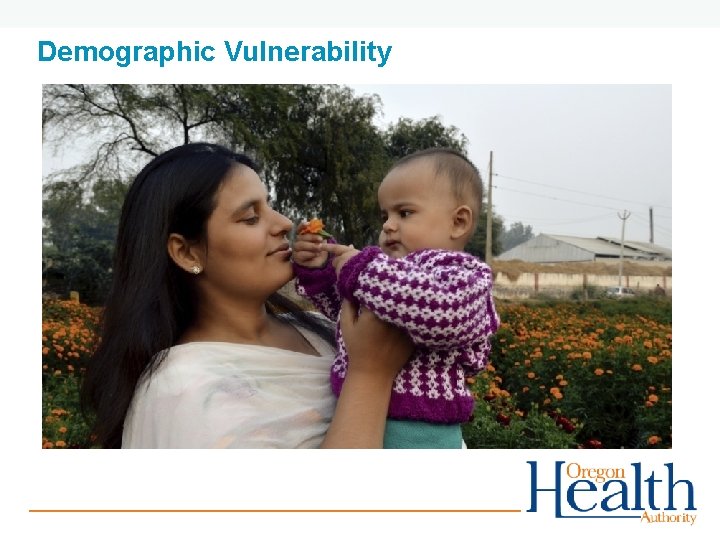
Demographic Vulnerability
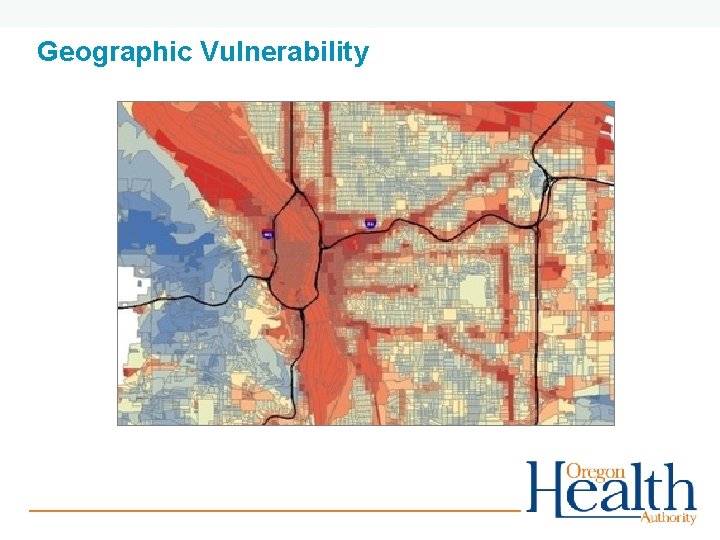
Geographic Vulnerability
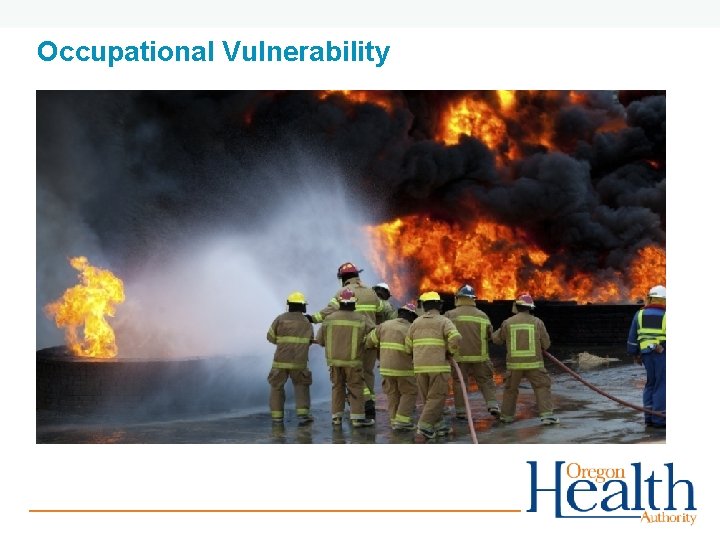
Occupational Vulnerability
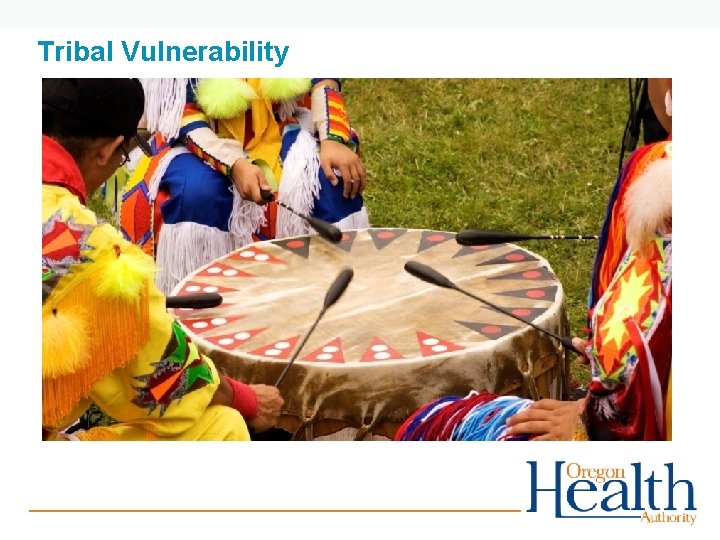
Tribal Vulnerability
Climate change is happening in Oregon Our health and safety are at risk Some communities will be affected more than others We can work together to protect our families and communities
Climate and Health Planning Toolkit • What are our climate risks? • Who is most at risk? • What do we have the capacity to do? • What should we plan to do? • How do we know if it’s working?
Discussion Questions • What stands out as major areas of concern? • Are we currently experiencing challenges related to climate change? • Do we feel prepared for the public health challenges ahead? • What kinds of climate planning are already underway? • Where are there opportunities for further collaboration?
- Slides: 33