
BOTANY The Study of the plant kingdom Examples
BOTANY The Study of the plant kingdom
Examples
Characteristics of Plant Kingdom § Are multicellular eukaryotes that are photosynthetic autotrophs § Contain chloroplasts with chlorophyll a § Cell walls made of cellulose § Carbohydrates are stored as starch in plastids § All undergo mitosis and nearly all have sexual reproduction
Classification of Plants § § § § Kingdom - Plantae Division (-phyta) Class (-opsida) Subclass (-idae) Order (-ales) Family (-aceae) Genus Species (Genus + specific epithet)
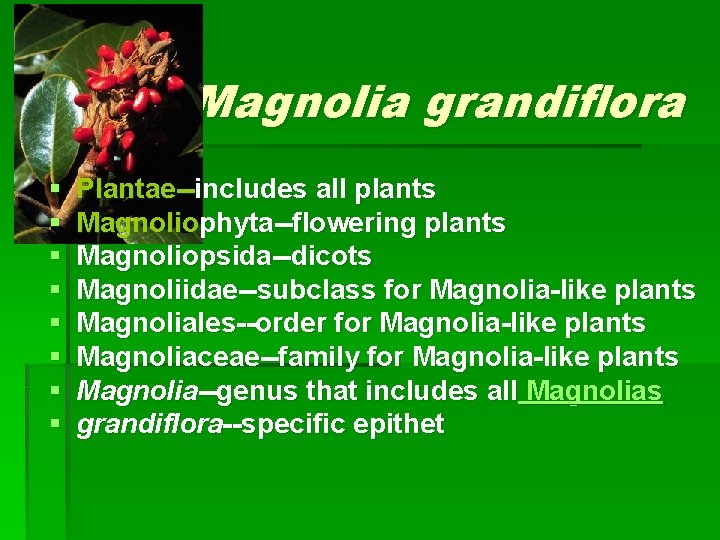
Magnolia grandiflora § § § § Plantae--includes all plants Magnoliophyta--flowering plants Magnoliopsida--dicots Magnoliidae--subclass for Magnolia-like plants Magnoliales--order for Magnolia-like plants Magnoliaceae--family for Magnolia-like plants Magnolia--genus that includes all Magnolias grandiflora--specific epithet
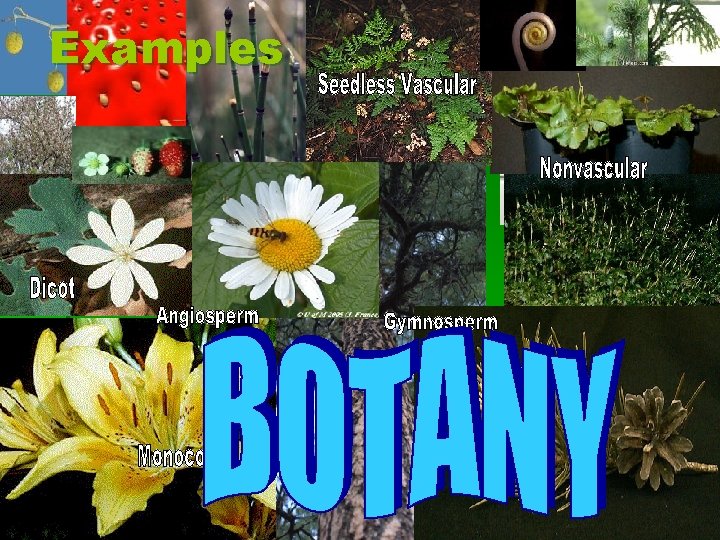
Angiosperms § Flowering plants … are the most widespread and diverse § Classes include: Ø Monocotyledons (Monocots) Ø Dicotyledons (Dicots) ( now called Eudicot)
Differences between Monocots and Dicots § Monocots: Ø flower parts in 3 s Ø one cotyledon Ø scattered vascular bundles Ø parallel veins in leaves Ø Fiberous root Ø Examples: grass, lilies, orchids § Dicots: Ø flower parts: 4 s & 5 s Ø 2 cotyledons Ø vascular bundles in rings Ø netlike veins in leaves Ø tap root Ø Examples: bean, spinach, rose
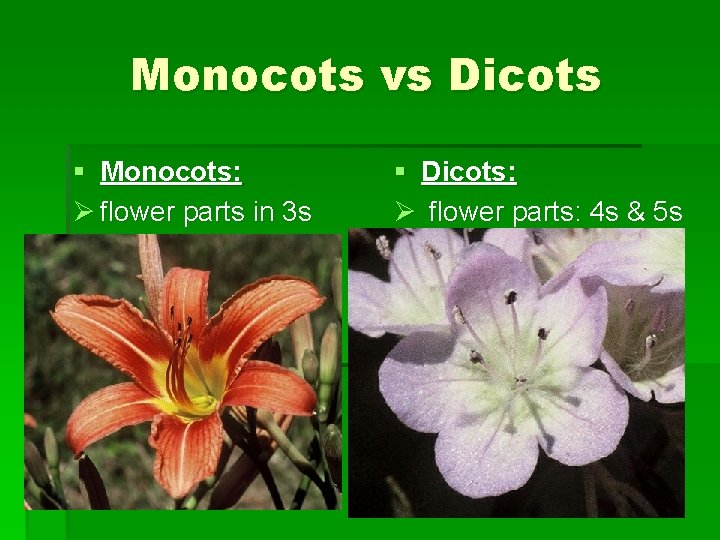
Monocots vs Dicots § Monocots: Ø flower parts in 3 s § Dicots: Ø flower parts: 4 s & 5 s
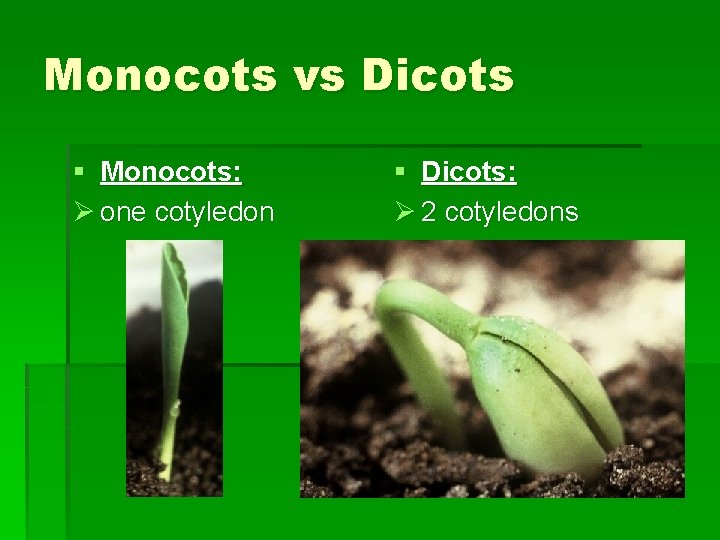
Monocots vs Dicots § Monocots: Ø one cotyledon § Dicots: Ø 2 cotyledons
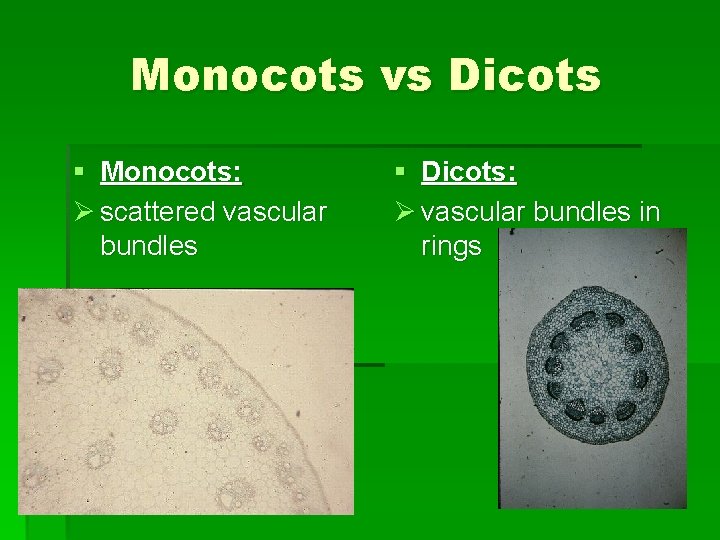
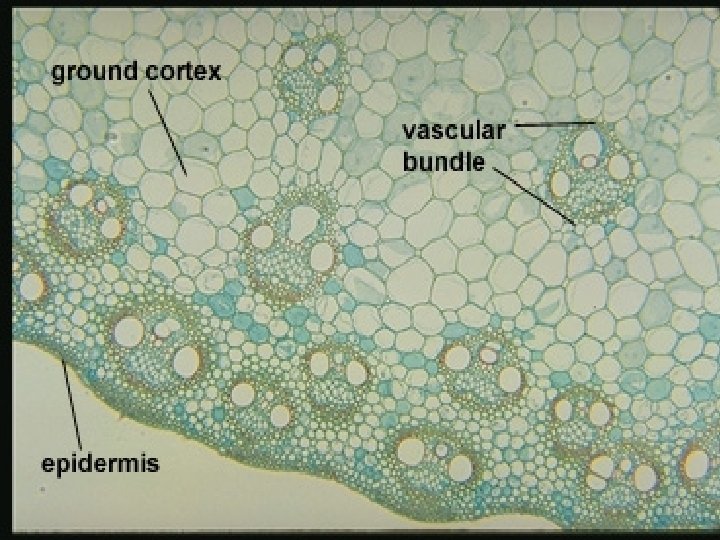
Monocots vs Dicots § Monocots: Ø scattered vascular bundles § Dicots: Ø vascular bundles in rings
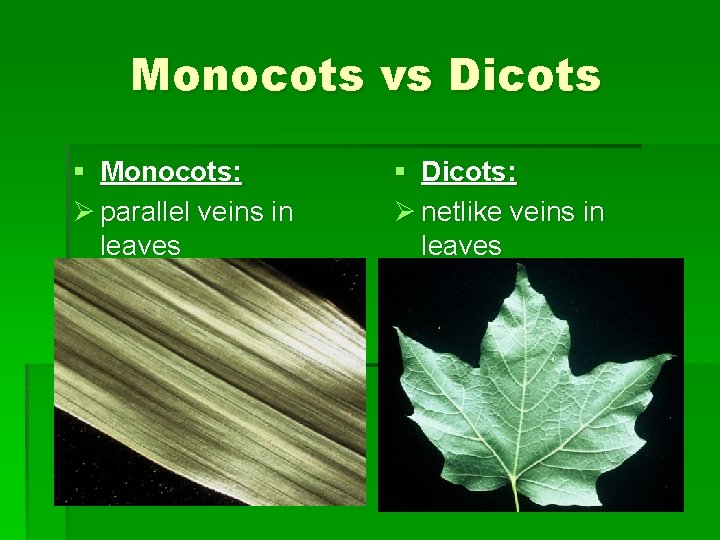
Monocots vs Dicots § Monocots: Ø parallel veins in leaves § Dicots: Ø netlike veins in leaves
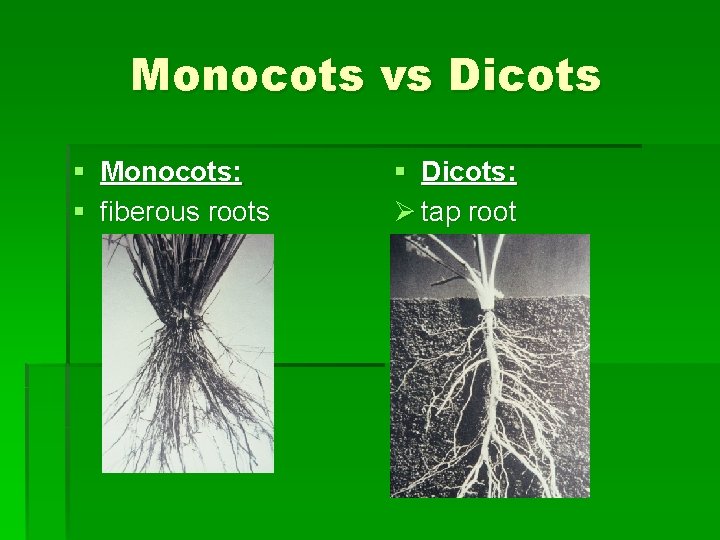
Monocots vs Dicots § Monocots: § fiberous roots § Dicots: Ø tap root

As Harriet turned the page, a scream escaped her lips. There was Donald—his strange disappearance no longer a mystery.
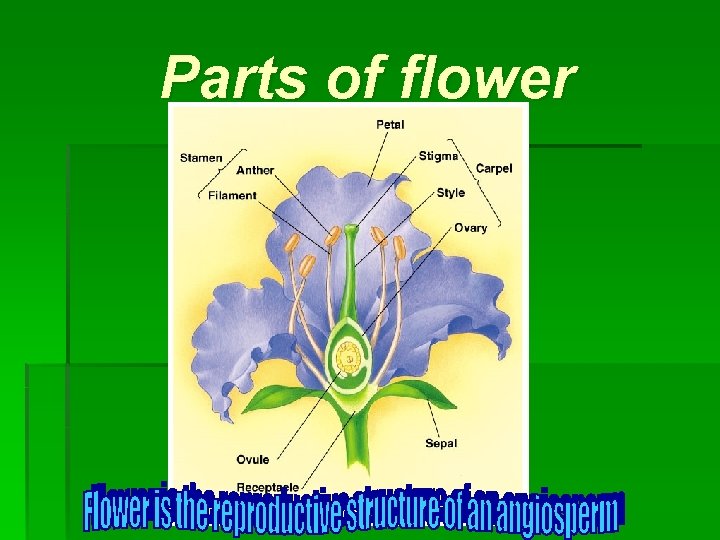
Parts of flower
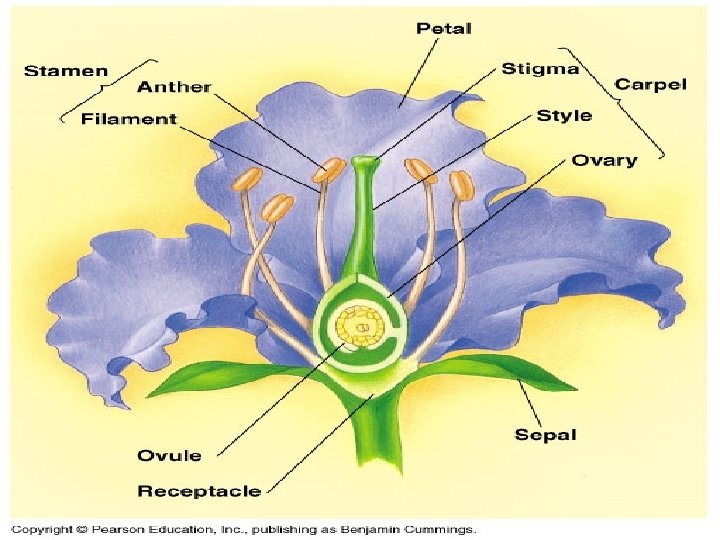
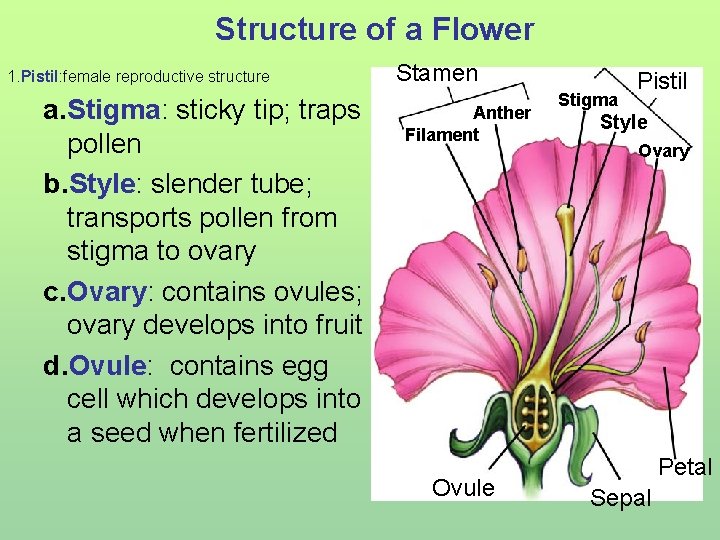
Structure of a Flower 1. Pistil: female reproductive structure a. Stigma: sticky tip; traps pollen b. Style: slender tube; transports pollen from stigma to ovary c. Ovary: contains ovules; ovary develops into fruit d. Ovule: contains egg cell which develops into a seed when fertilized Stamen Anther Filament Ovule Stigma Pistil Style Ovary Petal Sepal
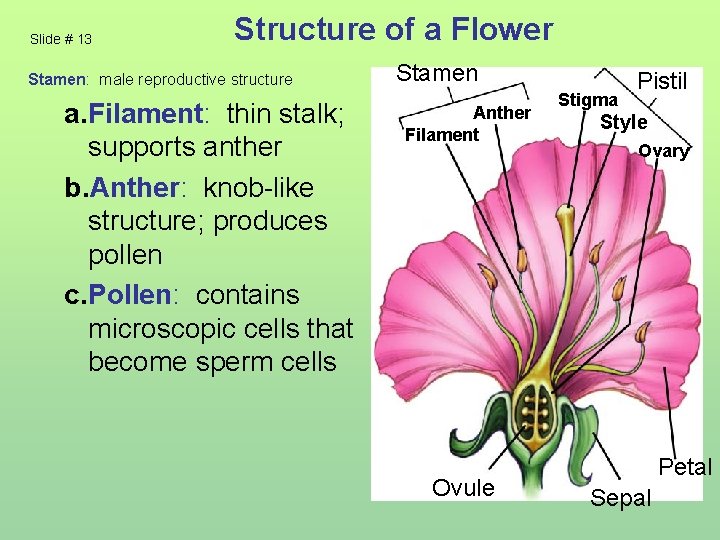
Slide # 13 Structure of a Flower Stamen: male reproductive structure a. Filament: thin stalk; supports anther b. Anther: knob-like structure; produces pollen c. Pollen: contains microscopic cells that become sperm cells Stamen Anther Filament Ovule Stigma Pistil Style Ovary Petal Sepal
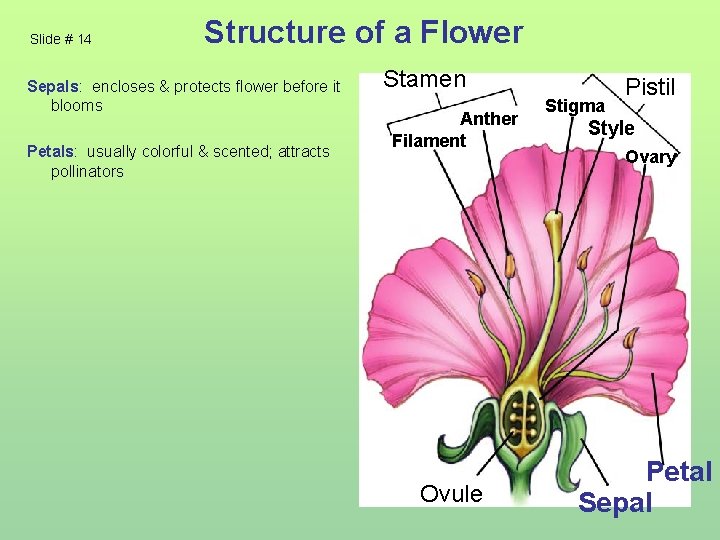
Slide # 14 Structure of a Flower Sepals: encloses & protects flower before it blooms Petals: usually colorful & scented; attracts pollinators Stamen Anther Filament Ovule Stigma Pistil Style Ovary Petal Sepal

"And now we're going to play she-loves-me, she-loves-menot!
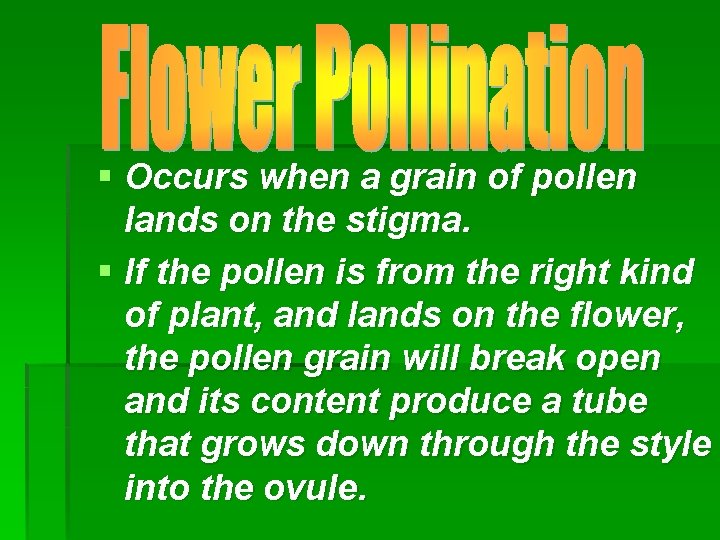
§ Occurs when a grain of pollen lands on the stigma. § If the pollen is from the right kind of plant, and lands on the flower, the pollen grain will break open and its content produce a tube that grows down through the style into the ovule.
§ When the tube has finished growing , a sperm cell emerges from the tube and fertilizes the egg cell in the ovule. § If everything goes right, pollination is followed by fertilization
§ During fertilization, the pollen grain breaks out of the hard cell wall. § The fertilized egg and the ovule that surround it become ( develops into ) the seed
Fruit Ripened ovary that protects dormant seeds and aids in their dispersal
Fruit § Fruit can be classified as being: Ø Fleshy: What we think of as fruit. Ø Dry Indehiscent: Do not open at maturity Ø Dry Dehiscent: Open at maturity
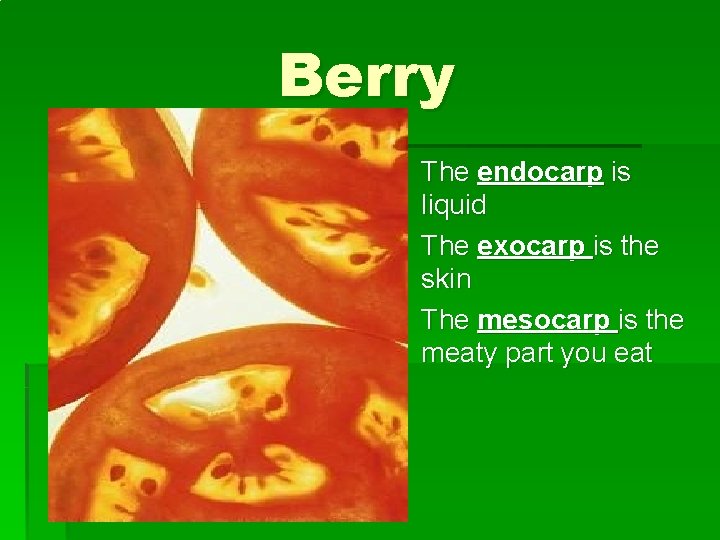
Berry § The endocarp is liquid § The exocarp is the skin § The mesocarp is the meaty part you eat
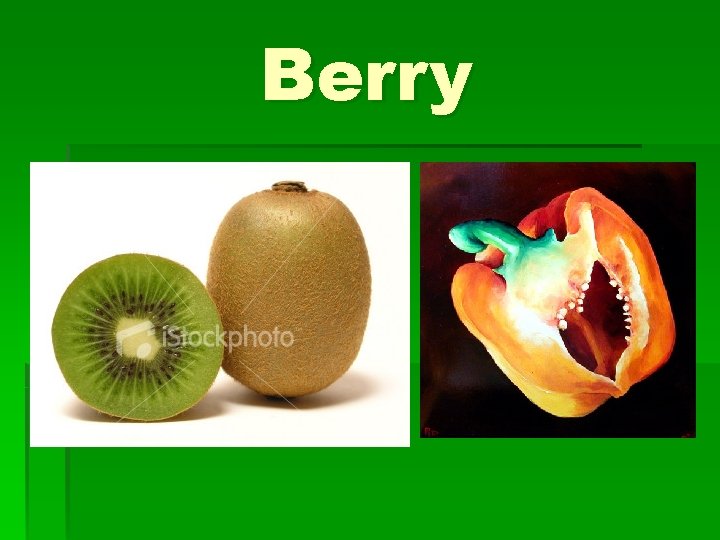
Berry
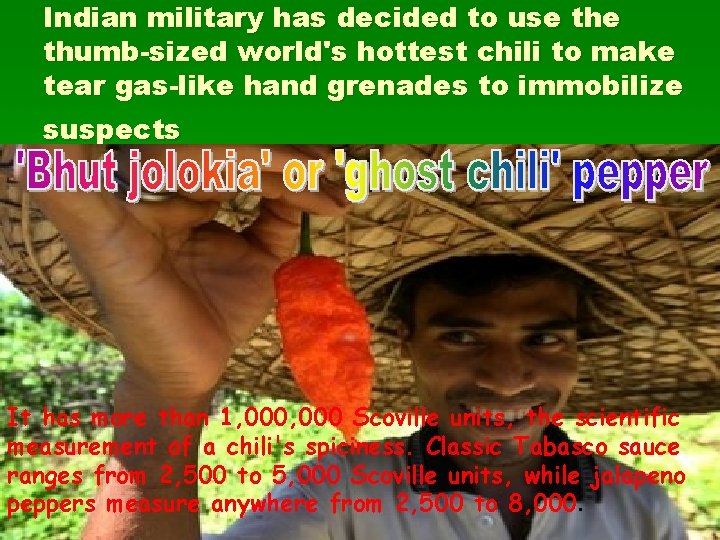
Indian military has decided to use thumb-sized world's hottest chili to make tear gas-like hand grenades to immobilize suspects It has more than 1, 000 Scoville units, the scientific measurement of a chili's spiciness. Classic Tabasco sauce ranges from 2, 500 to 5, 000 Scoville units, while jalapeno peppers measure anywhere from 2, 500 to 8, 000.
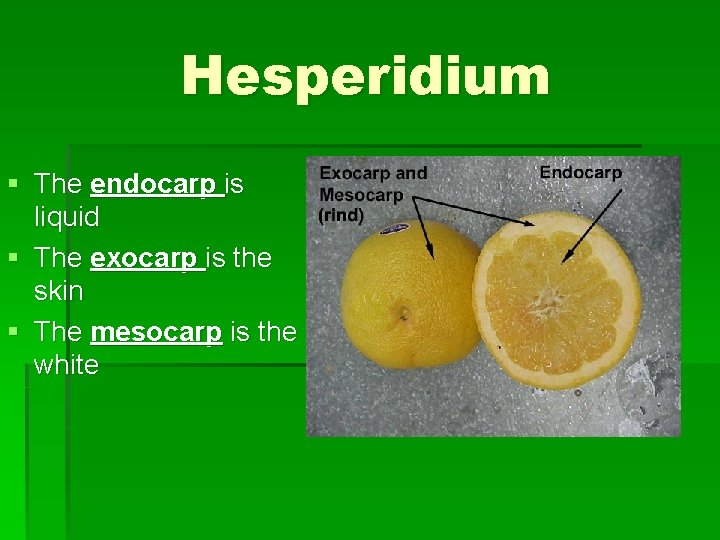
Hesperidium § The endocarp is liquid § The exocarp is the skin § The mesocarp is the white
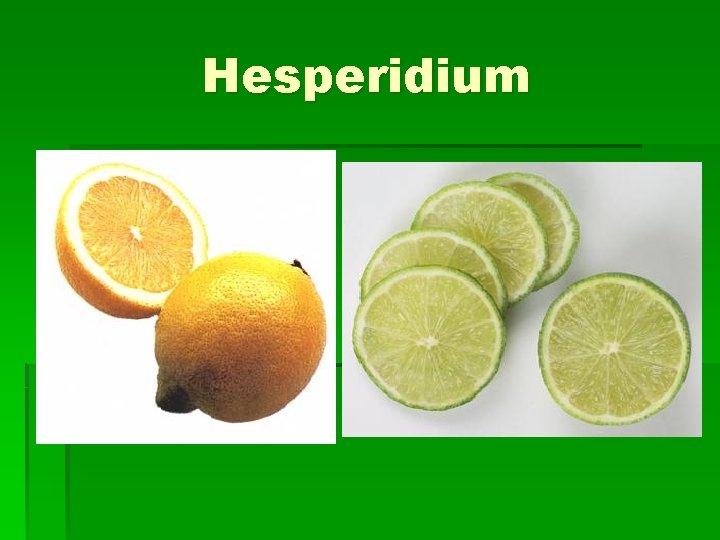
Hesperidium
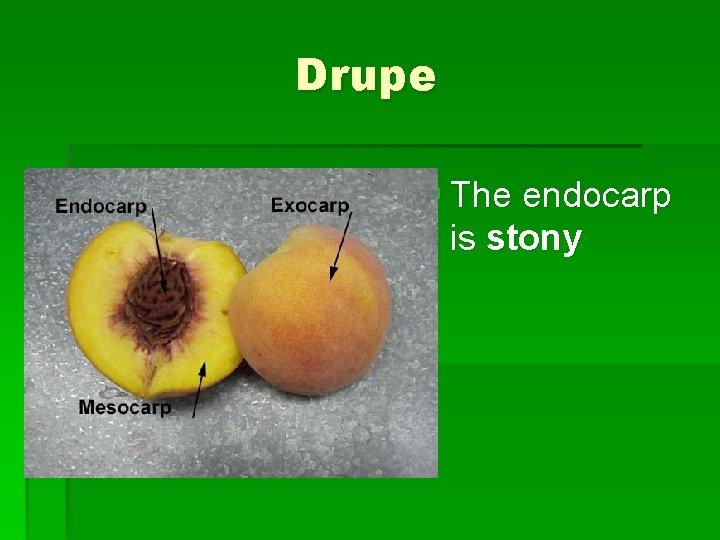
Drupe § The endocarp is stony
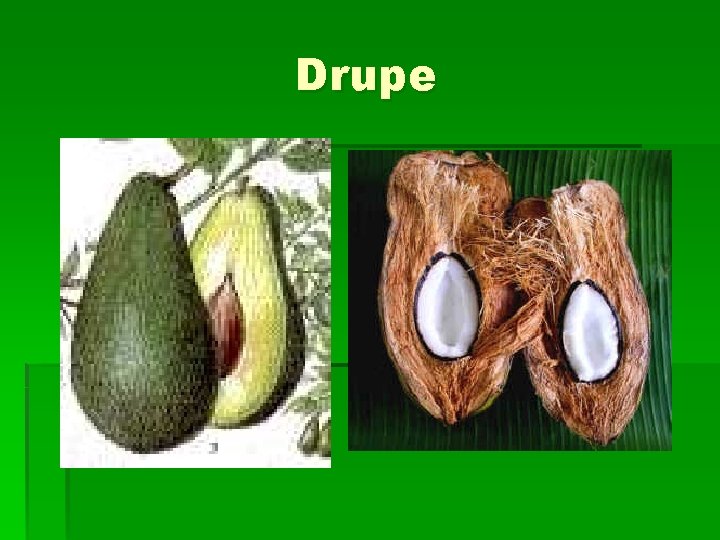
Drupe
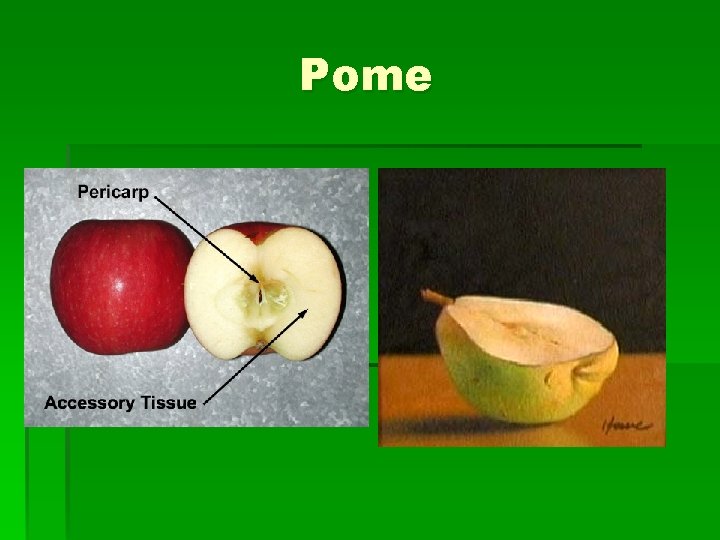
Pome
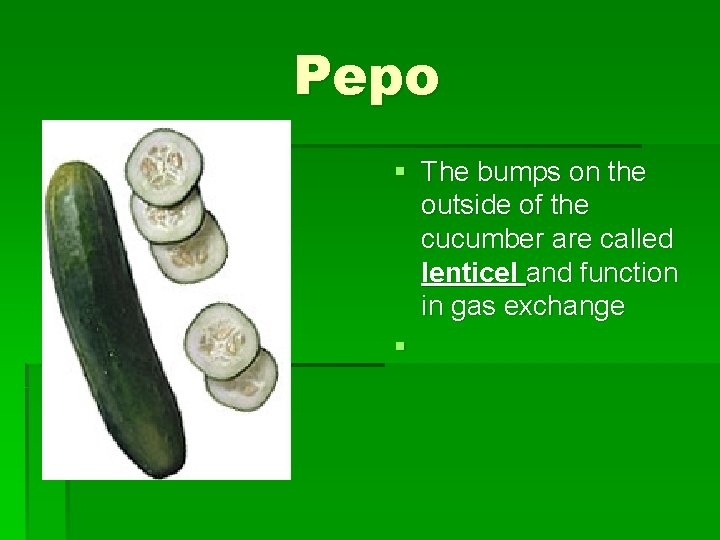
Pepo § The bumps on the outside of the cucumber are called lenticel and function in gas exchange §
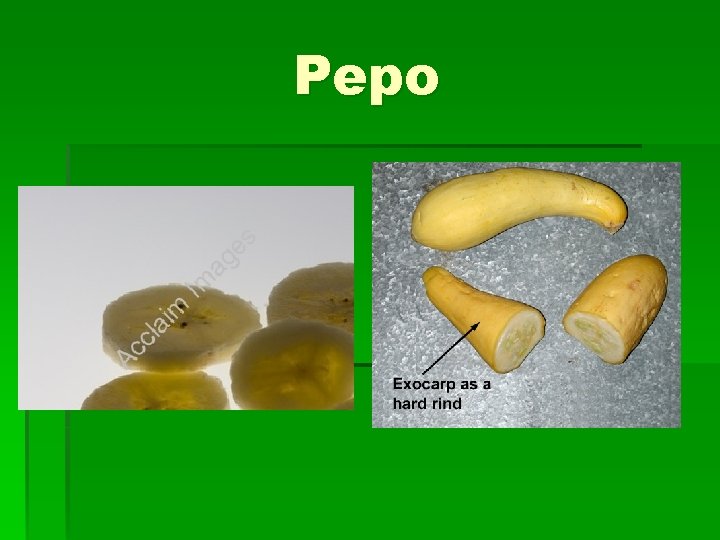
Pepo
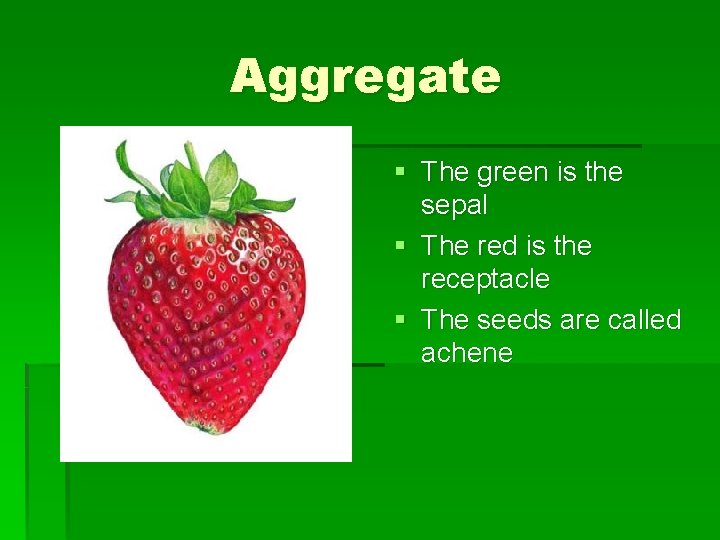
Aggregate § The green is the sepal § The red is the receptacle § The seeds are called achene
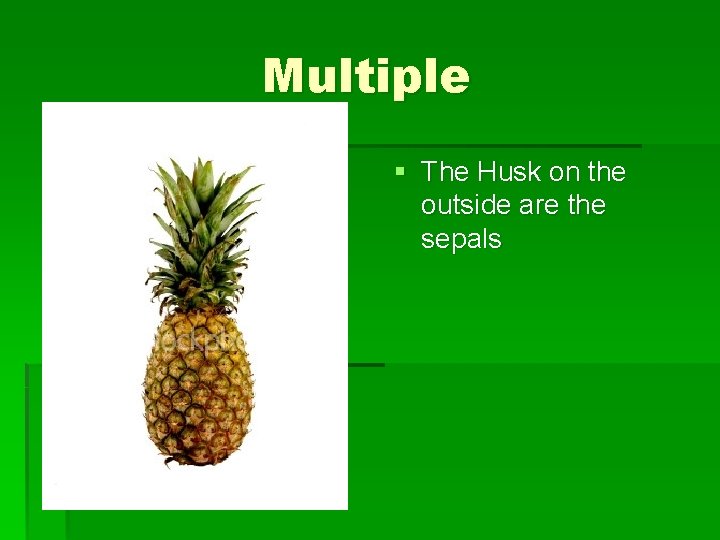
Multiple § The Husk on the outside are the sepals
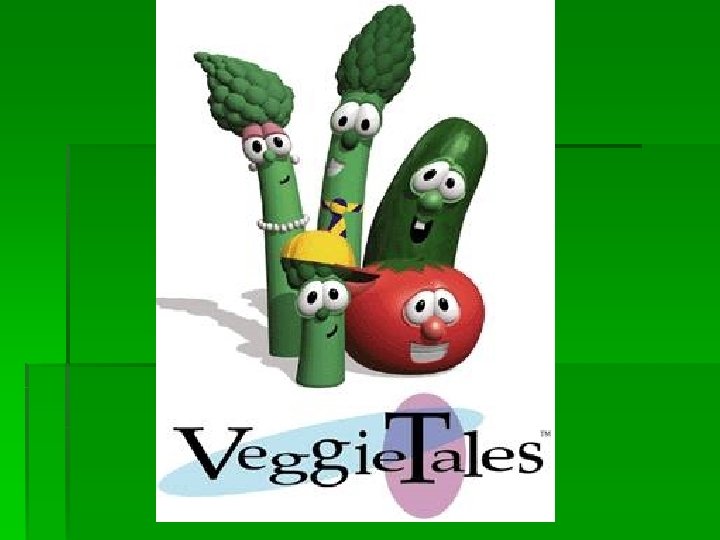

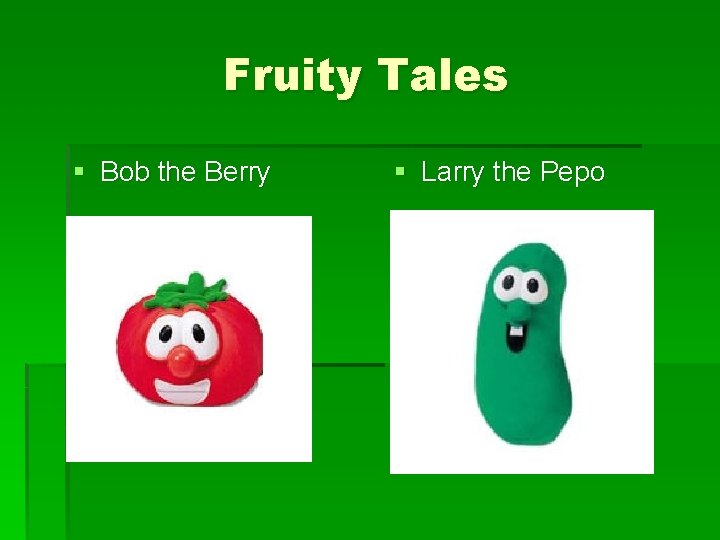
Fruity Tales § Bob the Berry § Larry the Pepo
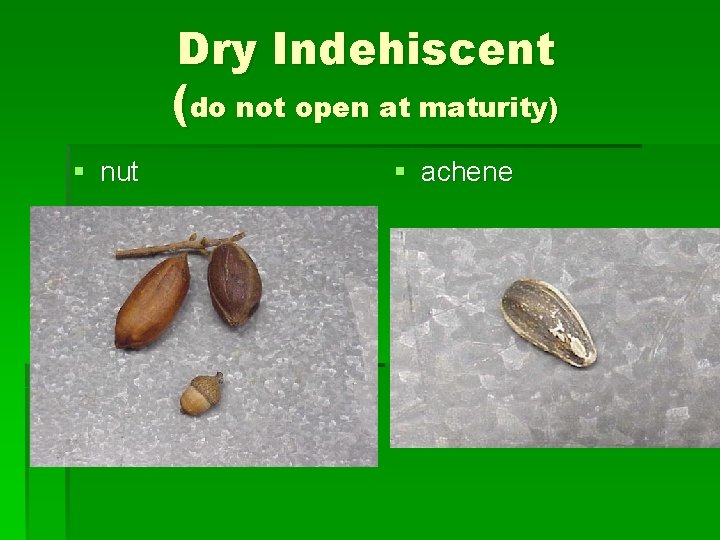
Dry Indehiscent (do not open at maturity) § nut § achene
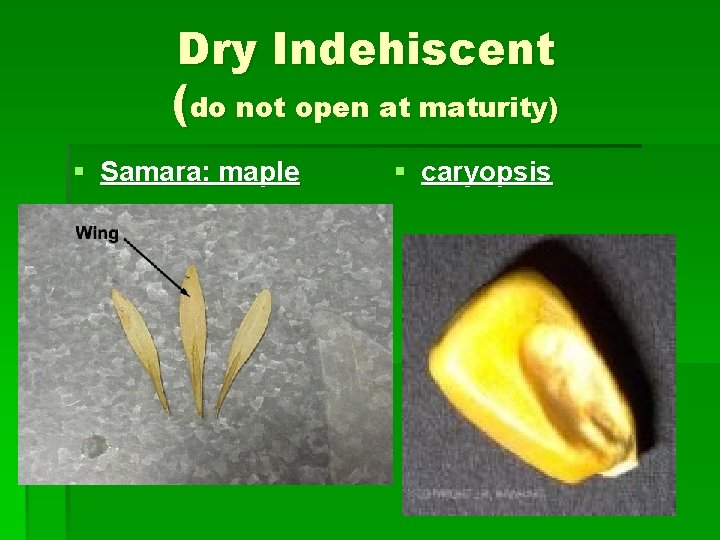
Dry Indehiscent (do not open at maturity) § Samara: maple § caryopsis
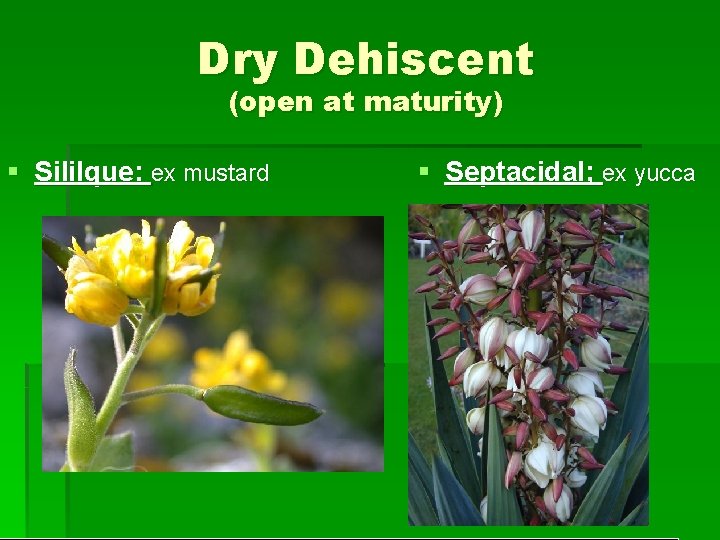
Dry Dehiscent (open at maturity) § Sililque: ex mustard § Septacidal; ex yucca
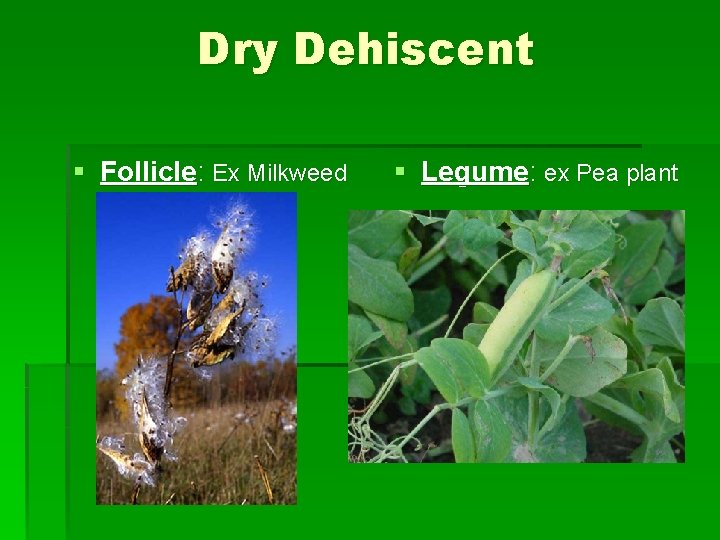
Dry Dehiscent § Follicle: Ex Milkweed § Legume: ex Pea plant
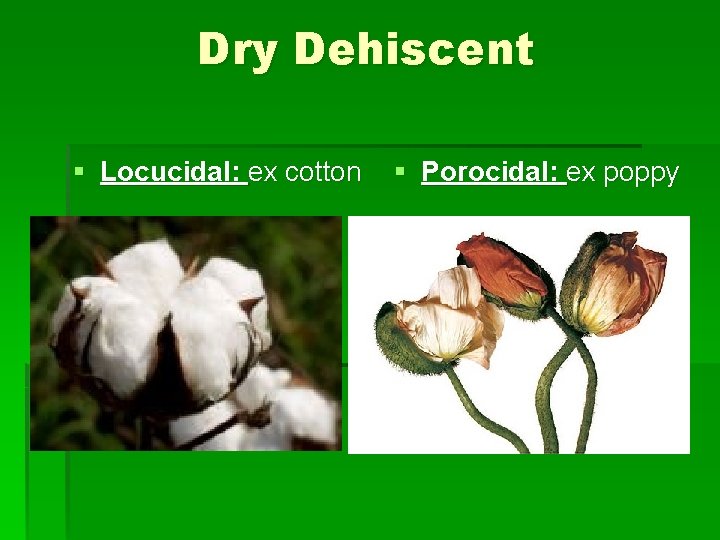
Dry Dehiscent § Locucidal: ex cotton § Porocidal: ex poppy
Root System § Functions: § § Anchorage support Absorption translocation § 2 Broad classifications: 1. Fiberous root 2. Tap roots:
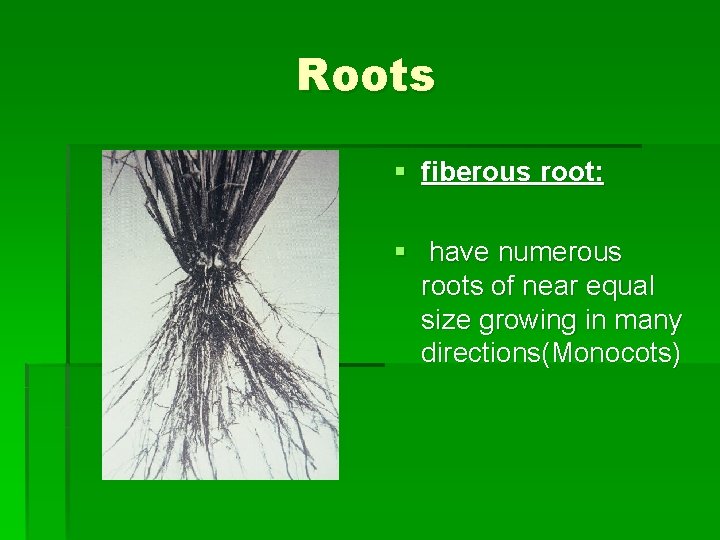
Roots § fiberous root: § have numerous roots of near equal size growing in many directions(Monocots)
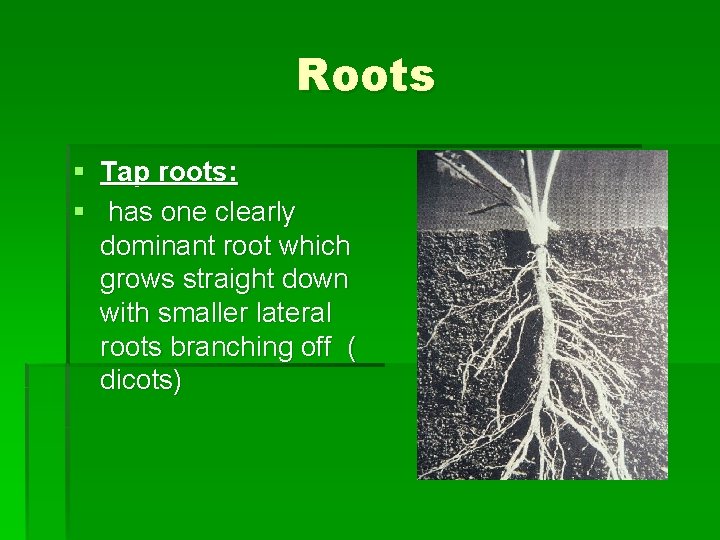
Roots § Tap roots: § has one clearly dominant root which grows straight down with smaller lateral roots branching off ( dicots)
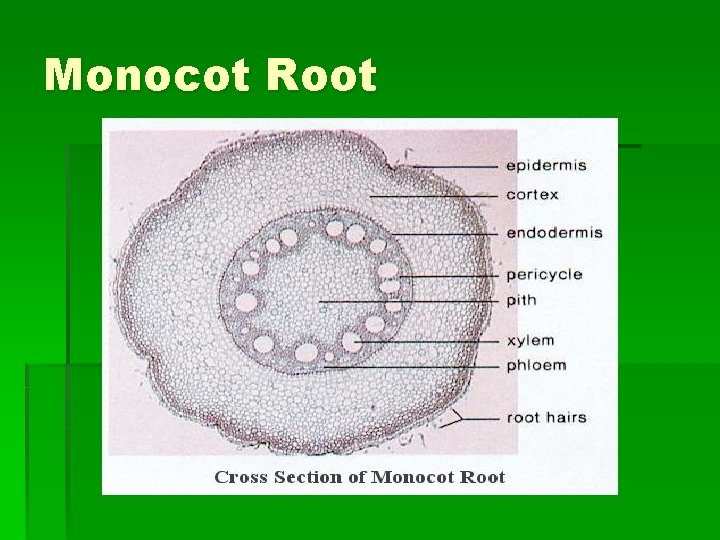
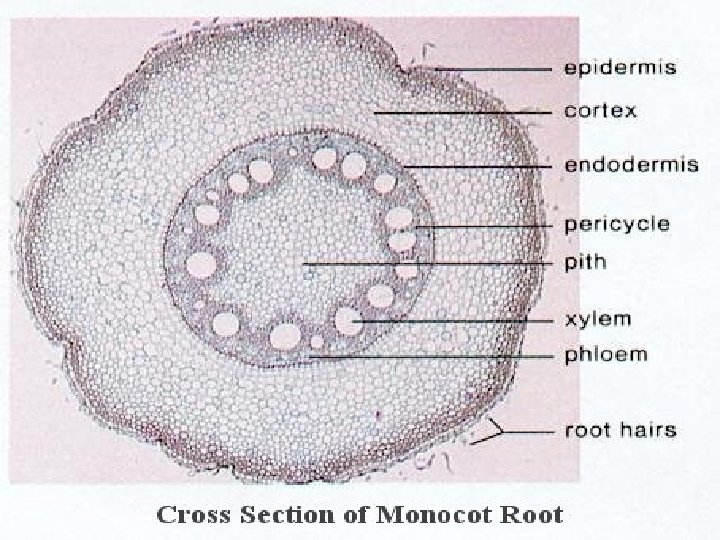
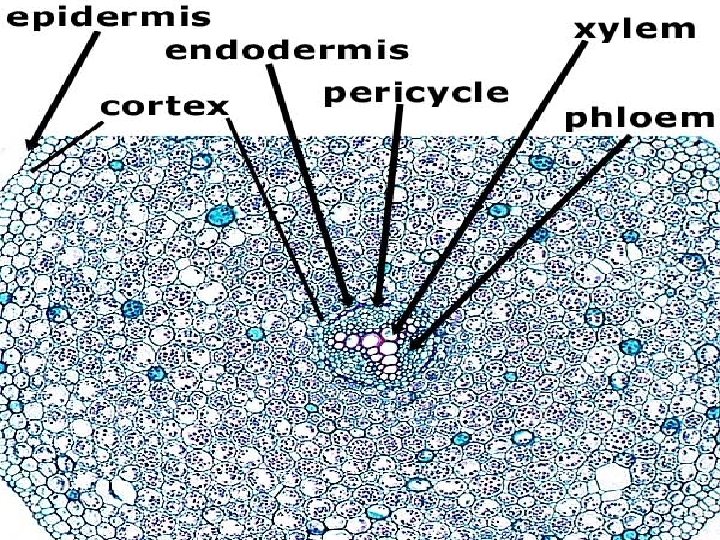
Monocot Root
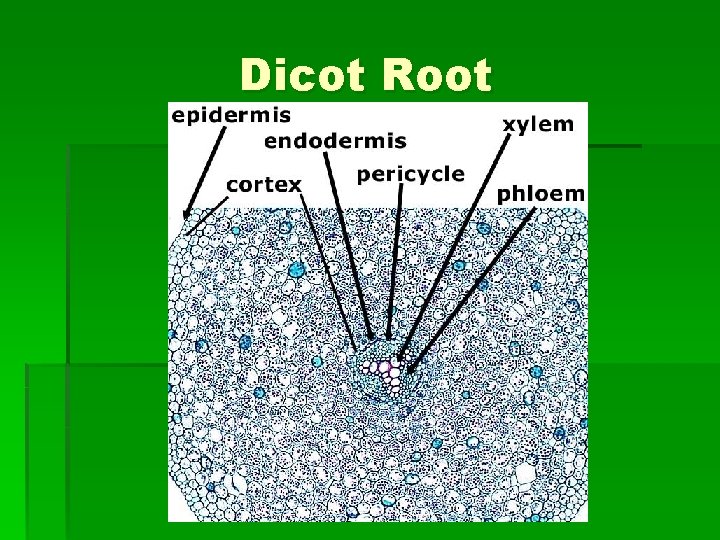
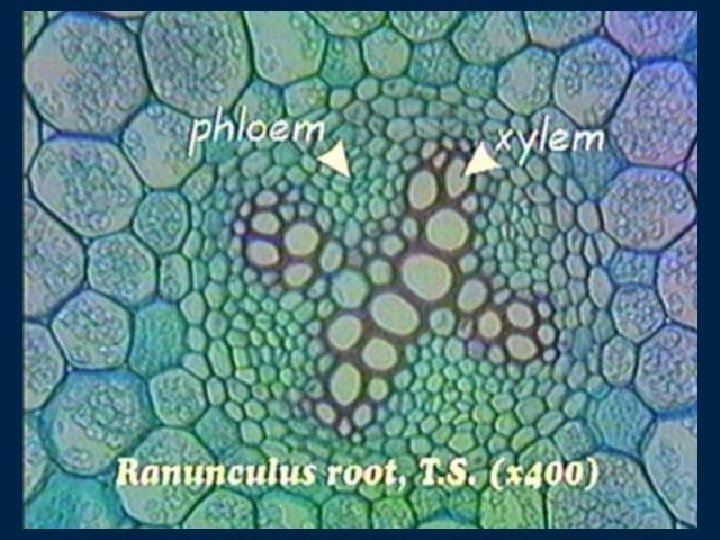
Dicot Root
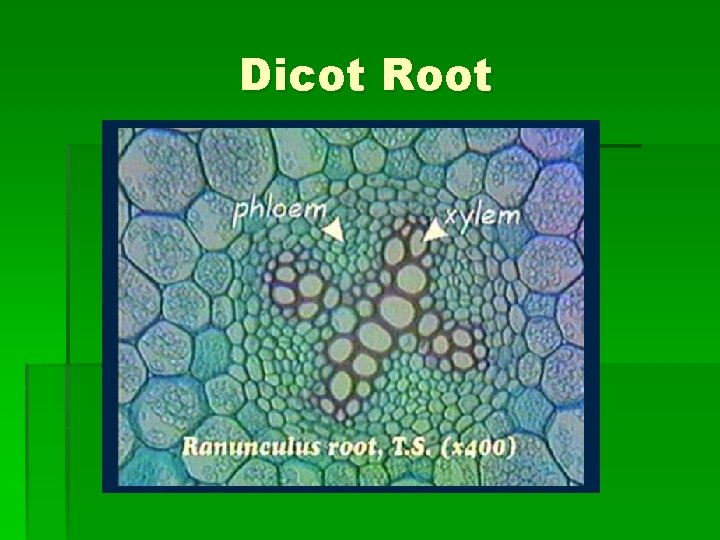
Dicot Root
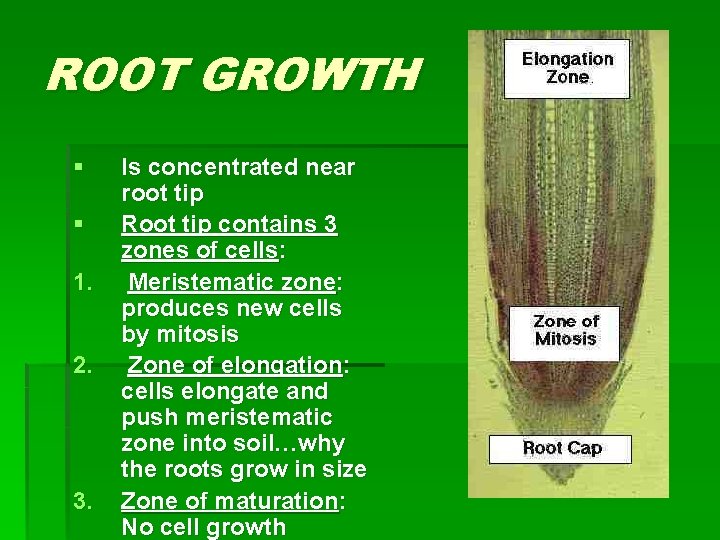
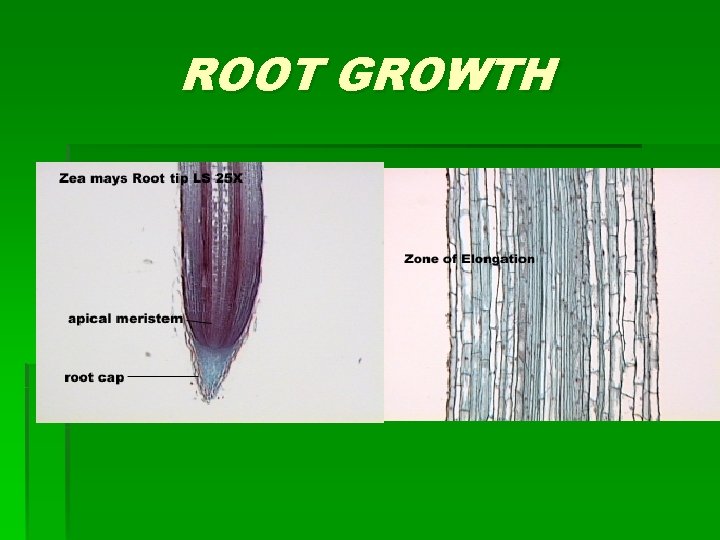
ROOT GROWTH § § 1. 2. 3. Is concentrated near root tip Root tip contains 3 zones of cells: Meristematic zone: produces new cells by mitosis Zone of elongation: cells elongate and push meristematic zone into soil…why the roots grow in size Zone of maturation: No cell growth
ROOT GROWTH
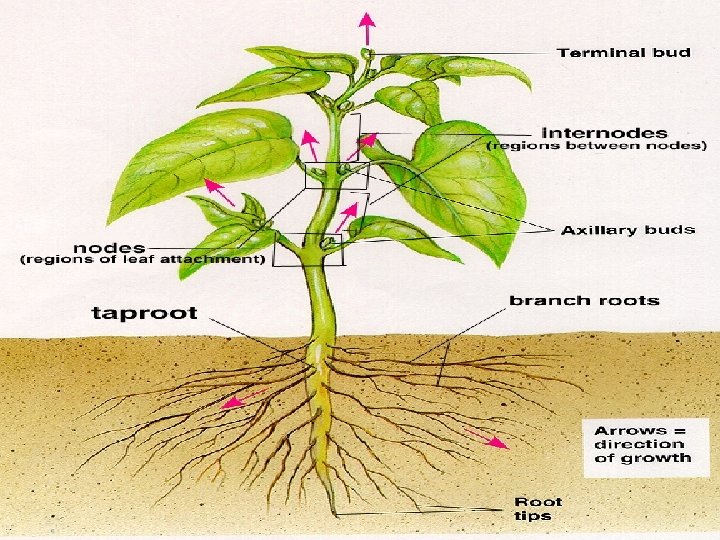
Stems Functions food storage support for leaves, flowers and fruit
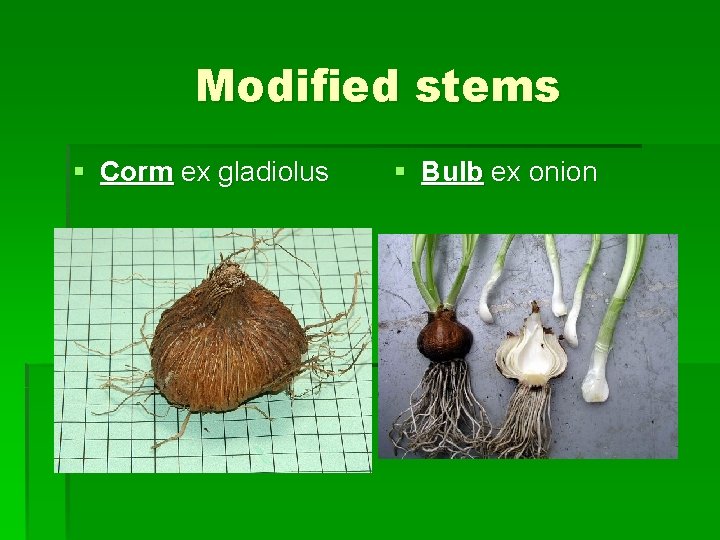
Modified stems § Corm ex gladiolus § Bulb ex onion
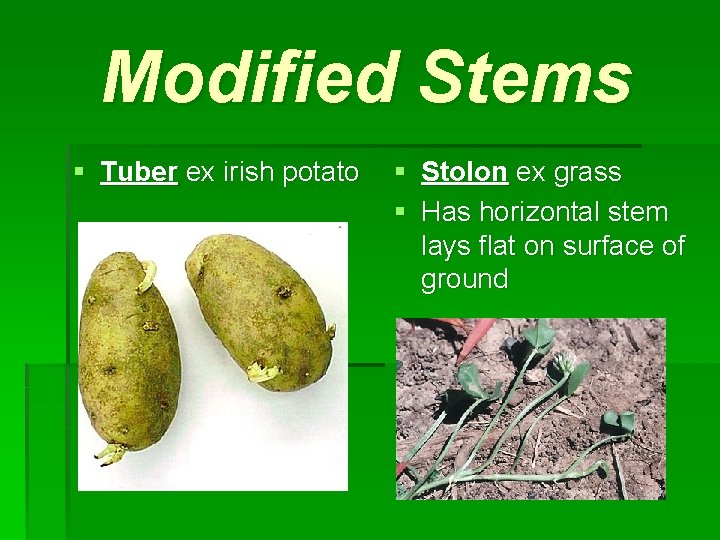
Modified Stems § Tuber ex irish potato § Stolon ex grass § Has horizontal stem lays flat on surface of ground
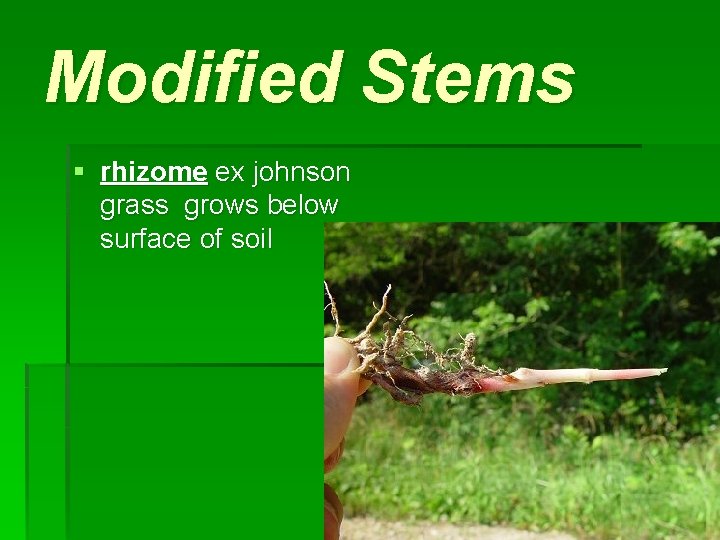
Modified Stems § rhizome ex johnson grass grows below surface of soil
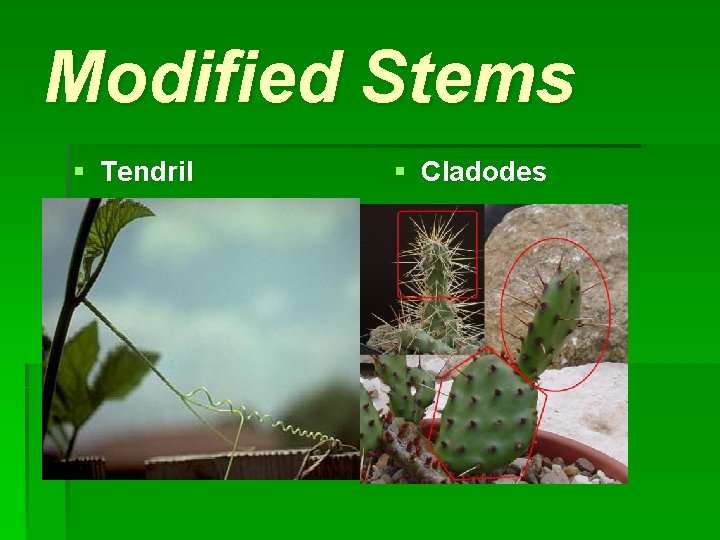
Modified Stems § Tendril § Cladodes
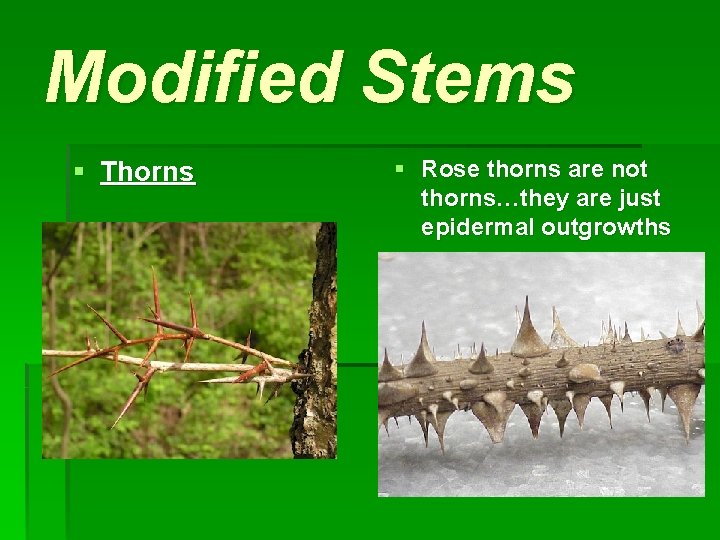
Modified Stems § Thorns § Rose thorns are not thorns…they are just epidermal outgrowths
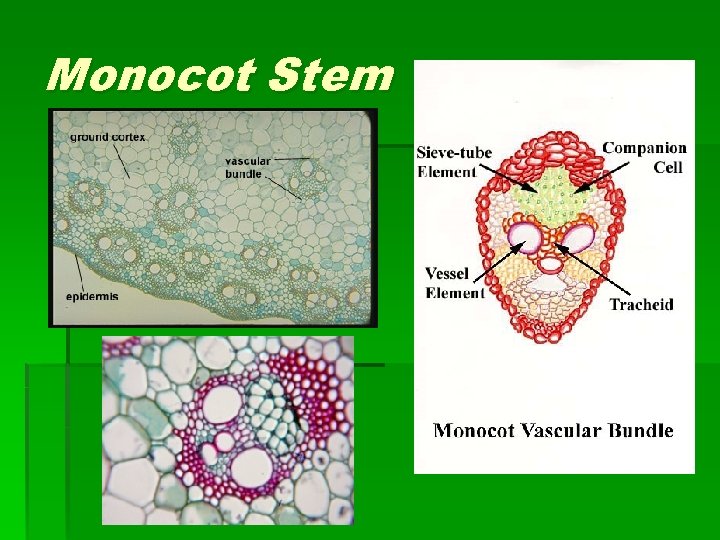
Monocot Stem
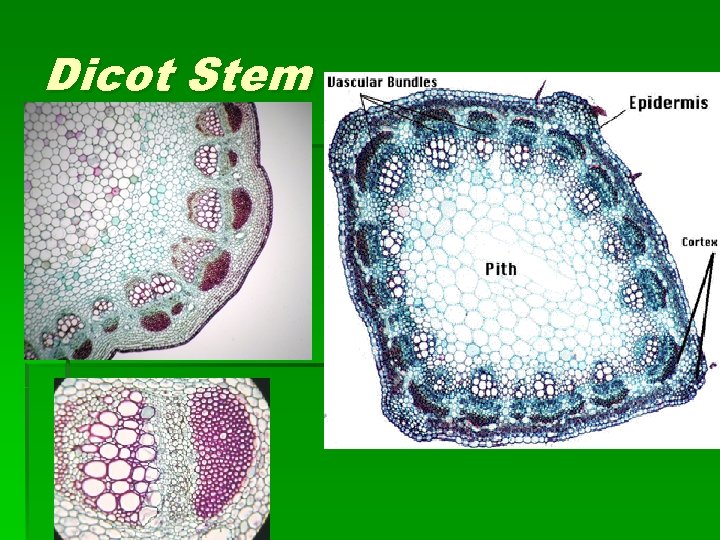
Dicot Stem
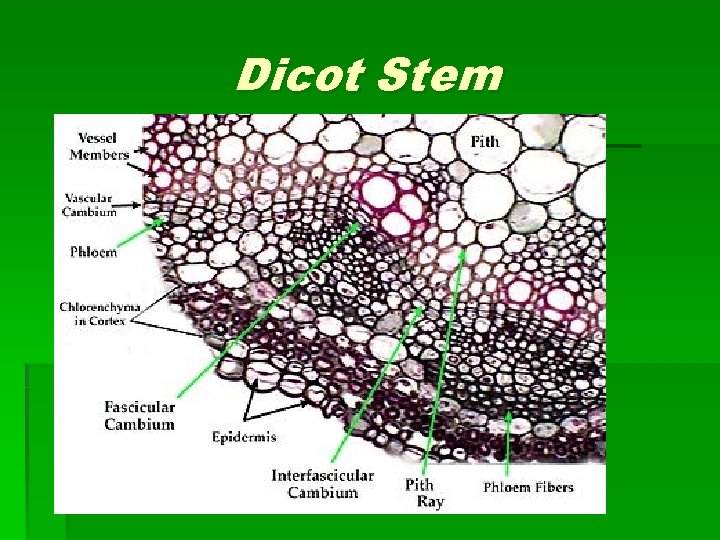
Dicot Stem
2 ways Plants grow § 1. increase in length= Primary growth § 2. Increase in width = secondary growth
Leaves § Photosynthetic part of plant § Leaf venation can be: Parallel, Netted (pinnately and palmately) § Simple compound
§ 1. Annuals: live for 1 growing season and produce seeds § 2. Biennuals: produce only vegetative growth 1 st season and viable sees before they die § 3. Perennials: live 3 or more years and produce viable seeds each year
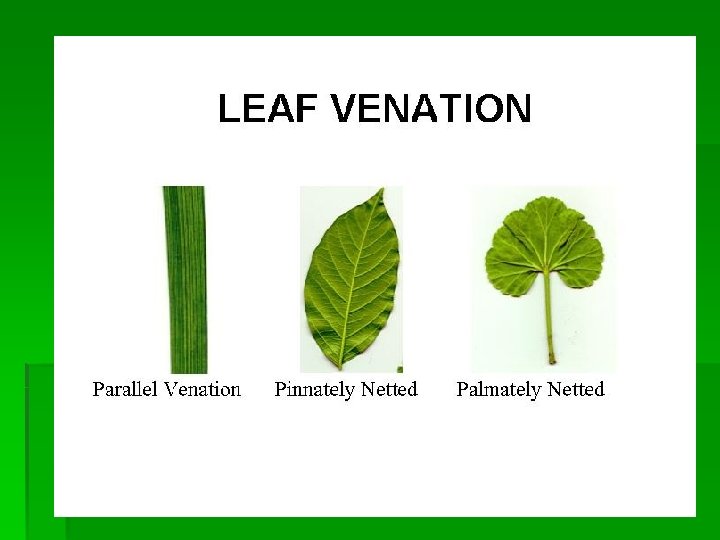
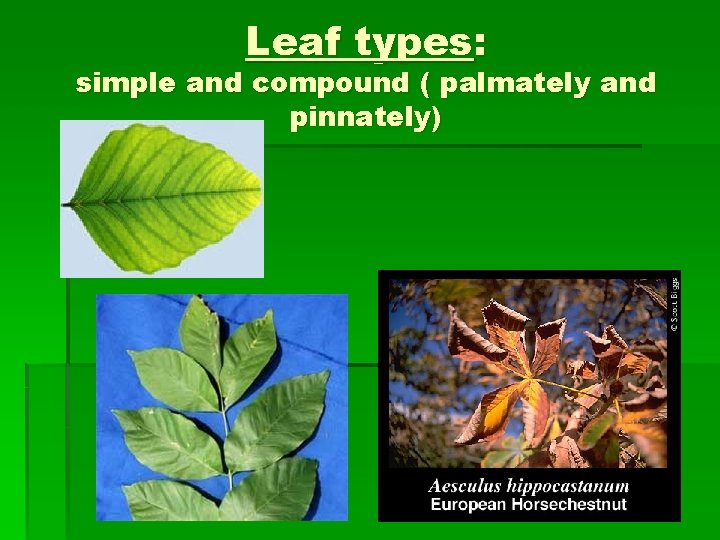
Leaf types: simple and compound ( palmately and pinnately)
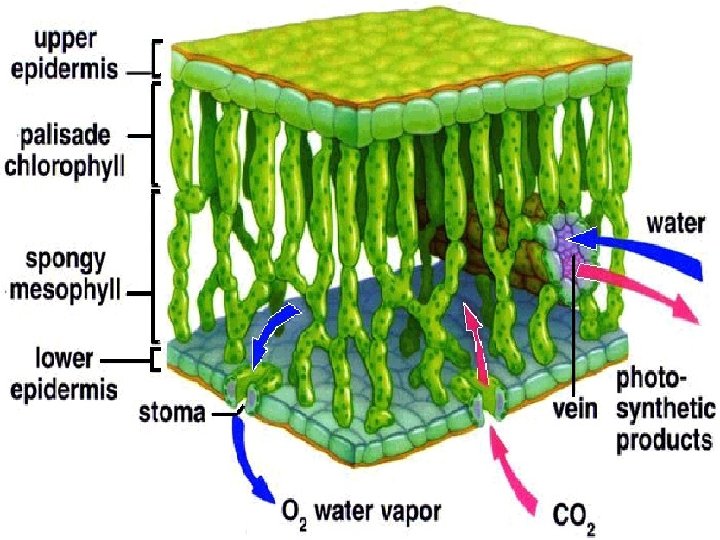
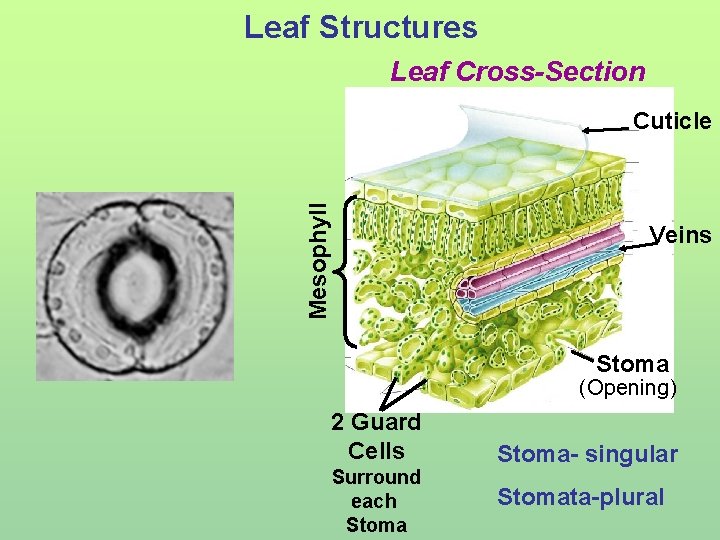
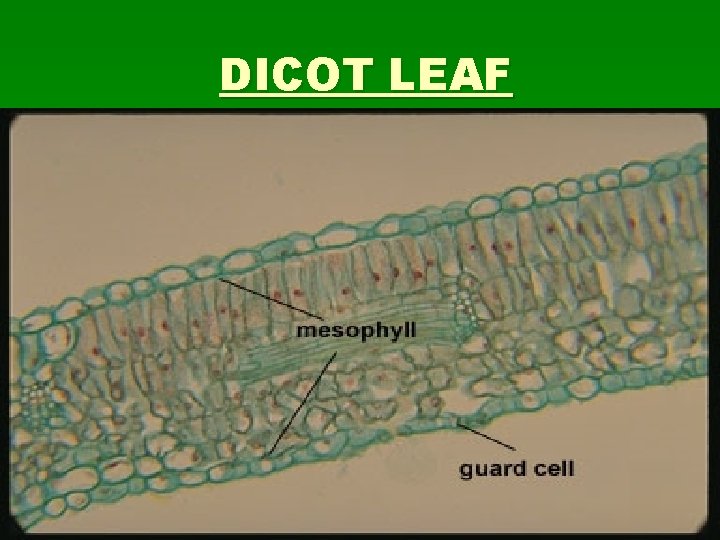
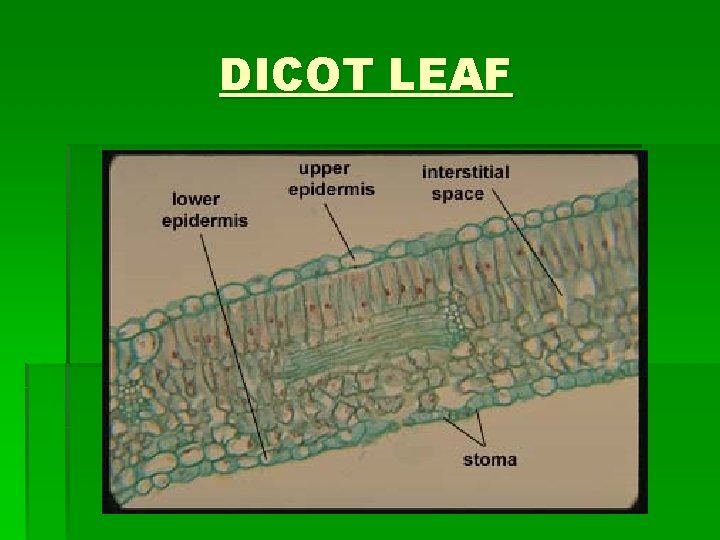
Leaf Structures Leaf Cross-Section Mesophyll Cuticle Veins Stoma (Opening) 2 Guard Cells Surround each Stoma- singular Stomata-plural
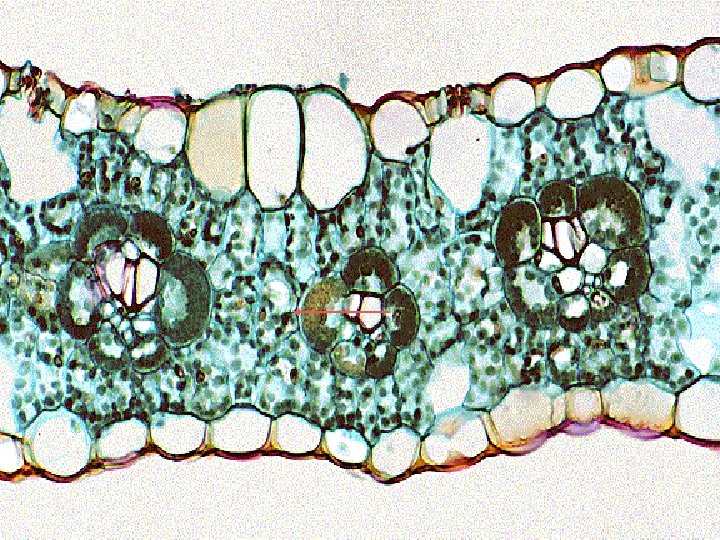
BOTANY § Zea mays leaf, x. s. § Leaf vein
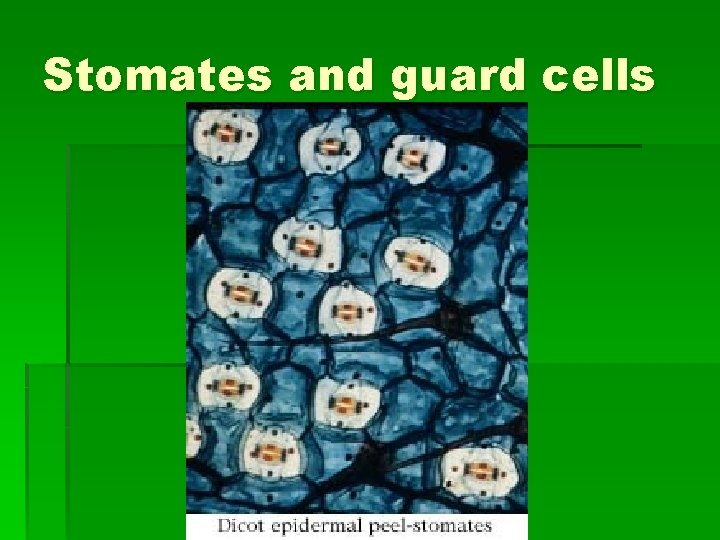
Stomates and guard cells
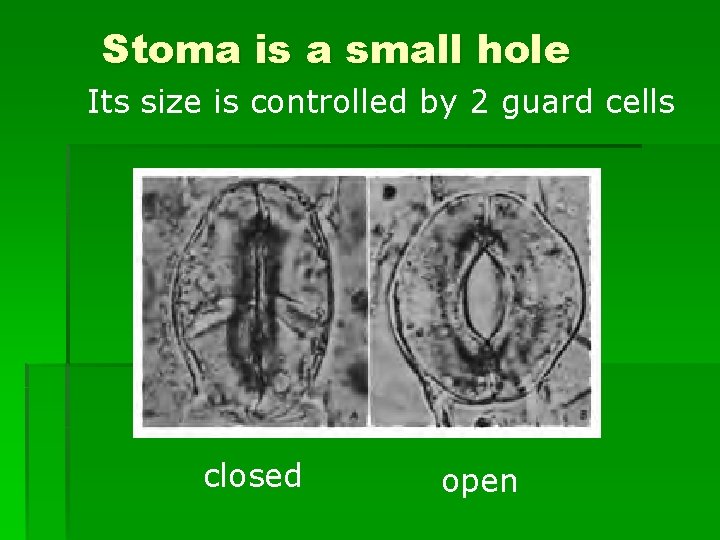
Stoma is a small hole Its size is controlled by 2 guard cells closed open
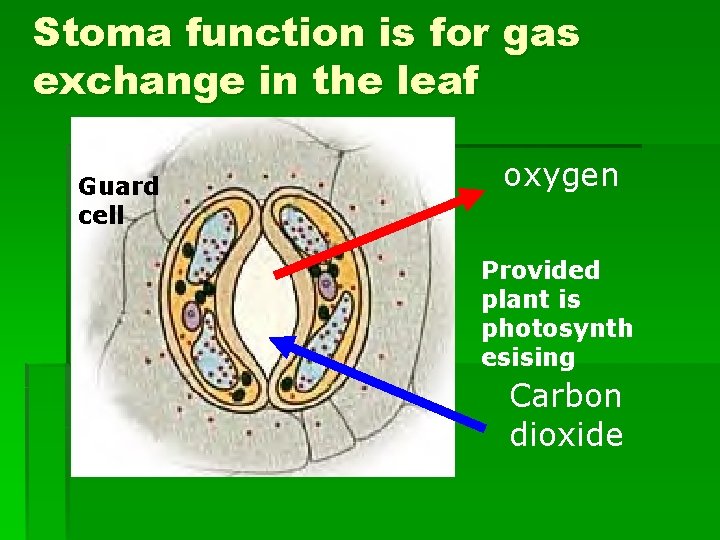
Stoma function is for gas exchange in the leaf Guard cell oxygen Provided plant is photosynth esising Carbon dioxide
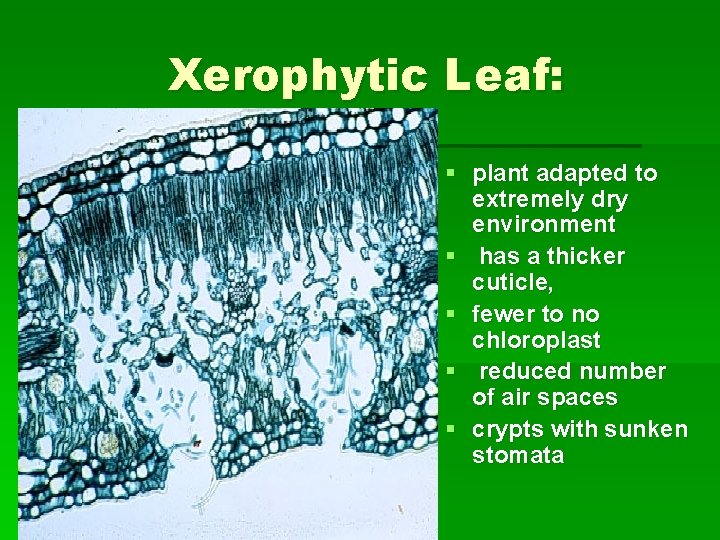
Xerophytic Leaf: § plant adapted to extremely dry environment § has a thicker cuticle, § fewer to no chloroplast § reduced number of air spaces § crypts with sunken stomata
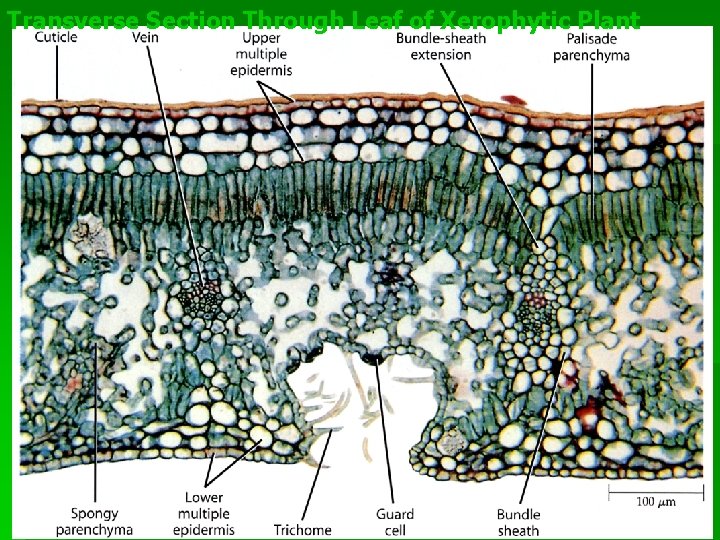
Transverse Section Through Leaf of Xerophytic Plant
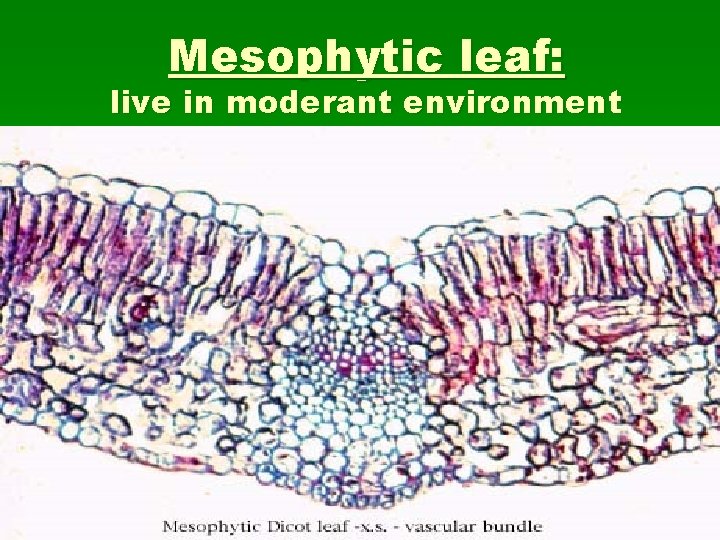
Mesophytic leaf: live in moderant environment
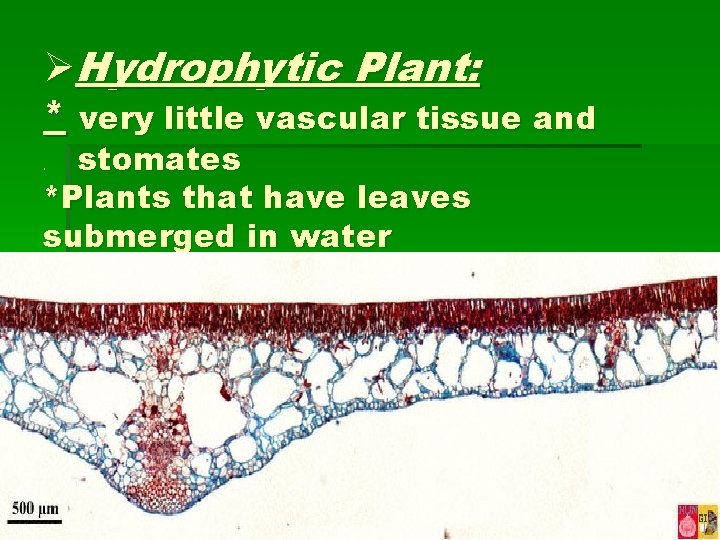
ØHydrophytic Plant: * very little vascular tissue and stomates *Plants that have leaves submerged in water.
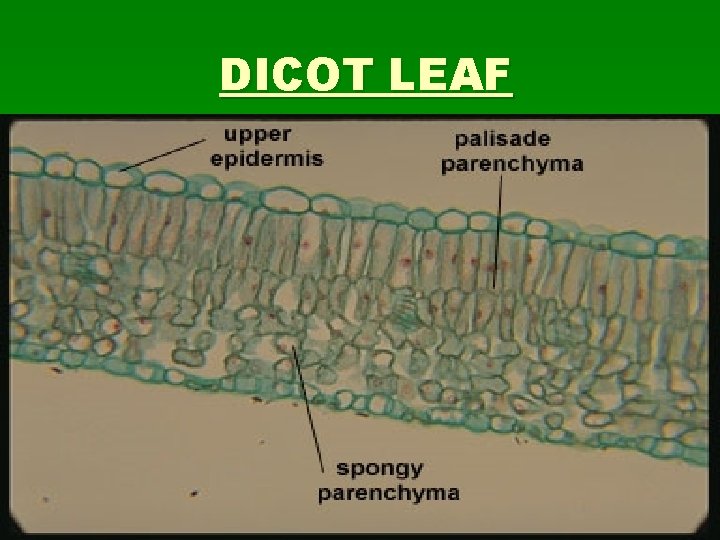
DICOT LEAF
DICOT LEAF
DICOT LEAF
MONOCOT LEAF
MONOCOT LEAF
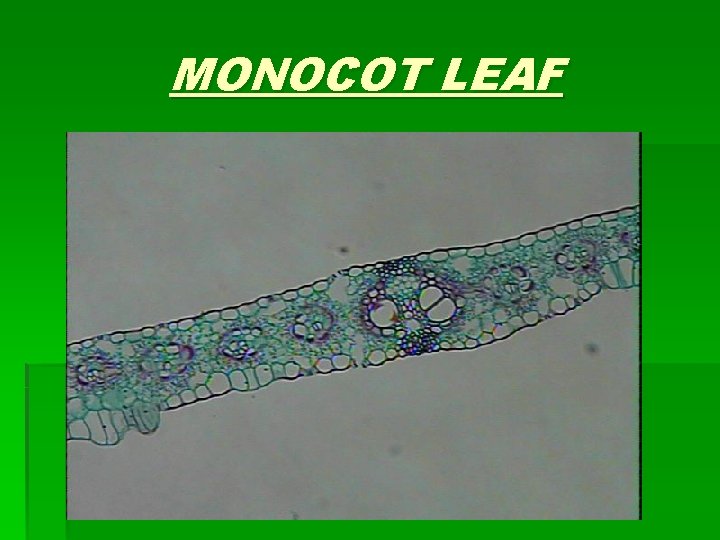
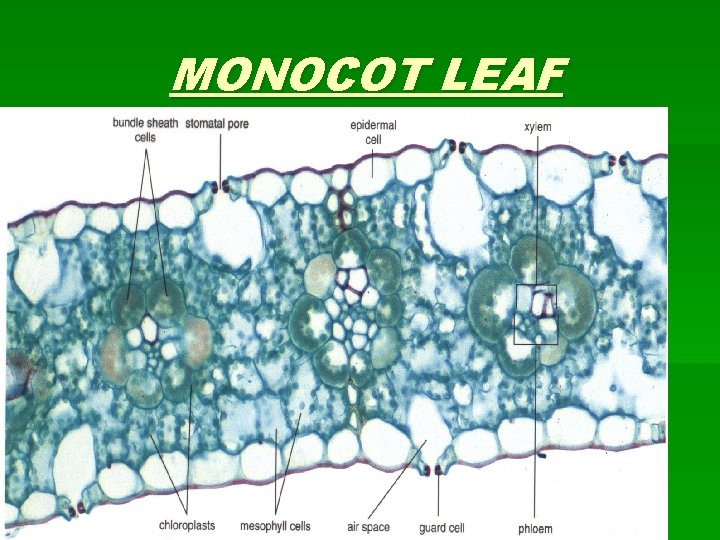
§ DICOTS HAVE 2 TYPES OF MESOPHYLL( PALLISADE AND SPONGY) § Monocots just have mesophyll
§ 1. Parencheyma cells: § function in synthesizing and storing organic products. § 2. Collenchyma cells: support young plant parts without restricting plant growth
§ Schlerenchyma cells: function in support § 2 types: 1. fibers 2. schlerids
§ 4. Water conducting cells: § Xylem: dead cellls that carry water and minerals ( 2 types: tracheids and vessel elements)
§ 4. Water conducting cells: § Phloem: living cells that function in transport of organic material ( 2 types sieve tube, companion cells)
Flow of water in plant § 1. Water taken up by root hairs § 2. cortex § 3. endodermis § 4. pericycle § 5. root xylem § 6. stem xylem
Flow of water in plant § 7. leaf xylem § 8. leaf mesophyll § 9. substomatal cavity § 10. out through stomates
- Slides: 94