
Bones of the extremities THE SKELETAL SYSTEM The
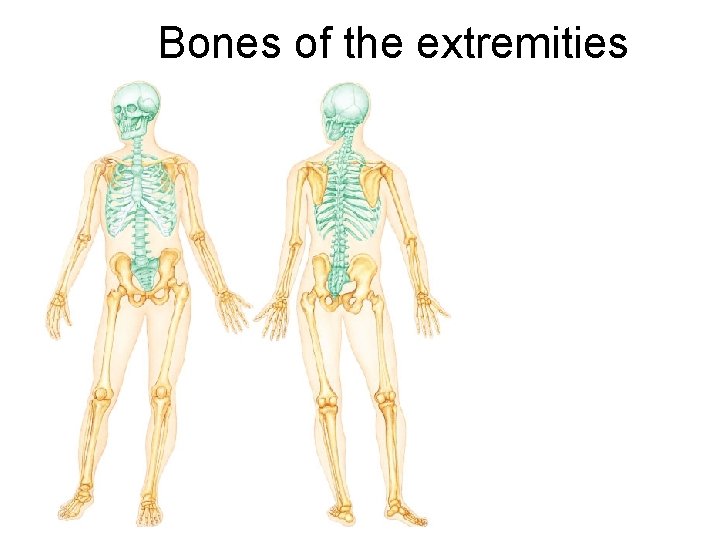
Bones of the extremities
THE SKELETAL SYSTEM The Appendicular Skeleton n n 2 pairs of limbs and 2 girdles Pectoral (shoulder) girdle attaches upper limbs Pelvic (hip) girdle secures lower limbs 3 -Segmented limbs ¨ Upper = arm n Arm n Forearm n Hand ¨ Lower = n Thigh n Leg n Foot leg
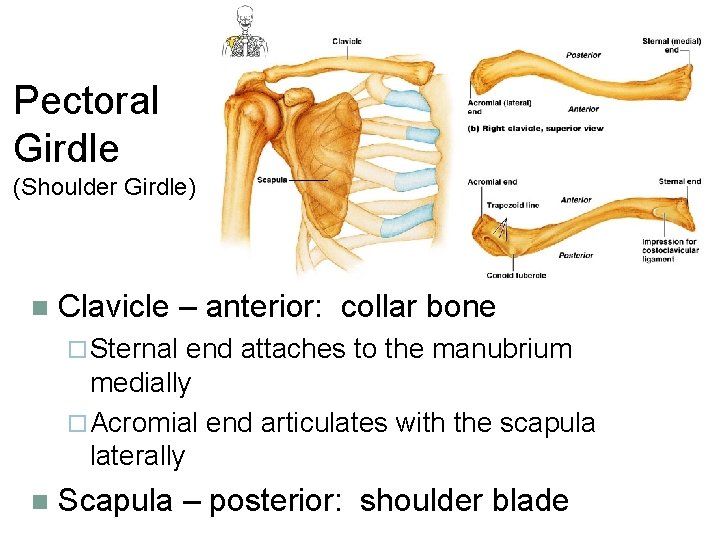
Pectoral Girdle (Shoulder Girdle) n Clavicle – anterior: collar bone ¨ Sternal end attaches to the manubrium medially ¨ Acromial end articulates with the scapula laterally n Scapula – posterior: shoulder blade
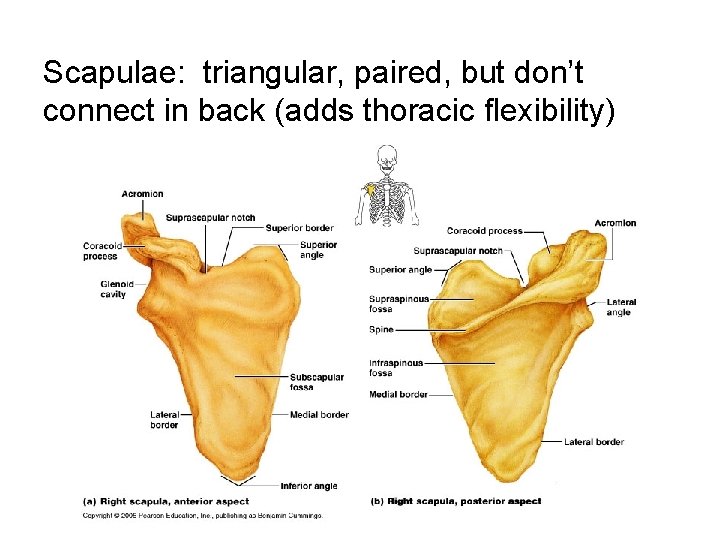
Scapulae: triangular, paired, but don’t connect in back (adds thoracic flexibility)
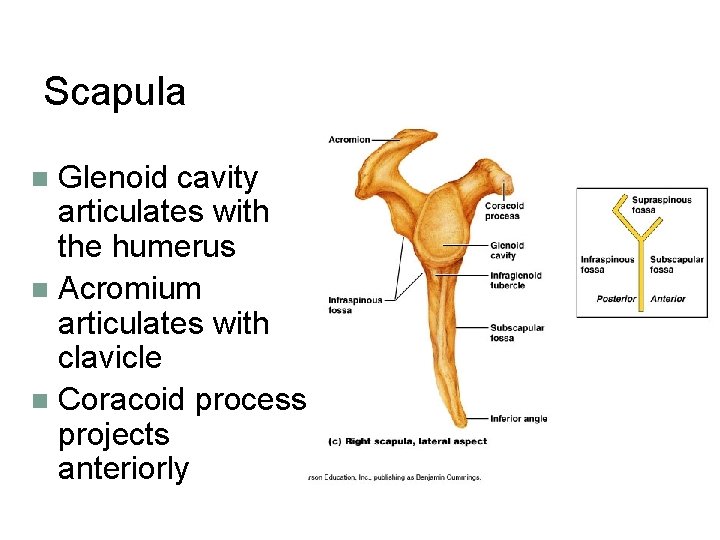
Scapula Glenoid cavity articulates with the humerus n Acromium articulates with clavicle n Coracoid process projects anteriorly n
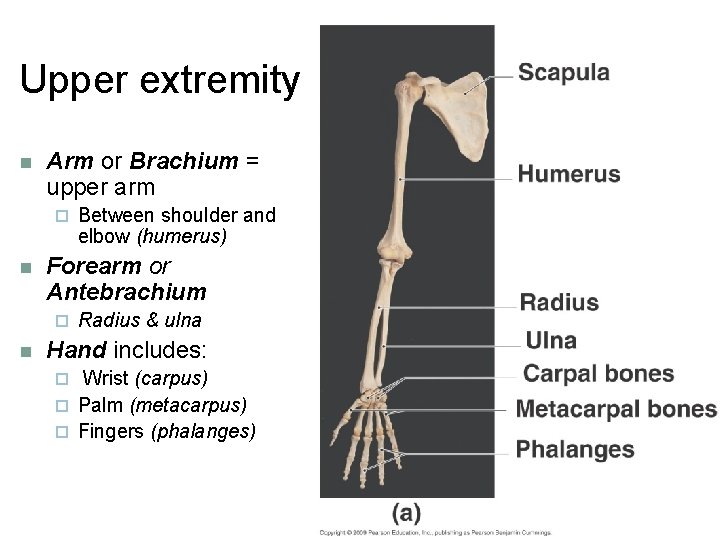
Upper extremity n Arm or Brachium = upper arm ¨ n Forearm or Antebrachium ¨ n Between shoulder and elbow (humerus) Radius & ulna Hand includes: Wrist (carpus) ¨ Palm (metacarpus) ¨ Fingers (phalanges) ¨
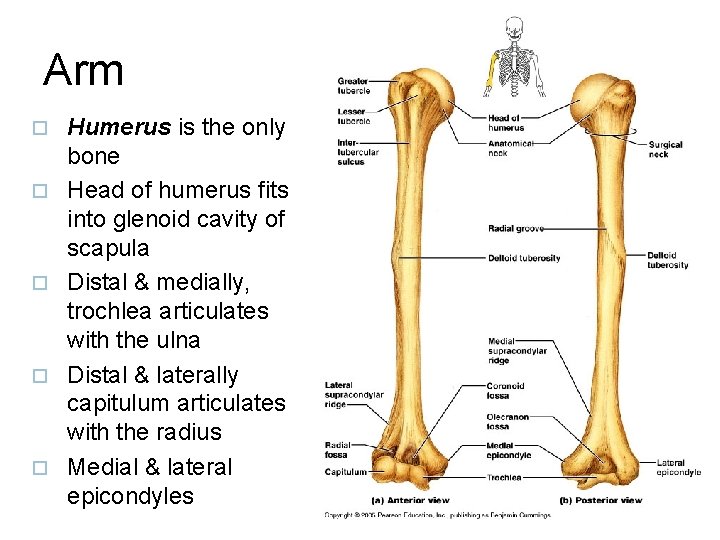
Arm ¨ ¨ ¨ Humerus is the only bone Head of humerus fits into glenoid cavity of scapula Distal & medially, trochlea articulates with the ulna Distal & laterally capitulum articulates with the radius Medial & lateral epicondyles
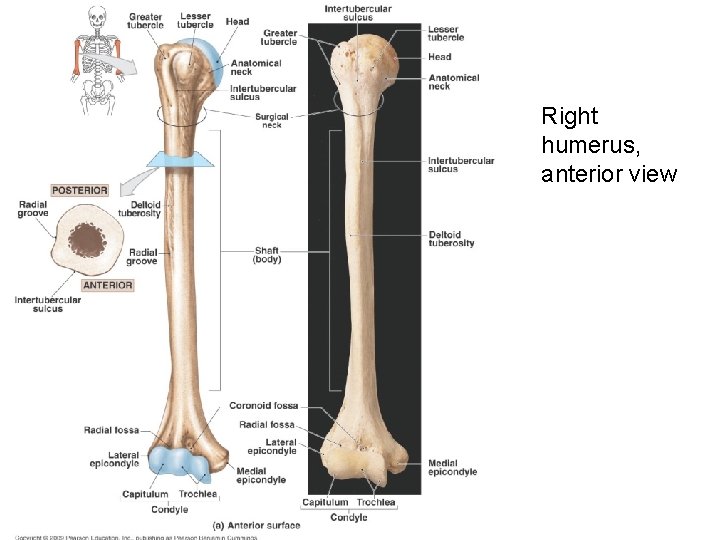
Right humerus, anterior view
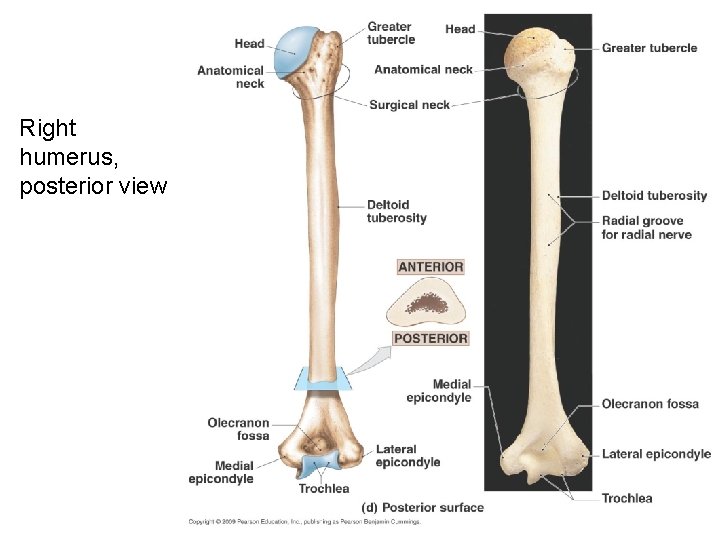
Right humerus, posterior view
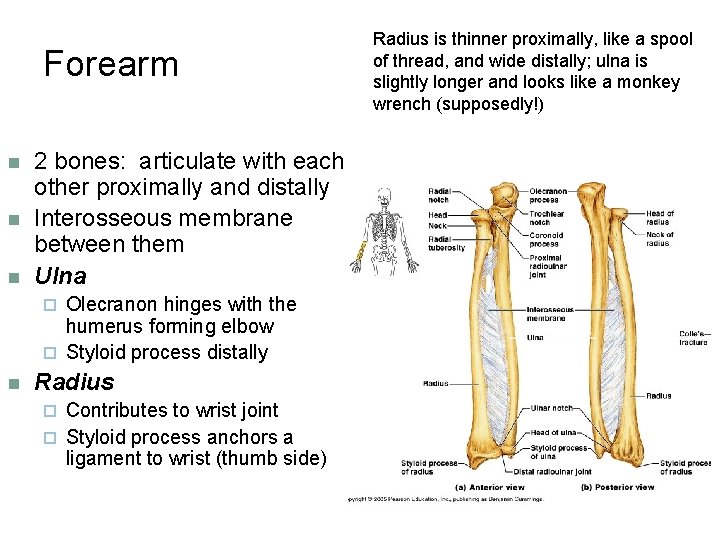
Forearm n n n 2 bones: articulate with each other proximally and distally Interosseous membrane between them Ulna Olecranon hinges with the humerus forming elbow ¨ Styloid process distally ¨ n Radius Contributes to wrist joint ¨ Styloid process anchors a ligament to wrist (thumb side) ¨ Radius is thinner proximally, like a spool of thread, and wide distally; ulna is slightly longer and looks like a monkey wrench (supposedly!)
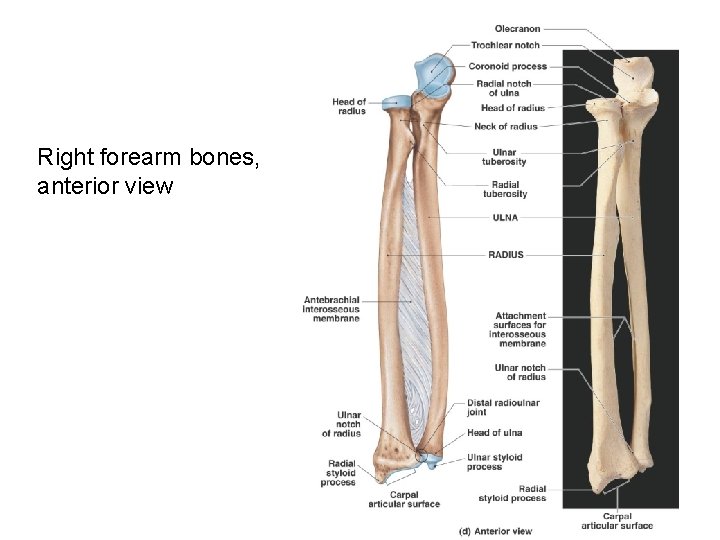
Right forearm bones, anterior view
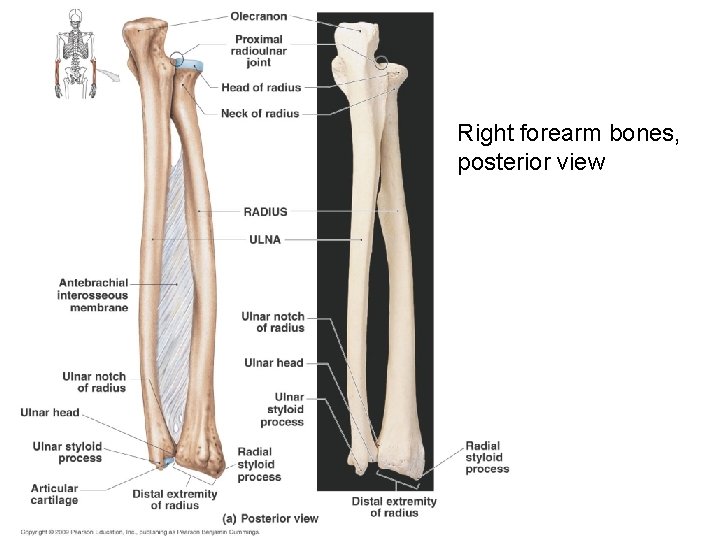
Right forearm bones, posterior view

Left forearm prone Anatomical position In the anatomical position, the radius is lateral (thumb side); with pronation the palm faces posteriorly and the bones cross Prone: body lying face down Suppine: body lying face up (you can remember prone if you think about how you would fall forward onto your face if you passed out) pronation moves the forearm into the prone position and supination moves it back to the anatomical position
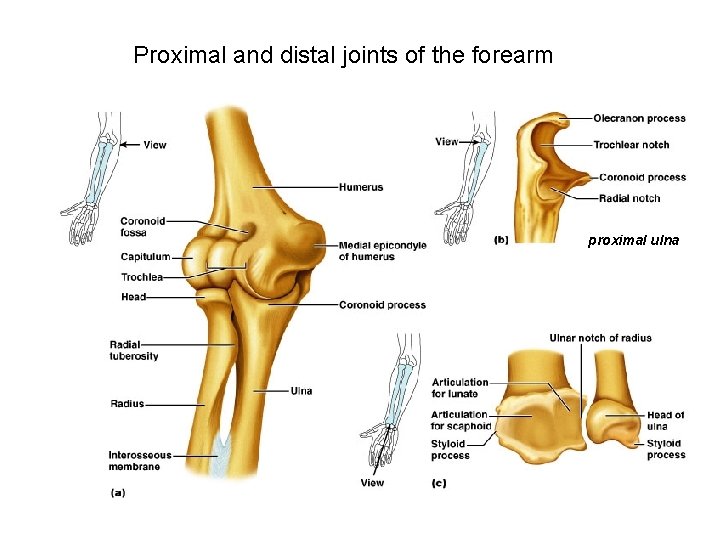
Proximal and distal joints of the forearm proximal ulna
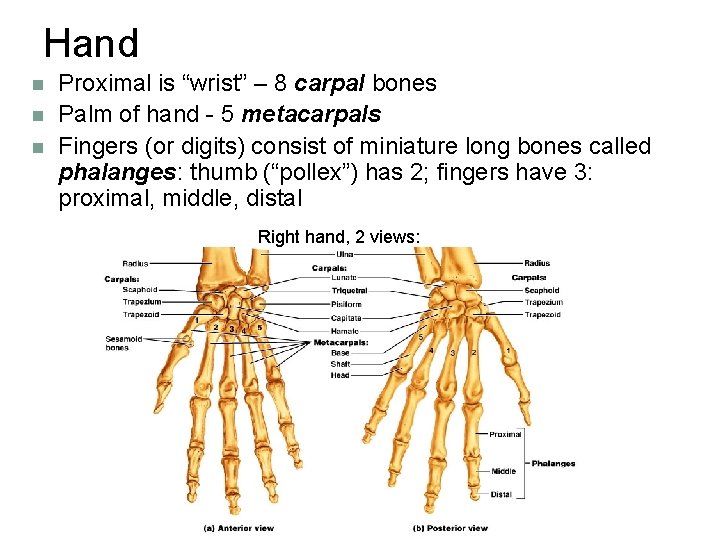
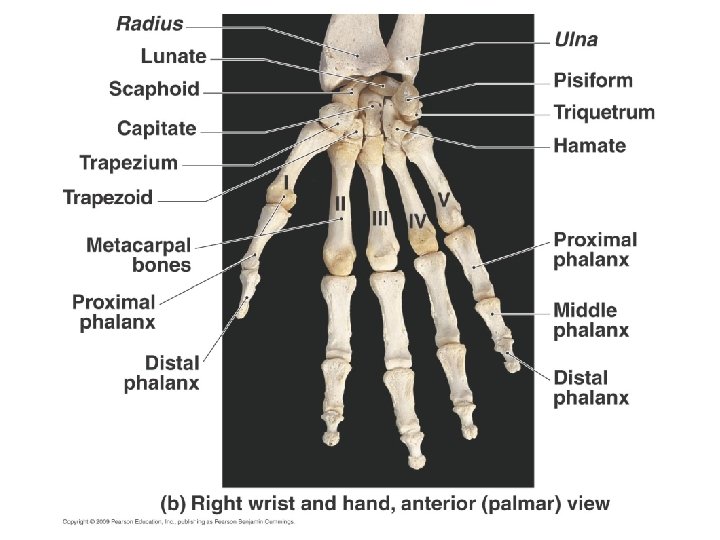
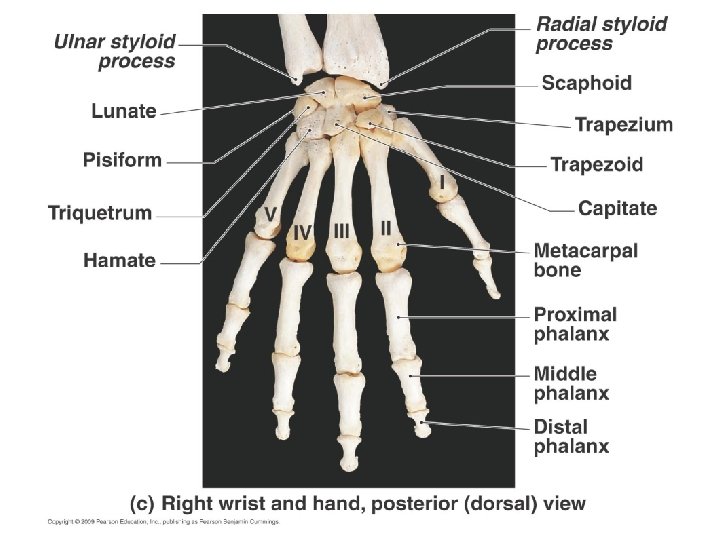
Hand n n n Proximal is “wrist” – 8 carpal bones Palm of hand - 5 metacarpals Fingers (or digits) consist of miniature long bones called phalanges: thumb (“pollex”) has 2; fingers have 3: proximal, middle, distal Right hand, 2 views:
Pelvic Girdle (Hip Girdle) Strongly attached to axial skeleton (sacrum) n Deep sockets n More stable than pectoral (shoulder) girdle n Less freedom of movement n Made up of the paired hip bones n ¨ “Bony pelvis” is basin-like structure: hip bones plus the axial sacrum and coccyx
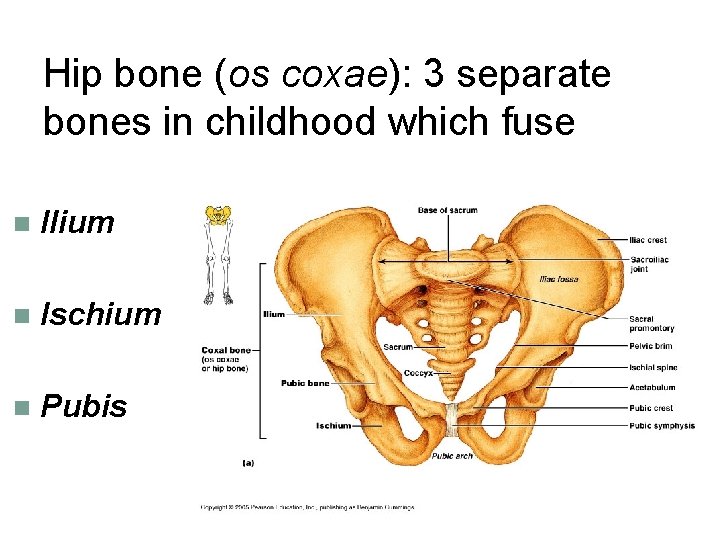
Hip bone (os coxae): 3 separate bones in childhood which fuse n Ilium n Ischium n Pubis
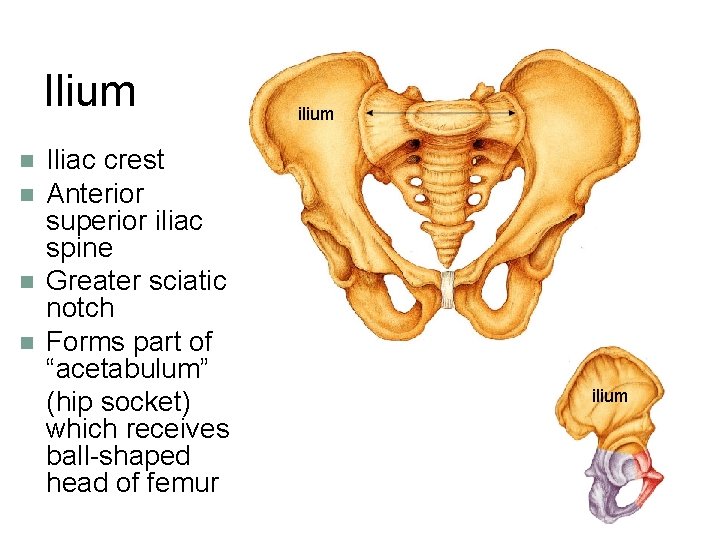
Ilium n n Iliac crest Anterior superior iliac spine Greater sciatic notch Forms part of “acetabulum” (hip socket) which receives ball-shaped head of femur ilium

Ischium Body n Ramus n Ischial spine n Ischial tuberosity n Part of socket n ischium
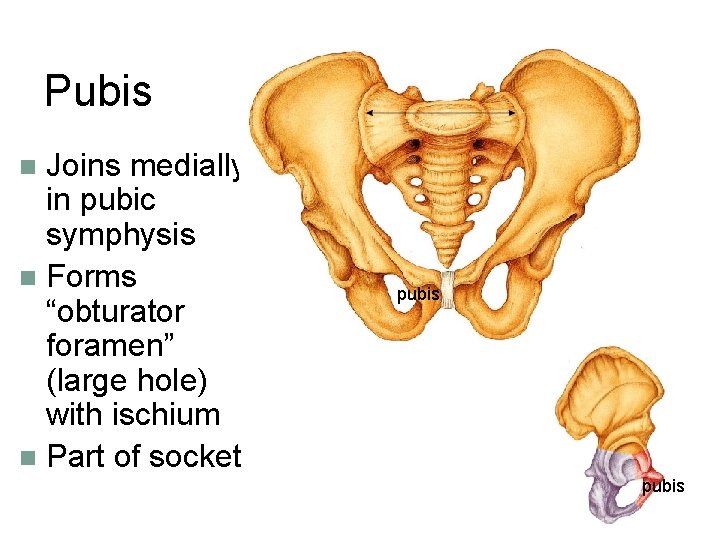
Pubis Joins medially in pubic symphysis n Forms “obturator foramen” (large hole) with ischium n Part of socket n pubis
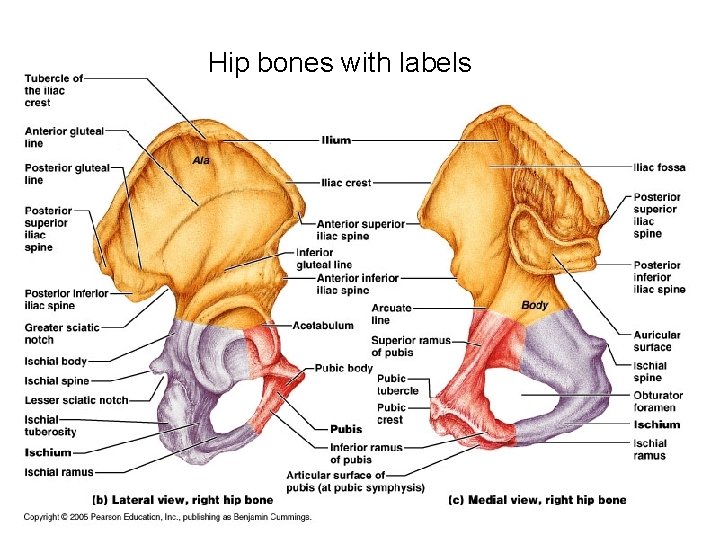
Hip bones with labels
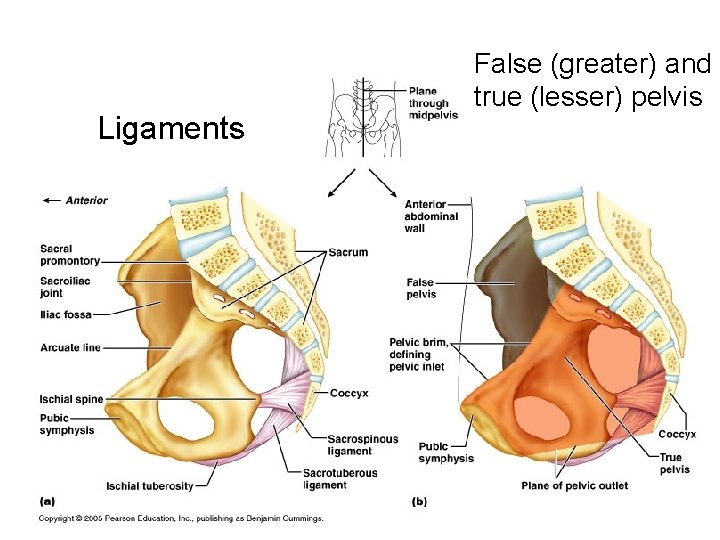
Ligaments False (greater) and true (lesser) pelvis
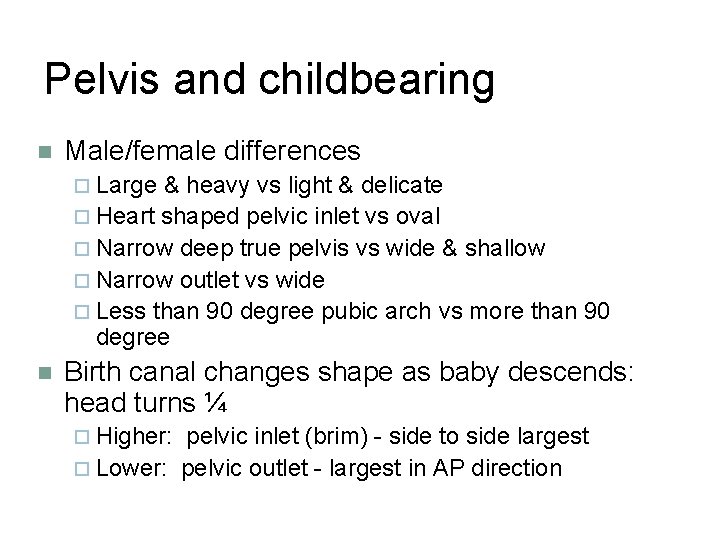
Pelvis and childbearing n Male/female differences ¨ Large & heavy vs light & delicate ¨ Heart shaped pelvic inlet vs oval ¨ Narrow deep true pelvis vs wide & shallow ¨ Narrow outlet vs wide ¨ Less than 90 degree pubic arch vs more than 90 degree n Birth canal changes shape as baby descends: head turns ¼ ¨ Higher: pelvic inlet (brim) - side to side largest ¨ Lower: pelvic outlet - largest in AP direction
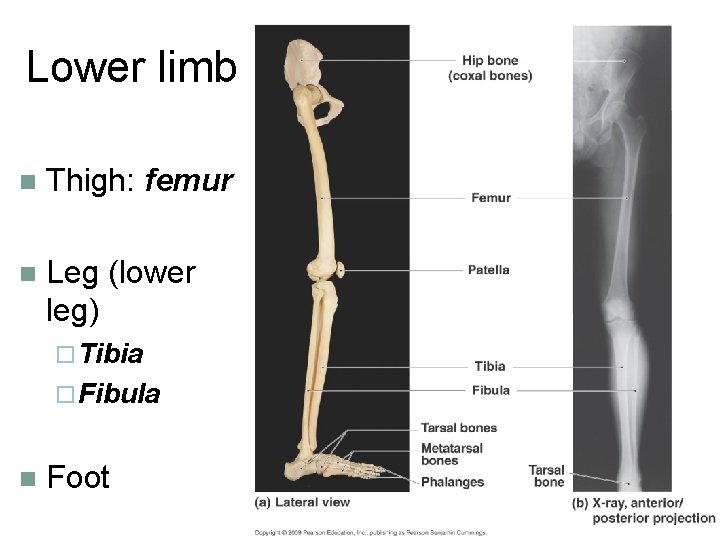
Lower limb n Thigh: femur n Leg (lower leg) ¨ Tibia ¨ Fibula n Foot
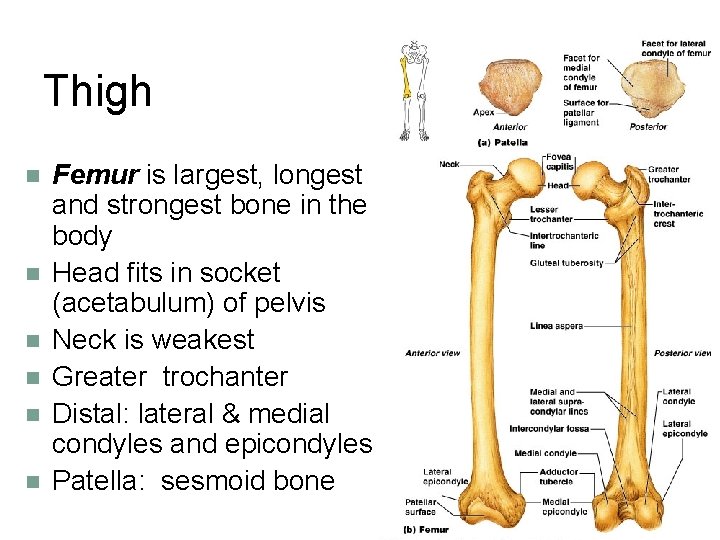
Thigh n n n Femur is largest, longest and strongest bone in the body Head fits in socket (acetabulum) of pelvis Neck is weakest Greater trochanter Distal: lateral & medial condyles and epicondyles Patella: sesmoid bone

Right femur, anterior view

Right femur, posterior view
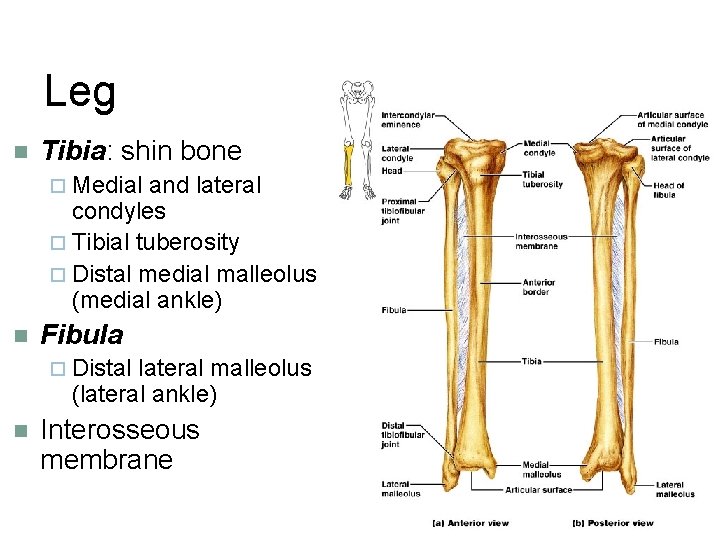
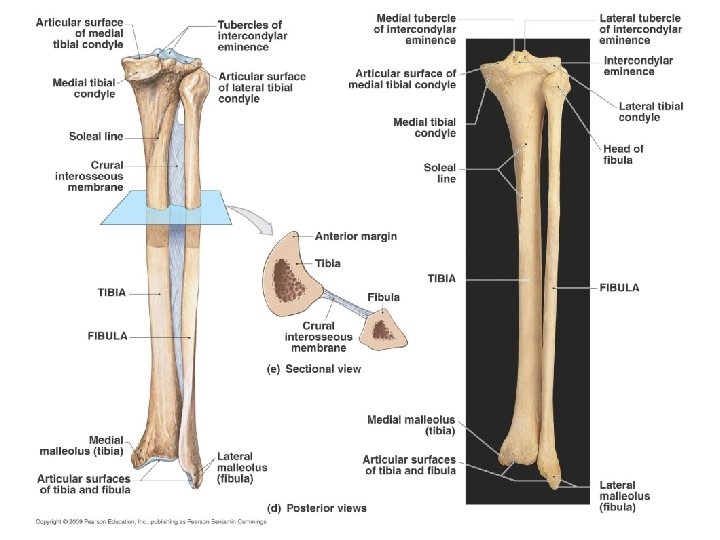
Leg n Tibia: shin bone ¨ Medial and lateral condyles ¨ Tibial tuberosity ¨ Distal medial malleolus (medial ankle) n Fibula ¨ Distal lateral malleolus (lateral ankle) n Interosseous membrane
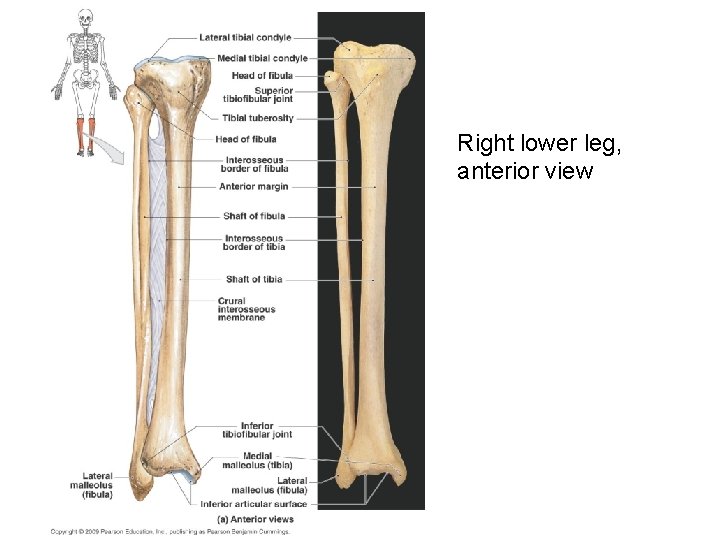
Right lower leg, anterior view
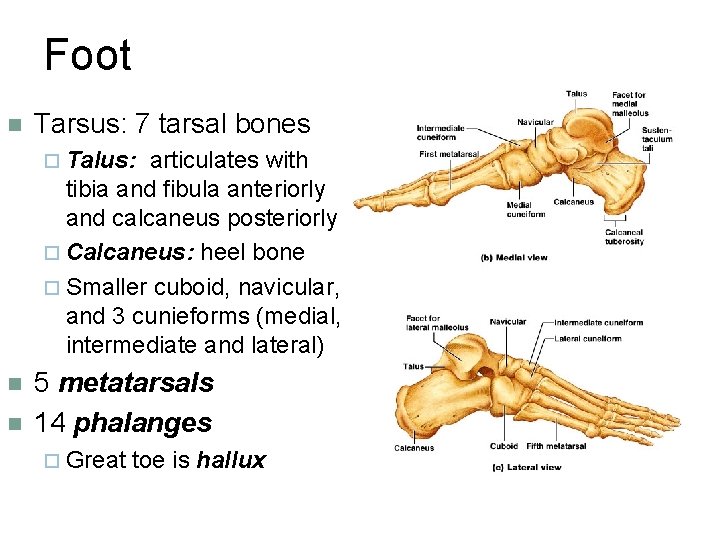
Foot n Tarsus: 7 tarsal bones ¨ Talus: articulates with tibia and fibula anteriorly and calcaneus posteriorly ¨ Calcaneus: heel bone ¨ Smaller cuboid, navicular, and 3 cunieforms (medial, intermediate and lateral) n n 5 metatarsals 14 phalanges ¨ Great toe is hallux
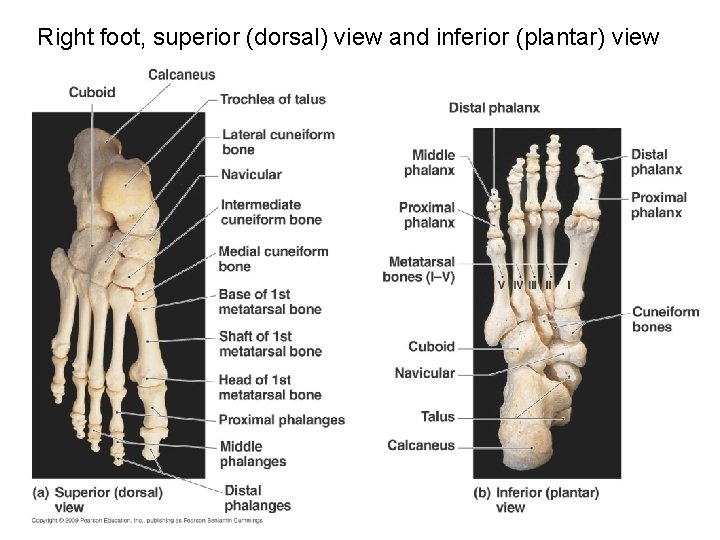
Right foot, superior (dorsal) view and inferior (plantar) view
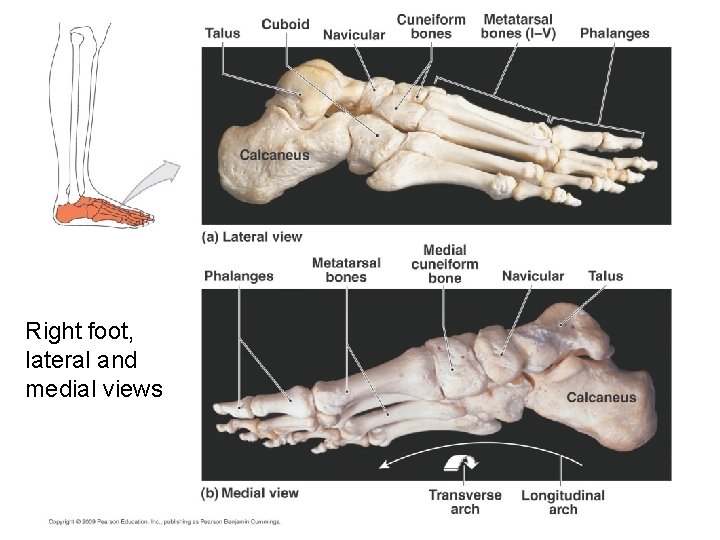
Right foot, lateral and medial views
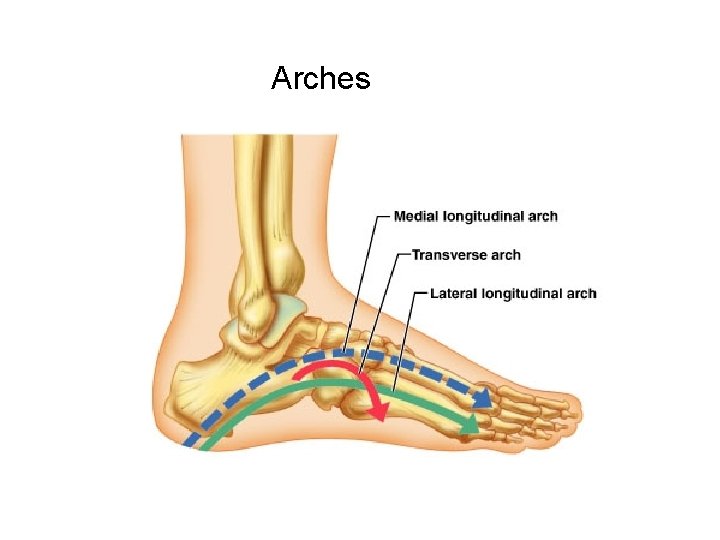
Arches
- Slides: 36