
Bone Marrow The soft fatty vascular tissue that
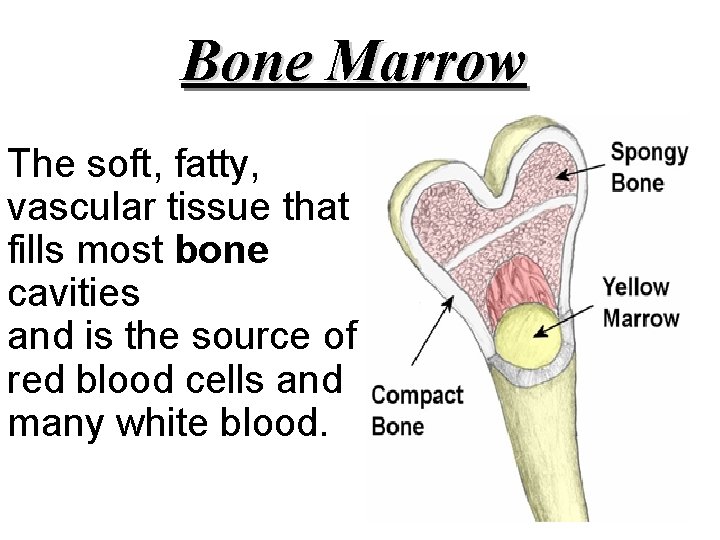
Bone Marrow The soft, fatty, vascular tissue that fills most bone cavities and is the source of red blood cells and many white blood.
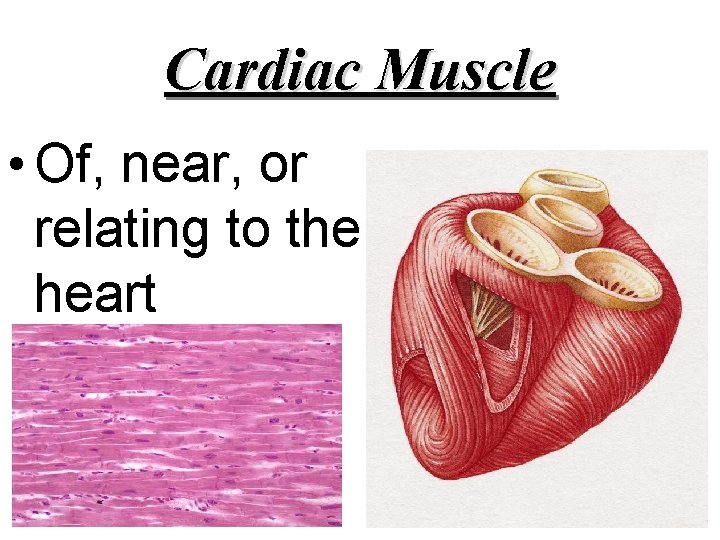
Cardiac Muscle • Of, near, or relating to the heart
Endocrine Muscle
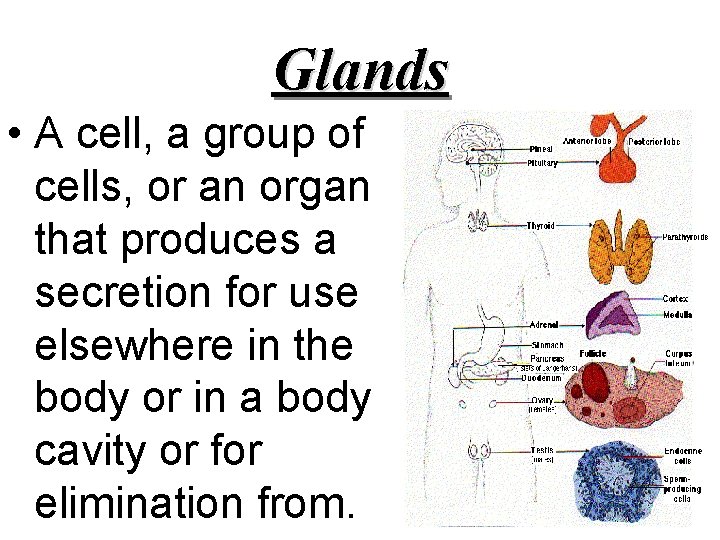
Glands • A cell, a group of cells, or an organ that produces a secretion for use elsewhere in the body or in a body cavity or for elimination from.
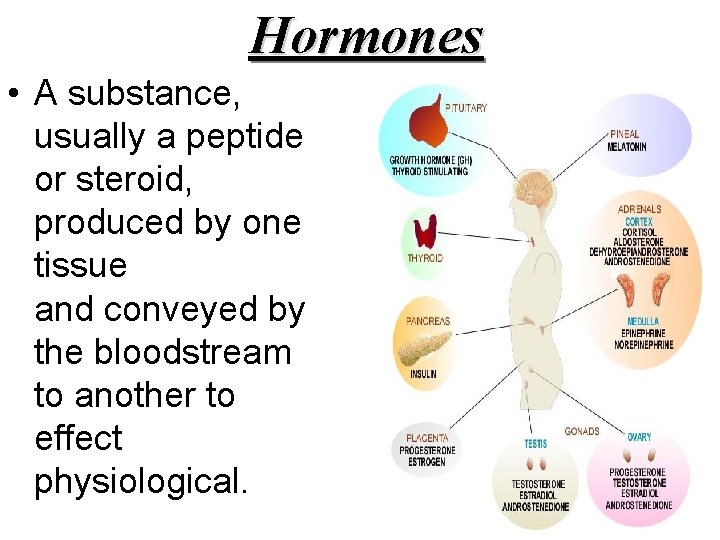
Hormones • A substance, usually a peptide or steroid, produced by one tissue and conveyed by the bloodstream to another to effect physiological.
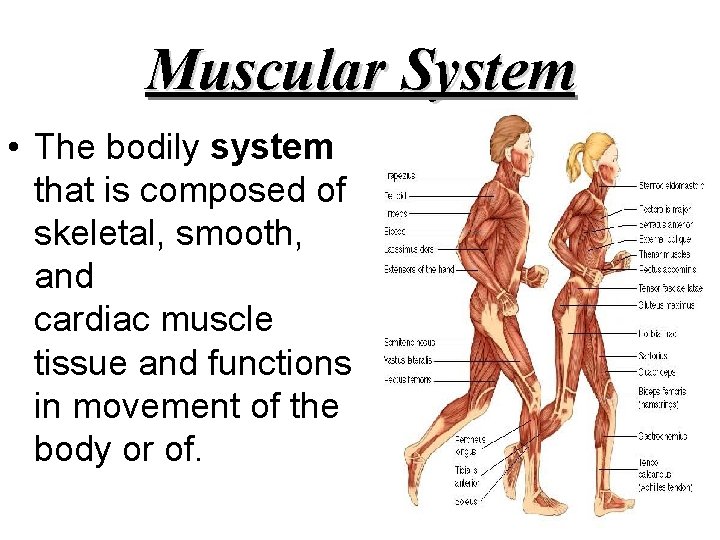
Muscular System • The bodily system that is composed of skeletal, smooth, and cardiac muscle tissue and functions in movement of the body or of.
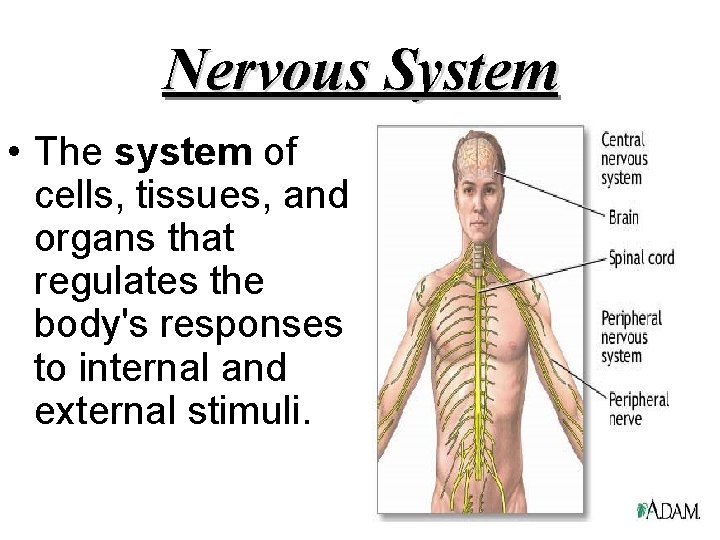
Nervous System • The system of cells, tissues, and organs that regulates the body's responses to internal and external stimuli.
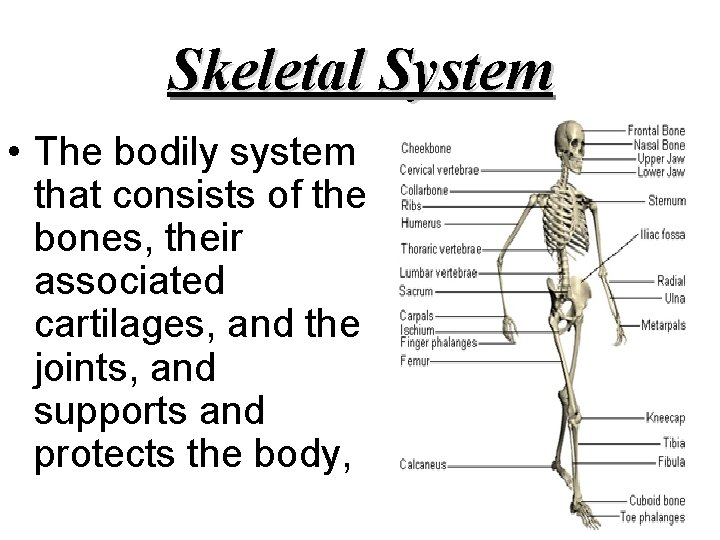
Skeletal System • The bodily system that consists of the bones, their associated cartilages, and the joints, and supports and protects the body,
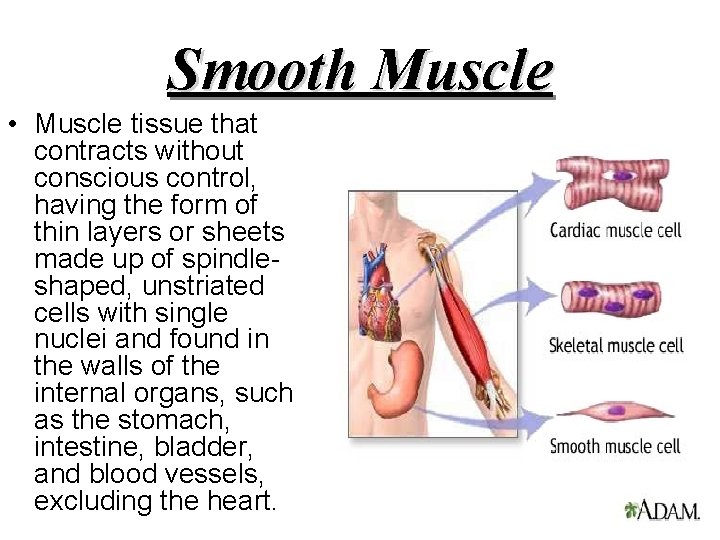
Smooth Muscle • Muscle tissue that contracts without conscious control, having the form of thin layers or sheets made up of spindleshaped, unstriated cells with single nuclei and found in the walls of the internal organs, such as the stomach, intestine, bladder, and blood vessels, excluding the heart.
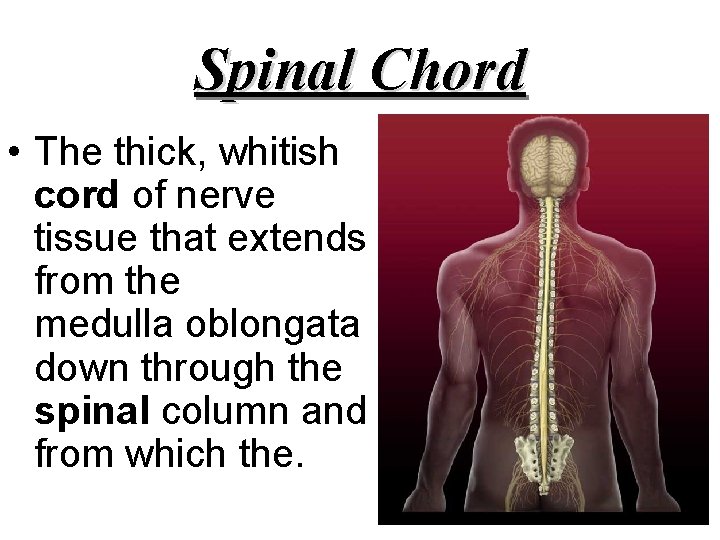
Spinal Chord • The thick, whitish cord of nerve tissue that extends from the medulla oblongata down through the spinal column and from which the.
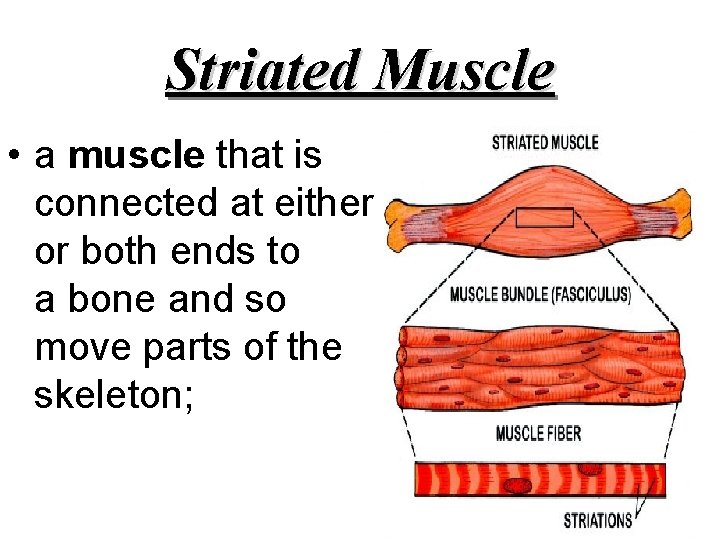
Striated Muscle • a muscle that is connected at either or both ends to a bone and so move parts of the skeleton;
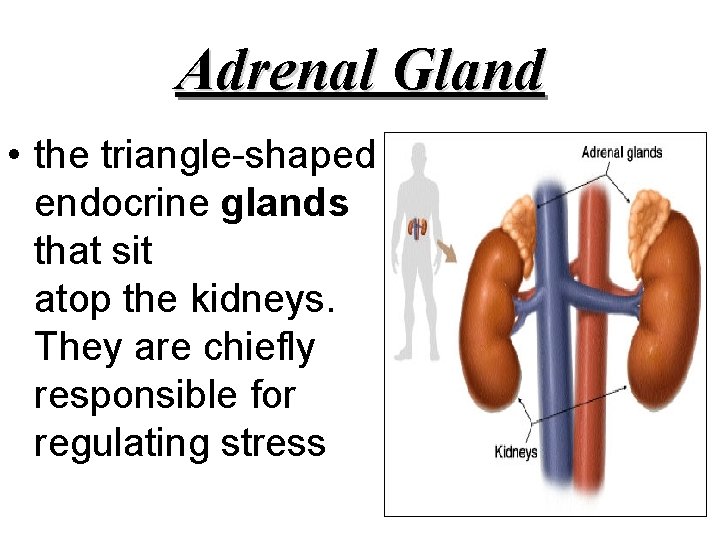
Adrenal Gland • the triangle-shaped endocrine glands that sit atop the kidneys. They are chiefly responsible for regulating stress
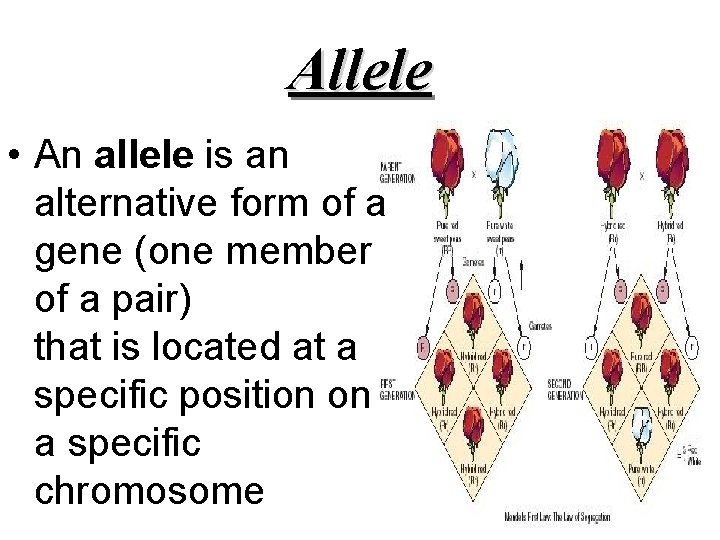
Allele • An allele is an alternative form of a gene (one member of a pair) that is located at a specific position on a specific chromosome
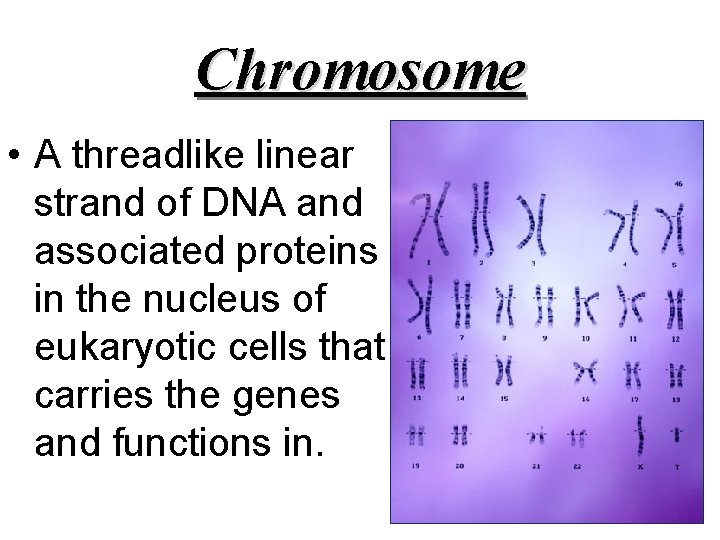
Chromosome • A threadlike linear strand of DNA and associated proteins in the nucleus of eukaryotic cells that carries the genes and functions in.
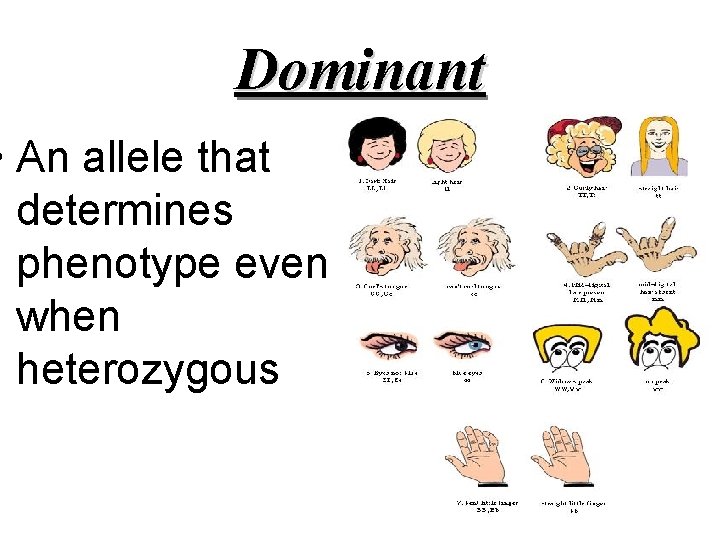
Dominant • An allele that determines phenotype even when heterozygous
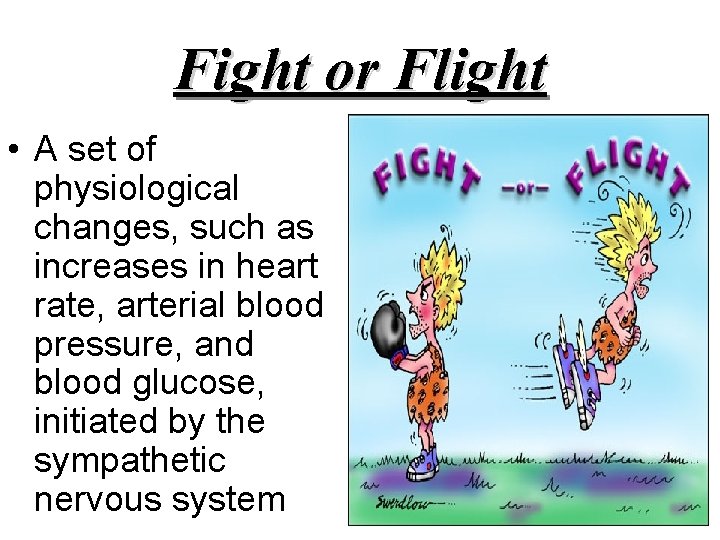
Fight or Flight • A set of physiological changes, such as increases in heart rate, arterial blood pressure, and blood glucose, initiated by the sympathetic nervous system
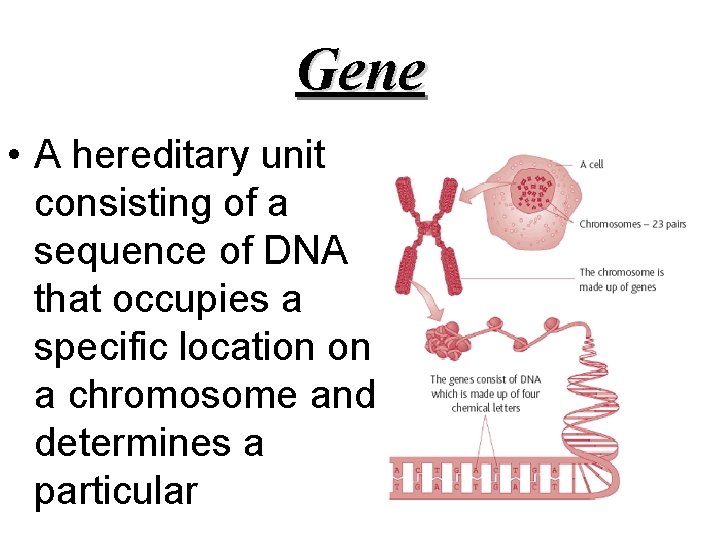
Gene • A hereditary unit consisting of a sequence of DNA that occupies a specific location on a chromosome and determines a particular
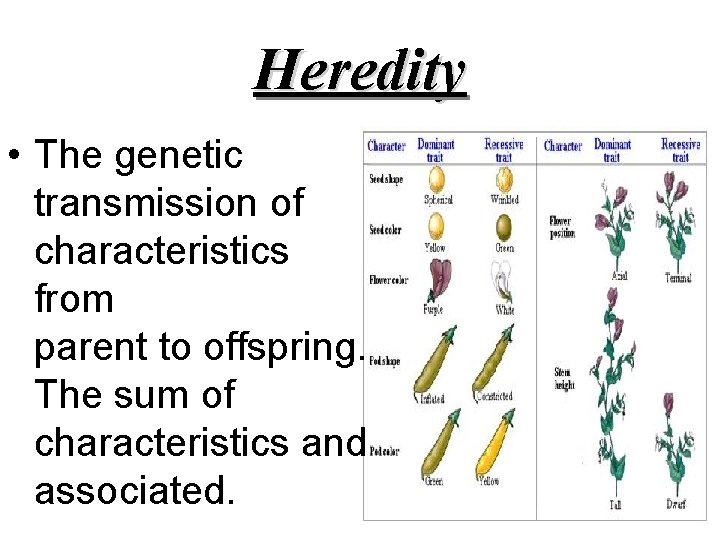
Heredity • The genetic transmission of characteristics from parent to offspring. The sum of characteristics and associated.
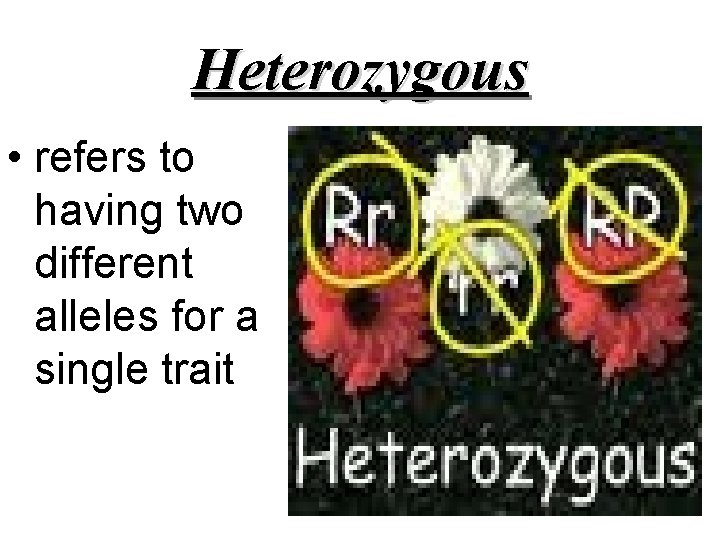
Heterozygous • refers to having two different alleles for a single trait
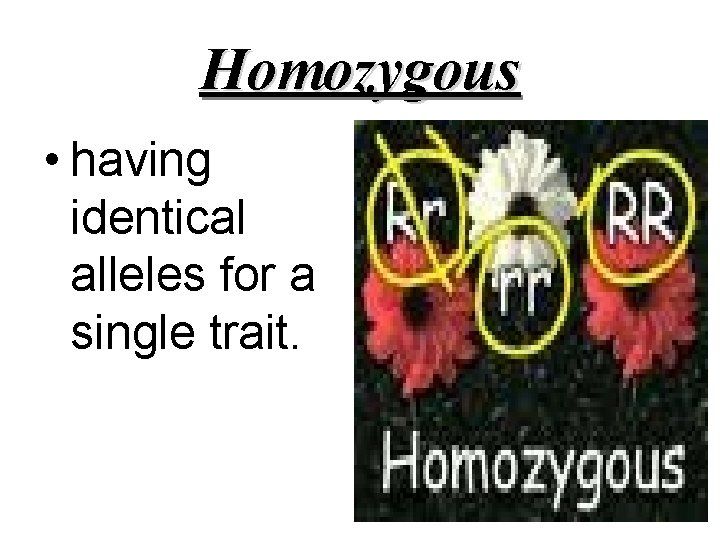
Homozygous • having identical alleles for a single trait.
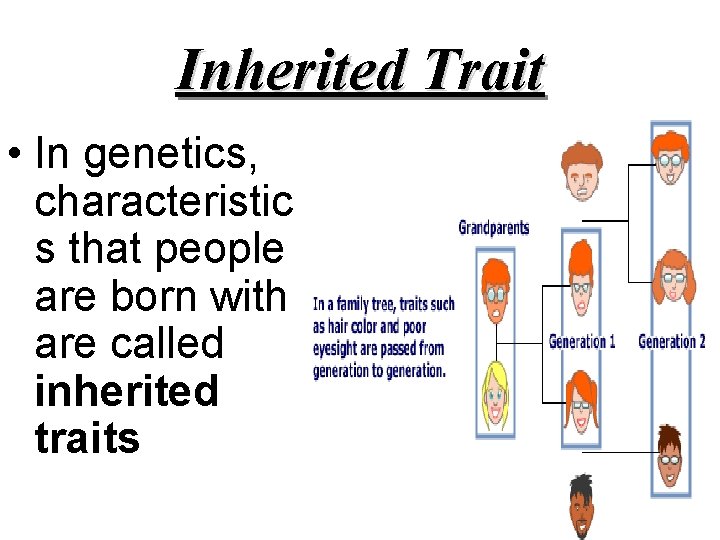
Inherited Trait • In genetics, characteristic s that people are born with are called inherited traits
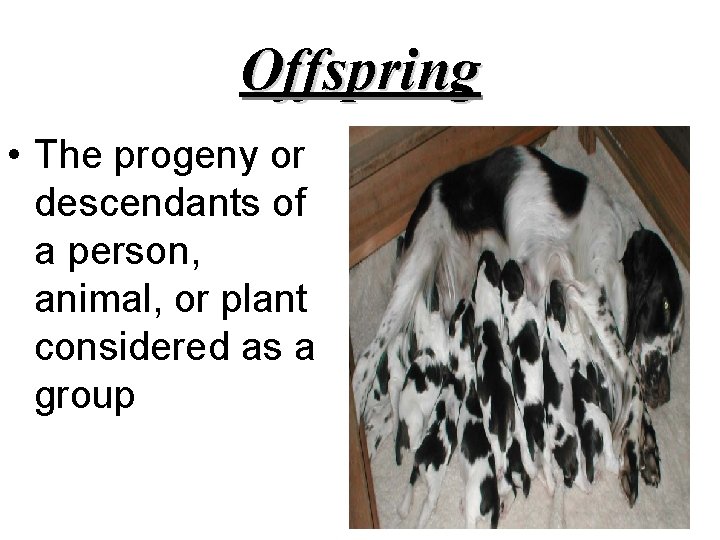
Offspring • The progeny or descendants of a person, animal, or plant considered as a group
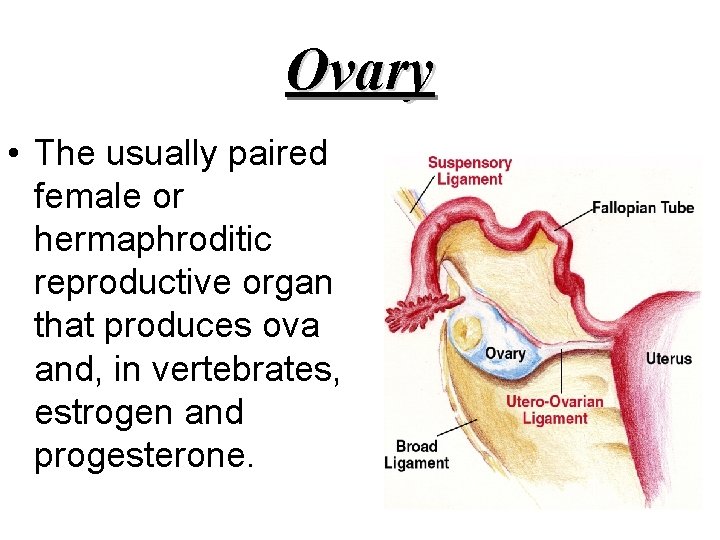
Ovary • The usually paired female or hermaphroditic reproductive organ that produces ova and, in vertebrates, estrogen and progesterone.
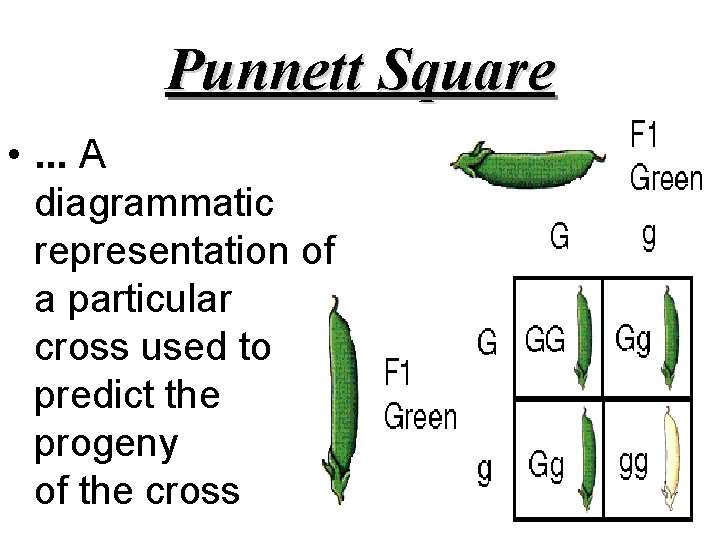
Punnett Square • . . . A diagrammatic representation of a particular cross used to predict the progeny of the cross
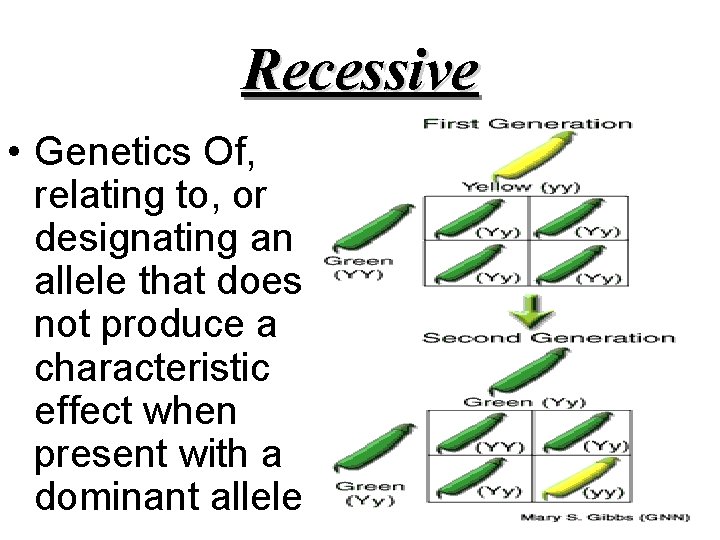
Recessive • Genetics Of, relating to, or designating an allele that does not produce a characteristic effect when present with a dominant allele
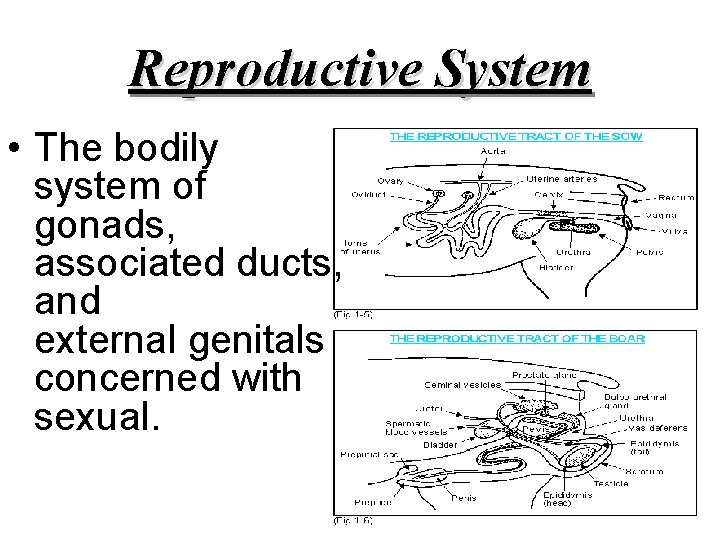
Reproductive System • The bodily system of gonads, associated ducts, and external genitals concerned with sexual.
Startle • To cause to make a quick involuntary movement or start
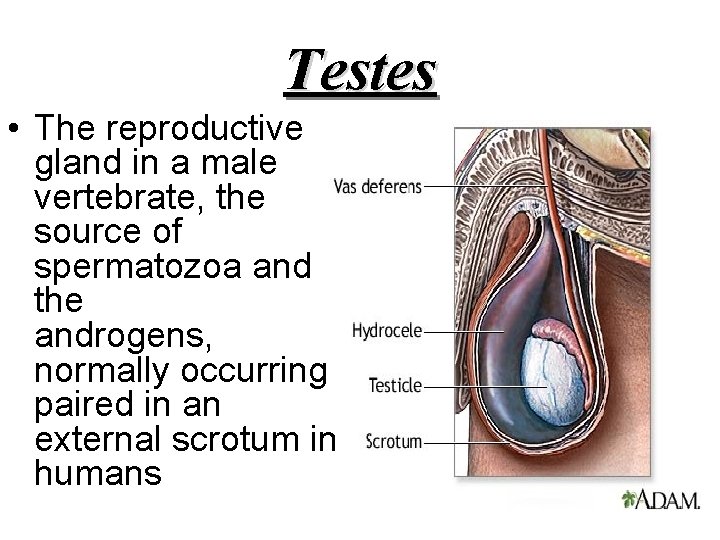
Testes • The reproductive gland in a male vertebrate, the source of spermatozoa and the androgens, normally occurring paired in an external scrotum in humans
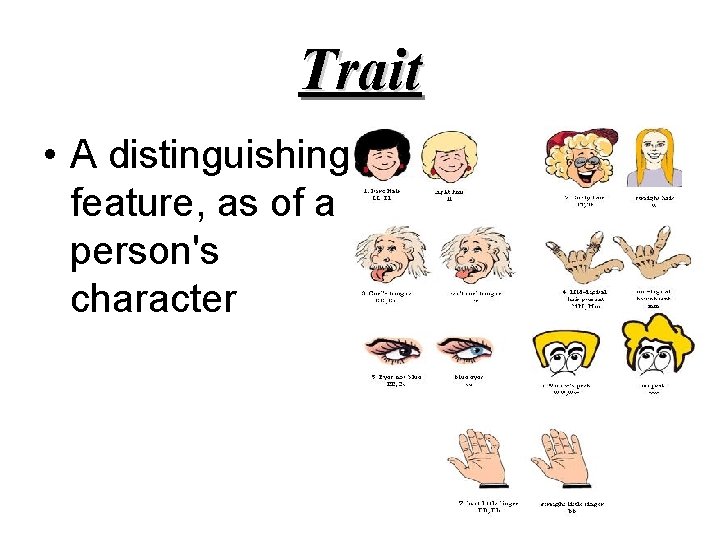
Trait • A distinguishing feature, as of a person's character
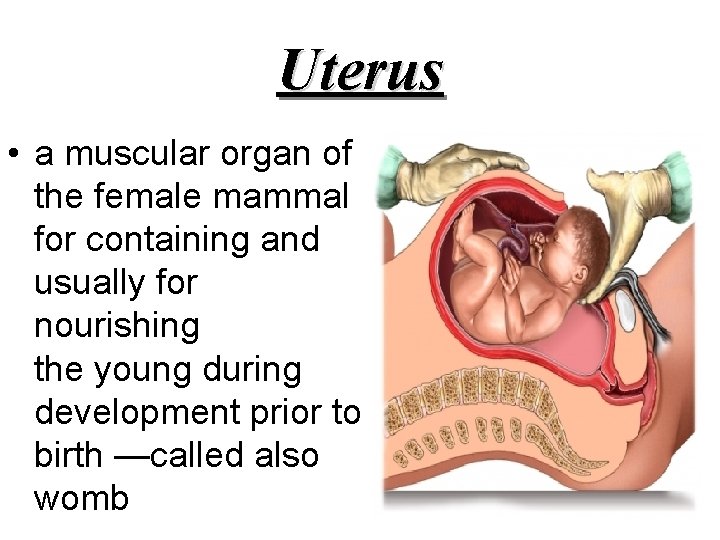
Uterus • a muscular organ of the female mammal for containing and usually for nourishing the young during development prior to birth —called also womb
- Slides: 30