
Body Tissues and Membranes CHAPTER 5 What are
Body Tissues and Membranes CHAPTER 5
What are tissues? Cells are organized into groups and layers called TISSUES Each tissue is composed of similar cells that are specialized to carry on a particular function ◦ Secretion ◦ Absorption ◦ Support

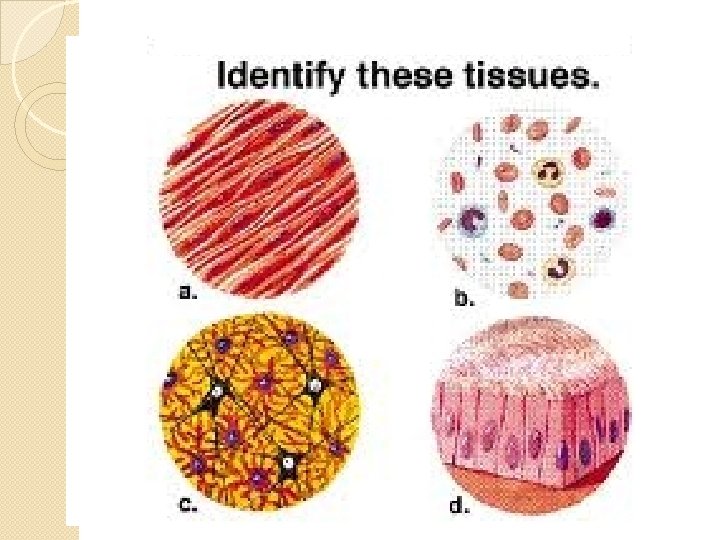
Tissue Types Epithelial Muscle Connective Nervous
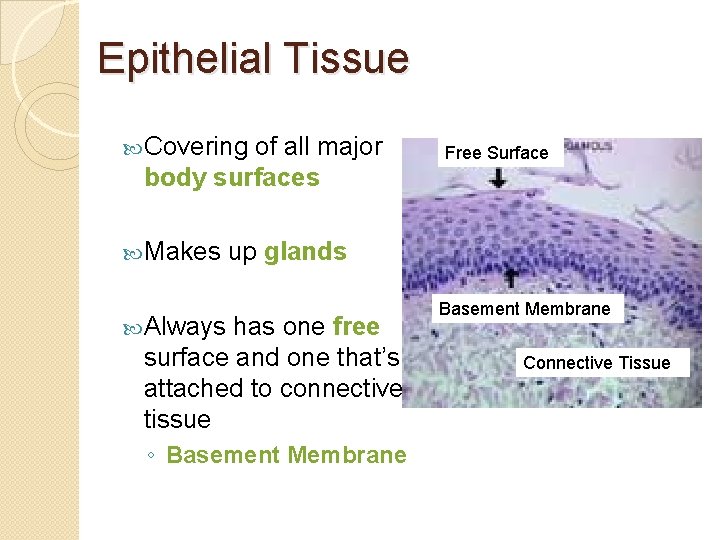
Epithelial Tissue Covering of all major body surfaces Makes Free Surface up glands Always has one free surface and one that’s attached to connective tissue ◦ Basement Membrane Connective Tissue

Epithelial Tissue Lacks blood vessels ◦ Nutrients diffuse from capillaries of underlying tissue Rapid rate of reproduction ◦ Constantly sloughed off Tightly packed ◦ Create good barriers
Epithelial Terms Shape ◦ Squamous-flat, thin cells ◦ Cuboidal-cube shaped cells ◦ Columnar-tall, elongated cells Layers ◦ Simple-single layer ◦ Stratified-two/more layers
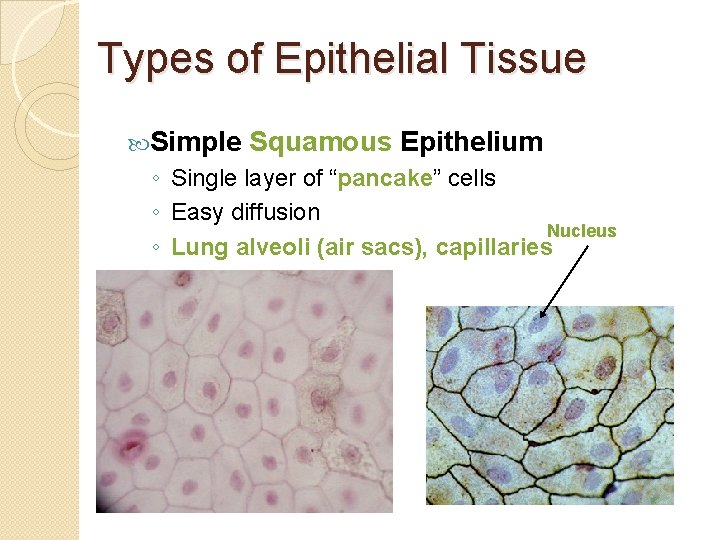
Types of Epithelial Tissue Simple Squamous Epithelium ◦ Single layer of “pancake” cells ◦ Easy diffusion Nucleus ◦ Lung alveoli (air sacs), capillaries
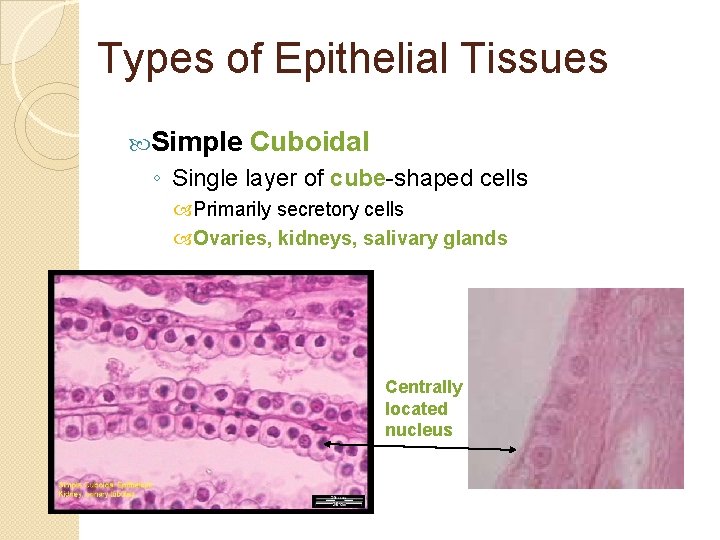
Types of Epithelial Tissues Simple Cuboidal ◦ Single layer of cube-shaped cells Primarily secretory cells Ovaries, kidneys, salivary glands Centrally located nucleus
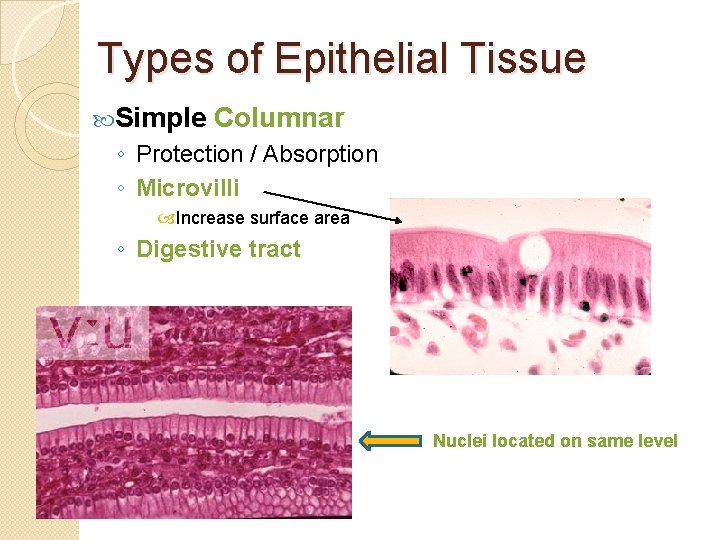
Types of Epithelial Tissue Simple Columnar ◦ Protection / Absorption ◦ Microvilli Increase surface area ◦ Digestive tract Nuclei located on same level
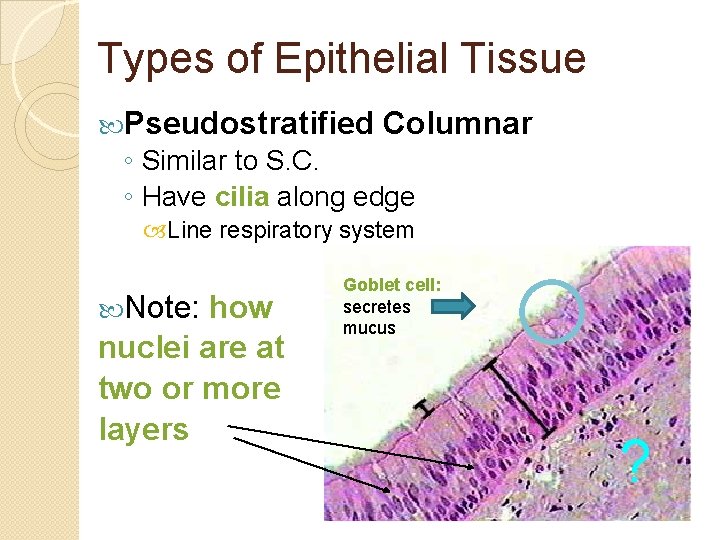
Types of Epithelial Tissue Pseudostratified Columnar ◦ Similar to S. C. ◦ Have cilia along edge Line respiratory system Note: how nuclei are at two or more layers Goblet cell: secretes mucus ?
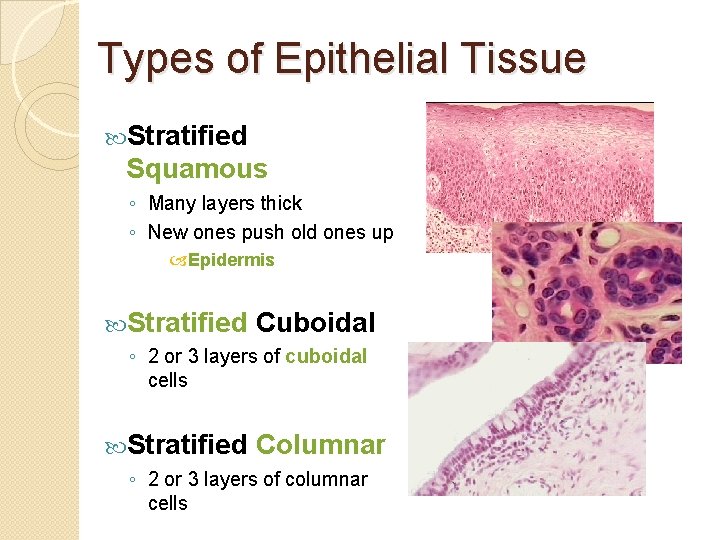
Types of Epithelial Tissue Stratified Squamous ◦ Many layers thick ◦ New ones push old ones up Epidermis Stratified Cuboidal ◦ 2 or 3 layers of cuboidal cells Stratified Columnar ◦ 2 or 3 layers of columnar cells
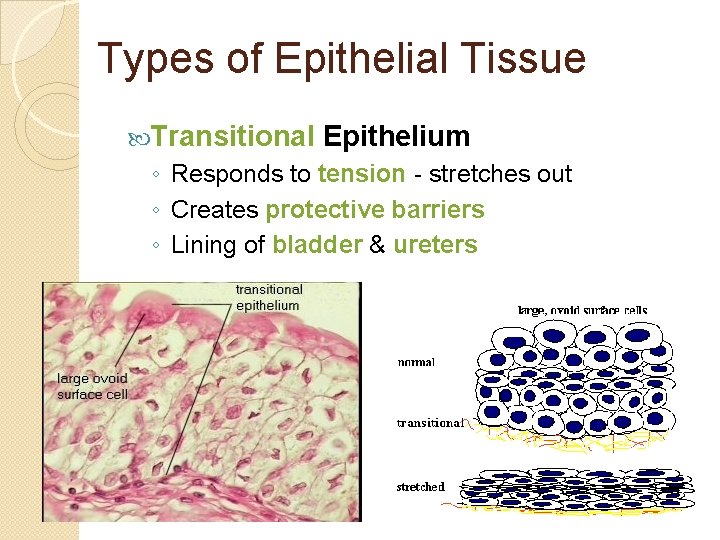
Types of Epithelial Tissue Transitional Epithelium ◦ Responds to tension - stretches out ◦ Creates protective barriers ◦ Lining of bladder & ureters
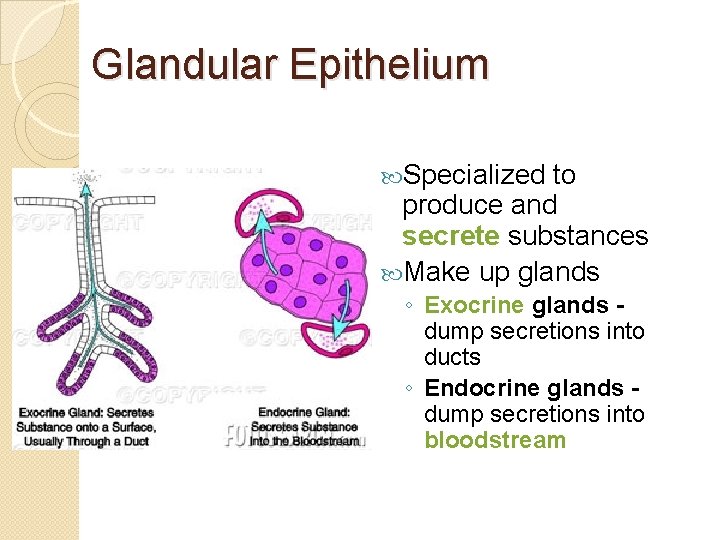
Glandular Epithelium Specialized to produce and secrete substances Make up glands ◦ Exocrine glands dump secretions into ducts ◦ Endocrine glands dump secretions into bloodstream
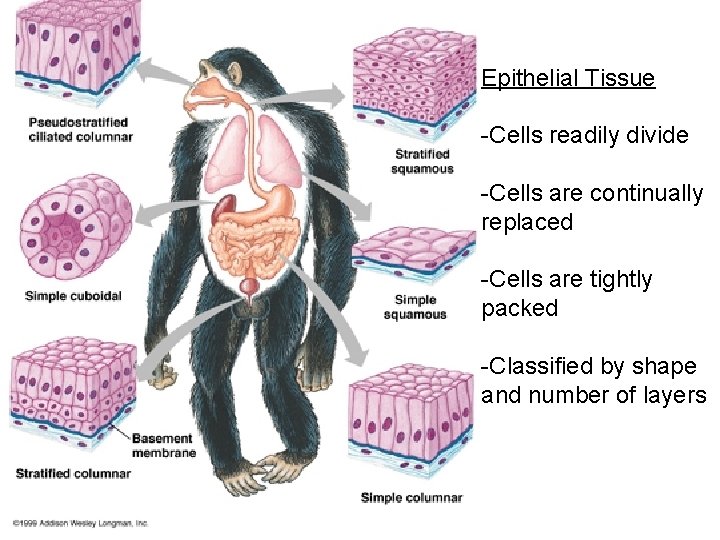
Epithelial Tissue -Cells readily divide -Cells are continually replaced -Cells are tightly packed -Classified by shape and number of layers
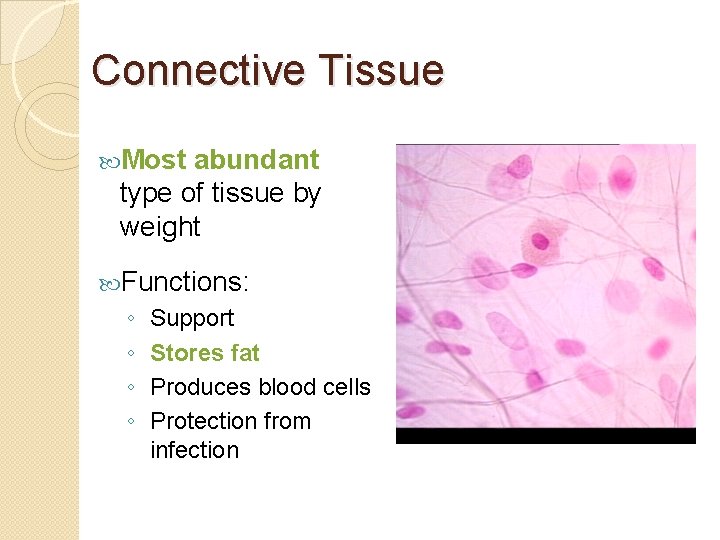
Connective Tissue Most abundant type of tissue by weight Functions: ◦ ◦ Support Stores fat Produces blood cells Protection from infection
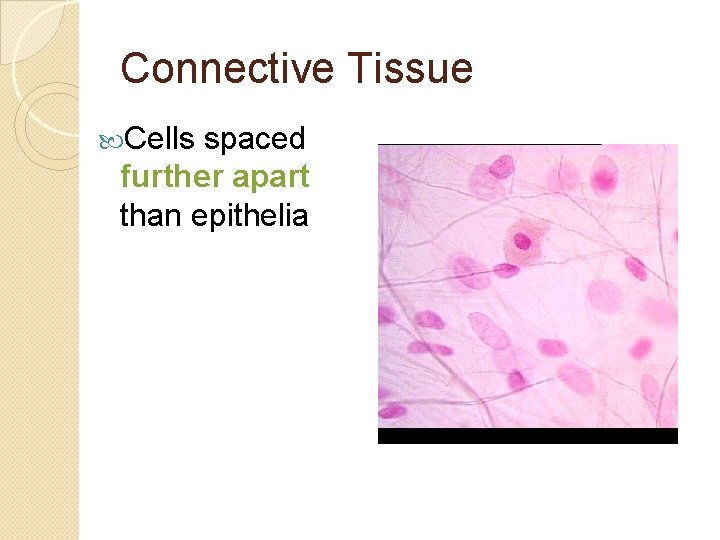
Connective Tissue Cells spaced further apart than epithelia
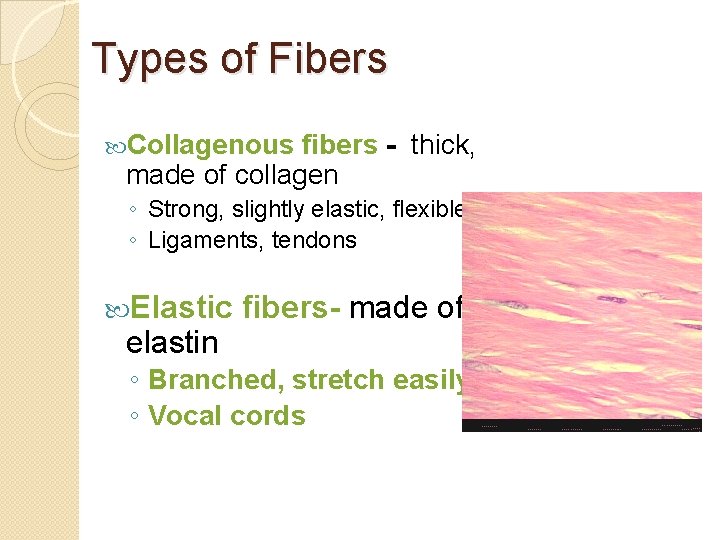
Types of Fibers Collagenous fibers - thick, made of collagen ◦ Strong, slightly elastic, flexible ◦ Ligaments, tendons Elastic elastin fibers- made of ◦ Branched, stretch easily ◦ Vocal cords
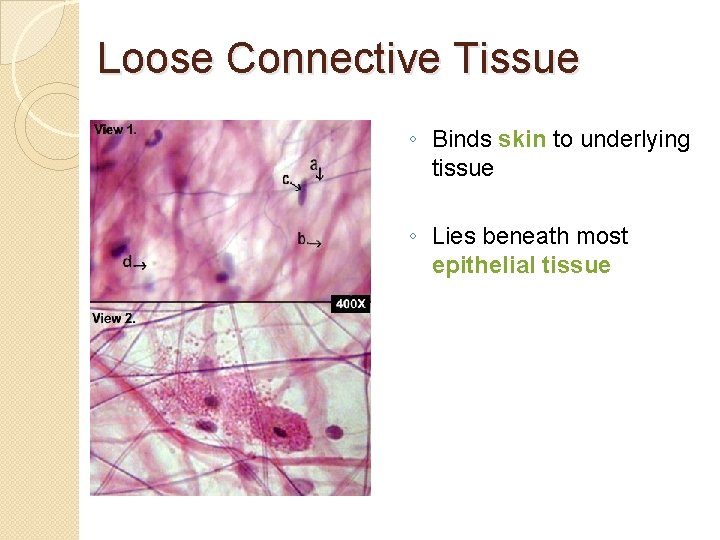
Loose Connective Tissue ◦ Binds skin to underlying tissue ◦ Lies beneath most epithelial tissue
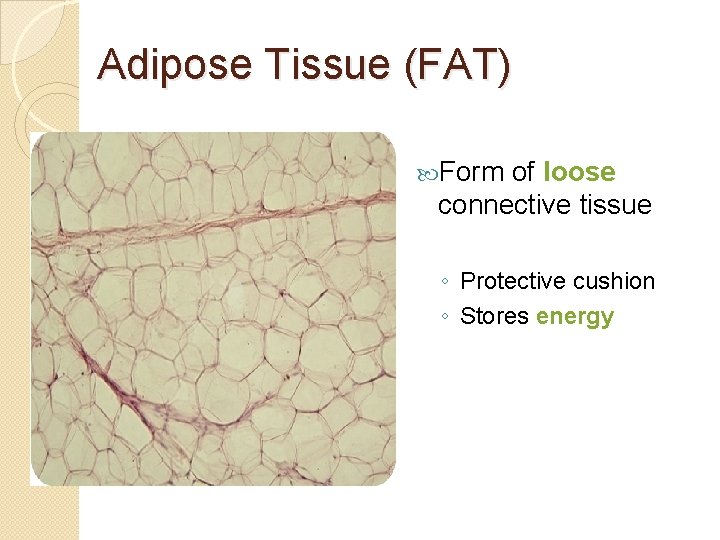
Adipose Tissue (FAT) Form of loose connective tissue ◦ Protective cushion ◦ Stores energy
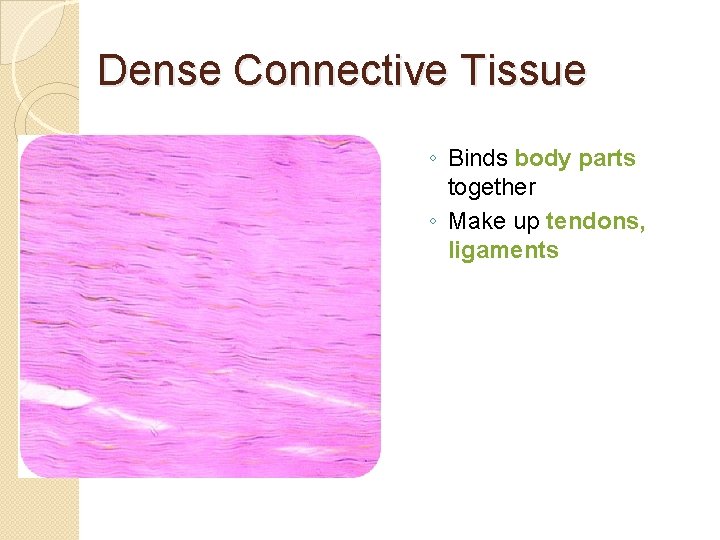
Dense Connective Tissue ◦ Binds body parts together ◦ Make up tendons, ligaments
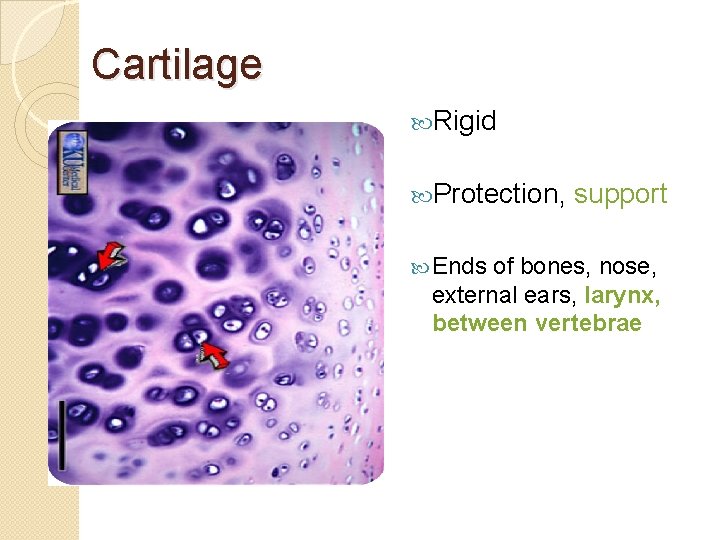
Cartilage Rigid Protection, Ends support of bones, nose, external ears, larynx, between vertebrae
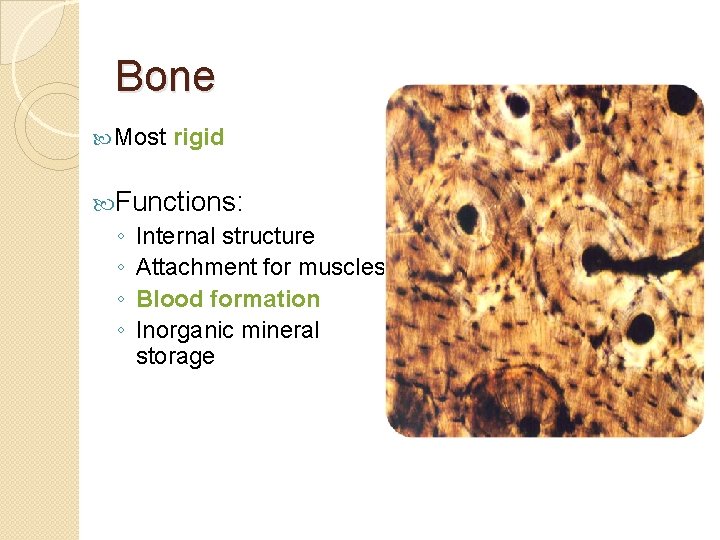
Bone Most rigid Functions: ◦ Internal structure ◦ Attachment for muscles ◦ Blood formation ◦ Inorganic mineral storage
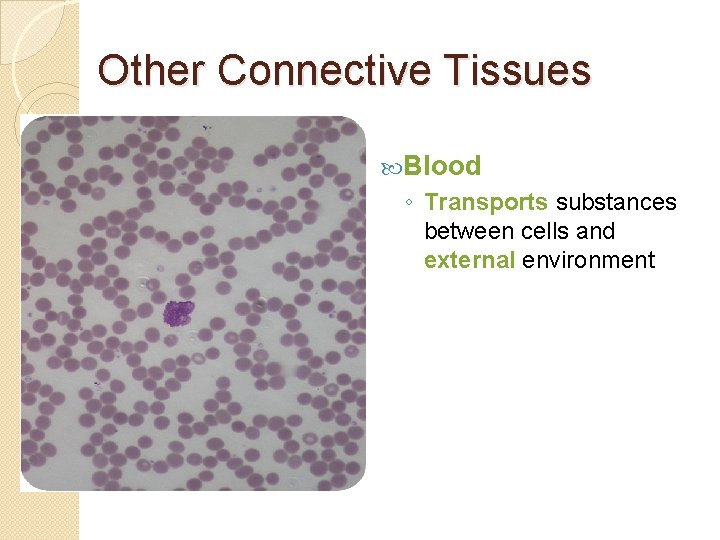
Other Connective Tissues Blood ◦ Transports substances between cells and external environment
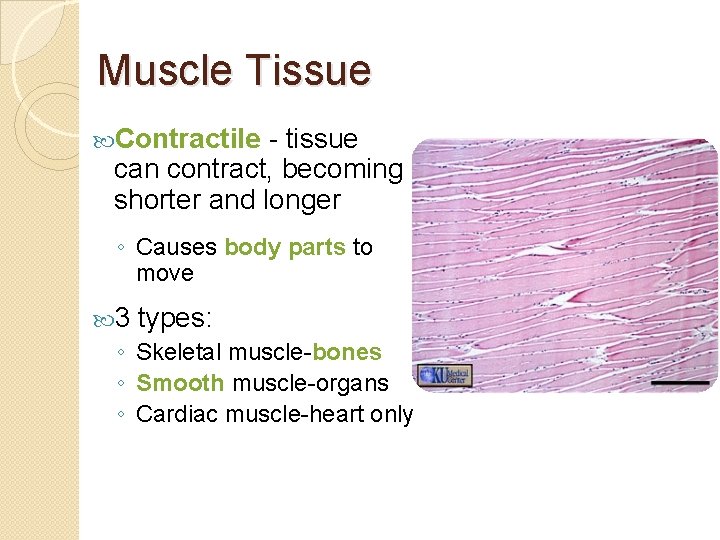
Muscle Tissue Contractile - tissue can contract, becoming shorter and longer ◦ Causes body parts to move 3 types: ◦ Skeletal muscle-bones ◦ Smooth muscle-organs ◦ Cardiac muscle-heart only
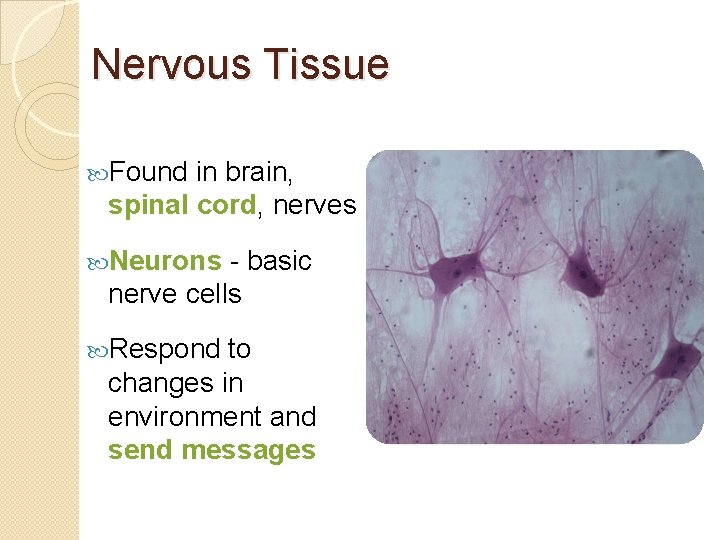
Nervous Tissue Found in brain, spinal cord, nerves Neurons - basic nerve cells Respond to changes in environment and send messages
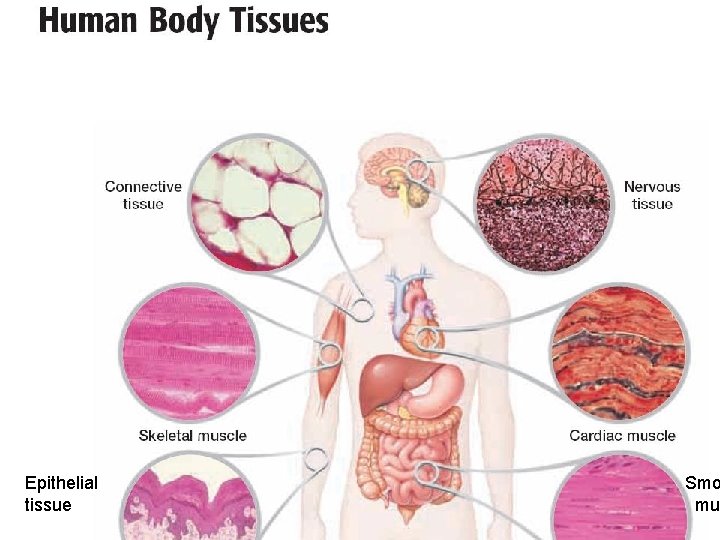
Epithelial tissue Smo mu
- Slides: 27