
Body system in Paediatric Nonbullous Impetigo Jen Yong
Body system in Paediatric Nonbullous Impetigo Jen Yong PATH 417 A, 25 January 2017
Paediatric Nonbullous Impetigo 1. 2. 3. 4. Signs and Symptoms Normal Physiology of Skin Disturbance due to Infection Secondary Sites of Infection
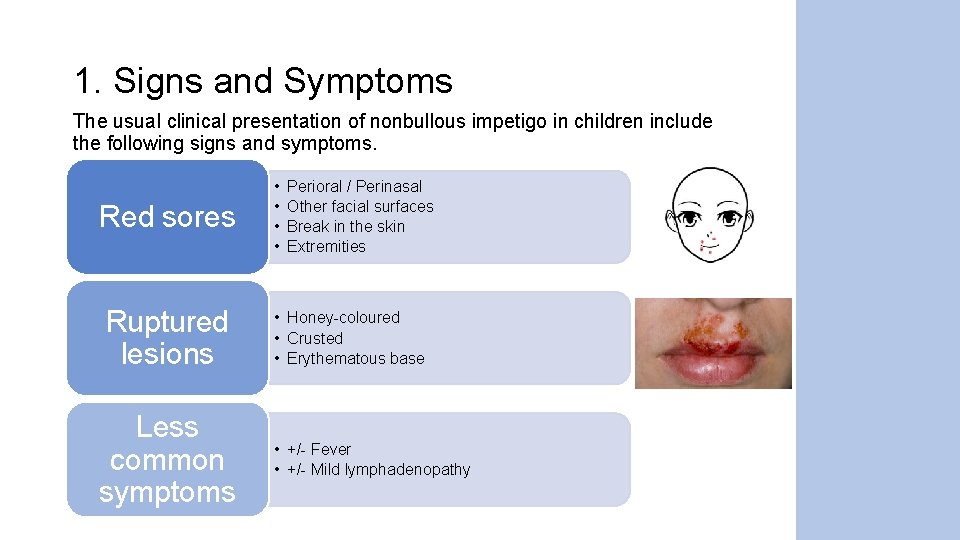
1. Signs and Symptoms The usual clinical presentation of nonbullous impetigo in children include the following signs and symptoms. Red sores Ruptured lesions Less common symptoms • • Perioral / Perinasal Other facial surfaces Break in the skin Extremities • Honey-coloured • Crusted • Erythematous base • +/- Fever • +/- Mild lymphadenopathy
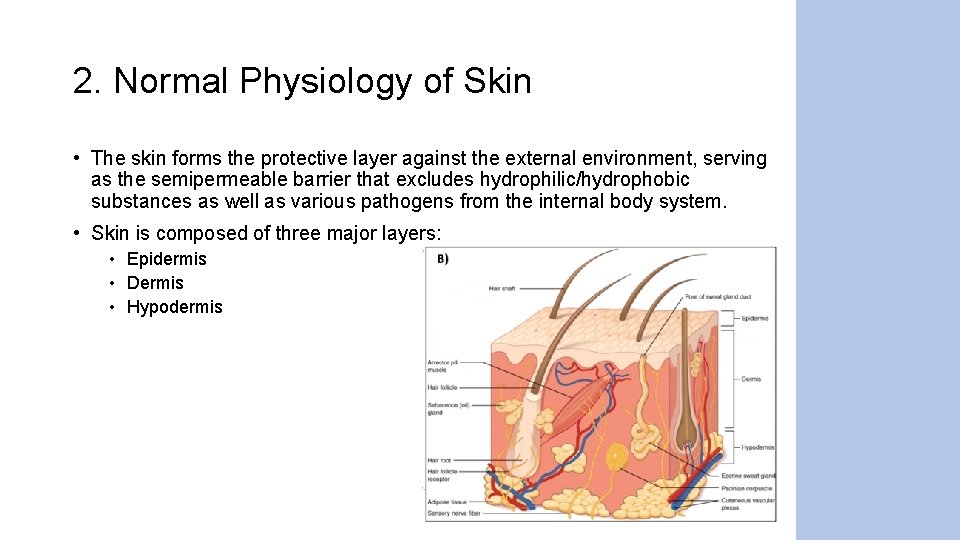
2. Normal Physiology of Skin • The skin forms the protective layer against the external environment, serving as the semipermeable barrier that excludes hydrophilic/hydrophobic substances as well as various pathogens from the internal body system. • Skin is composed of three major layers: • Epidermis • Dermis • Hypodermis
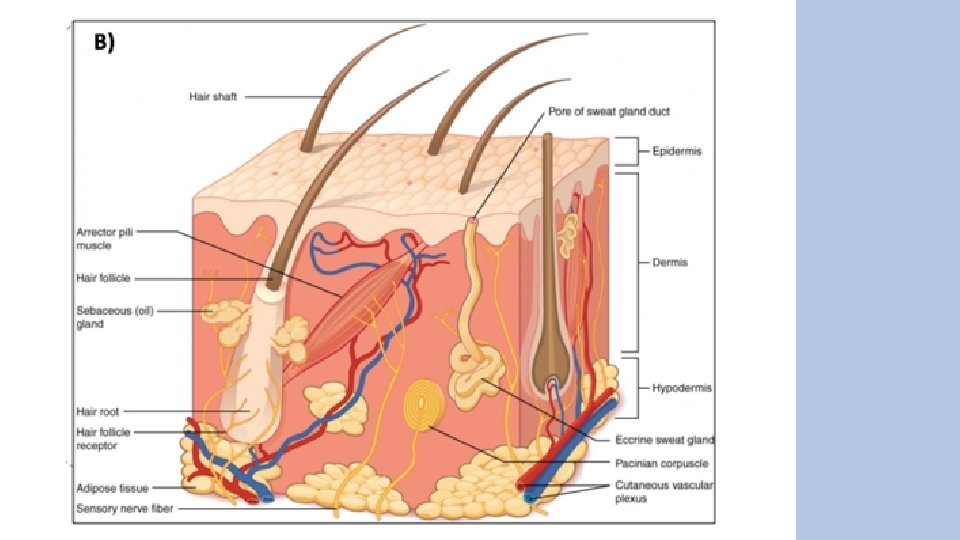
2. Normal Physiology of Skin • Epidermis is avascular and harbours cellular components such as melanocytes and Langerhans cells. 4 layers of the epidermis are: • • Stratum corneum Stratum granulosum Stratum spinosum Stratum basale • Dermis is vascular and plays a critical role in supplying the nutrients to epidermis. It harbours structures such as: • • Eccrine sweat glands Hair follicles Pacinian corpuscle Sebaceous glands

3. Skin Disturbance in Impetigo Cascade of Immune response Destruction of epidermis & destruction of normal flora Impaired maintenance of p. H & breached physical/mechanical barrier ↓ protection against UV, chemicals, oxidative stress & mechanical stress
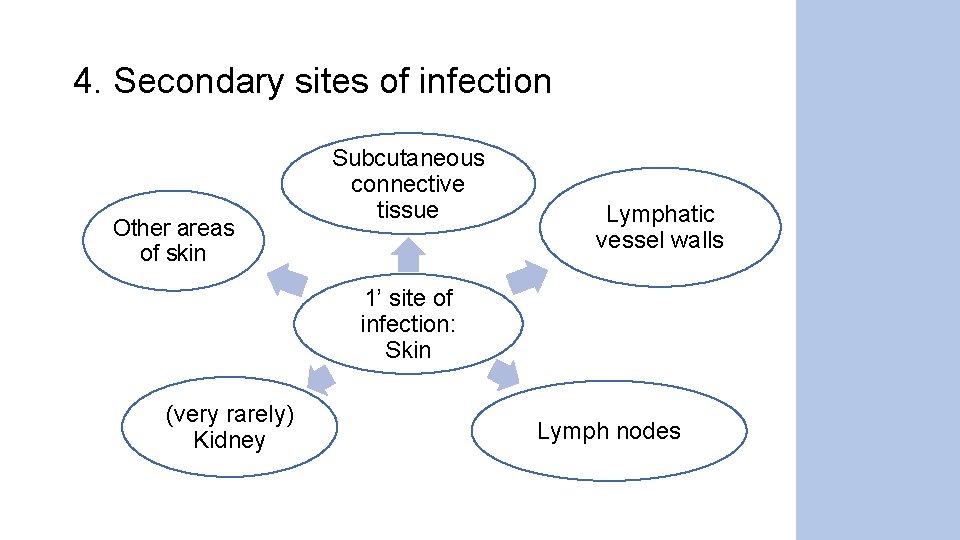
4. Secondary sites of infection Other areas of skin Subcutaneous connective tissue Lymphatic vessel walls 1’ site of infection: Skin (very rarely) Kidney Lymph nodes
- Slides: 7