
BMT AND THALASSAEMIA DR MD SALAHUDDIN SHAH MBBS
BMT AND THALASSAEMIA DR. MD. SALAHUDDIN SHAH MBBS, DCP, MCPS, FCPS (Haematology) IHTC Fellow, UNC, USA Fellowship in Haematology & BMT/ Stem Cell Transplantation, Australia Haematologist & BMT Physician ASSOCIATE PROFESSOR Department of Haematology Bangabandhu Shiekh Mujib Medical University
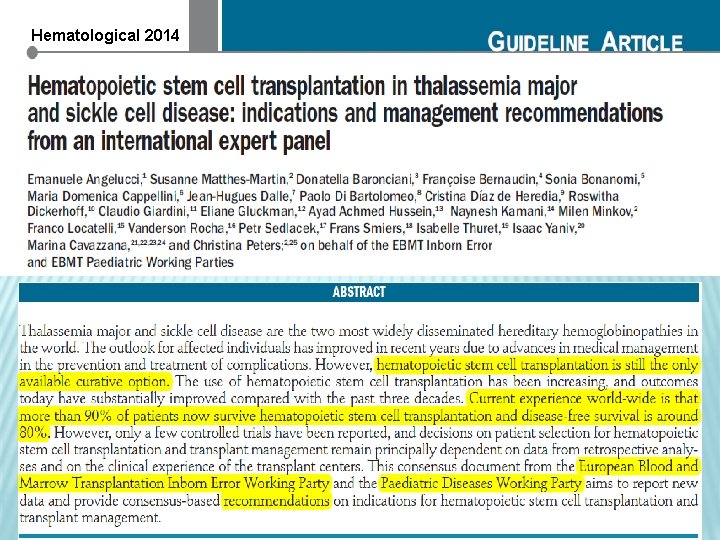
INTRODUCTION Despite the remarkable improvements in medical therapy for haemoglobinopathies, hematopoietic stem cell transplantation (HSCT) still remains the only available curative approach.
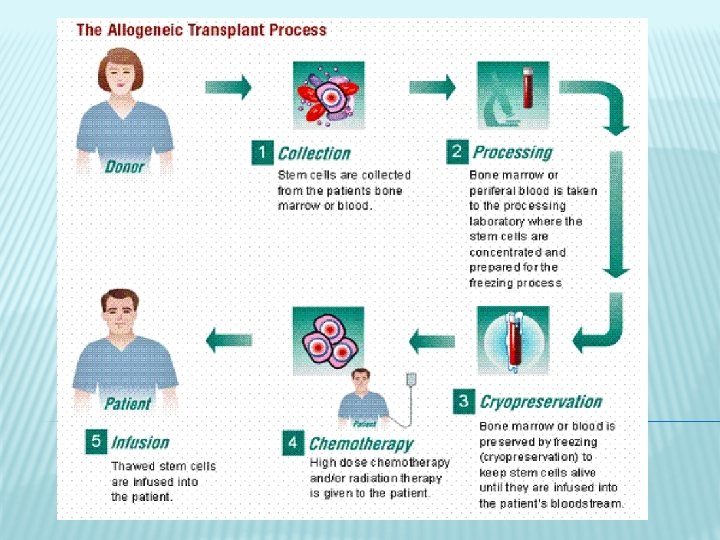
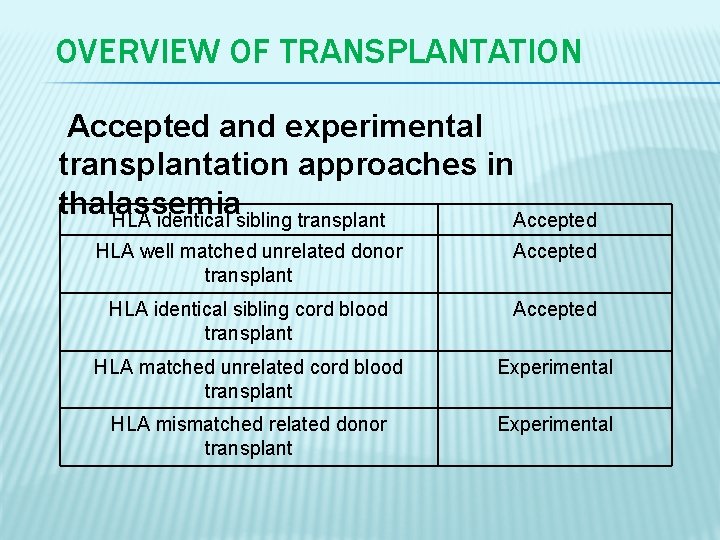
OVERVIEW OF TRANSPLANTATION Accepted and experimental transplantation approaches in thalassemia HLA identical sibling transplant Accepted HLA well matched unrelated donor transplant Accepted HLA identical sibling cord blood transplant Accepted HLA matched unrelated cord blood transplant Experimental HLA mismatched related donor transplant Experimental
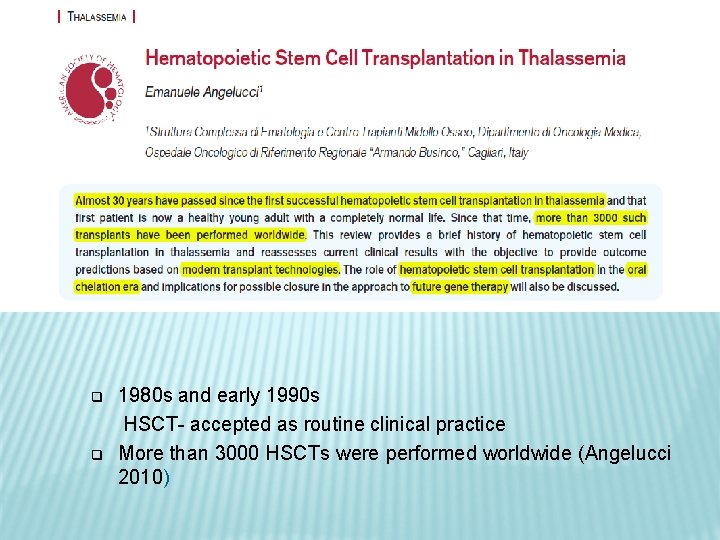
q q 1980 s and early 1990 s HSCT- accepted as routine clinical practice More than 3000 HSCTs were performed worldwide (Angelucci 2010)
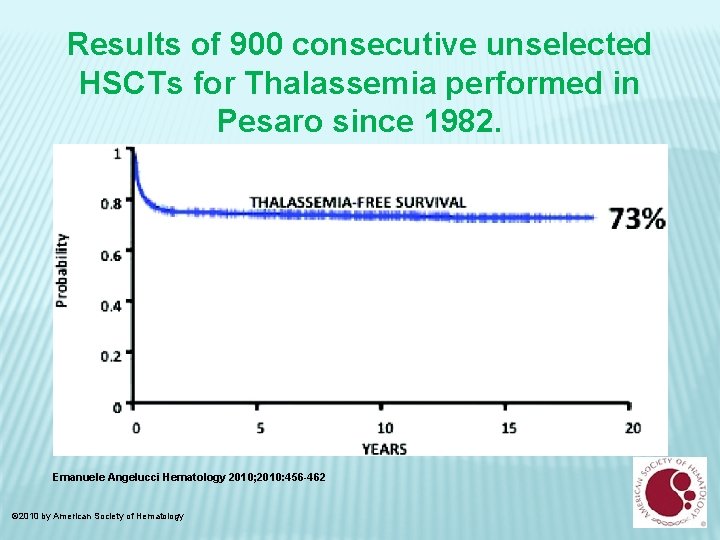
Results of 900 consecutive unselected HSCTs for Thalassemia performed in Pesaro since 1982. Emanuele Angelucci Hematology 2010; 2010: 456 -462 © 2010 by American Society of Hematology
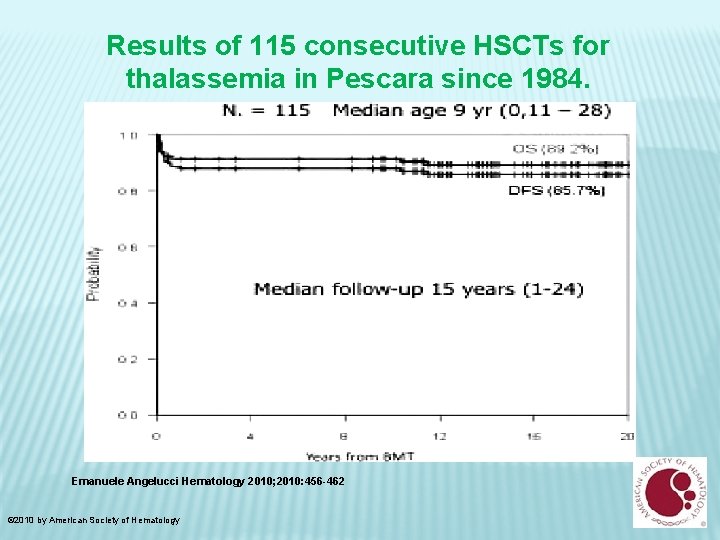
Results of 115 consecutive HSCTs for thalassemia in Pescara since 1984. Emanuele Angelucci Hematology 2010; 2010: 456 -462 © 2010 by American Society of Hematology
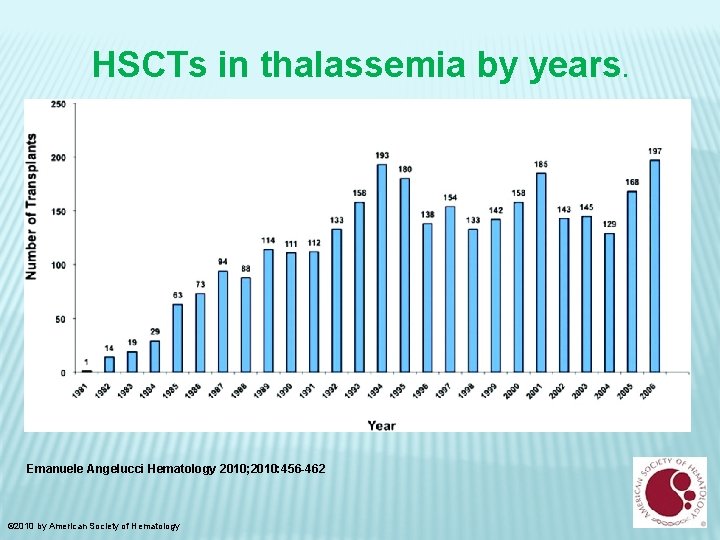
HSCTs in thalassemia by years. Emanuele Angelucci Hematology 2010; 2010: 456 -462 © 2010 by American Society of Hematology
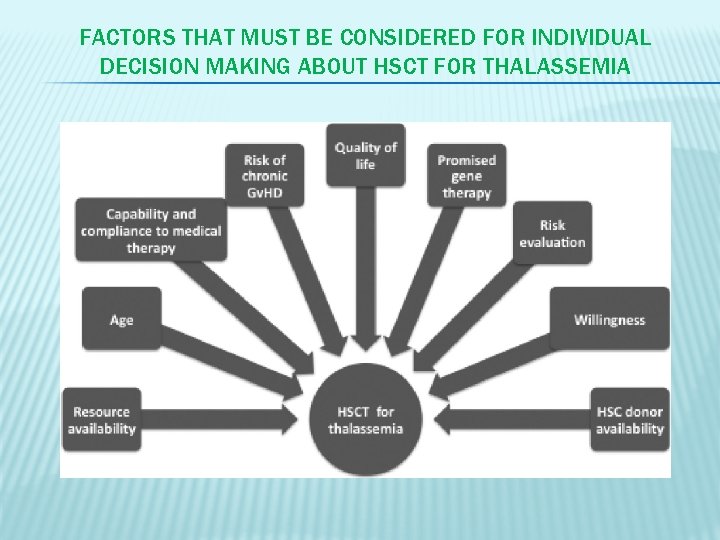
FACTORS THAT MUST BE CONSIDERED FOR INDIVIDUAL DECISION MAKING ABOUT HSCT FOR THALASSEMIA
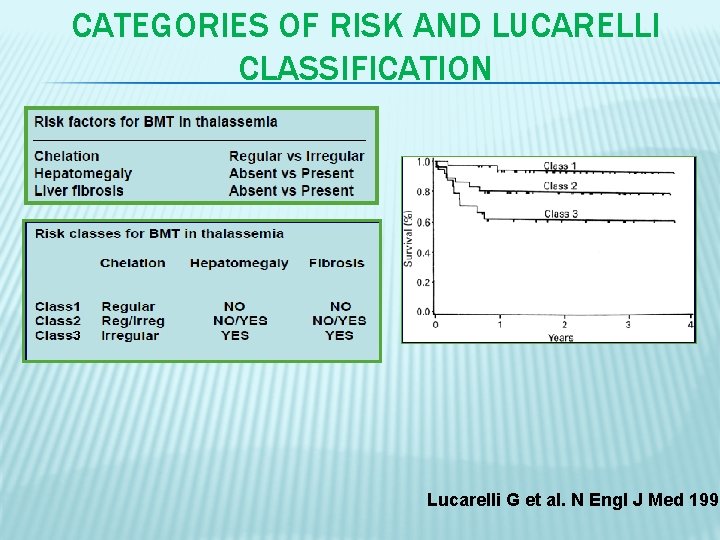
CATEGORIES OF RISK AND LUCARELLI CLASSIFICATION Lucarelli G et al. N Engl J Med 1990
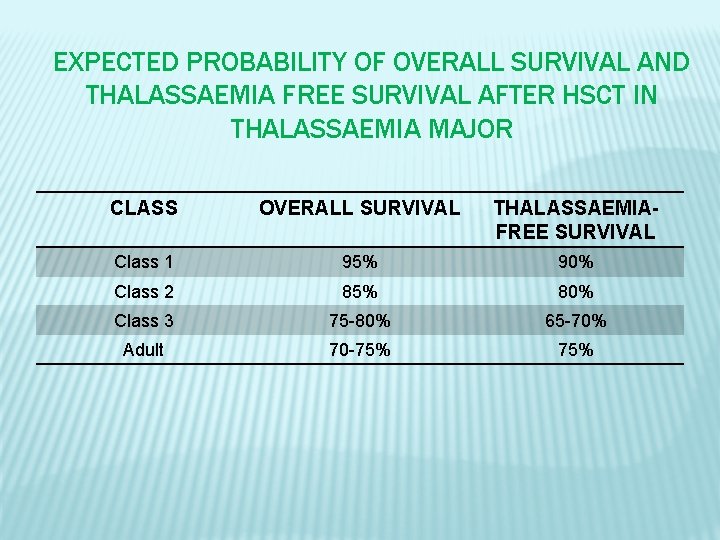
EXPECTED PROBABILITY OF OVERALL SURVIVAL AND THALASSAEMIA FREE SURVIVAL AFTER HSCT IN THALASSAEMIA MAJOR CLASS OVERALL SURVIVAL THALASSAEMIAFREE SURVIVAL Class 1 95% 90% Class 2 85% 80% Class 3 75 -80% 65 -70% Adult 70 -75%
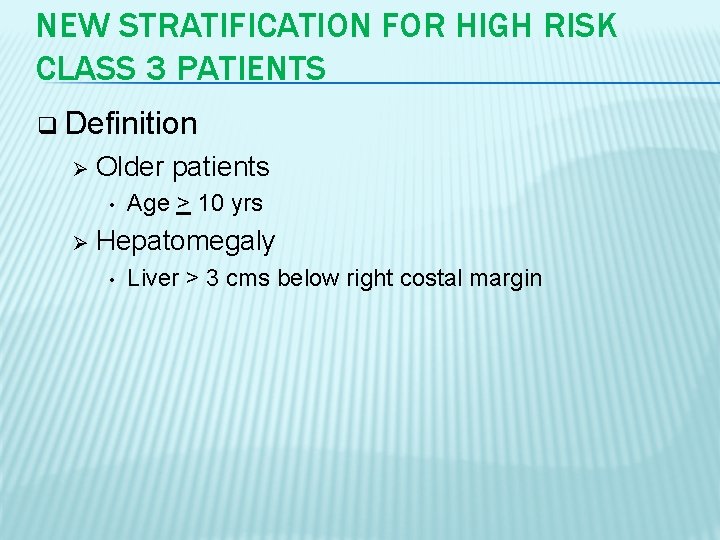
NEW STRATIFICATION FOR HIGH RISK CLASS 3 PATIENTS q Definition Ø Older patients • Ø Age > 10 yrs Hepatomegaly • Liver > 3 cms below right costal margin
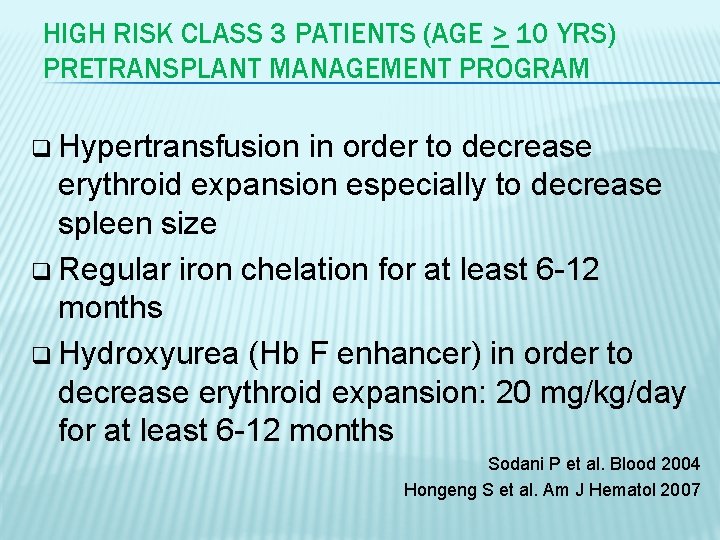
HIGH RISK CLASS 3 PATIENTS (AGE > 10 YRS) PRETRANSPLANT MANAGEMENT PROGRAM q Hypertransfusion in order to decrease erythroid expansion especially to decrease spleen size q Regular iron chelation for at least 6 -12 months q Hydroxyurea (Hb F enhancer) in order to decrease erythroid expansion: 20 mg/kg/day for at least 6 -12 months Sodani P et al. Blood 2004 Hongeng S et al. Am J Hematol 2007
Hematological 2014
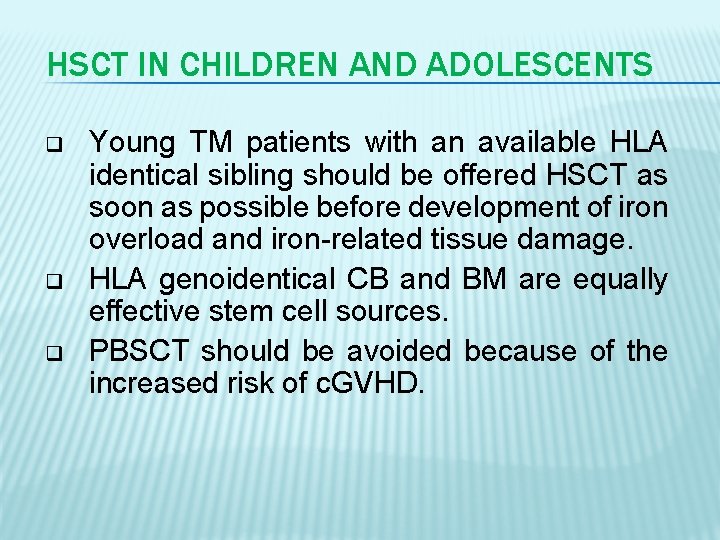
HSCT IN CHILDREN AND ADOLESCENTS q q q Young TM patients with an available HLA identical sibling should be offered HSCT as soon as possible before development of iron overload and iron-related tissue damage. HLA genoidentical CB and BM are equally effective stem cell sources. PBSCT should be avoided because of the increased risk of c. GVHD.
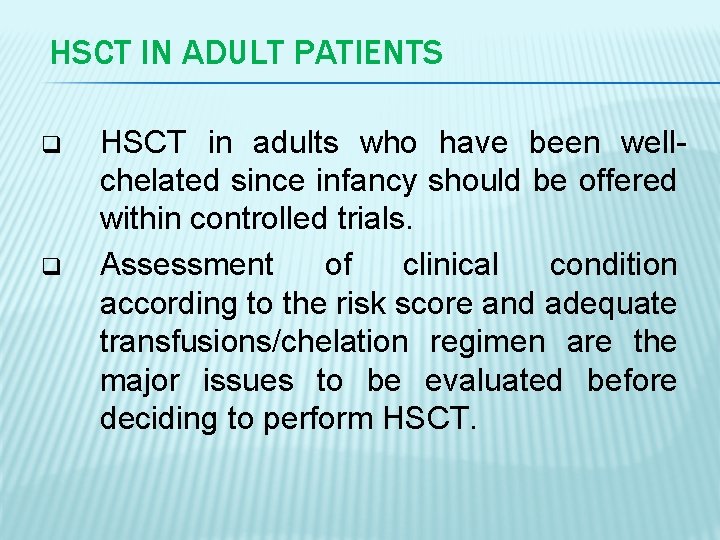
HSCT IN ADULT PATIENTS q q HSCT in adults who have been wellchelated since infancy should be offered within controlled trials. Assessment of clinical condition according to the risk score and adequate transfusions/chelation regimen are the major issues to be evaluated before deciding to perform HSCT.
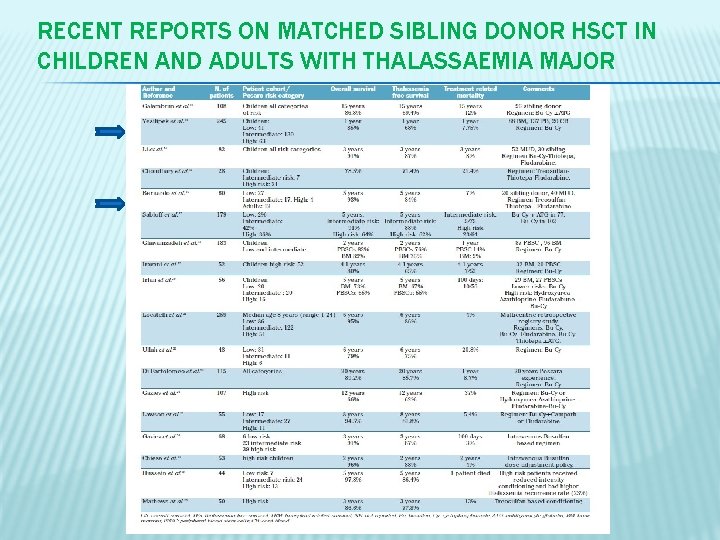
RECENT REPORTS ON MATCHED SIBLING DONOR HSCT IN CHILDREN AND ADULTS WITH THALASSAEMIA MAJOR
USE OF DONORS OTHER THAN AN HLA MATCHED SIBLING q q HSCT from an HLA-mismatched family member in TM should still be considered an experimental approach and has to be conducted in the context of well-designed controlled trials. HLA typing of the entire family is advisable. HSCT from an HLA-phenotypically-identical donor is an option to be performed in expert centers
MATCHED UNRELATED DONORS q q If a well-matched UD is available, allogeneic HSCT is a suitable option for a child with life -long control of iron overload and absence of iron-related tissue complications. The UD must be selected using highresolution molecular typing for both HLA class I and II loci, and according to stringent criteria of compatibility with the recipient.
UNRELATED CORD BLOOD TRANSPLANTATION q Unrelated cord blood transplantation must be performed in the context of wellcontrolled clinical trials in centers with specific UCBT programs.
TRANSPLANT MANAGEMENT CONDITIONING REGIMEN MAC without irradiation should always be used for standard transplantation. q Reduced toxicity regimens are under investigation and are to be used in the context of clinical trials q
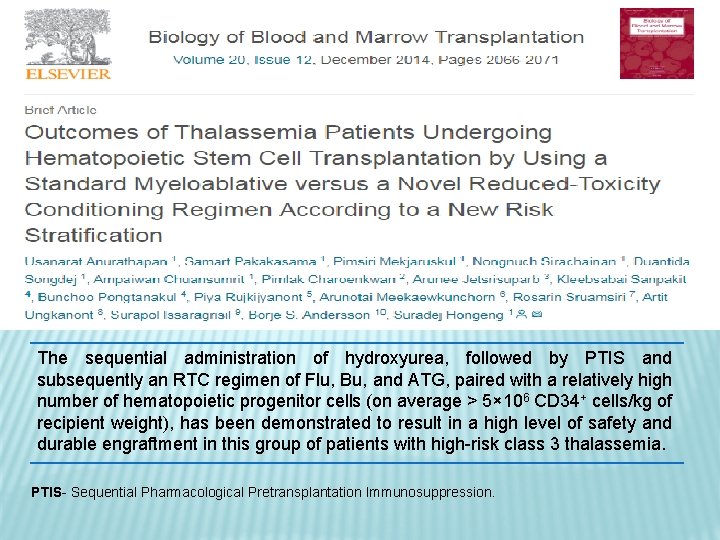
The sequential administration of hydroxyurea, followed by PTIS and subsequently an RTC regimen of Flu, Bu, and ATG, paired with a relatively high number of hematopoietic progenitor cells (on average > 5× 10⁶ CD 34+ cells/kg of recipient weight), has been demonstrated to result in a high level of safety and durable engraftment in this group of patients with high-risk class 3 thalassemia. PTIS- Sequential Pharmacological Pretransplantation Immunosuppression.
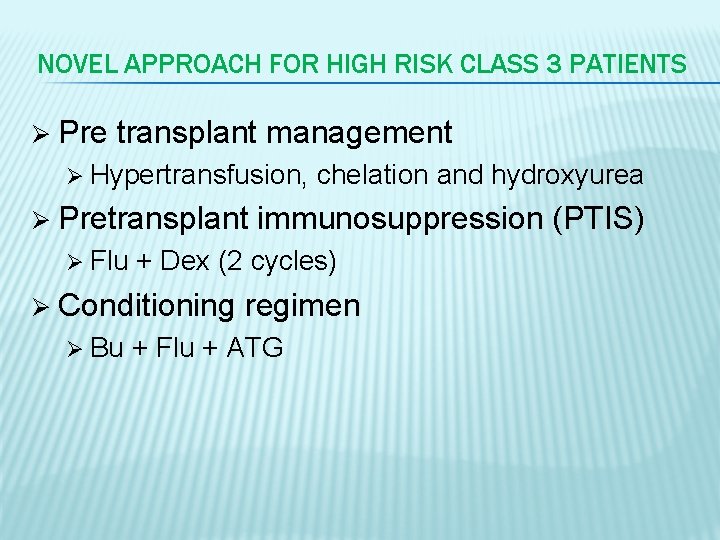
NOVEL APPROACH FOR HIGH RISK CLASS 3 PATIENTS Ø Pre transplant management Ø Hypertransfusion, Ø Pretransplant Ø Flu immunosuppression (PTIS) + Dex (2 cycles) Ø Conditioning Ø Bu chelation and hydroxyurea regimen + Flu + ATG
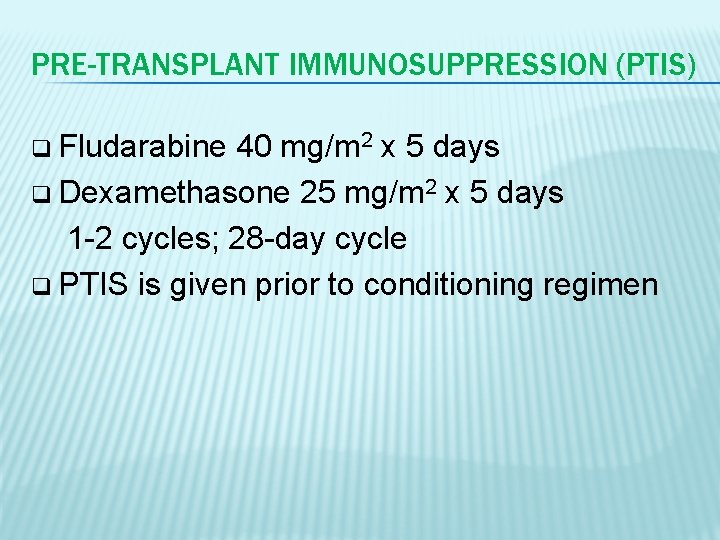
PRE-TRANSPLANT IMMUNOSUPPRESSION (PTIS) q Fludarabine 40 mg/m 2 x 5 days q Dexamethasone 25 mg/m 2 x 5 days 1 -2 cycles; 28 -day cycle q PTIS is given prior to conditioning regimen
CONDITIONING REGIMEN FOR HIGH RISK CLASS 3 PATIENTS q Past Ø Combination of cyclophosphamide & busulfan • • Too much alkylating agent regimen Too toxic
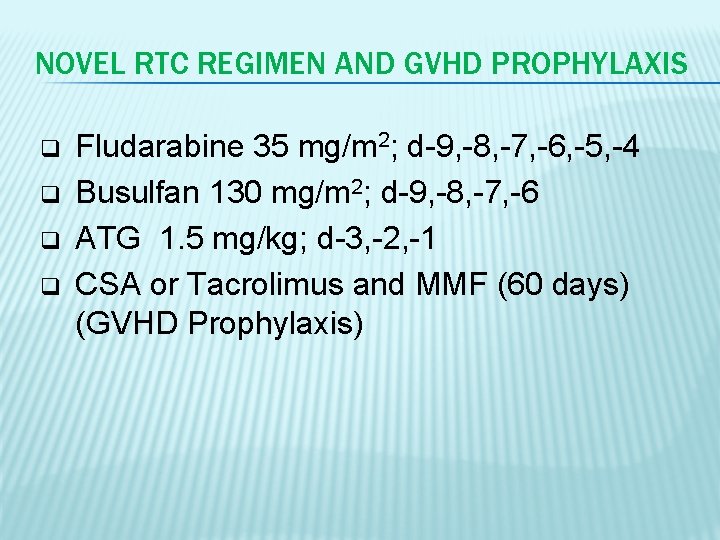
NOVEL RTC REGIMEN AND GVHD PROPHYLAXIS q q Fludarabine 35 mg/m 2; d-9, -8, -7, -6, -5, -4 Busulfan 130 mg/m 2; d-9, -8, -7, -6 ATG 1. 5 mg/kg; d-3, -2, -1 CSA or Tacrolimus and MMF (60 days) (GVHD Prophylaxis)
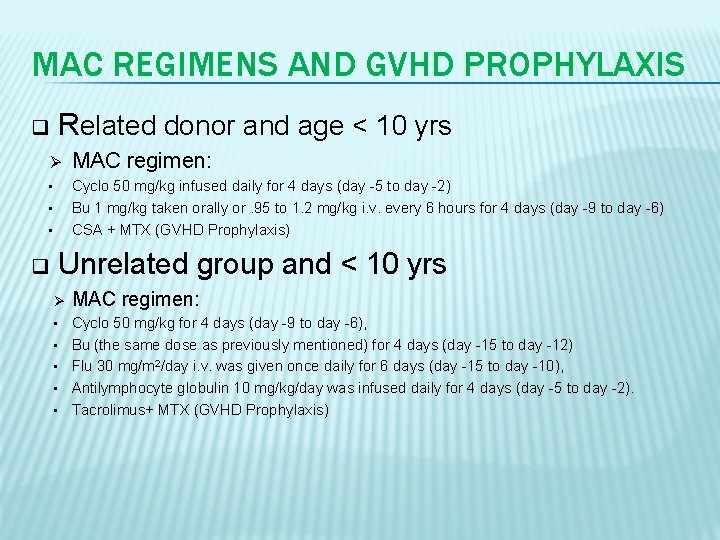
MAC REGIMENS AND GVHD PROPHYLAXIS Related donor and age < 10 yrs q Ø MAC regimen: Cyclo 50 mg/kg infused daily for 4 days (day -5 to day -2) Bu 1 mg/kg taken orally or. 95 to 1. 2 mg/kg i. v. every 6 hours for 4 days (day -9 to day -6) CSA + MTX (GVHD Prophylaxis) • • • Unrelated group and < 10 yrs q Ø MAC regimen: • Cyclo 50 mg/kg for 4 days (day -9 to day -6), Bu (the same dose as previously mentioned) for 4 days (day -15 to day -12) Flu 30 mg/m 2/day i. v. was given once daily for 6 days (day -15 to day -10), Antilymphocyte globulin 10 mg/kg/day was infused daily for 4 days (day -5 to day -2). Tacrolimus+ MTX (GVHD Prophylaxis) • •
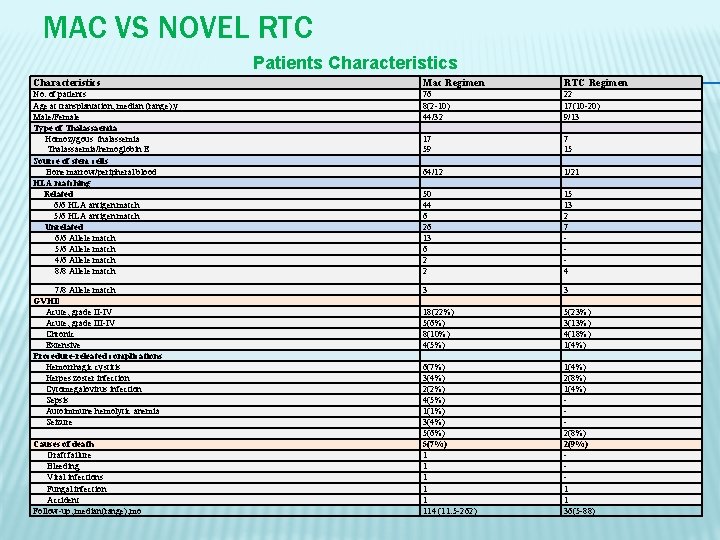
MAC VS NOVEL RTC Patients Characteristics Mac Regimen RTC Regimen No. of patients Age at transplantation, median (range). y Male/Female Type of Thalassaemia Homozygous thalassemia Thalassaemia/hemoglobin E Source of stem cells Bone marrow/peripheral blood HLA matching Related 6/6 HLA antigen match 5/6 HLA antigen match Unrelated 6/6 Allele match 5/6 Allele match 4/6 Allele match 8/8 Allele match 76 8(2 -10) 44/32 22 17(10 -20) 9/13 17 59 7 15 64/12 1/21 50 44 6 26 13 6 2 2 15 13 2 7 4 7/8 Allele match GVHD Acute, grade II-IV Acute, grade III-IV Chronic Extensive Procedure-releated complications Hemorrhagic cystitis Herpes zoster infection Cytomegalovirus infection Sepsis Autoimmune hemolytic anemia Seizure 3 3 18(22%) 5(6%) 8(10%) 4(5%) 5(23%) 3(13%) 4(18%) 1(4%) 6(7%) 3(4%) 2(2%) 4(5%) 1(1%) 3(4%) 5(6%) 5(7%) 1 1 114 (11. 5 -262) 1(4%) 2(8%) 2(9%) 1 1 36(5 -88) Causes of death Graft failure Bleeding Viral infections Fungal infection Accident Follow-up, median(range), mo
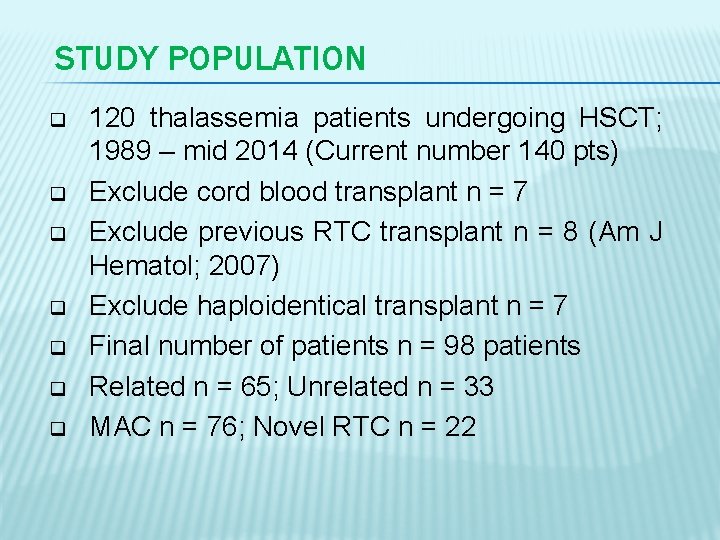
STUDY POPULATION q q q q 120 thalassemia patients undergoing HSCT; 1989 – mid 2014 (Current number 140 pts) Exclude cord blood transplant n = 7 Exclude previous RTC transplant n = 8 (Am J Hematol; 2007) Exclude haploidentical transplant n = 7 Final number of patients n = 98 patients Related n = 65; Unrelated n = 33 MAC n = 76; Novel RTC n = 22
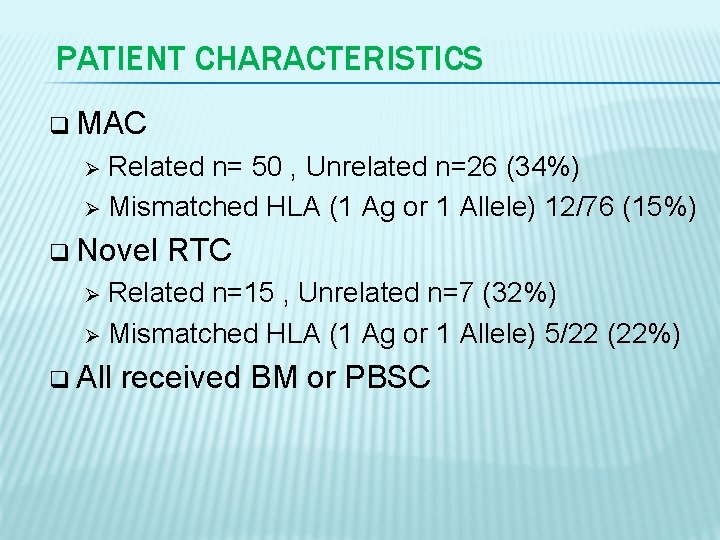
PATIENT CHARACTERISTICS q MAC Related n= 50 , Unrelated n=26 (34%) Ø Mismatched HLA (1 Ag or 1 Allele) 12/76 (15%) Ø q Novel RTC Related n=15 , Unrelated n=7 (32%) Ø Mismatched HLA (1 Ag or 1 Allele) 5/22 (22%) Ø q All received BM or PBSC
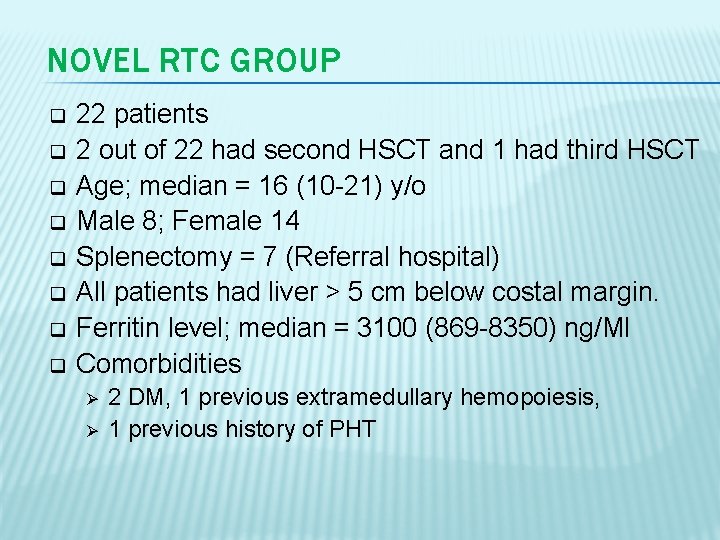
NOVEL RTC GROUP q q q q 22 patients 2 out of 22 had second HSCT and 1 had third HSCT Age; median = 16 (10 -21) y/o Male 8; Female 14 Splenectomy = 7 (Referral hospital) All patients had liver > 5 cm below costal margin. Ferritin level; median = 3100 (869 -8350) ng/Ml Comorbidities Ø Ø 2 DM, 1 previous extramedullary hemopoiesis, 1 previous history of PHT
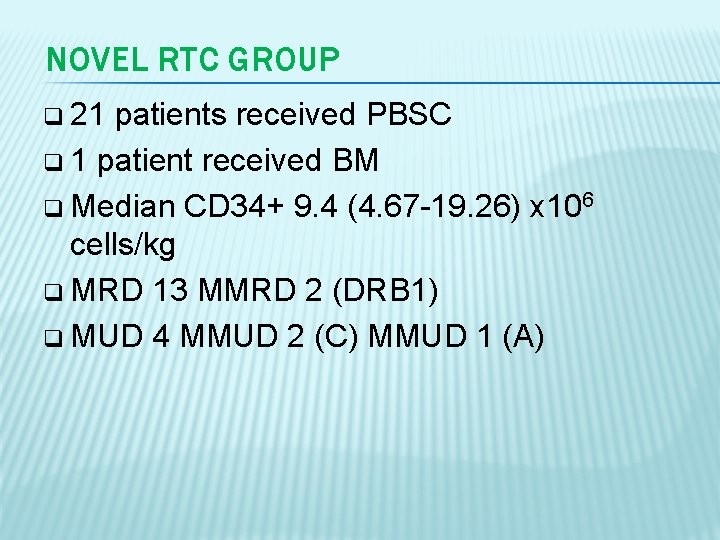
NOVEL RTC GROUP q 21 patients received PBSC q 1 patient received BM q Median CD 34+ 9. 4 (4. 67 -19. 26) x 106 cells/kg q MRD 13 MMRD 2 (DRB 1) q MUD 4 MMUD 2 (C) MMUD 1 (A)
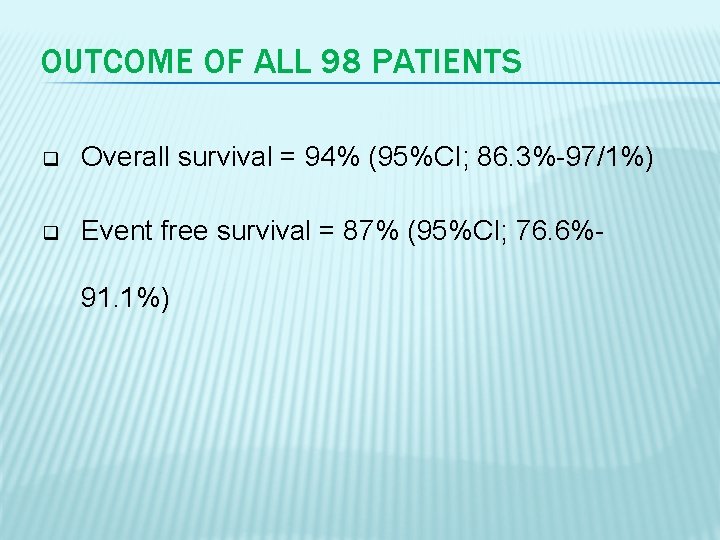
OUTCOME OF ALL 98 PATIENTS q Overall survival = 94% (95%CI; 86. 3%-97/1%) q Event free survival = 87% (95%CI; 76. 6%91. 1%)
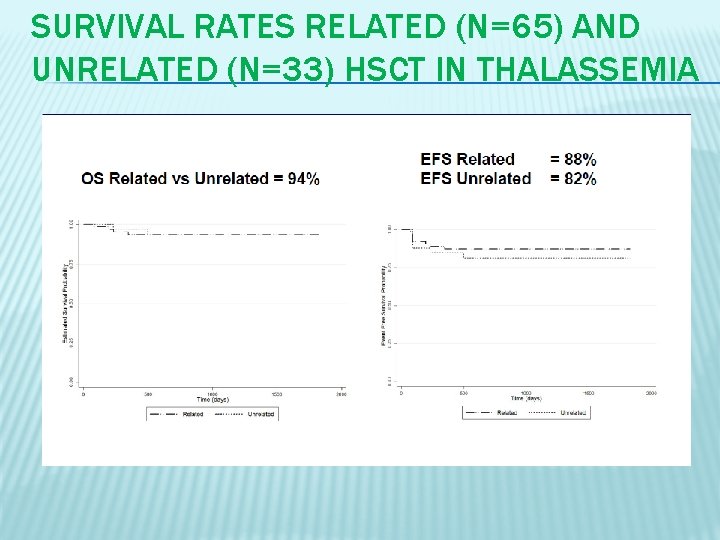
SURVIVAL RATES RELATED (N=65) AND UNRELATED (N=33) HSCT IN THALASSEMIA
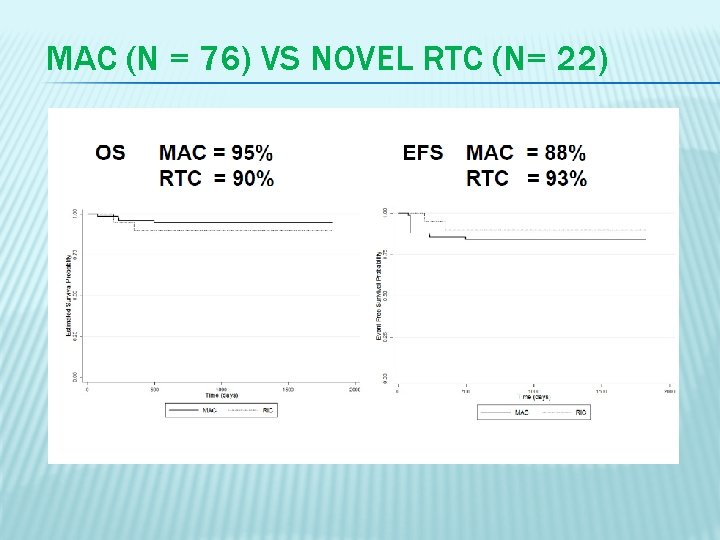
MAC (N = 76) VS NOVEL RTC (N= 22)
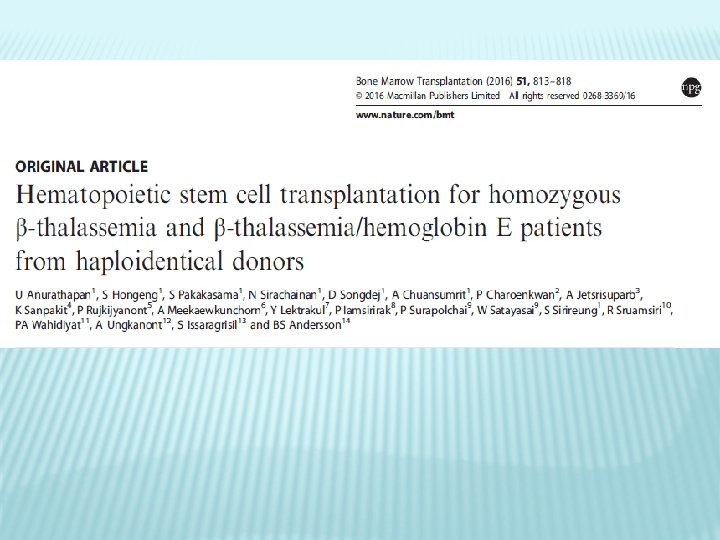
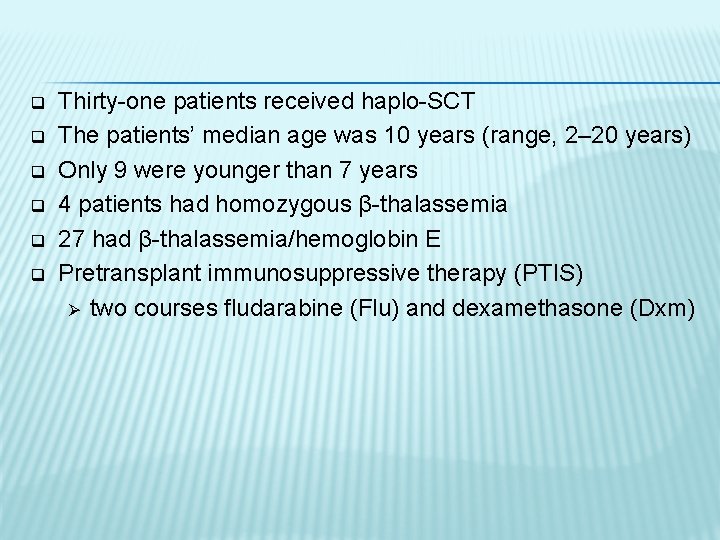
q q q Thirty-one patients received haplo-SCT The patients’ median age was 10 years (range, 2– 20 years) Only 9 were younger than 7 years 4 patients had homozygous β-thalassemia 27 had β-thalassemia/hemoglobin E Pretransplant immunosuppressive therapy (PTIS) Ø two courses fludarabine (Flu) and dexamethasone (Dxm)

q Conditioning regimen Ø Ø Ø q SCT Ø Ø q rabbit antithymocyte globulin IV Flu IV Bu T-cell-replete PBPC The median CD 34+ cell dose was 11. 6 × 10⁶ cells/kg body weight (range, 4. 0– 19. 0 × 106) Gv. HD prophylaxis Ø Ø cyclophosphamide (Cy) on days SCT +3 and +4 (post. Cy) on day SCT +5 tacrolimus or sirolimus together with a short course of mycophenolate mofetil
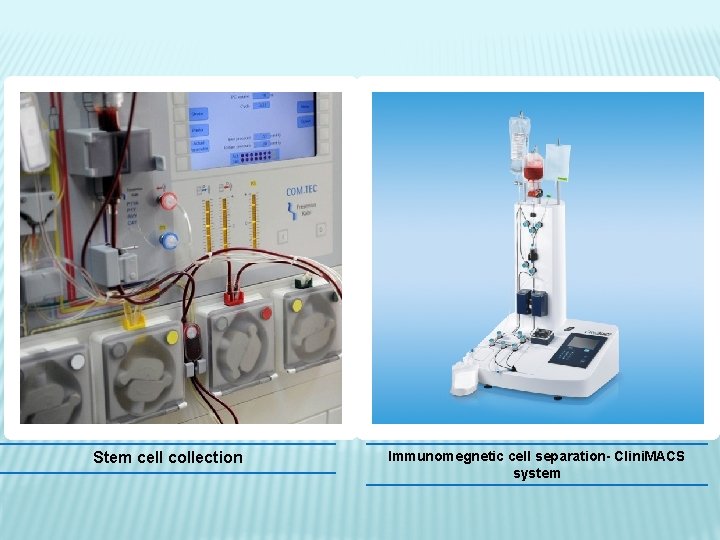
Stem cell collection Immunomegnetic cell separation- Clini. MACS system
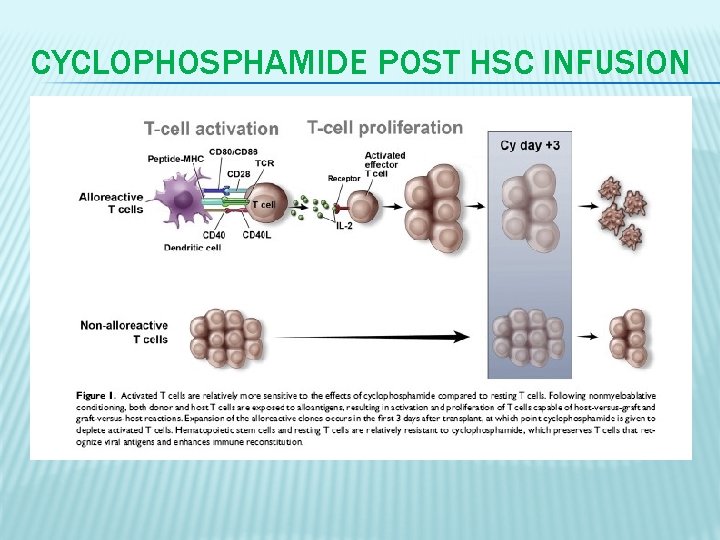
CYCLOPHOSPHAMIDE POST HSC INFUSION
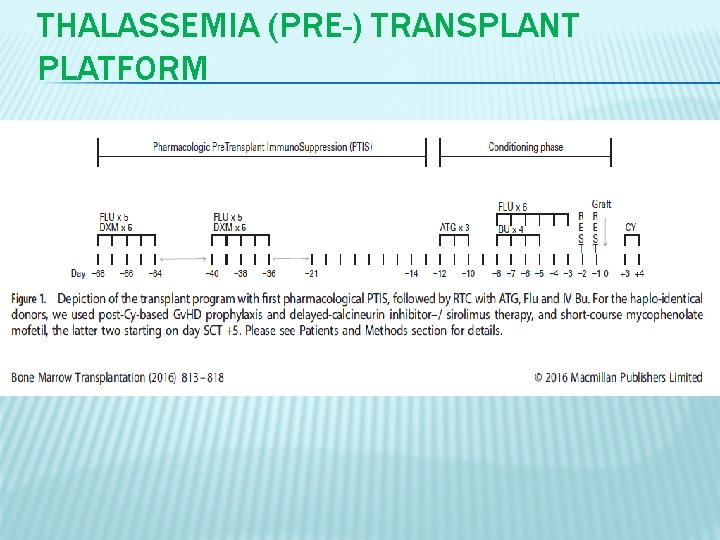
THALASSEMIA (PRE-) TRANSPLANT PLATFORM
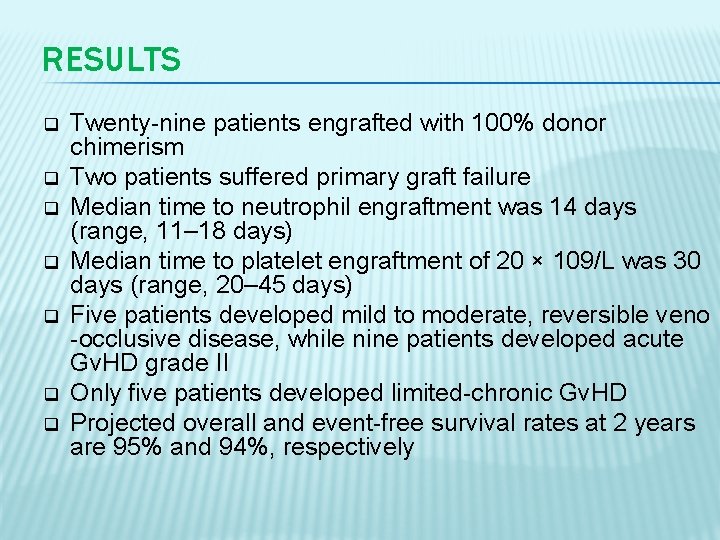
RESULTS q q q q Twenty-nine patients engrafted with 100% donor chimerism Two patients suffered primary graft failure Median time to neutrophil engraftment was 14 days (range, 11– 18 days) Median time to platelet engraftment of 20 × 109/L was 30 days (range, 20– 45 days) Five patients developed mild to moderate, reversible veno -occlusive disease, while nine patients developed acute Gv. HD grade II Only five patients developed limited-chronic Gv. HD Projected overall and event-free survival rates at 2 years are 95% and 94%, respectively
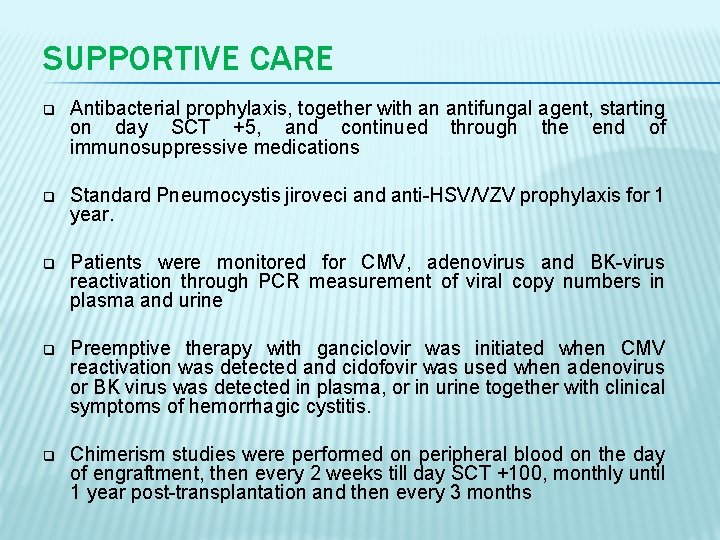
SUPPORTIVE CARE q Antibacterial prophylaxis, together with an antifungal agent, starting on day SCT +5, and continued through the end of immunosuppressive medications q Standard Pneumocystis jiroveci and anti-HSV/VZV prophylaxis for 1 year. q Patients were monitored for CMV, adenovirus and BK-virus reactivation through PCR measurement of viral copy numbers in plasma and urine q Preemptive therapy with ganciclovir was initiated when CMV reactivation was detected and cidofovir was used when adenovirus or BK virus was detected in plasma, or in urine together with clinical symptoms of hemorrhagic cystitis. q Chimerism studies were performed on peripheral blood on the day of engraftment, then every 2 weeks till day SCT +100, monthly until 1 year post-transplantation and then every 3 months
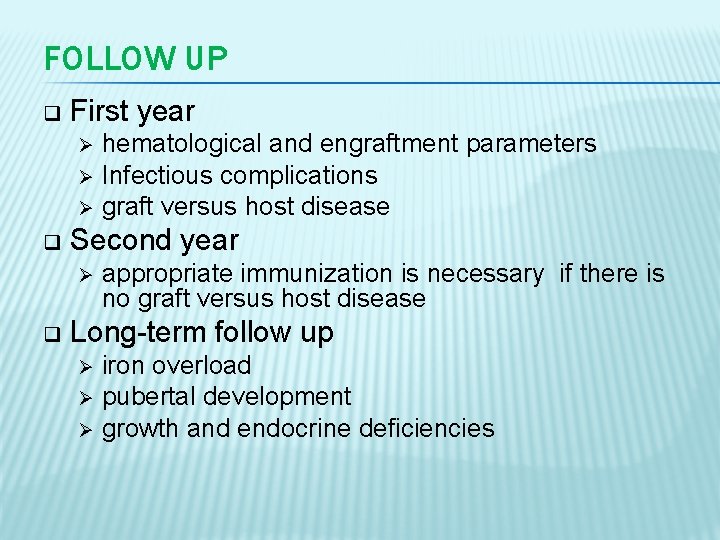
FOLLOW UP q First year hematological and engraftment parameters Ø Infectious complications Ø graft versus host disease Ø q Second year Ø q appropriate immunization is necessary if there is no graft versus host disease Long-term follow up iron overload Ø pubertal development Ø growth and endocrine deficiencies Ø
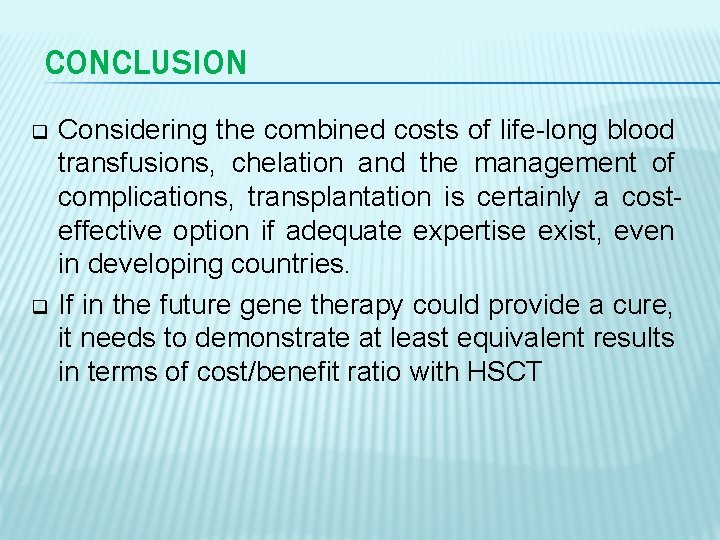
CONCLUSION q q Considering the combined costs of life-long blood transfusions, chelation and the management of complications, transplantation is certainly a costeffective option if adequate expertise exist, even in developing countries. If in the future gene therapy could provide a cure, it needs to demonstrate at least equivalent results in terms of cost/benefit ratio with HSCT

- Slides: 46