
Bloodborne Pathogens Presented by OnSite Health and Safety
Bloodborne Pathogens Presented by: On-Site Health and Safety
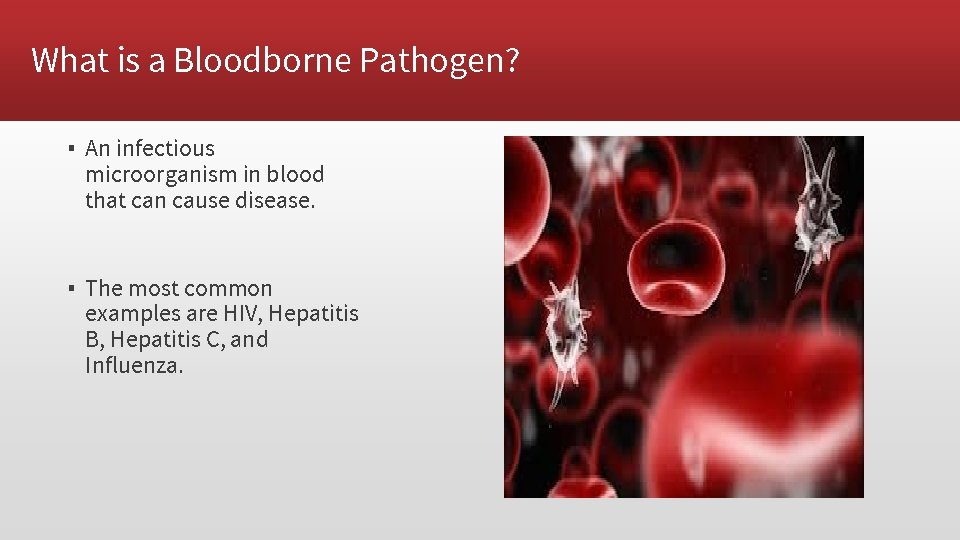
What is a Bloodborne Pathogen? ▪ An infectious microorganism in blood that can cause disease. ▪ The most common examples are HIV, Hepatitis B, Hepatitis C, and Influenza.
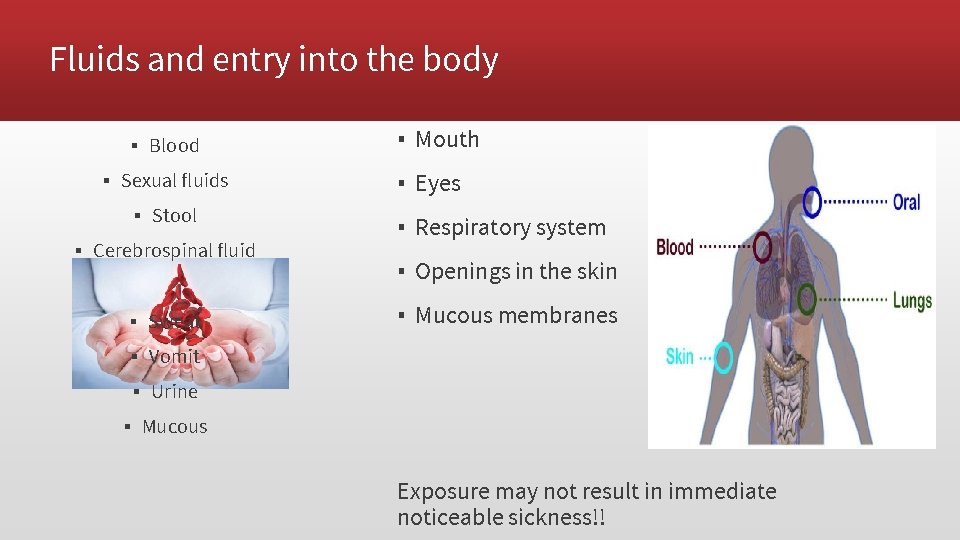
Fluids and entry into the body ▪ Blood ▪ Sexual fluids ▪ Stool ▪ Cerebrospinal fluid ▪ Sweat ▪ Mouth ▪ Eyes ▪ Respiratory system ▪ Openings in the skin ▪ Mucous membranes ▪ Vomit ▪ Urine ▪ Mucous Exposure may not result in immediate noticeable sickness!!
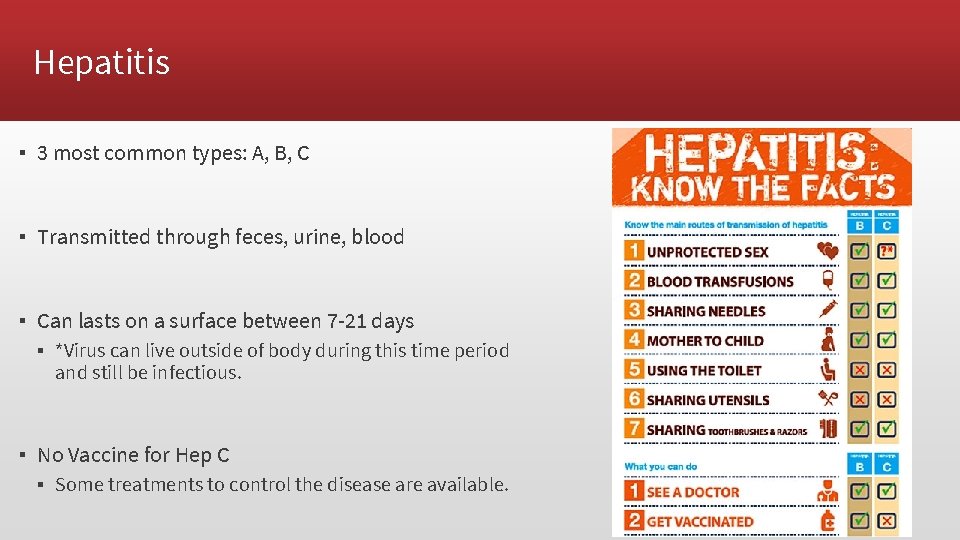
Hepatitis ▪ 3 most common types: A, B, C ▪ Transmitted through feces, urine, blood ▪ Can lasts on a surface between 7 -21 days ▪ *Virus can live outside of body during this time period and still be infectious. ▪ No Vaccine for Hep C ▪ Some treatments to control the disease are available.

HIV/ AIDS ▪ HIV is a very weak virus ▪ HIV can be transmitted through blood, semen, vaginal secretions, and breast milk. ▪ For transmission to occur infected fluids must come in contact with a mucous membrane, damaged tissue, or be directly injected into the blood-stream (from a needle or syringe). ▪ HIV is most commonly transmitted through (anal or vaginal sex) or sharing needles with an infected person.
Proactive ▪ The best way to protect yourself from contact with blood borne pathogens is to use the PACT method ▪ Protect- scene safety ▪ Act- quickly and safely ▪ Clean- area that has blood or body fluids ▪ Tell- supervisor of incident
Protect ▪ Universal Precautions ▪ Hand washing ▪ Treating every body fluid as if it is infectious ▪ Engineering controls ▪ Personal Protective Equipment
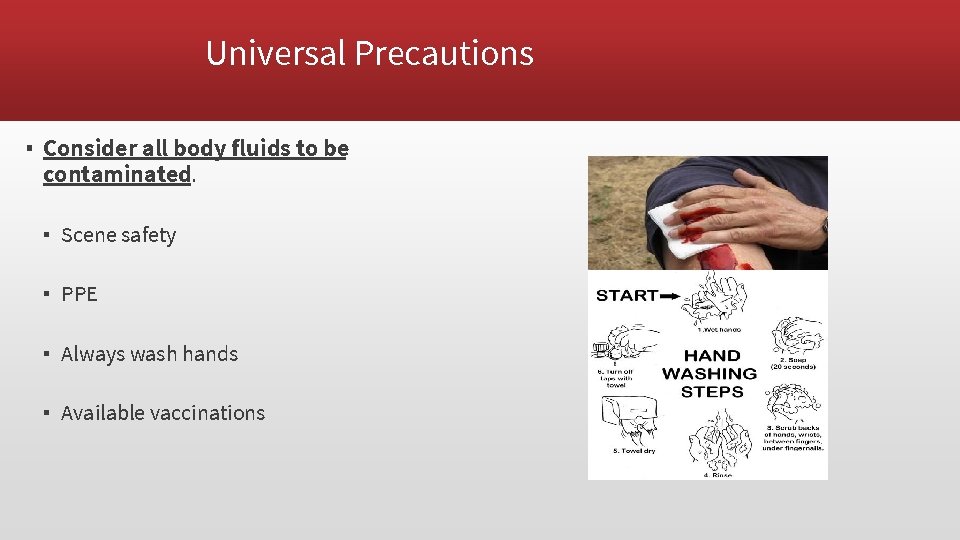
Universal Precautions ▪ Consider all body fluids to be contaminated. ▪ Scene safety ▪ PPE ▪ Always wash hands ▪ Available vaccinations

Engineering Controls ▪ Safety needles ▪ Respiratory protection ▪ Sharps disposal containers ▪ Company Exposure Control Plan ▪ Know your company’s plan!!
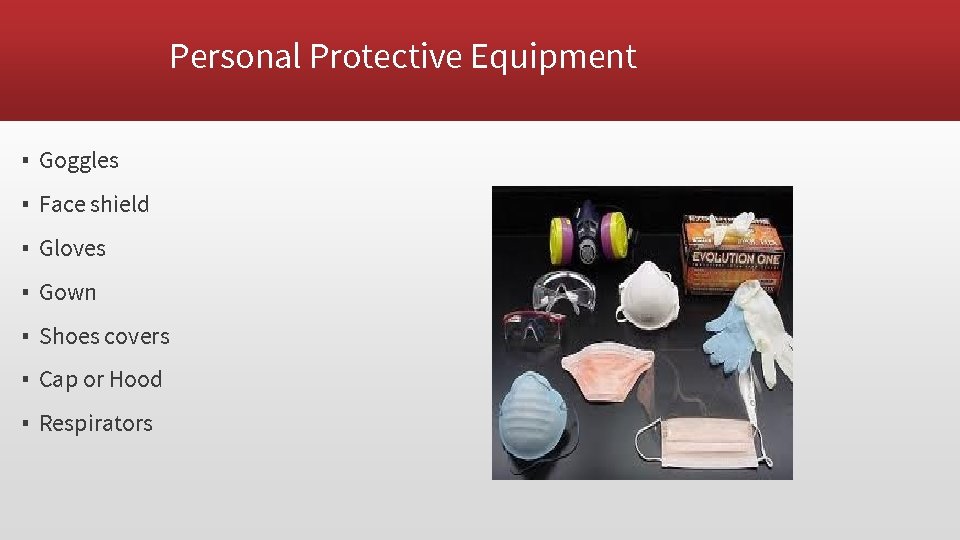
Personal Protective Equipment ▪ Goggles ▪ Face shield ▪ Gloves ▪ Gown ▪ Shoes covers ▪ Cap or Hood ▪ Respirators
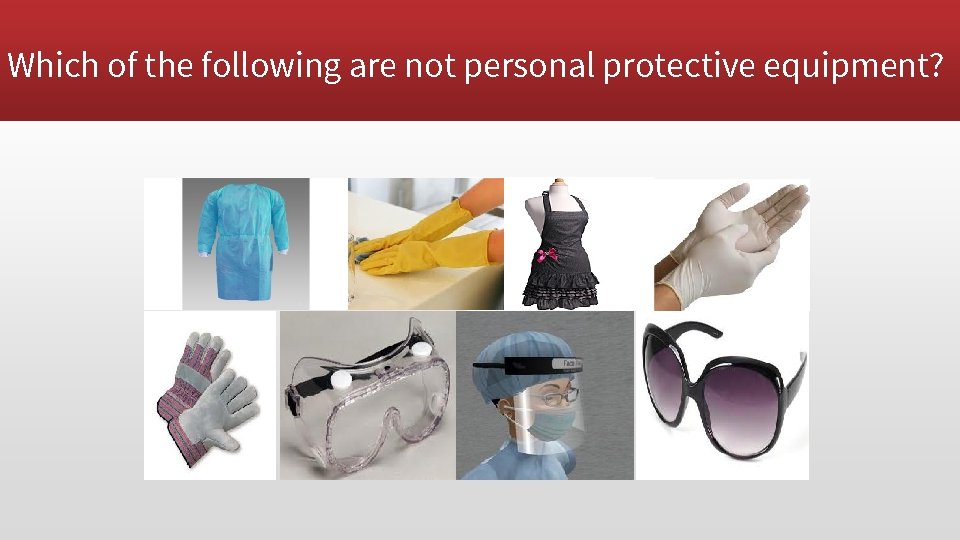
Which of the following are not personal protective equipment?
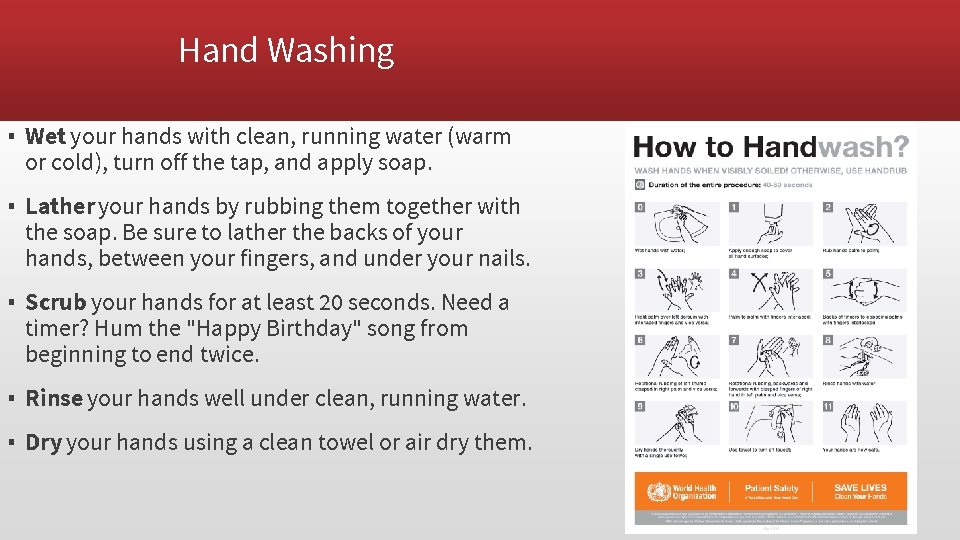
Hand Washing ▪ Wet your hands with clean, running water (warm or cold), turn off the tap, and apply soap. ▪ Lather your hands by rubbing them together with the soap. Be sure to lather the backs of your hands, between your fingers, and under your nails. ▪ Scrub your hands for at least 20 seconds. Need a timer? Hum the "Happy Birthday" song from beginning to end twice. ▪ Rinse your hands well under clean, running water. ▪ Dry your hands using a clean towel or air dry them.
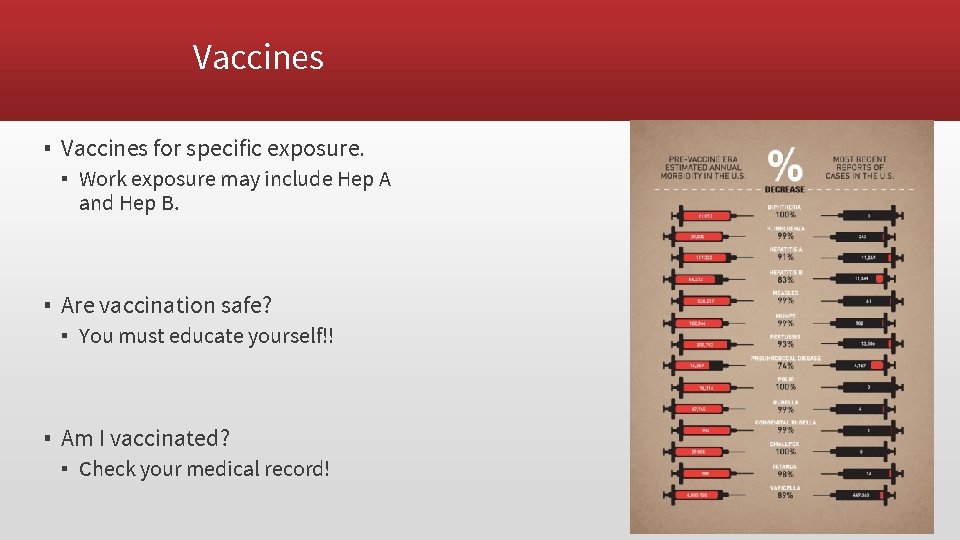
Vaccines ▪ Vaccines for specific exposure. ▪ Work exposure may include Hep A and Hep B. ▪ Are vaccination safe? ▪ You must educate yourself!! ▪ Am I vaccinated? ▪ Check your medical record!
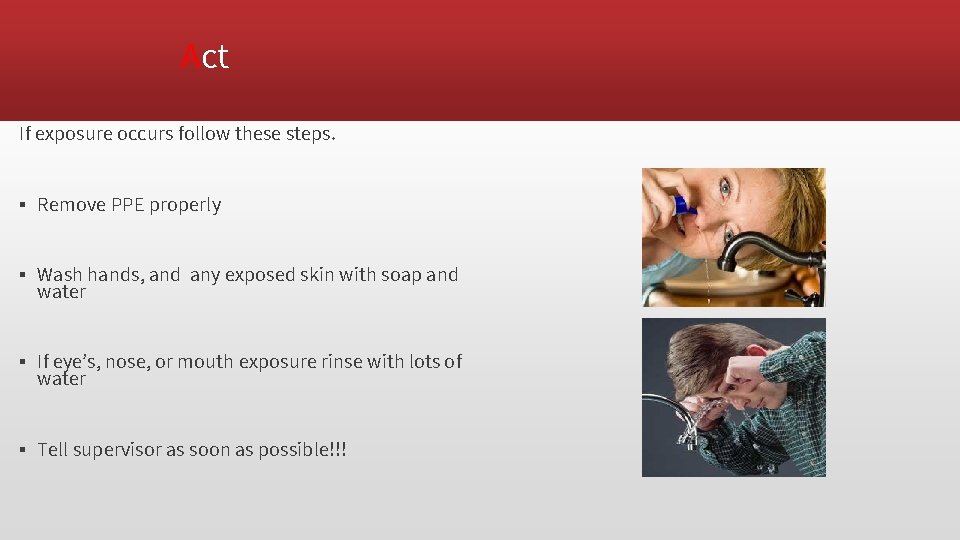
Act If exposure occurs follow these steps. ▪ Remove PPE properly ▪ Wash hands, and any exposed skin with soap and water ▪ If eye’s, nose, or mouth exposure rinse with lots of water ▪ Tell supervisor as soon as possible!!!
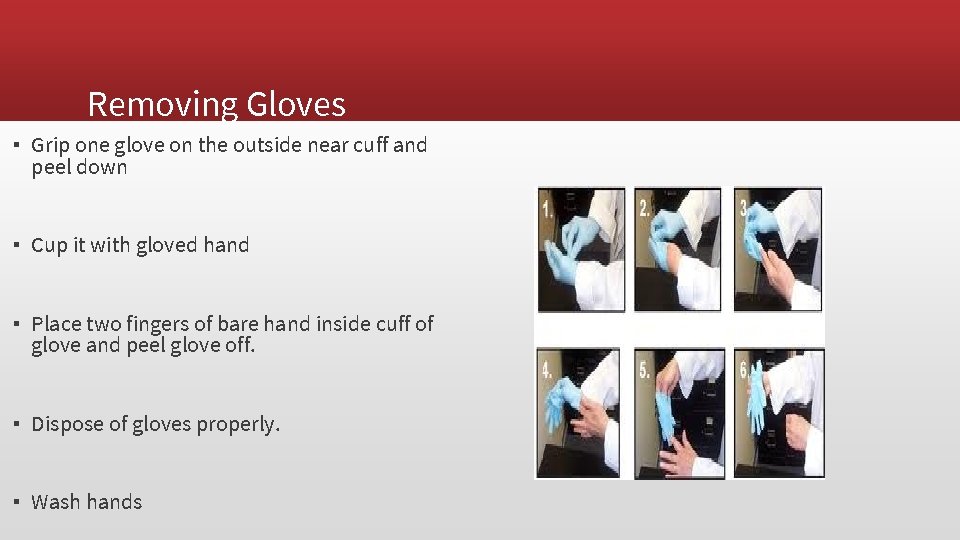
Removing Gloves ▪ Grip one glove on the outside near cuff and peel down ▪ Cup it with gloved hand ▪ Place two fingers of bare hand inside cuff of glove and peel glove off. ▪ Dispose of gloves properly. ▪ Wash hands
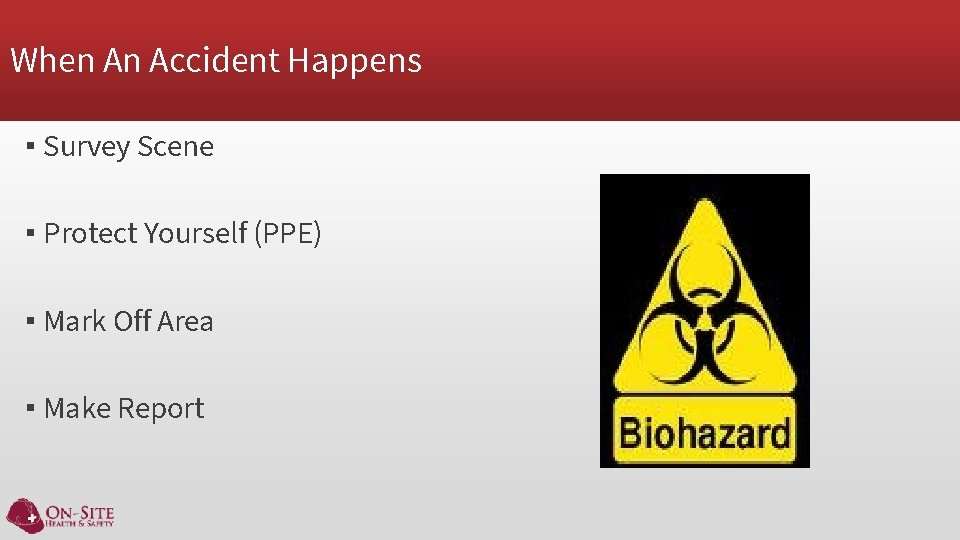
When An Accident Happens ▪ Survey Scene ▪ Protect Yourself (PPE) ▪ Mark Off Area ▪ Make Report
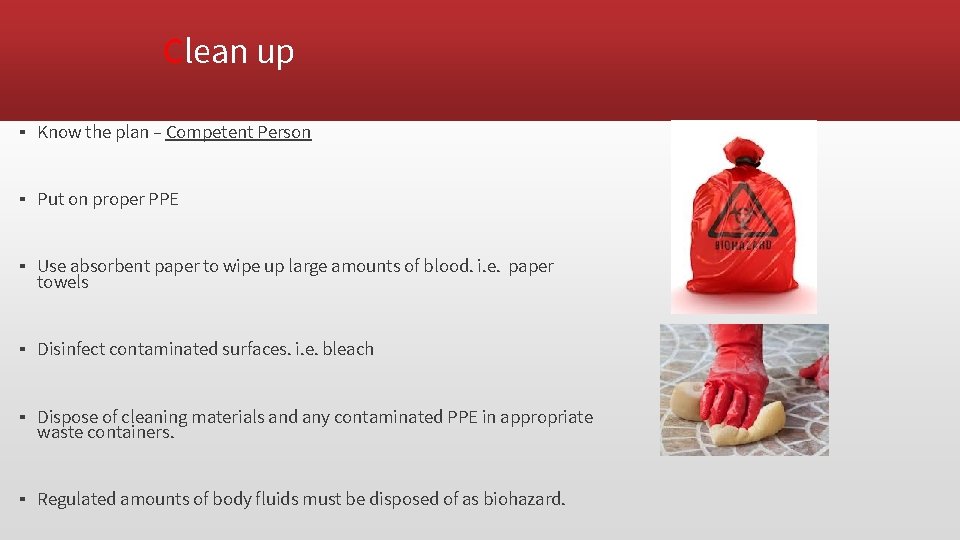
Clean up ▪ Know the plan – Competent Person ▪ Put on proper PPE ▪ Use absorbent paper to wipe up large amounts of blood. i. e. paper towels ▪ Disinfect contaminated surfaces. i. e. bleach ▪ Dispose of cleaning materials and any contaminated PPE in appropriate waste containers. ▪ Regulated amounts of body fluids must be disposed of as biohazard.
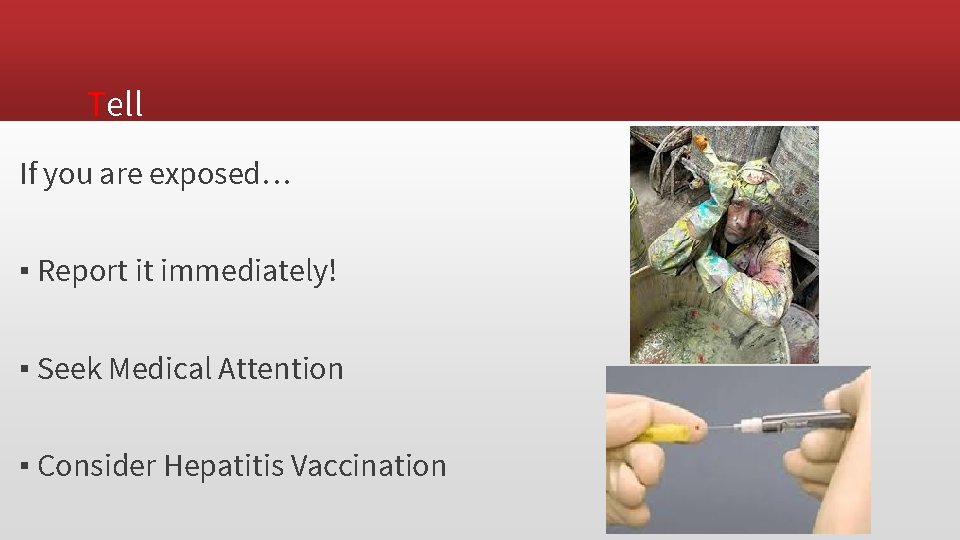
Tell If you are exposed… ▪ Report it immediately! ▪ Seek Medical Attention ▪ Consider Hepatitis Vaccination
Check Your Knowledge QUIZ TIME
BLOOD BORNE PATHOGENS QUIZ Circle the correct answer. 1. What is an occupational exposure to blood borne pathogens? A. “Something” is in the air at work. B. Exposure to blood and certain body fluids at work C. Needle-sticks are the only exposures D. Applies only to people working in hospitals 1. What are examples of diseases caused by blood borne pathogens? A. AIDS B. Bacterial infections C. Hepatitis D. all of the above 3. Does OSHA mandate my company to have an exposure control plan for me to read? B. Yes. It must be written and available for me to read if I wish. C. No. It can be just a video. D. No. It can be just an in-service or training class. E. No. There is no requirement in our industry. 4. What body fluids could contain a blood borne pathogen? B. Only blood. C. Urine and stool. D. Sweat and saliva. E. All of the above. 5. Infections can enter the body: B. Through open wounds. C. Through eyes, nose and mouth. D. Through the lungs. E. All of the above.
6. Personal protective equipment should be used: A. B. C. D. When it’s convenient. When it’s within ten feet of the event. If it fits and looks good. If there is a chance of exposure to blood or other body fluids. 7. Universal Precautions means treating all blood and body fluids as: B. C. D. E. Contaminated. Safe unless you are informed otherwise. Safe as long as you are friends with the owner of the fluid. Clean if the person looks clean. 7. HIV and Hepatitis may be present in body fluids other than blood. True False 9. Facial acne is a potential route of entry into the body for pathogens. True False 10. Once blood is on your hands, it’s too late to take any preventive measures. True False 11. You don’t need to wear gloves if you are allergic to latex. True False 12. A vaccine exists that is effective in the prevention of hepatitis A & B. True False
- Slides: 21