
Bloodborne hepatitis parenterally transmitted hepatitis DR MOHAMMED ARIF
Blood-borne hepatitis ( parenterally transmitted hepatitis) DR, MOHAMMED ARIF ASSOCIATE PROFESSOR CONSULTANT VIROLOGIST HEAD OF THE VIROLOGY UNIT
Blood- born hepatitis , Viral etiology Ø Hepatitis B virus (HBV). Ø Hepatitis C virus (HCV). Ø Hepatitis D virus (HDV) or delta virus. Ø Hepatitis G virus ( HGV ).
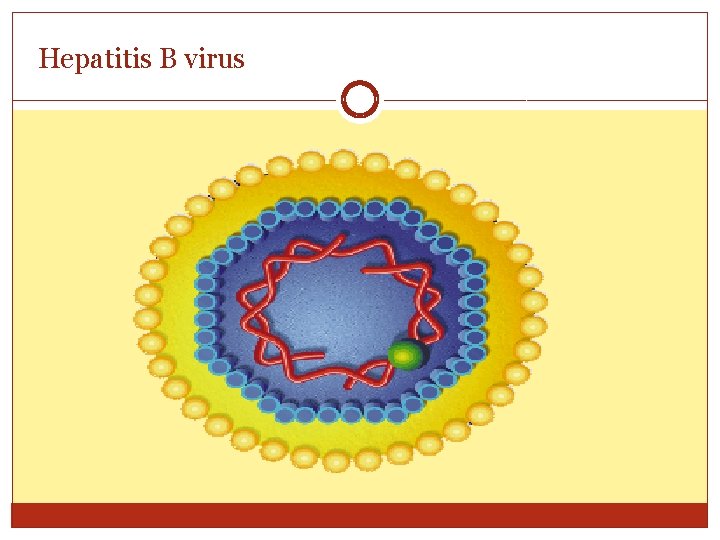
Hepatitis B virus, structure and classification. Ø Family : hepadnaviridae. Ø The complete virus particle is 42 -nm in diameter, enveloped , with icosahedrai nucleocapsid. Ø It consists of an outer envelope containing hepatitis B surface antigen ( HBs. Ag). Ø And internal core ( nucleocapsid) composed of hepatitis B core antigen (HBc. Ag). Ø The viral genome is small partially circular ds-DNA. Ø There are eight known genotypes ( A – H ). Ø The virus contains the enzyme reverse transcriptase.
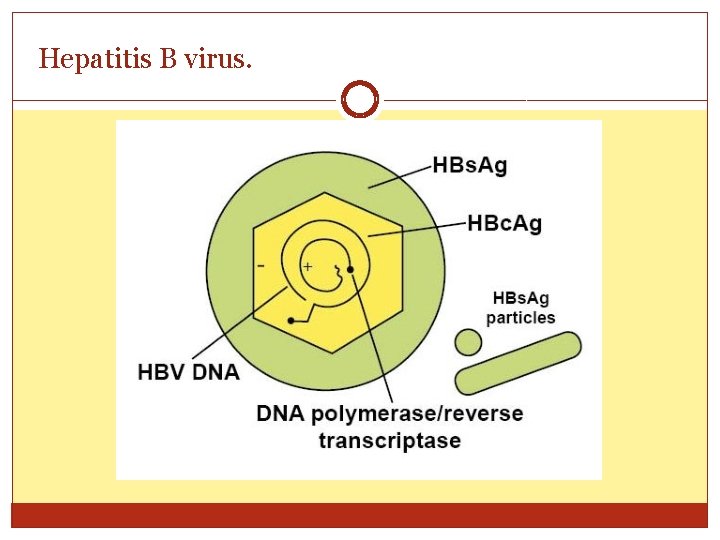
Hepatitis B virus.
Hepatitis B virus
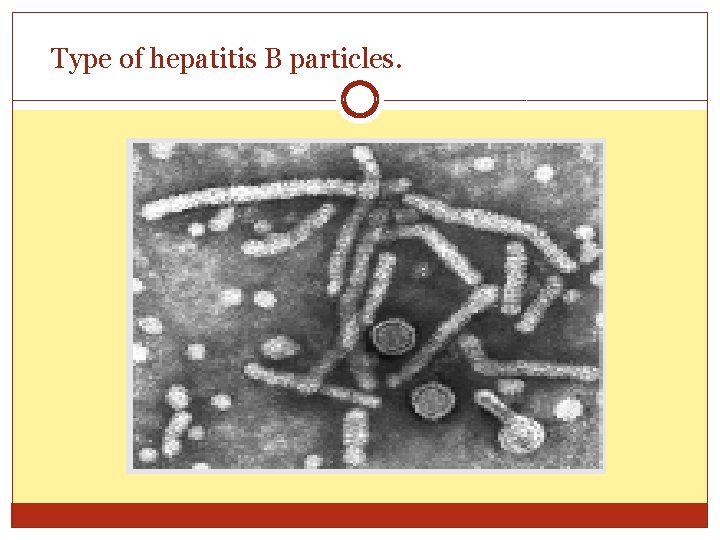
Types of hepatitis B particles. Ø The serum of infected individual contains three types of hepatitis B particles: Ø Large number of free 26 -nm HBs. Ag particles. Ø Some of these HBs. Ag particles are linked together to take the form of filaments Ø In addition to the complete HBV-particles.
Type of hepatitis B particles.
Hepatitis C virus Ø Family : flaviviridae. Ø Genus : hepacivirus. Ø The virus is enveloped, 60 – 80 nm in diameter. Ø The viral genome is ss- RNA, with positive polarity. Ø There are six known genotypes ( 1 – 6 ).
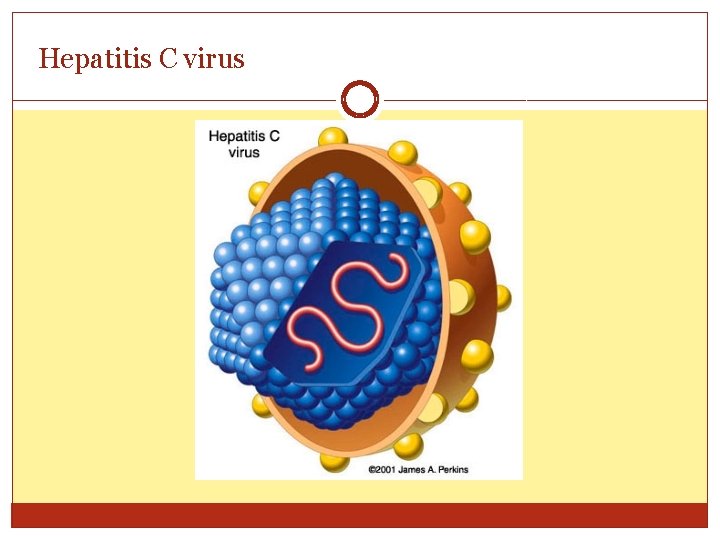
Hepatitis C virus
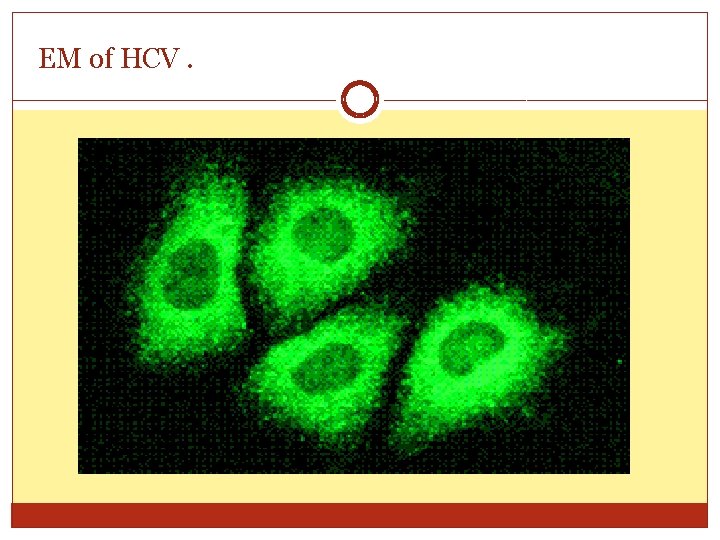
EM of HCV.

EM of HCV.
Hepatitis D virus Ø It is a defective virus, that cannot replicate by its own. Ø It require a helper virus. Ø The helper virus is HBV. Ø HBV provides the free HBs. Ag particles to be used as an envelope. Ø HDV is small 30 -40 nm in diameter. Ø Composed of small ss-RNA genome, surrounded by delta antigen that form the capsid

Hepatitis D virus ( delta virus ).
Hepatitis G virus ( HGV ). Ø Hepatitis G virus or GB-virus was discovered in 1995. Ø Share about 80% sequence homology with HCV. Ø Family: flaviviridae. Ø Enveloped, ss-RNA with positive polarity. Ø Parenteral, sexual and from mother to child transmission have been reported. . Ø Causes mild cases of acute and chronic hepatitis. Ø Usually occurs as co-infection with HCV , HBV and HIV.
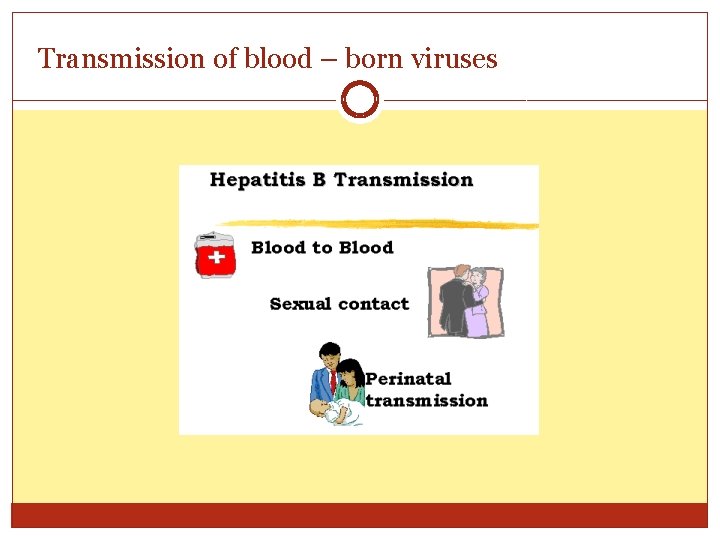
Transmission of blood – born viruses
Transmission of hepatitis B & C Ø 1 - Parenterally (percutaneosly): v Direct exposure to infected blood. v Use of contaminated needles, syringes, dental and surgical instruments. v Use of contaminated instruments in the practice of tattooing, body piercing, cupping, etc. v Sharing contaminated tooth brushes, razors, cuticle scissors and nail clippers.
Transmission of hepatitis B & C Ø 2 - Sexually: v By having sexual contacts with infected person. v The virus is present in semen and vaginal secretion. v The risk of sexual transmission increases , if one of the sexual partner has high viral load in the blood, HIV-infection, genital ulcers , vaginal/ rectal/ or urethral bleeding. v Unlike HBV, the risk of transmission of HCV through sexual contact is very low.
Transmission Ø 3 - From mother to child : v Mostly perinatally, during labor and delivery. v Neonate is infected during passage in the birth canal. v Neonate is infected by direct exposure to the infected maternal blood.
High risk groups Ø The following groups are at high risk of acquiring hepatitis B & C : v Intravenously drug users. v Hemodialysis patients. v Patients receiving clotting factors. v Individuals with multiple sexual partners. v Recipient of blood transfusion , before 1992. v Health care workers with frequent blood contact. v Individuals exposed to risk factors such as tattooing, body piercing and cupping.
Hepatitis B markers Ø 1 -- Hepatitis B surface antigen (HBs. Ag): v Marker of infection. Ø 2 -- Hepatitis B e antigen (HBe. Ag) : v Marker of active virus replication, the patient is highly infectious, high viral load, the virus is present in all body fluids. Ø 3 -- Antibody to hepatitis B e antigen (Anti-HBe): v Marker of low infectivity, the patient is less infectious.
Hepatitis B markers. Ø 4 -- Antibody to hepatitis B surface antigen (Anti- HBs): v Marker of immunity. Ø 5 -- Antibody to hepatitis B core Ig. G (Anti-HBc Ig. G ) v It indicates previous exposure to hepatitis B infection.
Hepatitis C markers. Ø 1– Hepatitis C virus – RNA. v Is the first marker that appears in circulation, it appears as early as one week after infection. Ø 2– Ig. G Antibody to hepatitis C. v Antibodies to hepatitis C virus usually appear 3 - 12 weeks after infection.
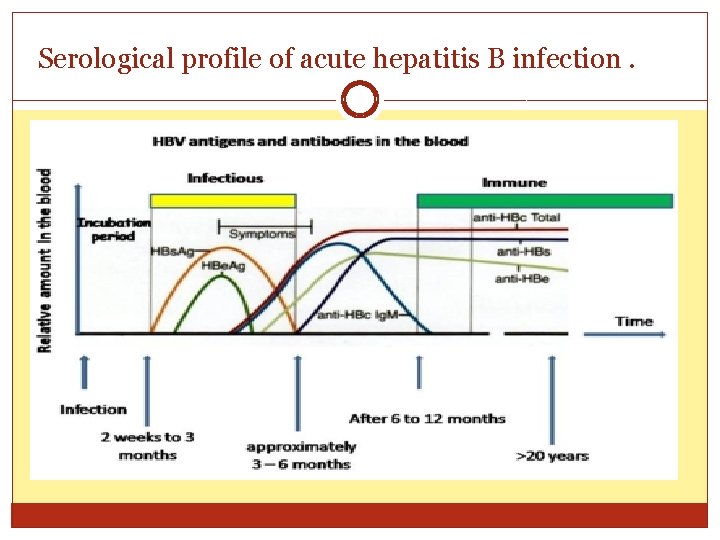
Serological profile of acute hepatitis B infection.
Serological profile of acute hepatitis B infection. Ø Hepatitis B surface antigen is the first marker that appears in the blood and persists for less than 6 months, then disappears. Ø Hepatitis B e-antigen ( HBe. Ag) is the second maker that appears in circulation and disappears before HBs. Ag. Ø Antibody to the core ( anti-HBc ) is the first antibody that appears in the blood and usually persists for several years.
Serological profile of acute hepatitis B infection. Ø with the disappearance of HBe. Ag, anti- HBe appears and usually persists for several weeks to several months. Ø Antibodies to hepatitis B surface antigen (anti-HBs) is the last marker that appears in the blood. Ø It appears few weeks after disappearance of HBs. Ag. Ø Anti-HBs persists for several years. Ø It indicates immunity to hepatitis B infection.
Serological profile of chronic hepatitis B infection. Ø Chronic hepatitis B infection is defined by the presence of HBV-DNA or HBs. Ag in the blood for more than 6 -momths. Ø HBs. Ag may persists in the blood for life. Ø After disappearance of HBs. Ag, anti-HBs appears and persists for several years.
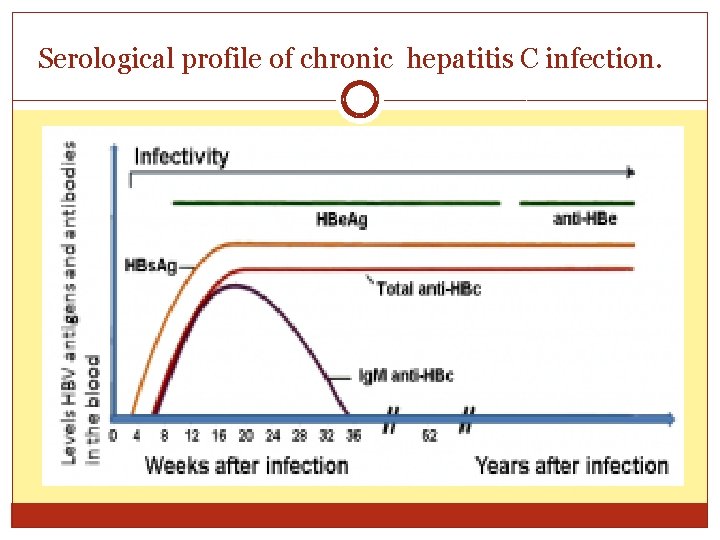
Serological profile of chronic hepatitis C infection.
Types of hepatitis B infection Ø About 90 % of infected individuals will develop acute hepatitis B infection and recover completely. Ø Less than 9 % of the infected individuals will progress to chronic hepatitis B. Ø Less than 1 % will develop fulminant hepatitis B , characterized by massive liver necrosis, liver failure and death.
Types of hepatitis C infection Ø About 20 % of the infected individuals will develop acute hepatitis C and recover completely. Ø About 80 % of the infected will progress to chronic hepatitis C. Ø Less than 1 % will develop fulminant hepatitis C , liver failure and death.
Types of hepatitis D infection Ø 1 -- Co-infection: v The patient is infected with HBV and HDV at the same time, leading to severe acute hepatitis. v Prognosis, recovery is usual. Ø 2 -- Super infection: v In this case, delta virus infects those who are already have chronic hepatitis B, leading to severe chronic hepatitis.
Acute viral hepatitis Ø Most acute hepatitis B & C are asymptomatic or anicteric. Ø When symptomatic, the initial symptoms are(Anicteric phase): v Low grade fever, anorexia, malaise, nausea, vomiting and right upper quadrant abdominal pain. v This is followed by the icteric phase, which is characterized by jaundice, dark urine and pale stool. Ø The icteric phase is followed by the convalescent phase. Ø Acute viral hepatitis usually lasts for several weeks.
prognosis Ø Acute viral hepatitis varies from asymptomatic to fatal liver failure. Ø Individuals with acute hepatitis B or C may become chronic carriers. Ø In case of hepatitis B, 90 % of all acute cases will recover completely. Ø In case of hepatitis C, about 20 % of all acute cases will recover completely.
Chronic viral hepatitis Ø Chronic hepatitis is limited to hepatitis B, C & D viruses. Ø The majority of patients with chronic hepatitis B and C are asymptomatic or have mild fatigue only. Ø Symptoms include, right upper quadrant abdominal pain, enlarged spleen, spider like blood vessels in the skin. Jaundice may or may not developed, fatigue.
complications Ø 1 - Cirrhosis: v is a chronic diffuse liver disease. v Characterized by fibrosis and nodular formation. v Results from liver cell necrosis and the collapse of hepatic lobules. v Symptoms includes, ascites, coagulopathy (bleeding disorder), portal hypertension, hepatic encephalopathy, vomiting blood, weakness, weight loss.
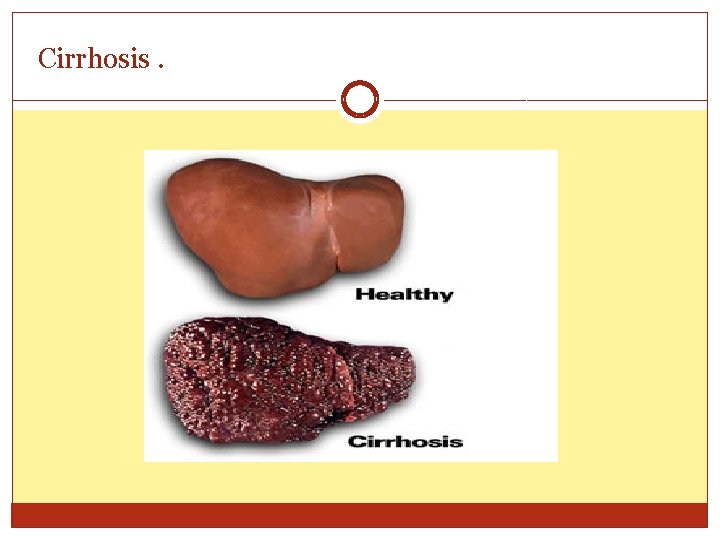
Cirrhosis.
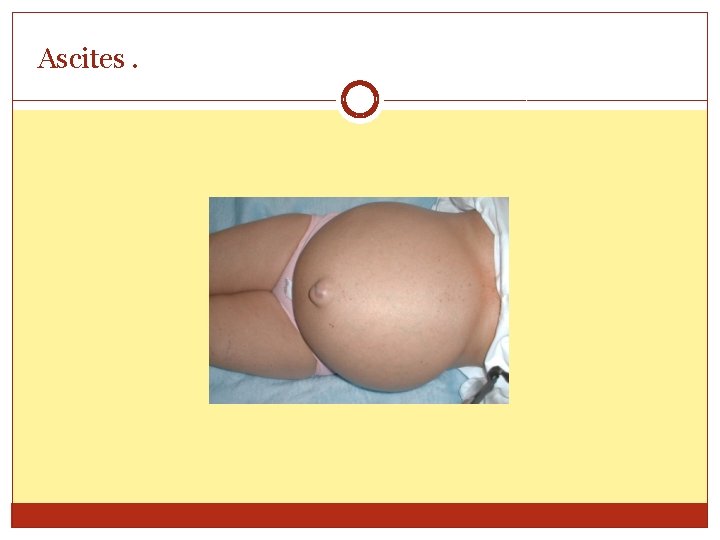
Ascites.
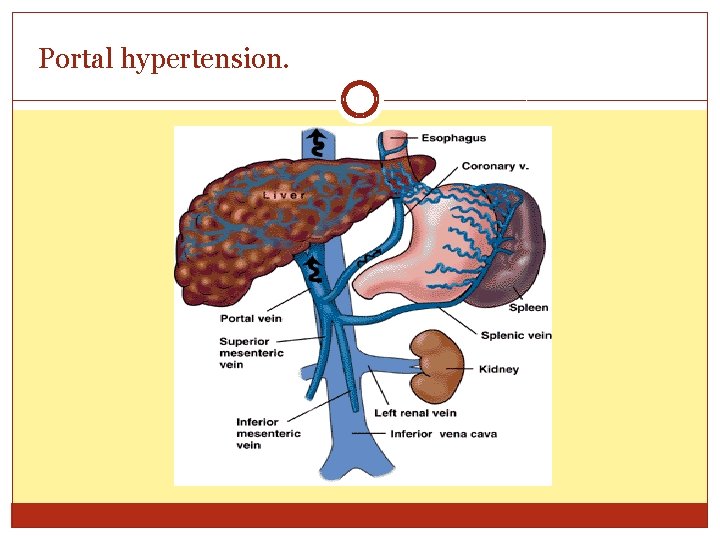
Portal hypertension.
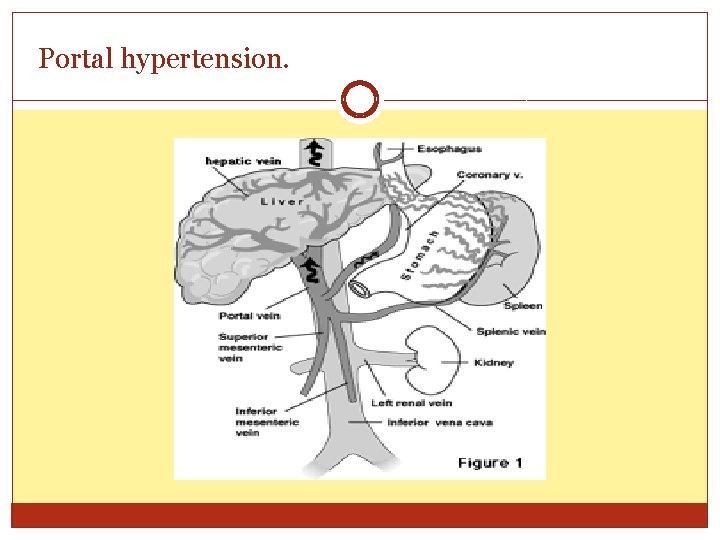
Portal hypertension.
Complications Ø 2 - Hepatocellular carcinoma (HCC ): v One of the most common cancer in the world. v One of the most deadly cancer if not treated. v Hepatitis B and C viruses are the leading cause of chronic liver diseases. v Symptoms include : abdominal pain, abdominal swelling, weight loss, anorexia, vomiting, jaundice. v Physical examination reveals hepatomegaly, splenomegaly and ascites.
HCC Ø Prognosis, without liver transplantation , the prognosis is poor and one year survival is rare. Ø Diagnosis: alpha-fetoprotein measurement with multiple CT-abdominal scan are the most sensitive method for diagnosis of HCC. Ø Treatment: surgical resection and liver transplant.
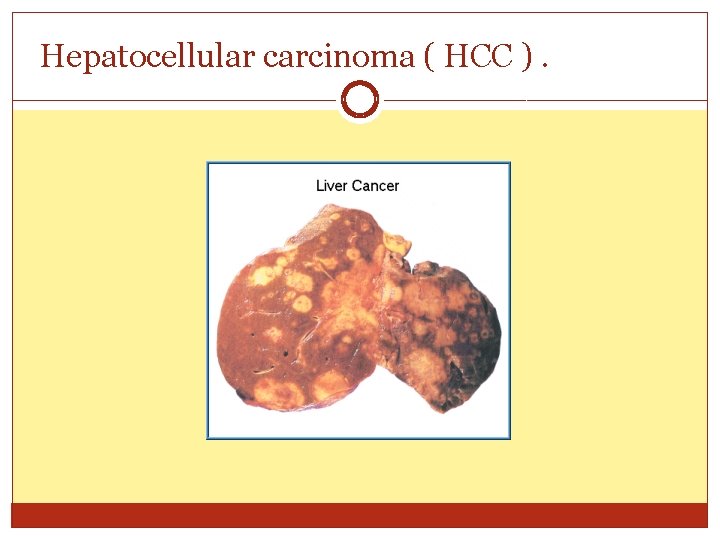
Hepatocellular carcinoma ( HCC ).
Laboratory diagnosis of hepatitis B and C infections. Ø 1 -- Hepatitis B infection is diagnosed by detection of HBs. Ag in the blood. Ø Positive results must be repeated in duplicate. Ø Repeatedly reactive results must be confirmed by neutralization test. Ø 2– Hepatitis C infection is diagnosed by detection of HCV-RNA in the patient blood, using PCR.
Hepatitis B vaccine. Ø it contains highly purified preparation of HBs. Ag particles , produced by genetic engineering in yeast. Ø It is a recombinant and sub-unit vaccine. Ø It is not live attenuated nor killed vaccine. Ø The vaccine is administered in three doses at 0. 1 & 6 months. Ø The vaccine is safe and protective.
Hepatitis C vaccine. Ø At the present time, there is no vaccine available to hepatitis C.
Treatment of hepatitis B infection. Ø There are several approved anti-viral drugs. Ø 1 - pegylated alpha interferon, one injection per week, for 6 - 12 months. Ø 2 - Lamivudine, anti-viral drug, nucleoside analogue. One tablet a day for at least one year. Ø 3 - Adefovir, anti-viral drug, nucleoside analogue. One tablet a day for at least one year. Ø Treatment is limited to patients having chronic hepatitis B, based on liver biopsy.
Treatment of hepatitis C infection. Ø The currently used treatment is the combined therapy, using pegylated alpha interferon and ribavirin. Ø The dose: for pegylated interferon, three injections per week. Ø For ribavirin, one tablet daily. Ø Duration of treatment: 48 -weeks. Ø Treatment is limited to patients with chronic hepatitis C, based on liver biopsy.
- Slides: 46