
Blood Sugar Regulation Pancreas Pancreas Pancreas Two cell
Blood Sugar Regulation
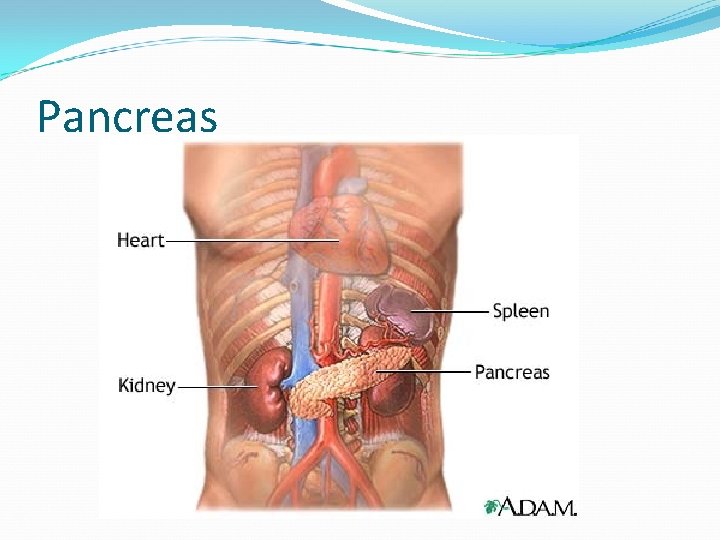
Pancreas
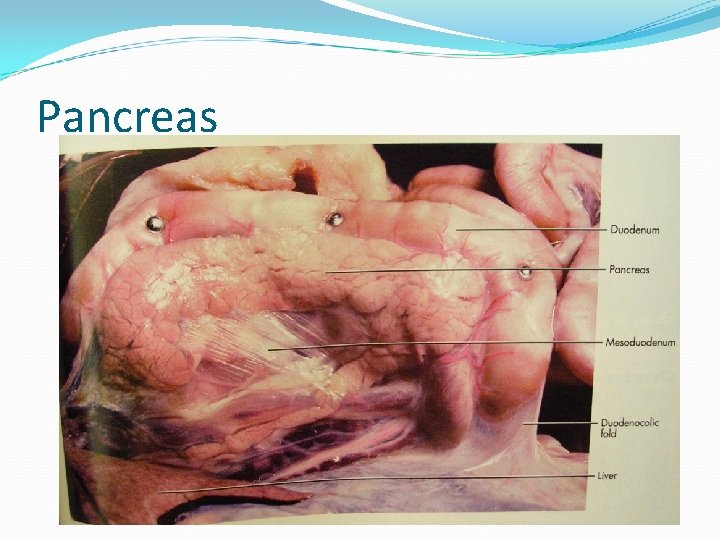
Pancreas
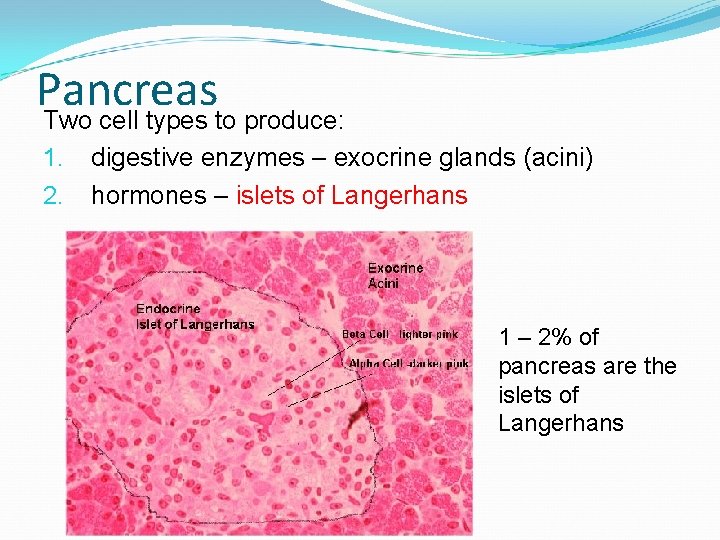
Pancreas Two cell types to produce: 1. 2. digestive enzymes – exocrine glands (acini) hormones – islets of Langerhans 1 – 2% of pancreas are the islets of Langerhans
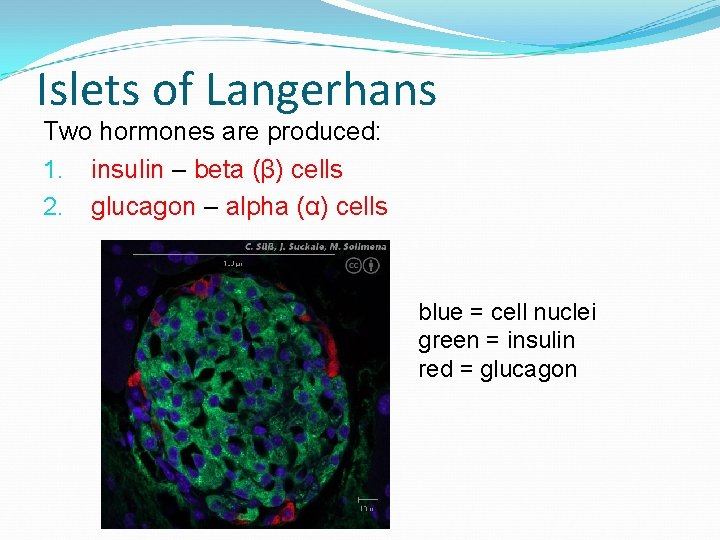
Islets of Langerhans Two hormones are produced: 1. insulin – beta (β) cells 2. glucagon – alpha (α) cells blue = cell nuclei green = insulin red = glucagon
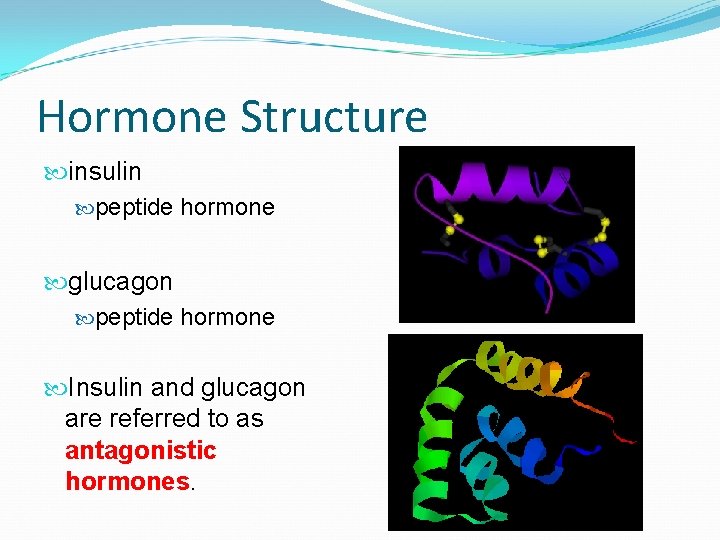
Hormone Structure insulin peptide hormone glucagon peptide hormone Insulin and glucagon are referred to as antagonistic hormones.
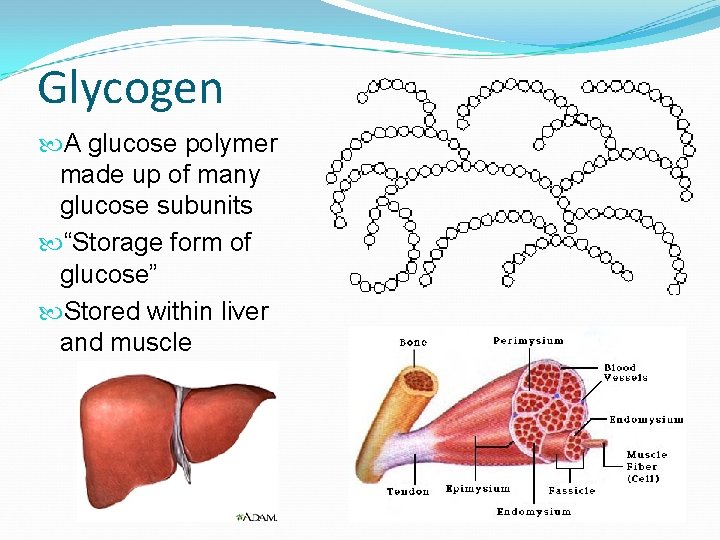
Glycogen A glucose polymer made up of many glucose subunits “Storage form of glucose” Stored within liver and muscle
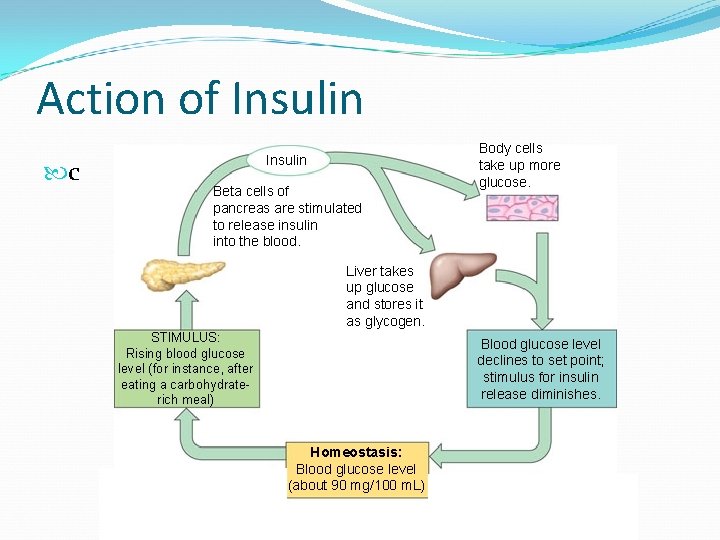
Action of Insulin c Insulin Beta cells of pancreas are stimulated to release insulin into the blood. Body cells take up more glucose. Liver takes up glucose and stores it as glycogen. STIMULUS: Rising blood glucose level (for instance, after eating a carbohydraterich meal) Blood glucose level declines to set point; stimulus for insulin release diminishes. Homeostasis: Blood glucose level (about 90 mg/100 m. L) Blood glucose level
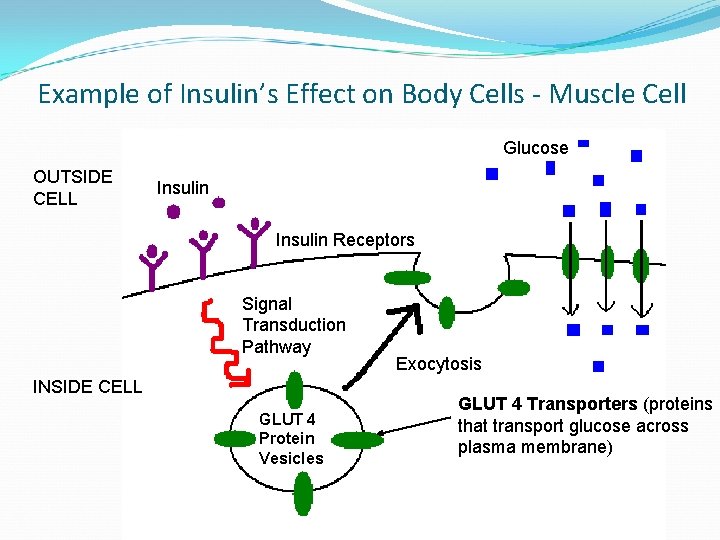
Example of Insulin’s Effect on Body Cells - Muscle Cell Glucose OUTSIDE CELL Insulin Receptors Signal Transduction Pathway INSIDE CELL GLUT 4 Protein Vesicles Exocytosis GLUT 4 Transporters (proteins that transport glucose across plasma membrane)
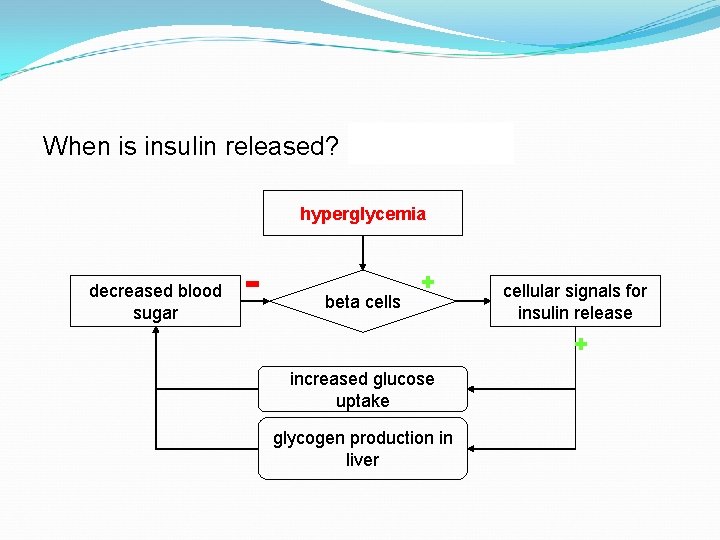
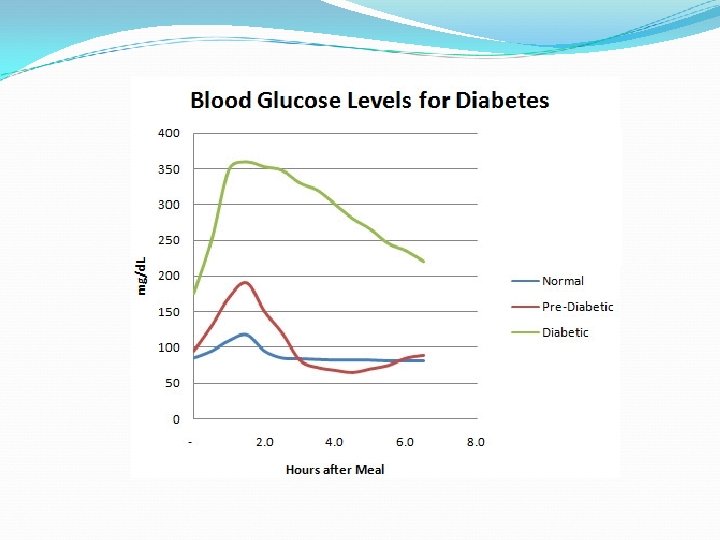
When is insulin released? after eating hyperglycemia decreased blood sugar beta cells increased glucose uptake glycogen production in liver cellular signals for insulin release
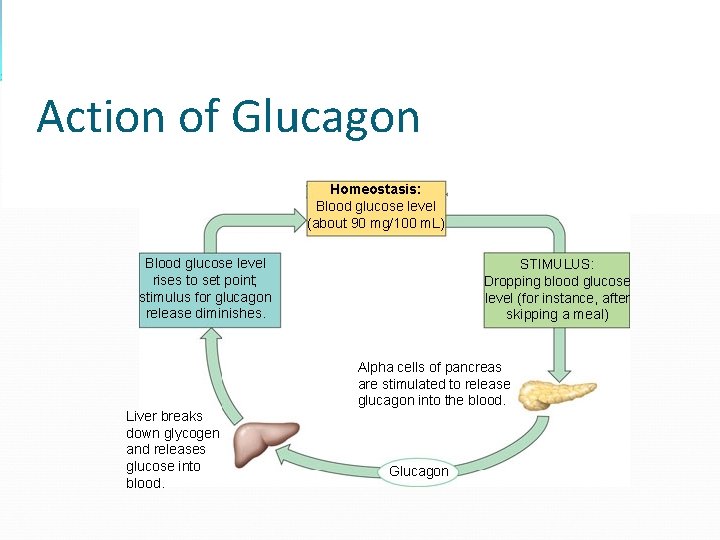
Liver takes up glucose and stores it as glycogen. STIMULUS: Rising blood glucose level (for instance, after eating a carbohydraterich meal) Action of Glucagon Blood glucose level declines to set point; stimulus for insulin release diminishes. Homeostasis: Blood glucose level (about 90 mg/100 m. L) Blood glucose level rises to set point; stimulus for glucagon release diminishes. Liver breaks down glycogen and releases glucose into blood. STIMULUS: Dropping blood glucose level (for instance, after skipping a meal) Alpha cells of pancreas are stimulated to release glucagon into the blood. Glucagon
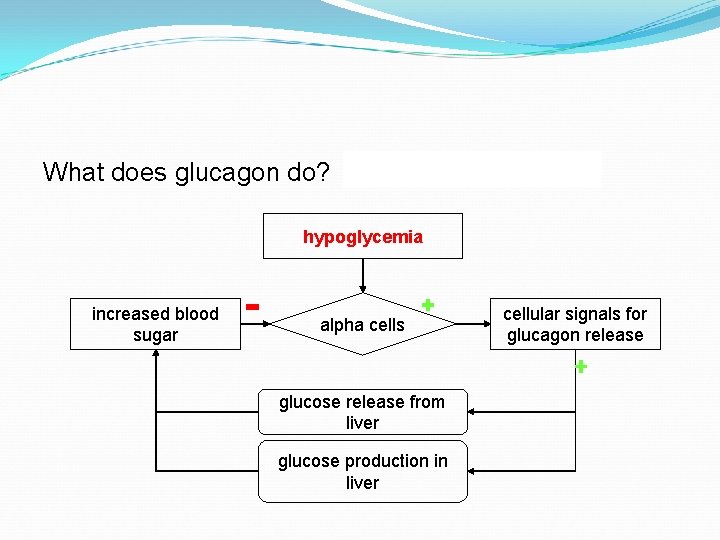
What does glucagon do? breaks down glycogen hypoglycemia increased blood sugar alpha cells glucose release from liver glucose production in liver cellular signals for glucagon release
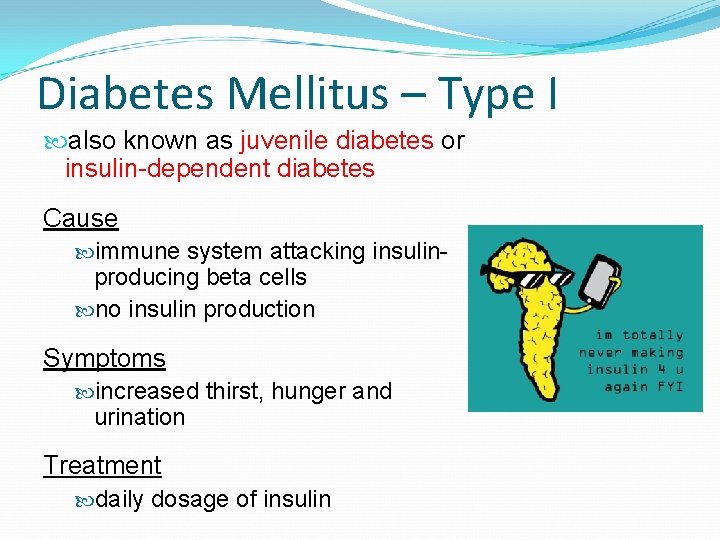
Diabetes Mellitus – Type I also known as juvenile diabetes or insulin-dependent diabetes Cause immune system attacking insulin- producing beta cells no insulin production Symptoms increased thirst, hunger and urination Treatment daily dosage of insulin
Diabetes Mellitus – Type II also known as adult-onset diabetes or non-insulin-dependent diabetes Cause Poor diet, lack of exercise Excess glucose in the blood for a long period of time causes the pancreas to become overworked and tired Beta cells produce some, but not enough insulin (deficiency) A reduction in the number of functional insulin receptors reduced responsiveness of cells to insulin = insulin resistant Symptoms increased thirst, hunger and urination fatigue / lethargy
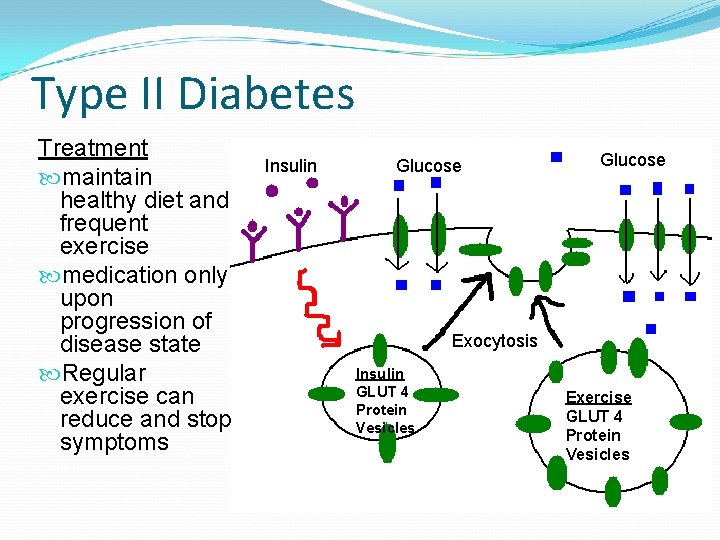
Type II Diabetes Treatment maintain healthy diet and frequent exercise medication only upon progression of disease state Regular exercise can reduce and stop symptoms Insulin Glucose Exocytosis Insulin GLUT 4 Protein Vesicles Exercise GLUT 4 Protein Vesicles
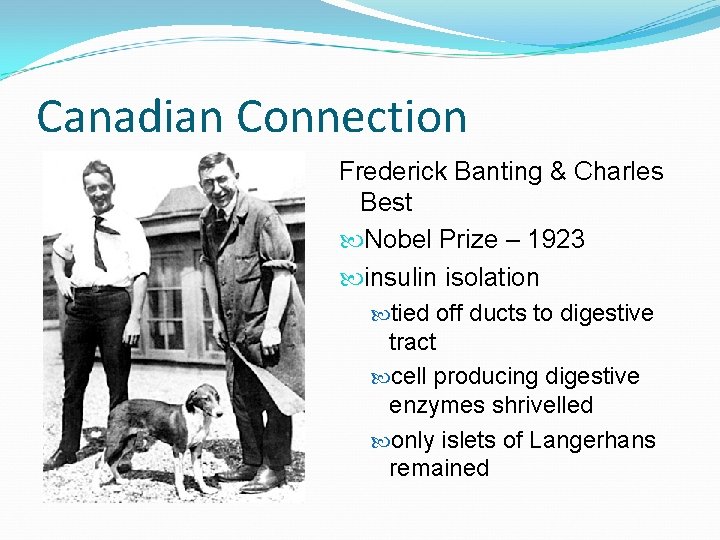
Canadian Connection Frederick Banting & Charles Best Nobel Prize – 1923 insulin isolation tied off ducts to digestive tract cell producing digestive enzymes shrivelled only islets of Langerhans remained
Video Testimonies University of Alberta developed islet cell transplant method Islet Transplant Animation Photo Journal News Feature
Stress Regulation
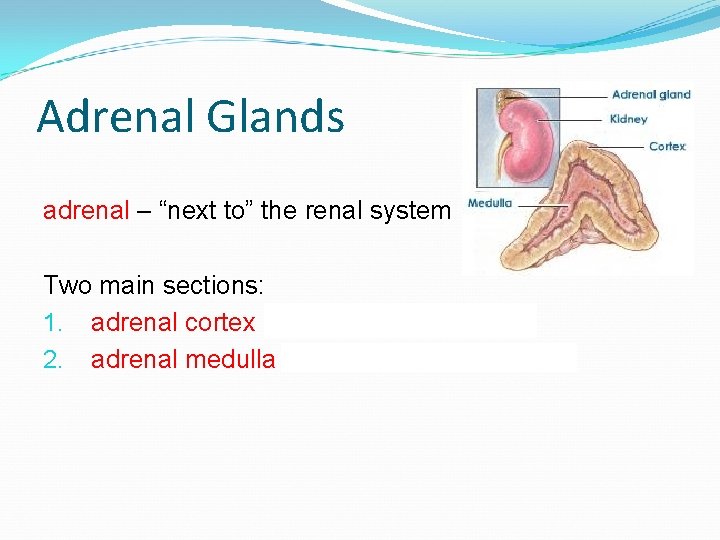
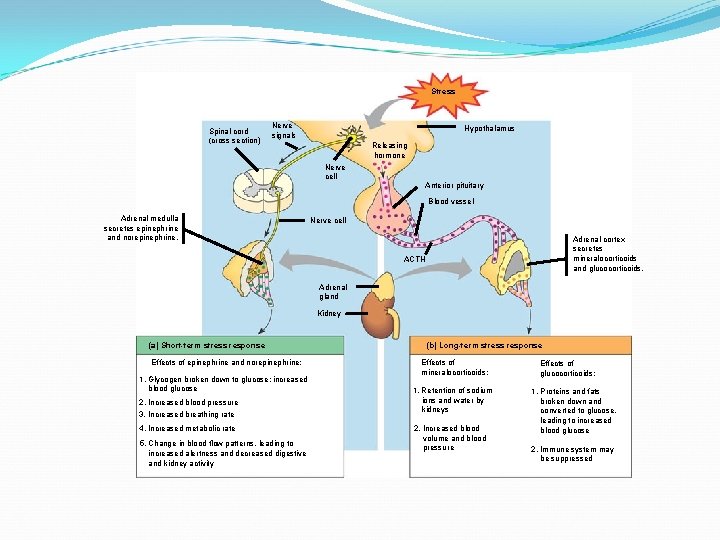
Adrenal Glands adrenal – “next to” the renal system Two main sections: 1. adrenal cortex long-term stress 2. adrenal medulla short-term stress
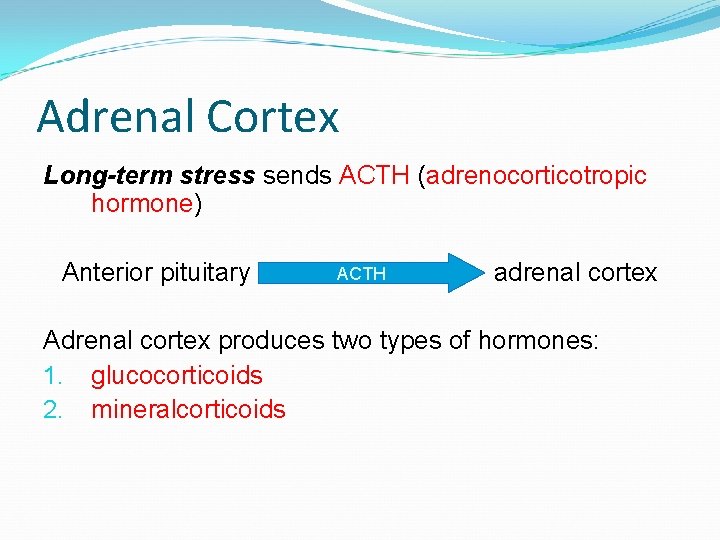
Adrenal Cortex Long-term stress sends ACTH (adrenocorticotropic hormone) Anterior pituitary ACTH adrenal cortex Adrenal cortex produces two types of hormones: 1. glucocorticoids 2. mineralcorticoids
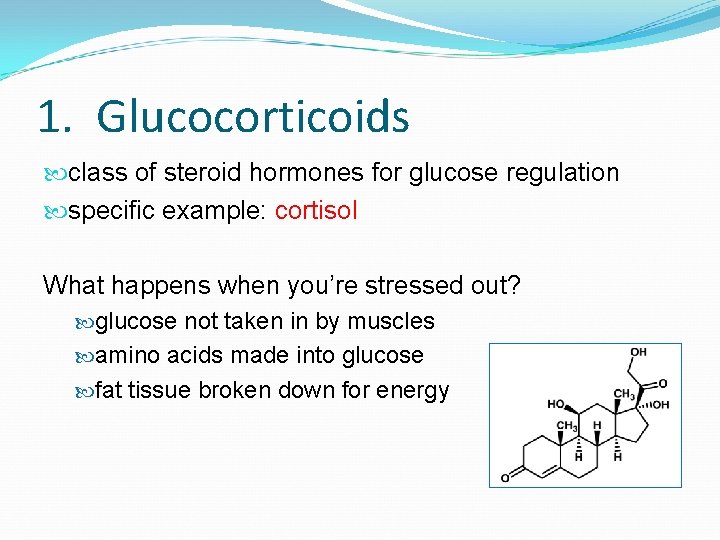
1. Glucocorticoids class of steroid hormones for glucose regulation specific example: cortisol What happens when you’re stressed out? glucose not taken in by muscles amino acids made into glucose fat tissue broken down for energy
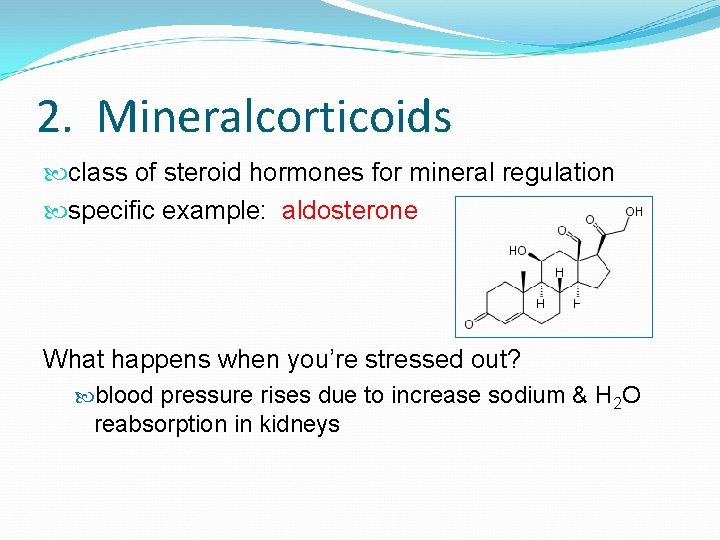
2. Mineralcorticoids class of steroid hormones for mineral regulation specific example: aldosterone What happens when you’re stressed out? blood pressure rises due to increase sodium & H 2 O reabsorption in kidneys
Adrenal Medulla Short-term stress detected by hypothalamus Produces two hormones: 1. epinephrine (adrenaline) 2. norepinephrine (noradrenaline) both compounds are examples of catecholamines, which are also neurotransmitters
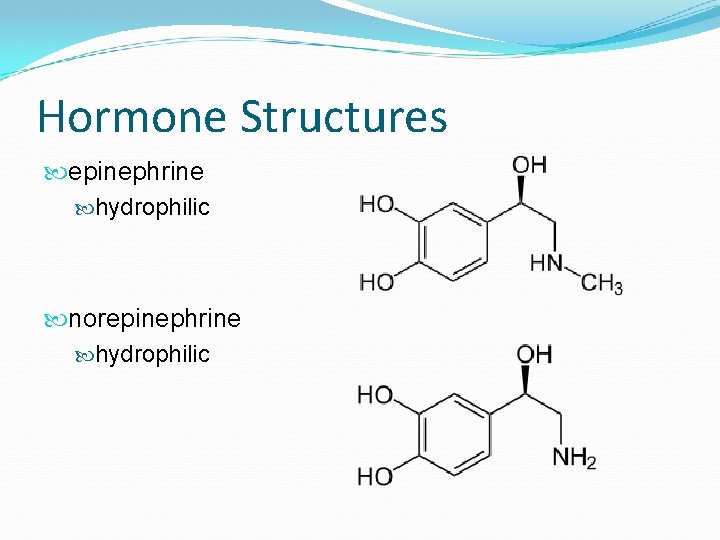
Hormone Structures epinephrine hydrophilic norepinephrine hydrophilic
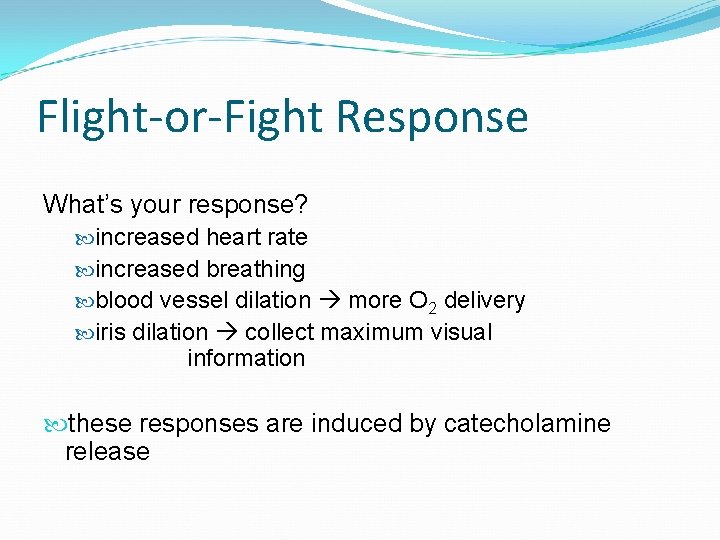
Flight-or-Fight Response What’s your response? increased heart rate increased breathing blood vessel dilation more O 2 delivery iris dilation collect maximum visual information these responses are induced by catecholamine release
Stress Spinal cord (cross section) Nerve signals Hypothalamus Releasing hormone Nerve cell Anterior pituitary Blood vessel Adrenal medulla secretes epinephrine and norepinephrine. Nerve cell Adrenal cortex secretes mineralocorticoids and glucocorticoids. ACTH Adrenal gland Kidney (a) Short-term stress response Effects of epinephrine and norepinephrine: 1. Glycogen broken down to glucose; increased blood glucose 2. Increased blood pressure 3. Increased breathing rate 4. Increased metabolic rate 5. Change in blood flow patterns, leading to increased alertness and decreased digestive and kidney activity (b) Long-term stress response Effects of mineralocorticoids: 1. Retention of sodium ions and water by kidneys 2. Increased blood volume and blood pressure Effects of glucocorticoids: 1. Proteins and fats broken down and converted to glucose, leading to increased blood glucose 2. Immune system may be suppressed
Classwork/Homework Section 8. 2 – Pg. 383 #1 -8, 9
- Slides: 28