
Blood Physiology By Dr Asma Jabeen Learning Objectives
Blood Physiology By: Dr Asma Jabeen
Learning Objectives Ø Define blood and its components Differentiate between plasma and serum Identify the important plasma proteins Describe the functions of plasma proteins Describe the function of bone marrow Ø Enlist the functions of blood Ø Ø
§ Blood is a specialized connective tissue that is pumped through the closed system of blood vessels by the heart. § The normal total circulating blood volume is about 8% of the body weight, 5600 ml in a 70 kg man. § The vehicle for long distance, mass transport between the cells and external environment or between the cells themselves
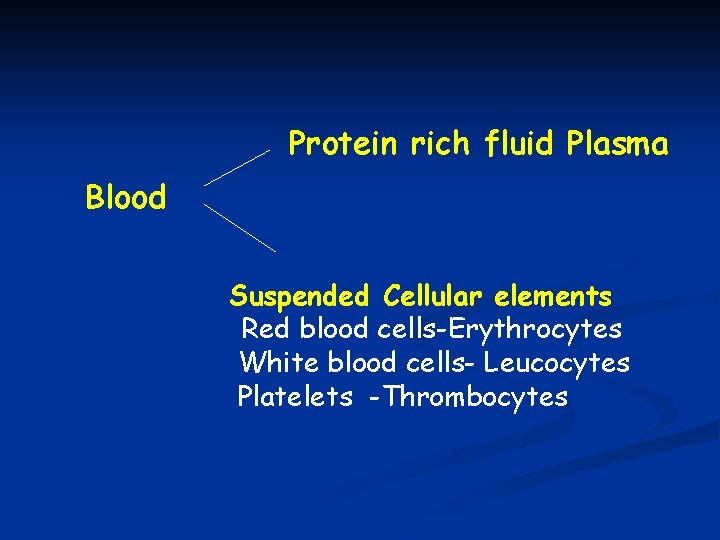
Protein rich fluid Plasma Blood Suspended Cellular elements Red blood cells-Erythrocytes White blood cells- Leucocytes Platelets -Thrombocytes
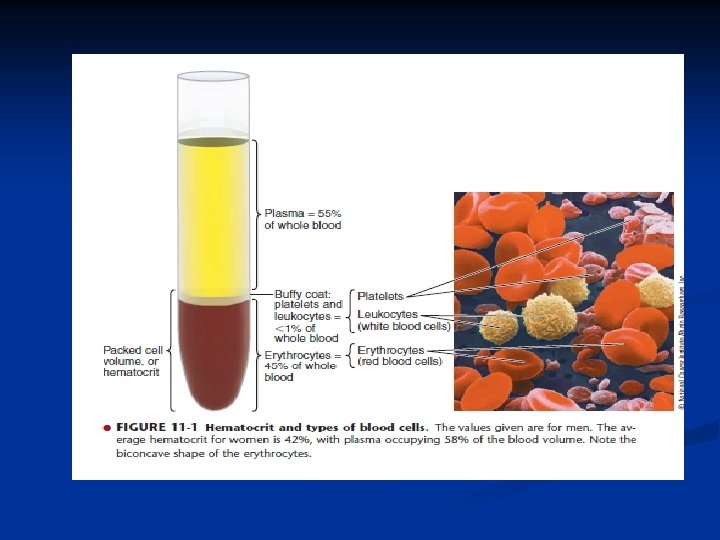
Plasma: Ø 55% of the total volume of blood (90% water) Ø 5% of body weight or 3500 ml Ø A solution containing an immense number of ions, inorganic molecules and organic molecules Ø 6 to 8 % of plasma's total weight is plasma proteins
Serum: If whole blood is allowed to clot and the clot is removed, remaining fluid is called serum. § Same composition as plasma except for fibrinogen and clotting factors.
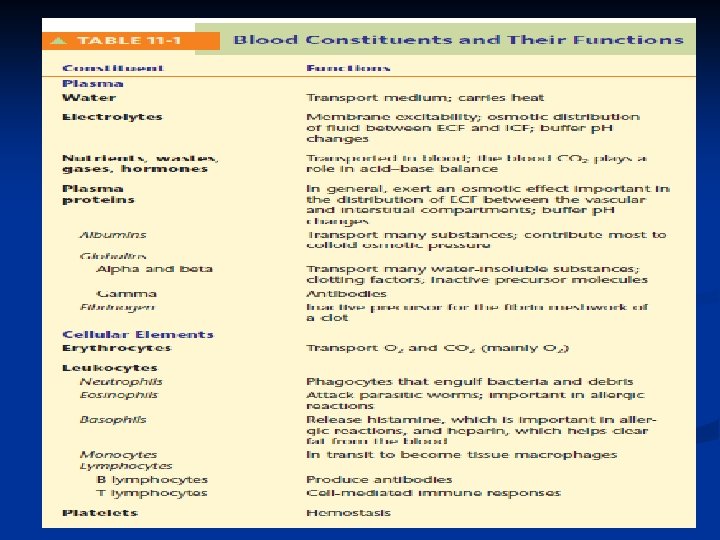
Plasma proteins • Albumin, globulin and fibrinogen fractions • Antibodies (gamma globulins) are synthesized from lymphocytes, others from liver Albumin: Ø Most abundant Ø Contributes most extensively to colloid osmotic pressure Ø Bind to poorly soluble substances for transport; bilirubin, bile salts

Globulins: Ø Alpha, beta and gamma globulins Ø Bind to substances ; cholesterol, iron, thyroid hormones Ø Blood clotting factors. . alpha or beta globulin Ø Antibodies (immunoglobulins) are gamma globulins Ø Some inactive , circulating proteins like angiotensinogen (alpha- globulin) Fibrinogen: Key factor in blood clotting
Functions of Plasma Proteins 1. Coagulation of blood: Fibrinogen is essential for the coagulation of blood
2. Defense mechanism of body: Ø Gamma globulins or immunoglobulins Ø Antibodies react with antigens of various micro organisms that cause disease
3. Transport of substances: § Plasma proteins are essential for transport of various substances in blood. e. g hormones, enzymes § Alpha, beta globulins for transport of metals in the body
4. Maintenance of osmotic pressure § Large size, not permeable through capillary membrane § Exert a colloid osmotic pressure of 25 mm. Hg § Maximum pressure by albumin
5. Regulation of acid base balance: § Because of their buffering action, contributes in regulating the acid base balance in the blood 6. Viscosity of blood: Plasma proteins provide viscosity to the blood, important for maintaining blood pressure. Albumin provides maximum viscosity
7. Erythrocyte Sedimentation rate(ESR): Globulin and fibrinogen accelerate the tendency for Rouleaux formation that is responsible for ESR, an important prognostic tool. 8. Suspension stability of red blood cells In circulation, RBC remain suspended uniformly in blood. Globulin and fibrinogen helps in this suspension stability
Hypoproteinemia § Prolonged starvation § § Malabsorption syndromes Liver disease Kidney disease, nephrosis Congenital. . Afibrinogenemia
Bone Marrow § Loosely knit, gelatinous material found within the cavities of all bones-all blood cells except lymphocytes develop exclusively from it. § Largest and most active organ of the body § 75% of marrow cells → WBC producing myeloid series § 25% are maturing red cells
Yellow bone marrow Ø Inactive marrow that is infiltrated with fat Ø Not present at birth. Starts developing at 3 -7 years of age by change of red to yellow Ø Retains the potentiality to change to red in time of need (extramedullary hematopoiesis)
Red bone marrow: Ø Active, cellular marrow Ø At 18 y of age 50% marrow is red present in axial skeleton Ø In adults- 6% of body weight
Blood cell formation Fetus: Yolk sac, Liver & spleen : upto 16 th week Bone marrow: Starts at 16 th week Children: hematopoiesis occur in marrow cavities of all long bones till age of 20 Adults: RBC, many WBC and platelets are formed in bone marrow ( marrow of upper humerus and femur)
Fetus blood cells are also formed in liver and spleen Children: hematopoiesis occur in marrow cavities of all long bones till age of 20 § Extramedullary hematopoiesis in adults may occur in diseases – destruction or fibrosis of bone marrow
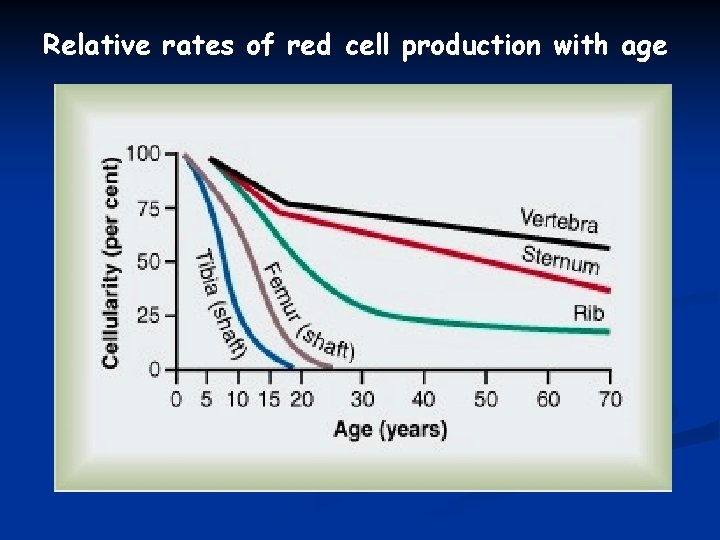
Relative rates of red cell production with age
Functions of Blood 1. Nutrient function: Glucose, amino acids, lipids, vitamins are transported from intestines to different parts of body for growth and production of energy
2. Respiratory function: Transport of respiratory gases 3. Excretory function: Waste products carried to excretory organs like kidney, skin, liver
4. Transport of hormones and enzymes: Hormones from endocrine glands to target organs are transported. 5. Regulation of water balance: Water content of blood freely interchangeable with interstitial fluid, helps in regulation of water content of body.
6. Defensive functions: White blood cells are responsible for defense of body Neutrophils, monocytes phagocytosis Lymphocytes Immunity Eosinophils Detoxification, disintegration , removal of foreign proteins
7. Buffer function: Blood buffers play an important role in regulating p. H. Includes intracellular protein and hemoglobin buffers as well as the chemical buffer systems.

THANK YOU
- Slides: 29