
BLOOD GROUPS A REVIEW Human erythrocytes 300 antigenic
BLOOD GROUPS- A REVIEW • Human erythrocytes >300 antigenic determinants • Only ABO and Rh important in the majority of blood transfusions • Most severe transfusion reactions due to ABO incompatibility Alicia Gruber-Kalamas, MD, University of California San Francisco
ABO INCOMPATIBILITY Alicia Gruber-Kalamas, MD, University of California San Francisco
THE Rh SYSTEM - Rh gene 3 chromosomal loci with 6 alleles -D antigen is the most common and most immunogenic -Approximately 80 -85% Caucasians have D antigen - Individuals lacking this allele are called “Rhnegative” -Only develop antibodies against the D antigen after exposure (transfusion/pregnancy)
Rh ANTIBODIES • Ig. G class of immunoglobulins • Lack capacity to bind complement • Elimination of red cells primarily in the spleen • Clinical symptoms mild, generally limited to fever/chills
Rh AND THE PREGNANT WOMAN • Transplacental passage of D-positive fetal RBC’s into D-negative mother produces anti-D (Ig. G) • Anti-D Ig. G traverses the placenta and coats fetal RBC’S leading to extravascular hemolysis • Clinically manifest as hemolytic disease of the fetus and newborn- anemia, hepatosplenomegaly, hydrops fetalis, and death
Rh PROPHYLAXIS- Rhlg • • • 1968 Rh. Ig first licensed for prophylactic administration via IM route (Rho. Gam) Ig. G anti-D derived from human plasma Exact mechanism unknown 20 mcg purified Rh. IG provides protection against 1 ml Rh-positive blood Win. Rho IV preparation
PREVENTION OF POST-TRANSFUSION Rh-ALLOIMMUNIZATION The protective effect of Rh. Ig is dose dependent Rh. Ig can prevent Rh immunization if: 1) Sufficient dose is administered 2) Rh. Ig is given within 72 hours of exposure
Succesful Prevention of Post. Transfusion Rh Alloimmunization by IV Win. Rho • • Anderson, et al A. J. Hematology 1999; 60: 245 Case Report 10 mo old D-negative female Received 40 ml D-positive PRBC’s Administered 1200 mcg IV Win. Rho At 1 year follow-up, no evidence of Anti-D
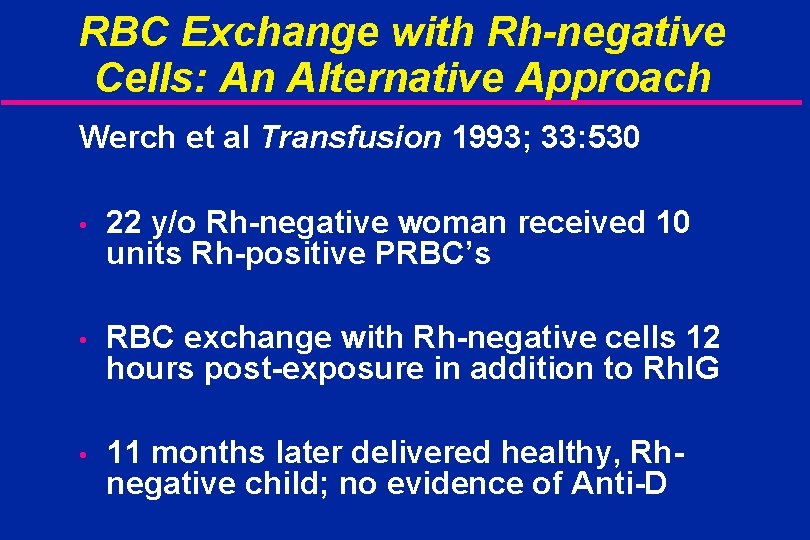
RBC Exchange with Rh-negative Cells: An Alternative Approach Werch et al Transfusion 1993; 33: 530 • 22 y/o Rh-negative woman received 10 units Rh-positive PRBC’s • RBC exchange with Rh-negative cells 12 hours post-exposure in addition to Rh. IG • 11 months later delivered healthy, Rhnegative child; no evidence of Anti-D
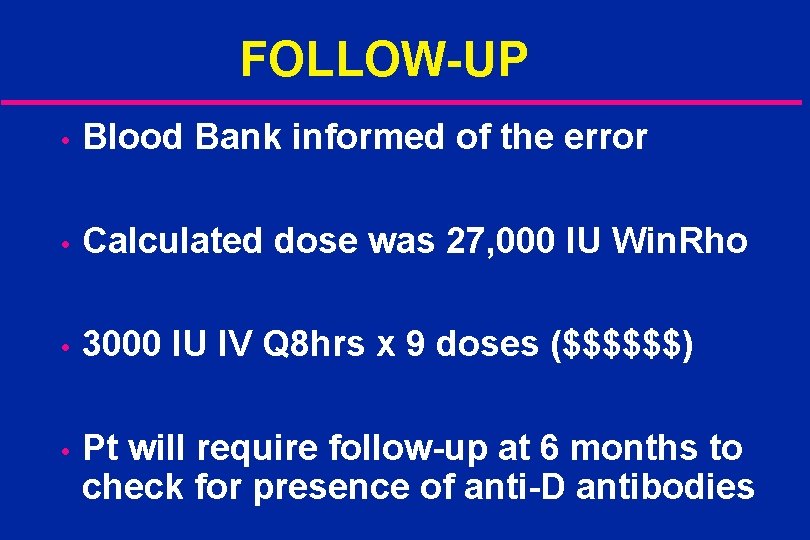
FOLLOW-UP • Blood Bank informed of the error • Calculated dose was 27, 000 IU Win. Rho • 3000 IU IV Q 8 hrs x 9 doses ($$$$$$) • Pt will require follow-up at 6 months to check for presence of anti-D antibodies
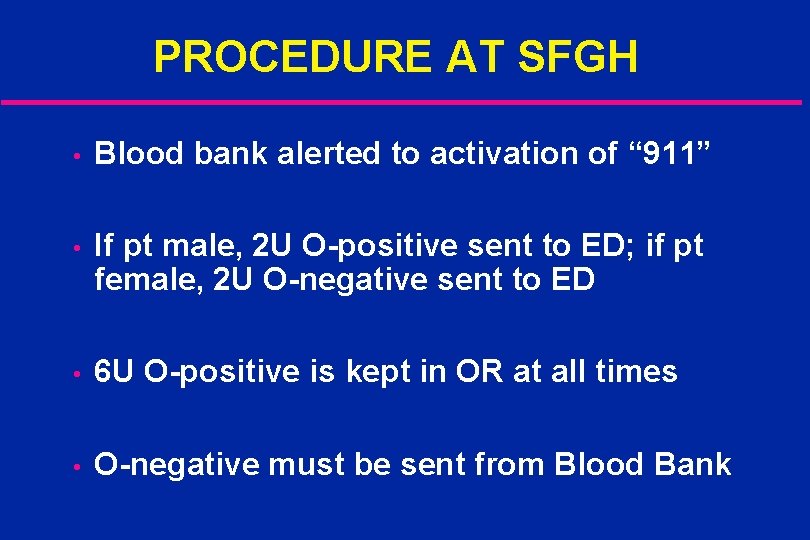
PROCEDURE AT SFGH • Blood bank alerted to activation of “ 911” • If pt male, 2 U O-positive sent to ED; if pt female, 2 U O-negative sent to ED • 6 U O-positive is kept in OR at all times • O-negative must be sent from Blood Bank
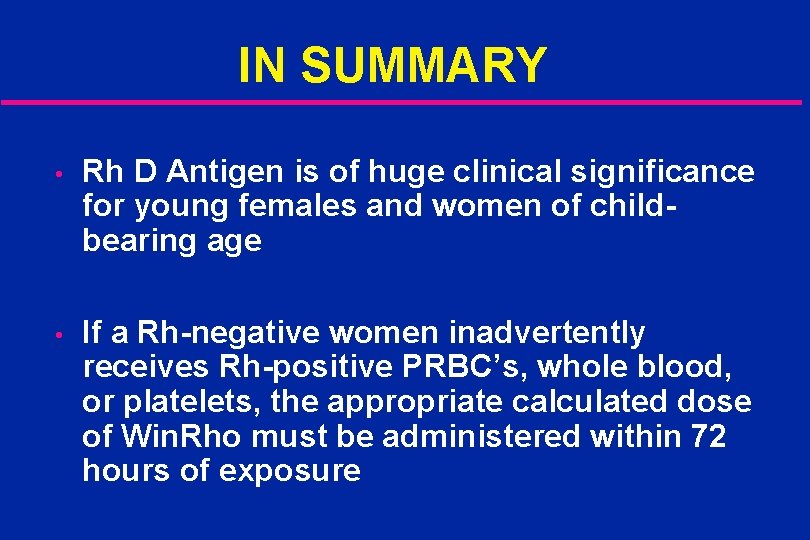
IN SUMMARY • Rh D Antigen is of huge clinical significance for young females and women of childbearing age • If a Rh-negative women inadvertently receives Rh-positive PRBC’s, whole blood, or platelets, the appropriate calculated dose of Win. Rho must be administered within 72 hours of exposure
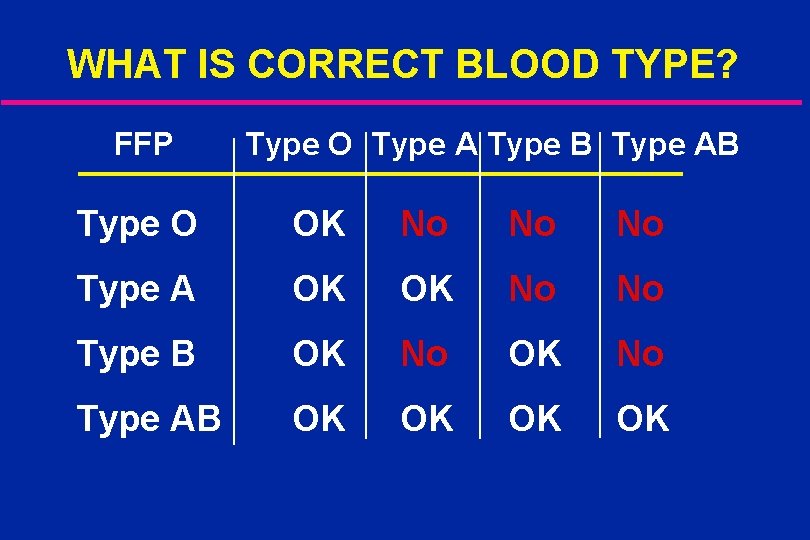
WHAT IS CORRECT BLOOD TYPE? FFP Type O Type A Type B Type AB Type O OK No No No Type A OK OK No No Type B OK No Type AB OK OK
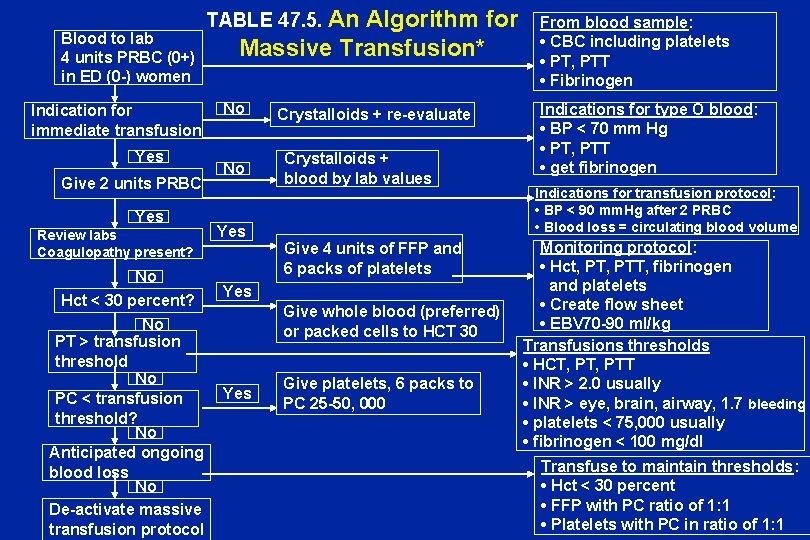
Blood to lab 4 units PRBC (0+) in ED (0 -) women Indication for immediate transfusion Yes Give 2 units PRBC Yes Review labs Coagulopathy present? No Hct < 30 percent? No PT > transfusion threshold No PC < transfusion threshold? No Anticipated ongoing blood loss No De-activate massive transfusion protocol TABLE 47. 5. An Algorithm for Massive Transfusion* No No Yes Crystalloids + re-evaluate Crystalloids + blood by lab values Give 4 units of FFP and 6 packs of platelets Yes Give whole blood (preferred) or packed cells to HCT 30 Yes Give platelets, 6 packs to PC 25 -50, 000 From blood sample: • CBC including platelets • PT, PTT • Fibrinogen Indications for type O blood: • BP < 70 mm Hg • PT, PTT • get fibrinogen Indications for transfusion protocol: • BP < 90 mm. Hg after 2 PRBC • Blood loss = circulating blood volume Monitoring protocol: • Hct, PTT, fibrinogen and platelets • Create flow sheet • EBV 70 -90 ml/kg Transfusions thresholds • HCT, PTT • INR > 2. 0 usually • INR > eye, brain, airway, 1. 7 bleeding • platelets < 75, 000 usually • fibrinogen < 100 mg/dl Transfuse to maintain thresholds: • Hct < 30 percent • FFP with PC ratio of 1: 1 • Platelets with PC in ratio of 1: 1
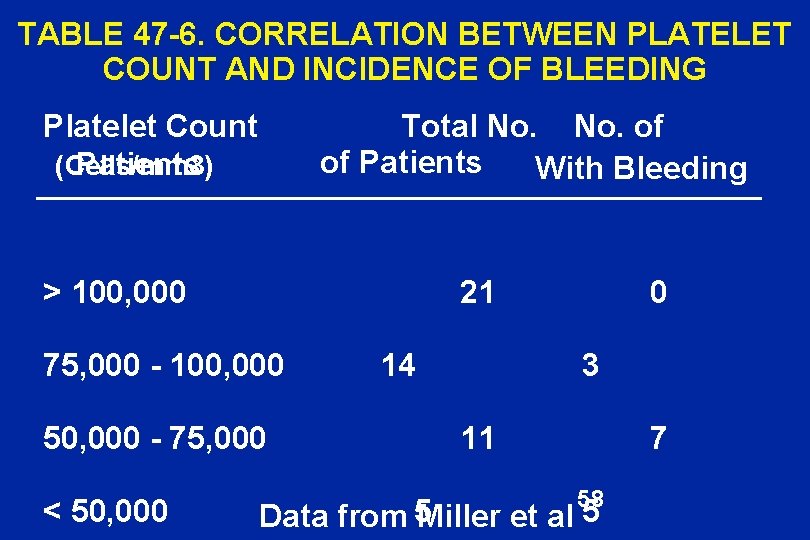
TABLE 47 -6. CORRELATION BETWEEN PLATELET COUNT AND INCIDENCE OF BLEEDING Platelet Count (Cells/mm 3) Patients Total No. of of Patients With Bleeding > 100, 000 21 75, 000 - 100, 000 50, 000 - 75, 000 < 50, 000 14 0 3 11 7 58 Data from 5 Miller et al 5
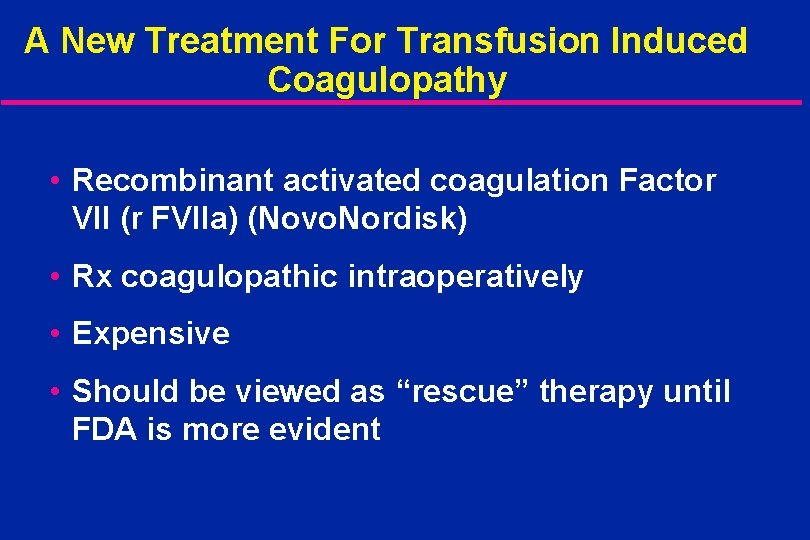
A New Treatment For Transfusion Induced Coagulopathy • Recombinant activated coagulation Factor VII (r FVIIa) (Novo. Nordisk) • Rx coagulopathic intraoperatively • Expensive • Should be viewed as “rescue” therapy until FDA is more evident
LIMITATIONS OF BLOOD TRANSFUSIONS • Transmission of infectious diseases • Dependent on volunteer donors (shortage? ) • Need for typing and cross-matching • Short shelf-life
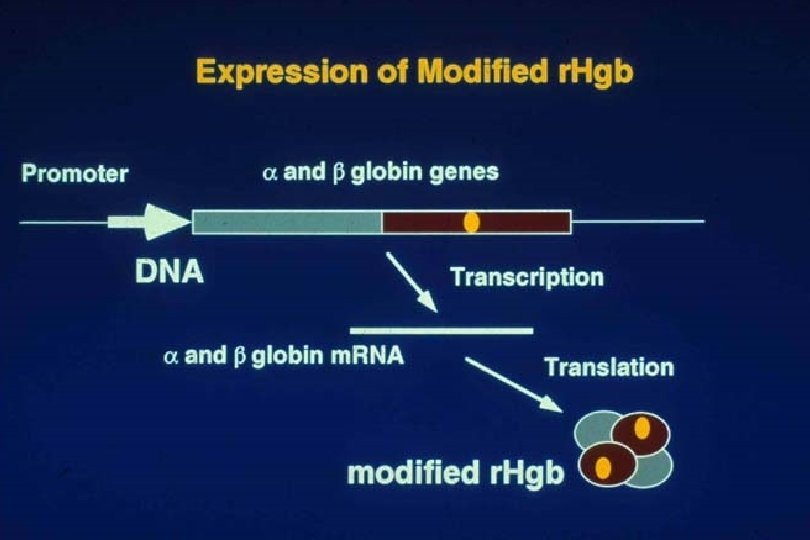
RECOMBINANT HEMOGLOBIN (r. Hb) A genetically engineered recombinant human hemoglobin which can be used as red blood cell substitute
OLD HISTORIC PROBLEMS • Kidney failure • Oxygen dissociation curve

WHAT ABOUT THE OXYGEN AFFINITY?
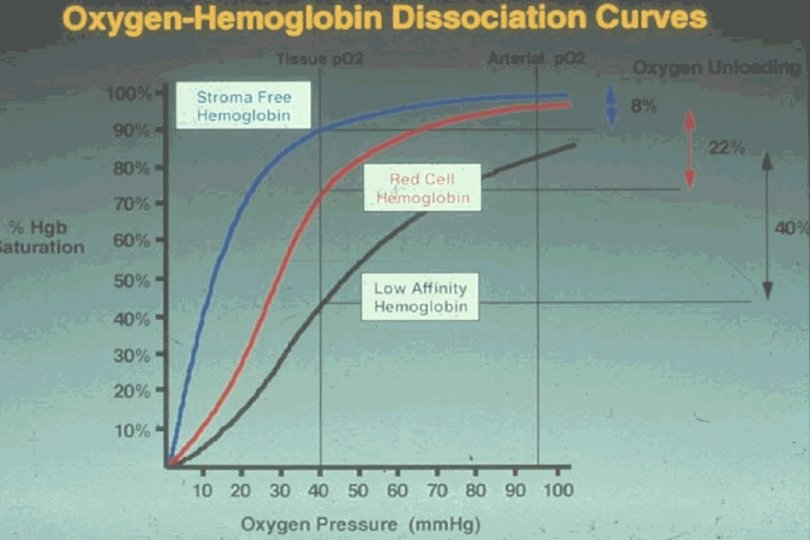
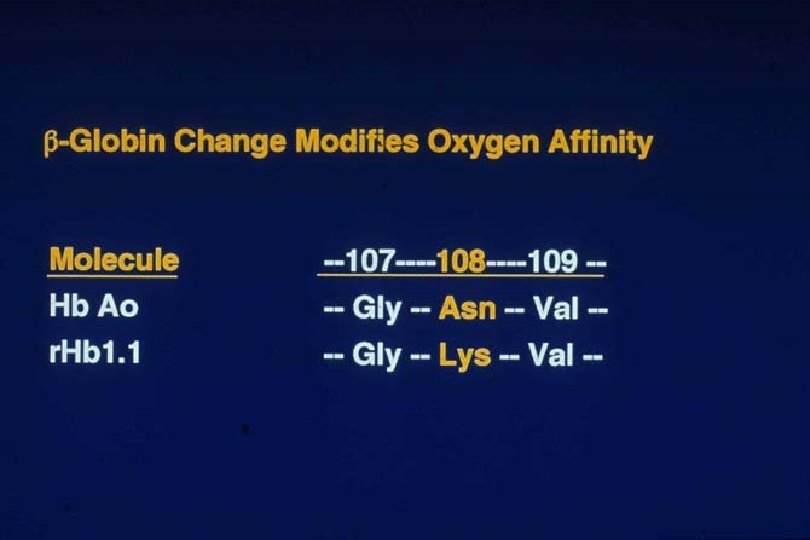
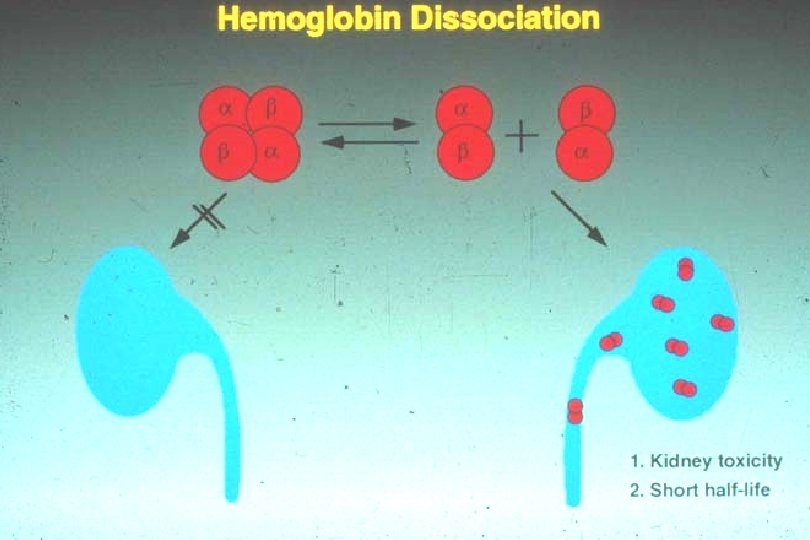
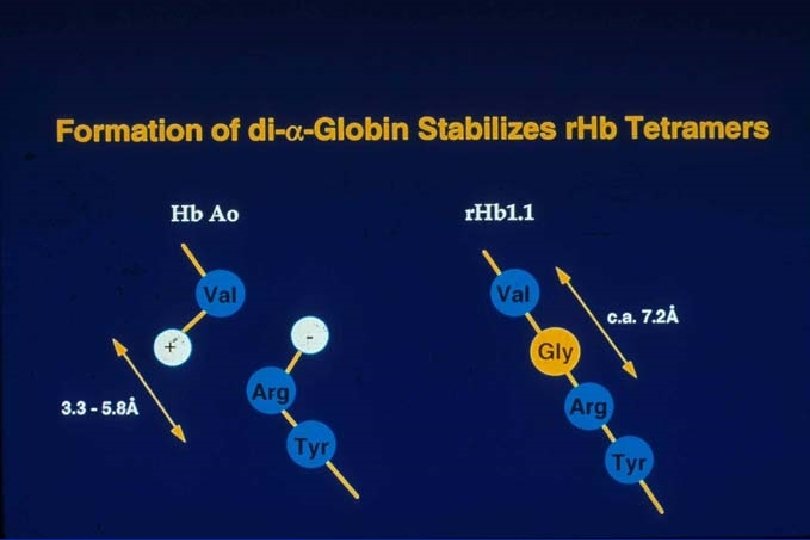
ADVANTAGES OF r. Hb • No risk of blood-borne infection • No need to type and cross-match • Optimized oxygen delivery • No need for chemical modifications • Improved shelf-life • Economic scale-up, production, and supply
UPDATE SYNTHETIC BLOOD Biopure produces a product named Hemopure. It is approved in South Africa and will be in the USA and Europe in a year. Stealth Red Cell. Polyglycol covering preventing antibodies from getting to it, but still needs ABO testing. Will lengthen half-life by many days. (or 30 days. )
PREDICTION: In 15 years, human blood will not be used as a blood transfusion (at least for the purpose of delivering oxygen. )
- Slides: 28