
Blood Bone Marrow Bone Mary Ann Bonilla M
Blood, Bone Marrow & Bone Mary Ann Bonilla, M. D St. Joseph’s Regional Medical Center Paterson, NJ
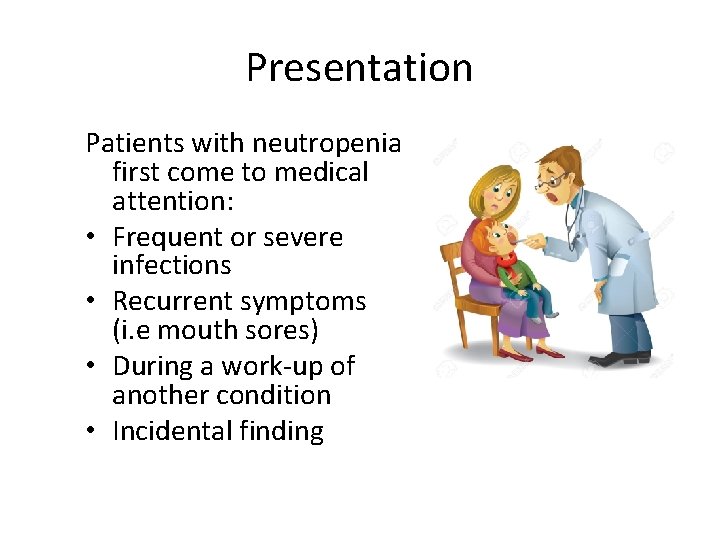
Presentation Patients with neutropenia first come to medical attention: • Frequent or severe infections • Recurrent symptoms (i. e mouth sores) • During a work-up of another condition • Incidental finding
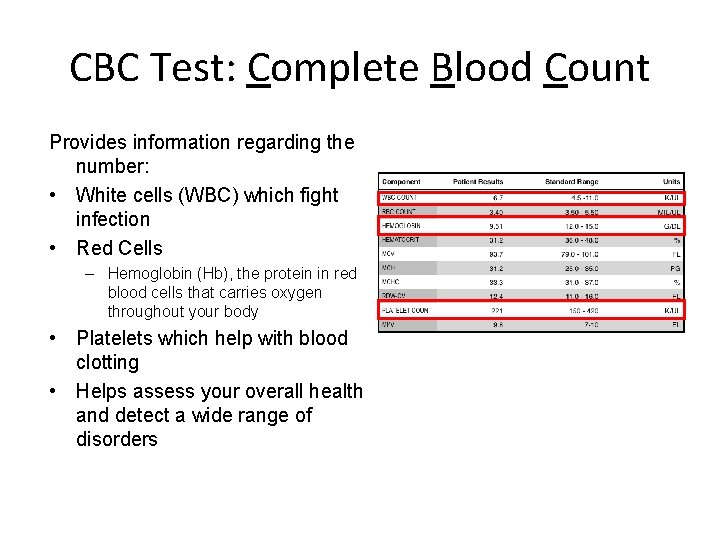
CBC Test: Complete Blood Count Provides information regarding the number: • White cells (WBC) which fight infection • Red Cells – Hemoglobin (Hb), the protein in red blood cells that carries oxygen throughout your body • Platelets which help with blood clotting • Helps assess your overall health and detect a wide range of disorders
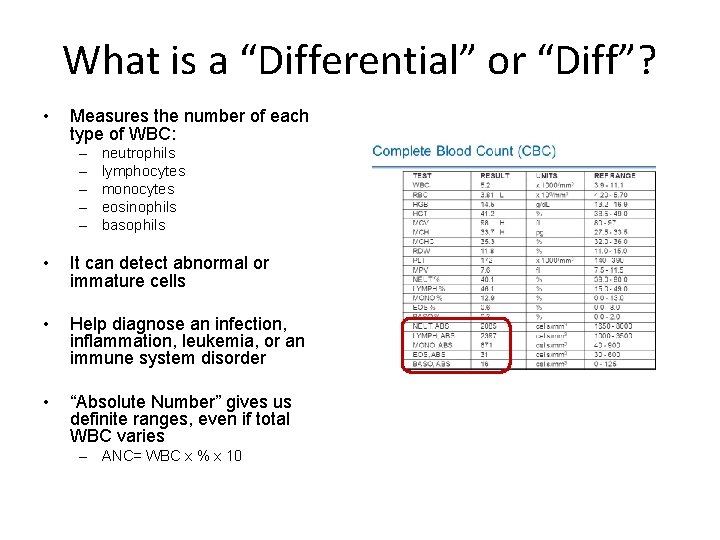
What is a “Differential” or “Diff”? • Measures the number of each type of WBC: – – – neutrophils lymphocytes monocytes eosinophils basophils • It can detect abnormal or immature cells • Help diagnose an infection, inflammation, leukemia, or an immune system disorder • “Absolute Number” gives us definite ranges, even if total WBC varies – ANC= WBC x % x 10
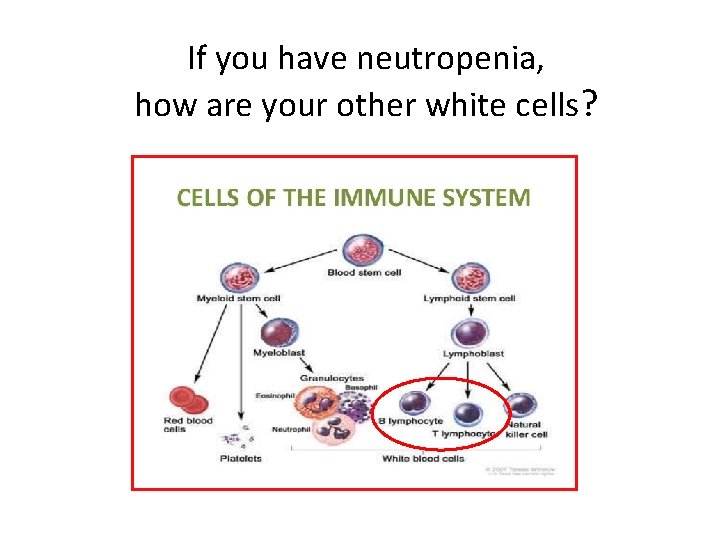
If you have neutropenia, how are your other white cells?
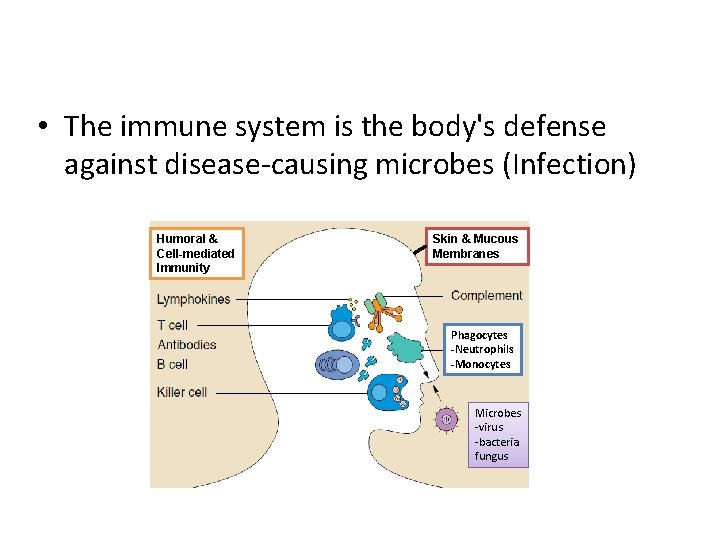
Immunology 101 • The immune system is the body's defense against disease-causing microbes (Infection) Humoral & Cell-mediated Immunity Skin & Mucous Membranes Phagocytes -Neutrophils -Monocytes Microbes -virus -bacteria fungus
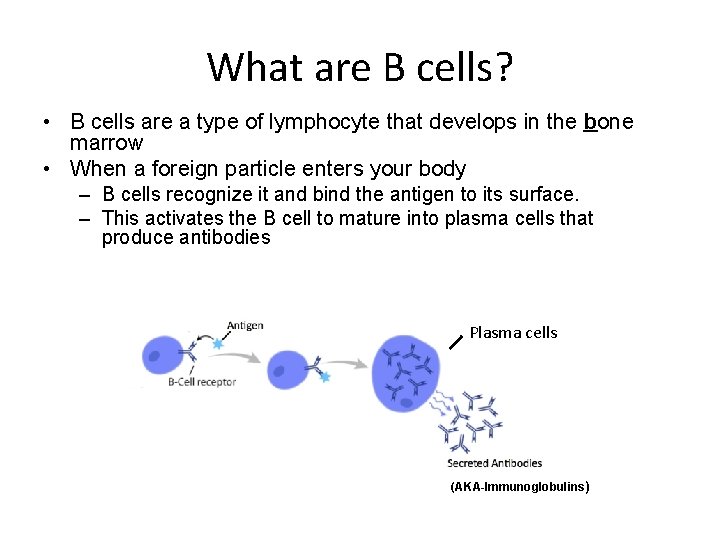
What are B cells? • B cells are a type of lymphocyte that develops in the bone marrow • When a foreign particle enters your body – B cells recognize it and bind the antigen to its surface. – This activates the B cell to mature into plasma cells that produce antibodies Plasma cells (AKA-Immunoglobulins )
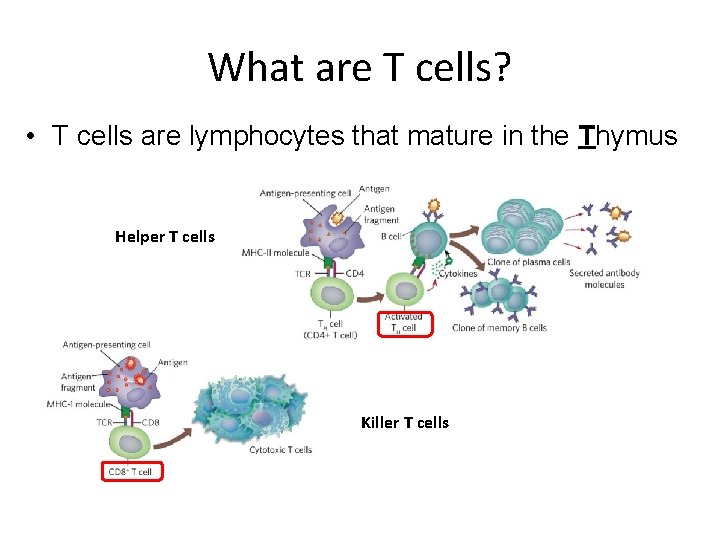
What are T cells? • T cells are lymphocytes that mature in the Thymus Helper T cells Killer T cells
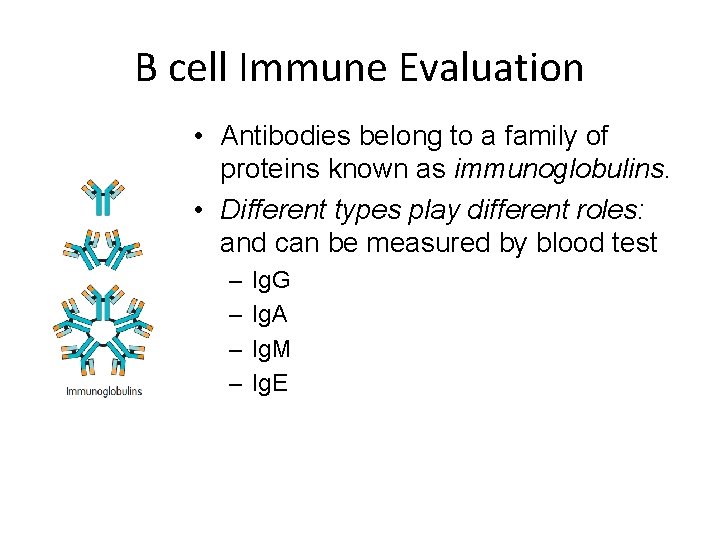
B cell Immune Evaluation • Antibodies belong to a family of proteins known as immunoglobulins. • Different types play different roles: and can be measured by blood test – – Ig. G Ig. A Ig. M Ig. E
T cell Immune Evaluation • Lymphocyte Subsets – determining the numbers of different types of Tcells and B cells • Lymphocyte proliferation – Studies that measures the ability of the T-cells to respond to different types of proteins (such as tetanus toxoid) – By measuring whether the T-cells divide and grow (proliferation)
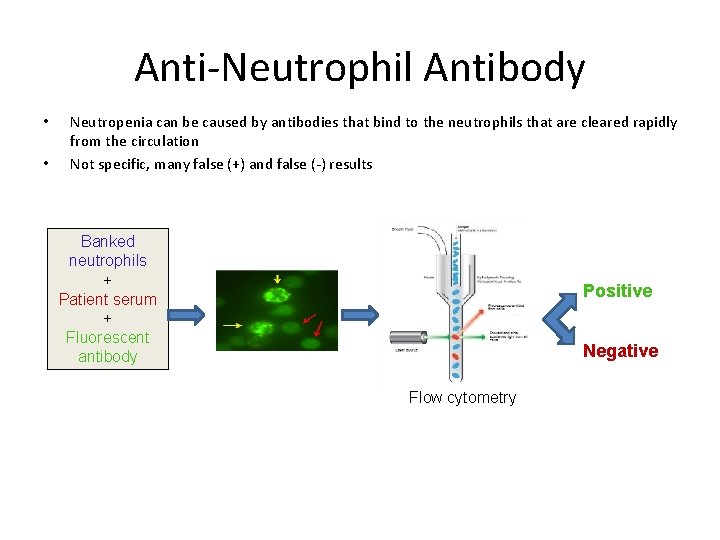
Anti-Neutrophil Antibody • • Neutropenia can be caused by antibodies that bind to the neutrophils that are cleared rapidly from the circulation Not specific, many false (+) and false (-) results Banked neutrophils + Patient serum + Fluorescent antibody Positive Negative Flow cytometry
Other Immune Disorders • Immune neutropenia especially in adolescence and adulthood can be associated: – Lupus (SLE), rheumatoid arthritis – The other “ANA” -Antinuclear antibody can be part of screening panel for these disorders – Not the same as anti-neutrophil antibody
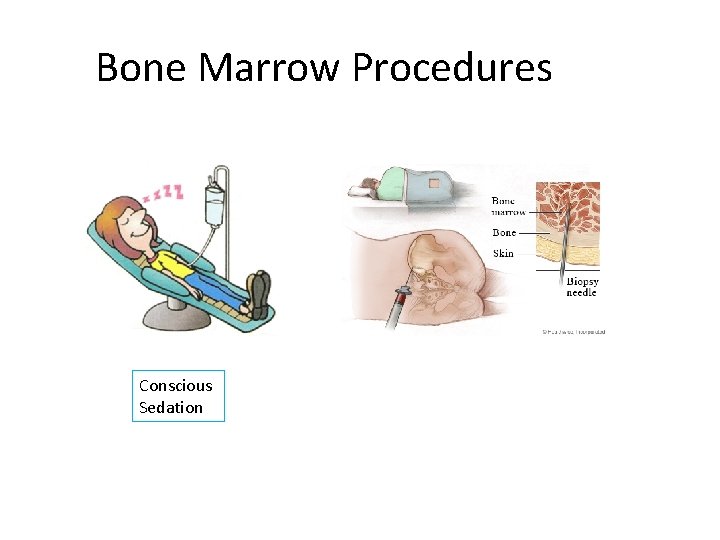
Bone Marrow Procedures Conscious Sedation
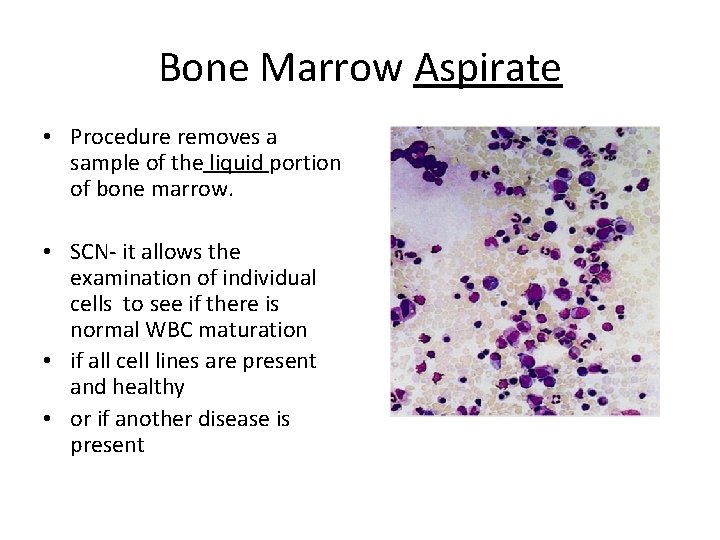
Bone Marrow Aspirate • Procedure removes a sample of the liquid portion of bone marrow. • SCN- it allows the examination of individual cells to see if there is normal WBC maturation • if all cell lines are present and healthy • or if another disease is present
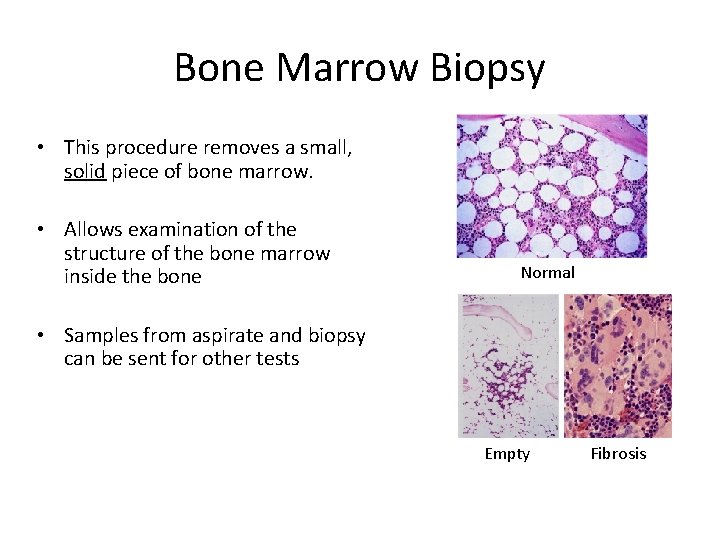
Bone Marrow Biopsy • This procedure removes a small, solid piece of bone marrow. • Allows examination of the structure of the bone marrow inside the bone Normal • Samples from aspirate and biopsy can be sent for other tests Empty Fibrosis
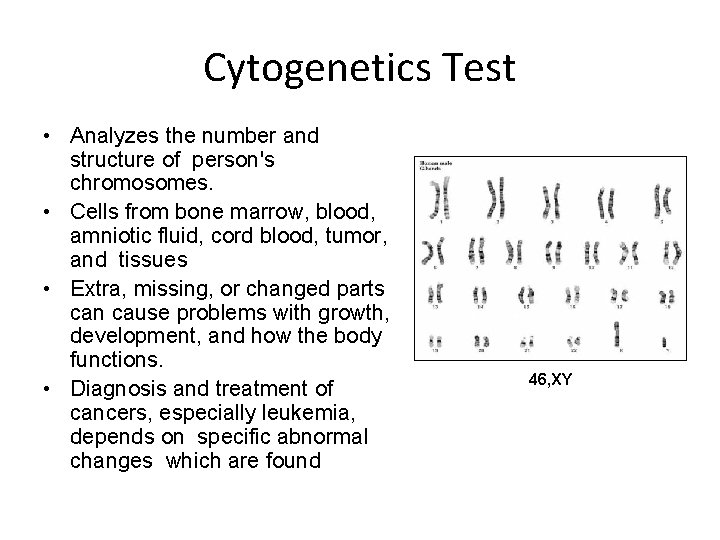
Cytogenetics Test • Analyzes the number and structure of person's chromosomes. • Cells from bone marrow, blood, amniotic fluid, cord blood, tumor, and tissues • Extra, missing, or changed parts can cause problems with growth, development, and how the body functions. • Diagnosis and treatment of cancers, especially leukemia, depends on specific abnormal changes which are found 46, XY
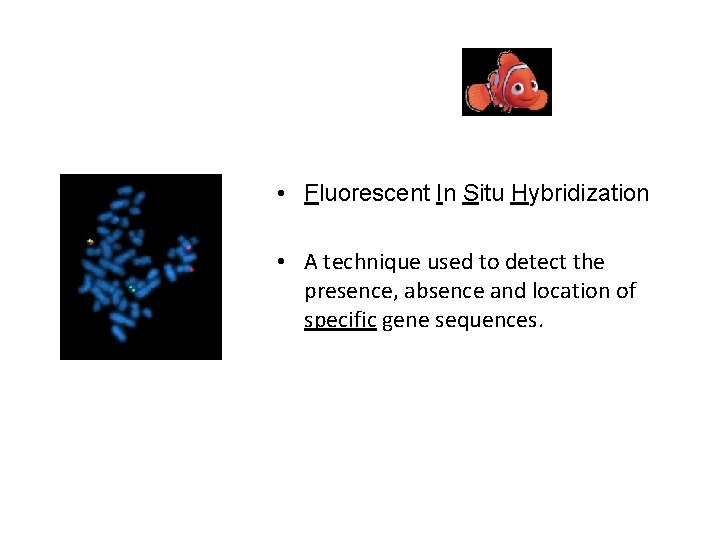
What is FISH? • Fluorescent In Situ Hybridization • A technique used to detect the presence, absence and location of specific gene sequences.

Bone Health Basics • Bones support your body and allow you to move and protect your organs from injury • 3 major components – Collagen, a protein that gives bones a flexible framework – Calcium-phosphate mineral complexes make bones hard and strong – Living bone cells
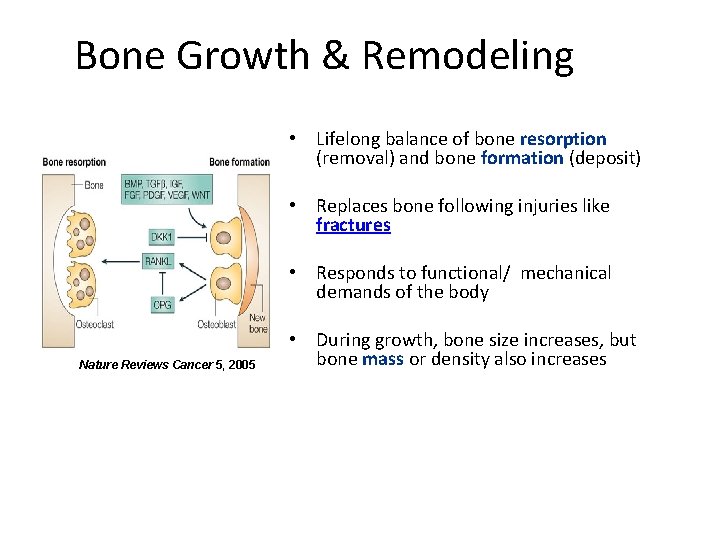
Bone Growth & Remodeling • Lifelong balance of bone resorption (removal) and bone formation (deposit) • Replaces bone following injuries like fractures • Responds to functional/ mechanical demands of the body Nature Reviews Cancer 5, 2005 • During growth, bone size increases, but bone mass or density also increases
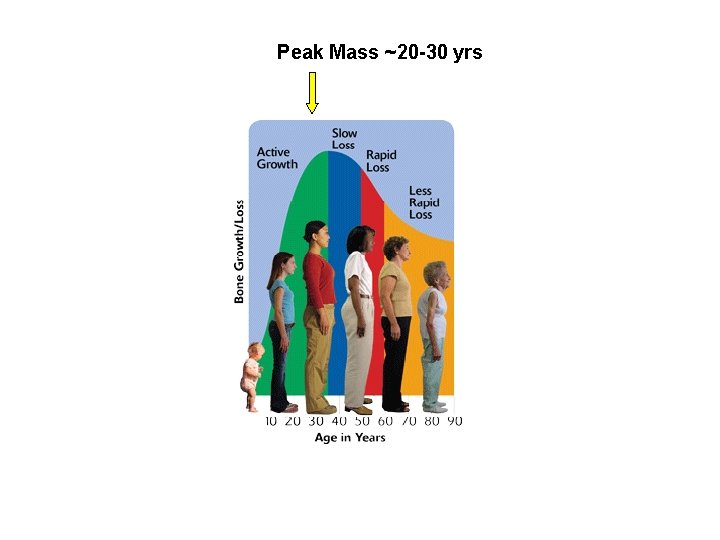
Peak Mass ~20 -30 yrs The Surgeon General’s report on bone health and osteoporosis: What it means to you. NIH March 2012
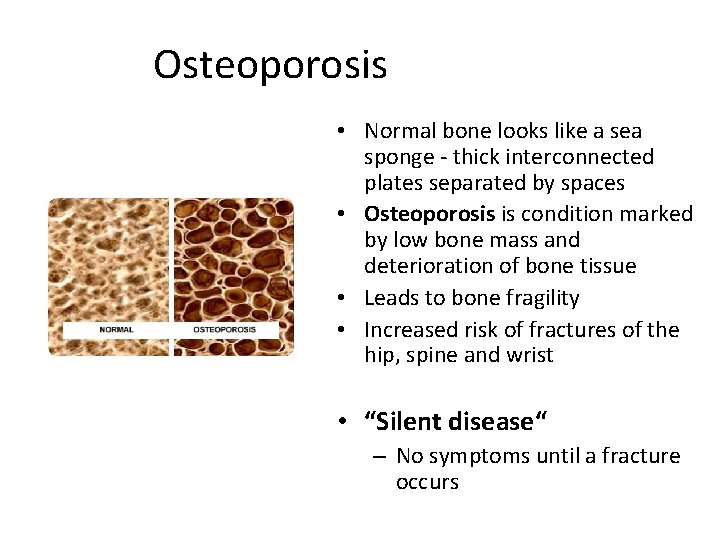
Osteoporosis • Normal bone looks like a sea sponge - thick interconnected plates separated by spaces • Osteoporosis is condition marked by low bone mass and deterioration of bone tissue • Leads to bone fragility • Increased risk of fractures of the hip, spine and wrist • “Silent disease“ – No symptoms until a fracture occurs
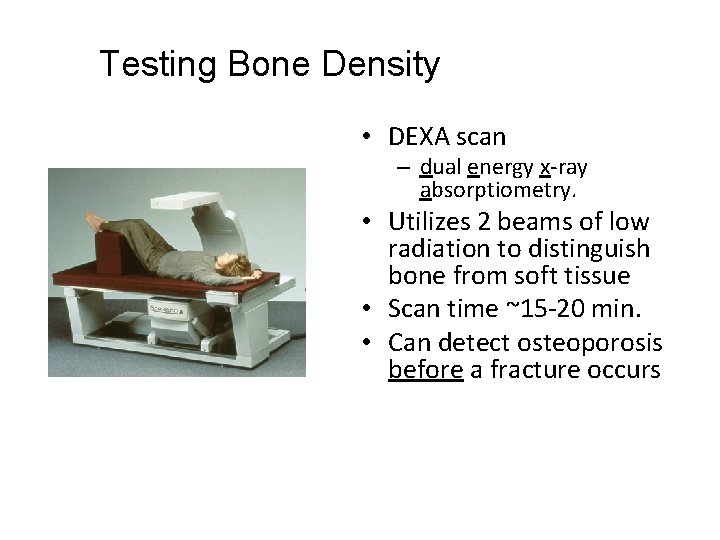
Testing Bone Density • DEXA scan – dual energy x-ray absorptiometry. • Utilizes 2 beams of low radiation to distinguish bone from soft tissue • Scan time ~15 -20 min. • Can detect osteoporosis before a fracture occurs
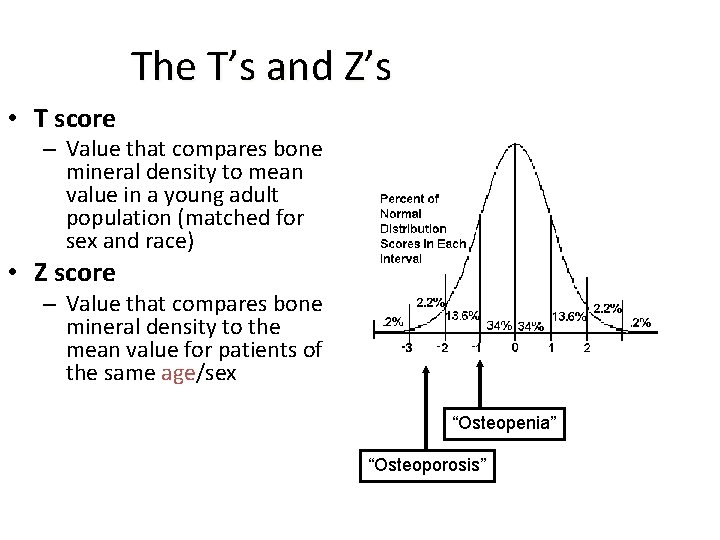
The T’s and Z’s • T score – Value that compares bone mineral density to mean value in a young adult population (matched for sex and race) • Z score – Value that compares bone mineral density to the mean value for patients of the same age/sex “Osteopenia” “Osteoporosis”
Risk Factors for Osteoporosis Factors that can not be changed • Gender • Race • Genetics • Stature • Age Women > Men Caucasians & Asian origin > African-American Family history Short, thin, or small body =smaller, thinner bones Increase risk with age
Drugs at Risk for Osteoporosis • • • • Aluminum-containing antacids Antiseizure medicines (only some) such as Dilantin® or Phenobarbital Aromatase inhibitors such as Arimidex®, Aromasin® and Femara® Cancer chemotherapeutic drugs Cyclosporine A and FK 506 (Tacrolimus) Gonadotropin releasing hormone (Gn. RH) such as Lupron® and Zoladex® Heparin Lithium Medroxyprogesterone acetate for contraception (Depo-Provera®) Methotrexate Proton pump inhibitors (PPIs) such as Nexium®, Prevacid® and Prilosec® Selective serotonin reuptake inhibitors (SSRIs) such as Lexapro®, Prozac® and Zoloft® Steroids (glucocorticoids) such as cortisone and prednisone Tamoxifen® (premenopausal use) Thiazolidinediones such as Actos® and Avandia® Thyroid hormones in excess
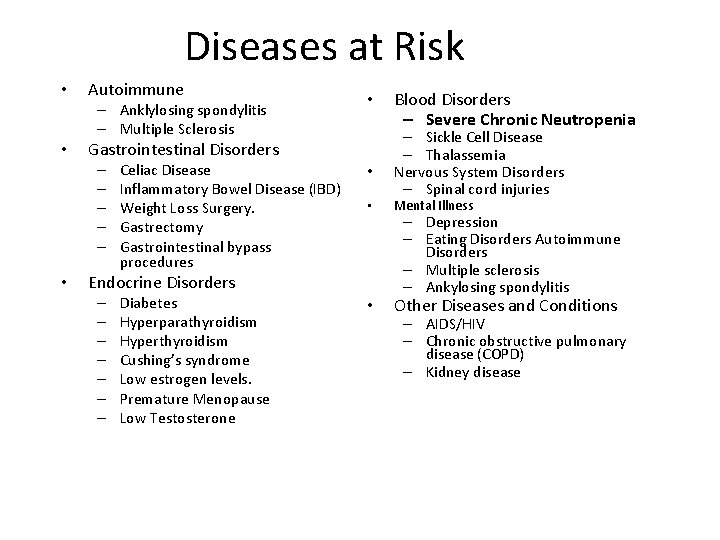
Diseases at Risk • Autoimmune – Anklylosing spondylitis – Multiple Sclerosis • Gastrointestinal Disorders – – – • • Celiac Disease Inflammatory Bowel Disease (IBD) Weight Loss Surgery. Gastrectomy Gastrointestinal bypass procedures • Diabetes Hyperparathyroidism Hyperthyroidism Cushing’s syndrome Low estrogen levels. Premature Menopause Low Testosterone • • Endocrine Disorders – – – – Blood Disorders – Severe Chronic Neutropenia – Sickle Cell Disease – Thalassemia Nervous System Disorders – Spinal cord injuries Mental Illness – Depression – Eating Disorders Autoimmune Disorders – Multiple sclerosis – Ankylosing spondylitis Other Diseases and Conditions – AIDS/HIV – Chronic obstructive pulmonary disease (COPD) – Kidney disease
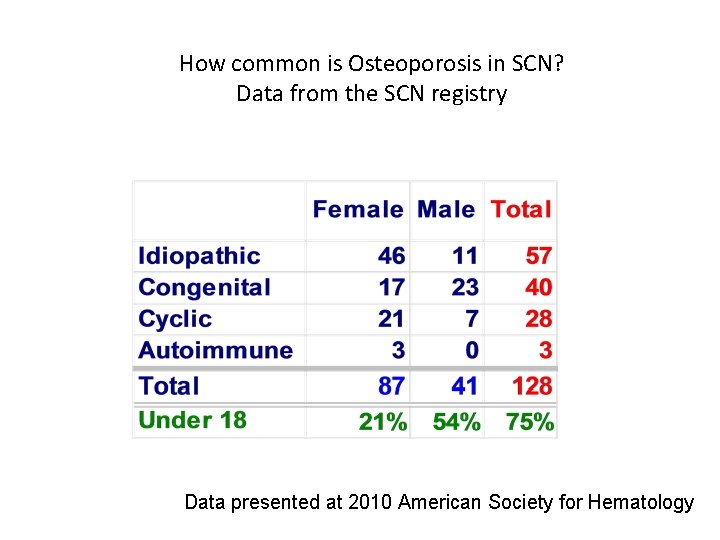
How common is Osteoporosis in SCN? Data from the SCN registry Data presented at 2010 American Society for Hematology
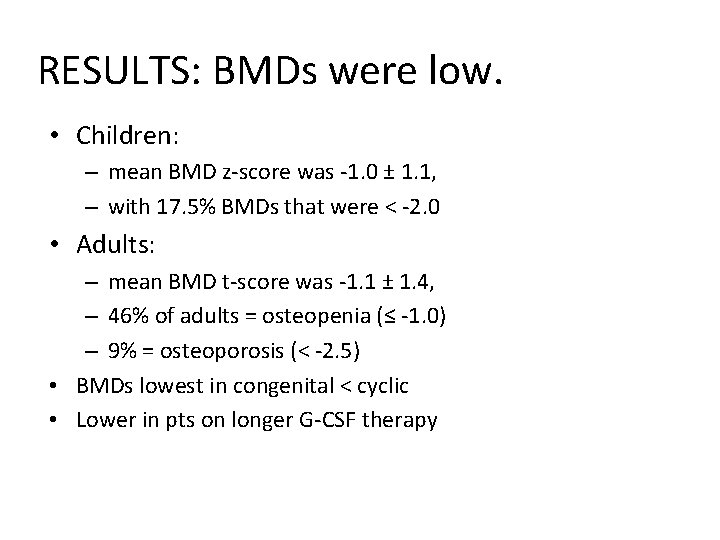
RESULTS: BMDs were low. • Children: – mean BMD z-score was -1. 0 ± 1. 1, – with 17. 5% BMDs that were < -2. 0 • Adults: – mean BMD t-score was -1. 1 ± 1. 4, – 46% of adults = osteopenia (≤ -1. 0) – 9% = osteoporosis (< -2. 5) • BMDs lowest in congenital < cyclic • Lower in pts on longer G-CSF therapy
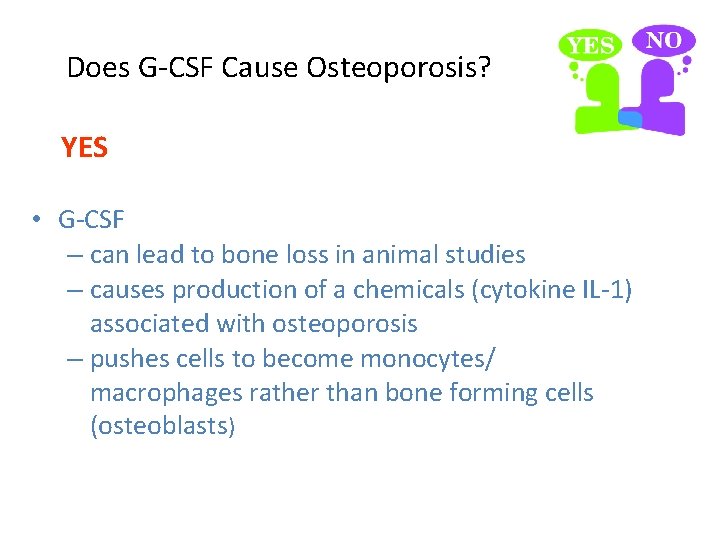
Does G-CSF Cause Osteoporosis? YES • G-CSF – can lead to bone loss in animal studies – causes production of a chemicals (cytokine IL-1) associated with osteoporosis – pushes cells to become monocytes/ macrophages rather than bone forming cells (osteoblasts)
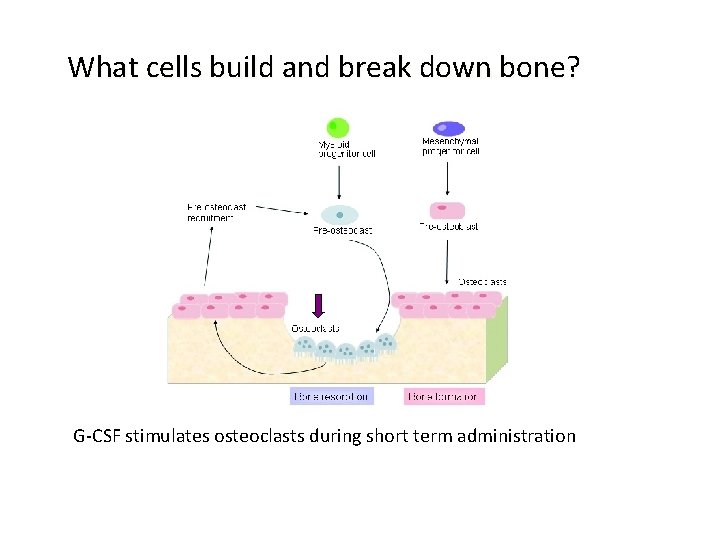
What cells build and break down bone? G-CSF stimulates osteoclasts during short term administration
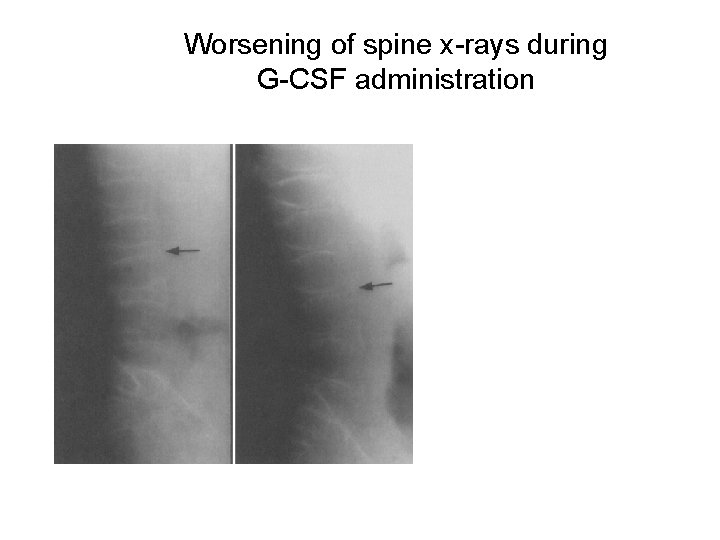
Worsening of spine x-rays during G-CSF administration
Does G-CSF cause osteoporosis? NO • Low bone mass and vertebral fractures were seen prior to starting G-CSF in SCN pts. • No relationship between total amount of G-CSF given and osteoporosis development
What Screening Should be Done? • Bone mineral density (BMD) by DEXA • How often for SCN pts? No clear data – At diagnosis – If Abnormal-yearly – If Normal, every 2 years • Need to have measurements done on same machine – For Children – important to be at Center used to measuring kids
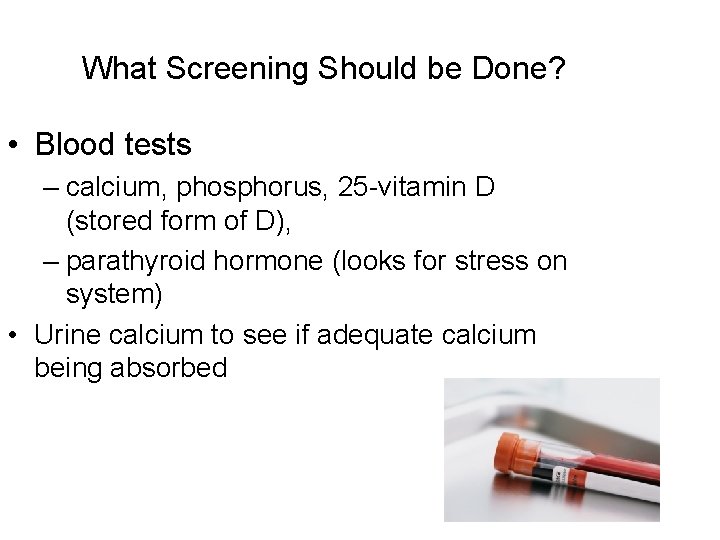
What Screening Should be Done? • Blood tests – calcium, phosphorus, 25 -vitamin D (stored form of D), – parathyroid hormone (looks for stress on system) • Urine calcium to see if adequate calcium being absorbed
Factors that can be changed • Diet – adequate calcium, phosphate, Vitamin D • • Exercise Lifestyle Estrogen levels Drugs
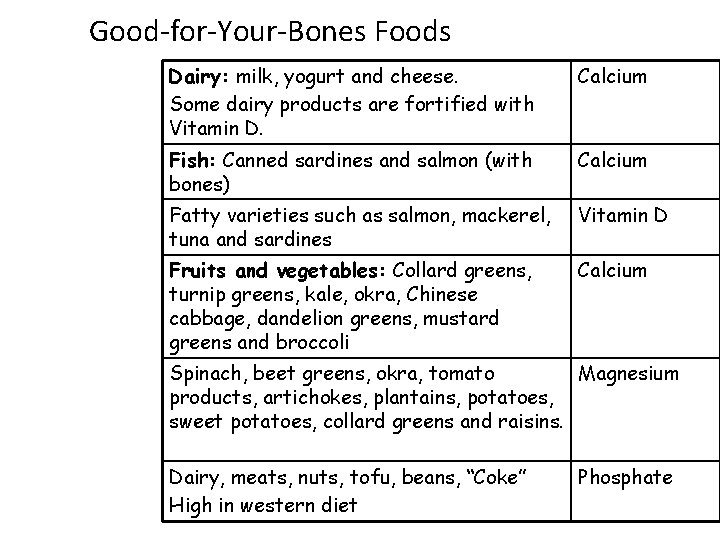
Good-for-Your-Bones Foods Dairy: milk, yogurt and cheese. Some dairy products are fortified with Vitamin D. Calcium Fish: Canned sardines and salmon (with bones) Calcium Fatty varieties such as salmon, mackerel, tuna and sardines Vitamin D Fruits and vegetables: Collard greens, turnip greens, kale, okra, Chinese cabbage, dandelion greens, mustard greens and broccoli Calcium Spinach, beet greens, okra, tomato Magnesium products, artichokes, plantains, potatoes, sweet potatoes, collard greens and raisins. Dairy, meats, nuts, tofu, beans, “Coke” High in western diet Phosphate
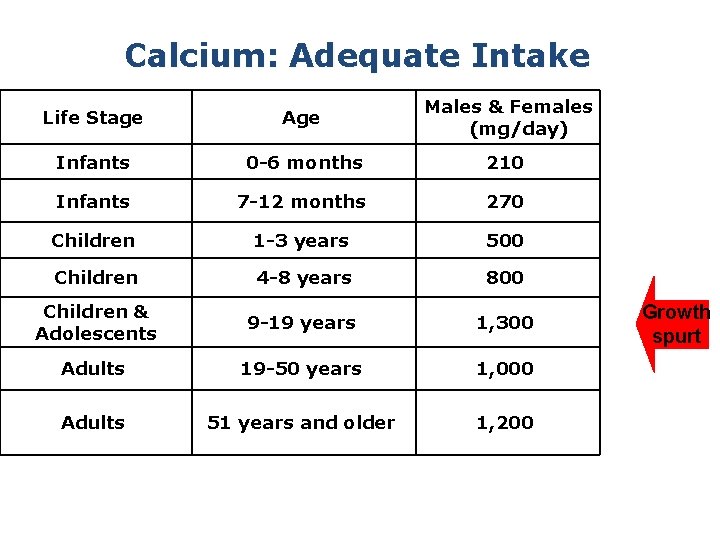
Calcium: Adequate Intake Life Stage Age Males & Females (mg/day) Infants 0 -6 months 210 Infants 7 -12 months 270 Children 1 -3 years 500 Children 4 -8 years 800 Children & Adolescents 9 -19 years 1, 300 Adults 19 -50 years 1, 000 Adults 51 years and older 1, 200 Growth spurt
Vitamin D • Important for bone mineralization – Gut effects • Increases calcium absorption • Increases phosphate absorption – Bone Effects • Increases bone resorption • Facilitates bone formation – Source • Fortified Milk • Sun
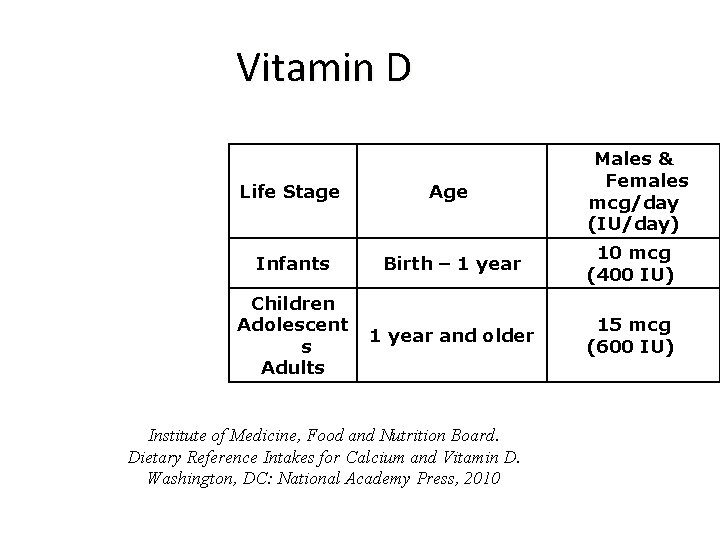
Vitamin D Life Stage Age Males & Females mcg/day (IU/day) Infants Birth – 1 year 10 mcg (400 IU) Children Adolescent s Adults 1 year and older 15 mcg (600 IU) Institute of Medicine, Food and Nutrition Board. Dietary Reference Intakes for Calcium and Vitamin D. Washington, DC: National Academy Press, 2010
Lifestyles • Caffeine – Moderate intake-Coffee, tea and soft drinks (sodas) – decrease calcium absoption • Alcohol. – Lead to bone loss – Limit alcohol to no more than 2 - 3 drinks per day. • Smoking – Prevents new bone deposition, ↓bone mass
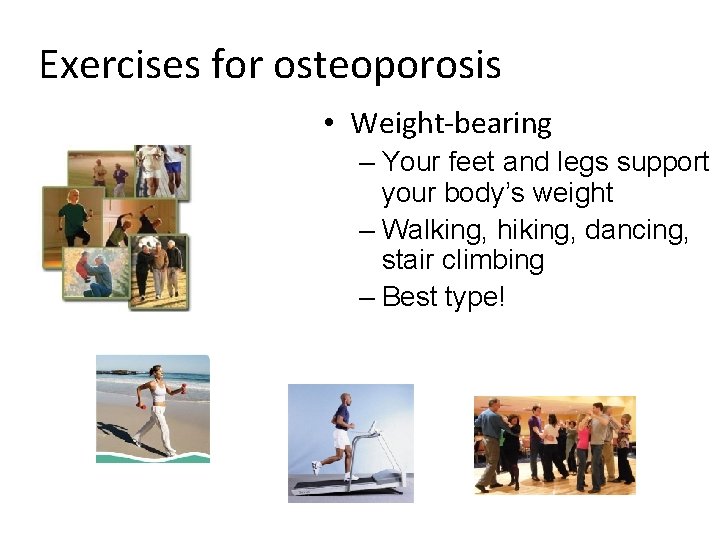
Exercises for osteoporosis • Weight-bearing – Your feet and legs support your body’s weight – Walking, hiking, dancing, stair climbing – Best type!
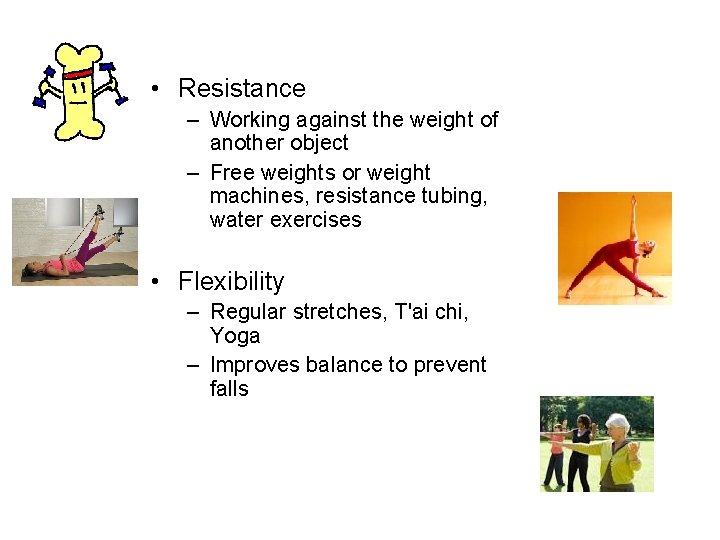
• Resistance – Working against the weight of another object – Free weights or weight machines, resistance tubing, water exercises • Flexibility – Regular stretches, T'ai chi, Yoga – Improves balance to prevent falls
Medical Treatment • Medications may reduce the risk of broken bones. – Slow or stop bone loss or rebuild bone. • Hormones • Bisphonates – (alendronate, risedronate, ibandronate, zoledronic acid) • Selective estrogen receptor modulator (SERM) – (raloxifene) • Calcitonin (calcitonin-salmon nasal spray) • Parathyroid hormone 1 -34 (teriparatide) • Monoclonal antibodies: Denosumab, Romosozumab
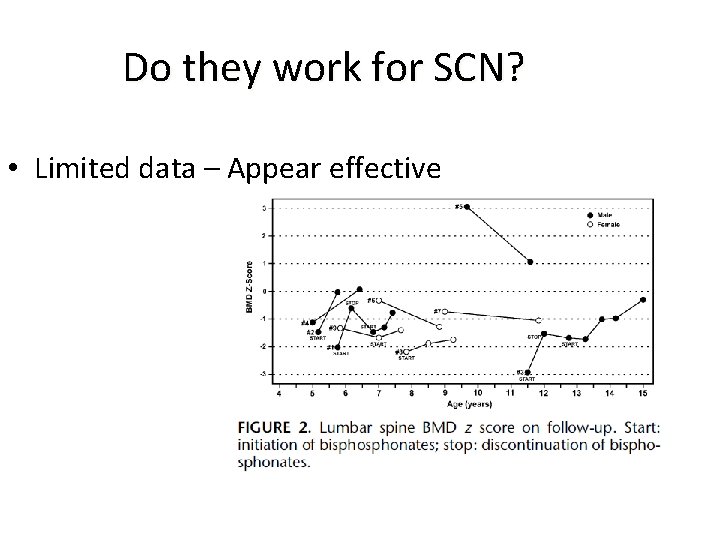
Do they work for SCN? • Limited data – Appear effective
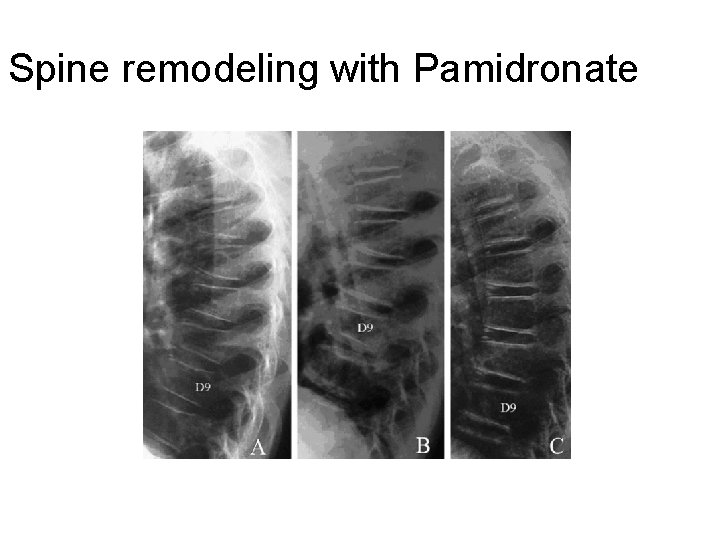
Spine remodeling with Pamidronate
Side effects of use • Intravenous forms: – fever, musculoskeletal aches, vomiting (with first infusion only) – Jaw necrosis – Low blood calcium levels – Eye inflammation • Oral forms: – stomach upset, inflammation and erosion of esophagus, esophageal CA – Prevented by taking with 8 oz of water; upright> 30 min after
- Slides: 46