
Bleeding and Thrombotic Disorders Bleeding and Thrombotic Disorders
Bleeding and Thrombotic Disorders
Bleeding and Thrombotic Disorders Bleeding disorders • • • von Willebrand disease Hemophilia A and B DIC TTP/HUS ITP Thrombotic disorders • Factor V Leiden
Platelet bleeding • Superficial (skin) • Petechiae • Spontaneous Factor bleeding • Deep (joints) • Big bleeds • Trauma * * Includes prolonged bleeding after dental work
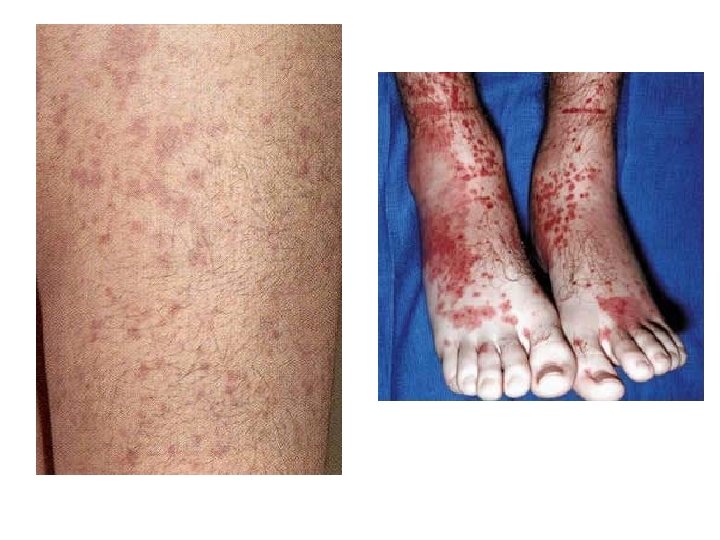
Petechiae
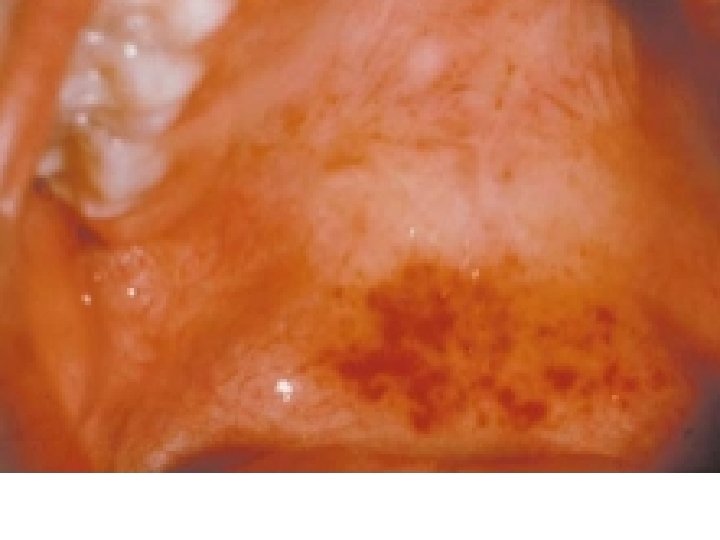
Palatal petechiae
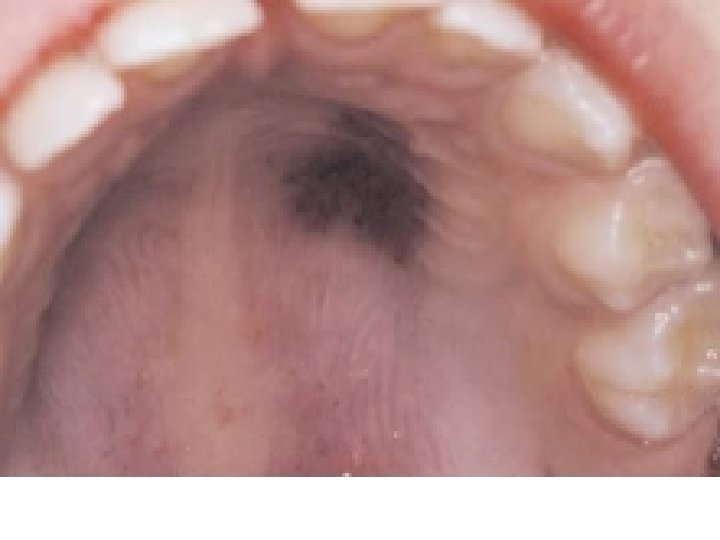
Palatal ecchymosis
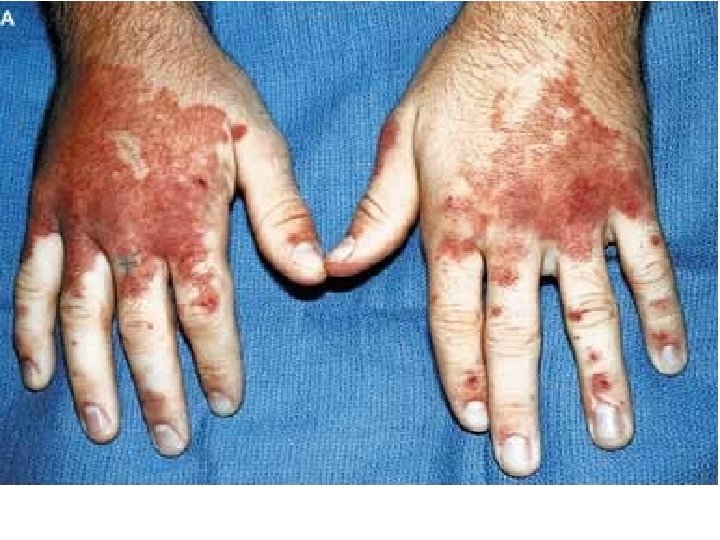
Purpura
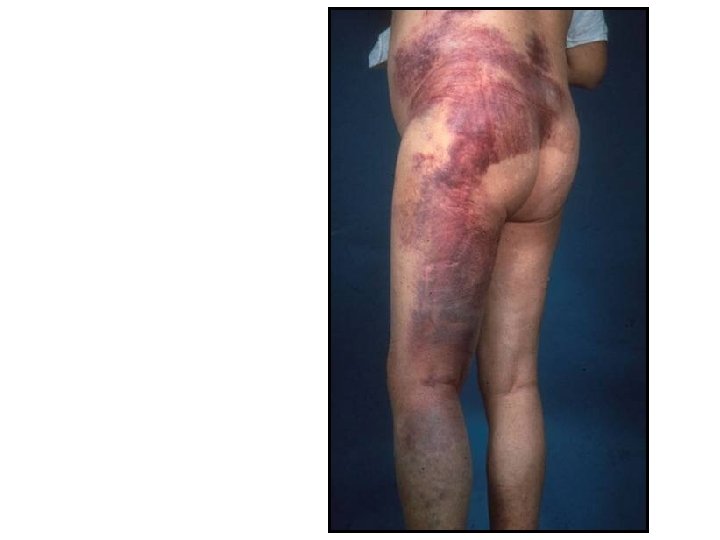
Bleeding after buttock injection in patient with hemophilia
Bleeding and Thrombotic Disorders Bleeding disorders • von Willebrand disease
Von Willebrand Disease Things you must know • • Most common hereditary bleeding disorder Autosomal dominant v. W factor decreased (or abnormal) Variable severity
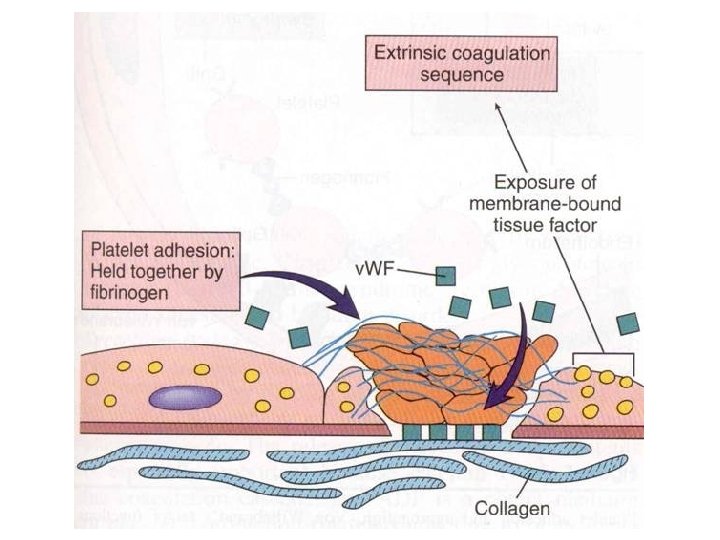
What’s von Willebrand Factor? • • • Huge multimeric protein Made by megakaryocytes and endothelial cells Glues platelets to endothelium Carries factor VIII Decreased or abnormal in v. W disease
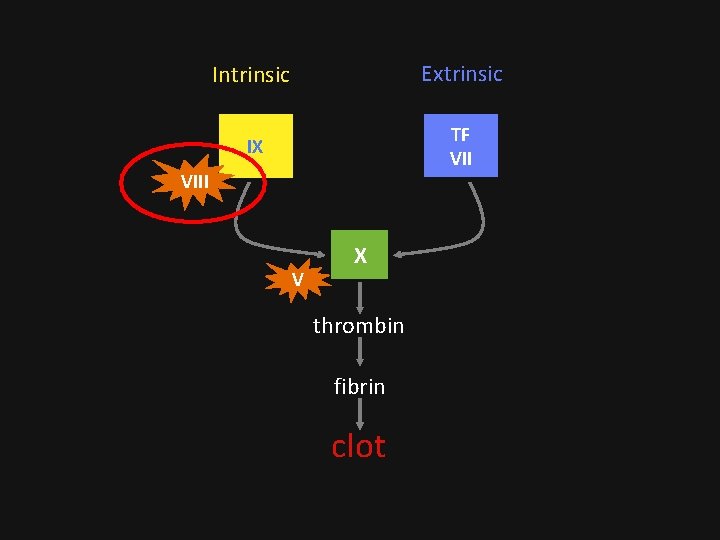
Intrinsic Extrinsic IX TF VIII V X thrombin fibrin clot
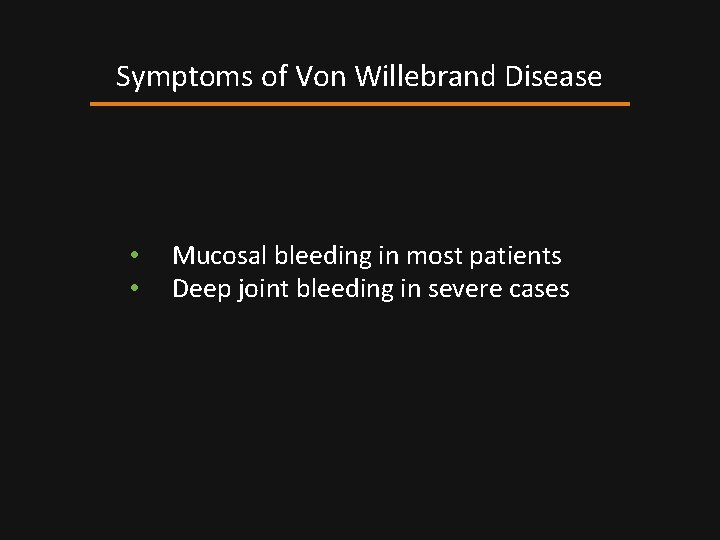
Symptoms of Von Willebrand Disease • • Mucosal bleeding in most patients Deep joint bleeding in severe cases
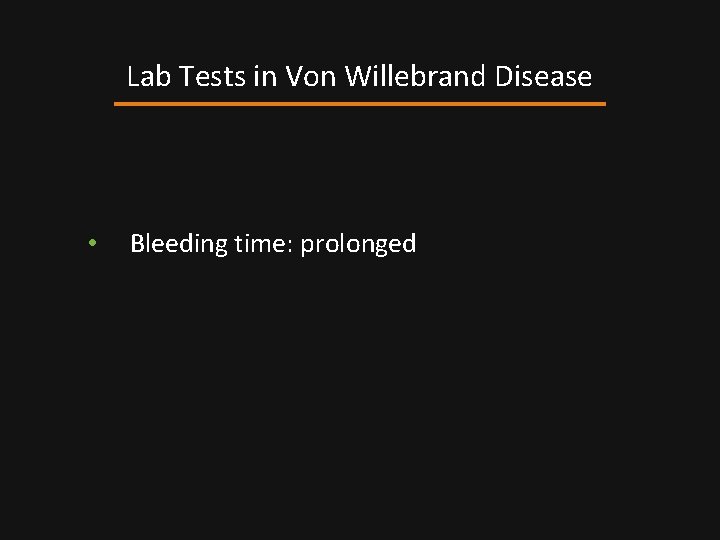
Lab Tests in Von Willebrand Disease • Bleeding time: prolonged
Bleeding and Thrombotic Disorders Bleeding disorders • von Willebrand disease • Hemophilia A and B
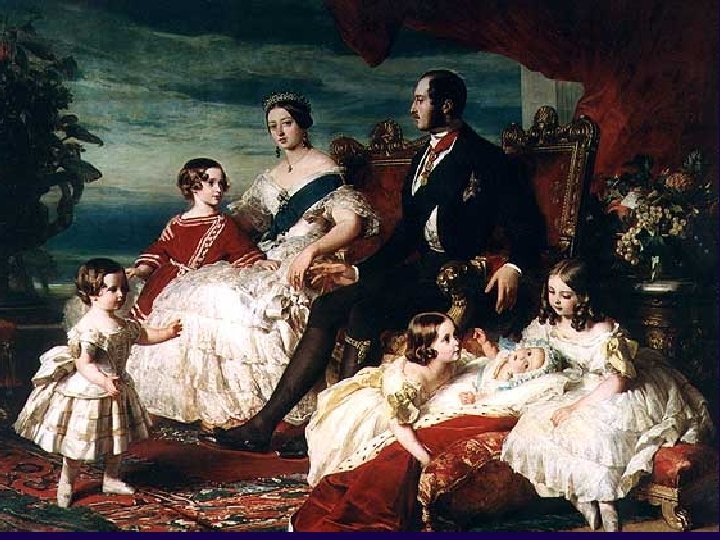
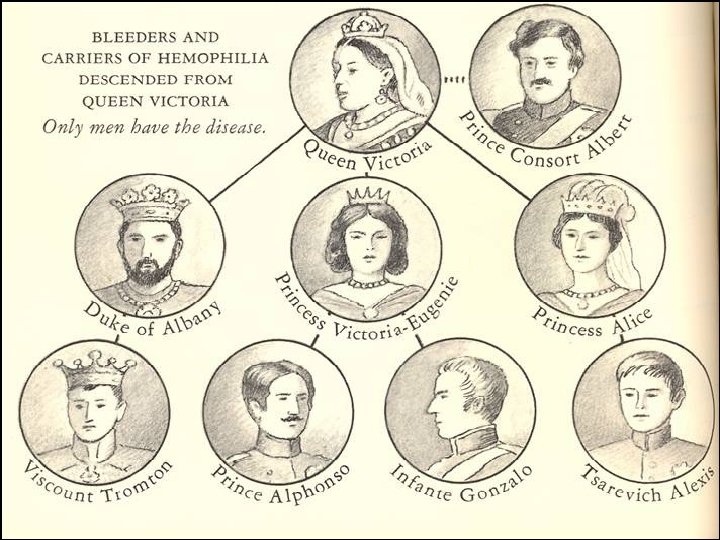
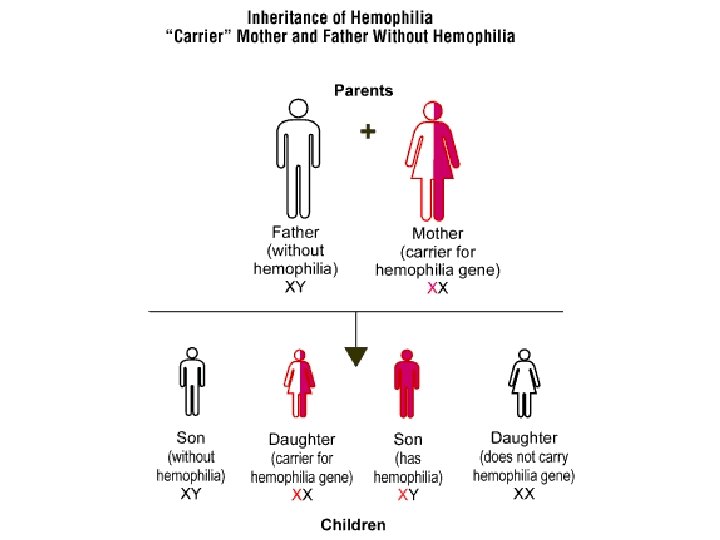
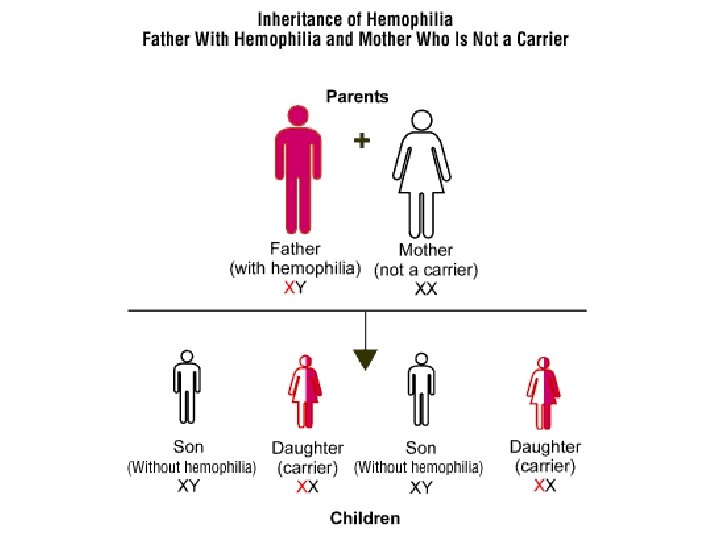
Hemophilia A Things you must know • Most common factor deficiency • X-linked recessive in most cases (30% are spontaneous mutations) • Factor VIII level decreased • Variable amount of “factor” bleeding
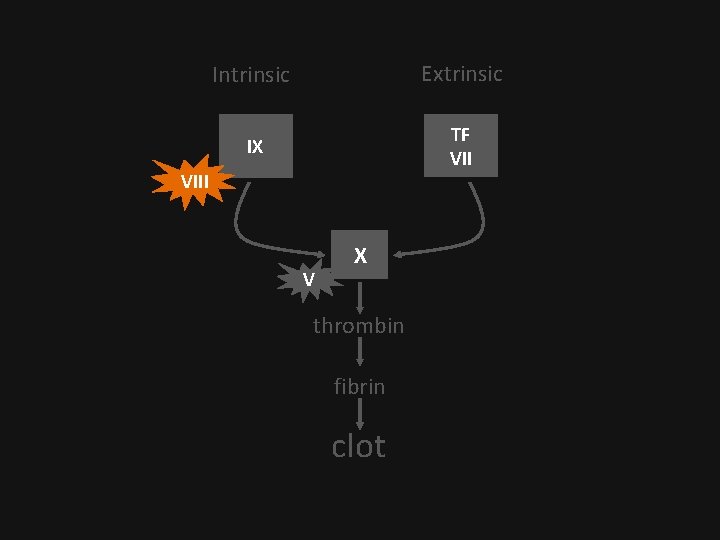
Intrinsic Extrinsic IX TF VIII V X thrombin fibrin clot
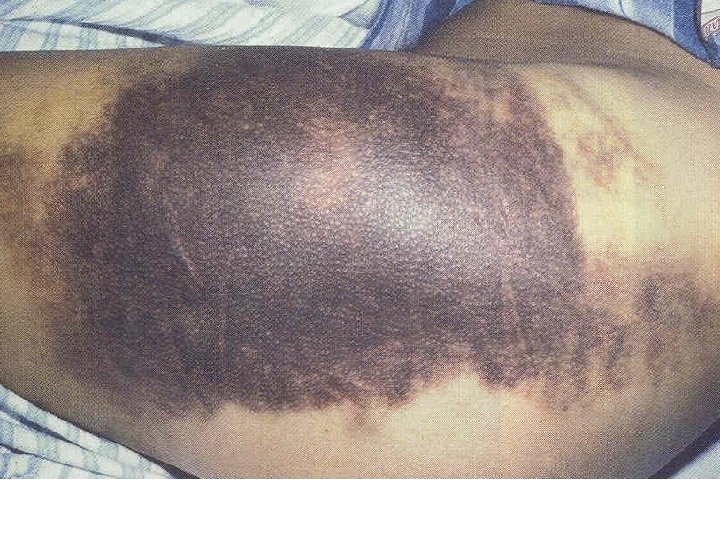
Deep joint bleeding in patient with hemophilia
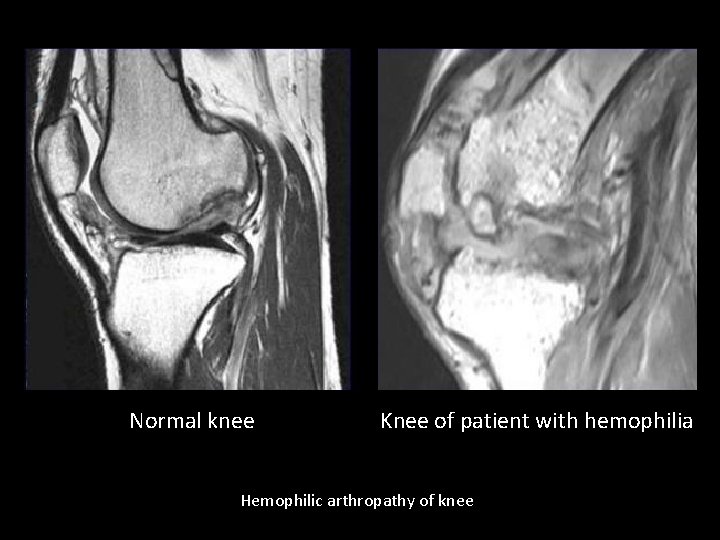
Normal knee Knee of patient with hemophilia Hemophilic arthropathy of knee
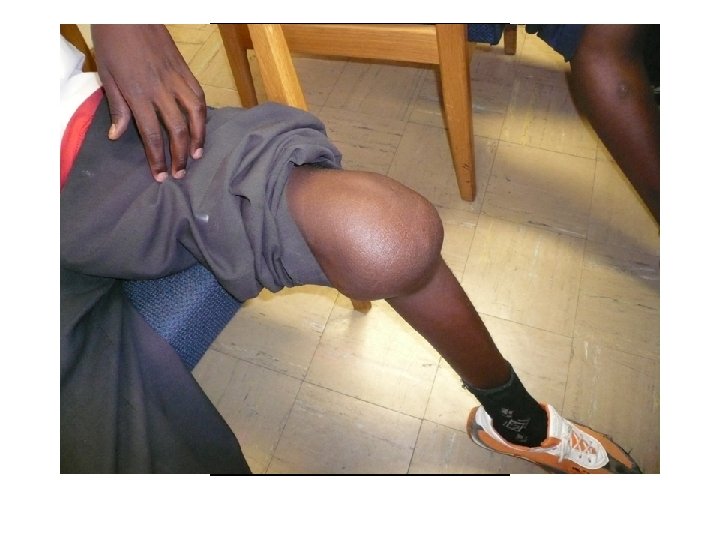
Joint Deformity in Hemophilia
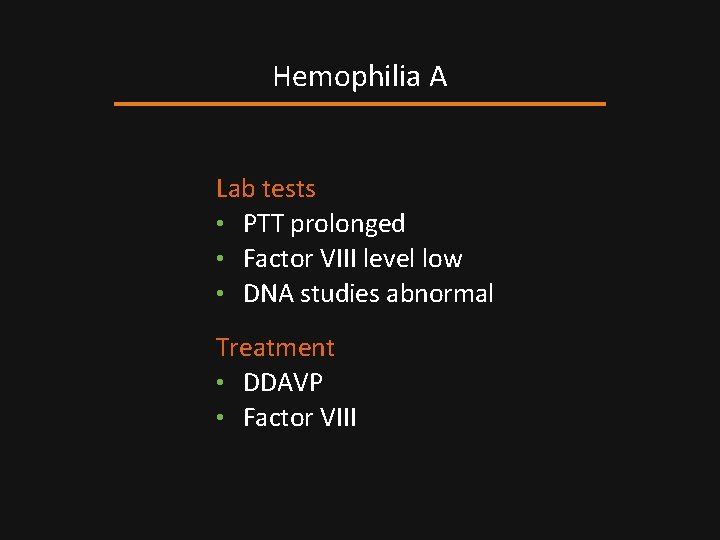
Hemophilia A Lab tests • PTT prolonged • Factor VIII level low • DNA studies abnormal Treatment • DDAVP • Factor VIII
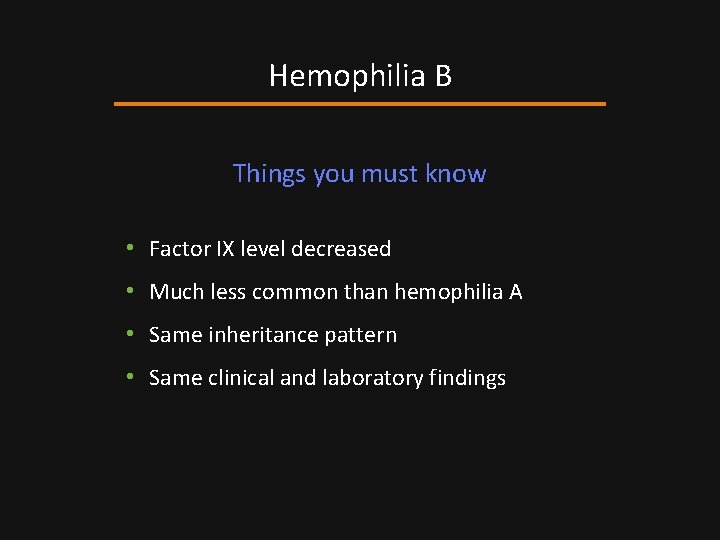
Hemophilia B Things you must know • Factor IX level decreased • Much less common than hemophilia A • Same inheritance pattern • Same clinical and laboratory findings
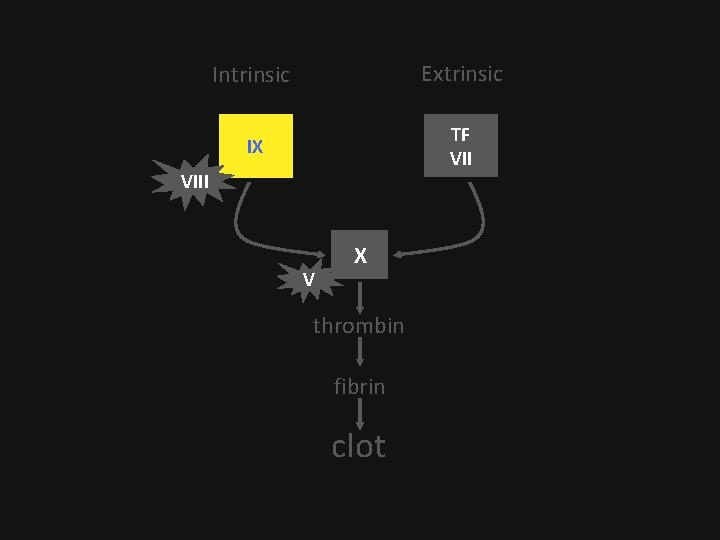
Intrinsic Extrinsic IX TF VIII V X thrombin fibrin clot
Bleeding and Thrombotic Disorders Bleeding disorders • von Willebrand disease • Hemophilia A and B • DIC
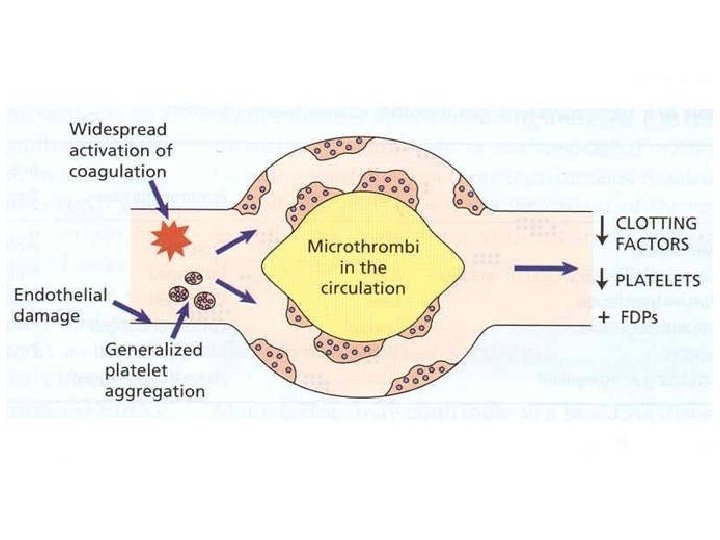
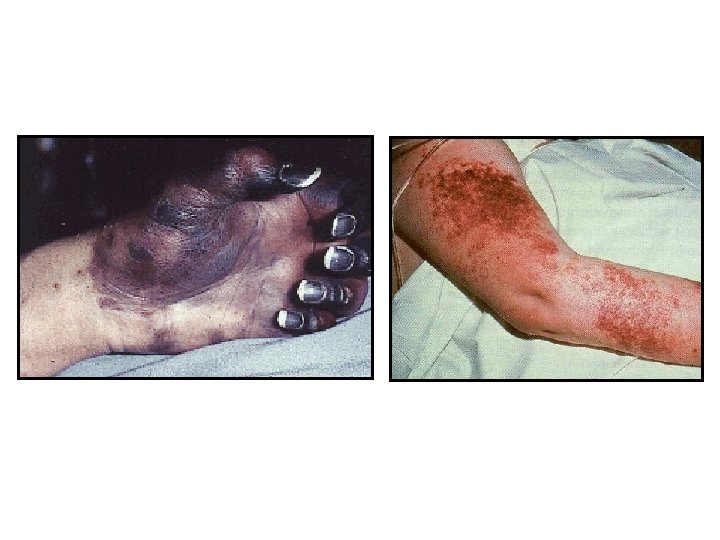
Thrombosis Hemorrhage
Bleeding and Thrombotic Disorders Bleeding disorders • • von Willebrand disease Hemophilia A and B DIC TTP/HUS
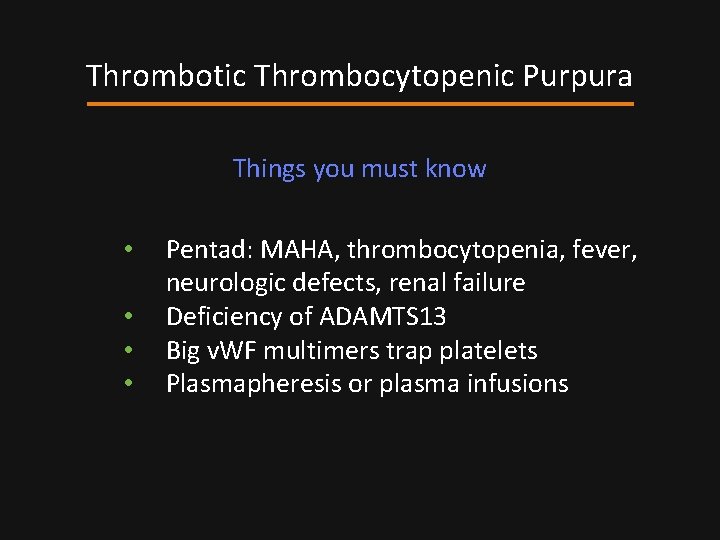
Thrombotic Thrombocytopenic Purpura Things you must know • • Pentad: MAHA, thrombocytopenia, fever, neurologic defects, renal failure Deficiency of ADAMTS 13 Big v. WF multimers trap platelets Plasmapheresis or plasma infusions
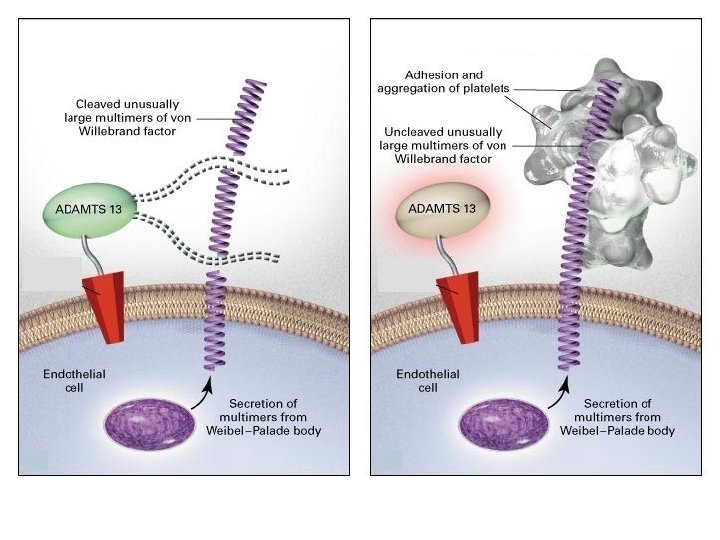
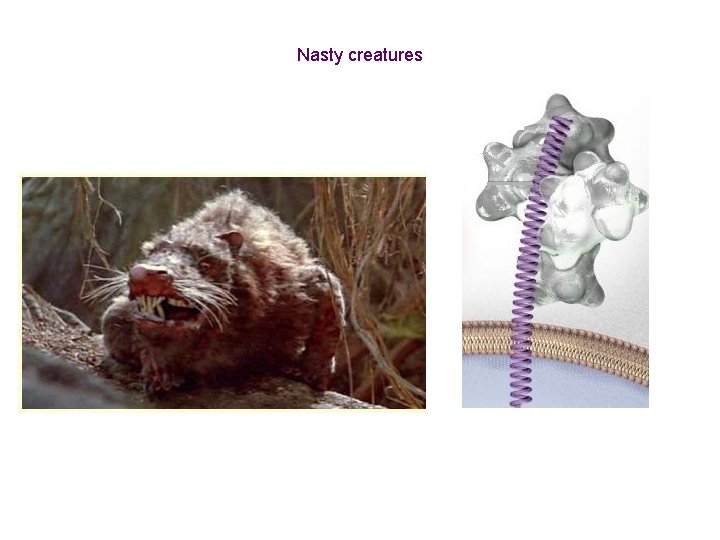
Nasty creatures Rodent of unusual size (ROUS) -The Princess Bride, 1987 Von Willebrand multimer of unusual size (MOUS) - NEJM, 1982
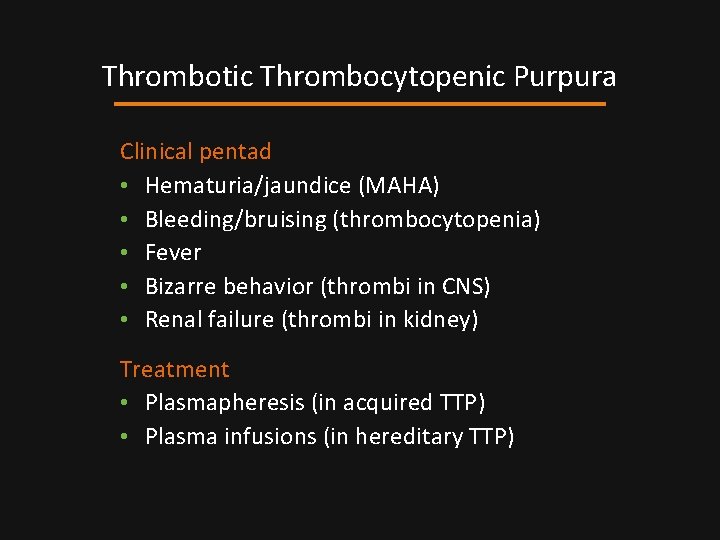
Thrombotic Thrombocytopenic Purpura Clinical pentad • Hematuria/jaundice (MAHA) • Bleeding/bruising (thrombocytopenia) • Fever • Bizarre behavior (thrombi in CNS) • Renal failure (thrombi in kidney) Treatment • Plasmapheresis (in acquired TTP) • Plasma infusions (in hereditary TTP)
Hemolytic Uremic Syndrome Things you must know • • MAHA and thrombocytopenia Most are related to E. coli infection Toxin damages endothelium Treat supportively
Bleeding and Thrombotic Disorders Bleeding disorders • • • von Willebrand disease Hemophilia A and B DIC TTP/HUS ITP
Idiopathic Thrombocytopenic Purpura Things you must know • • Antiplatelet antibodies coat platelets Splenic macrophages eat platelets Diagnosis of exclusion Steroids or splenectomy
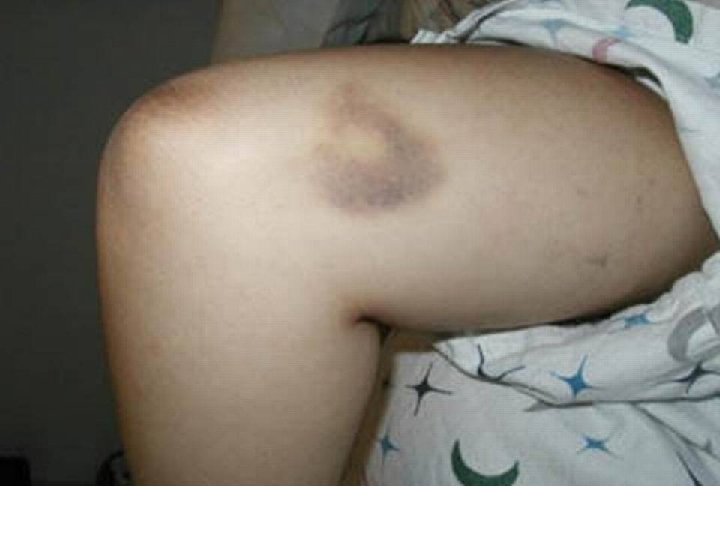
Bruising after minor trauma in ITP
Bleeding and Thrombotic Disorders Bleeding disorders • • • von Willebrand disease Hemophilia A and B DIC TTP/HUS ITP Thrombotic disorders • Factor V Leiden
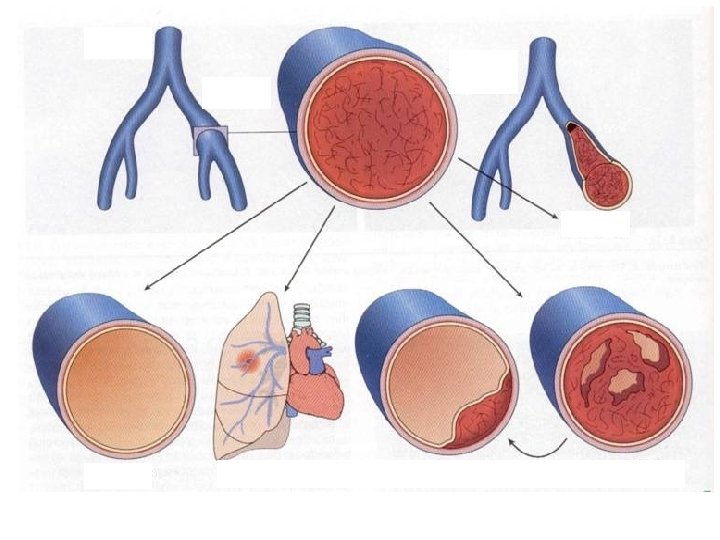
Blood clot sequelae
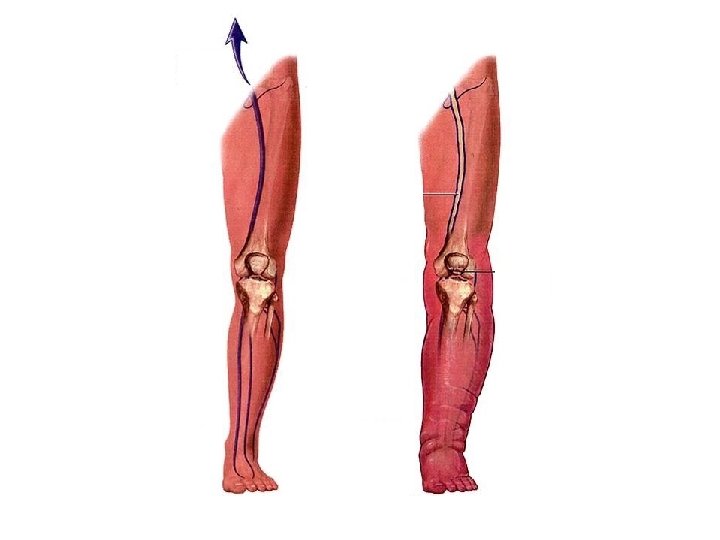
Deep venous thrombosis
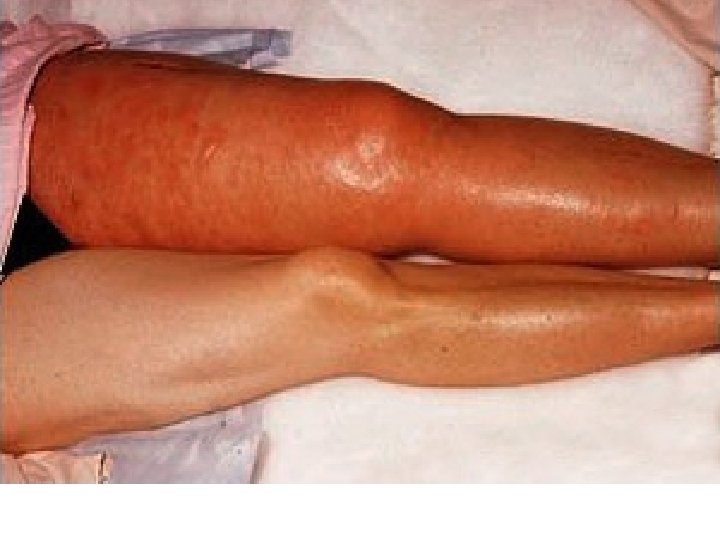
Deep venous thrombosis
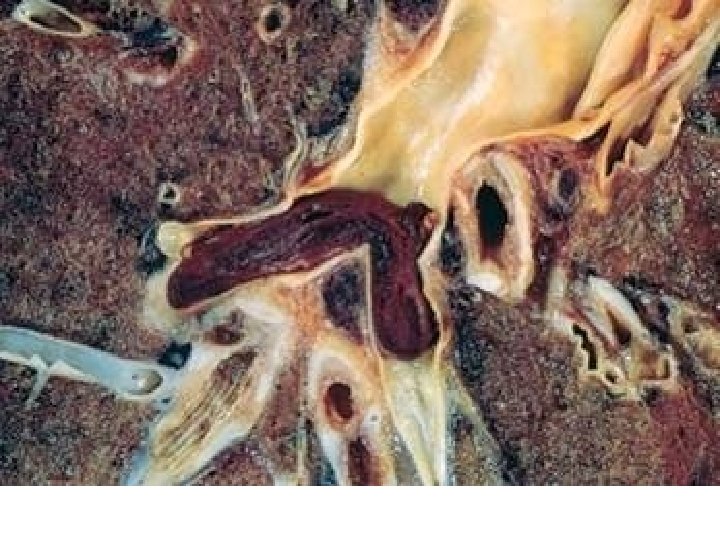
Pulmonary embolus
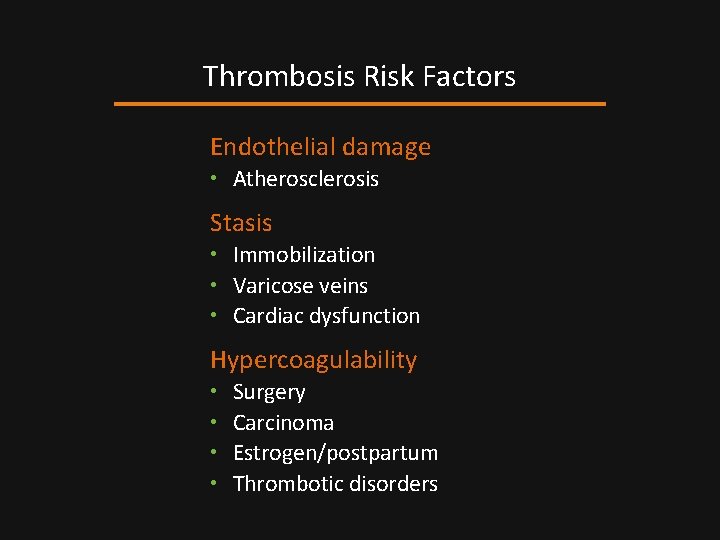
Thrombosis Risk Factors Endothelial damage • Atherosclerosis Stasis • Immobilization • Varicose veins • Cardiac dysfunction Hypercoagulability • • Surgery Carcinoma Estrogen/postpartum Thrombotic disorders
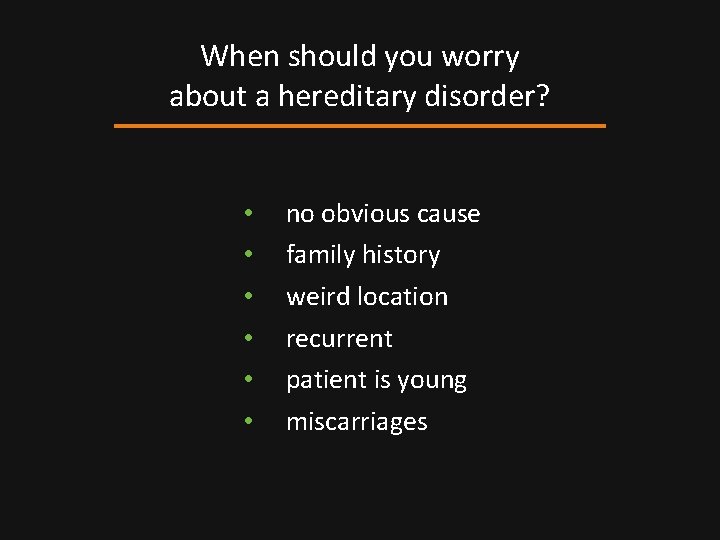
When should you worry about a hereditary disorder? • • • no obvious cause family history weird location recurrent patient is young miscarriages
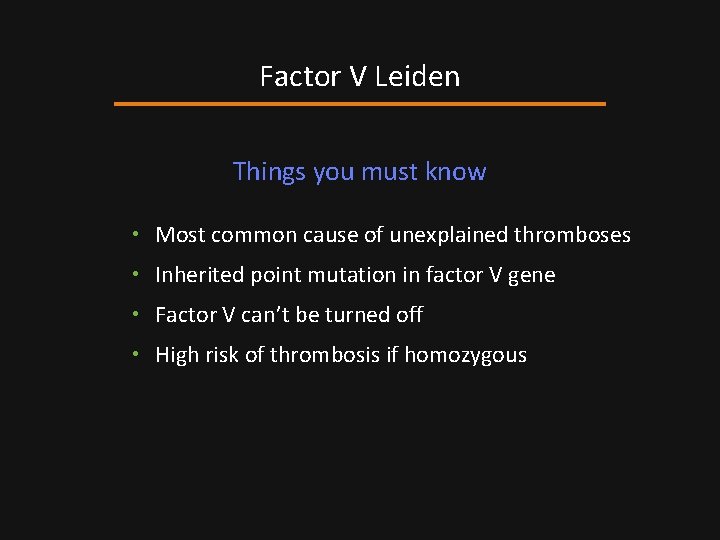
Factor V Leiden Things you must know • Most common cause of unexplained thromboses • Inherited point mutation in factor V gene • Factor V can’t be turned off • High risk of thrombosis if homozygous
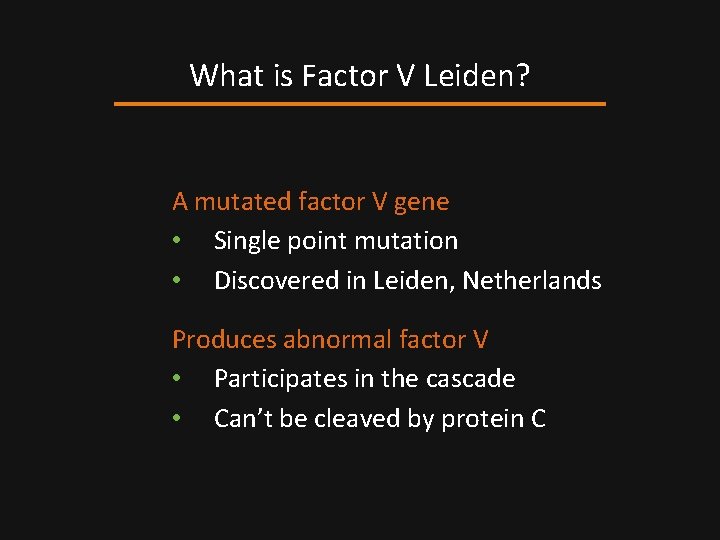
What is Factor V Leiden? A mutated factor V gene • Single point mutation • Discovered in Leiden, Netherlands Produces abnormal factor V • Participates in the cascade • Can’t be cleaved by protein C

Yeah, so? You can turn it on… …but you can’t turn it off !
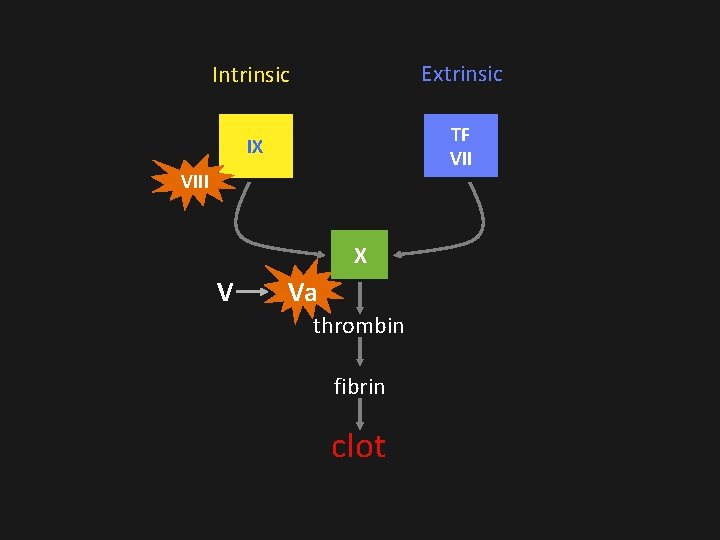
Intrinsic Extrinsic IX TF VIII X V Va thrombin fibrin clot
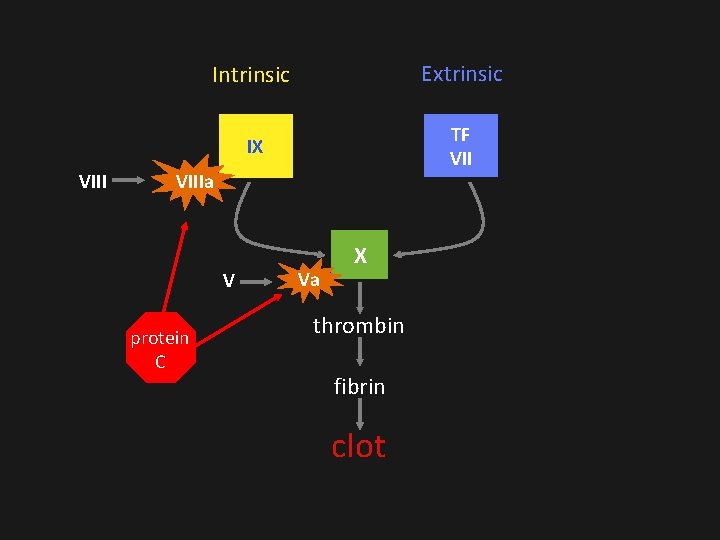
VIII Intrinsic Extrinsic IX TF VIIIa V protein C Va X thrombin fibrin clot
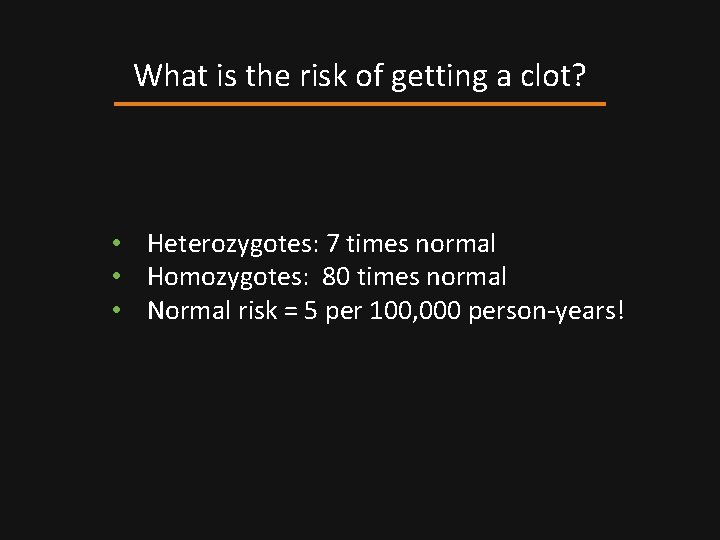
What is the risk of getting a clot? • Heterozygotes: 7 times normal • Homozygotes: 80 times normal • Normal risk = 5 per 100, 000 person-years!
Factor V Leiden Diagnosis • PTT and INR not helpful • Need genetic testing Treatment • Don’t! Unless there is a thrombosis. • Then give oral anticoagulants
- Slides: 54