
Black Liquor and Recovery boilers Mika Jrvinen Associate
Black Liquor and Recovery boilers Mika Järvinen, Associate Professor Academy Research Fellow 2012 -17 Department of Energy Technology Laboratory of Thermodynamics and Combustion
Learning objectives • • • To know what is black liquor and how it relates to papermaking To understand the main functions of a recovery boiler - to recover chemicals and heat To understand the nature of black liquor droplet combustion - drying, pyrolysis, char reactions and smelt reduction and oxidation Very aggressive fuel - reactivity and swelling To introduce some new combustion characteristics that has been learned from our research work
Contents 1. 2. 3. 4. 5. 6. What is black liquor? (April 14 th) Main recovery boiler processes (April 14 th) Trends for the future (April 14 th) Principles of droplet combustion Updated perspectives through research work Summary, what should you remember from this lesson?
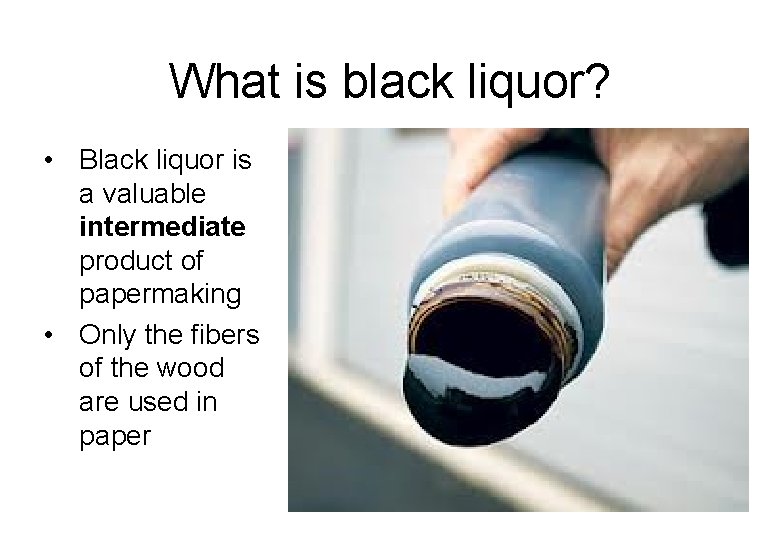
What is black liquor? • Black liquor is a valuable intermediate product of papermaking • Only the fibers of the wood are used in paper
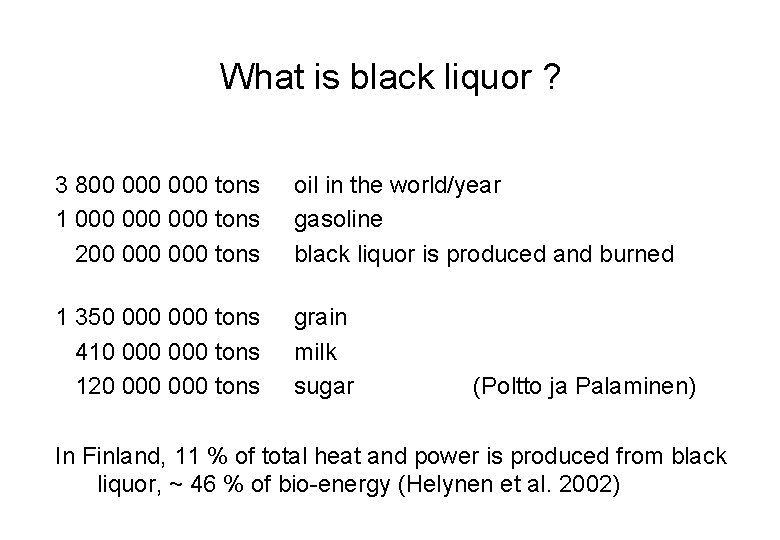
What is black liquor ? 3 800 000 tons 1 000 000 tons 200 000 tons oil in the world/year gasoline black liquor is produced and burned 1 350 000 tons 410 000 tons 120 000 tons grain milk sugar (Poltto ja Palaminen) In Finland, 11 % of total heat and power is produced from black liquor, ~ 46 % of bio-energy (Helynen et al. 2002)
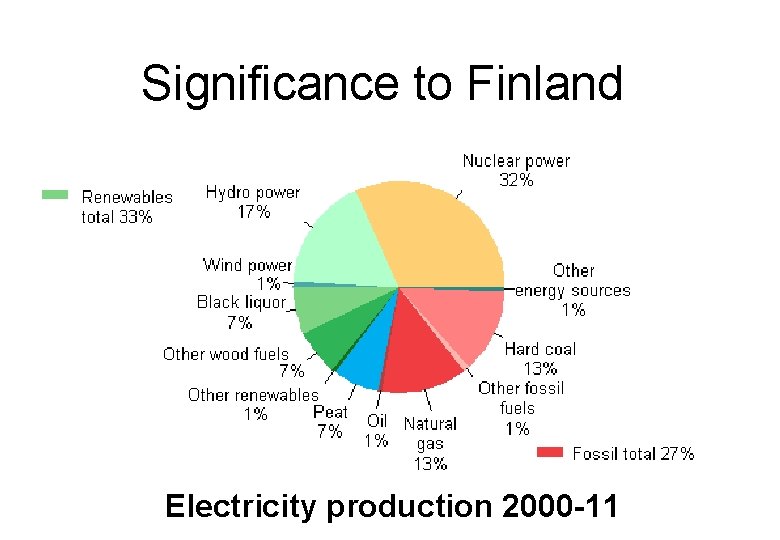
Significance to Finland Electricity production 2000 -11
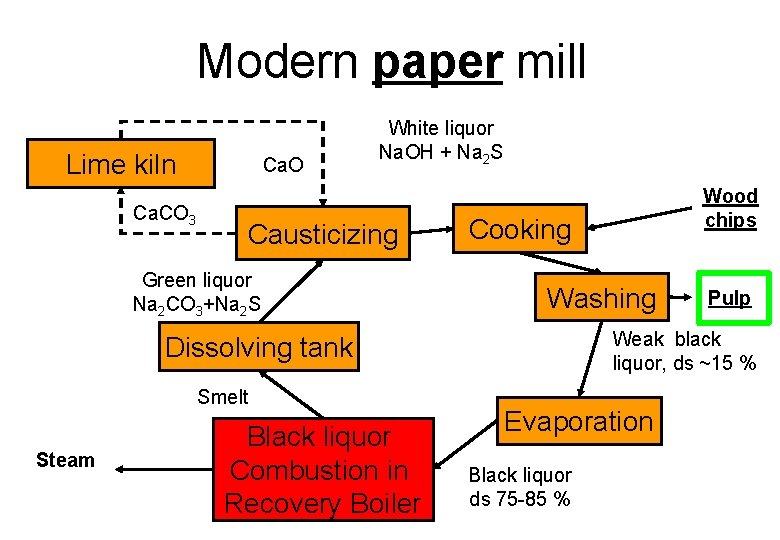
Modern paper mill Lime kiln Ca. CO 3 Ca. O White liquor Na. OH + Na 2 S Causticizing Green liquor Na 2 CO 3+Na 2 S Cooking Washing Steam Black liquor Combustion in Recovery Boiler Pulp Weak black liquor, ds ~15 % Dissolving tank Smelt Wood chips Evaporation Black liquor ds 75 -85 %
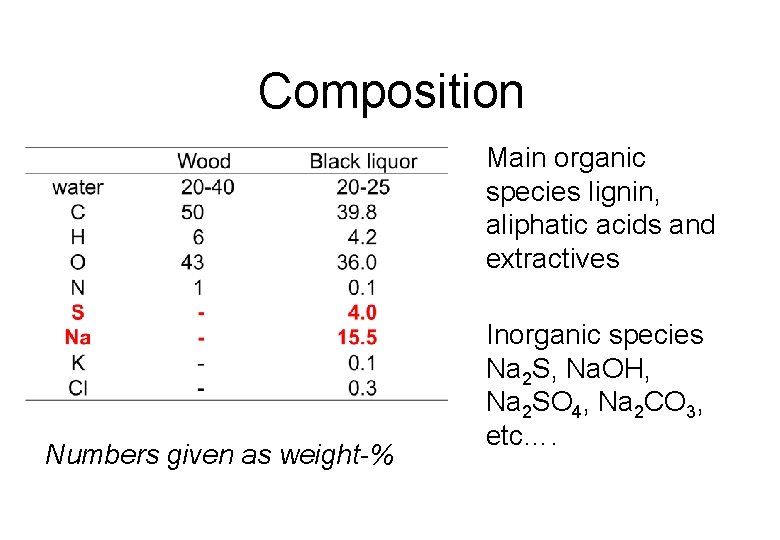
Composition Main organic species lignin, aliphatic acids and extractives Numbers given as weight-% Inorganic species Na 2 S, Na. OH, Na 2 SO 4, Na 2 CO 3, etc….
Dry solids In older boilers dry solids content of liquor was 5565 % In modern Finnish boilers, dry solids of black liquor is 78 -85 % By burning dryer liquor, capacity of the boiler can be increased (less flue gas H 2 O), combustion temperature increases, less SO 2 emissions
Heating value Effective heating value of black liquor is low 12 -13 MJ/kg. For comparison, coal 28 MJ/kg, peat 22 MJ/kg and wood 17 MJ/kg. This means that less heat can be produced in black liquor combustion, resulting in lower combustion temperature
Volatile matter Organic matter in black liquor is very easily volatilizable, more than 80 % of organic matter can release as gases in pyrolysis Most of organic combustion takes place in gas phase. Other fuels: Coal 30 % volatile, Brown coal 60 % and Peat 70 %.
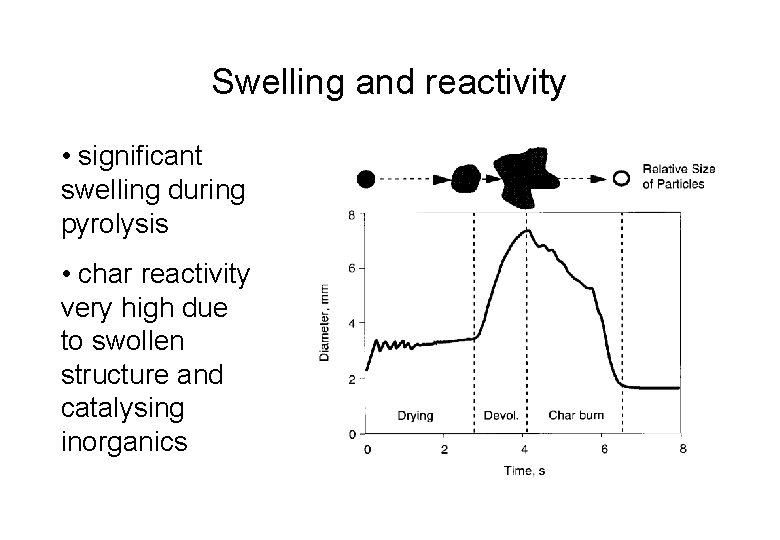
Swelling and reactivity • significant swelling during pyrolysis • char reactivity very high due to swollen structure and catalysing inorganics
Fouling behavior of salts ”Ash” content of black liquor is very high 35 %. Due to chemical composition ash will melt at very low temperature ~ 750 °C boiler gets easily fouled or even plugged. Difficult fuel! Other fuels: Coal 12 % ash, melts at 1200 °C, Brown coal 22 %, 1100 °C and wood 2 %, 1300 °C.
Black liquor as a fuel Good (+) Large amount of volatile matter (gases burn faster than solids) Black liquor is a biofuel!! High swelling and reactivity Bad (-) Low heating value (lower combustion temperature) High water content (evaporation, large amout of flue gas) High ash content (large droplet size is required) Low melting temperature of ash (fouling)
Main recovery boiler processes
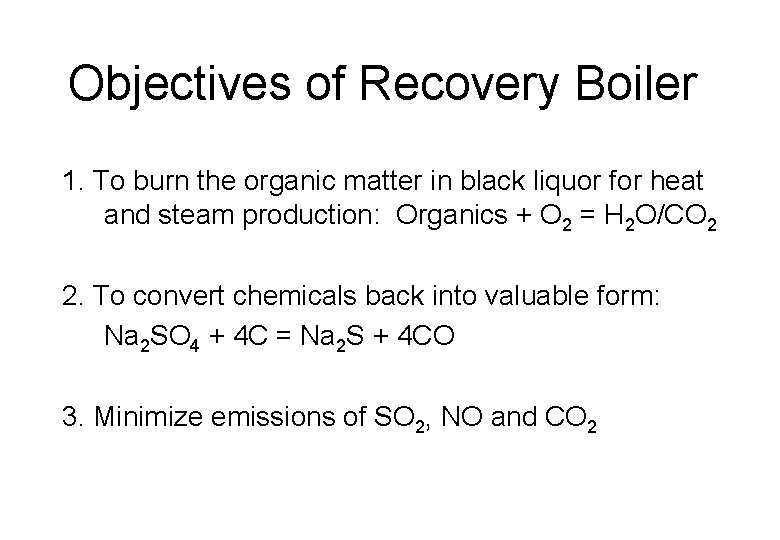
Objectives of Recovery Boiler 1. To burn the organic matter in black liquor for heat and steam production: Organics + O 2 = H 2 O/CO 2 2. To convert chemicals back into valuable form: Na 2 SO 4 + 4 C = Na 2 S + 4 CO 3. Minimize emissions of SO 2, NO and CO 2
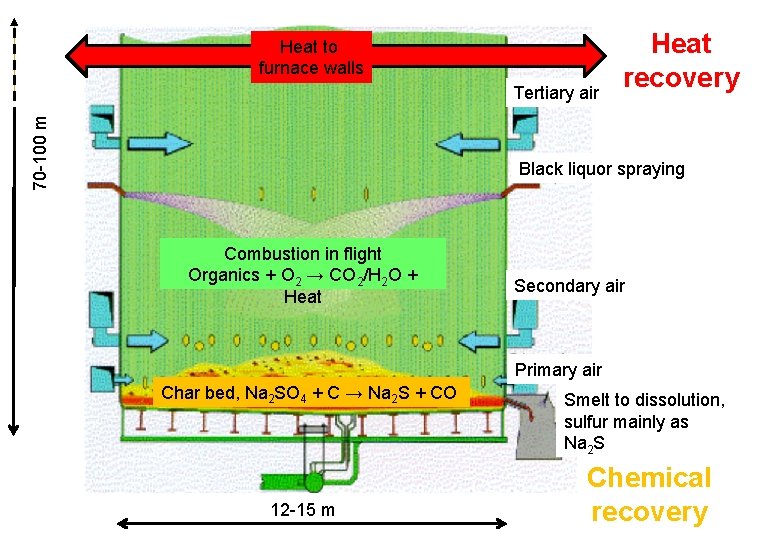
Heat to furnace walls Modern recovery boiler Tertiary air 70 -100 m Heat recovery Black liquor spraying Combustion in flight Organics + O 2 → CO 2/H 2 O + Heat Secondary air Primary air Char bed, Na 2 SO 4 + C → Na 2 S + CO 12 -15 m Smelt to dissolution, sulfur mainly as Na 2 S Chemical recovery
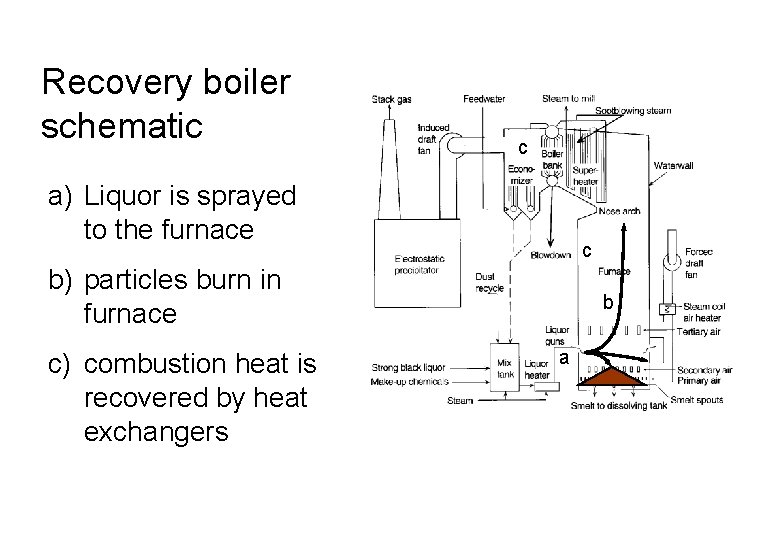
Recovery boiler schematic c a) Liquor is sprayed to the furnace c b) particles burn in furnace c) combustion heat is recovered by heat exchangers b a

Recovery boiler schematic d) Large particles fall into char bed, Na 2 SO 4 is reduced into Na 2 S, smelt to dissolving tank e) Small particles are entrained by flue gases e d
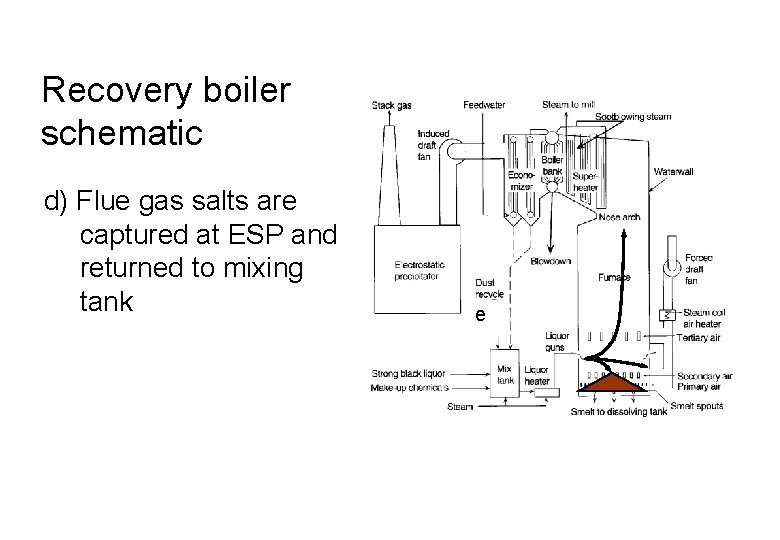
Recovery boiler schematic d) Flue gas salts are captured at ESP and returned to mixing tank e

Future trends
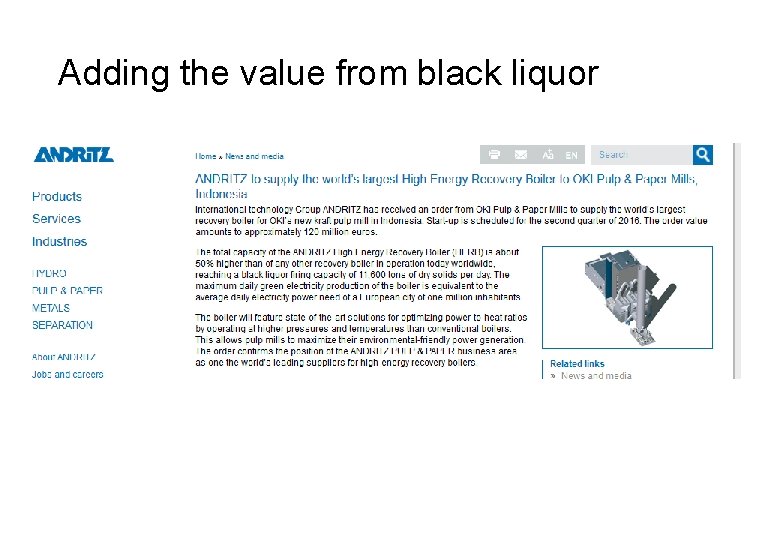
Adding the value from black liquor • • • Recovery boiler utilizes the organic combustion heat for heat and power production and recycles Na 2 S and Na 2 CO 3 back to process. Very robust technology and the dry solids content still increases, already above 80 -85% Capacity of the boilers are increasing, latest designs are huge!
Adding the value from black liquor
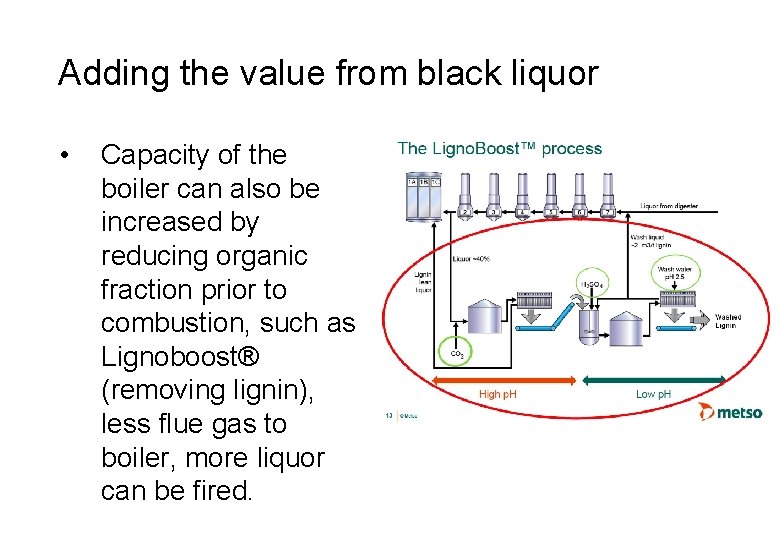
Adding the value from black liquor • Capacity of the boiler can also be increased by reducing organic fraction prior to combustion, such as Lignoboost® (removing lignin), less flue gas to boiler, more liquor can be fired.
Adding the value from black liquor • • • Gasification technology of black liquor is still under development. Nobody wants to take the risk of investing to large scale gasifier vs. robust boiler. If successfull, overall efficiency can be improved by burning the gas in gas turbine and coupling this with Rankine steam cycle. Gases can also be used in chemicals production, e. g. automotive fuels.
- Slides: 25