
Birds Feathers make the bird Order Gaviiformes Loons
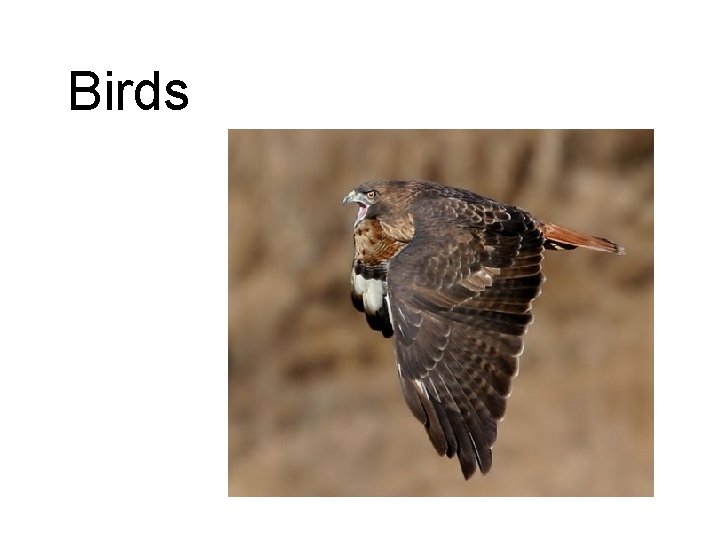
Birds
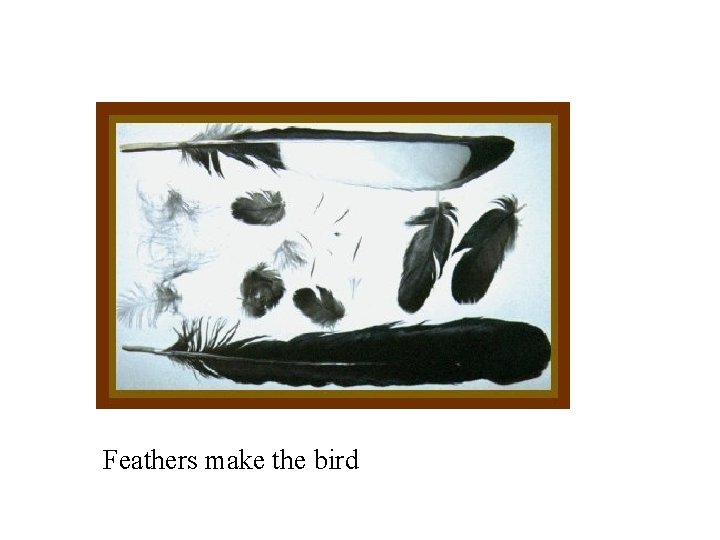
Feathers make the bird
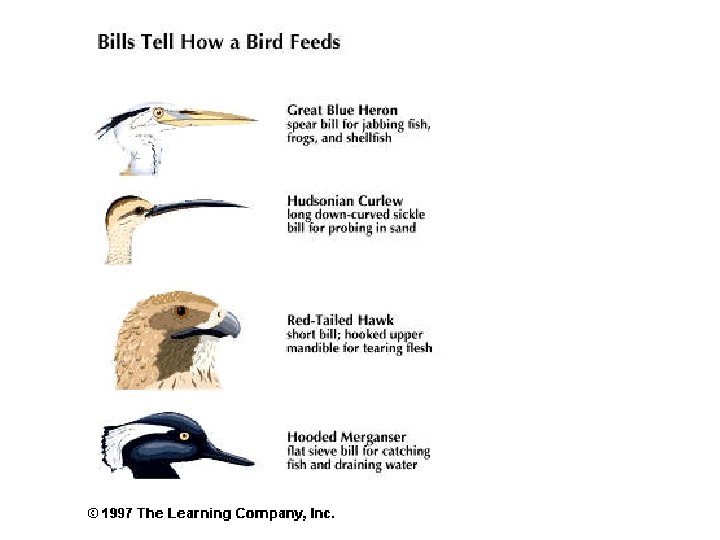
Order Gaviiformes Loons Specialized for swimming and diving. Come ashore only to breed. In flight, head lower than body. Wingbeats fast. Eat fish, crustaceans, some water plants.
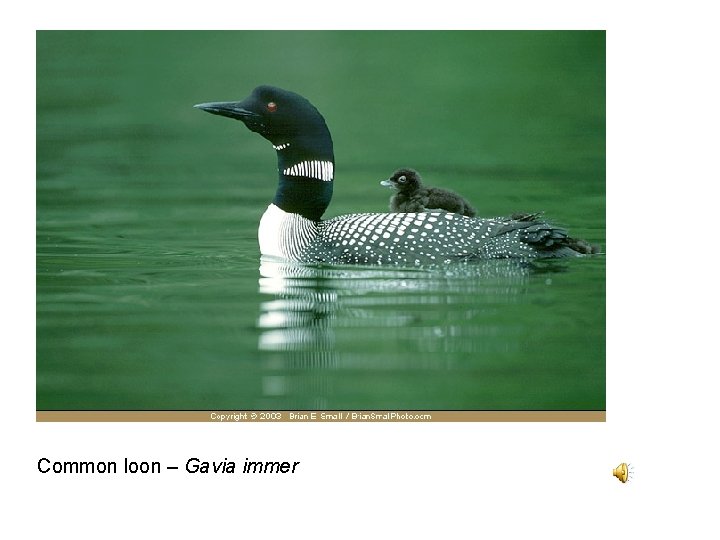
Common loon – Gavia immer
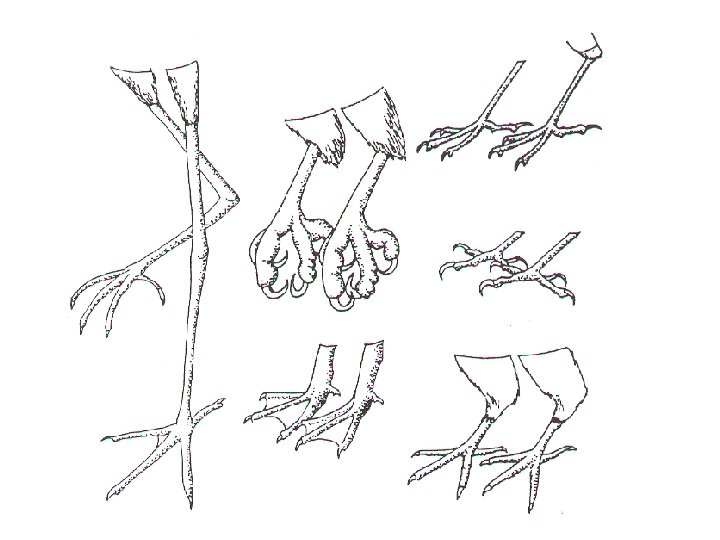
Order Podicipediformes Grebes Swimming and diving birds, smaller than loons. Flat lobes on toes. Short legs far back on body. Flight weak and hurried. Taxi before becoming airborne. Dive and pursue aquatic animals.
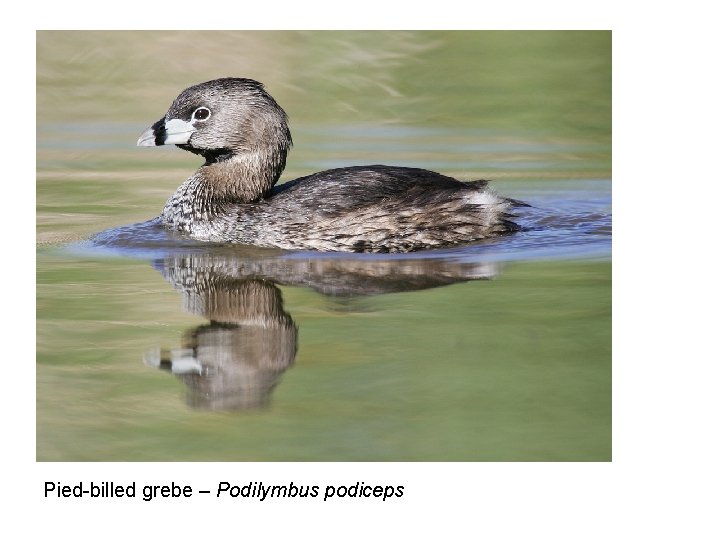
Pied-billed grebe – Podilymbus podiceps
Order Pelecaniformes Pelicans and their Allies Large, aquatic fish-eating birds with all four toes webbed. Most nest in large colonies and are silent outside breeding grounds.
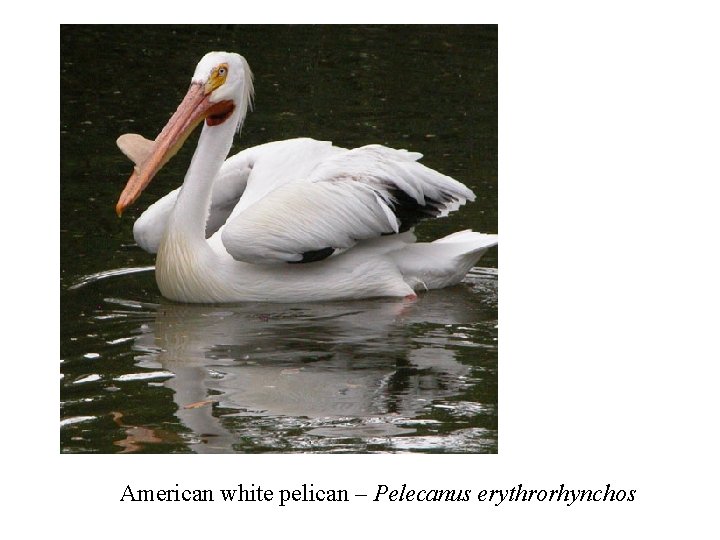
American white pelican – Pelecanus erythrorhynchos
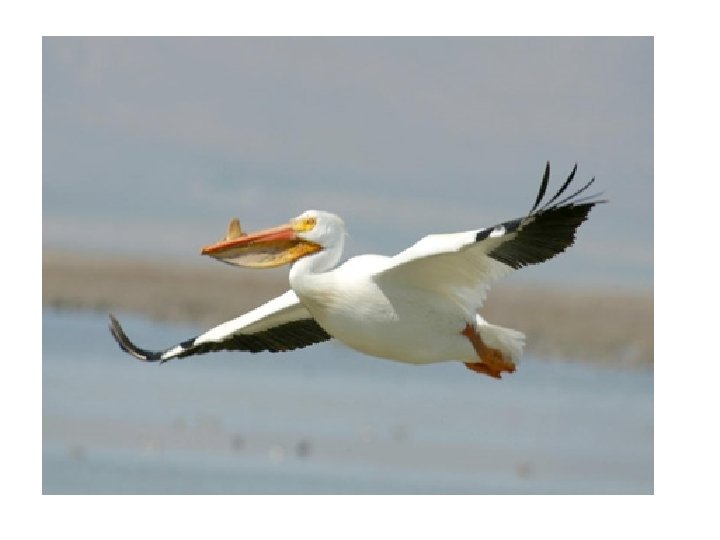
White pelicans in flight.
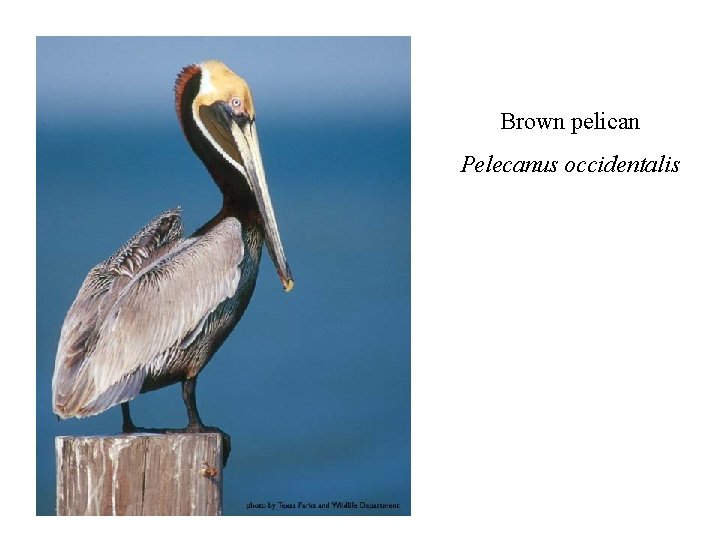
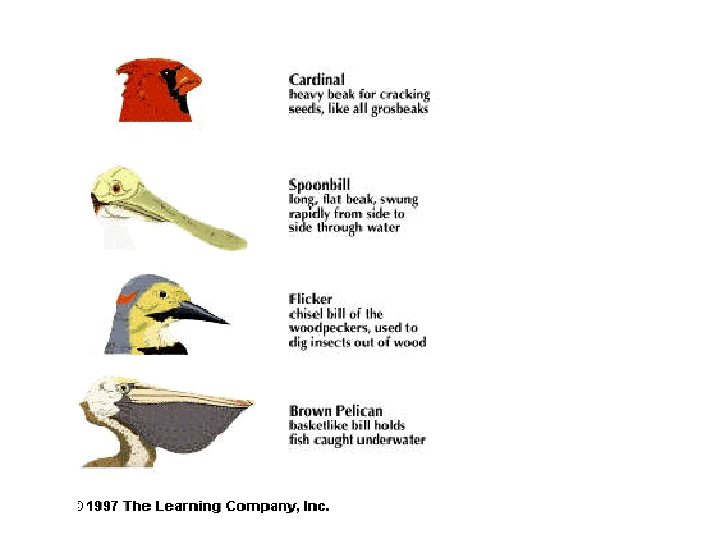
Brown pelican Pelecanus occidentalis
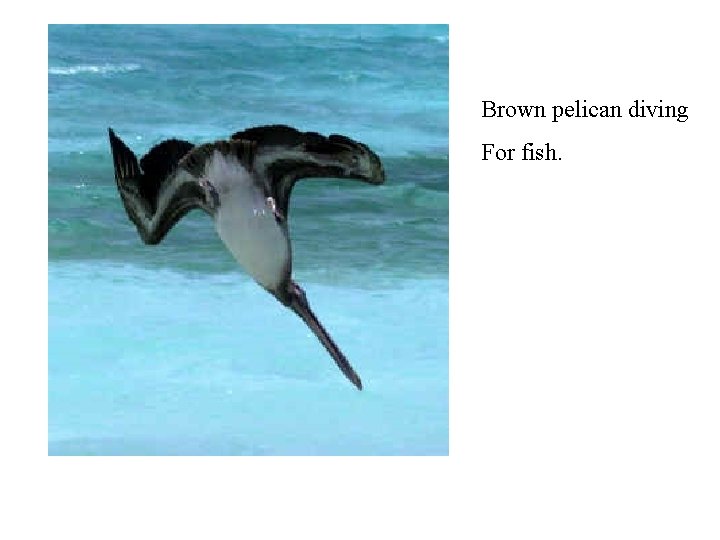
Brown pelican diving For fish.
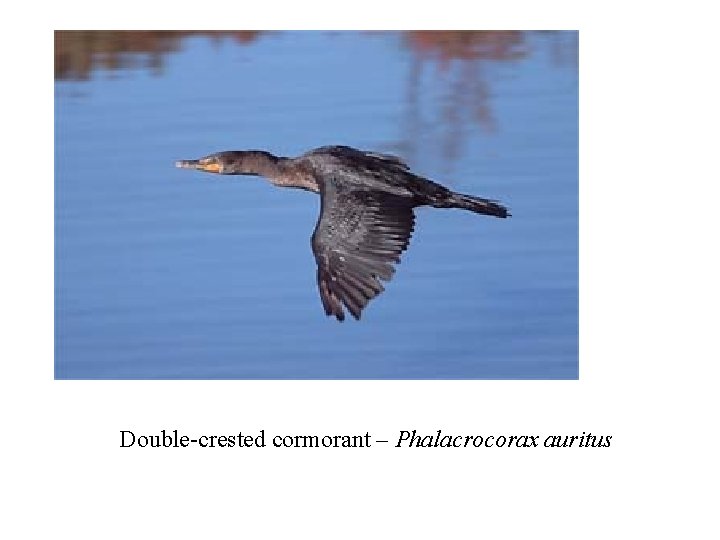
Double-crested cormorant – Phalacrocorax auritus
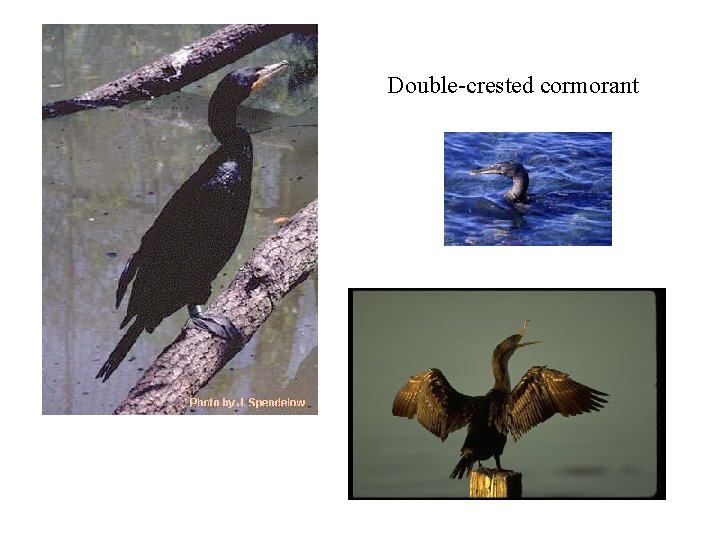
Double-crested cormorant
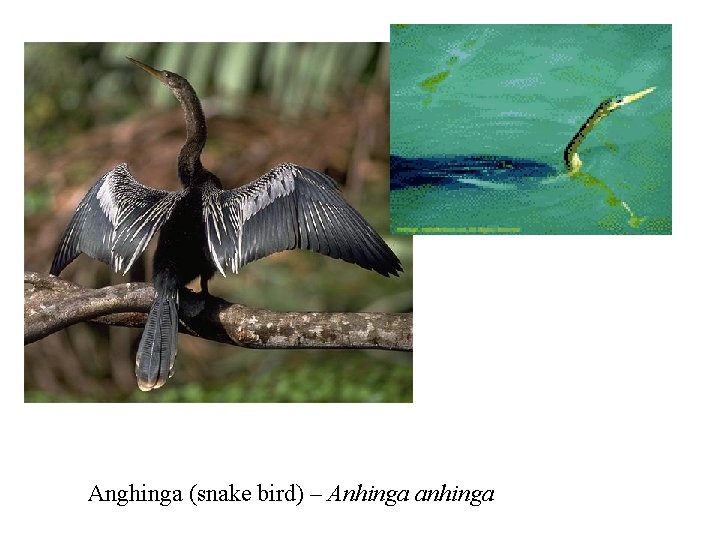
Anghinga (snake bird) – Anhinga anhinga
Order Sphenisciformes Flightless birds that have stiff wings and distinct coloration (black or gray feathers on their backs and white feathers on their bellies). Their wing bones are fused to form flipper-like limbs and enable the birds to dive and swim with great skill.
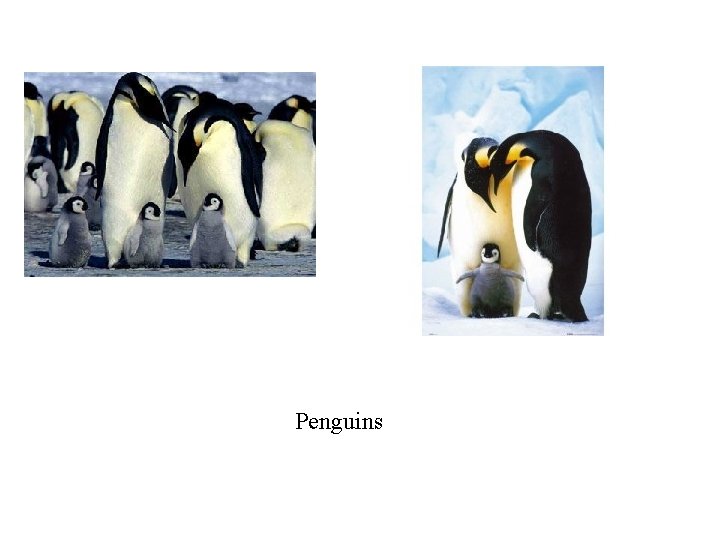
Penguins
Order Anseriformes Waterfowl Aquatic, with webs between the three front toes. Long necks and narrow pointed wings. Flattened bills with tooth-like edges that serve as strainers.
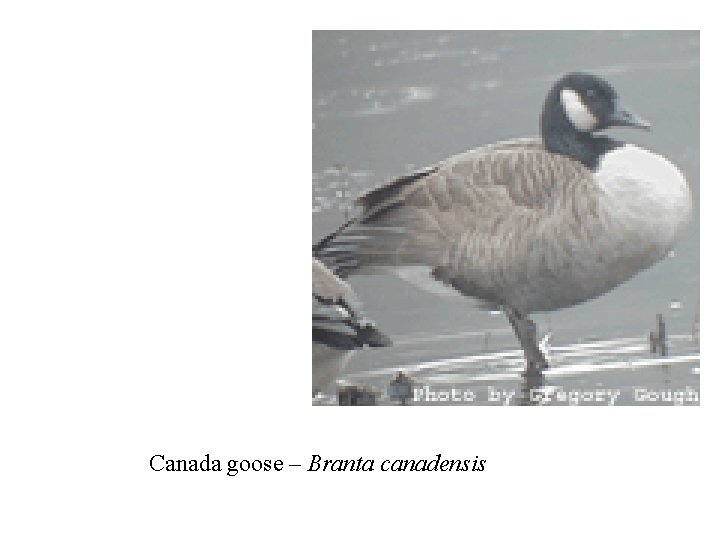
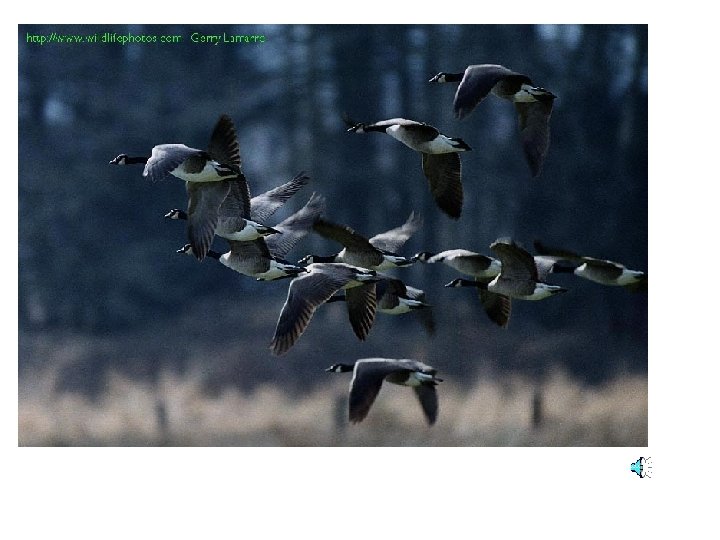
Canada goose – Branta canadensis
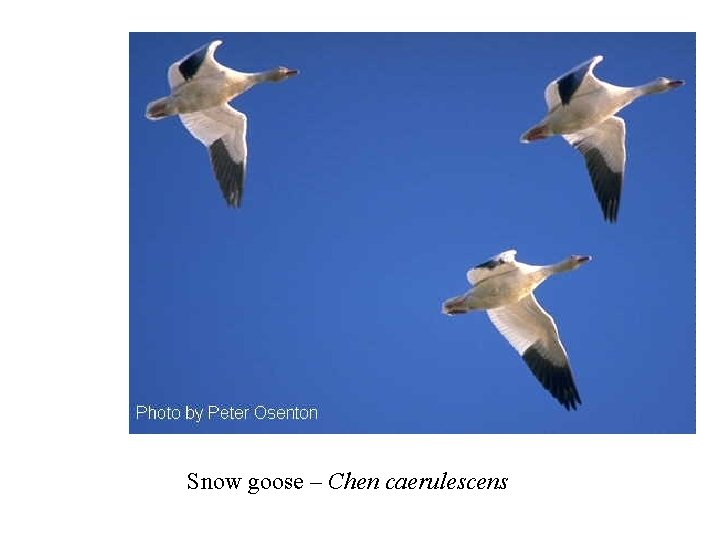
Snow goose – Chen caerulescens
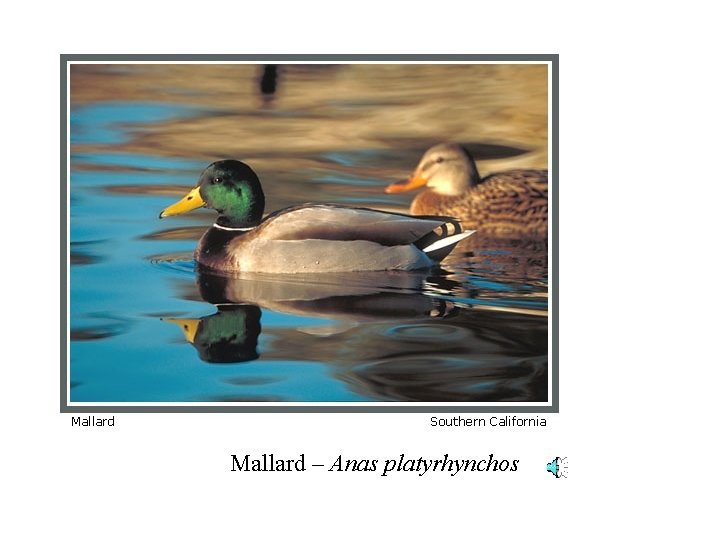
Mallard – Anas platyrhynchos
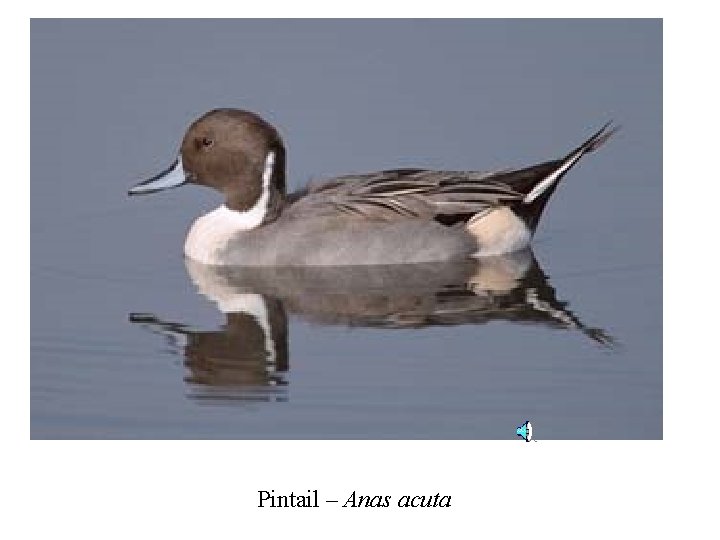
Pintail – Anas acuta
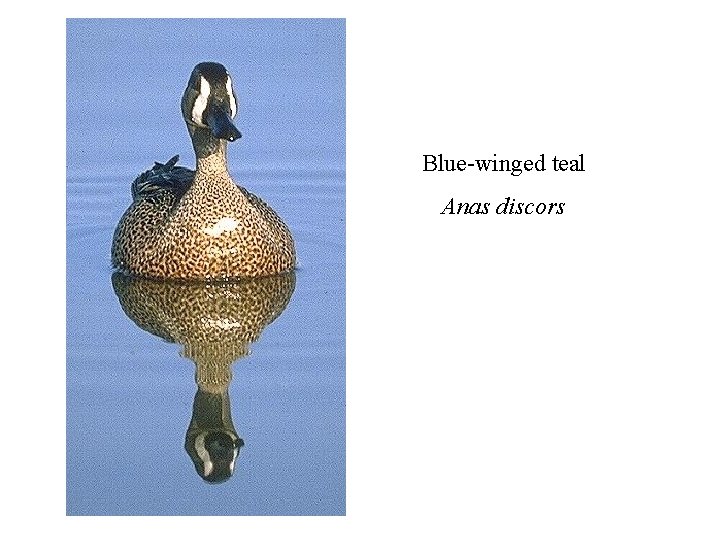
Blue-winged teal Anas discors
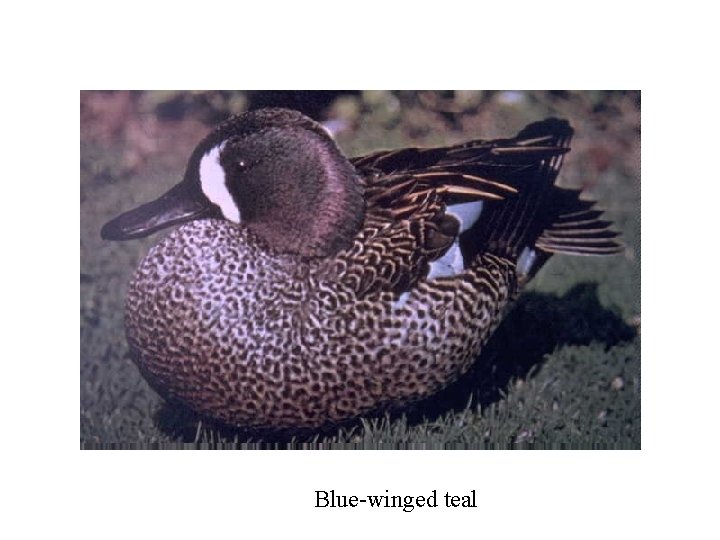
Blue-winged teal
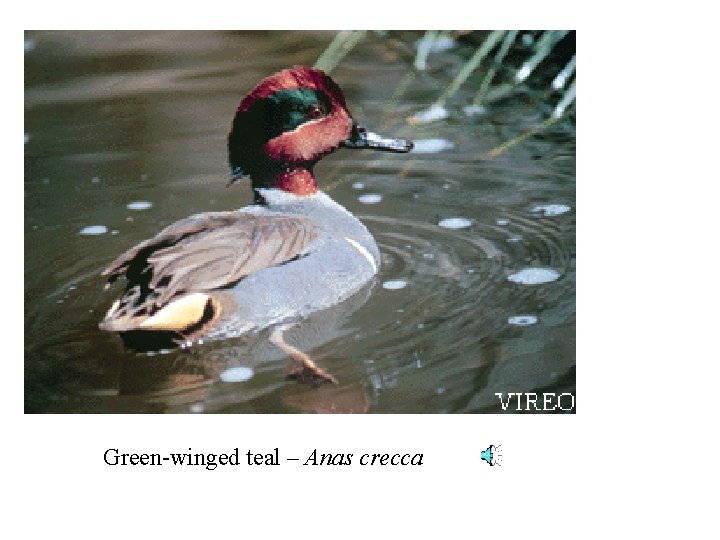
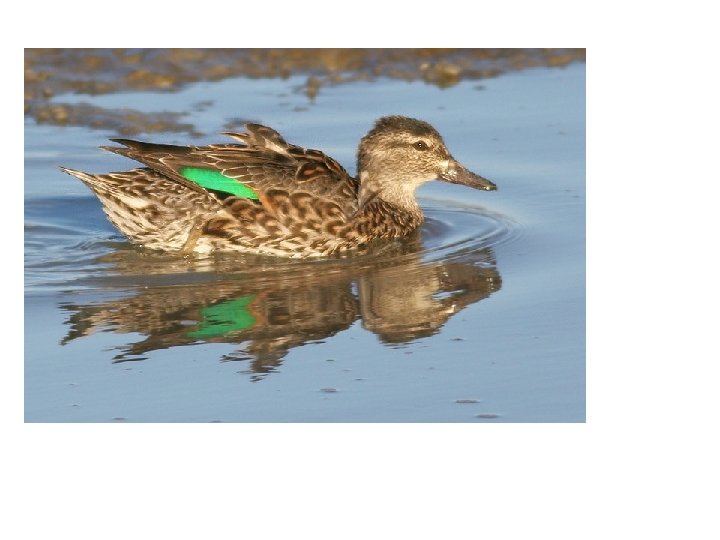
Green-winged teal – Anas crecca
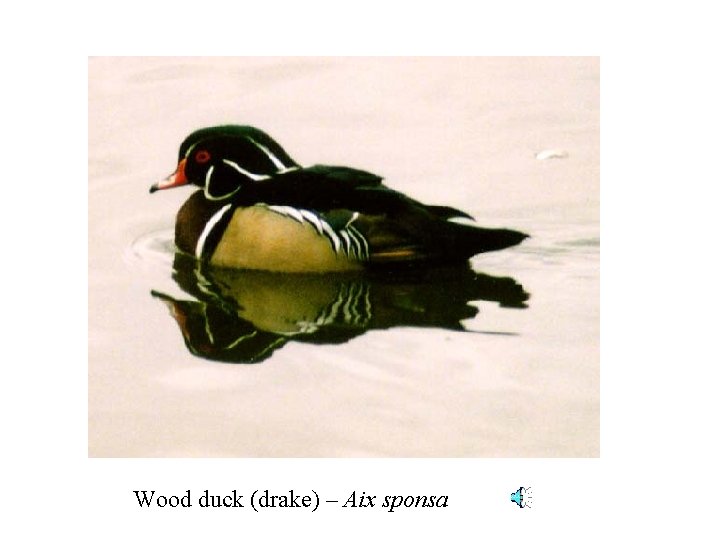
Wood duck (drake) – Aix sponsa
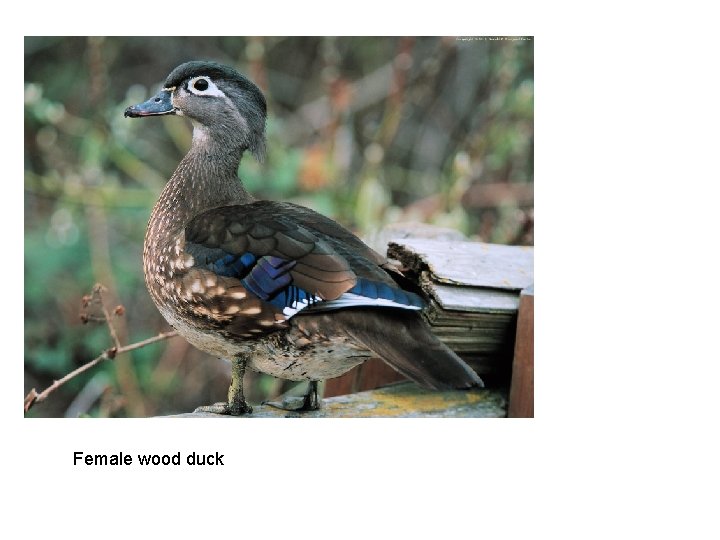
Female wood duck
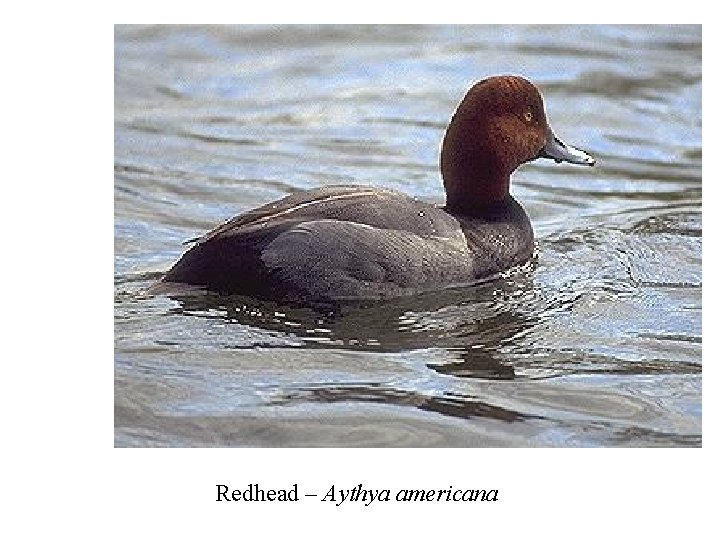
Redhead – Aythya americana
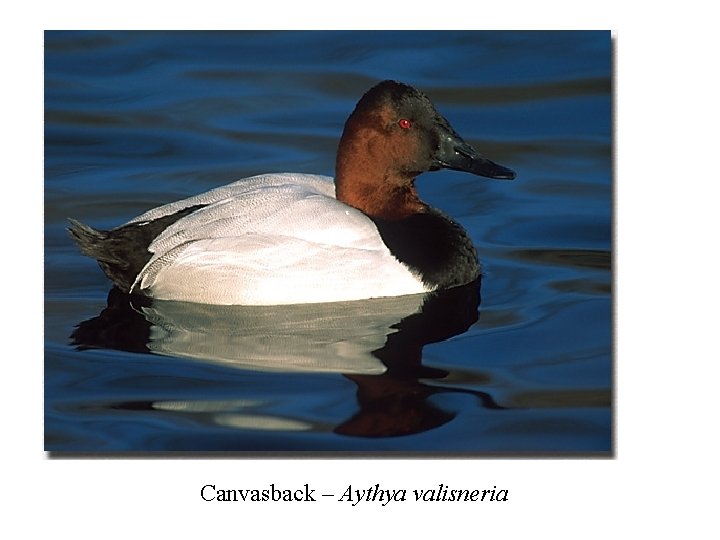
Canvasback – Aythya valisneria
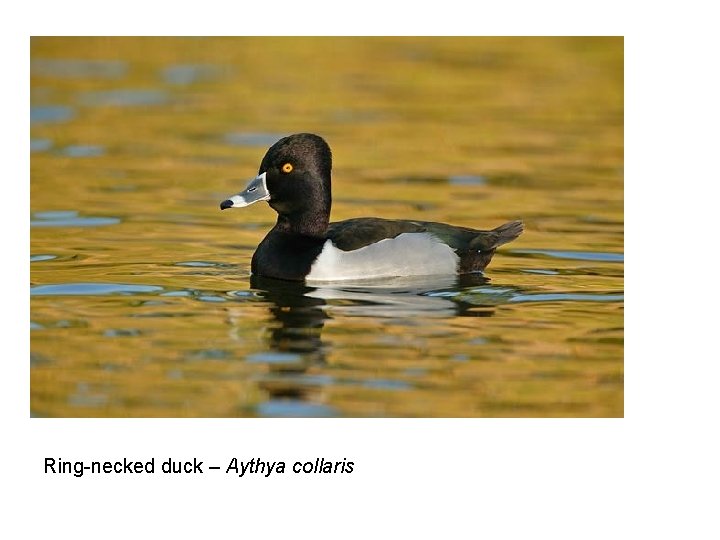
Ring-necked duck – Aythya collaris
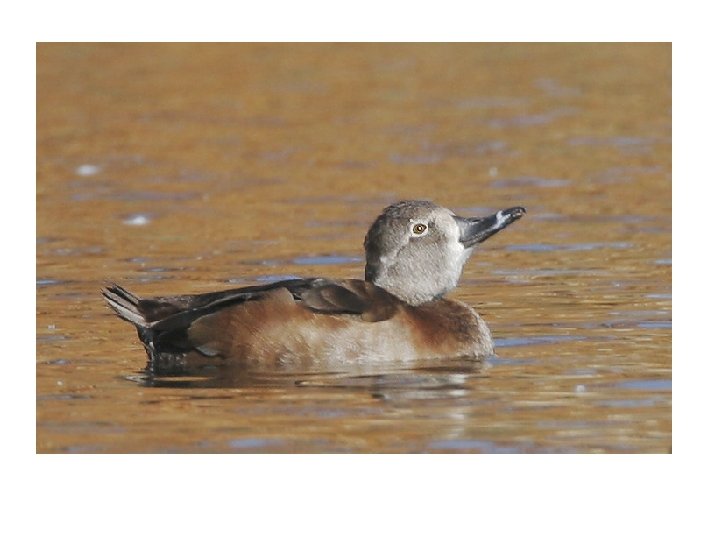
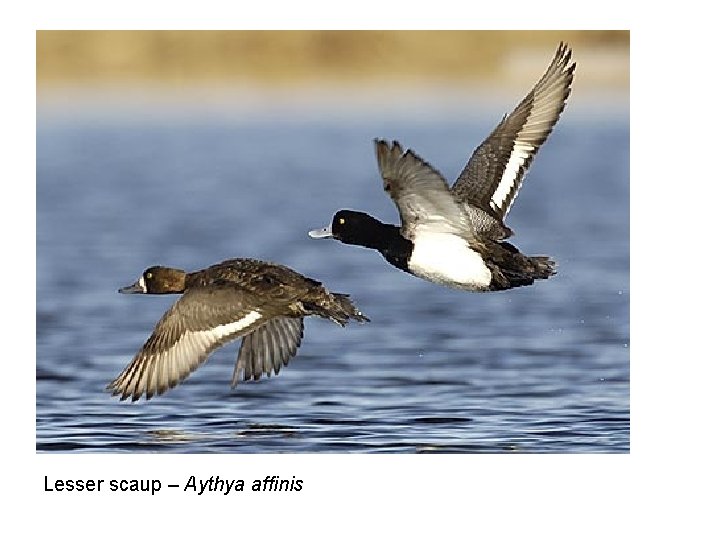
Lesser scaup – Aythya affinis
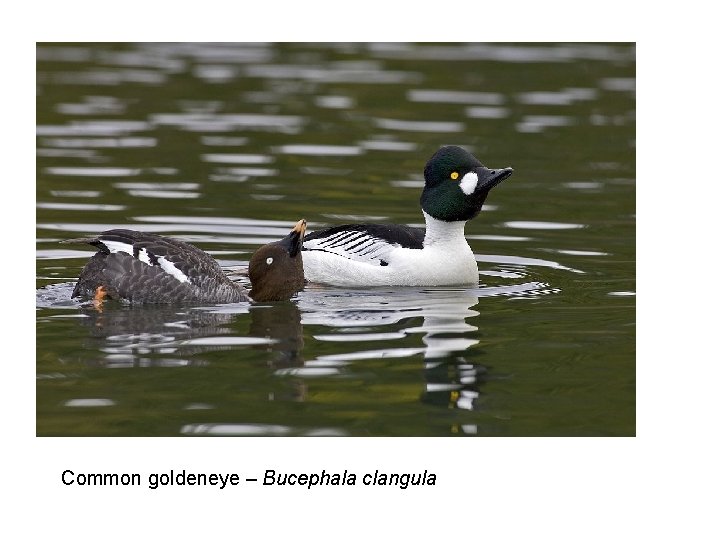
Common goldeneye – Bucephala clangula
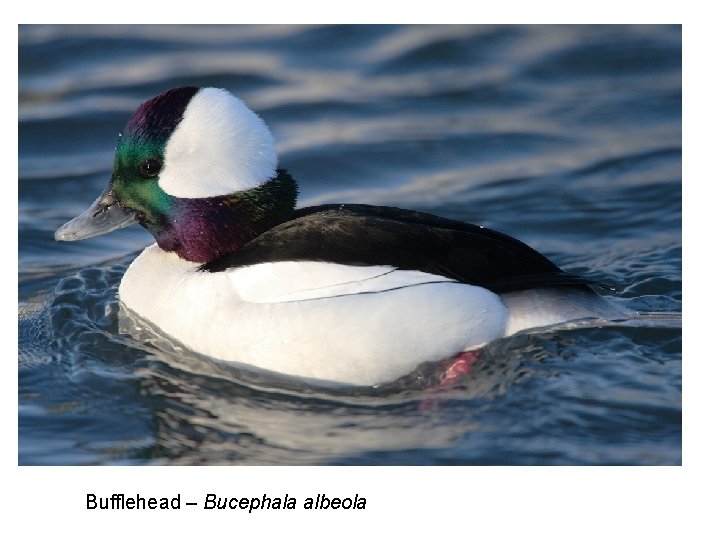
Bufflehead – Bucephala albeola
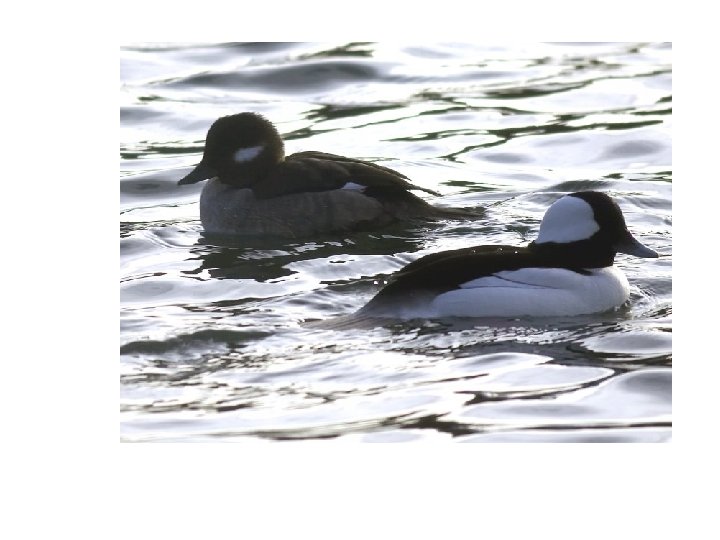
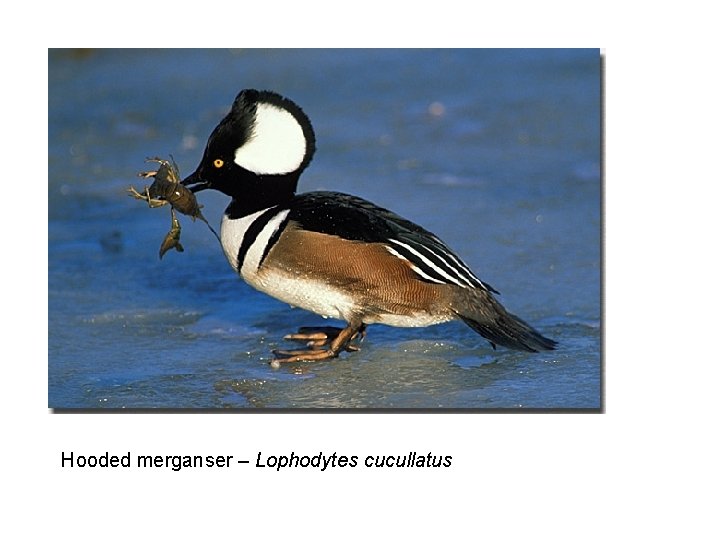
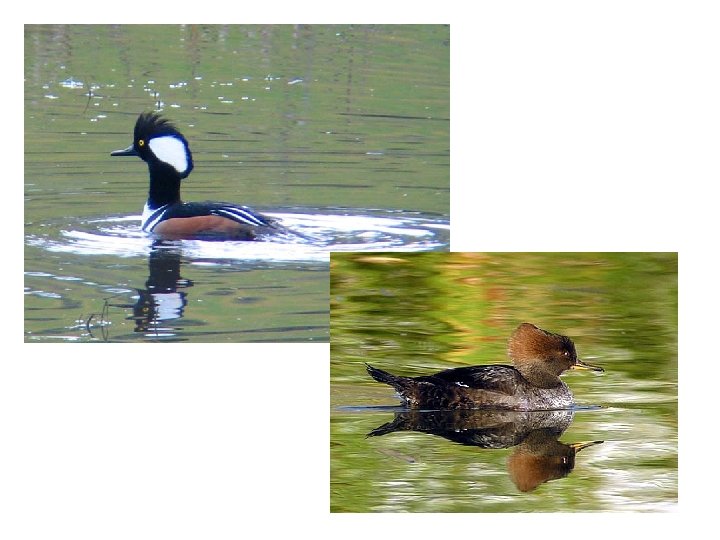
Hooded merganser – Lophodytes cucullatus
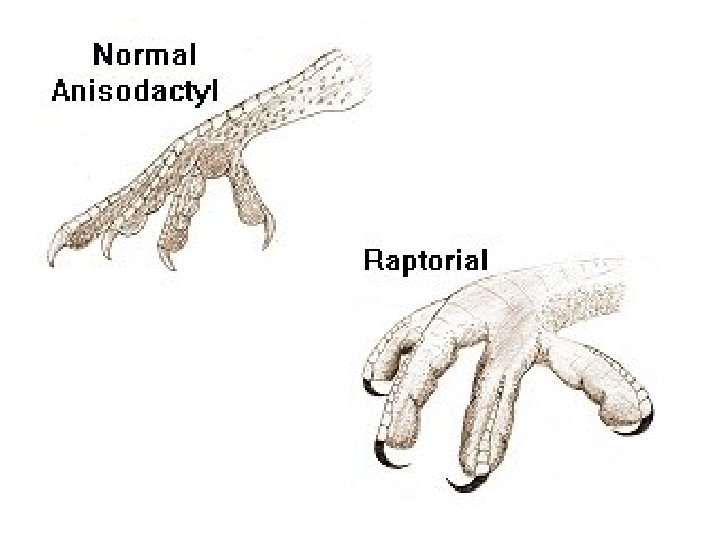
Order Falconiformes Eagles, Hawks, Falcons, Vultures Diurnal birds of prey. Strong beaks and talons.
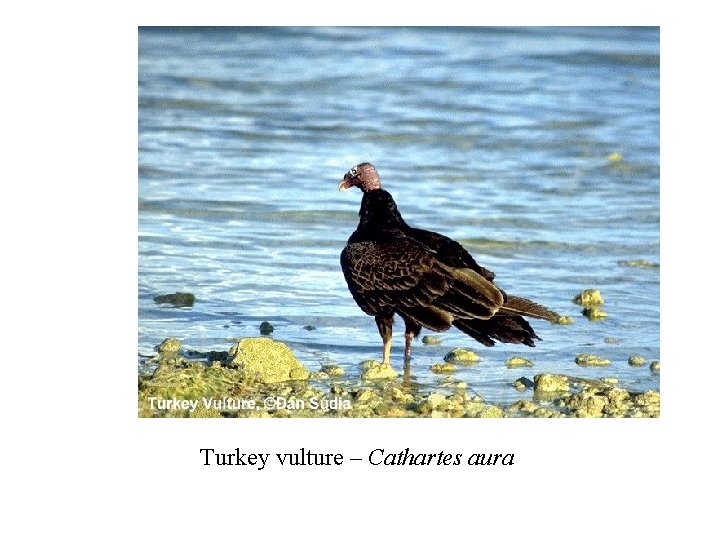
Turkey vulture – Cathartes aura
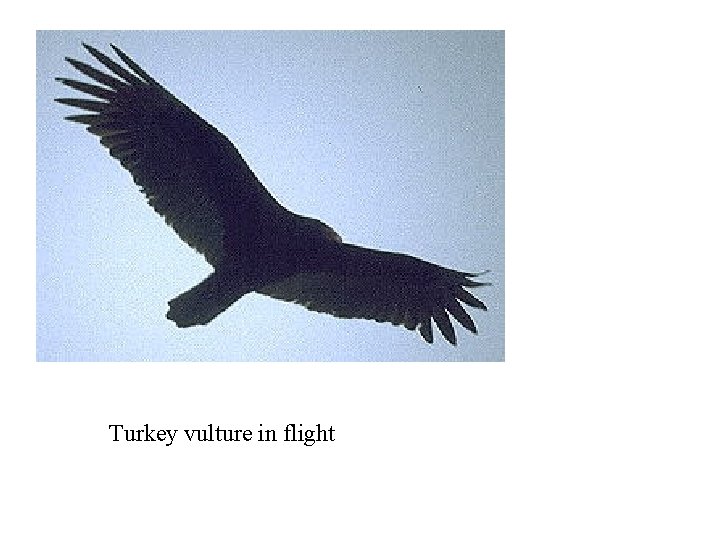
Turkey vulture in flight
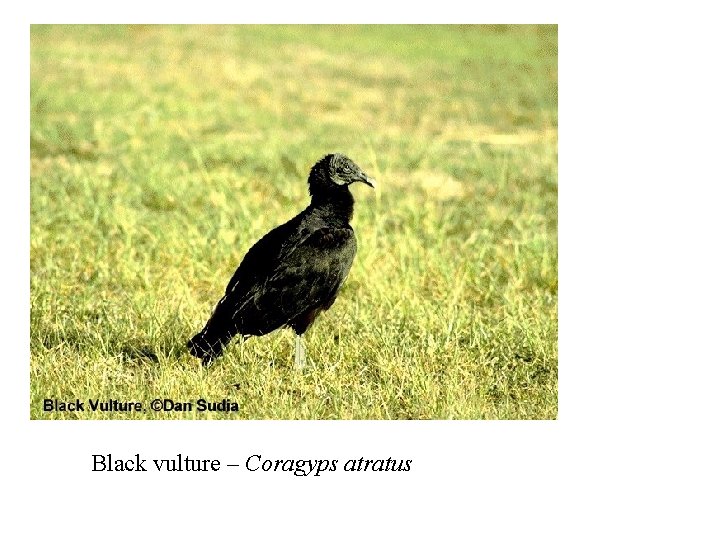
Black vulture – Coragyps atratus
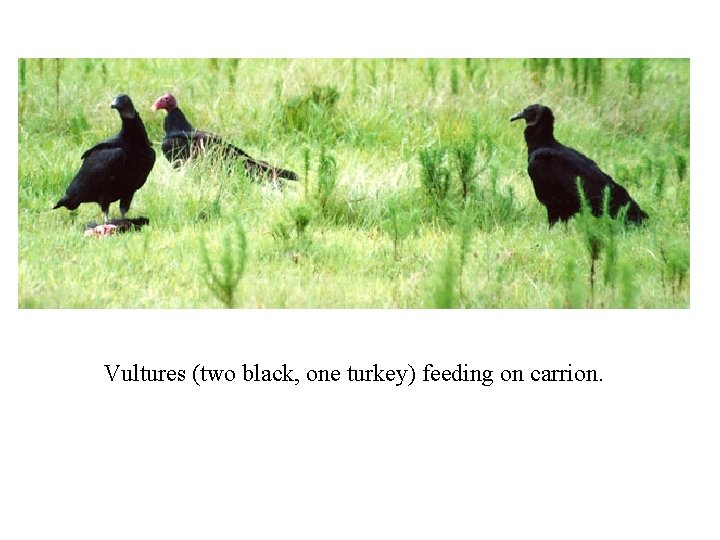
Vultures (two black, one turkey) feeding on carrion.
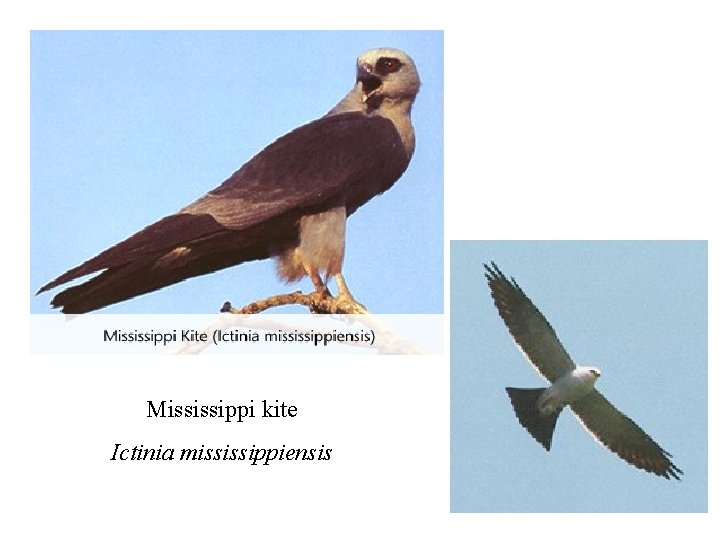
Mississippi kite Ictinia mississippiensis
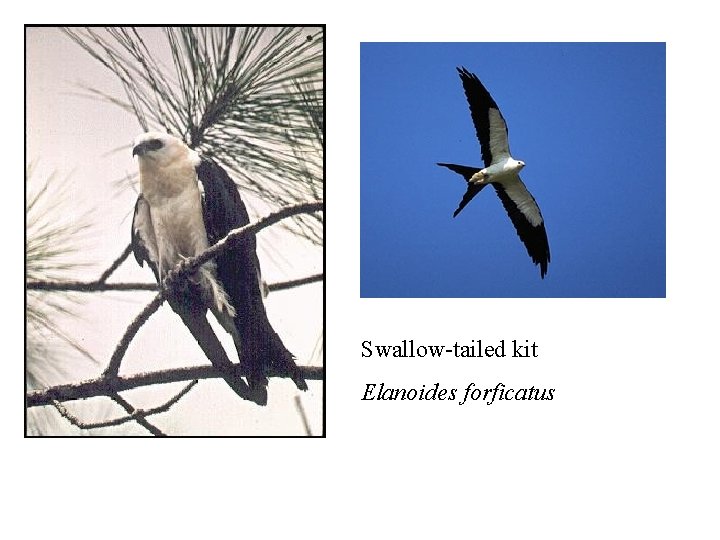
Swallow-tailed kit Elanoides forficatus
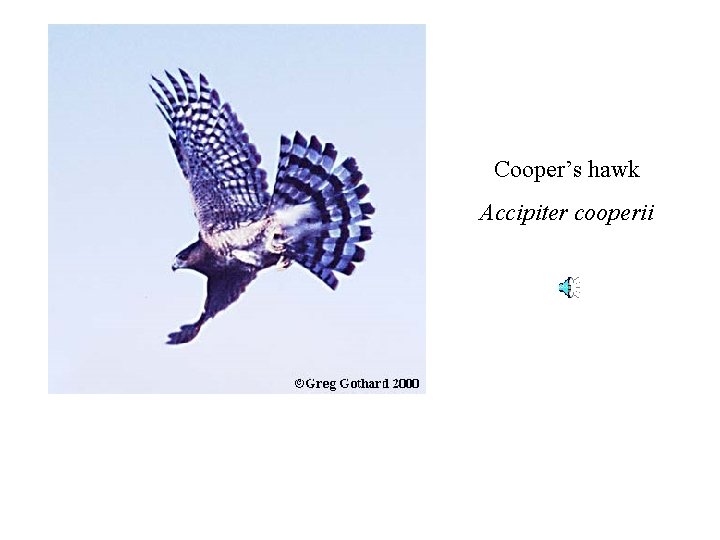
Cooper’s hawk Accipiter cooperii
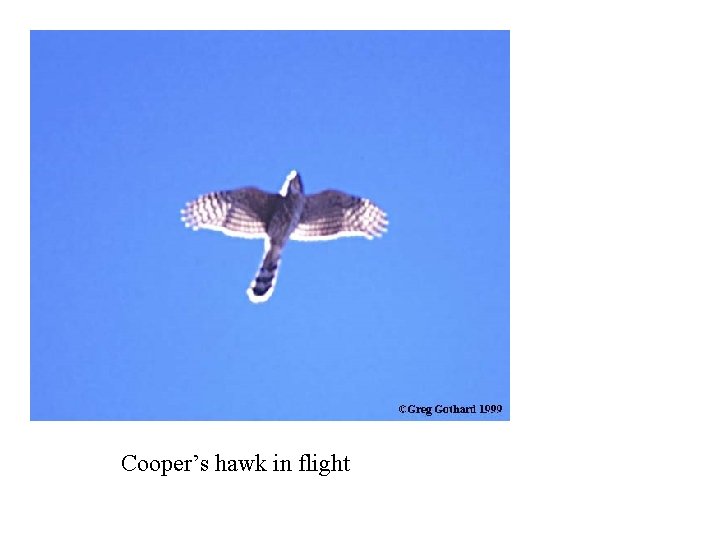
Cooper’s hawk in flight
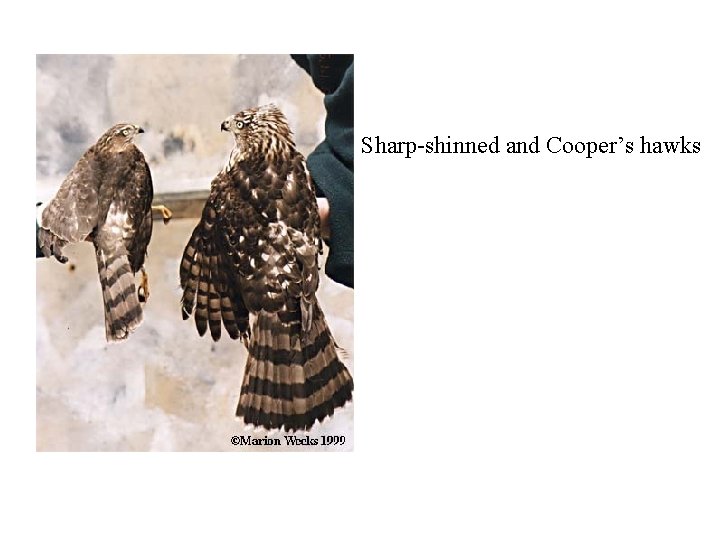
Sharp-shinned and Cooper’s hawks
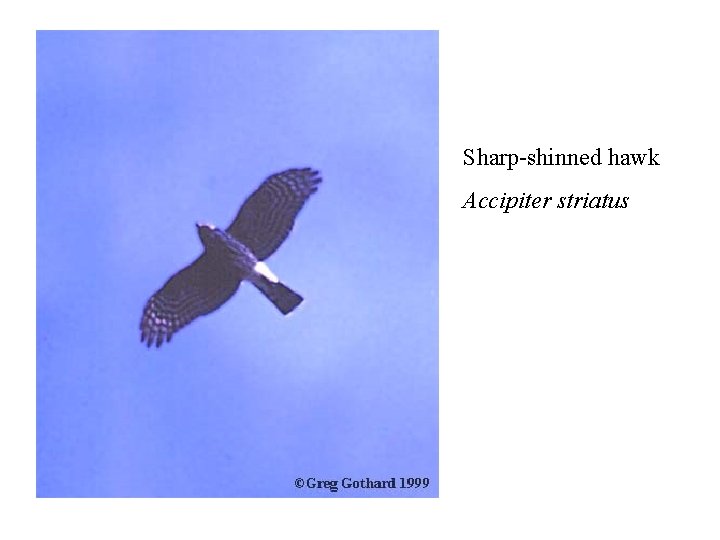
Sharp-shinned hawk Accipiter striatus
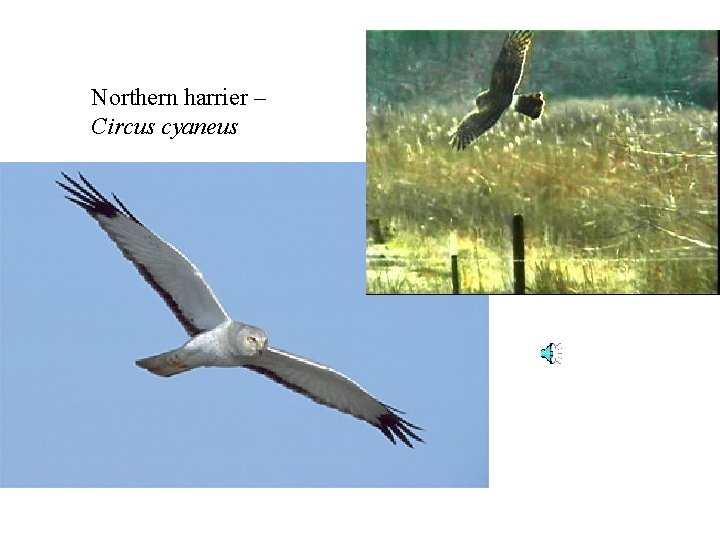
Northern harrier – Circus cyaneus
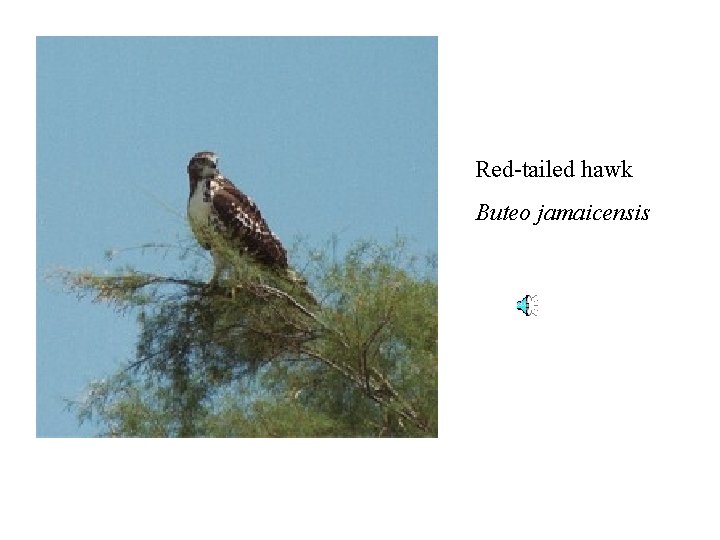
Red-tailed hawk Buteo jamaicensis
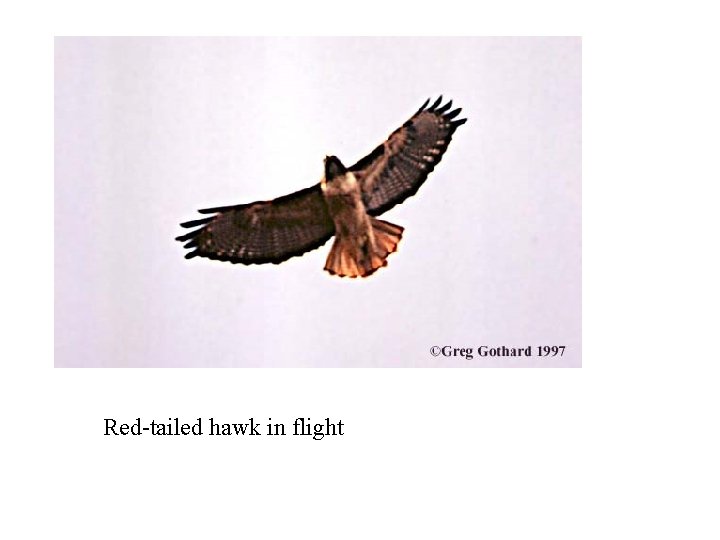
Red-tailed hawk in flight
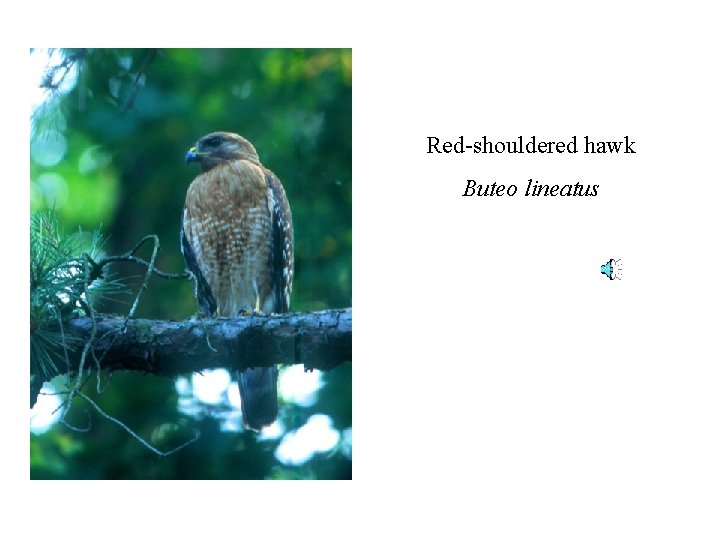
Red-shouldered hawk Buteo lineatus
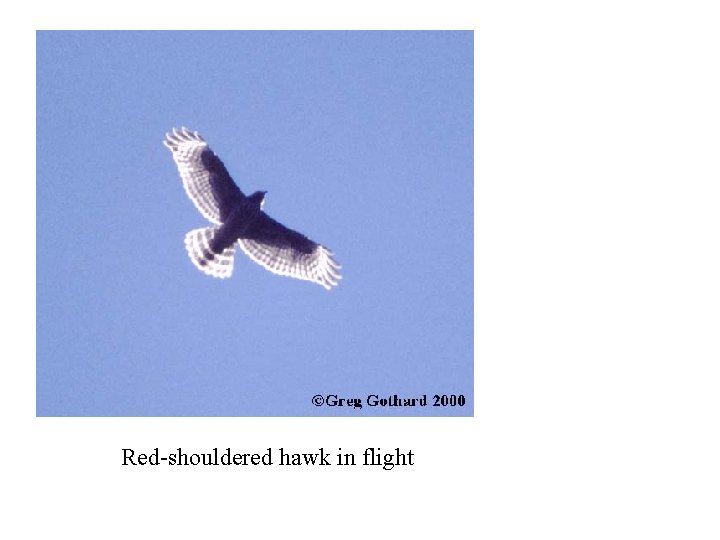
Red-shouldered hawk in flight
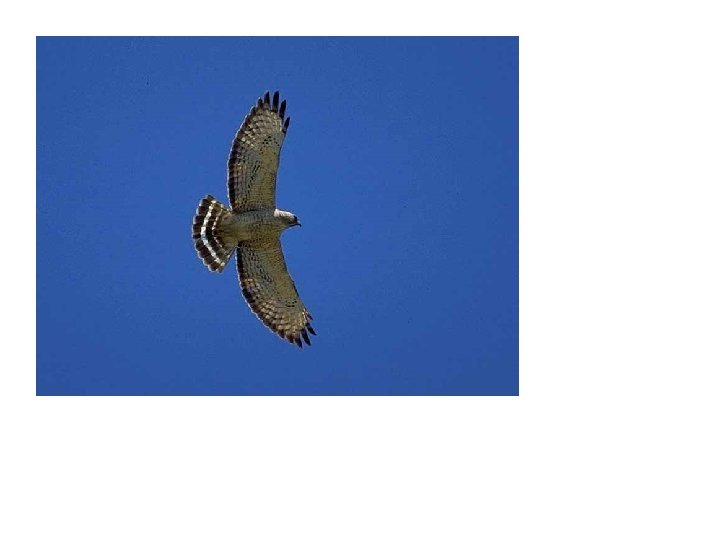
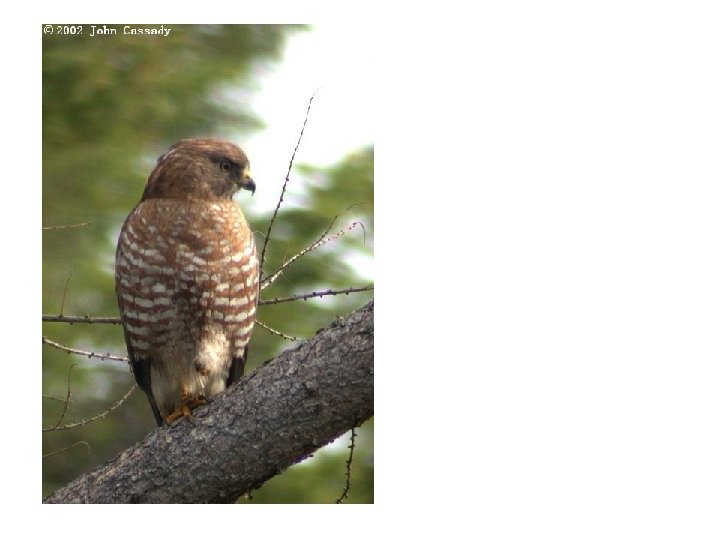
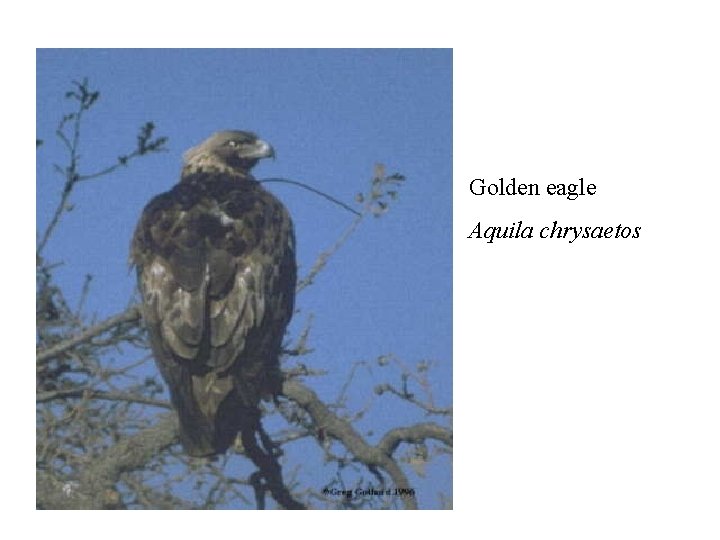
Golden eagle Aquila chrysaetos
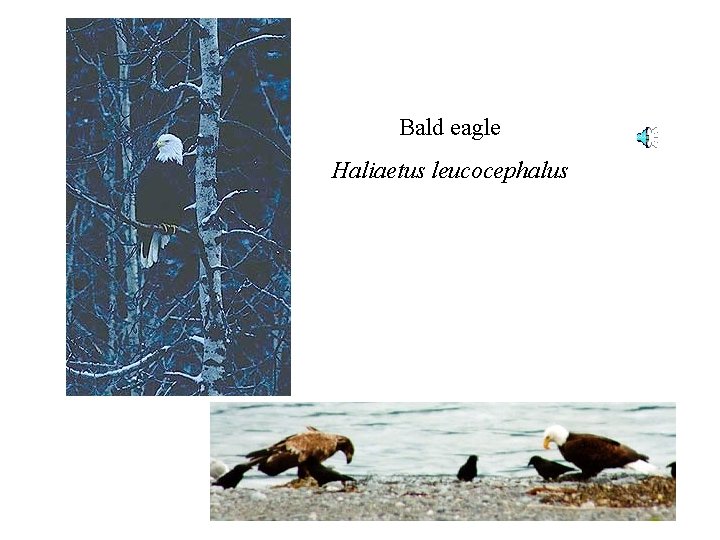
Bald eagle Haliaetus leucocephalus
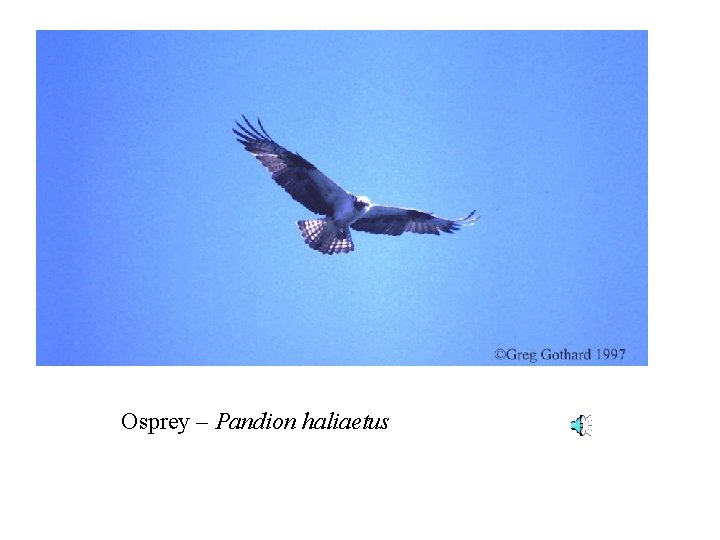
Osprey – Pandion haliaetus
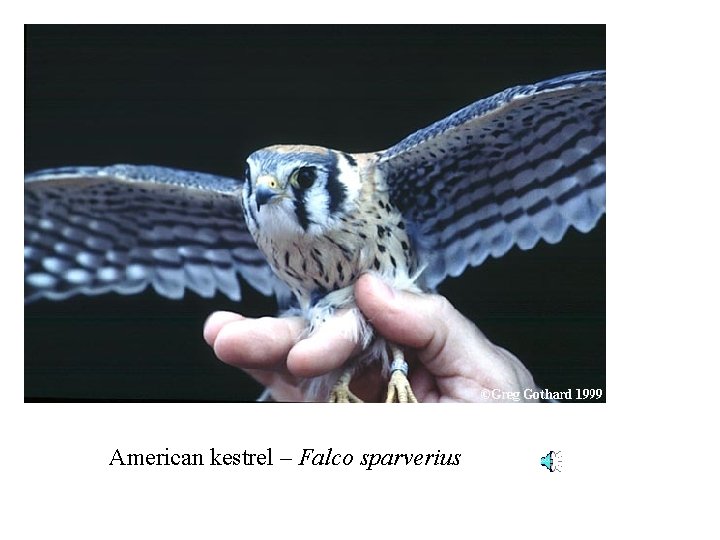
American kestrel – Falco sparverius
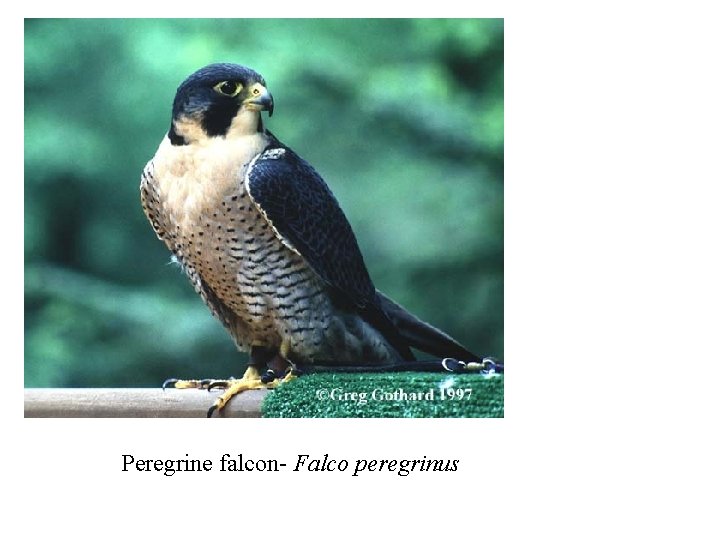
Peregrine falcon- Falco peregrinus
Order Galliformes Gallinaceous Birds Heavy-bodied, chicken-like land birds. Short, heavy bill. Wings short and rounded. Legs rather long. Flight not fast, but can burst into full flight from a sitting position. Capable runners that forage on the ground. Males of many species have elaborate courtship displays.
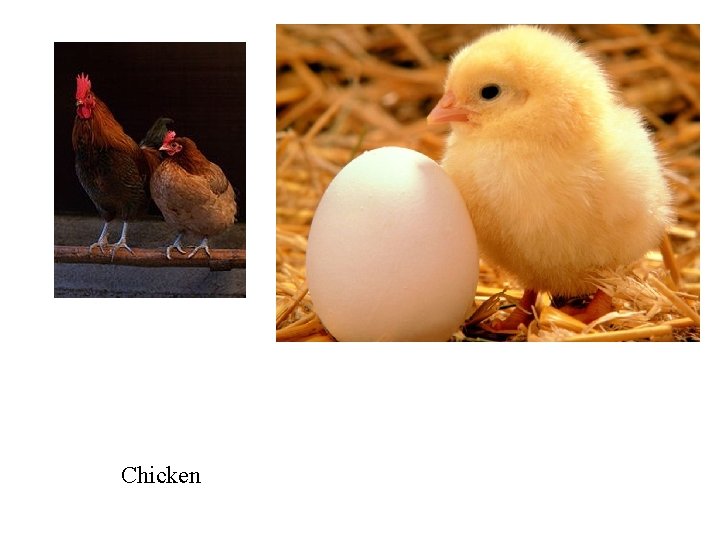
Chicken
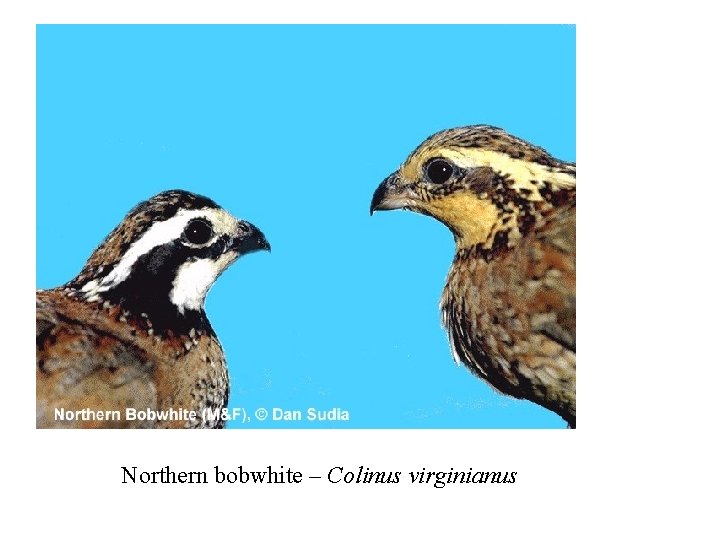
Northern bobwhite – Colinus virginianus
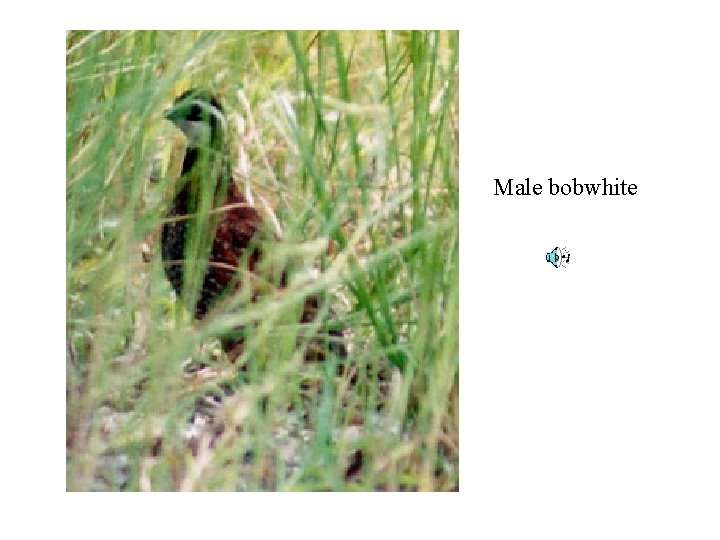
Male bobwhite
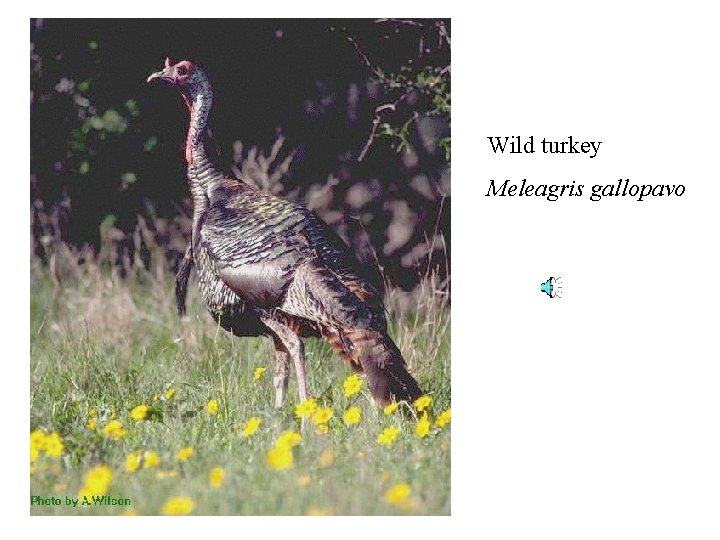
Wild turkey Meleagris gallopavo
Order Ciconiiformes Herons and their allies Wading birds with long legs, neck and bill. Most feed on aquatic animal life in shallow water. Some have long plumes in the breeding season. Wings are broad and rounded, tail short.
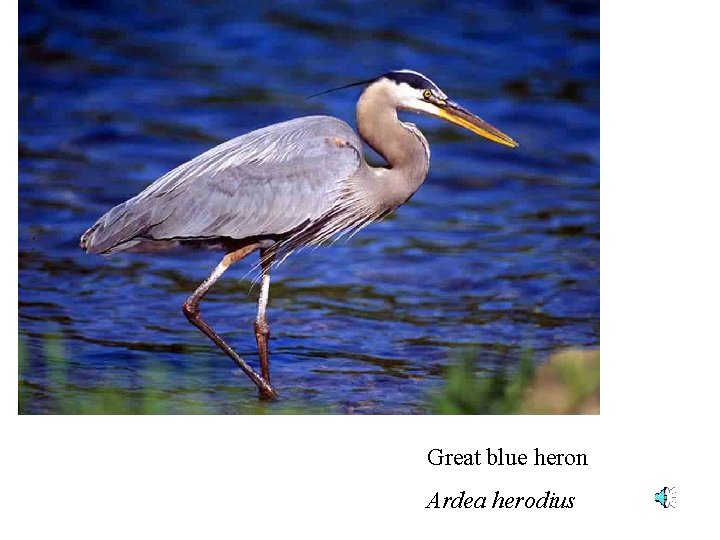
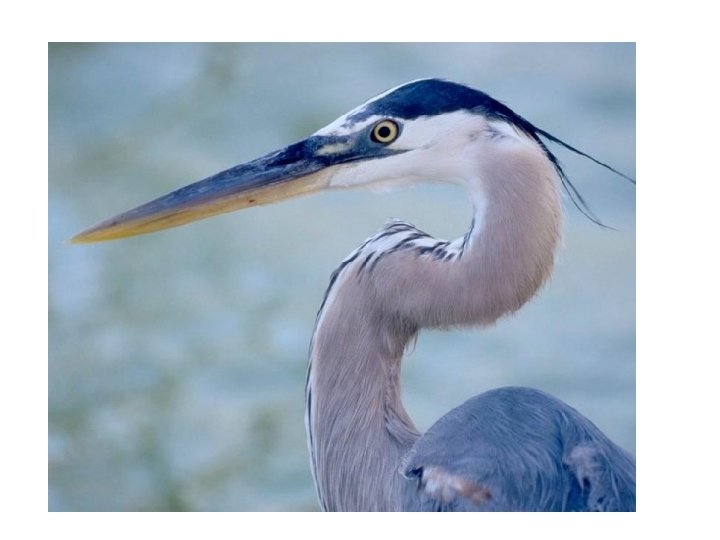
Great blue heron Ardea herodius
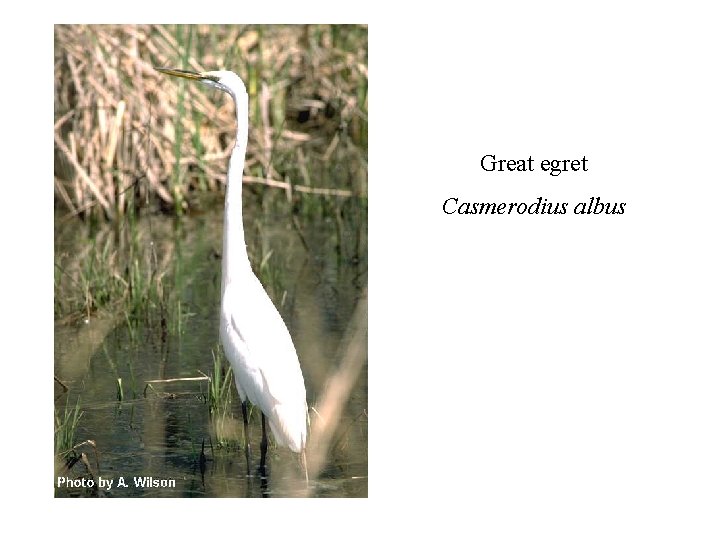
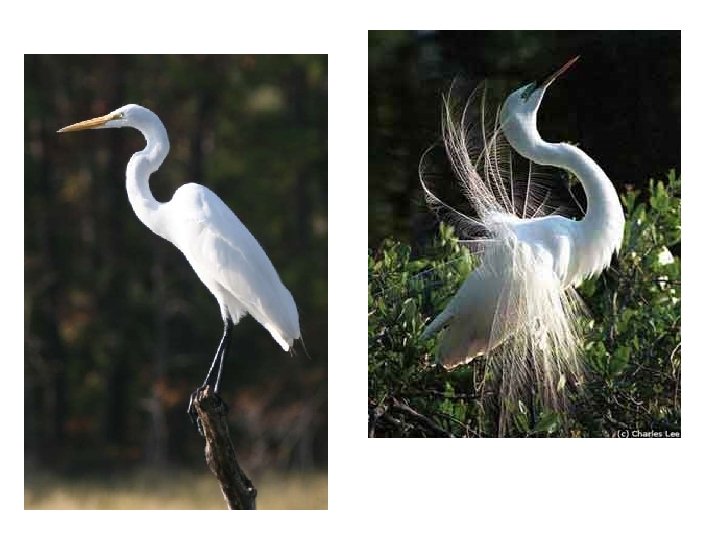
Great egret Casmerodius albus
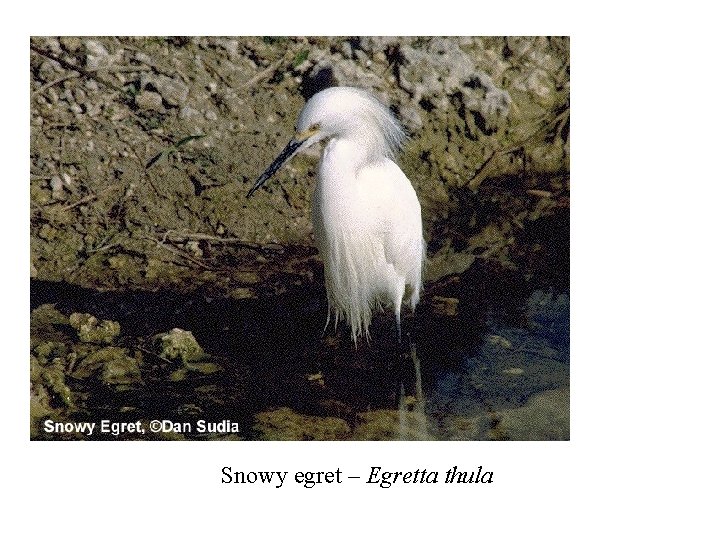
Snowy egret – Egretta thula
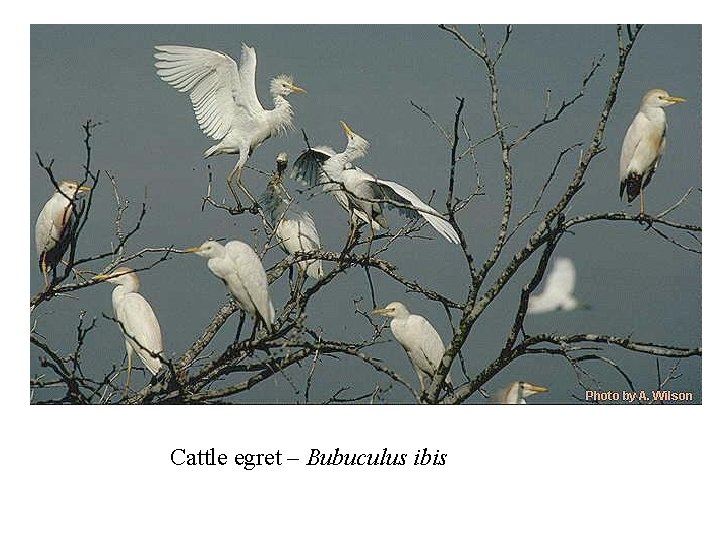
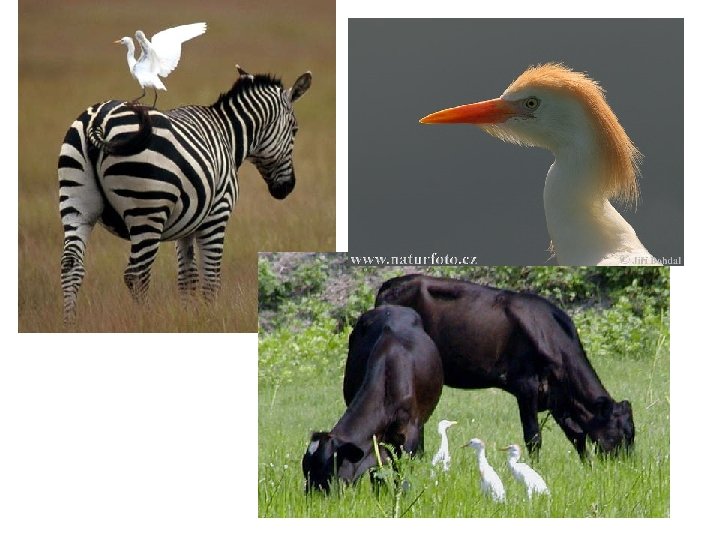
Cattle egret – Bubuculus ibis
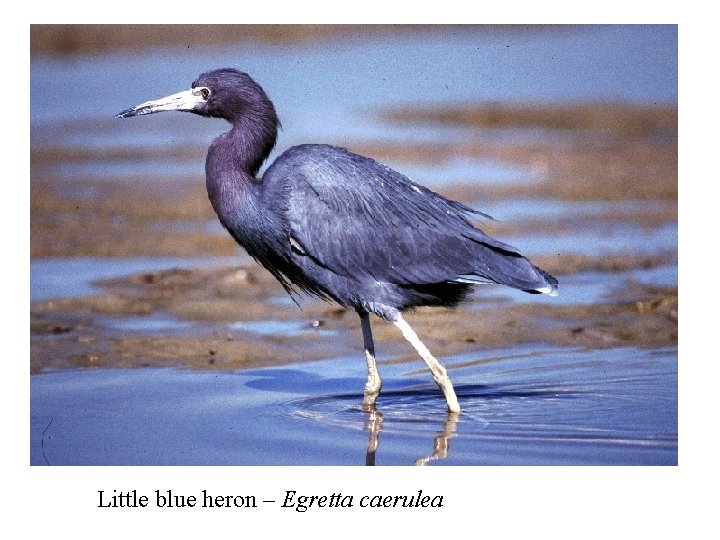
Little blue heron – Egretta caerulea
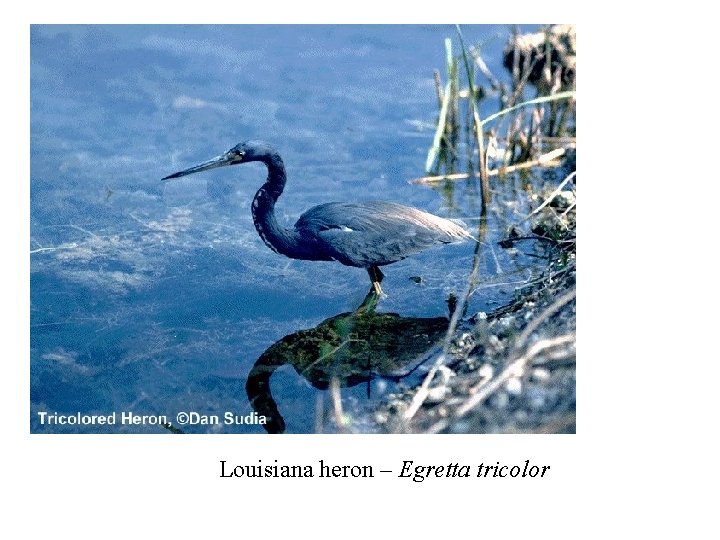
Louisiana heron – Egretta tricolor
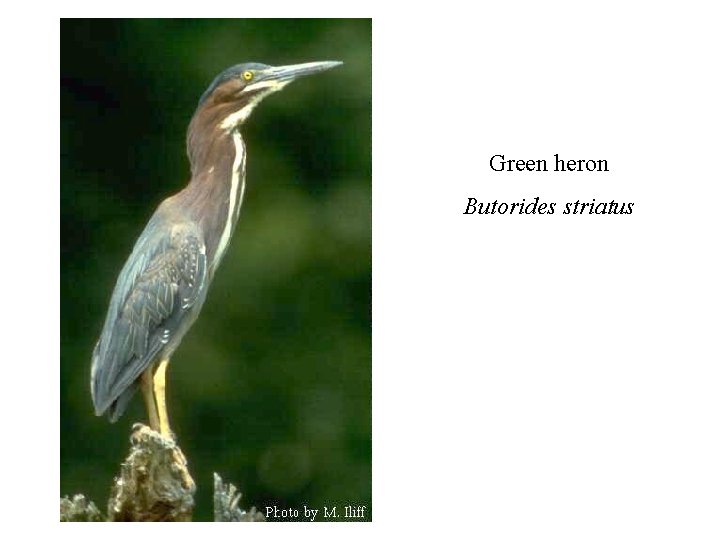
Green heron Butorides striatus
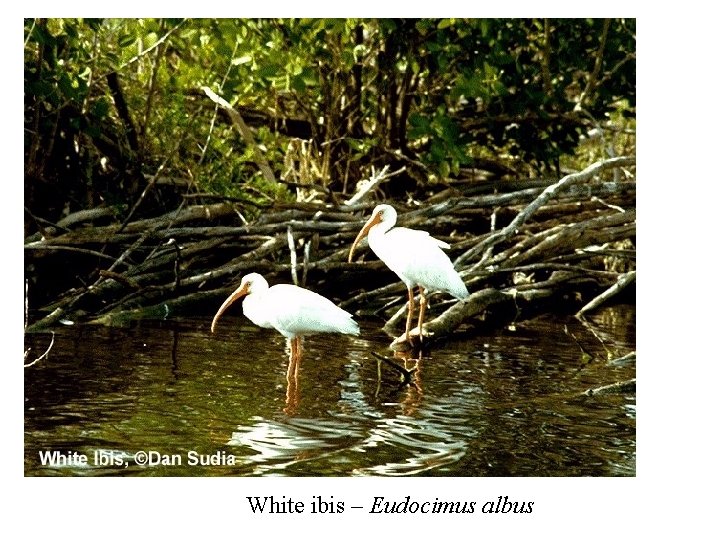
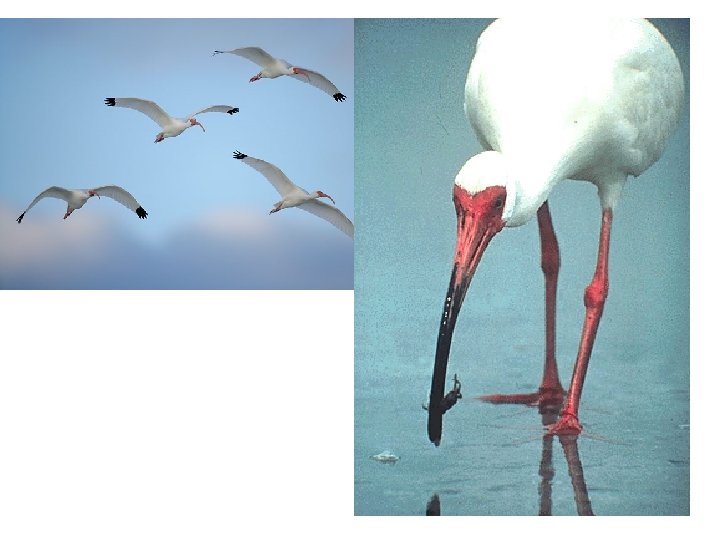
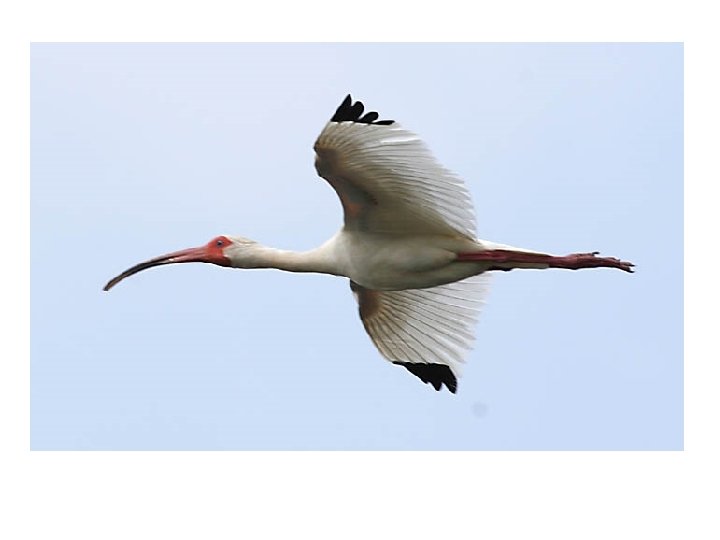
White ibis – Eudocimus albus
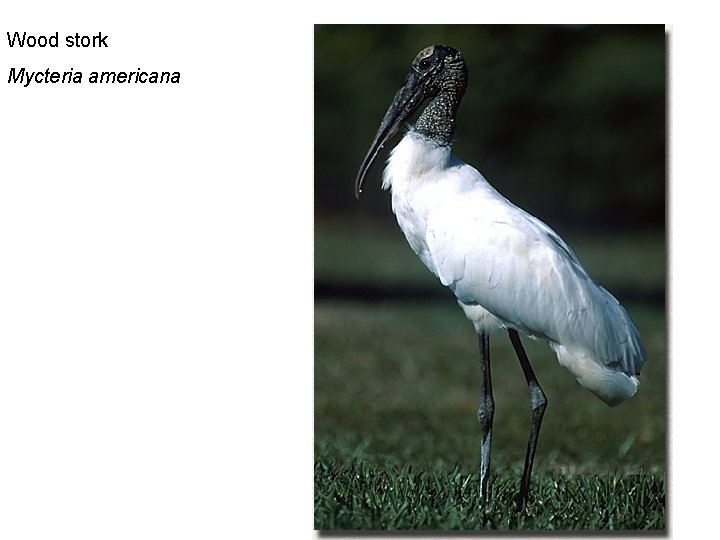
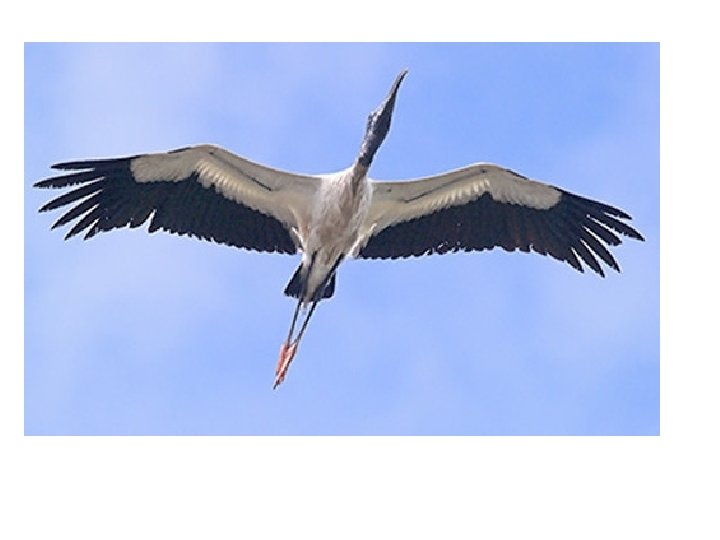
Wood stork Mycteria americana
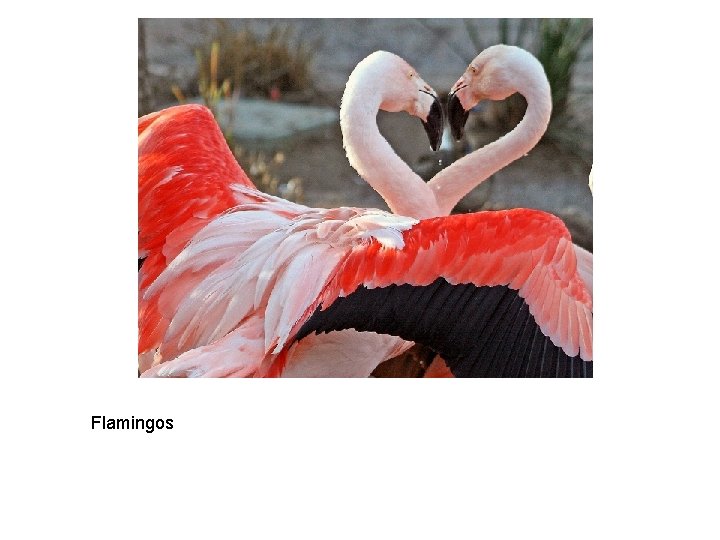
Flamingos
Order Struthioniformes Ostrich, Kiwi a running bird with flat, raft-like sternum and strong muscular legs.
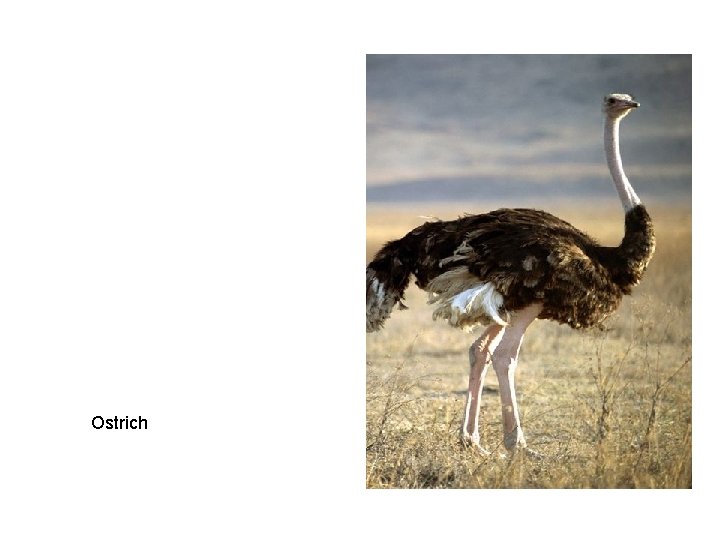
Ostrich
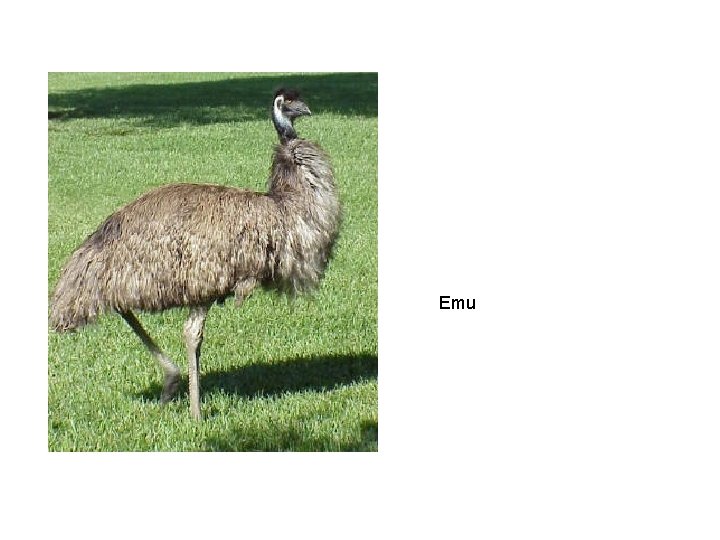
Emu
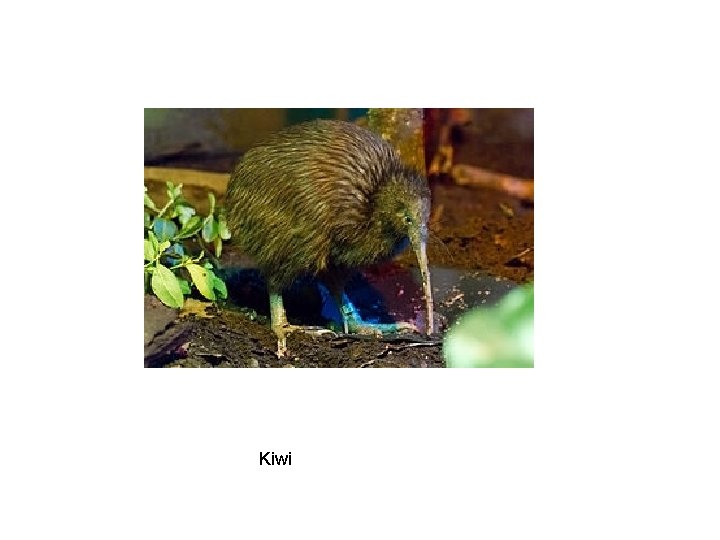
Kiwi
Order Gruiformes Cranes and their Allies Highly diverse group of wading birds with long legs. Other features such as size, body outline, bill shape and neck length are highly variable.
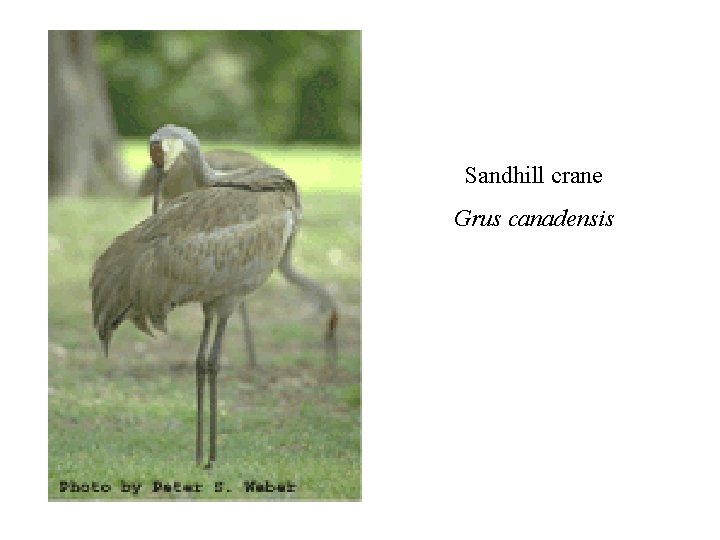
Sandhill crane Grus canadensis
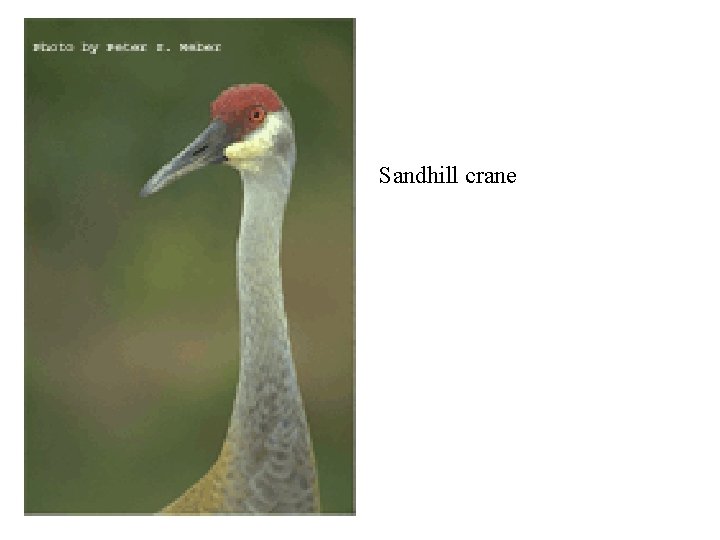
Sandhill crane
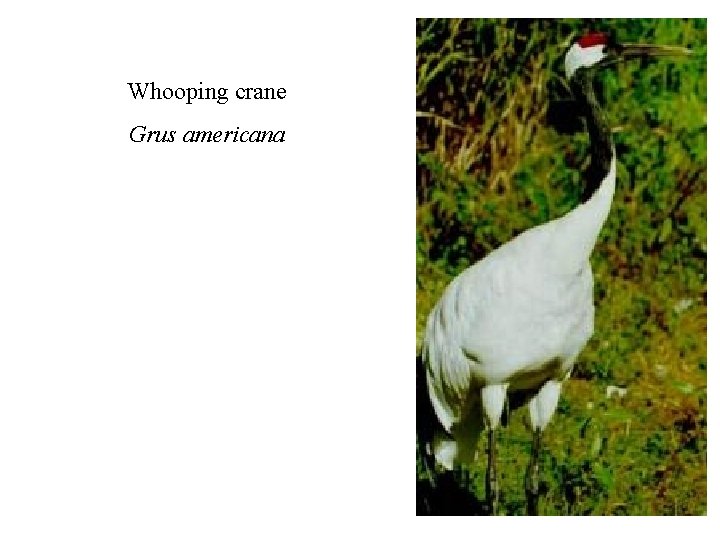
Whooping crane Grus americana
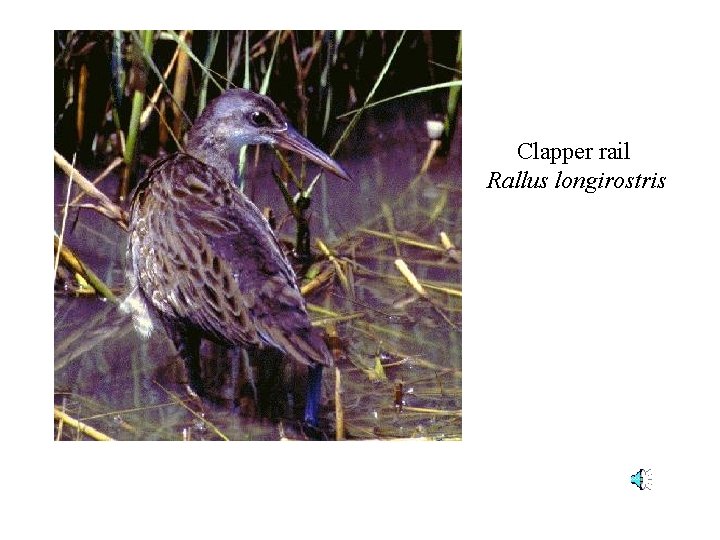
Clapper rail Rallus longirostris
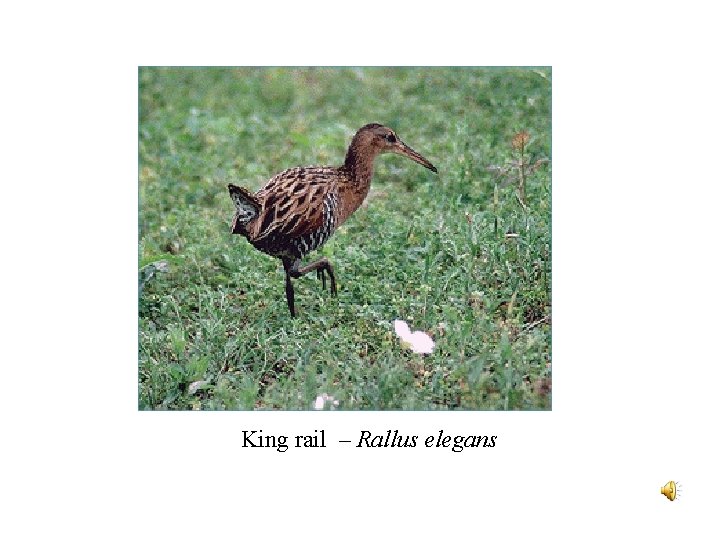
King rail – Rallus elegans
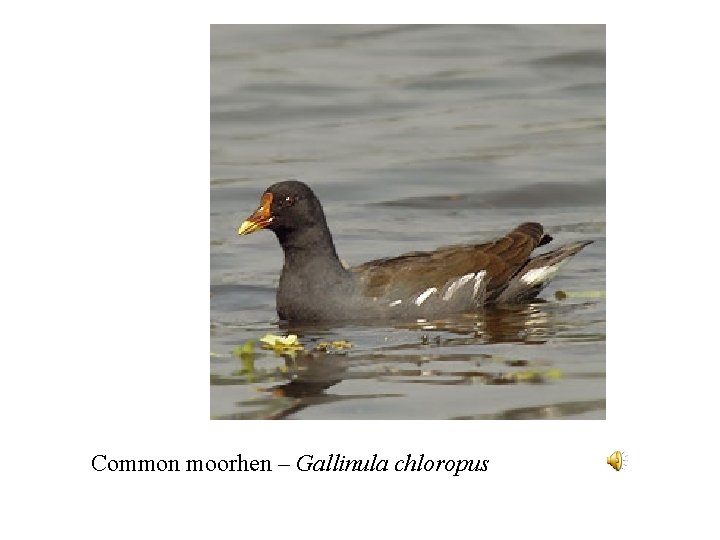
Common moorhen – Gallinula chloropus
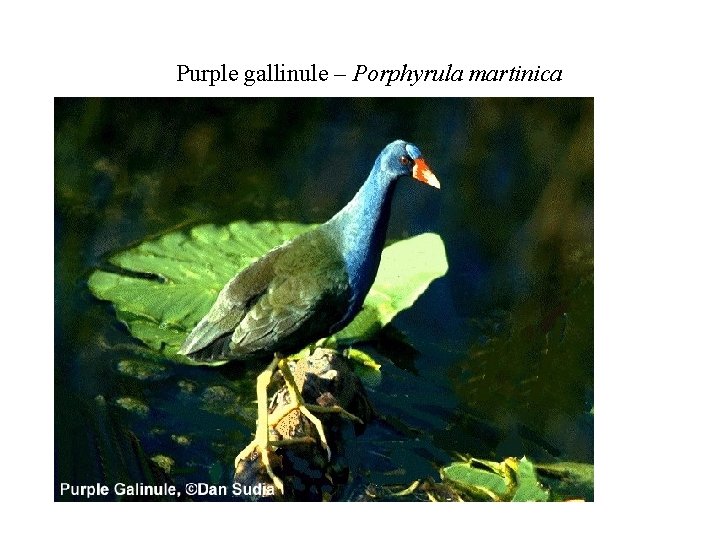
Purple gallinule – Porphyrula martinica
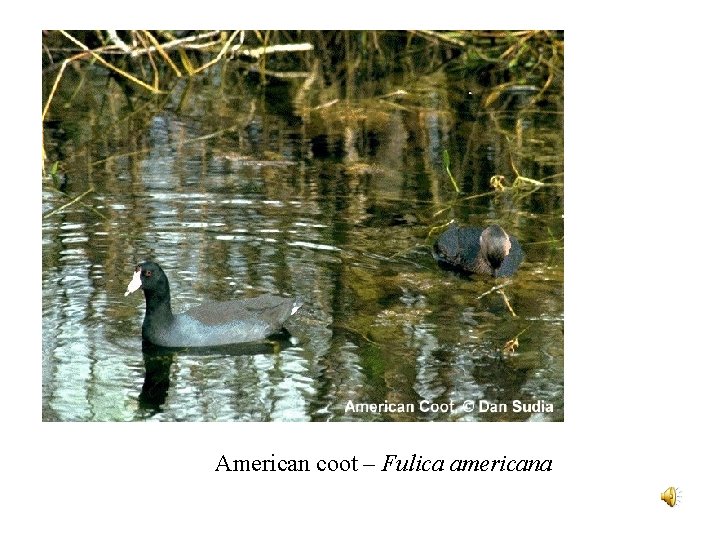
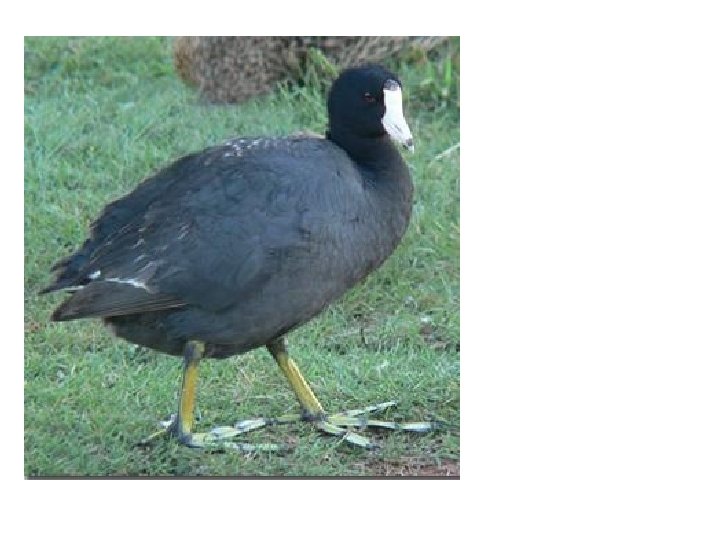
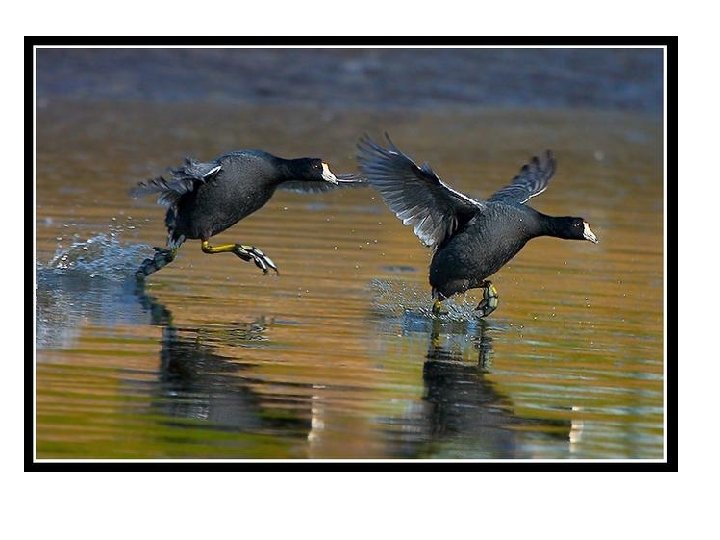
American coot – Fulica americana
Order Charadriiformes Shorebirds and Gulls Diverse group of wading or swimming birds. m. Ost are white, gray or brown, with long pointed wings and webbed feet. Highly migratory. Most feed along shores, a few inland.
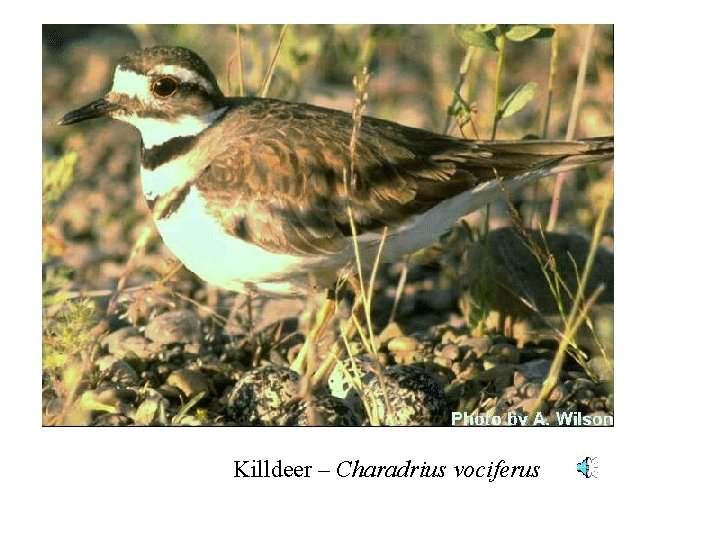
Killdeer – Charadrius vociferus
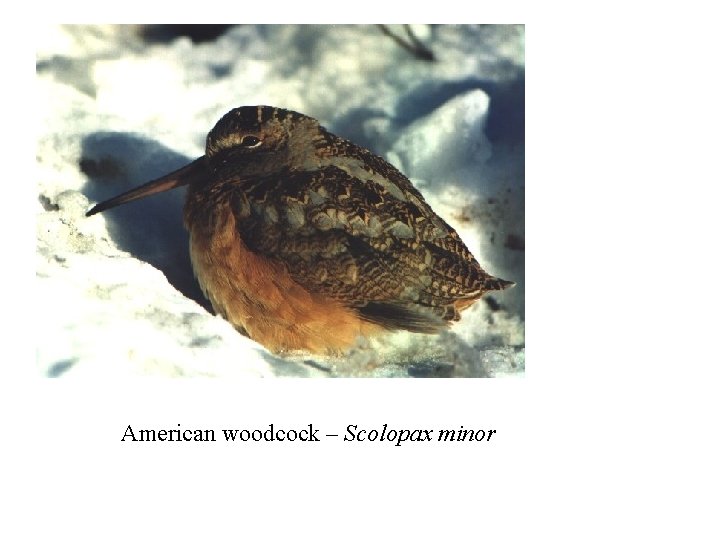
American woodcock – Scolopax minor
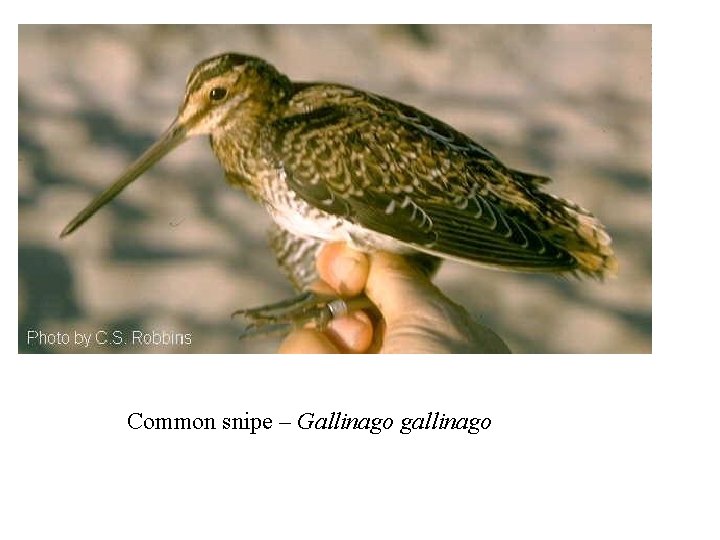
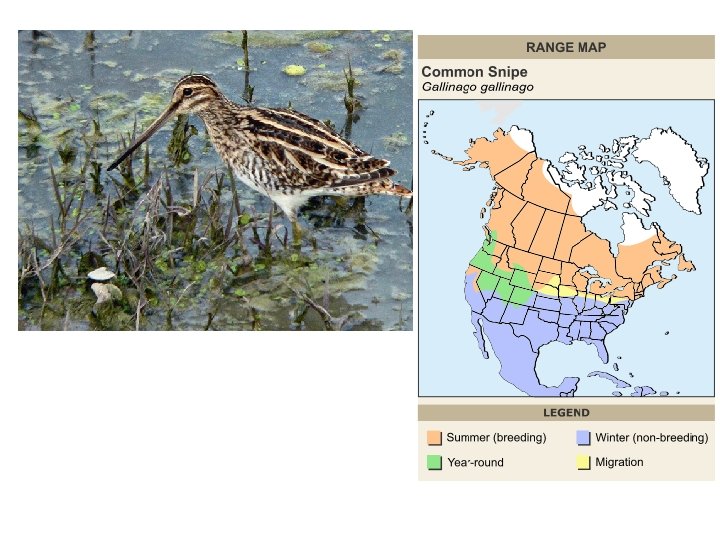
Common snipe – Gallinago gallinago
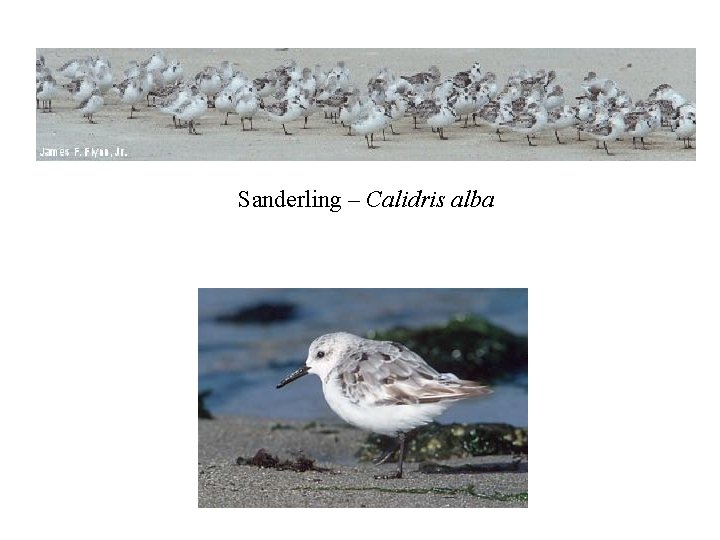
Sanderling – Calidris alba
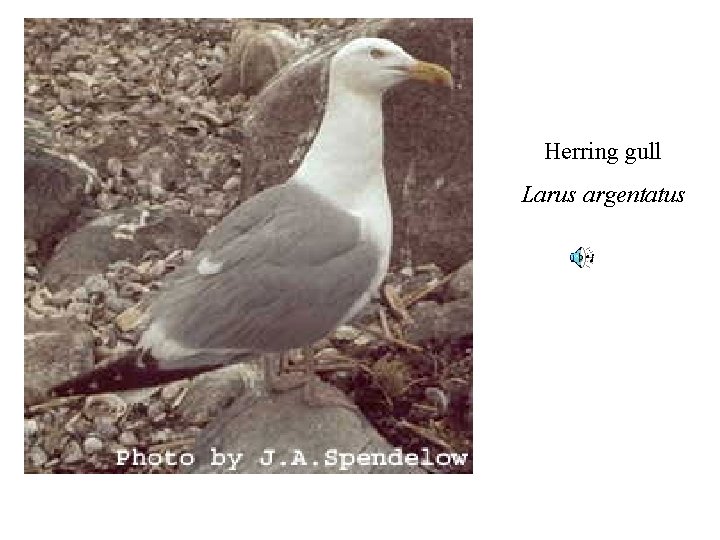
Herring gull Larus argentatus
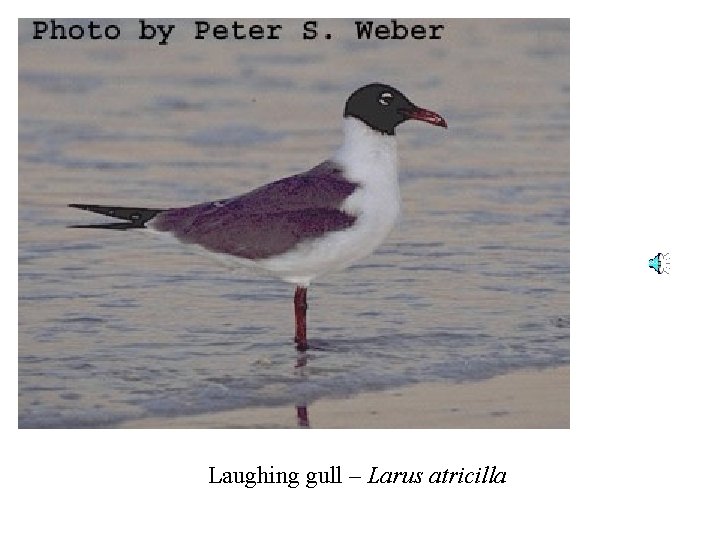
Laughing gull – Larus atricilla
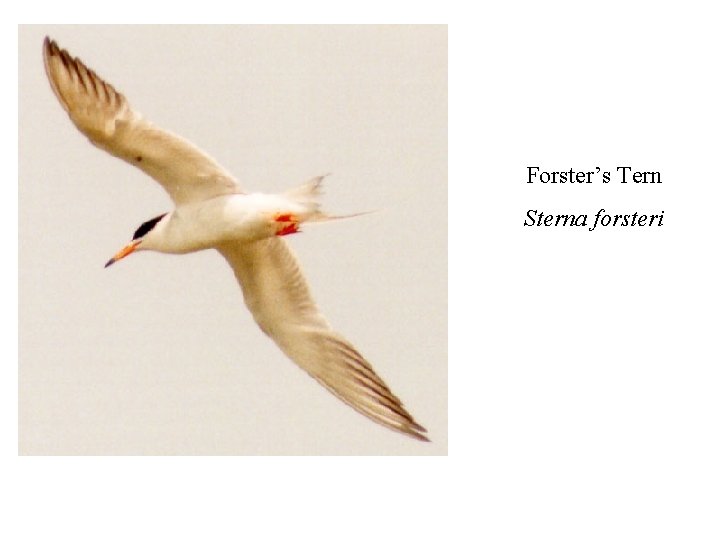
Forster’s Tern Sterna forsteri
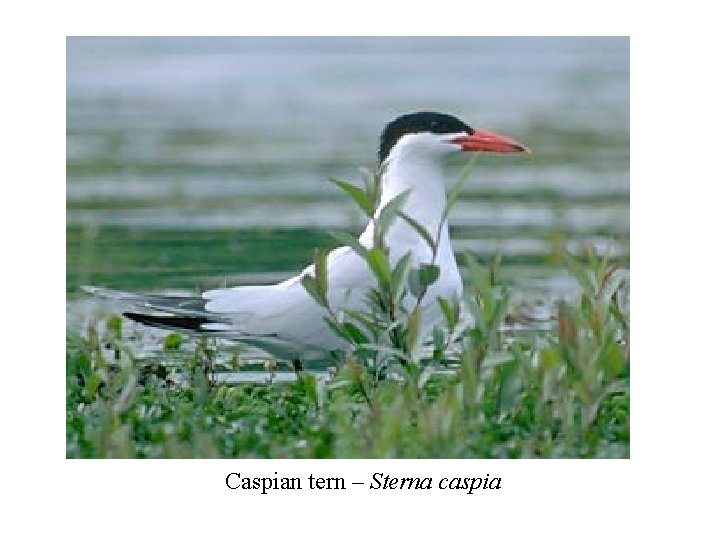
Caspian tern – Sterna caspia
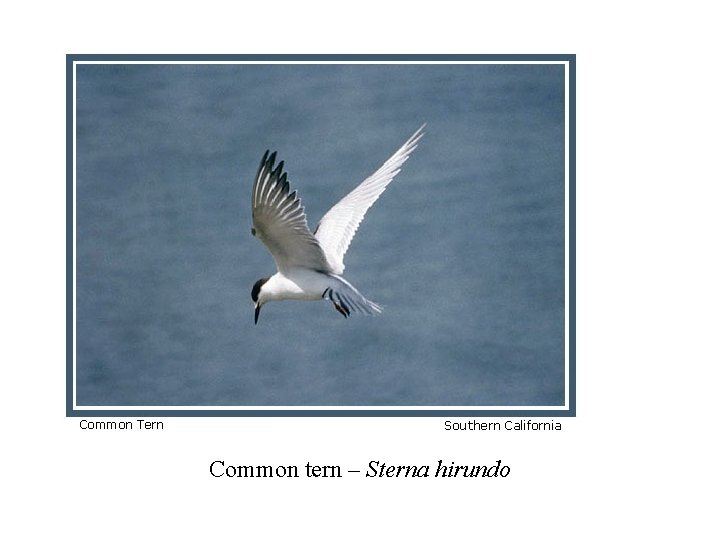
Common tern – Sterna hirundo
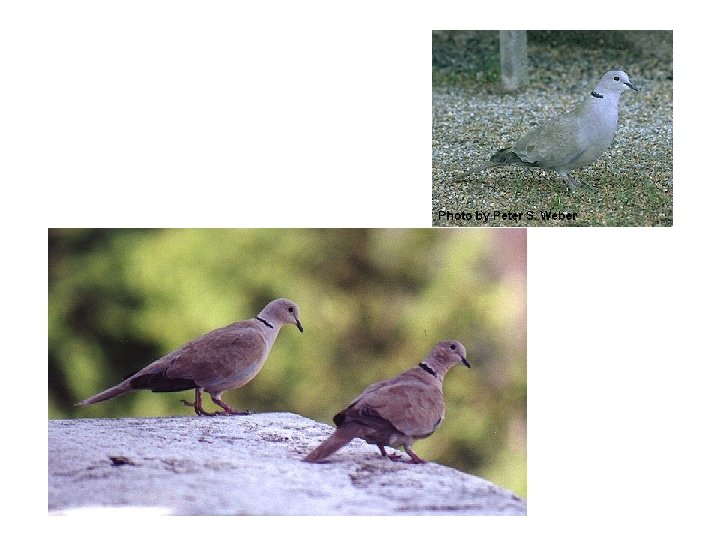
Order Columbiformes Pigeons and Doves Small-headed, short-legged, swift-flying birds with pointed wings and fanned or tapered tails. All species coo, bob heads when walking. Eat grains, small seeds, acorns and fruit.
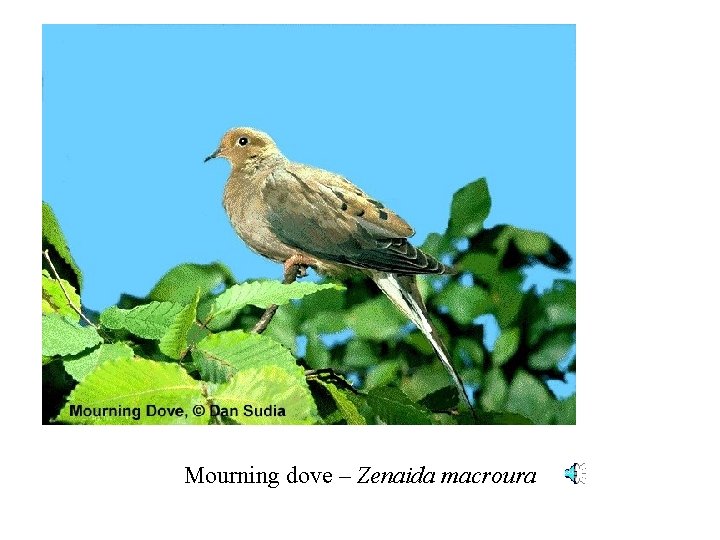
Mourning dove – Zenaida macroura
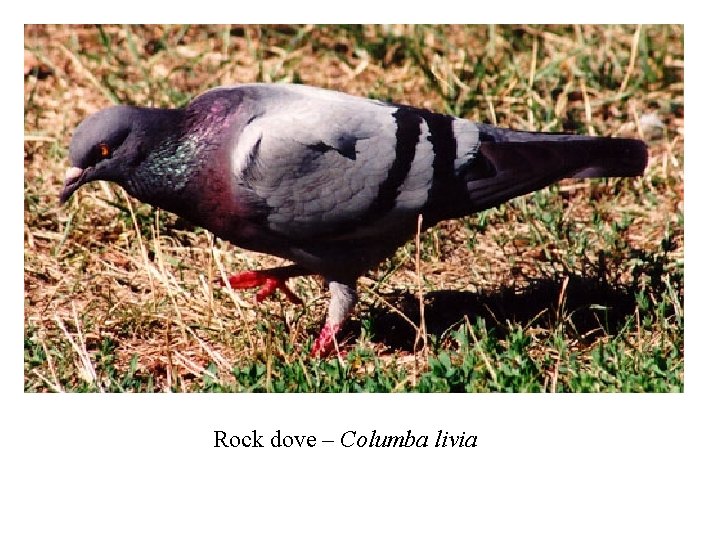
Rock dove – Columba livia
Order Strigiformes Owls Large-headed, short-necked birds of prey. Mostly nocturnal. Large eyes are fixed in sockets, so the entire head moves as the bird shifts its gaze. Flat, round or heart-shaped “facial disk” conceals the large external ear flaps. All fly silently, hunting for rodents and other mammals. Calls are distinctive hoots, wails, or whistles.
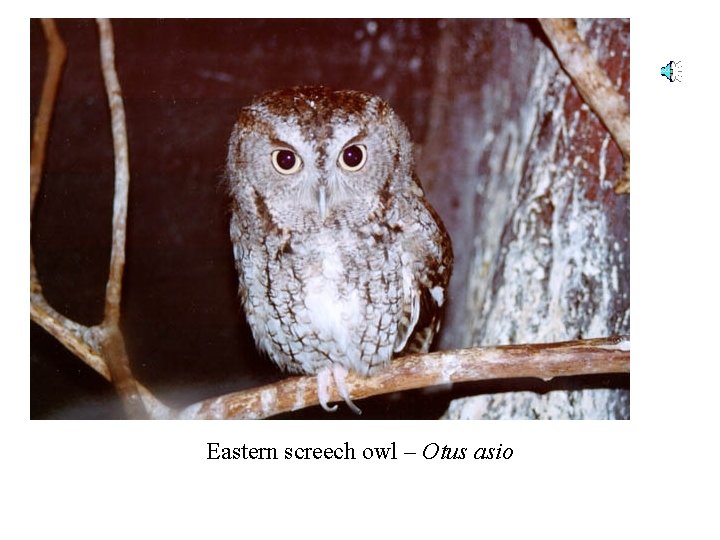
Eastern screech owl – Otus asio
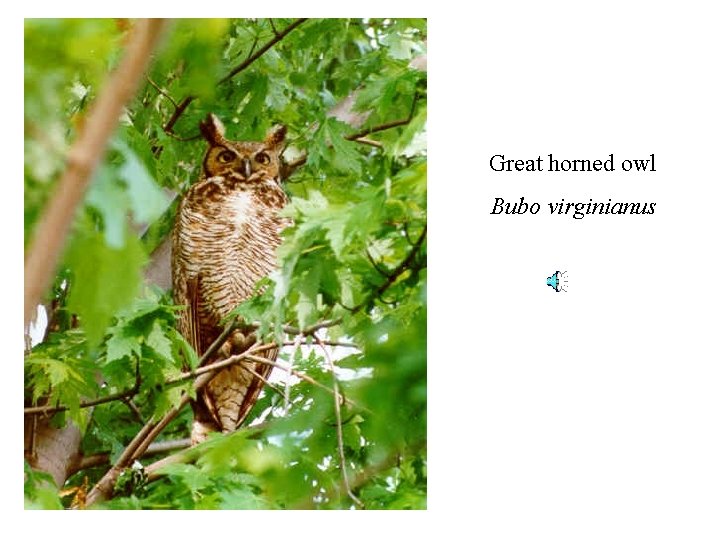
Great horned owl Bubo virginianus
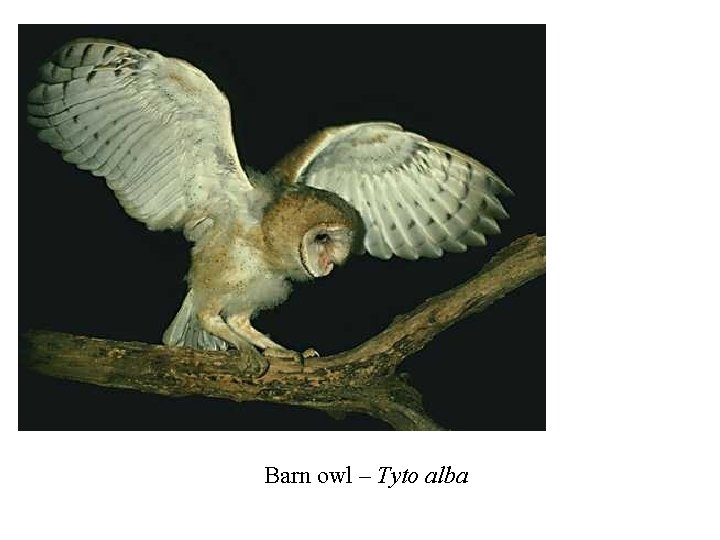
Barn owl – Tyto alba
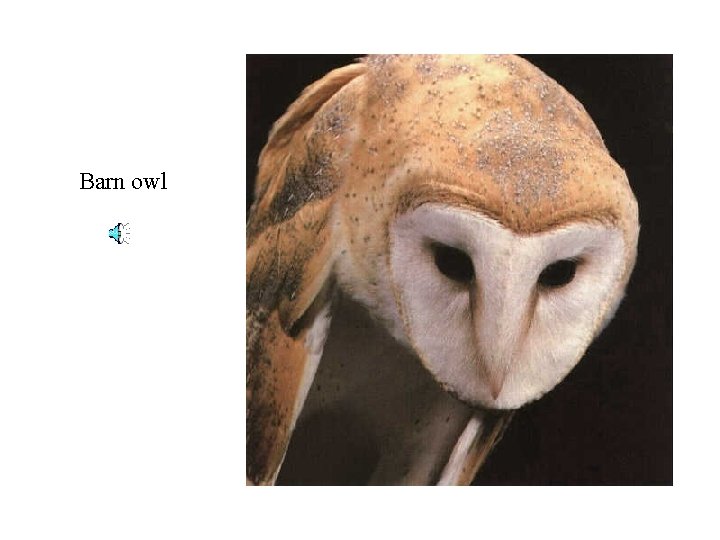
Barn owl
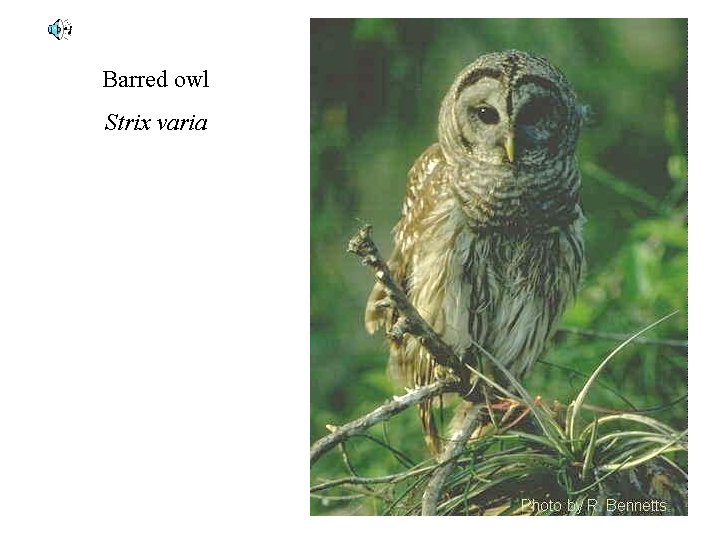
Barred owl Strix varia
Order Caprimulgiformes Goatsuckers Nocturnal insect-eaters with large, flat heads, small bills, enormous mouths, and distinctive white patches in the wings and tail. Many are named for their call.
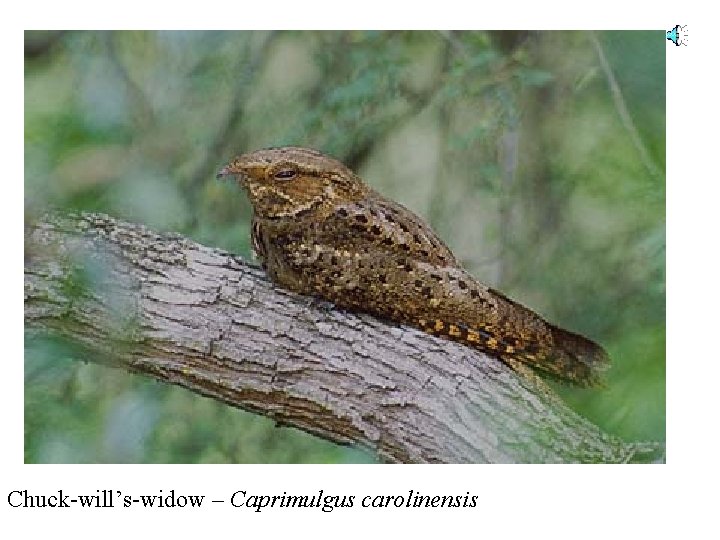
Chuck-will’s-widow – Caprimulgus carolinensis
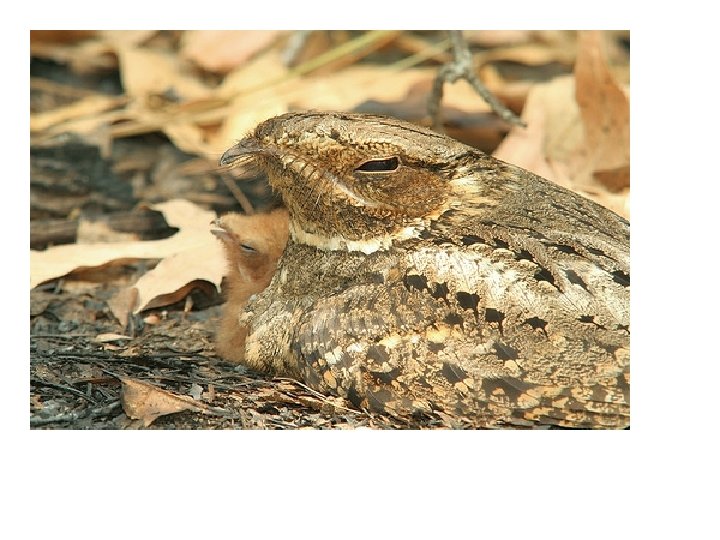
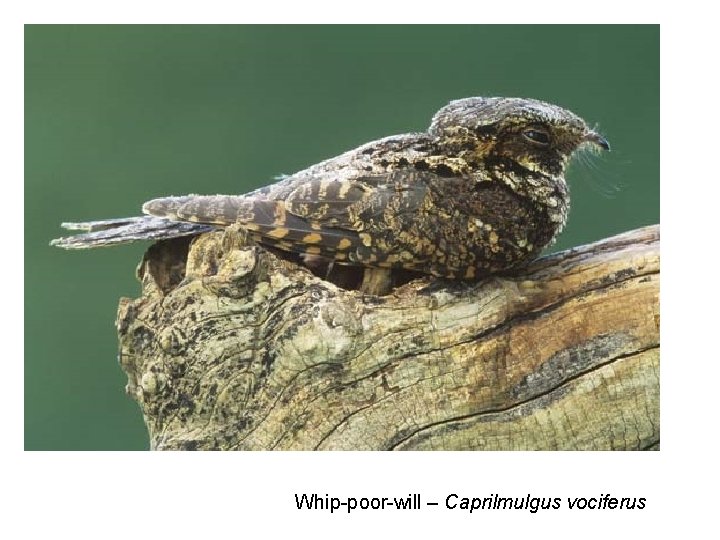
Whip-poor-will – Caprilmulgus vociferus
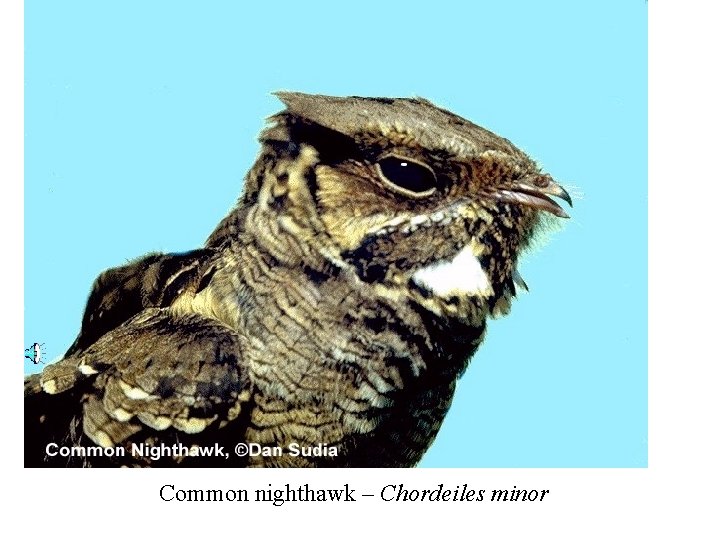
Common nighthawk – Chordeiles minor
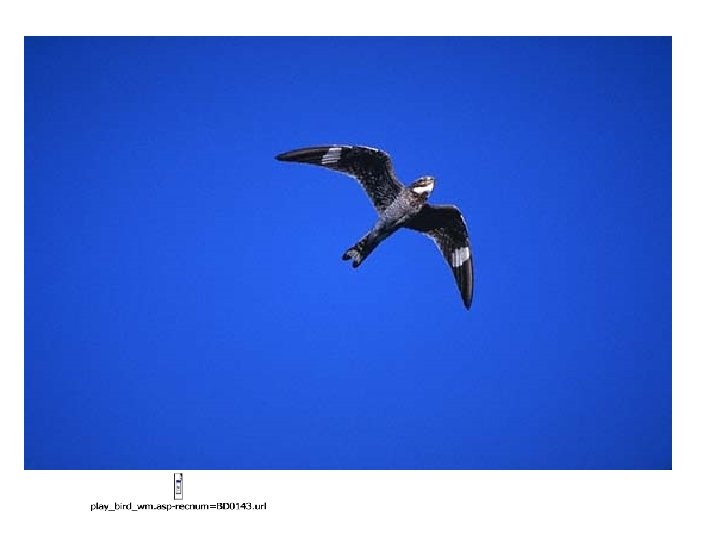
Order Apodiformes Swifts and Hummingbirds
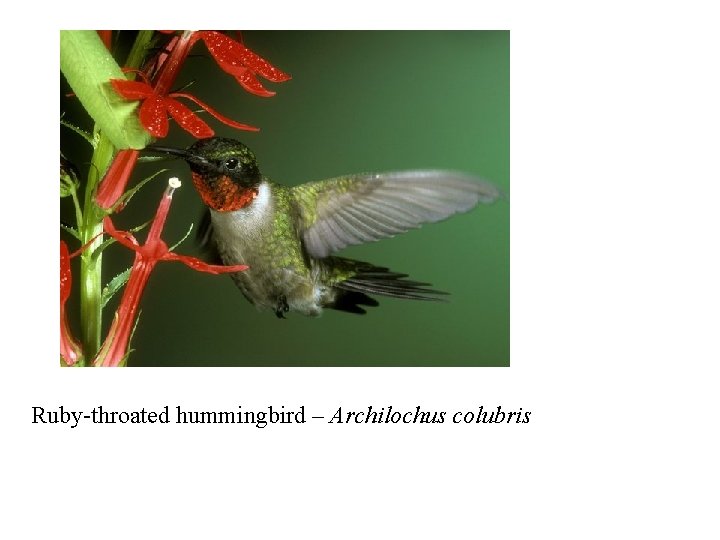
Ruby-throated hummingbird – Archilochus colubris
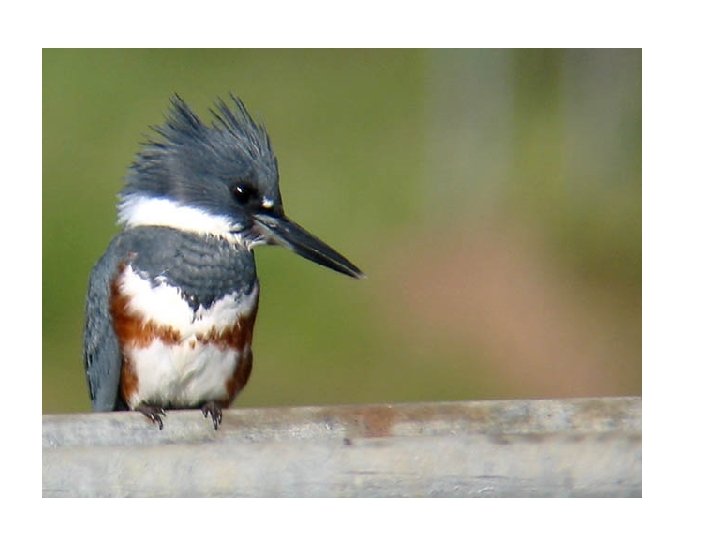
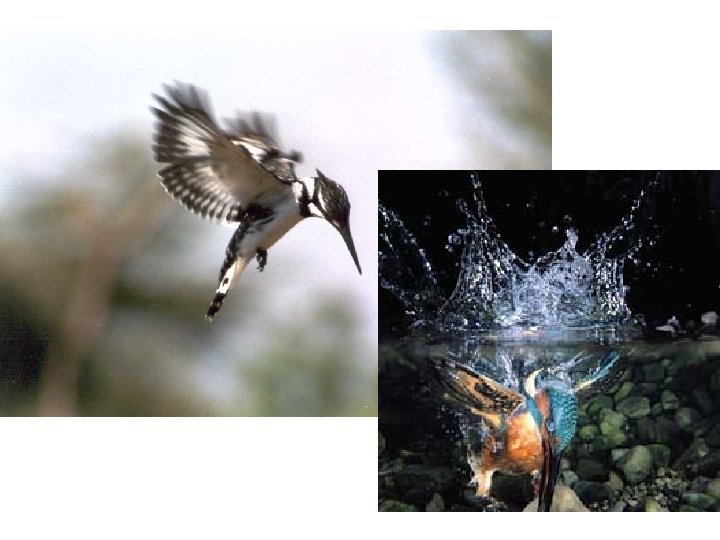
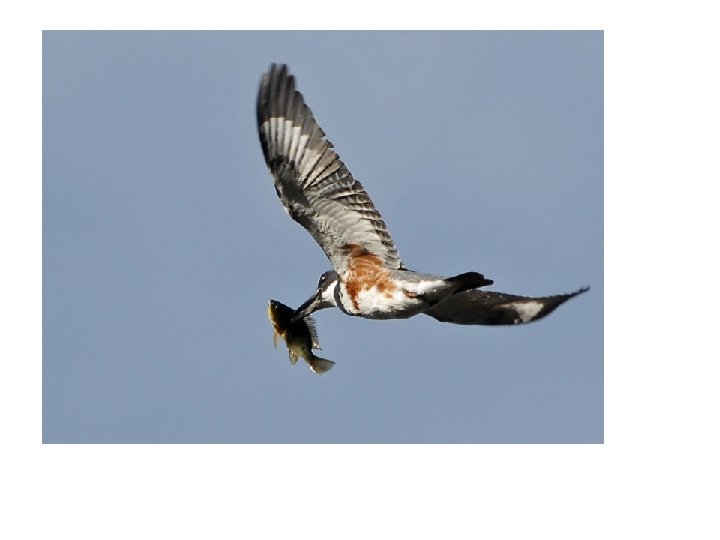
Order Coraciiformes Kingfishers Large-headed, short-tailed birds that dive for fish, which they catch with their long sharp beaks. Perch motionless in the open, over water. Short legs.
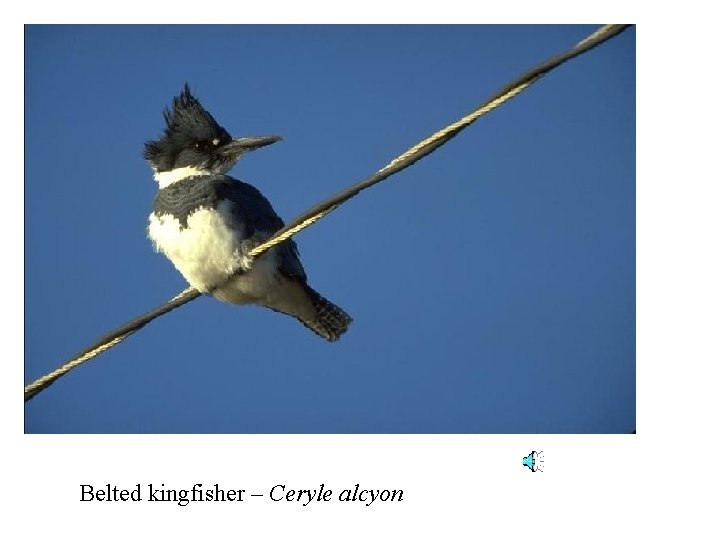
Belted kingfisher – Ceryle alcyon
Order Piciformes Woodpeckers Have a strong bill, sharply pointed for chipping and digging into tree trunks or branches for wood-boring insects. Still tail used as a prop. Most species “drum” on resonant limbs, poles, or drainpipes. Flight is usually undulating, with wings folded against the body after each series of flaps. Usually nest in a cavity chiseled into a large branch or trunk.
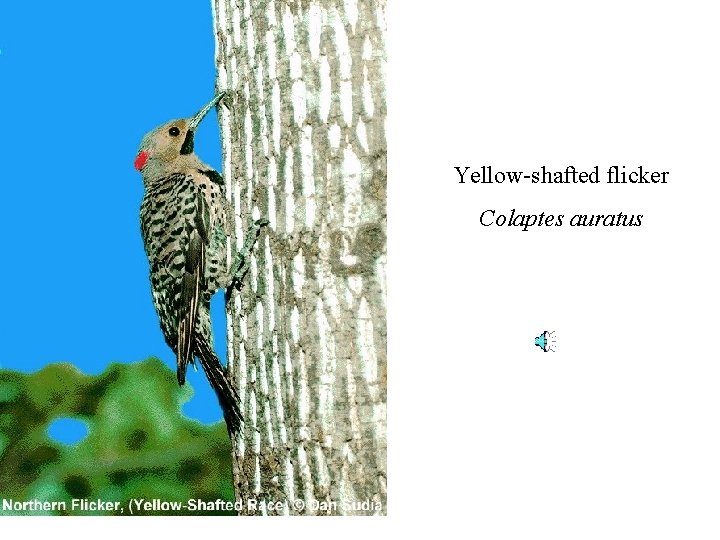
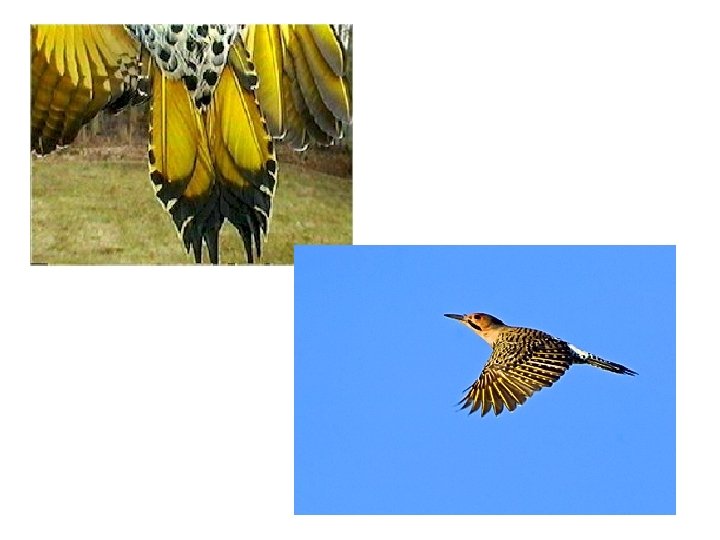
Yellow-shafted flicker Colaptes auratus
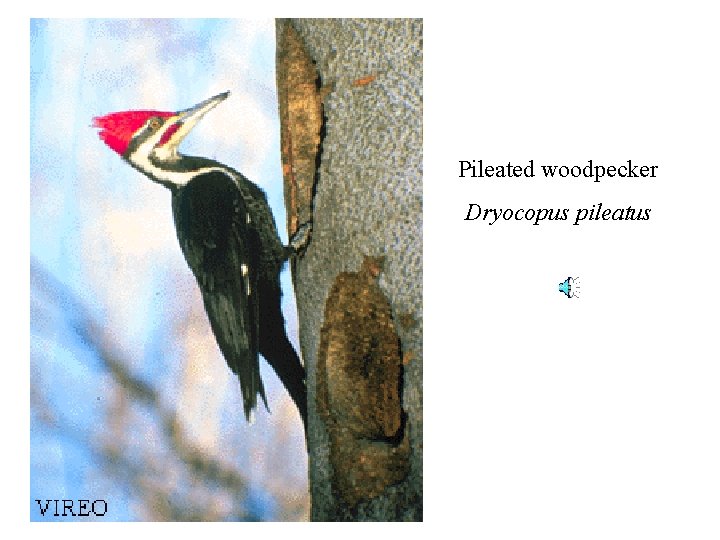
Pileated woodpecker Dryocopus pileatus
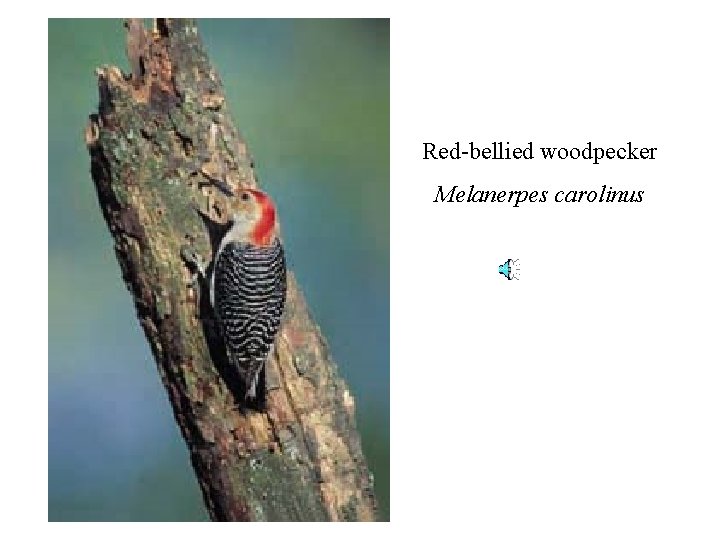
Red-bellied woodpecker Melanerpes carolinus
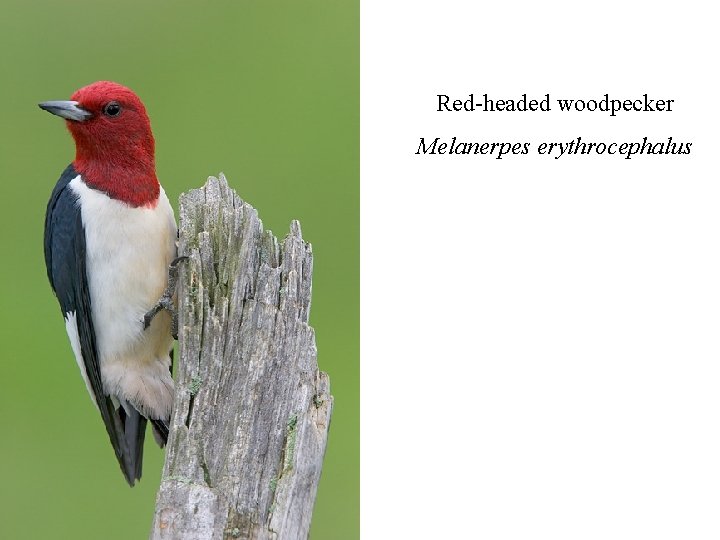
Red-headed woodpecker Melanerpes erythrocephalus
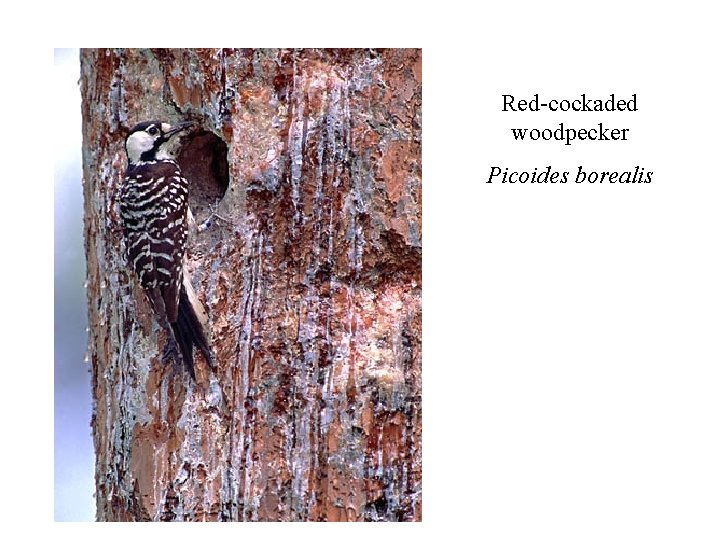
Red-cockaded woodpecker Picoides borealis
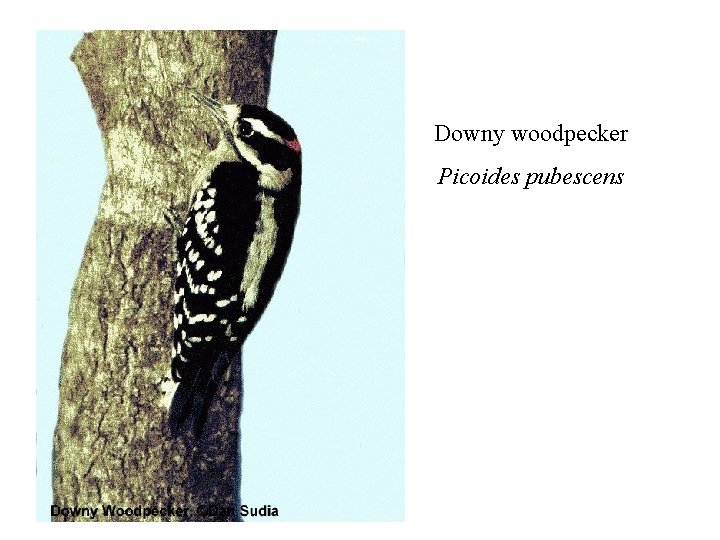
Downy woodpecker Picoides pubescens
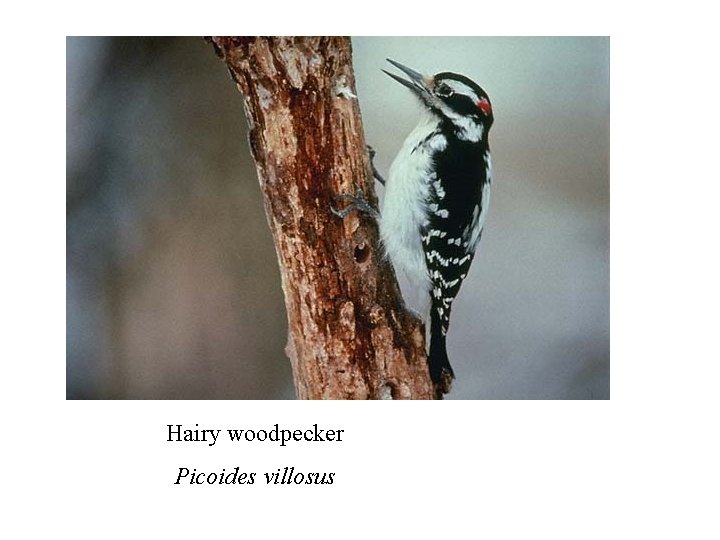
Hairy woodpecker Picoides villosus
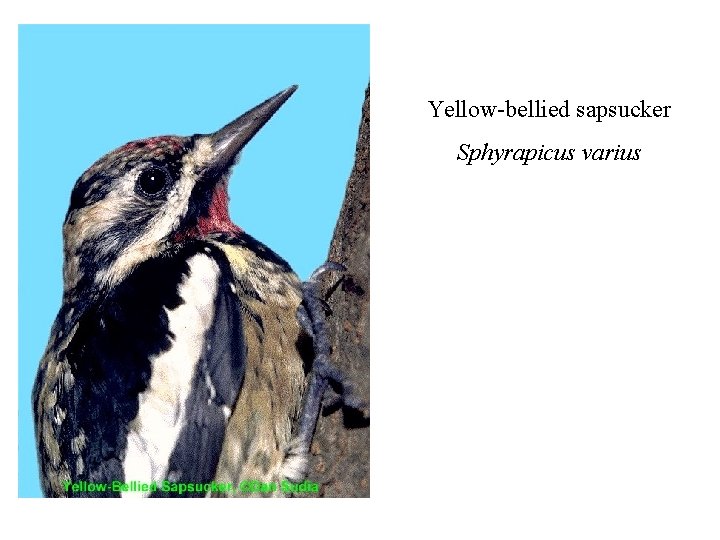
Yellow-bellied sapsucker Sphyrapicus varius
Order Passeriformes Perching Birds Small to medium land birds. All have feet well adapted for perching: 3 toes in front and 1 long toe behind. Most are singers. Bill shape, feather colors, and habits are most useful for family identification. Most insectivorous species and some seed and fruit eaters are highly migratory.
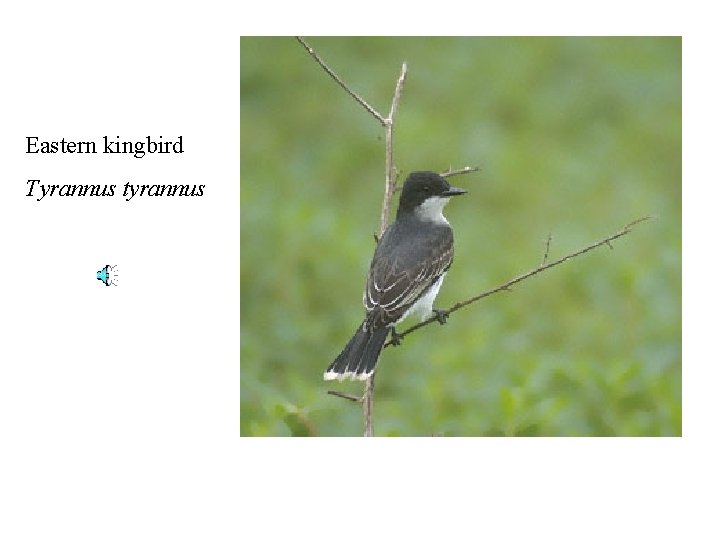
Eastern kingbird Tyrannus tyrannus
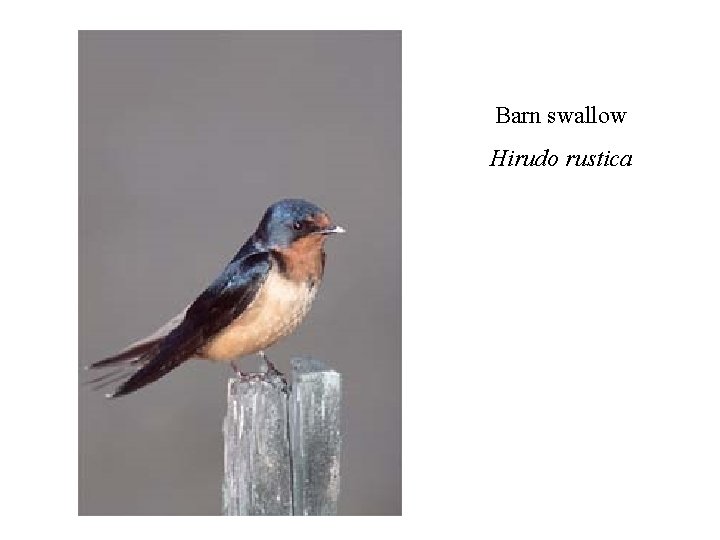
Barn swallow Hirudo rustica
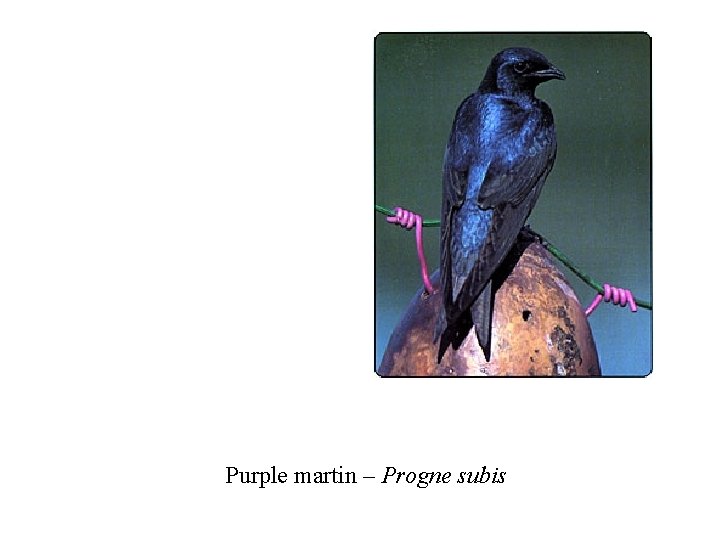
Purple martin – Progne subis
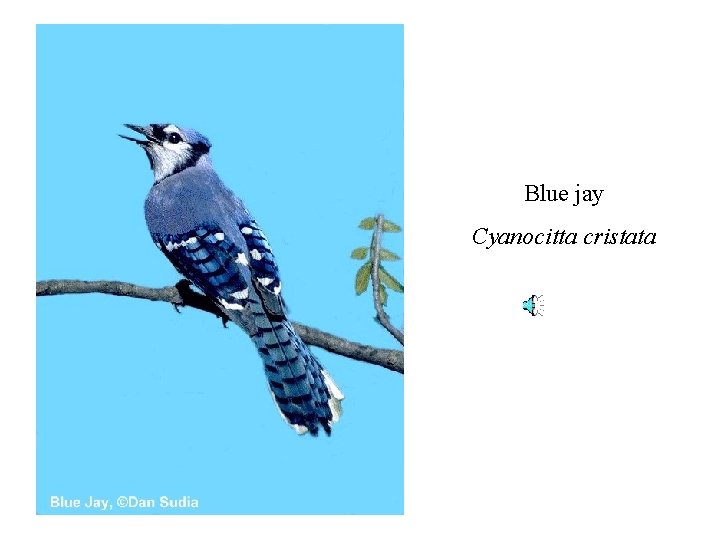
Blue jay Cyanocitta cristata
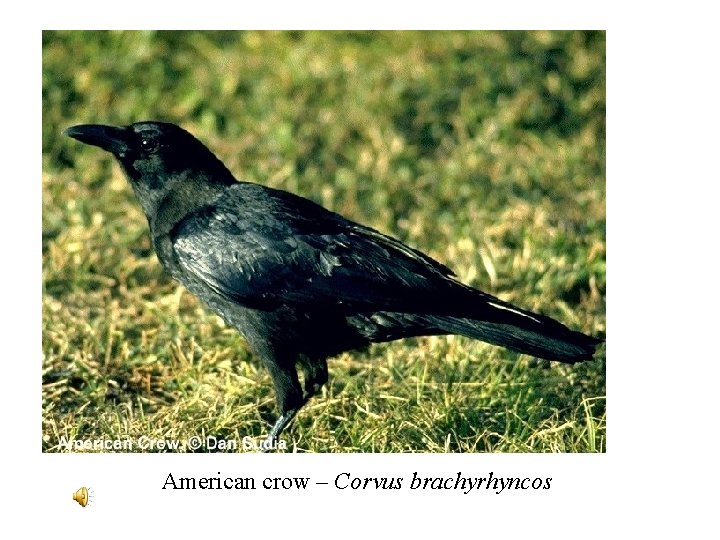
American crow – Corvus brachyrhyncos
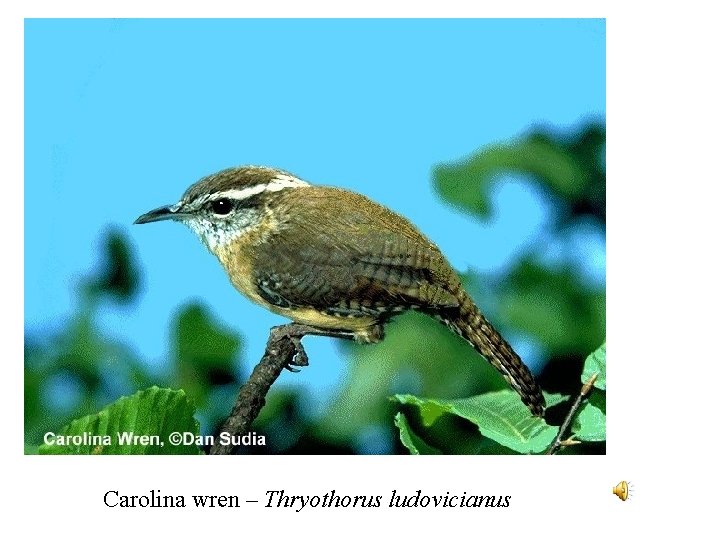
Carolina wren – Thryothorus ludovicianus
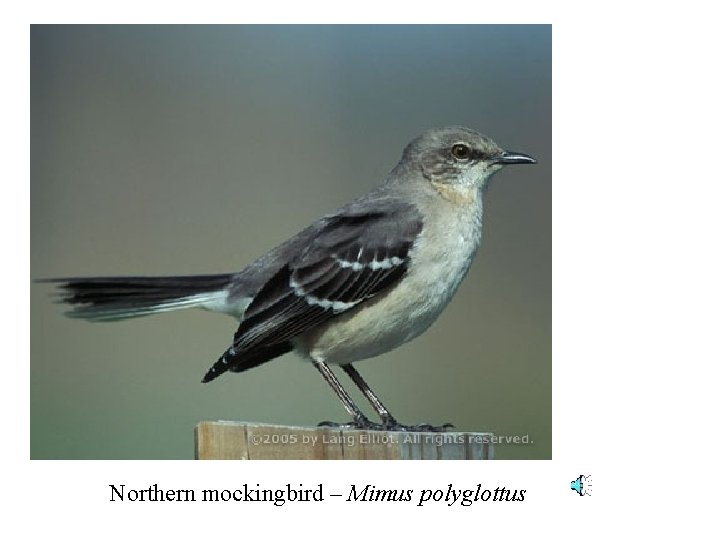
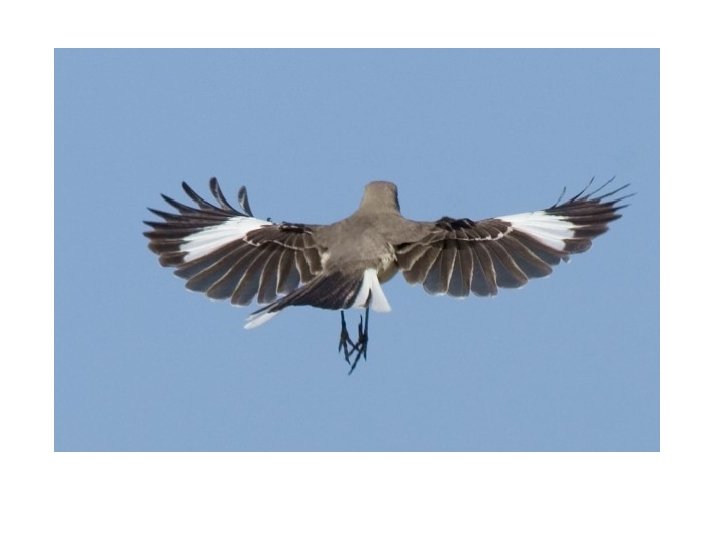
Northern mockingbird – Mimus polyglottus
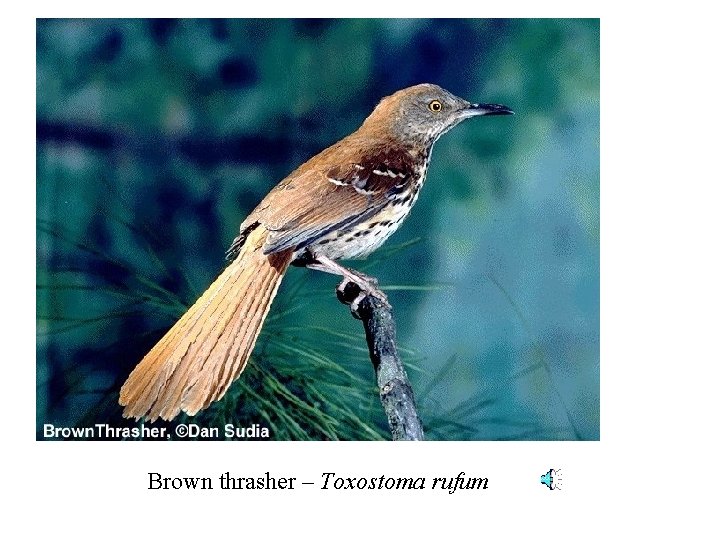
Brown thrasher – Toxostoma rufum
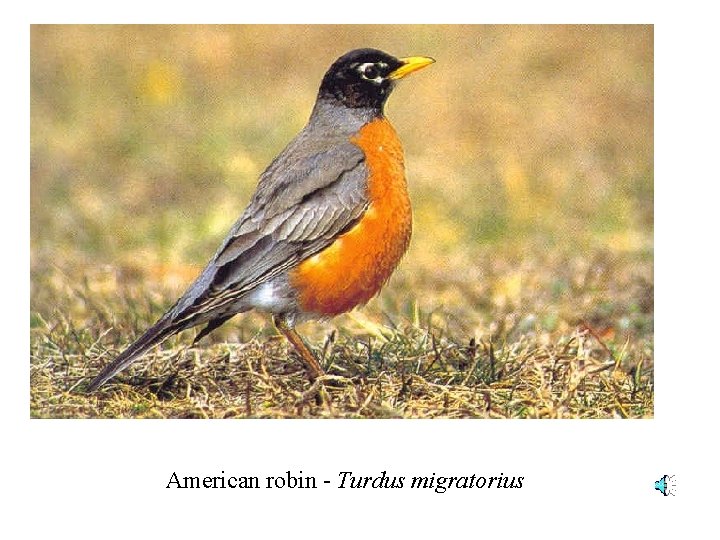
American robin - Turdus migratorius
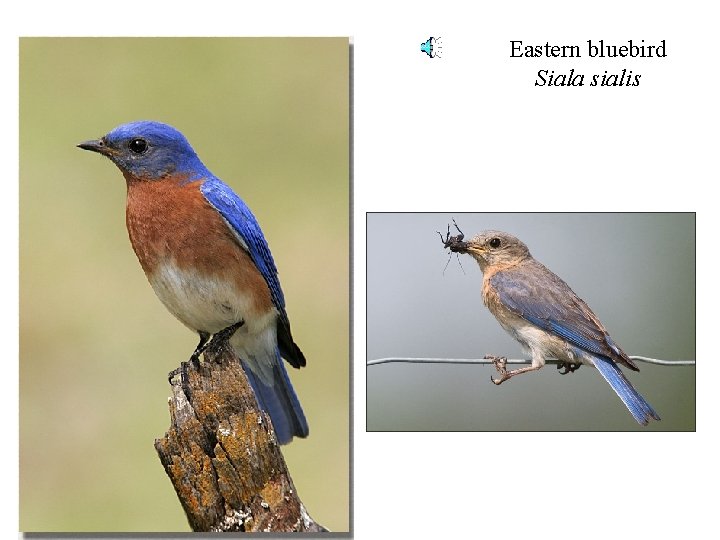
Eastern bluebird Siala sialis
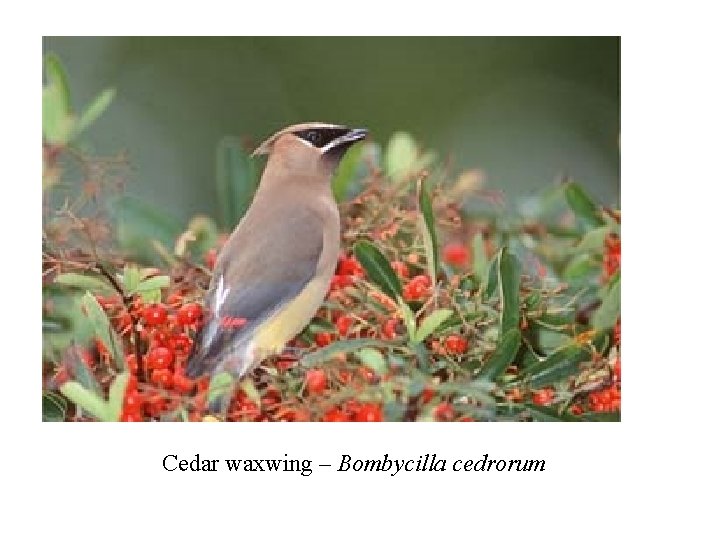
Cedar waxwing – Bombycilla cedrorum
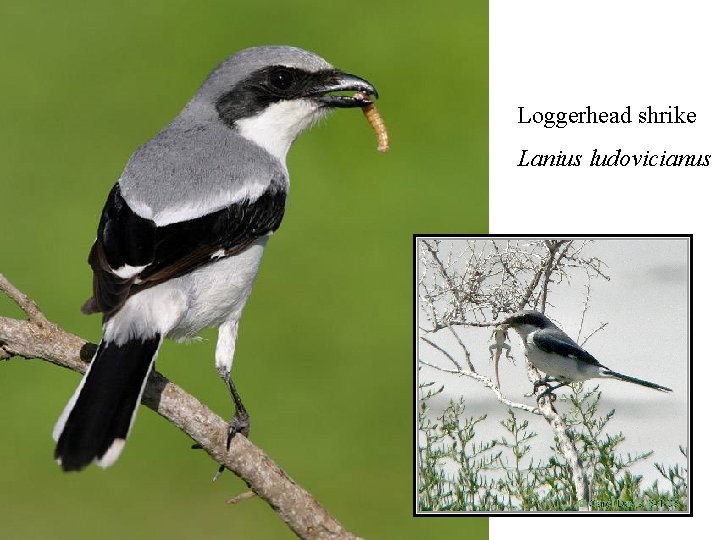
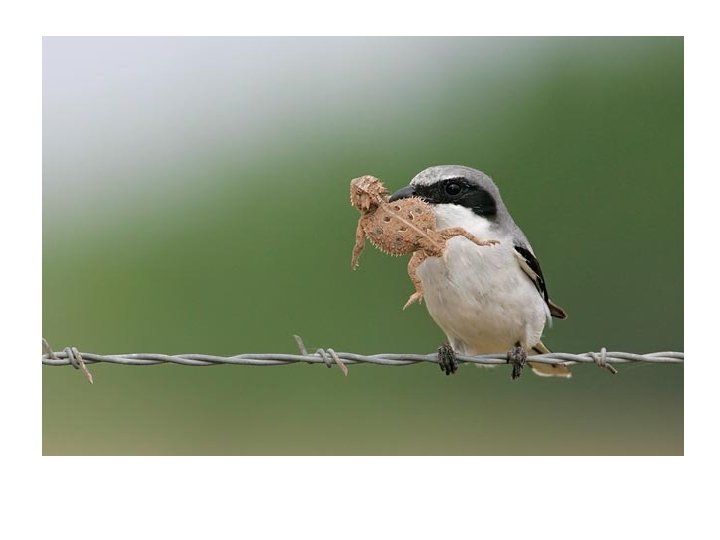
Loggerhead shrike Lanius ludovicianus
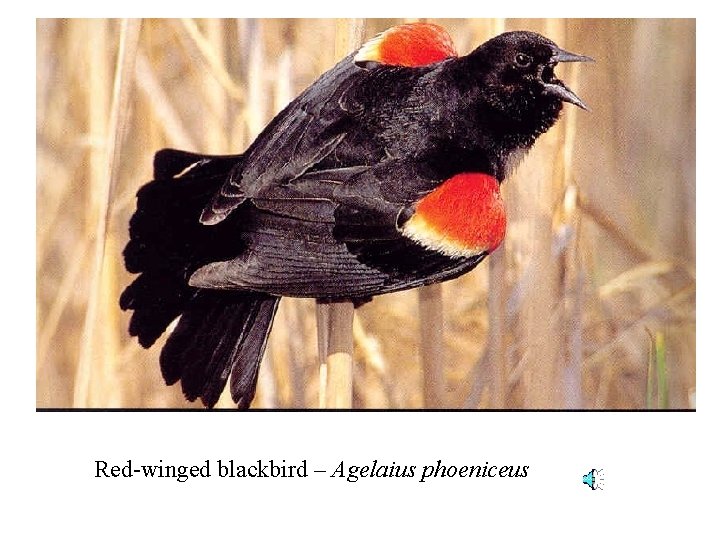
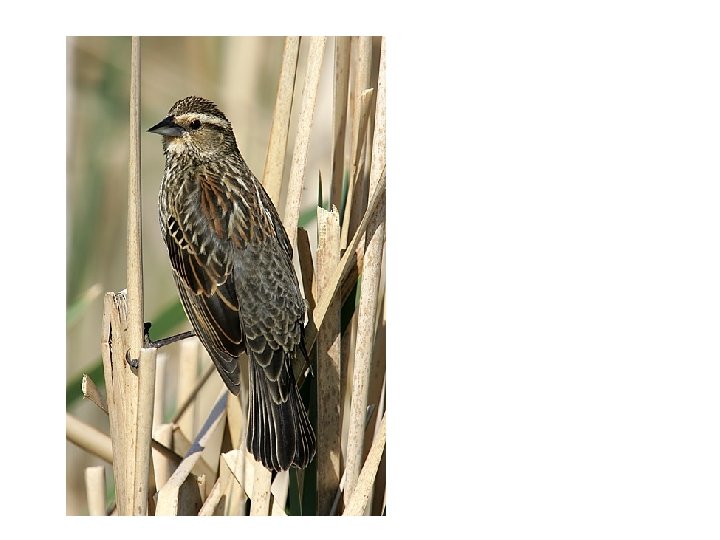
Red-winged blackbird – Agelaius phoeniceus
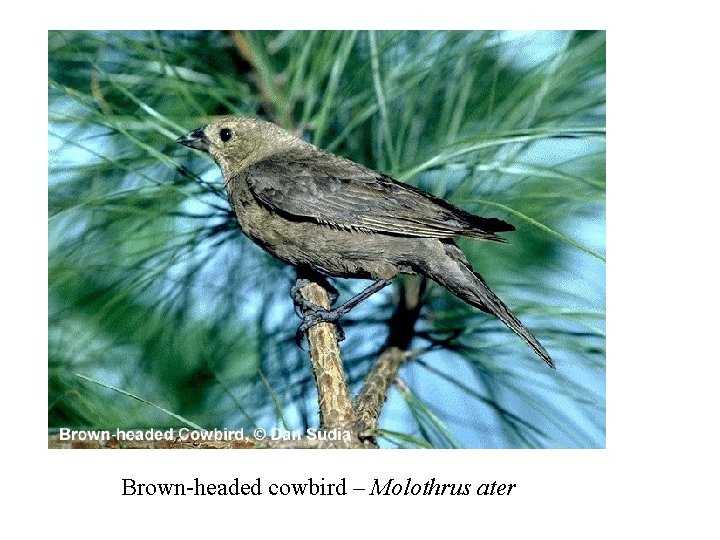
Brown-headed cowbird – Molothrus ater
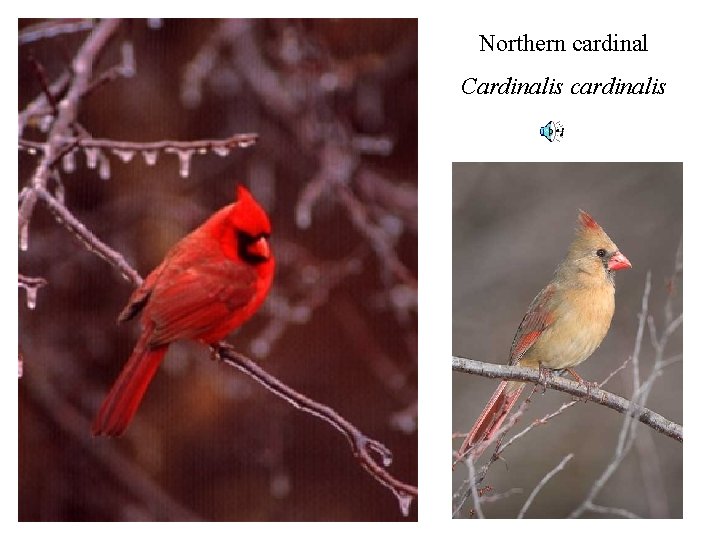
Northern cardinal Cardinalis cardinalis
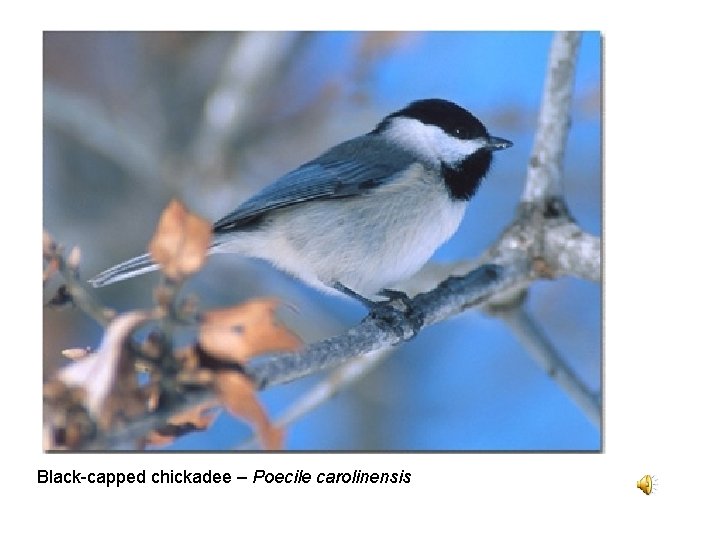
Black-capped chickadee – Poecile carolinensis
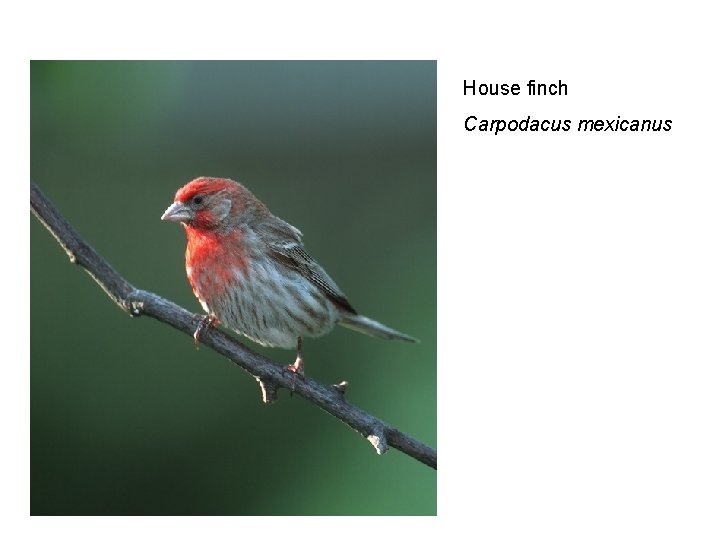
House finch Carpodacus mexicanus
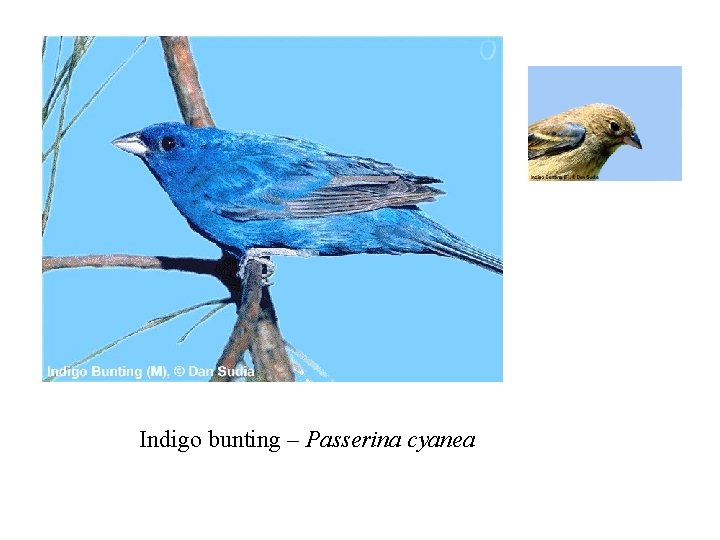
Indigo bunting – Passerina cyanea
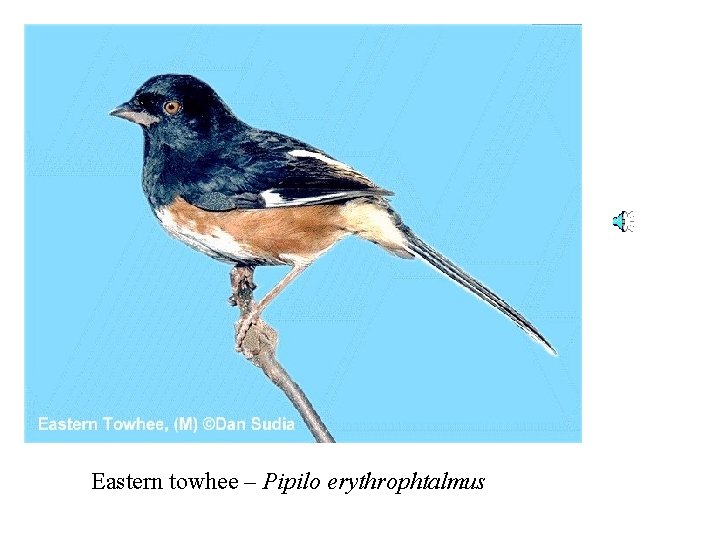
Eastern towhee – Pipilo erythrophtalmus
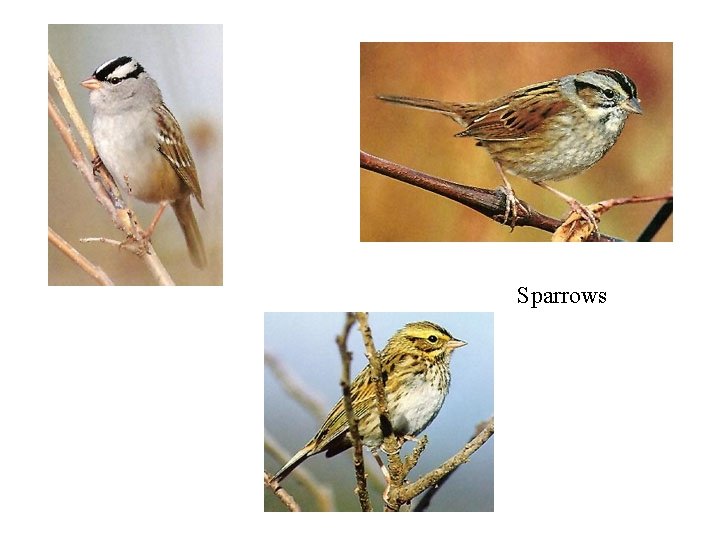
Sparrows
- Slides: 178